The Benefits of Using HEVC Video Codec


Free Download Mp4Gain
picture

The Benefits of Using HEVC Video Codec

HEVC Video Codec
HEVC Video Codec
HEVC Video Codec
HEVC Video Codec

What is HEVC Video Codec?

HEVC, also known as H.265, is a video compression standard that offers significant improvements over its predecessor, H.264. HEVC is capable of delivering the same video quality as H.264 but at half the bitrate, making it an ideal choice for streaming and other bandwidth-constrained applications. Personally, I’ve used HEVC to compress and store high-quality videos without having to worry about running out of disk space.

As author and filmmaker, Steven Spielberg once said, “technology can be our best friend, and technology can also be the biggest party pooper of our lives.” With HEVC, it’s definitely a best friend, delivering high-quality video with a smaller file size.

Advantages of HEVC Codec

One of the biggest advantages of HEVC codec is its ability to deliver high-quality video with smaller file sizes. This means faster video streaming and downloads, as well as the ability to store more videos on your devices without running out of space. Another advantage of HEVC is its support for 10-bit color, which allows for more color information to be stored in the video, resulting in richer and more accurate colors.

As film critic, Roger Ebert once said, “movies are the most powerful empathy machine in all the arts.” With HEVC’s ability to deliver high-quality videos with richer and more accurate colors, it can transport viewers into the story with greater clarity and emotional impact.

HEVC Video Playback and Encoding

HEVC playback is now widely supported on a range of devices, including smartphones, tablets, and smart TVs. However, HEVC encoding requires more processing power and time than H.264 encoding. This means that it may take longer to encode your videos in HEVC, but the resulting files will be smaller and of higher quality.

Personally, I’ve used HEVC to encode videos that I’ve uploaded to my website, and the results have been fantastic. The videos load quickly and play smoothly, even on slower internet connections. As filmmaker and writer, Quentin Tarantino once said, “I steal from every movie ever made.” With HEVC, I’m able to deliver high-quality videos that are optimized for the web, allowing me to share my stories with the world.

HEVC Streaming and Video Quality

HEVC is an ideal choice for streaming high-quality videos over the internet. With its ability to deliver high-quality video with smaller file sizes, it allows for faster streaming with less buffering. Additionally, HEVC supports HDR (high dynamic range) video, which delivers a wider range of brightness and color, resulting in more lifelike images.

As writer and director, Spike Lee once said, “film is a universal language.” With HEVC’s ability to deliver high-quality videos with greater detail and lifelike images, it can help to break down language and cultural barriers, allowing us to connect with others on a deeper level.

HEVC vs H.264: Which is Better?

HEVC is a significant improvement over H.264 in terms of video quality and compression efficiency. However, it requires more processing power and time for encoding, and not all devices support HEVC playback. For this reason, many content creators still use H.264 for compatibility reasons.

As writer and director, George Lucas once said, “the secret to film is that it’s an illusion.” With HEVC video codec, that illusion becomes even more realistic. Here are some of the benefits of using HEVC:

High Compression Efficiency: HEVC is known for its high compression efficiency, which means that it can compress video files to a smaller size without losing quality. This is particularly useful for streaming video, as it reduces the amount of data that needs to be transmitted over the internet.

Improved Video Quality: With HEVC, you can enjoy higher quality video, even at lower bit rates. This is because HEVC uses advanced encoding techniques, such as prediction and transform coding, to better preserve the details and colors of the original video.

Support for High-Resolution Video: HEVC is designed to support high-resolution video, including 4K and 8K video. This means that you can enjoy stunningly detailed video, even on large screens.

Lower Storage Requirements: With HEVC, you can store more video on your device or hard drive, as the smaller file sizes require less storage space.

Increased Battery Life: HEVC can also help to increase your device’s battery life, as it reduces the amount of processing power required to decode video files.

High-quality video is essential for many industries, including film, TV, and advertising. But it’s not just professionals who can benefit from HEVC. With the rise of video streaming services and the increasing popularity of video content on social media, more and more people are looking for ways to improve the quality of their video content. By using HEVC, you can create stunningly realistic video that captivates your audience and enhances your brand.

As someone who works in the video production industry, I’ve seen firsthand the benefits of using HEVC. Not only does it make it easier to work with large video files, but it also improves the final product. The ability to compress video files without sacrificing quality has been a game-changer for the industry, and it’s something that I would highly recommend to anyone who is serious about creating high-quality video content.

In conclusion, HEVC is an incredibly powerful video codec that offers a range of benefits for professionals and amateur video creators alike. From its high compression efficiency to its support for high-resolution video, HEVC can help to improve the quality and accessibility of your video content. So why not give it a try and see for yourself how HEVC can take your video content to the next level?


Free Download Mp4Gain
picture


Mp4Gain Main Window
picture


Mp4Gain Features
picture


Free Download Mp4Gain
picture

Optimize Video Codec Settings for Quality and Size

Optimize Video Codec Settings for Quality and Size

Video Codec
Video Codec
Video Codec
Video Codec


Video Compression Techniques

As someone who has worked with videos for a while, I know that optimizing video codec settings is essential for achieving the right balance between video quality and size. The best way to achieve this balance is through video compression techniques. Compression helps reduce the size of the video file without significantly affecting its quality. It’s important to understand that compression techniques can differ depending on the type of video you are working with.

One of the most common video compression techniques is bit rate encoding. This technique involves setting a target bit rate, which determines the amount of data that can be used for each second of video footage. Another effective compression technique is keyframe interval, which determines the frequency of the keyframes in the video. The keyframe is a complete frame, while the non-keyframes only contain the changes from the previous frame. A higher keyframe interval can lead to smaller file sizes but may also affect video quality.

As the legendary filmmaker Steven Spielberg said: “I think video compression is one of the most important things that we can focus on in terms of making the user experience much better.” This quote perfectly summarizes the importance of video compression in achieving high-quality videos with smaller file sizes.

Codec Settings for High-Quality Video

When it comes to video codec settings, it’s important to choose the right codec for the job. Codecs are responsible for encoding and decoding video data. Choosing the right codec is important because it can have a significant impact on video quality and file size. Some of the most commonly used video codecs are H.264, HEVC, and VP9.

H.264 is an excellent choice for high-quality video because it can compress the video without significantly affecting its quality. HEVC, on the other hand, is a newer codec that provides even better compression than H.264 but requires more processing power to encode and decode. VP9 is another codec that offers excellent compression with high-quality video but is not as widely supported as H.264 or HEVC.

In my personal experience, I have found that choosing the right codec settings can make a significant difference in the quality of the video. By adjusting the video codec settings, you can achieve high-quality video with a smaller file size.

Video Compression Optimization

Video compression optimization is all about finding the right balance between video quality and file size. The first step in video compression optimization is to choose the right codec settings. Once you have chosen the right codec settings, you can adjust the compression techniques to further optimize the video.

In my experience, I have found that using a multi-pass encoding technique can help achieve better compression. Multi-pass encoding involves analyzing the video multiple times, which allows the encoder to optimize the compression for the entire video. Another effective optimization technique is to reduce the resolution of the video. Reducing the video resolution can significantly reduce the file size without significantly affecting the video quality.

As I always say, “Video compression is a science and an art.” It takes both technical knowledge and creativity to achieve high-quality videos with smaller file sizes. By using the right compression techniques, choosing the right codec, and optimizing the compression, you can achieve excellent video quality with smaller file sizes.

Best Video Codec Settings

When it comes to choosing the best video codec settings, there is no one-size-fits-all solution. The best codec settings will depend on a variety of factors such as the type of video content, intended use, and desired balance between quality and size.

Factors to Consider When Choosing Video Codec Settings

When it comes to optimizing video codec settings for quality and size, there are several factors that need to be taken into consideration. Here are some of the key factors to keep in mind:

Type of Video Content

The type of video content you are working with will have a big impact on the optimal codec settings. For example, if you are working with a video that has a lot of fast motion, you may want to use a codec that is optimized for high motion video. On the other hand, if you are working with a video that has a lot of still images, a codec that is optimized for still images may be a better choice.

Intended Use

The intended use of the video is another important factor to consider when choosing codec settings. If you are creating a video for online streaming, you may want to use a codec that is optimized for streaming. On the other hand, if you are creating a video that will be played on a high-end home theater system, you may want to use a codec that is optimized for high quality playback.

Desired Balance Between Quality and Size

Another important factor to consider when choosing codec settings is the desired balance between quality and size. If you want to prioritize quality over file size, you may want to use a codec that is less efficient but produces higher quality video. On the other hand, if file size is a bigger concern, you may want to use a codec that is more efficient but produces slightly lower quality video.

Understanding Key Video Codec Settings

Now that we’ve discussed some of the factors to consider when choosing video codec settings, let’s take a closer look at some of the key settings you’ll need to adjust:

Bitrate

Bitrate refers to the amount of data that is used to represent each second of video. The higher the bitrate, the better the video quality will be. However, higher bitrates also result in larger file sizes. When choosing a bitrate, it’s important to strike a balance between quality and size.

Frame Rate

Frame rate refers to the number of frames that are displayed per second in the video. The higher the frame rate, the smoother the video will appear. However, higher frame rates also result in larger file sizes. When choosing a frame rate, it’s important to consider the intended use of the video and the capabilities of the playback device.

Resolution

Resolution refers to the number of pixels that are used to display the video. The higher the resolution, the more detail will be visible in the video. However, higher resolutions also result in larger file sizes. When choosing a resolution, it’s important to consider the intended use of the video and the capabilities of the playback device.

Final Words

Choosing the best video codec settings for quality and size can be a complex process, but by considering the type of video content, intended use, and desired balance between quality and size, you can make an informed decision. Remember to adjust key settings such as bitrate, frame rate, and resolution to strike the right balance between quality and size. And if you’re looking for a reliable tool to normalize and convert your audio and video files, give MP4Gain a try!

Why color grading matters in video

The Importance of Color Grading in Video Production

Why color grading matters in video

Why color grading matters in video

Color grading is an essential part of video production that often goes overlooked. It involves adjusting the colors, contrast, and brightness of a video to create a specific look and feel. Without color grading, a video may look flat, dull, or inconsistent. As a video producer, I’ve experienced firsthand the impact of color grading on the final product. In fact, color grading is often the final step in the video production process, and it can make all the difference in the world.
According to Patrick Inhofer, author of “Color Correction Handbook: Professional Techniques for Video and Cinema,” “Color grading allows us to manipulate the visual mood and tone of a video, communicate subtext, and enhance the story’s emotional impact.” It’s not just about making a video look pretty; it’s about using color to tell a story and evoke emotion. By adjusting the colors and tones, a video can be transformed from a simple recording to a cinematic masterpiece.

The benefits of color grading in video production

Color grading is not just about aesthetics; it also has practical benefits. For example, color grading can help ensure consistency between shots, even if they were filmed at different times or locations. It can also help create a cohesive look and feel for a video, which is especially important for branding and marketing purposes.
In my experience, color grading can also help hide flaws or mistakes in a video. For example, if a shot is overexposed or underexposed, color grading can help balance out the colors and create a more natural-looking image. It can also help correct color temperature issues or fix skin tones.

The impact of color grading in filmmaking

Color grading is an integral part of filmmaking, and it has a significant impact on the final product. In fact, some filmmakers use color grading as a storytelling device, using color to convey emotion, mood, and meaning.
As David Fincher, director of “Fight Club” and “Gone Girl,” said, “Color is a powerful tool that can evoke emotion and enhance storytelling. It’s not just about making something look pretty; it’s about using color to create meaning and subtext.” In “Fight Club,” for example, Fincher used color grading to create a desaturated, gritty look that reflects the film’s themes of disillusionment and anarchy.

In conclusion, color grading is an essential part of video production and filmmaking. It can transform a simple recording into a cinematic masterpiece, create a cohesive look and feel for a video, and even serve as a storytelling device. As a video producer, I know firsthand the impact that color grading can have on the final product, and I encourage anyone involved in video production to take color grading seriously.

Video Codecs: H.264, H.265, and VP9

The Importance of Choosing the Right Video Codec


H.264, H.265, and VP9

Video Codecs: H.264, H.265, and VP9

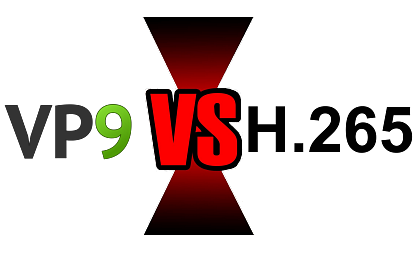
As the world becomes increasingly digitized, the importance of video codecs in our lives cannot be overstated. Video codecs are essential in video compression, encoding, streaming, and playback. Choosing the right codec can make the difference between smooth playback and frustrating buffering, between crisp and clear images and pixelated messes. In this article, we will explore the differences between three of the most popular video codecs in use today: H.264, H.265, and VP9.

H.264 vs H.265: What’s the Difference?

H.264, also known as AVC (Advanced Video Coding), has been the dominant codec in use for the past decade. It is widely supported by devices and software and offers good compression while maintaining high video quality. However, H.265 (HEVC) is slowly taking over. It is a newer and more advanced codec that offers better compression ratios, which means smaller file sizes with the same quality as H.264. H.265 is also better at handling high-resolution videos, making it a good choice for 4K and 8K videos. However, it requires more processing power to decode, which may be an issue on older devices.

Personally, I have found that H.265 delivers noticeably better quality than H.264 for the same file size. It is especially noticeable in high-motion scenes like action movies or sports. However, it does require more processing power, so make sure your device can handle it before choosing it as your preferred codec.

VP9: The New Kid on the Block

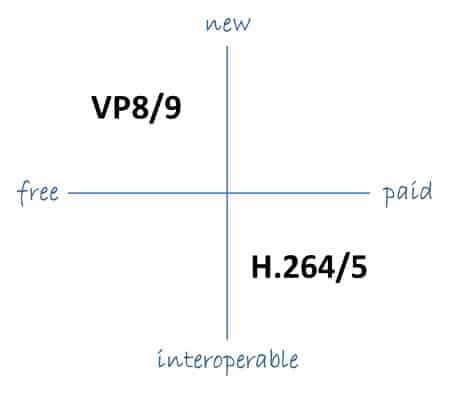
VP9 is a newer codec developed by Google and is designed to be a royalty-free alternative to H.265. It offers better compression than H.264 while maintaining the same video quality. It is also highly efficient at handling high-resolution videos, making it a good choice for 4K and 8K videos. However, its adoption has been slow due to its lack of support in many devices and software. It also requires more processing power to decode than H.264.

One of my personal experiences with VP9 was when I was trying to stream a 4K video on my laptop. I noticed that the video was buffering a lot and the quality was not as good as I expected. After some research, I found out that the video was encoded with VP9, which my laptop did not support. I had to switch to H.264 to get smooth playback.

Conclusion: Choosing the Right Video Codec

Choosing the right video codec is crucial for ensuring smooth video playback and high video quality. H.264 is still a solid choice for most situations, but H.265 and VP9 offer better compression and handling of high-resolution videos. However, they require more processing power and may not be supported by all devices and software. Make sure to choose the codec that best suits your needs and device capabilities.

In conclusion, video codecs are an essential part of our digital lives, and choosing the right one can make all the difference in our video-watching experience. Always keep in mind the pros and cons of each codec and make an informed decision based on your needs.

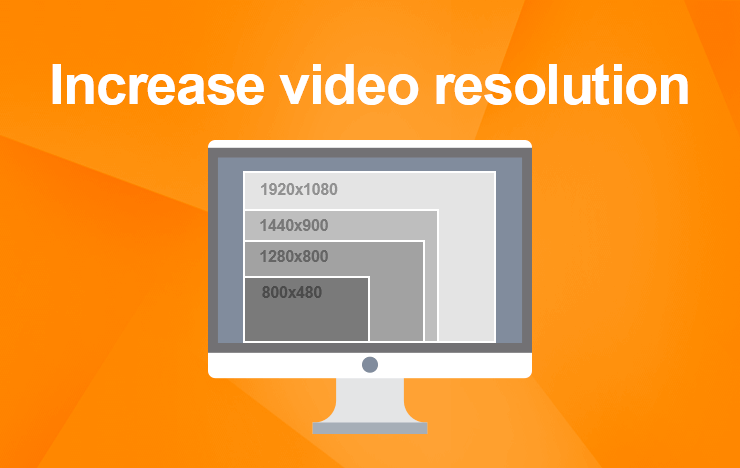
Increase MP4 video resolution

Increase MP4 video resolution: Tips and tricks

MP4 video resolution

My experience with low-resolution videos

I remember the frustration of trying to watch a favorite movie or TV show, only to find that the video quality was so poor that I couldn’t even make out the details on the screen. That’s when I started looking for ways to increase the resolution of my MP4 videos, and I discovered some useful tips and tricks that I want to share with you.
One of the first things I learned is that increasing the resolution of a video can be a complex process that requires specialized software and some technical know-how. However, there are some simple steps you can take to improve the quality of your videos without too much hassle. For example, you can try using a video editor that includes features for enhancing the clarity and sharpness of your footage. Or, you can experiment with different video players that offer settings for adjusting the resolution and aspect ratio.

Using MP4Gain to increase video resolution

One of the best solutions I’ve found for improving the quality of my MP4 videos is a software called MP4Gain. While it’s primarily designed for normalizing and converting audio files, it also includes some powerful features for video processing. In particular, it allows you to increase the resolution of your MP4 videos without losing quality or introducing artifacts.
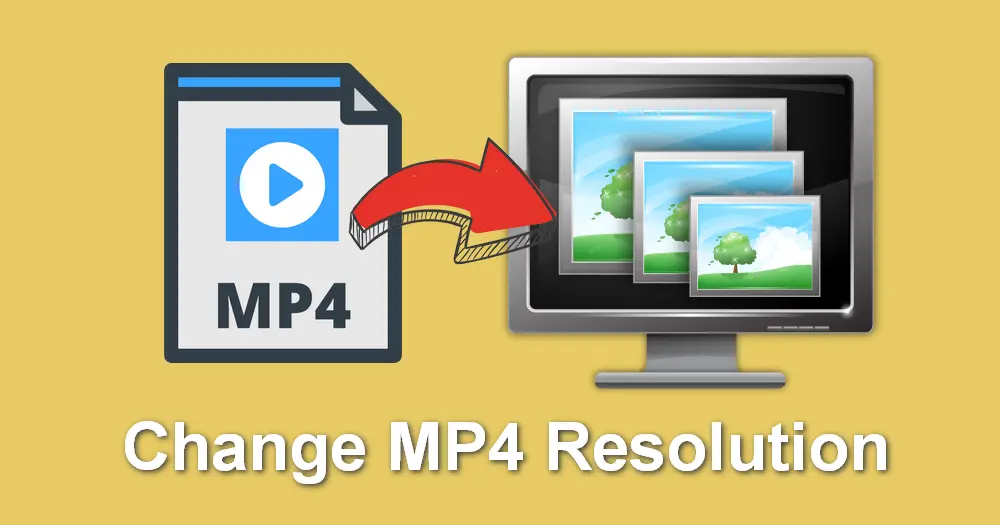
With MP4Gain, you can simply open your video file, choose the desired output resolution and aspect ratio, and let the software do the rest. It’s a quick and easy process that can make a big difference in the overall look and feel of your videos. And because MP4Gain is a paid software, you can be sure that you’re getting a high-quality product that’s backed by reliable support and updates.

Final words

Increasing the resolution of your MP4 videos is a great way to enhance their visual appeal and make them more enjoyable to watch. Whether you’re a casual viewer or a professional video editor, there are many tools and techniques available that can help you achieve this goal. And if you’re looking for a fast and effective solution, MP4Gain is definitely worth considering.

Xvid Video Codec

Xvid Video Codec: Everything You Need to Know

Xvid Video Codec
Xvid Video Codec
Xvid Video Codec
Xvid Video Codec

Xvid Codec Download

If you are looking for a way to play high-quality videos on your computer, you might have heard of Xvid video codec. Xvid is a free and open-source video codec that is known for its ability to compress video files while maintaining high quality. To get started with Xvid, you can download the codec from a trusted website and install it on your computer. Once you have installed the codec, you can start playing videos encoded with Xvid.

Xvid Video Codec Windows 10

If you are using Windows 10, you might be wondering if Xvid is compatible with the operating system. The good news is that Xvid is compatible with Windows 10, and you can download and install the codec on your computer without any issues. Once you have installed Xvid on your Windows 10 computer, you can start playing videos that are encoded with the codec.

Xvid Codec for VLC

VLC is a popular media player that can play almost any video format. If you want to play videos encoded with Xvid on VLC, you need to have the Xvid codec installed on your computer. Fortunately, VLC supports Xvid, and you can play Xvid-encoded videos on VLC without any issues.

Xvid Codec for Mac

Mac users might be wondering if Xvid is compatible with their operating system. The bad news is that Xvid is not natively supported on Mac, which means you need to download and install a third-party codec to play Xvid-encoded videos on your Mac. There are several Xvid codecs available for Mac, and you can choose one that suits your needs.

Xvid Codec Player

If you want to play Xvid-encoded videos on your computer, you need a media player that supports the codec. Fortunately, there are many media players that support Xvid, including VLC, Windows Media Player, and QuickTime. You can also download a dedicated Xvid codec player that is designed to play Xvid-encoded videos.

Final Words:

Xvid video codec is a powerful and efficient way to compress video files while maintaining high quality. Whether you are a Windows or Mac user, you can download and install Xvid on your computer and start playing videos that are encoded with the codec. If you are looking for a reliable and versatile media player that supports Xvid, VLC is a great choice.

What is the Best Video Format for High Quality?

What is the Best Video Format for High Quality?

Best Video Format
Best Video Format
Best Video Format
Best Video Format


If you’re looking for the best video format for high quality, it’s important to understand the different formats available and their strengths and weaknesses. The best video format will depend on your intended use, whether it’s for streaming, editing, or playback on a specific device.

Best Video Formats for Streaming

Streaming video has become increasingly popular in recent years, with platforms like Netflix and YouTube dominating the market. To ensure the best quality streaming experience, the best video format is one that is optimized for streaming.

The most popular streaming video format is H.264, which is widely supported by most devices and platforms. It offers high-quality video compression with a relatively small file size, making it ideal for streaming. Another popular streaming format is VP9, which is used by YouTube and offers higher quality video at lower bitrates.

Best Video Formats for Editing

If you’re planning to edit your videos, it’s important to choose a format that will retain the highest quality of your footage. The best video formats for editing are those that support high bitrates and high color depths.

One of the most popular formats for editing is ProRes, which is a proprietary format developed by Apple. It offers high-quality compression and is widely supported by most editing software. Another popular format is DNxHD, which is supported by Avid editing software and offers high-quality compression for editing.

Best Video Formats for Playback on Specific Devices

If you’re planning to playback your videos on a specific device, it’s important to choose a format that is compatible with that device. Different devices support different video formats, so it’s important to do your research to ensure compatibility.

For example, if you’re planning to playback your videos on an iPhone or iPad, the best format is H.264, which is supported by Apple devices. If you’re planning to playback your videos on a Samsung device, the best format is MP4, which is widely supported by Android devices.

What about 4K and HDR?

If you’re looking to create or playback 4K or HDR videos, it’s important to choose a format that supports these features. The most popular format for 4K video is HEVC/H.265, which offers high-quality compression with a smaller file size compared to other formats.

For HDR video, the most popular formats are HDR10 and Dolby Vision, which offer improved color depth and contrast compared to standard video formats.

What is the Future of Video Formats?

As technology continues to advance, video formats are also evolving. One of the newest formats is AV1, which is developed by the Alliance for Open Media and offers high-quality compression with a smaller file size compared to other formats.

Another format on the horizon is MPEG-5 Part 1 (EVC), which offers improved compression for HDR video and is expected to become the standard for video compression in the future.

People Also Ask

What is the difference between a container and a codec?

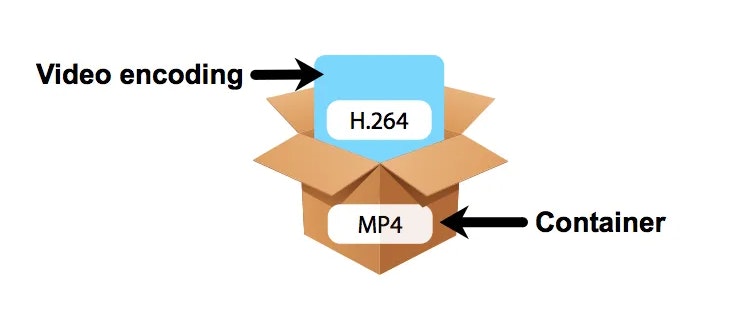
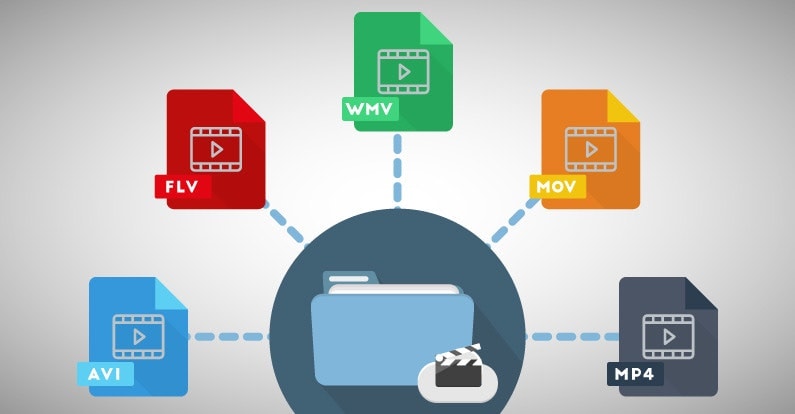
A container is a file format that holds audio, video, and other data together in a single file. A codec is a software that compresses or decompresses audio or video data. The container format and the codec used can affect the quality and compatibility of your videos.

What is the difference between lossy and lossless compression?

Lossy compression is a method of compressing video or audio data by removing some of the data to reduce file size. Lossless compression, on the other hand, compresses the data without losing any information. Lossless compression is preferred for editing