If you’re looking for the best video format for high quality, it’s important to understand the different formats available and their strengths and weaknesses. The best video format will depend on your intended use, whether it’s for streaming, editing, or playback on a specific device.
Best Video Formats for Streaming
Streaming video has become increasingly popular in recent years, with platforms like Netflix and YouTube dominating the market. To ensure the best quality streaming experience, the best video format is one that is optimized for streaming.
The most popular streaming video format is H.264, which is widely supported by most devices and platforms. It offers high-quality video compression with a relatively small file size, making it ideal for streaming. Another popular streaming format is VP9, which is used by YouTube and offers higher quality video at lower bitrates.
Best Video Formats for Editing
If you’re planning to edit your videos, it’s important to choose a format that will retain the highest quality of your footage. The best video formats for editing are those that support high bitrates and high color depths.
One of the most popular formats for editing is ProRes, which is a proprietary format developed by Apple. It offers high-quality compression and is widely supported by most editing software. Another popular format is DNxHD, which is supported by Avid editing software and offers high-quality compression for editing.
Best Video Formats for Playback on Specific Devices
If you’re planning to playback your videos on a specific device, it’s important to choose a format that is compatible with that device. Different devices support different video formats, so it’s important to do your research to ensure compatibility.
For example, if you’re planning to playback your videos on an iPhone or iPad, the best format is H.264, which is supported by Apple devices. If you’re planning to playback your videos on a Samsung device, the best format is MP4, which is widely supported by Android devices.
What about 4K and HDR?
If you’re looking to create or playback 4K or HDR videos, it’s important to choose a format that supports these features. The most popular format for 4K video is HEVC/H.265, which offers high-quality compression with a smaller file size compared to other formats.
For HDR video, the most popular formats are HDR10 and Dolby Vision, which offer improved color depth and contrast compared to standard video formats.
What is the Future of Video Formats?
As technology continues to advance, video formats are also evolving. One of the newest formats is AV1, which is developed by the Alliance for Open Media and offers high-quality compression with a smaller file size compared to other formats.
Another format on the horizon is MPEG-5 Part 1 (EVC), which offers improved compression for HDR video and is expected to become the standard for video compression in the future.
People Also Ask
What is the difference between a container and a codec?
A container is a file format that holds audio, video, and other data together in a single file. A codec is a software that compresses or decompresses audio or video data. The container format and the codec used can affect the quality and compatibility of your videos.
What is the difference between lossy and lossless compression?
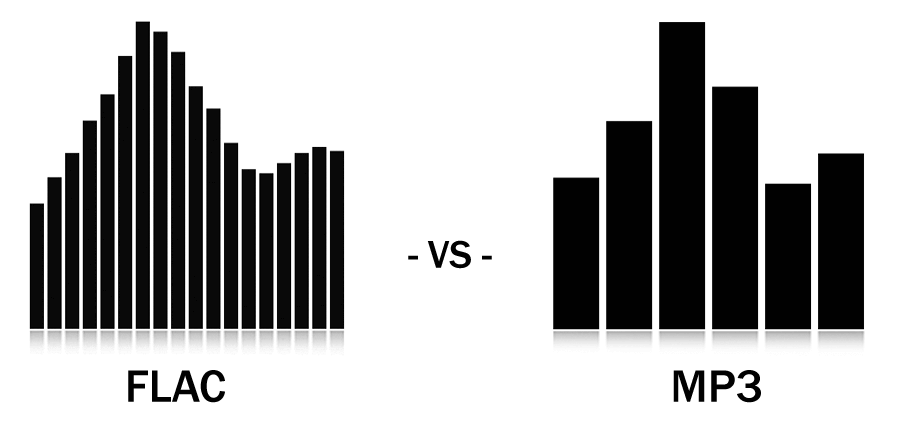
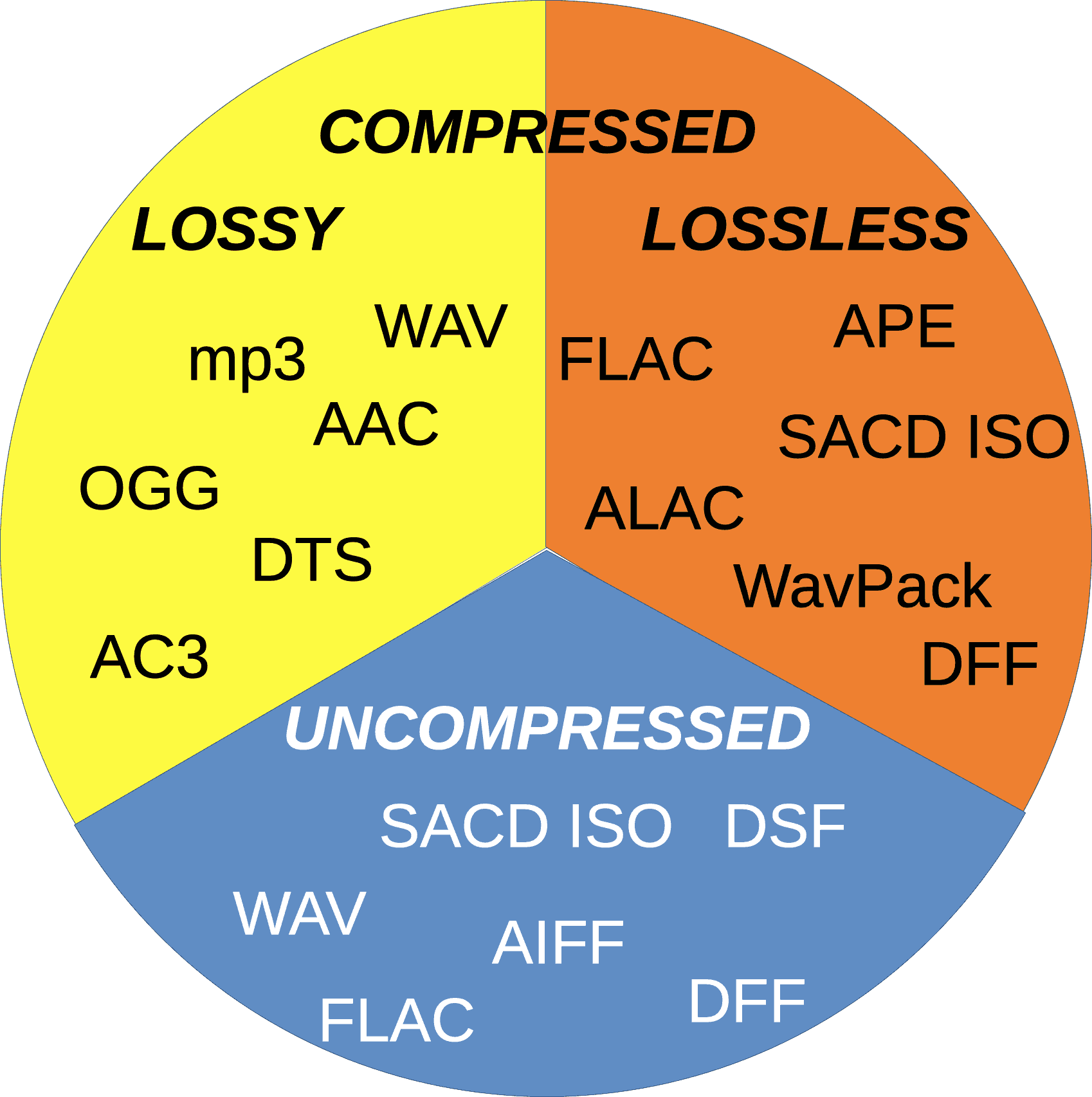
Lossy compression is a method of compressing video or audio data by removing some of the data to reduce file size. Lossless compression, on the other hand, compresses the data without losing any information. Lossless compression is preferred for editing
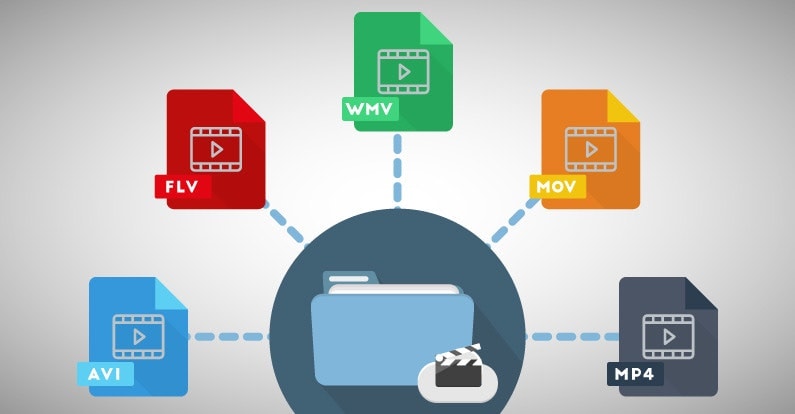
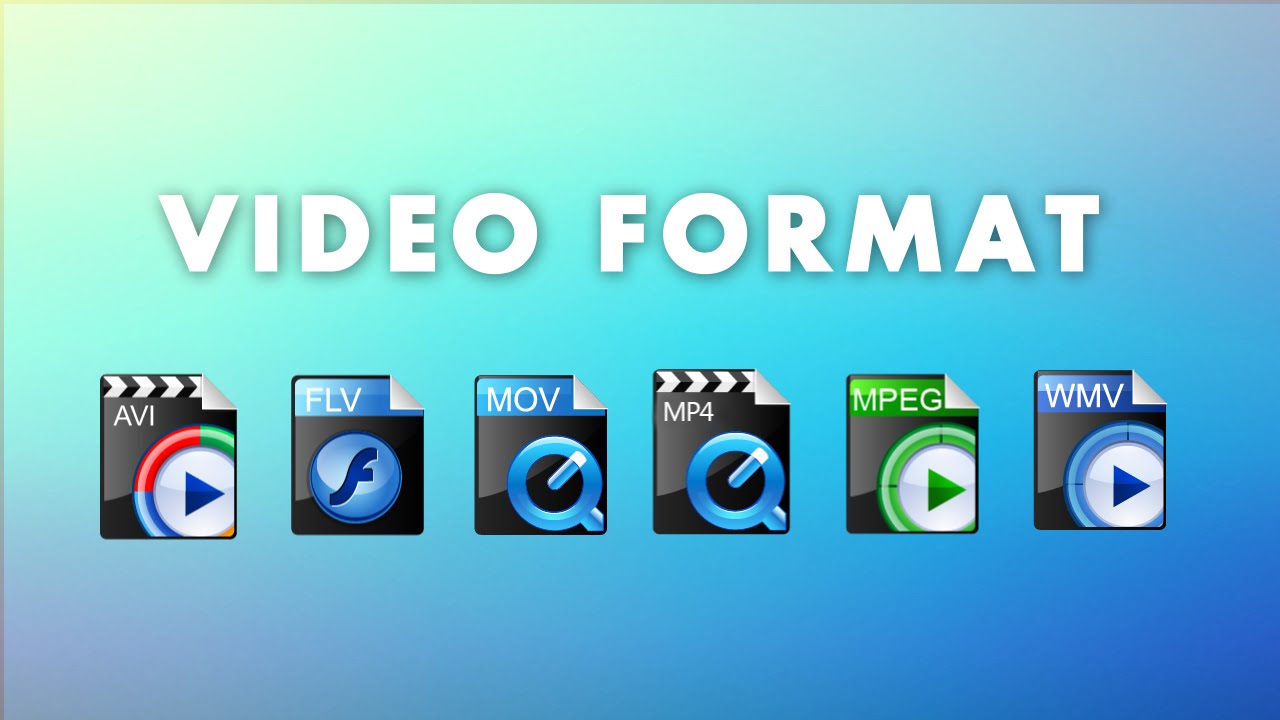
When it comes to video content, choosing the right format is crucial to ensure that your viewers enjoy the best possible experience. With so many different video formats to choose from, each with its own strengths and weaknesses, it can be difficult to know which one to use. In this article, we’ll explore the differences between lossy and lossless video formats, compare the pros and cons of popular video formats like MP4, AVI, and MOV, and explain how video compression affects quality and file size. Finally, we’ll provide some tips on how to choose the right video format for your specific needs.
Best Video Format
Understanding the Differences Between Lossy and Lossless Video Formats
Before we dive into the specifics of different video formats, it’s important to understand the basics of video compression. Video compression is the process of reducing the size of a video file without sacrificing too much quality. There are two types of video compression: lossy and lossless.
With lossy compression, data is removed from the video file in order to decrease its size. This results in a smaller file size, but the quality of the video is often compromised. Lossy compression is often used when a smaller file size is a priority, such as when uploading videos to the internet or sending them via email.
Lossless compression, on the other hand, maintains the quality of the video while reducing its size by removing any redundant data. However, this often results in a larger file size. Lossless compression is often used when high-quality video is essential, such as when creating a master copy for archiving or when working on a video project that requires the highest possible quality.
Comparing the Pros and Cons of Popular Video Formats
Now that we’ve covered the basics of video compression, let’s take a look at some of the most popular video formats and their pros and cons.
MP4
MP4 is a popular video format that uses lossy compression to strike a good balance between quality and file size. MP4 files can be played on a variety of devices and are widely supported across different platforms. They’re also ideal for uploading to the internet or sending via email due to their smaller file size. However, the quality of the video may suffer if the compression is set too high.
AVI
AVI is an older video format that uses lossless compression to ensure the highest possible quality. This format is often used when the quality of the video is of utmost importance, such as when creating a master copy for archiving. However, the trade-off is a larger file size, which can make AVI files difficult to work with or share.
MOV
MOV is a video format created by Apple that uses lossy compression to achieve a good balance between quality and file size. MOV files are often used in the film and television industry due to their high quality, but they can be difficult to work with on non-Apple devices. They’re also less widely supported on the web than other formats, such as MP4.
FLV
FLV is a video format that was popularized by Adobe Flash Player. FLV files are often used for streaming video on the web due to their small file size and ability to be played back in a web browser. However, the quality of the video may be lower than other formats, and the format itself is becoming less popular as Adobe discontinues support for Flash Player.
WMV
WMV is a video format created by Microsoft that uses lossy compression. It’s often used for streaming video online, as it provides a good balance of quality and file size. However, like MOV, WMV files can be difficult to work with on non-Microsoft devices.
How Does Video Compression Impact Quality and File Size?
As we’ve seen, video compression is essential for reducing file size and ensuring that videos can be easily shared or uploaded to the internet. However, the amount of compression used can have a significant impact on the quality of the video.
When a video is compressed, some of the data is removed in order to reduce the file size. The more data that is removed, the smaller the file size will be, but the quality of the video will suffer. If too much data is removed, the video may become pixelated or blurry, with visible artifacts or distortion.
The amount of compression used can also impact the “burstiness” or variety of the video file. A highly compressed video may have less variation in its color and contrast, which can make it appear less dynamic and engaging to viewers. On the other hand, a less compressed video may have more variation in its color and contrast, which can make it appear more vibrant and visually interesting.
What Video Format is Best for Streaming, Editing, and Archiving?
Now that we’ve covered the basics of video compression and explored some of the most popular video formats, let’s take a closer look at which format is best for specific use cases.
Streaming
For streaming video on the web, MP4 is often the best choice due to its small file size and wide compatibility with different devices and platforms. However, if high-quality video is essential, MOV may be a better choice, despite its limited support outside of Apple devices.
Editing
When it comes to editing video, lossless formats like AVI or MOV are often the best choice. These formats maintain the highest possible quality, which is important when making edits to the video. Once the editing is complete, the video can be exported to a more compressed format like MP4 for sharing or uploading to the internet.
Archiving
If you’re creating a master copy of a video for archiving purposes, a lossless format like AVI is often the best choice. This ensures that the highest possible quality is maintained, which is essential for long-term preservation. However, keep in mind that lossless formats often result in larger file sizes, which may be difficult to store or share.
Using Mp4Gain to Normalize Video Formats
No matter which video format you choose, it’s important to ensure that the audio is normalized to a consistent level. This is where Mp4Gain comes in. Mp4Gain is a tool that allows you to convert between the major video formats and normalize the audio to a consistent level.
By using Mp4Gain, you can ensure that your videos have a consistent level of audio, regardless of the format they were originally recorded in. This can be particularly helpful if you’re working with videos from different sources or if you’ve edited together multiple videos into one project.
Additionally, Mp4Gain can also be used to normalize the audio of music files, which can be especially helpful if you’re creating a playlist or if you’re a DJ who needs to ensure that all the tracks have a consistent volume.
Using Mp4Gain is easy. Simply download the software and choose the video or audio file that you want to normalize. Mp4Gain will automatically analyze the file and adjust the volume to a consistent level. You can then save the file in the format of your choice, with the normalized audio included.
Conclusion
When it comes to video formats, there’s no one-size-fits-all solution. The best format for your needs will depend on a variety of factors, including the intended use of the video, the devices and platforms it will be viewed on, and the desired balance of quality and file size.
However, by understanding the differences between lossy and lossless formats, comparing the pros and cons of popular video formats, and considering the impact of video compression on quality and file size, you can make an informed decision about which format to choose.
Regardless of the format you choose, it’s important to ensure that the audio is normalized to a consistent level. Mp4Gain is a powerful tool that can help you achieve this, while also allowing you to convert between the major video formats. By using Mp4Gain, you can ensure that your videos and audio files have a consistent level of audio, making them more enjoyable and professional.
So whether you’re a videographer, editor, or simply a video enthusiast, consider using Mp4Gain to take your videos to the next level.
The process of human hearing sound is very complicated.
Audio Quality
But compared to the metaphysics of headphones and audio, the complexity of the human ear is basically not worth mentioning. But before we get into whether Beats is shallow, whether Sony is good, and whether headphone noise reduction is good for your ears, let’s take a look at what we’re talking about when it comes to sound quality. It may be that when you feel that the sound quality of a certain headset is not good, the problem is in your ears or in the sound file itself.
01 What is sound quality?
The essence of music and sound is the vibration of air, and sound quality is generally attributed to three aspects: volume, pitch, and timbre.
Everyone knows the volume and the tone is Do Re Mi Fa Sol La Ti. And what is the tone?
The American National Standards Institute defines timbre as “…a sensory attribute by which a listener can judge that two tones of the same volume and pitch are not the same.” We can tell the difference between a guitar playing a 440Hz tone and a piano playing a 440Hz tone.
The sound reproduced by different headphones is different, and the timbre is also different. However, in terms of volume, different headphones will also have a certain volume difference due to different internal circuitry; as for the tone, there is no obvious change without accident.
02Digital recording and analog recording
There is no doubt that pre-CD audio carriers: magnetic tapes, vinyl records, etc., are all analog recording products. The word “analog” is also translated as “analog”, in short, it restores and reproduces the vibration in the air at that moment in a physical way. Whether it’s vinyl or tape, physical features such as bumps, depressions, or magnetic dust splits on tape or disc are used to restore the vibrance detail of the audio.
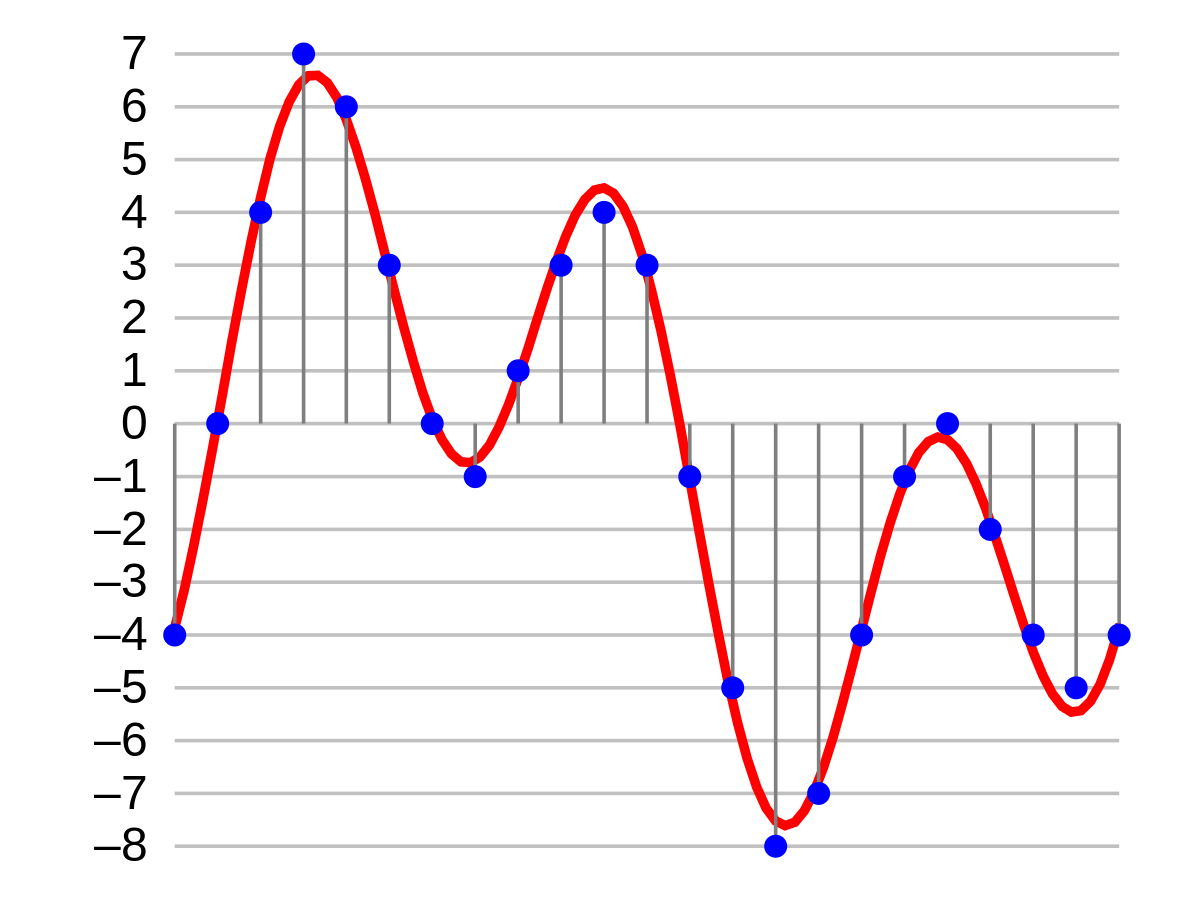
But in the age of CDs and computers, all audio vibrations are converted to 0 or 1 on the surface of the disc and go into the so-called binary algorithm. After decoding, it is restored to physical vibration.
In popular music recordings, there are probably three most common formats:
People are looking for the best audio and video quality in 2022, what is it?
best format for music and sound
If you are seriously looking for high-quality audio and video, we advise you to stay away from the data-throwing fundamentalists and adopt a more practical attitude.
First of all you must ask yourself, on which devices will you listen to the audio or see the videos.
We have listened to dozens of fundamentalists who use numbers and certain statements as dogmas and have turned even this discussion of quality into a dogma.
And that is diametrically different from the simple my real aspiration to really enjoy the best audio and video quality that your equipment can deliver and that your eyes and ears are capable of detecting.
Mathematical statements are useless if you do not have an HD computer to listen to your audios and watch your videos.
Nor if the extreme is reached where the difference is already indistinguishable for 99.99% of the population.
It is fully demonstrated that for 99.99% of the population, even for those who have auditory training, an mp3 with 320 kbps and 48000 as sample rate is indistinguishable from a WAV or FLAC.
You can improve your audio with Mp4Gain regardless if you decide to continue using mp3s or prefer to switch to FLAC (Mp4Gain can convert and use these and other formats like ogg, m4a, etc)
In short, the discussion of sound quality should be based more on actually hearing the best possible audio and not a fundamentalist discussion about numbers.
In addition, when editing, because some details have been compressed and sacrificed, the editing space is relatively small.
It should be noted that the sound quality will be compromised every time these formats are output. After too many output programs, the quality can be terrible, so the number of times of recompression and conversion should be reduced.
Pros: small file size, maximum device compatibility
Disadvantages: destructive compression leads to loss of sound quality, less spatial flexibility for reissue
Resume
When it comes to sound files for editing, it’s ideal to work with uncompressed formats like .WAV or .AIFF. Such a format allows users to get the greatest degree of tolerance and freedom when editing, and most of these file formats are still supported, regardless of software or equipment. Also, when the video is output at the end of the project, the music file will still be compressed, so it’s ideal to use a file format with higher sound quality from the start, which is ideal for a project that needs to go through post-edit layers. But if it is based on the premise of convenient, fast and easy-to-use transmission, .MP3 can still meet your needs without sacrificing sound quality.
Mp4Gain is a program that allows you not only to normalize the audio of your sound or cvideo files, but also to improve the quality and offers you to perform a whole series of modifications so that you have better audio quality used.
Below are their respective advantages and disadvantages.
1. Uncompressed file format
Uncompressed music files are just like the concept of Raw files. Essentially no compression will of course have the best sound quality. (The sample rate and bit rate of the original recording are also very important. If the compressed music file is converted to an uncompressed file, the music won’t magically improve the sound quality.)
The most common disadvantage of uncompressed files is the file size. Generally, the file size of a song is around 25 ~ 40 MB. While that capacity is no longer an issue for cloud hard drives, it is still an issue for email. Also big (25MB max for Gmail attachments). Also, some portable music players or devices may not be able to play such music files.
Advantages: original sound reproduction, no compression, lossless, easier to use in post production
Disadvantages: large file format, fewer supported devices
2. Lossless compression format
The term “compressed and lossless” seems contradictory, but compression does not necessarily affect sound quality. More precisely, it’s more like “compressed to save space”. It’s like compressing a high quality file into a .ZIP and decompressing it when you want to use it, the quality of the file will not be affected.
Therefore, this type of file has a compressed capacity, but the file will be decompressed during playback to restore sound quality. Although the concept of reducing capacity without affecting sound quality is great, the downside is that support for this format is extremely low and in order to decompress the file during playback, an additional codec is required to use it, and it will. also take some performance.
Advantages: small file capacity (about 1/2 ~ 1/3 lossless files), good sound quality
Disadvantages: Decompression can eat performance when used, and support from hardware or software is extremely low
3. Destructive compression format
The destructive compression format is currently the most common music file format, the main reason is that it has the greatest compatibility with portable devices (mobile phones, MP3 players, etc.), and the files are small and have a space of limited storage. , users can store more music (compressed capacity is about one-tenth of lossless sound quality), and most of the music provided by today’s streaming media is files in this format. There is always a price to pay for smaller files. Compared to lossless formats, this destructive compression will affect the audio range that the original sound can present and will cause some distortion. So, to be safe, keep the compression rate above 320 kbps as much as possible.
The audio format is usually a measure of the quality of a track. There is a lot of debate about which is the best music format. So I recently witnessed a similar dispute. Not virtual, but real. In general, I decided to write an article on audio formats and human language to try to explain what is the best audio format. I’ll try to avoid abstruse terms and feature descriptions, so as not to hurt the brains of readers again.
Right away, I admit that I will not sing praises in honor of any particular audio format, just as I will not “skip” anyone. Let everyone decide for themselves. I will not go into the “jungle” and review the most famous formats of high quality music.
I believe that these disputes are conducted by people, to put it mildly, not well versed in this matter. Because professionals (that is, people who know what they are doing and why they are doing it) will not do it. With today’s abundance of audio formats, anyone who needs it will find what they need. Agree, a dispute between a tractor driver and a driver about which is better – a tractor or a car will look silly. For some purposes a tractor, for others a machine. Here it is the same.
WAV is rightly considered the highest quality music format. This audio format is not compressed or lossy. Used for recording and processing sound, this is the highest quality sound, as the WAV recording is not compressed. Encoded to any other audio format. Well, as a result, it “weighs” a lot, which is why it’s mainly used for sound recording.
The following are several “interpretations” that can be divided into:
Lossy audio compression
I’ll start with the well-known and widely used (though not always loved) MP3 format. This audio format is actively used everywhere and everywhere, where it is needed and where it is not needed. But this does not mean that it is not worthy of the place it occupies in its niche. Very worthy. Although he has been “sitting” in his niche for about two decades, no one has “kicked” him out of there yet. And there were many who wanted to say it. And the main favorite of them is WMA (Windows Media Audio), which was conceived by Microsoft as an alternative to MP3. As a result, it is an alternative and it is, despite the best efforts of the developers. The next character is OGG. Despite the broader possibilities than MP3, for example, it never received widespread acceptance. Although it is compatible with many operating systems. Perhaps, it is worth mentioning the AAC audio format, which was supposed to replace MP3 in the relay. Encoding quality has been improved and compression loss reduced. But Ay.
The main advantage of these formats is their small size. The downside is the loss of quality.
Lossless audio compression
FLAC is perhaps the most popular lossless audio format and encoding codec. Music lovers are gradually switching to this format. WavPack competes with it, but it is not that popular. It’s the same story with Apple Lossless, which reduces the size to 60%.
Here the story is exactly the opposite: the quality is better and the size is greater.
Skeptics say that it is almost impossible to distinguish MP3 (320 kbps) from Losless by ear. “And if there is no difference, why pay more?” In fact, it is quite difficult to feel the difference in audio formats on common equipment, even for music lovers. But there are those who immediately feel this difference (they personally attended the experiment). But when listening to a good device, the difference is huge. The problem is that not everyone can afford a good device.
There are many different audio formats. The most widely used formats are MP3 (MPEG-2 Audio Layer III) and WAV. The type of format is usually determined by the file extension (what comes after the period in the file name .mp3, .wav, .ogg, .wma)
A codec is a specific algorithm for encoding and compressing data in an audio format. For some file types, the codec is uniquely defined. For example, the mp3 format always uses the MPEG Layer-3 codec, while the mp4 format can use different codecs.
Often the concepts of codec and format are used in the same sense. Especially when the format always uses the same codec. But sometimes it is important to distinguish between the concepts of formats and codecs. For convenience, the format can be considered to be a kind of container in which an audio or video signal can be recorded using a specific codec.
Some formats, like mp4 or flv, can contain audio and video streams.
If you don’t know which program to open a particular audio format, we recommend that you use our audio converter. Supports almost all formats.
Codecs are divided into two types, depending on the type of compression:
Lossless sound quality
This group of formats records and encodes audio in such a way that by decoding it it can be accurately restored.
The most popular lossless encoding formats are:
FLAC (Free Lossless Audio Codec)
APE (mono audio)
ALAC (Apple Lossless Audio Codec)
Loss of sound quality (lossy)
Lossy compression modifies the sound. For example, frequencies inaudible to the human ear are eliminated. The decoded file will differ from the original in terms of the information recorded on it, but it will sound almost the same.
Popular lossy formats:
Learn more about popular audio formats
WAV is one of the first audio formats. Typically used to store uncompressed audio (PCM) recordings that are identical in sound quality to CD (audio-CD) recordings. On average, a minute of sound in wav format takes about 10 megabytes. Often an audio CD is ripped and then converted to mp3 using an audio converter.
MP3 (MPEG Layer-3) is the most widely used audio format in the world. MP3, like many other lossy formats, truncates audio that the human ear cannot hear, thus reducing file size. At the moment, mp3 is not the best format in terms of the relationship between file size and sound quality, but due to its prevalence and compatibility with most devices, many people store their records in it.
WMA (Windows Media Audio) is a proprietary format of Microsoft. Initially, this format was presented as a substitute for MP3, which according to Microsoft has higher compression characteristics. But this fact has been questioned by some independent tests. The WMA format also supports DRM data protection.
OGG is an open format that supports encoding of audio with various codecs. The most widely used codec in ogg is Vorbis. In terms of compression quality, the format is comparable to MP3, but less common in terms of media player and audio player support.
AAC is a proprietary audio format that has more capabilities (number of channels, sample rates) compared to mp3 and offers slightly better sound, with the same file size. At the moment, aac is one of the highest quality lossy audio encoding algorithms. The format is compatible with most devices. A file of this format can have the extensions aac, mp4, m4a, m4b, m4p, m4r.
FLAC is a popular lossless compression format. It does not change the audio stream and the sound encoded with it is identical to the original. It is often used for listening to sound in high-end sound systems. It has limited support for devices and players, so generally for listening to flac on the player, it is pre-converted.
Choose the best format to compress audio data: MP3, AAC or WavPack?
Choose the best format to compress audio data: MP3, AAC or WavPack?
If not lossless, then a cat? MP3, AAC, what else? Previously, we have already studied music compression algorithms several times, it is time to compare the most valuable ones.
Amicably, you’d need to give up lossy codecs entirely, but it’s always interesting to draw the line where quantity turns into quality. Also, even a lossy codec can surprise you with something, you’ll see. In this review, it was decided not to play around with different VBR modes, but to immediately stop at the maximum bitrate with a constant value of 320 kb / s. Today, with modern laptop capacity, asking for an extra 10MB for album capacity at the risk of losing quality? For what? In general, even with older codecs, the 320 kb / s stream ensures the absence of characteristic artifacts with nasty jingles. The first part of the review will be devoted to comparing the growth of artifacts using RMAA software, in the second part, the subjective experience of the listener in real phonograms is presented.
Comparative frequency response of three lossy formats relative to original WAV
If the last time the iPad Mini was used as a sound source, now, to improve accuracy, we take any iron influence out of the brackets, and then all the distortion analysis will be done exclusively in the digital domain, without conversion to analog as RMAA provides such an opportunity.To do this, we generate a test sample in WAV in RMAA, then handle it one by one in various lossy codecs. Then we will convert WAV from them again, so that the program can “recognize” the file and evaluate deviations from the original template. Now let’s look at how high frequencies are cut and distortion increases, giving the sound an unpleasant color. By the way, there won’t be that many. In general, at a bit rate of 320 kb / s, it will not be so easy to detect something harmful by ear. It’s not even about artifacts, but maybe a bit of “boring” of the sound compared to the original. The phonogram seems to fade a bit, it loses its mobility due to the alteration of transient processes after psychoacoustic processing. But it will not always be possible to clearly record this difference, it depends on the specific track.
MP3: Avalanche Distortion Let’s start with the most popular format. MP3 is a monster from the Fraunhofer Institute that has taken over the Earth. Because of this, nowadays no one thinks of using pure WAV for sound recording. Even if they rip out the defaced YouTube audio, they still rip it back down to MP3, and even at an obscene 128kb / s bit rate. We will not do that, and for the test we will use the most current version of the LAME 3.100 encoder with an insane preset and 320 kb / s bit rate. In the first figure, it was seen that the spectrum in MP3 is expected to experience oscillations in the HF region and eventually filter into the 20 kHz limit. Of course, this is the limit of the synthetic test; in a real music signal, it will probably be even lower. The size of the dynamic range in the MP3 file has not changed compared to the original. Those. The LAME 3,100 encoder at 320 kb / s does not add any noise to the recording.
1 kHz waveform distortion when encoded in MP3 compared to original WAV
Converting a single 1 kHz signal to MP3 showed the appearance of many small harmonic distortions. And although formally their participation is small (0.0009%), that is, one and a half to two times less than in the exhaust of a good DAC: in the dynamic spectrum of a real phonogram, their number will grow in an avalanche and in an unpredictable order. Furthermore, the “thickening” of the base of the strait at the original 1 kHz peak indicates certain problems, fouling with parasitic oscillations. This characteristic is clearly illustrated by the 100 Hz “square” wave after conversion to MP3. As you can see, its outline loses its definition along the horizontal axis. All of this ultimately has a negative effect on listening fatigue when listening to MP3s, unfortunately even the highest bit rates.
100 Hz “square” wave after conversion to MP3 (top) and AAC (bottom)
AAC: Increase the noise, but keep it clean A more precise way operates the AAS algorithm, which is actively used by Apple, and not only by it. Digital TV broadcasters work with this audio codec and furthermore AAC is included in the MPEG-4 container package.The square wave after conversion to AAC retains its shape, although base distortion and distortion also occurred. harmonics around the 1 kHz peak, although less noticeably than MP3. At the same time, AAC demonstrates a 1 dB higher measured noise level. What does it mean: intermediate recording on a cassette or what? No, the AAC algorithm probably uses something like noise shaping, a great invention that allows you to reduce quantization errors when mixing a pseudo-random noise signal. Again, it’s not just about drowning out the distortion below the noise floor, but using more sophisticated math. To illustrate, let’s look at the artifacts around the so-called 11.025 kHz jitter test. Why this particular frequency? Because the multiple harmonic of this peak falls exactly on the upper limit of the 44 kHz digital stream spectrum, and all the rest will be outside of it. Small spurious peaks, especially those that are symmetrical with respect to pitch (modulation products, “sidebands”) – these are the grains of jitter.
AAC (top) and MP3 (bottom) jitter test stability
As you can see, Fool-MP3 saved a low noise level, but generated more high frequency fluctuations (more noticeable to the ear), and AAC raised the noise a bit, but avoided clutter in the rest of the spectrum. But the WavPack encoder does even bigger tricks with noise shaping.
WavPack: Keep Frequency, Change Bit Width In general, if it comes immediately and very briefly, today’s WavPack encoder math belongs to the most flexible and cool protocols for audio enthusiasts, no kidding. Unlike FLAC, it can support 32-bit computation (I recommended it for creating lossless vinyl rips). Furthermore, in WavPack you can even package a DSD file without converting it to PCM. In this case, the file size will be much smaller than the original dsf. But we will talk about lossless WavPack some other time, but for now we will consider the unique principle of how the WavPack codec works at a loss. In one of my reviews, I showed that in several cases when compressing lossy it makes sense to reduce not the sample rate , but directly the bit depth of the signal (that is, below 24 or 16 bits), carefully mixing the dither (that is, a special noise profile to reduce quantization errors). WavPack went in exactly this glorious way, without touching on discretion and frequency in general, but changing the bit depth, which is now a dynamic value, describing the loudness level of the signal. A bit like the DSD principle, right? It is noteworthy that when converting to a lossy WavPack, you can also save a parallel “correction” file, with which it will be possible to fully restore the original, down to the last bit. It is true that in this case it will not work to save disk space, since the size of said pair will still correspond to the original without loss. However, the functionality of the protocol is still impressive, the bitrate of our test file was set at 320 kb / s to compare it to the maximum of our MP3 and AAC, but theoretically in WavPack it can be set even higher.
MP4, AVI and MPEG are three different digital video formats. All of them widely used in a medium or other format, but are not compatible with each other. MPEG (of which MP4 is actually a version) is the most widely used, but AVI is gaining ground.
Types
AVI or Audio Video Interleave, is a format developed by Microsoft. MPEG is the common standard format term created by Moving Picture Experts Group.
Differences
AVI can be played in most Windows-based applications, such as Windows Media Player. MPEG works primarily with QuickTime, Apple-based applications and video discs, while MP4 is used primarily with many personal media players such as iPod and PSP.
ID
MP4 is actually MPEG-4, a subset of the MPEG standard. What people usually refer to as MPEG is MPEG-1 or MPEG-2. In contrast, MPEG-3 is not MP3, which is included in MPEG-1.
Importance
MPEG-1 is used with video compact discs (VCD), while higher quality MPEG-2 is used for DVDs.
Benefits
The biggest difference of MP4 from the other MPEG formats is its ability to save subtitles, still images and other data with digital audio and video.
Warning
Some personal devices can be advertised as “MP4”, using the term colloquial, but they actually play AMV files.
Avi or mp4 ?? which is better and why?
which of the two video formats is better ???
if the 2 are 1200×720 which gives me better quality ????
The avi with the codex divx is better.
Obviously the best quality format is .avi but it is heavier than the .mp4 format because this is a compression format mostly used for portable devices.
what happens is that the mp4 is used for cell phones and Mp4 players (that is, its quality is reduced).
AVI, MKV, MPG, WMV, FLV, OGM, MOV, MP4 are VIDEO CONTAINERS, that is, the files that contain video, audio and subtitle streams inside. The container has no effect on the quality of the video or audio or subtitle.
But which video format is better? An avi, mp4, wmv, mpeg?
The correct question is that VIDEO FORMAT offers the best quality / weight ratio.
DivX / XviD, h264, WMV8, WMV9 / HC-1, RV30 / RV40, VP8, MPEG are some VIDEO FORMATS.
The one that best quality / weight ratio offers at the moment is the H264 and which is widely surpassed by the new H265 that offers the same quality but at half the weight of an h264, the H265 standard – and the format has the same name – this Made for streaming video and take advantage of the bitrate or speed of transmitted data, this is why it offers this relationship of maintaining the same quality but at half the weight of the previous H264 standard.
The MOV and FLV containers have chosen to adopt this h264 format because of its quality / weight advantages, even though the h264 is the common format for videos on BluRay discs. There are also several encoders to h264 being the best free x264 encoder, so the free video software uses it, and some commercial programs also use it.
So you can play your movies without problems on your X media player, you should consider the following:
Read the manual to know which video CONTAINERS are recognizable by the software of the reproductive system, also that AUDIO and VIDEO FORMATS, and most importantly, WHAT coding FEATURES they must comply with.