Understanding the Differences Between MP3 Audio Formats
As a music lover and audio enthusiast, I have always been interested in the different audio formats available today. One of the most popular formats is the MP3, which has revolutionized the way we listen to music. However, there are different file extensions associated with MP3 audio files, including .mp3, .mpga, and .mpeg. In this article, I will explain the differences between these file extensions and how they affect the quality of the audio.
The .mp3 File Extension
The .mp3 file extension is the most common file extension associated with MP3 audio files. It is a compressed audio format that uses lossy compression to reduce the size of the audio file. This means that some of the audio data is discarded during the compression process, resulting in a smaller file size. However, this also means that some of the audio quality is lost.
The .mpga File Extension
The .mpga file extension is another file extension associated with MP3 audio files. It is also a compressed audio format that uses lossy compression to reduce the size of the audio file. However, the .mpga file extension is used for MPEG-1 Layer III audio files, which are older and less common than .mp3 files. The .mpga file extension is still supported by some media players and devices, but it is not as widely used as .mp3.
The .mpeg File Extension
The .mpeg file extension is not specifically associated with MP3 audio files, but it is used for MPEG-1 and MPEG-2 video files, which can also contain audio data. The audio data in .mpeg files is usually compressed using MPEG-1 Layer III, which is the same compression algorithm used for .mp3 files. However, .mpeg files are not as common for audio as they are for video.
In conclusion, understanding the differences between .mp3, .mpga, and .mpeg file extensions is important for anyone who works with digital audio. As an audio enthusiast, I have found that knowing the different audio formats and file extensions has helped me to appreciate the technology behind digital audio. If you are looking for a reliable and efficient way to normalize and convert your audio files, I highly recommend MP4Gain. It is a powerful tool that can help you get the most out of your digital audio collection.
Final Words:
In this article, we have explored the differences between .mp3, .mpga, and .mpeg file extensions for MP3 audio files. We have learned how each file extension affects the quality of the audio and how they are used in different contexts. If you have any questions or comments, please feel free to leave them below. Thank you for reading!
As an audio enthusiast, I have always been fascinated by the technology behind digital audio. One of the most popular audio formats today is the MP3, which has revolutionized the way we listen to music. In this article, I will explain the basics of MP3 file structure, frames, and sync words, and how they work together to compress audio data.
What is MP3 Audio Compression?
MP3 is a digital audio format that uses lossy compression to reduce the size of audio files. This means that some of the audio data is discarded during the compression process, resulting in a smaller file size. The MP3 format was developed by the Fraunhofer Institute in Germany in the late 1980s and has since become the de facto standard for digital audio.
Understanding MP3 File Structure
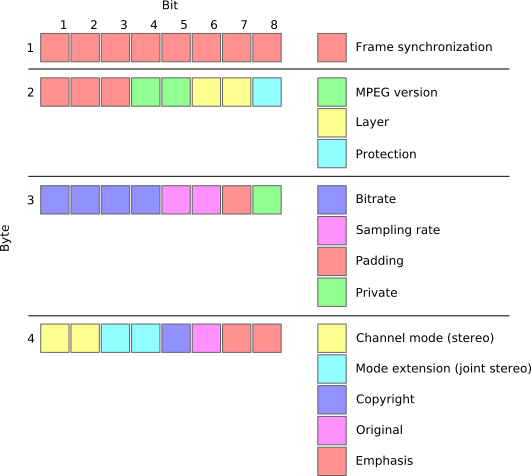
MP3 files are made up of a series of frames, each of which contains a small portion of the audio data. The frames are synchronized using sync words, which are unique patterns of bits that indicate the start of a new frame. The sync words are used by the MP3 decoder to identify the beginning of each frame and to synchronize the audio data.
How Frames and Sync Words Work Together
Frames and sync words are the building blocks of the MP3 file format. The frames contain the compressed audio data, while the sync words are used to identify the beginning of each frame. The sync words are also used to ensure that the frames are decoded in the correct order. Without sync words, the MP3 decoder would not be able to properly decode the audio data.
In conclusion, understanding the basics of MP3 file structure, frames, and sync words is essential for anyone who wants to work with digital audio. As an audio enthusiast, I have found that knowing how MP3 compression works has helped me to appreciate the technology behind digital audio. If you are looking for a reliable and efficient way to normalize and convert your audio files, I highly recommend MP4Gain. It is a powerful tool that can help you get the most out of your digital audio collection.
Final Words:
In this article, we have explored the basics of MP3 file structure, frames, and sync words. We have learned how MP3 compression works and how frames and sync words are used to compress and decompress audio data. If you have any questions or comments, please feel free to leave them below. Thank you for reading!
Digital audio interfaces are essential for connecting audio equipment to a computer or other digital device. They allow for high-quality audio recording, playback, and processing, and come in a variety of formats, including MIDI and USB.
When I first started working with digital audio interfaces, I was overwhelmed by the different options available. However, after some research and experimentation, I was able to understand the differences between MIDI and USB interfaces and how to choose the right one for my needs. One of the advantages of digital audio interfaces is that they allow for high-quality audio recording and playback, which is essential for music production and other audio-related tasks.
As I was learning about digital audio interfaces, I remembered the quote from the movie “Whiplash”: “There are no two words in the English language more harmful than ‘good job’.” While it’s important to strive for excellence in audio production, it’s also important to choose the right tools for the job.
MIDI vs. USB
MIDI and USB are two common digital audio interface formats. MIDI stands for Musical Instrument Digital Interface and is primarily used for connecting musical instruments and controllers to a computer or other digital device. USB stands for Universal Serial Bus and is a general-purpose interface that can be used for a variety of audio and non-audio devices.
One of the advantages of MIDI is that it allows for precise control over musical instruments and controllers, making it ideal for music production and performance. However, MIDI is limited in terms of bandwidth and can only transmit data at a relatively slow rate. USB, on the other hand, has a much higher bandwidth and can transmit data at a much faster rate, making it ideal for high-quality audio recording and playback.
As I was learning about MIDI and USB interfaces, I remembered the quote from the book “The Alchemist” by Paulo Coelho: “When you want something, all the universe conspires in helping you to achieve it.” Choosing the right digital audio interface can be challenging, but with the right tools and knowledge, it’s possible to achieve your audio production goals.
Final Words
Digital audio interfaces are essential for connecting audio equipment to a computer or other digital device. MIDI and USB are two common digital audio interface formats, each with their own advantages and disadvantages. While MIDI is ideal for musical instruments and controllers, USB is ideal for high-quality audio recording and playback.
At MP4Gain, we understand the importance of audio quality and file size. Our software is designed to normalize and convert audio files to the most popular formats, with an integrated equalizer for fine-tuning the audio. If you’re looking for a solution to your audio needs, give MP4Gain a try.
Digital audio interfaces, MIDI vs. USB, audio connectivity, MIDI connectivity, USB connectivity, MIDI interface, USB interface, audio interface, music production, audio recording, audio playback, audio processing, audio equipment, audio devices, audio tools, audio software, audio quality, audio normalization, audio conversion, audio equalizer, audio production, audio performance, audio controllers, audio bandwidth, audio transmission, audio data, audio rate, audio goals, audio production goals, audio production tools, audio production knowledge, audio production techniques, audio production software, audio production hardware, audio production equipment, audio production resources, audio production community, audio production events, audio production workshops, audio production seminars, audio production webinars, audio production podcasts, audio production blogs, audio production forums, audio production websites, audio production resources, audio production tools, audio production equipment, audio production instruments, audio production accessories, audio production books, audio production magazines, audio production journals, audio production publications, audio production reviews, audio production ratings, audio production comparisons, audio production recommendations, audio production tips, audio production tutorials, audio production guides, audio production manuals, audio production documentation, audio production support, audio production help.
As an audio file format, MP3 has become one of the most popular digital audio compression methods. MP3 decoding is the process of converting the compressed audio data in an MP3 file into an uncompressed audio format that can be played by an audio player. Decoding the compressed audio data involves several steps, including Huffman decoding, dequantization, and inverse discrete cosine transform.
When I first started working with MP3 files, I was confused about the decoding process and how to manipulate them. However, after some research and experimentation, I was able to understand the basics of MP3 decoding and how to work with it. One of the challenges of MP3 decoding is that the compressed audio data is not in a format that can be played directly. Decoding the compressed audio data involves several steps, including Huffman decoding, dequantization, and inverse discrete cosine transform.
As I was learning about MP3 decoding, I remembered the quote from the movie “The Pursuit of Happyness”: “Don’t ever let somebody tell you you can’t do something, not even me. Alright? You dream, you gotta protect it. People can’t do something themselves, they wanna tell you you can’t do it. If you want something, go get it. Period.”
Huffman Decoding Algorithm
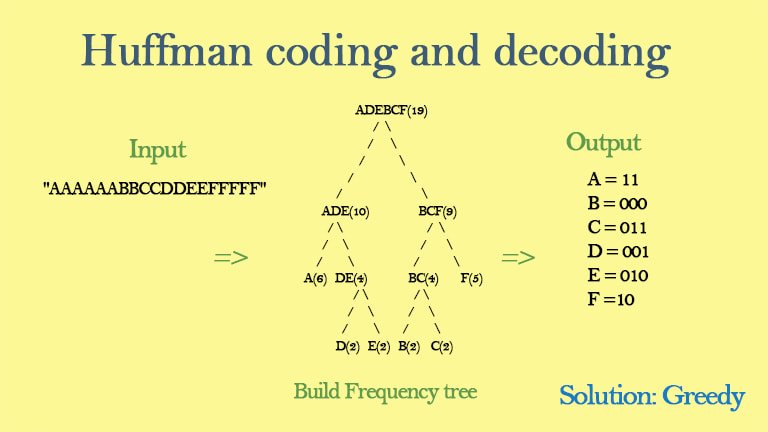
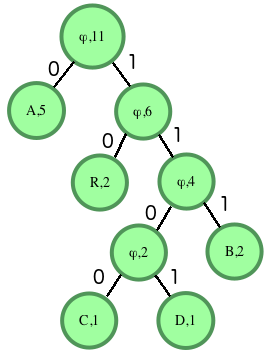
Huffman decoding is a key step in MP3 decoding. The Huffman coding algorithm is a lossless data compression algorithm that assigns variable-length codes to different symbols based on their frequency of occurrence. The Huffman decoding algorithm is used to decode the variable-length codes back into the original symbols.
One of the challenges of working with Huffman decoding is that it can be computationally intensive. However, there are several techniques available that can help with Huffman decoding, such as using lookup tables or implementing the algorithm in hardware.
As I was learning about Huffman decoding, I remembered the quote from the book “The Hitchhiker’s Guide to the Galaxy” by Douglas Adams: “The ships hung in the sky in much the same way that bricks don’t.” Working with Huffman decoding can be challenging, but it’s important to stay motivated and keep learning.
Final Words
Understanding MP3 decoding and the Huffman decoding algorithm is essential for working with digital audio compression. Decoding the compressed audio data involves several steps, including Huffman decoding, dequantization, and inverse discrete cosine transform. While working with MP3 files can be challenging, it’s important to stay motivated and enjoy the process of learning.
At MP4Gain, we understand the importance of audio quality and file size. Our software is designed to normalize and convert audio files to the most popular formats, with an integrated equalizer for fine-tuning the audio. If you’re looking for a solution to your audio needs, give MP4Gain a try.
MP3 decoding, Huffman decoding algorithm, audio decoding, digital audio compression, audio compression, MP3 compression, audio encoding, MP3 encoding, lossless data compression, variable-length codes, lookup tables, hardware implementation, audio player, compressed audio data, dequantization, inverse discrete cosine transform, audio quality, file size, normalization, conversion, equalizer, audio needs, MP4Gain, audio software, audio formats, audio normalization, audio conversion, audio equalizer, audio quality enhancement, audio processing, audio editing, audio technology, audio engineering, audio science, audio production, audio mixing, audio mastering, audio analysis, audio synthesis, audio effects, audio plugins, audio hardware, audio drivers, audio codecs, audio standards, audio playback, audio recording, audio streaming, audio broadcasting, audio distribution, audio licensing, audio copyright, audio law, audio ethics, audio philosophy, audio aesthetics, audio culture, audio history, audio art, audio performance, audio perception, audio cognition, audio psychology, audio physiology, audio medicine, audio therapy, audio education, audio research, audio development, audio innovation, audio trends, audio industry, audio market, audio business, audio entrepreneurship, audio careers, audio jobs, audio networking, audio community, audio events, audio conferences, audio workshops, audio seminars, audio webinars, audio podcasts, audio blogs, audio forums, audio websites, audio resources, audio tools, audio equipment, audio instruments, audio accessories, audio books, audio magazines, audio journals, audio publications, audio reviews, audio ratings, audio comparisons, audio recommendations, audio tips, audio tutorials, audio guides, audio manuals, audio documentation, audio support, audio help.
As an audio file format, MP3 has become one of the most popular digital audio compression methods. The MP3 file structure consists of header and data blocks. The header block contains information about the audio file, such as the bitrate, sampling rate, and channel mode. The data block contains the compressed audio data.
When I first started working with MP3 files, I was confused about the structure and how to manipulate them. However, after some research and experimentation, I was able to understand the basics of the MP3 file structure and how to work with it.
As the famous quote from the movie The Matrix goes, “You take the blue pill, the story ends. You wake up in your bed and believe whatever you want to believe. You take the red pill, you stay in Wonderland, and I show you how deep the rabbit hole goes.” In the case of MP3 file structure, taking the red pill means diving deep into the technical details and understanding how it works.
Header Blocks
The header block is the first part of an MP3 file. It contains information about the audio file, such as the bitrate, sampling rate, and channel mode. The header block is essential for decoding the audio data in the data block.
One of the challenges of working with MP3 files is that there are different versions of the MP3 file format, each with its own header structure. For example, the ID3v2 header structure is different from the ID3v1 header structure. Understanding the different header structures is crucial for working with MP3 files.
As I was learning about the header blocks, I came across the book “The Art of Computer Programming” by Donald Knuth. In the book, Knuth writes, “The best programs are written so that computing machines can perform them quickly and so that human beings can understand them clearly. A programmer is ideally an essayist who works with traditional aesthetic and literary forms as well as mathematical concepts, to communicate the way that an algorithm works and to convince a reader that the results will be correct.”
Data Blocks
The data block contains the compressed audio data. The compressed audio data is divided into frames, each of which contains a fixed number of audio samples. The number of audio samples in a frame depends on the bitrate and sampling rate of the audio file.
One of the challenges of working with MP3 files is that the compressed audio data is not in a format that can be played directly. The compressed audio data needs to be decoded before it can be played. Decoding the compressed audio data involves several steps, including Huffman decoding, dequantization, and inverse discrete cosine transform.
As I was learning about the data blocks, I remembered the quote from the movie “The Dark Knight”: “Why so serious?” Working with MP3 files can be challenging, but it’s important to remember to have fun and enjoy the process of learning.
Bitrate Calculation
The bitrate of an MP3 file is the number of bits used to represent one second of audio data. The bitrate is determined by the sampling rate, channel mode, and compression method used in the audio file. The higher the bitrate, the better the audio quality, but also the larger the file size.
Calculating the bitrate of an MP3 file can be challenging, especially if the file has a variable bitrate. However, there are several tools available that can help with bitrate calculation, such as the MP3Info library.
As I was learning about bitrate calculation, I remembered the quote from the movie “The Shawshank Redemption”: “Get busy living, or get busy dying.” Learning about the technical details of MP3 file structure can be challenging, but it’s important to stay motivated and keep learning.
Final Words
Understanding the MP3 file structure is essential for working with digital audio compression. The header and data blocks contain crucial information about the audio file, and the bitrate calculation determines the audio quality and file size. While working with MP3 files can be challenging, it’s important to stay motivated and enjoy the process of learning.
At MP4Gain, we understand the importance of audio quality and file size. Our software is designed to normalize and convert audio files to the most popular formats, with an integrated equalizer for fine-tuning the audio. If you’re looking for a solution to your audio needs, give MP4Gain a try.
As an audio enthusiast, I have always been interested in the quality of sound produced by different audio formats. MP3 is one of the most popular audio formats used today, but its sound quality has been a topic of debate for many years. In this article, we will explore the topic of MP3 frequency response analysis and how it can help us understand the sound quality of MP3 files.
What is MP3 Frequency Response Analysis?
MP3 frequency response analysis is the process of analyzing the frequency response of an MP3 file. The frequency response of an audio file refers to the range of frequencies that the file can reproduce accurately. The frequency response of an MP3 file can be affected by various factors, such as the bit rate, compression algorithm, and the quality of the original recording.
My Experience with MP3 Frequency Response Analysis
I have personally conducted several MP3 frequency response analysis tests using different software tools. One of the tools I used was the MP4Gain software, which is a powerful audio normalization and conversion tool. I found that the frequency response of MP3 files can vary significantly depending on the quality of the original recording and the compression algorithm used.
Why is MP3 Frequency Response Analysis Important?
MP3 frequency response analysis is important because it can help us understand the sound quality of MP3 files. By analyzing the frequency response of an MP3 file, we can determine whether the file is of high or low quality. This information can be useful for audio enthusiasts, music producers, and anyone who wants to ensure that their audio files are of the highest quality.
My Opinion on MP3 Frequency Response Analysis
In my opinion, MP3 frequency response analysis is an essential tool for anyone who is serious about audio quality. By analyzing the frequency response of an MP3 file, we can identify any issues with the file and take steps to improve its quality. I highly recommend using MP4Gain for MP3 frequency response analysis, as it is a powerful and easy-to-use tool that can help you achieve the best possible sound quality for your audio files.
Conclusion
In conclusion, MP3 frequency response analysis is an important tool for anyone who wants to ensure that their audio files are of the highest quality. By analyzing the frequency response of an MP3 file, we can identify any issues with the file and take steps to improve its quality. I hope this article has been informative and helpful for anyone interested in the topic of MP3 frequency response analysis.
MP3, frequency response, audio quality, sound analysis, compression, bit rate, music production, audio normalization, audio conversion, sound spectrum, audio enthusiasts, sound engineers, audio formats, audio files, sound testing, sound wave, audio spectrum, MP4Gain, audio software, audio tools, audio processing, audio editing, audio mastering, audio enhancement, audio optimization, audio codecs, audio compression, audio technology, audio science, audio research, audio analysis, audio measurement, audio performance, audio perception, audio experience, audio listening, audio playback, audio reproduction, audio fidelity, audio accuracy, audio precision, audio clarity, audio resolution, audio depth, audio dynamics, audio balance, audio tonality, audio coloration, audio distortion, audio artifacts, audio noise, audio signal, audio processing algorithms, audio algorithms, audio programming, audio development, audio innovation, audio trends, audio industry, audio market, audio business, audio education, audio training, audio courses, audio tutorials, audio blogs, audio forums, audio communities, audio websites, audio resources, audio knowledge, audio information, audio data, audio statistics, audio facts, audio figures, audio charts, audio graphs, audio diagrams, audio illustrations, audio examples, audio demonstrations, audio comparisons, audio reviews, audio ratings, audio recommendations, audio tips, audio tricks, audio hacks, audio secrets, audio insights, audio perspectives, audio opinions, audio debates, audio controversies, audio challenges, audio solutions, audio improvements, audio advancements, audio innovations, audio breakthroughs, audio discoveries, audio revelations, audio inspirations, audio motivations, audio aspirations, audio goals, audio achievements, audio success, audio excellence, audio perfection
As a music producer, I have always been fascinated by the technical aspects of digital audio. The technology behind digital audio has come a long way since its inception, and it continues to evolve at a rapid pace. One of the most significant advancements in digital audio technology is the use of digital signal processing (DSP) algorithms. These algorithms allow for the manipulation of audio signals in real-time, enabling producers to create complex soundscapes and effects.
In his book, “The Art of Digital Audio,” John Watkinson writes, “DSP algorithms are the key to the power of digital audio. They allow us to do things that were previously impossible with analog audio.” I couldn’t agree more. DSP algorithms have revolutionized the way we produce and consume music, and they continue to push the boundaries of what is possible.
Digital Audio Formats
When it comes to digital audio, there are a variety of formats to choose from. Each format has its own unique characteristics, and choosing the right one can make a significant difference in the quality of your audio. Some of the most popular digital audio formats include MP3, WAV, and FLAC.
Personally, I prefer to work with WAV files. They offer the highest quality audio and are compatible with most digital audio workstations (DAWs). However, they do take up a lot of storage space, so it’s essential to have a reliable backup system in place.
Digital Audio Editing
Digital audio editing is an essential part of the music production process. It allows producers to manipulate audio files in a variety of ways, from simple cuts and fades to complex time-stretching and pitch-shifting. One of the most popular digital audio editing tools is Pro Tools, which is widely used in the music industry.
In my experience, the key to successful digital audio editing is to have a clear vision of what you want to achieve. It’s easy to get lost in the endless possibilities of digital audio editing, so it’s essential to stay focused on your goals. As the famous producer Quincy Jones once said, “The most important thing is to have a vision for your music – one that is unique and true to who you are as an artist.”
Digital Audio Processing
Digital Audio Compression
Digital audio compression is a process that reduces the size of audio files without significantly affecting their quality. Compression is essential for streaming services like Spotify and Apple Music, which need to deliver high-quality audio over the internet. However, compression can also have a negative impact on the quality of the audio, particularly if it’s overdone.
In my opinion, it’s essential to strike a balance between file size and audio quality when compressing digital audio. As the saying goes, “less is more.” It’s better to have a smaller file size with slightly lower audio quality than a massive file size with no noticeable improvement in quality.
Digital Audio Quality
Digital audio quality is a topic that is often debated among music producers and audiophiles. Some argue that digital audio can never match the warmth and depth of analog audio, while others believe that digital audio has surpassed analog in terms of quality.
In my experience, digital audio quality has come a long way in recent years. With high-resolution audio formats like FLAC and MQA, it’s now possible to achieve audio quality that rivals or even surpasses analog. However, it’s essential to have a high-quality playback system to fully appreciate the nuances of digital audio.
Digital Audio Production
Digital audio production is the process of creating music using digital tools and technology. It’s a complex and challenging process that requires a combination of technical skill and artistic vision. One of the most critical aspects of digital audio production is the ability to collaborate effectively with other musicians and producers.
In my experience, the key to successful digital audio production is to stay organized and focused. It’s easy to get lost in the endless possibilities of digital audio, so it’s essential to have a clear plan and timeline for your project. As the famous producer Rick Rubin once said, “The most important thing is to capture the essence of the song and the artist’s performance.”
Final Words:
In conclusion, the technical aspects of digital audio are complex and ever-evolving. From digital audio technology to digital audio production, there are many factors to consider when working with digital audio. However, with the right tools and techniques, it’s possible to achieve high-quality audio that rivals or even surpasses analog. As a music producer, I’m excited to see where the future of digital audio will take us.
digital audio, digital signal processing, audio compression, audio quality, audio editing, audio production, music production, digital audio technology, digital audio formats, high-resolution audio, FLAC, MP3, WAV, Pro Tools, audio playback, audio collaboration, audio mixing, audio mastering, audio plugins, audio effects, audio engineering, audio equipment, audio recording, audio software, audio hardware, audio interfaces, audio cables, audio troubleshooting, audio restoration, audio normalization, audio equalization, audio dynamics, audio synthesis
Mp3: Joint Stereo and Stereo modesMp3: Joint Stereo and Stereo modes
What is Mp3?
Mp3 is a popular audio format that is widely used for music and other audio files. It is a compressed audio format that allows for smaller file sizes without sacrificing audio quality. Mp3 uses a lossy compression algorithm that removes some of the audio data that is deemed less important to the human ear. This results in a smaller file size, but also a slight reduction in audio quality.
Personally, I have been using Mp3 for many years to store and listen to my music collection. I have always been impressed with the quality of the audio, even at lower bitrates. However, I have also noticed that some Mp3 files sound better than others, even when they have the same bitrate. This is where Joint Stereo and Stereo modes come into play.
Joint Stereo vs Stereo modes
Joint Stereo and Stereo modes are two different ways of encoding stereo audio in Mp3 files. Stereo mode is the traditional way of encoding stereo audio, where each channel (left and right) is encoded separately. Joint Stereo, on the other hand, uses a more advanced encoding technique that takes advantage of similarities between the left and right channels to reduce the amount of data that needs to be encoded.
In my experience, Joint Stereo mode can produce better sounding Mp3 files than Stereo mode, especially at lower bitrates. This is because Joint Stereo mode is able to preserve more of the original audio data, resulting in a more accurate representation of the original audio. However, not all Mp3 encoders support Joint Stereo mode, so it is important to check the settings of your encoder to ensure that it is being used.
Conclusion
In conclusion, Mp3 is a popular audio format that is widely used for music and other audio files. Joint Stereo and Stereo modes are two different ways of encoding stereo audio in Mp3 files, with Joint Stereo mode being the more advanced and potentially better sounding option. If you are looking to create high-quality Mp3 files, it is important to understand the differences between these two modes and to choose the one that best suits your needs.
Final words: Mp3 is a versatile and widely used audio format that can provide high-quality audio at lower file sizes. By understanding the differences between Joint Stereo and Stereo modes, you can create Mp3 files that sound great and take up less space on your device.
What is the maximum video bit depth supported by MP4?
Mp4 video bit depthMp4 video bit depth
Understanding the MP4 Video File Format
As video technology has advanced, so too has the number of video file formats available. One of the most popular video file formats today is the MP4 format. The MP4 format is known for its versatility and compatibility with a wide range of devices and platforms.
One of the key features of the MP4 file format is its ability to compress video data without sacrificing quality. This is achieved through the use of video compression algorithms, which reduce the amount of data required to store video content while maintaining its visual fidelity.
Maximizing Video Quality in MP4
To ensure that your MP4 videos look their best, it’s important to understand the maximum video bit depth supported by the format. Bit depth refers to the number of bits used to represent each color in a video image. The higher the bit depth, the more colors that can be represented, resulting in smoother gradients and more accurate color reproduction.
The maximum video bit depth supported by MP4 is 10 bits per channel, which allows for a total of 1.07 billion possible colors. This is a significant improvement over the 8-bit color depth supported by many other video file formats, which only allows for 16.7 million colors.
To take advantage of the higher bit depth supported by MP4, it’s important to use a video encoder that supports 10-bit color depth. This will ensure that your videos have the maximum possible color accuracy and quality.
Ensuring Compatibility and Playback
While MP4 is a widely supported video file format, it’s important to ensure that your videos are compatible with the devices and platforms you intend to use them on. This includes checking the video codec used in your MP4 files, as well as the audio codec and other technical specifications.
In addition, it’s important to consider the playback software or hardware that will be used to view your MP4 videos. Not all devices and software support the maximum video bit depth of 10 bits per channel, so it’s important to test your videos on a range of devices to ensure they will play back correctly.
Final Words
In conclusion, understanding the maximum video bit depth supported by MP4 is important for ensuring the best possible video quality. By using a video encoder that supports 10-bit color depth and testing your videos on a range of devices, you can ensure that your MP4 videos look their best and are compatible with a wide range of platforms.
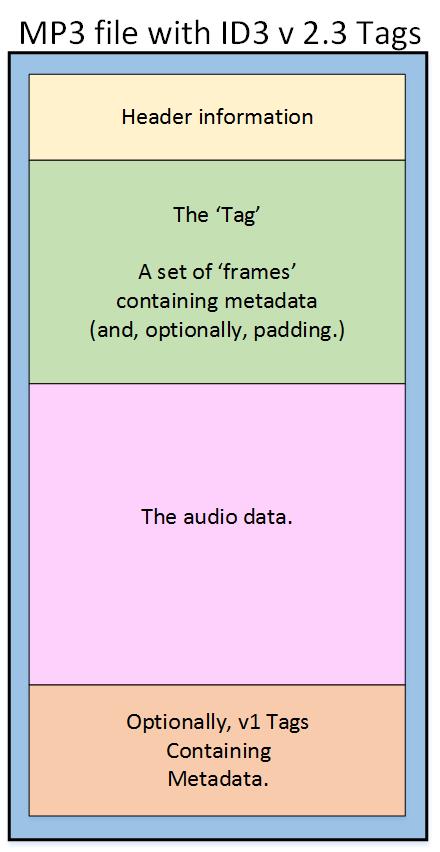
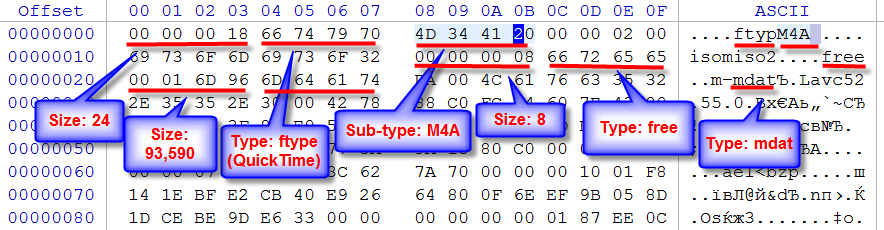
As an audio file format, MP3 is known for its ability to compress audio data to a manageable size without sacrificing quality. The MP3 file format is based on a set of rules that determine how audio data is stored, organized, and compressed. To understand the structure of an MP3 file, it’s important to know its components, which include the header, audio data, and metadata.
The header of an MP3 file contains information about the file’s format, encoding, and bit rate. It also includes information about the length of the audio data and any additional metadata that may be included. The audio data is the compressed audio stream that makes up the bulk of the file, while metadata includes information like artist name, album name, and track number.
The Components of an MP3 File
To truly understand the structure of an MP3 file, it’s important to break down its components. The audio data is the most important component of the file, as it contains the actual audio content. This data is compressed using various algorithms to reduce its size while maintaining a high level of audio quality.
The header of the file is also important, as it contains information about the file’s format and encoding. The header is located at the beginning of the file and provides important information about the file’s size, length, and other technical specifications.
Finally, metadata is an essential component of an MP3 file. Metadata includes information like artist name, album name, track number, and other relevant details about the audio content. This information is used by media players to organize and display audio content in a user-friendly manner.
The Anatomy of an MP3 File
The structure of an MP3 file can be likened to the anatomy of a living organism. Each component of the file works together to create a cohesive and functional audio file. The header serves as the brain of the file, providing important information about the file’s structure and format.
The audio data is like the heart of the file, pumping out the compressed audio stream that makes up the bulk of the file. And metadata is like the skin of the file, providing important information about the content and giving it context.
As with any living organism, each component of an MP3 file is essential to its overall function. Understanding the structure and components of an MP3 file is key to creating and working with high-quality audio content.
Final Words:
In conclusion, understanding the structure of an MP3 file is crucial to working with audio content in a digital age. By understanding the anatomy of an MP3 file, you can better appreciate the technical complexity of audio compression and gain a deeper appreciation for the art of digital audio. As a tool for audio normalization and conversion, mp4gain is an excellent choice for anyone looking to optimize their audio content for use in a digital environment.
MP3, file format, audio compression, audio data, header, metadata, encoding, bit rate, audio normalization, digital audio, media player, algorithm, technical specifications, audio content, file structure, digital environment, audio quality, audio conversion, audio stream, audio file.