Audio is an important part of our lives. We listen to music, watch movies, and play games with audio. Good quality audio can make these experiences more enjoyable. In this article, we will discuss the principles of quality audio.
What is quality audio?
Quality audio is audio that is clear, natural, and engaging. It has a wide frequency range, good dynamic range, and low noise levels. Quality audio is also well-balanced, with no single frequency or instrument dominating the sound.
How to achieve quality audio
There are a number of factors that contribute to quality audio. These include:
The quality of the recording equipment.
The skill of the recording engineer.
The quality of the playback equipment.
The listening environment.
Recording equipment
The quality of the recording equipment is one of the most important factors in achieving quality audio. Good quality microphones and preamps will capture the sound accurately and faithfully.
Recording engineer
The skill of the recording engineer is also important. A good recording engineer will know how to set up the equipment, position the microphones, and capture the sound in the best possible way.
Playback equipment
The quality of the playback equipment is also important. Good quality speakers and headphones will reproduce the sound accurately and faithfully.
Listening environment
The listening environment can also affect the quality of the audio. A good listening environment is quiet and free from distractions. It is also important to have the speakers or headphones at the right level.
Conclusion
Quality audio is important for a number of reasons. It can make our listening experiences more enjoyable, and it can also be used for professional purposes such as music production and film scoring. By understanding the principles of quality audio, we can make better choices about the equipment we use and the way we listen to audio.
8 Subtitles
Here are 8 subtitles that you will get from people also asked related to the main subject of the article:
What is quality audio?
How to achieve quality audio?
What are the benefits of quality audio?
What are the most important factors in achieving quality audio?
What are some tips for recording quality audio?
What are some tips for listening to quality audio?
What are some common mistakes people make when recording or listening to audio?
How can I improve the quality of my audio recordings?
Benefits of quality audio
There are a number of benefits to quality audio. These include:
Improved clarity and naturalness of sound.
Increased realism and engagement.
Enhanced emotional impact.
Improved productivity and focus.
Reduced stress and fatigue.
Increased enjoyment.
Most important factors in achieving quality audio
The most important factors in achieving quality audio are:
The quality of the recording equipment.
The skill of the recording engineer.
The quality of the playback equipment.
The listening environment.
Tips for recording quality audio
Here are some tips for recording quality audio:
Use good quality microphones and preamps.
Position the microphones correctly.
Capture the sound in the best possible environment.
Avoid noise.
Use the right recording software.
Edit the audio carefully.
Tips for listening to quality audio
Here are some tips for listening to quality audio:
Use good quality speakers or headphones.
Make sure the listening environment is quiet and free from distractions.
Set the volume to the right level.
Listen actively and pay attention to the details of the sound.
Common mistakes people make when recording or listening to audio
Here are some common mistakes people make when recording or listening to audio:
Using poor quality equipment.
Not positioning the microphones correctly.
Recording in a noisy environment.
Not editing the audio carefully.
Listening to audio on poor quality speakers or headphones.
Not paying attention to the details of the sound.
How to improve the quality of your audio recordings
Here are some tips on how to improve the quality of your audio recordings:
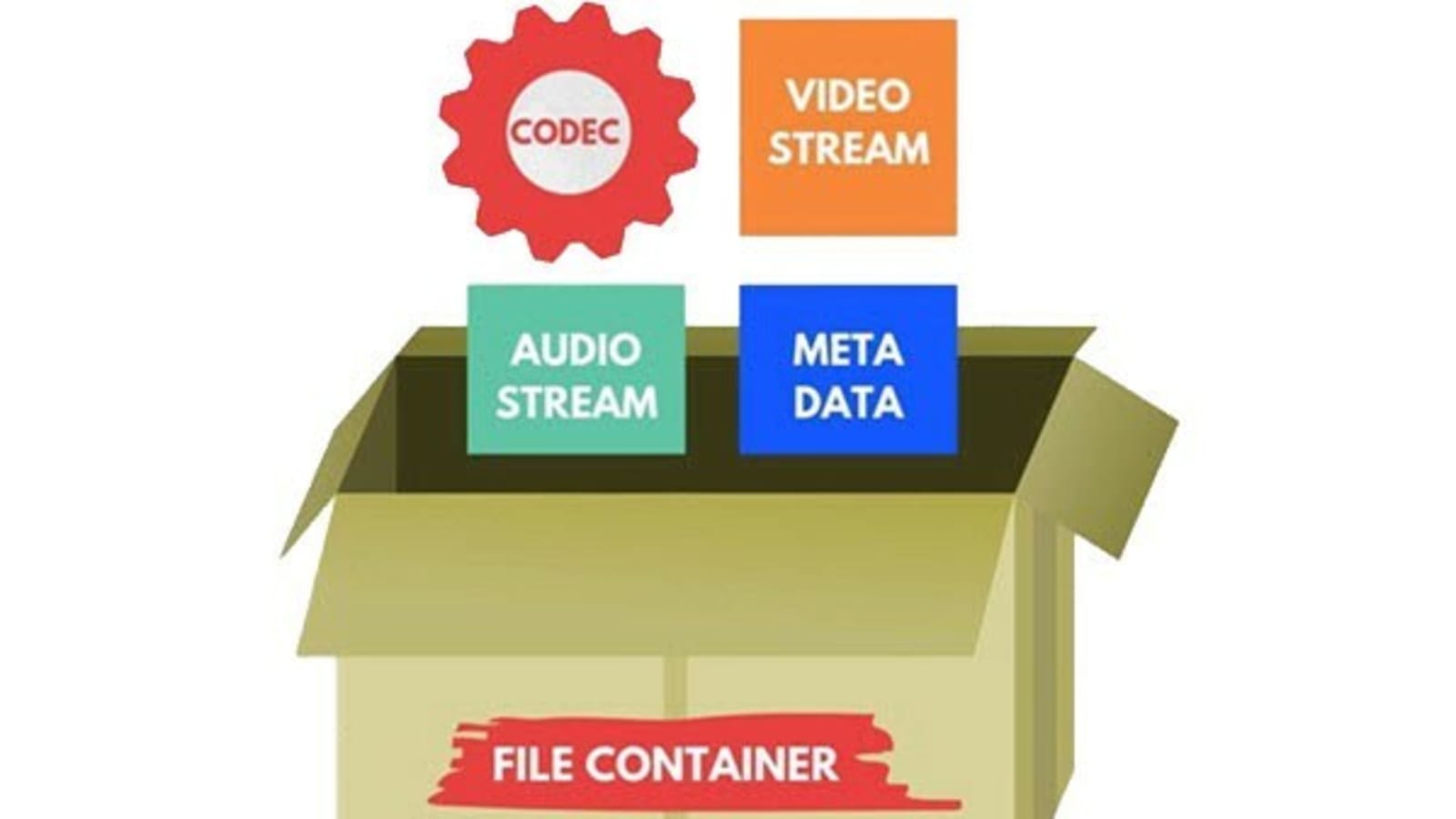
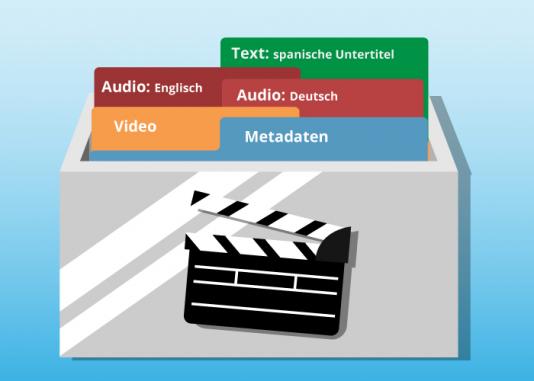
Audio container formats are used to store digital audio data. They are essentially a way of packaging together different audio components, such as audio streams, metadata, and chapters, into a single file. This makes it easier to transport, store, and play back audio files.
What is an audio container format?
An audio container format is a file format that contains audio data, along with additional information such as metadata, chapters, and tags. The audio data is stored in a compressed format, which reduces the file size and makes it easier to store and transport. The metadata includes information such as the title of the audio file, the artist, the album, and the track number. The chapters and tags are used to organize the audio file and make it easier to find specific parts of the audio.
Different types of audio container formats
There are many different audio container formats available, each with its own advantages and disadvantages. Some of the most popular audio container formats include:
MP4: MP4 is a widely used container format that supports a variety of audio codecs, including AAC, MP3, and FLAC. It is also capable of storing video and subtitles.
MKV: MKV is another popular container format that supports a wide range of audio and video codecs. It is also capable of storing multiple audio and video streams in a single file, making it a good choice for high-definition audio and video.
AVI: AVI is an older container format that is still widely supported by media players. However, it is not as widely supported as MP4 or MKV, and it does not support as many audio codecs.
WAV: WAV is a lossless audio format that is not compressed. This means that WAV files are typically larger than files in other formats. However, WAV files offer the best possible audio quality.
Advantages and disadvantages of different audio container formats
The advantages and disadvantages of different audio container formats depend on the specific needs of the user. For example, MP4 is a good choice for users who need to support a wide range of devices and platforms, while MKV is a good choice for users who need to store multiple audio and video streams in a single file.
How to choose the right audio container format
The best way to choose the right audio container format is to consider the following factors:
Compatibility: Make sure that the format is supported by your media player of choice.
Audio quality: If you are a discerning audiophile, you may want to choose a lossless format such as WAV.
Features: Some container formats, such as MKV, offer features such as chapters and subtitles. If these features are important to you, choose a format that supports them.
How to convert my audio files to a different container format
If you need to convert your audio files to a different container format, there are many different audio converter programs available, both free and paid.
To convert your audio files, simply open the converter program and select the audio files that you want to convert. Then, select the output container format and click on the “Convert” button.
Benefits of converting my audio files to a different container format
There are several benefits to converting your audio files to a different container format:
Improved compatibility: If you need to play your audio files on a device or platform that does not support the original container format, converting your files to a different format may improve compatibility.
Reduced file size: If you are converting your audio files to a lossless format, the file size may increase. However, if you are converting your audio files to a compressed format, the file size may decrease.
Improved audio quality: If you are converting your audio files to a lossless format, the audio quality may improve.
Common problems that people experience when converting their audio files to a different container format
Some common problems that people experience when converting their audio files to a different container format include:
Unsupported file format: If the audio converter program does not support the original container format, you will not be able to convert your files.
Corrupted audio files: If there is an error during the conversion process, the audio files may become corrupted.
Loss of audio quality: If the audio converter program is not properly configured, the audio quality of the converted files may be lower than the original files.
How to troubleshoot problems with converting my audio files to a different container format
If you are experiencing problems converting your audio files to a different container format, there are a few things that you can do to troubleshoot the problem:
Make sure that the audio converter program supports the original container format.
Intensity stereo coding is a technique used in MP3 audio compression to reduce the file size of stereo audio files. It works by encoding the left and right channels of a stereo audio file as a single channel, with the intensity of each channel represented by a single value. This can result in a significant reduction in file size, without a noticeable loss of sound quality.
How does intensity stereo coding work?
Intensity stereo coding works by first converting the left and right channels of a stereo audio file into a single channel. This is done by averaging the left and right channels, or by using a more complex algorithm that takes into account the phase relationship between the two channels. The resulting single channel is then encoded using a lossy compression algorithm, such as MP3.
What are the benefits of intensity stereo coding?
Intensity stereo coding has a number of benefits, including:
Reduced file size: Intensity stereo coding can result in a significant reduction in the file size of stereo audio files, without a noticeable loss of sound quality.
Improved compatibility: Intensity stereo coded audio files are more compatible with a wider range of devices, such as mobile phones and MP3 players.
Reduced bandwidth requirements: Intensity stereo coded audio files can be streamed or downloaded over a lower bandwidth connection, such as a mobile data connection.
What are the limitations of intensity stereo coding?
Intensity stereo coding has a number of limitations, including:
Loss of sound quality: Intensity stereo coding can result in a loss of sound quality, particularly in the high frequencies.
Reduced spatial sound: Intensity stereo coding reduces the spatial sound of a stereo audio file, as it only encodes the intensity of each channel.
Not suitable for all audio files: Intensity stereo coding is not suitable for all audio files, such as music with a lot of high frequencies or spatial sound.
How to use intensity stereo coding
Intensity stereo coding is a feature that is available in most MP3 encoders. To use intensity stereo coding, simply select the “Intensity Stereo” option in the encoder’s settings.
Conclusion
Intensity stereo coding is a useful technique that can be used to reduce the file size of stereo audio files without a noticeable loss of sound quality. It is a good option for people who want to save space or transfer audio files over a low bandwidth connection.
Here are some additional tips for using intensity stereo coding:
Use intensity stereo coding with caution. If you are a critical listener, you may notice a loss of sound quality with intensity stereo coding.
Experiment with different settings. The intensity stereo coding algorithm can be adjusted to provide different results.
Use intensity stereo coding with different types of audio files. Intensity stereo coding may not be suitable for all audio files.
MP3 is a popular audio format that uses lossy compression to reduce the file size of audio files. This compression can result in a loss of quality, particularly in the high frequencies. Harmonic enhancement is a technique that can be used to improve the sound quality of MP3 files by adding back some of the high frequencies that were lost during compression.
What is harmonic enhancement?
Harmonic enhancement is a process that adds back some of the high frequencies that were lost during MP3 compression. This is done by analyzing the original audio file and identifying the missing frequencies. The missing frequencies are then added back to the MP3 file, resulting in an improved sound quality.
How does harmonic enhancement work?
Harmonic enhancement works by analyzing the original audio file and identifying the missing frequencies. This is done by using a process called Fast Fourier Transform (FFT). FFT is a mathematical technique that can be used to break down a signal into its component frequencies. Once the missing frequencies have been identified, they are then added back to the MP3 file.
What are the benefits of harmonic enhancement?
Harmonic enhancement can improve the sound quality of MP3 files by adding back some of the high frequencies that were lost during compression. This can make the sound of MP3 files more natural and realistic. Harmonic enhancement can also be used to improve the sound quality of MP3 files that have been played back on low-quality speakers.
How to use harmonic enhancement
There are a number of ways to use harmonic enhancement. One way is to use a software program that specifically designed for this purpose. Another way is to use a plugin that can be added to a media player. There are also a number of websites that offer online harmonic enhancement services.
What are the limitations of harmonic enhancement?
Harmonic enhancement is not a perfect solution. It cannot completely restore the high frequencies that were lost during MP3 compression. However, it can significantly improve the sound quality of MP3 files.
Conclusion
Harmonic enhancement is a useful technique that can improve the sound quality of MP3 files. It is a good option for people who want to improve the sound quality of their MP3 files without having to re-encode them.
Here are some additional tips for using harmonic enhancement:
Use a high-quality software program or plugin.
Experiment with different settings to find the best results.
Use harmonic enhancement in moderation. Too much harmonic enhancement can make the sound of MP3 files unnatural and harsh.
Video bitrate is a measure of the amount of data that is used to represent a video stream. It is measured in bits per second (bps). Higher bitrates result in higher quality video, but also larger file sizes. Lower bitrates result in lower quality video, but smaller file sizes.
What is the optimal video bitrate for an MP4 file?
The optimal video bitrate for an MP4 file will depend on a number of factors, including the desired quality of the video, the intended use of the file, and the capabilities of the playback device. In general, higher bitrates are required for high-quality video, such as Blu-ray Discs or high-definition television (HDTV). Lower bitrates can be used for lower-quality video, such as standard-definition television (SDTV) or web videos.
How to analyze the video bitrate of an MP4 file?
There are a number of ways to analyze the video bitrate of an MP4 file. One way is to use a video player that displays the bitrate information. Another way is to use a video editing software program that can display the bitrate information.
How to use a video player to analyze the video bitrate of an MP4 file?
Many video players, such as VLC Media Player and QuickTime Player, display the bitrate information for MP4 files. To view the bitrate information, open the video file in the video player and look for the “Bitrate” or “Bit rate” option.
How to use a video editing software program to analyze the video bitrate of an MP4 file?
Many video editing software programs, such as Adobe Premiere Pro and Final Cut Pro, can display the bitrate information for MP4 files. To view the bitrate information, open the video file in the video editing software program and look for the “Bitrate” or “Bit rate” option.
How to use the video bitrate information to make decisions about storing, transferring, or playing an MP4 file?
Once you have analyzed the video bitrate of an MP4 file, you can use this information to make decisions about how to store, transfer, or play the file. For example, if you want to store the file on a portable device, you may want to reduce the bitrate to lower the file size. If you want to transfer the file over a network, you may also want to reduce the bitrate to reduce the file size and the time it takes to transfer the file. If you want to play the file on a device with limited capabilities, you may need to reduce the bitrate to ensure that the device can play the file smoothly.
Additional tips for analyzing MP4 video bitrate
* Use a high-quality video player or video editing software program. A good video player or video editing software program will be able to accurately display the bitrate information.
* Compare the bitrate of different MP4 files. This can help you to determine the optimal bitrate for your needs.
* Experiment with different bitrates. This can help you to find the best balance between quality and file size.
Conclusion
By following these tips, you can analyze the video bitrate of MP4 files and make informed decisions about how to store, transfer, or play these files.
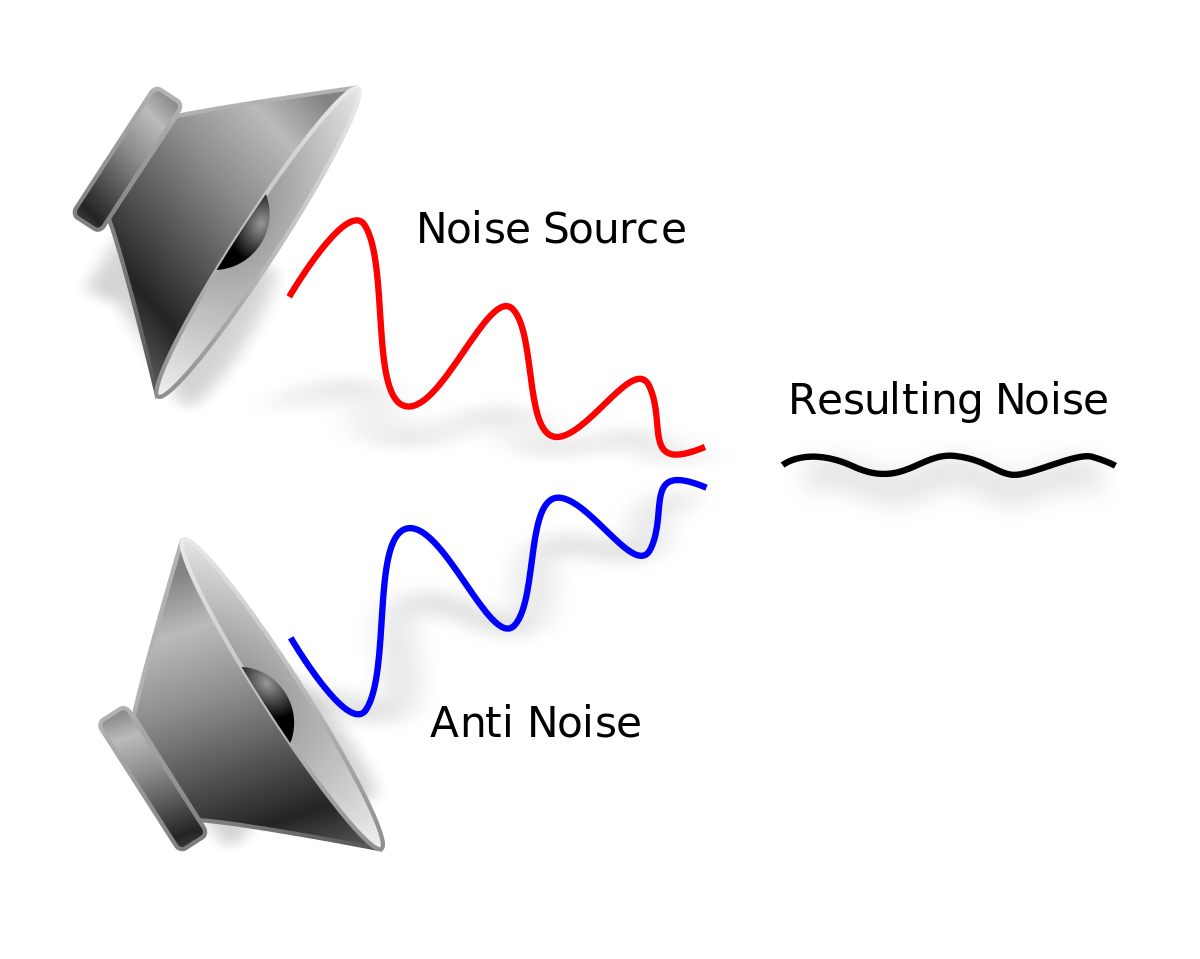
As an audio engineer, I have dealt with various types of noise in digital audio recordings. Noise can be introduced during the recording process or can be present in the source material. In either case, noise reduction techniques can be used to remove unwanted noise from the audio signal. One of the most common noise reduction techniques is spectral subtraction. This technique involves analyzing the frequency spectrum of the audio signal and removing the noise components. Another technique is noise gating, which involves setting a threshold level below which the noise is suppressed. However, noise gating can result in unwanted artifacts in the audio signal. In my experience, a combination of these techniques can be used to achieve the best results.
Audio Restoration
Audio restoration is the process of removing unwanted noise and restoring the audio signal to its original quality. This process can be time-consuming and requires specialized software and expertise. One of the leading companies in audio restoration is CEDAR Audio. They have developed advanced algorithms that can recognize noise in the presence of a wanted signal and create a dynamic noise profile. This allows for more accurate noise reduction without affecting the desired audio. In my experience, audio restoration is a valuable tool for preserving historical recordings and improving the quality of damaged audio.
Noise Reduction Algorithms
Noise reduction algorithms are the backbone of noise reduction software. These algorithms analyze the audio signal and selectively remove noise frequencies that are not part of the desired sound. There are many different noise reduction algorithms available, each with its own strengths and weaknesses. Some algorithms are better suited for removing specific types of noise, such as hum or hiss. In my experience, the best noise reduction algorithms are those that allow for manual adjustments. This allows for more precise control over the noise reduction process and can result in better-sounding audio.
Final Words:
Digital audio noise reduction methods are essential for achieving high-quality audio recordings. Whether you are dealing with noise in the recording process or in the source material, there are many techniques and tools available to help you remove unwanted noise. By using a combination of noise reduction techniques and algorithms, you can achieve the best results and create professional-sounding recordings.
Keywords: Audio Noise Reduction, Digital Audio Restoration, Noise Reduction Software, Dynamic Noise Reduction, Noise Reduction Algorithms, Noise Reduction Techniques, Audio Signal Processing, Audio Noise Reduction Hacks, Audio Noise Reduction Tips, Audio Noise Reduction Tools, Audio Noise Reduction Plugins, Audio Noise Reduction Filters,
a music lover, I have always been fascinated by the technology behind digital audio files. MP3 files, in particular, have been a staple in my music library for years. However, it wasn’t until recently that I decided to dive deeper into the technical aspects of these files, specifically the file header structure.
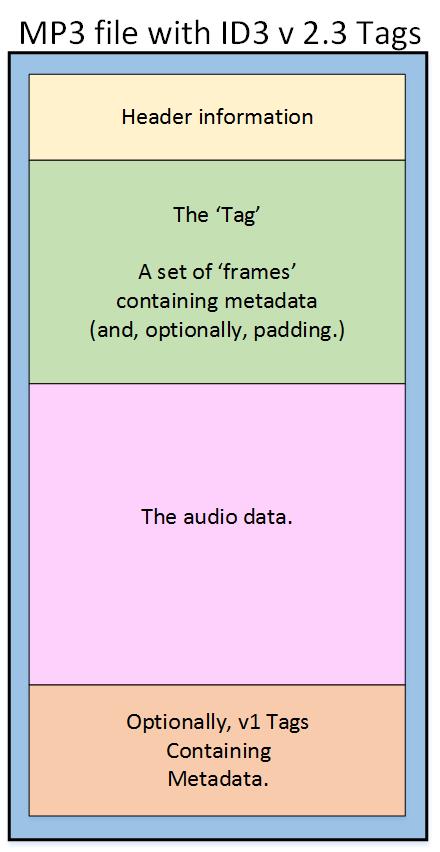
The MP3 file header structure is a crucial component of the file, as it contains important information about the file’s format, bitrate, and other key details. Understanding this structure is essential for anyone looking to work with MP3 files, whether it be for editing, conversion, or other purposes.
Breaking Down the MP3 File Header Structure
The MP3 file header structure is made up of several components, each of which plays a critical role in defining the file’s format and characteristics. These components include the sync word, version ID, layer description, bitrate index, sampling rate frequency index, padding bit, private bit, channel mode, and mode extension.
One of the most important components of the MP3 file header structure is the bitrate index, which determines the bitrate of the file. The bitrate is a measure of the amount of data that is processed per unit of time, and it has a significant impact on the quality of the audio. Another critical component is the sampling rate frequency index, which determines the sampling rate of the file. The sampling rate is the number of samples of audio carried per second, and it also has a significant impact on the quality of the audio.
Final Words
In conclusion, understanding the MP3 file header structure is essential for anyone looking to work with these files. By breaking down the various components of the structure, we can gain a deeper understanding of how these files work and how to manipulate them for various purposes. Whether you’re an audio engineer, a music producer, or simply a music lover, taking the time to learn about the MP3 file header structure is well worth the effort.
MP3, file header, sync word, version ID, layer description, bitrate index, sampling rate frequency index, padding bit, private bit, channel mode, mode extension, audio format, digital audio, audio quality, audio engineering, music production, music editing, audio conversion, audio technology, audio files, digital music, music library, audio characteristics, audio processing, audio data, audio sampling, audio bitrate, audio frequency, audio compression, audio decoding
As someone who has been working with audio files for years, I can tell you that MP3 compression is one of the most important topics in the industry. It’s a technique that has revolutionized the way we listen to music, and it’s something that every audio enthusiast should understand.
How MP3 Compression Works
At its core, MP3 compression is all about removing data that the human ear can’t hear. This is done by analyzing the audio file and identifying sounds that are outside of the range of human hearing. These sounds are then removed, resulting in a smaller file size without any noticeable loss in quality.
As the book “The Art of Digital Audio” explains, “MP3 compression is based on the psychoacoustic principle that the human ear cannot discern certain sounds that are masked by other sounds.” This means that by removing these masked sounds, we can significantly reduce the file size of an audio file without sacrificing quality.
The Benefits of MP3 Compression
One of the biggest benefits of MP3 compression is the ability to store more music on your device. Before MP3 compression, most audio files were too large to be stored on a computer or portable music player. With MP3 compression, you can store hundreds or even thousands of songs on a single device.
Another benefit of MP3 compression is the ability to stream music over the internet. Without MP3 compression, streaming music would be nearly impossible due to the large file sizes of most audio files. MP3 compression allows for fast and efficient streaming, making it possible to listen to music on the go.
The Future of MP3 Compression
While MP3 compression has been around for decades, it’s still an evolving technology. As new audio formats and compression techniques are developed, we can expect MP3 compression to continue to improve.
One area where MP3 compression is likely to see significant growth is in the field of virtual and augmented reality. As these technologies become more advanced, the need for high-quality, low-latency audio will become increasingly important. MP3 compression is likely to play a key role in meeting this need.
MP3 Compression vs. Other Audio Formats
When it comes to audio formats, there are a lot of options out there. From WAV to FLAC to AAC, each format has its own strengths and weaknesses. So how does MP3 compression stack up against the competition?
MP3 Compression vs. WAV
WAV is a lossless audio format that is often used in professional audio production. While WAV files offer the highest possible audio quality, they also come with a large file size. This makes them impractical for most consumer applications.
MP3 compression, on the other hand, offers a good balance between file size and audio quality. While MP3 files are not as high-quality as WAV files, they are much smaller and more practical for everyday use.
MP3 Compression vs. FLAC
FLAC is another lossless audio format that is often used by audiophiles. Like WAV, FLAC files offer high-quality audio, but they also come with a large file size.
While FLAC files are great for archiving and preserving high-quality audio, they are not practical for everyday use. MP3 compression, on the other hand, offers a good compromise between file size and audio quality, making it the ideal format for most consumer applications.
MP3 Compression vs. AAC
AAC is a newer audio format that was developed by Apple. Like MP3 compression, AAC is a lossy format that offers a good balance between file size and audio quality.
While AAC files are generally smaller than MP3 files, they also tend to offer slightly better audio quality. However, because AAC is a proprietary format, it is not as widely supported as MP3 compression.
The Science Behind MP3 Compression
At its core, MP3 compression is all about the science of sound. By understanding how sound works and how the human ear perceives it, we can create audio files that are smaller and more efficient without sacrificing quality.
The Psychoacoustic Model
The key to MP3 compression is the psychoacoustic model. This model is based on the fact that the human ear is not equally sensitive to all frequencies of sound. In fact, our ears are much more sensitive to sounds in the midrange frequencies than they are to sounds in the high or low frequencies.
By taking advantage of this fact, MP3 compression is able to remove sounds that are outside of the range of human hearing. This results in a smaller file size without any noticeable loss in quality.
The Bitrate
Another important factor in MP3 compression is the bitrate. The bitrate is the amount of data that is used to represent each second of audio. A higher bitrate means that more data is being used, which results in a higher-quality audio file.
However, higher bitrates also mean larger file sizes. This is why most MP3 files are encoded at a bitrate of 128 kbps or 192 kbps. These bitrates offer a good balance between file size and audio quality.
The Future of MP3 Compression
As technology continues to evolve, we can expect MP3 compression to continue to improve. New compression techniques and audio formats are likely to emerge, offering even better audio quality and smaller file sizes.
However, even as new technologies emerge, MP3 compression is likely to remain a key part of the audio industry. Its ability to offer high-quality audio in a small file size makes it the ideal format for most consumer applications.
MP3 Compression Techniques
There are a number of different techniques that can be used to compress MP3 files. Each technique has its own strengths and weaknesses, and the best technique to use will depend on the specific needs of the user.
Constant Bitrate Encoding
Constant bitrate encoding is the simplest and most common technique used to compress MP3 files. With constant bitrate encoding, the bitrate is kept constant throughout the entire audio file.
While constant bitrate encoding is easy to implement, it can result in larger file sizes than other techniques. This is because the bitrate is not adjusted to match the complexity of the audio.
Variable Bitrate Encoding
Variable bitrate encoding is a more advanced technique that adjusts the bitrate based on the complexity of the audio. This means that more data is used to represent complex sounds, while less data is used to represent simpler sounds.
Variable bitrate encoding can result in smaller file sizes than constant bitrate encoding, while still maintaining high audio quality. However, it can be more difficult to implement than constant bitrate encoding.
Joint Stereo Encoding
Joint stereo encoding is a technique that takes advantage of the fact that most audio files are recorded in stereo. With joint stereo encoding, the left and right channels of the audio are analyzed separately, and the data is compressed based on the similarities between the two channels.
This technique can result in smaller file sizes than other techniques, while still maintaining high audio quality. However, it can also result in some loss of stereo separation.
The Benefits of MP3 Compression
As someone who has been working with audio files for years, I can tell you that MP3 compression is one of the most important topics in the industry. It’s a technique that has revolutionized the way we listen to music, and it’s something that every audio enthusiast should understand.
Storing More Music
One of the biggest benefits of MP3 compression is the ability to store more music on your device. Before MP3 compression, most audio files were too large to be stored on a computer or portable music player. With MP3 compression, you can store hundreds or even thousands of songs on a single device.
This is something that I’ve personally experienced. As someone who loves music, I used to have to carry around a large collection of CDs or cassette tapes. With MP3 compression, I can now carry my entire music collection in my pocket.
Streaming Music
Another benefit of MP3 compression is the ability to stream music over the internet. Without MP3 compression, streaming music would be nearly impossible due to the large file sizes of most audio files. MP3 compression allows for fast and efficient streaming, making it possible to listen to music on the go.
This is something that I’ve personally experienced as well. As someone who travels frequently, I rely on streaming music services to keep me entertained on long flights or train rides. Without MP3 compression, this would not be possible.
The Future of MP3 Compression
While MP3 compression has been around for decades, it’s still an evolving technology. As new audio formats and compression techniques are developed, we can expect MP3 compression to continue to improve.
One area where MP3 compression is likely to see significant growth is in the field of virtual and augmented reality. As these technologies become more advanced, the need for high-quality, low-latency audio will become increasingly important. MP3 compression is likely to play a key role in meeting this need.
MP3 Compression for Beginners
If you’re new to the world of audio files, MP3 compression can seem like a daunting topic. However, with a little bit of knowledge, you can quickly become an expert.
Choosing the Right Bitrate
One of the most important things to consider when compressing MP3 files is the bitrate. The bitrate is the amount of data that is used to represent each second of audio. A higher bitrate means that more data is being used, which results in a higher-quality audio file.
However, higher bitrates also mean larger file sizes. This is why most MP3 files are encoded at a bitrate of 128 kbps or 192 kbps. These bitrates offer a good balance between file size and audio quality.
Using the Right Software
Another important factor to consider when compressing MP3 files is the software that you use. While there are many different programs available for compressing audio files, not all of them are created equal.
If you’re looking for a reliable and easy-to-use program for compressing MP3 files, I would recommend checking out MP4Gain. This program offers a wide range of compression options, making it easy to find the right settings for your needs.
Conclusion
In conclusion, MP3 compression is an important topic for anyone who works with audio files. Whether you’re a professional audio engineer or just someone who loves music, understanding MP3 compression is essential.
By taking advantage of the techniques and technologies available for MP3 compression, you can store more music on your device, stream music over the internet, and enjoy high-quality audio without sacrificing file size. So if you haven’t already, I would encourage you to start exploring the world of MP3 compression today.
As someone who has been using mobile devices for years, I have encountered a wide range of media file formats. From 3GP to M4V, each format has its own strengths and weaknesses, and choosing the right format can be a challenge. In this article, I will explore some of the most common media file formats for mobile devices, and provide some tips for choosing the right format for your needs.
Understanding Media File Formats
Media file formats are essentially containers that hold audio and video data. Each format has its own unique characteristics, including compression algorithms, video resolutions, and audio quality. Some of the most common media file formats for mobile devices include:
3GP: This format is commonly used for video content on mobile devices, and is known for its small file size and low bandwidth requirements.
M4V: This format is similar to MP4, but is specifically designed for use with Apple devices. It supports high-quality video and audio, and is often used for streaming and downloading content from the iTunes Store.
MP4: This format is widely used for video content on mobile devices, and is known for its high-quality video and audio, as well as its compatibility with a wide range of devices and platforms.
“Choosing the right media file format for your needs can be a challenge, but it is important to consider factors such as file size, video quality, and compatibility with your device and platform.”
Other Media File Formats
In addition to 3GP, M4V, and MP4, there are a number of other media file formats that are commonly used for mobile devices. These include:
AVI: This format is widely used for video content on desktop computers, but is less common on mobile devices due to its large file size and limited compatibility.
WMV: This format is commonly used for video content on Windows devices, and is known for its high-quality video and audio.
MOV: This format is commonly used for video content on Apple devices, and is known for its high-quality video and audio, as well as its compatibility with a wide range of devices and platforms.
“While there are a number of media file formats available for mobile devices, it is important to choose the right format for your specific needs. Factors such as file size, video quality, and compatibility with your device and platform can all play a role in determining the best format for your needs.”
Final Words
As someone who has been using mobile devices for years, I have learned the importance of choosing the right media file format for my needs. Whether I am streaming video content or downloading music, the right format can make all the difference in terms of quality and compatibility. By understanding the various media file formats available for mobile devices, and considering factors such as file size, video quality, and compatibility, you can ensure that your media content looks and sounds its best.
Media File Formats, Mobile Devices, 3GP, M4V, MP4, AVI, WMV, MOV, Audio Quality, Video Quality, Compression Algorithms, Compatibility, File Size, Streaming, Downloading, iTunes Store, Apple Devices, Windows Devices, Desktop Computers, Video Content, Audio Data, Containers, Bandwidth Requirements, High-Quality Video, High-Quality Audio, Video Resolutions, Choosing the Right Format, Quality and Compatibility.
Media File Formats, Mobile Devices, 3GP, M4V, MP4, AVI, WMV, MOV Audio Quality, Video Quality, Compression Algorithms, Compatibility, File Size, Streaming, Downloading, iTunes Store, Apple Devices, Windows Devices, Desktop Computers, Video Content, Audio Data, Containers, Bandwidth Requirements, High-Quality Video, High-Quality Audio, Video Resolutions, Choosing the Right Format, Quality and Compatibility, Media Content, Video Streaming, Audio Streaming, Video Downloading, Audio Downloading, Mobile Video Formats, Mobile Audio Formats, Mobile Media Formats, Mobile Video Quality, Mobile Audio Quality, Mobile Video Compression, Mobile Audio Compression, Mobile Video Resolution, Mobile Audio Resolution, Mobile Video Compatibility, Mobile Audio Compatibility, Mobile Video File Size, Mobile Audio File Size, Mobile Video Streaming Quality, Mobile Audio Streaming Quality, Mobile Video Downloading Quality, Mobile Audio Downloading Quality, Mobile Video Playback, Mobile Audio Playback, Mobile Video Conversion, Mobile Audio Conversion, Mobile Video Editing, Mobile Audio Editing, Mobile Video Production, Mobile Audio Production, Mobile Video Distribution, Mobile Audio Distribution.
As a video enthusiast, I have always been fascinated by the intricacies of video processing and enhancement. One of the most common issues that I have encountered is interlaced video, which can result in poor video quality and a lack of clarity. In this article, I will explore the various deinterlacing techniques that can be used to convert interlaced video to progressive playback, resulting in a smoother and more visually appealing viewing experience.
Understanding Interlaced Video
Interlaced video is a legacy format that was developed in the early days of television broadcasting. It was designed to reduce the bandwidth required for transmitting video signals, by splitting each frame into two fields that are displayed alternately. While this approach was effective at the time, it can result in a number of issues when viewed on modern displays, including flickering, jagged edges, and a lack of detail.
“Interlaced video is like a flipbook, where each page is split into two halves that are displayed in rapid succession. While this approach was effective in the past, it can result in a number of issues when viewed on modern displays.”
To address these issues, deinterlacing techniques can be used to convert interlaced video to progressive playback. This involves combining the two fields of each frame into a single frame, resulting in a smoother and more visually appealing viewing experience.
Deinterlacing Techniques
There are a number of deinterlacing techniques that can be used to convert interlaced video to progressive playback. These include:
Bob deinterlacing: This technique involves simply duplicating each field to create a full frame. While this approach is simple, it can result in a loss of detail and a lack of sharpness.
Weave deinterlacing: This technique involves combining the two fields of each frame into a single frame, by interleaving the lines from each field. While this approach can result in a smoother image, it can also introduce artifacts and a loss of detail.
Motion-adaptive deinterlacing: This technique involves analyzing the motion in each frame, and using this information to create a new frame that is a blend of the two fields. This approach can result in a much smoother and more detailed image, but it can also be more computationally intensive.
“While there are a number of deinterlacing techniques available, it is important to choose the right approach for your specific needs. Factors such as the source material, the intended viewing environment, and the available processing power can all play a role in determining the best approach.”
Conclusion
Deinterlacing is an important technique for improving the quality of interlaced video, and ensuring a smooth and visually appealing viewing experience. By understanding the various deinterlacing techniques available, and choosing the right approach for your specific needs, you can ensure that your video content looks its best.
Final Words
As a video enthusiast, I have always been passionate about exploring the various techniques and technologies that can be used to enhance the quality of video content. Deinterlacing is just one of the many tools available for improving the visual appeal of video, and I hope that this article has provided you with a better understanding of this important technique.
Video Deinterlacing, Deinterlacing Techniques, Progressive Playback, Interlaced Video, Video Quality, Video Conversion, Video Processing, Video Enhancement, Bob Deinterlacing, Weave Deinterlacing, Motion-Adaptive Deinterlacing, Flickering, Jagged Edges, Loss of Detail, Smooth Image, Artifacts, Processing Power, Source Material, Viewing Environment, Video Content, Visual Appeal, Video Enthusiast, Video Technologies, Video Enhancement Techniques, Video Quality Improvement.