Explaining the Principles of Digital Audio Equalization


Free Download Mp4Gain
picture

Explaining the Principles of Digital Audio Equalization

Explaining the Principles of Digital Audio Equalization

How does equalization affect digital audio?

Equalization plays a fundamental role in shaping the tonal characteristics of digital audio. It allows us to adjust the frequency response of a sound signal, emphasizing or attenuating specific frequency ranges to achieve a desired sonic balance. Whether it’s boosting the bass for a more powerful thump or enhancing the clarity of vocals, equalization empowers audio engineers and enthusiasts to fine-tune the audio experience to their preferences.

By manipulating the amplitudes of different frequency bands, equalization can compensate for the acoustic characteristics of a listening environment or correct deficiencies in the original audio source. It’s a powerful tool that enables us to optimize audio reproduction and achieve a more pleasing, balanced sound.

The role of parametric equalization in audio shaping

Parametric equalization is a versatile approach that allows precise control over the equalization process. It involves adjusting multiple parameters, including center frequency, bandwidth, and gain, to shape the audio response in a targeted manner. With parametric equalizers, audio professionals can precisely tailor the frequency balance of a track or system to address specific challenges or artistic goals.

Utilizing graphic equalizers for simplified tonal adjustments

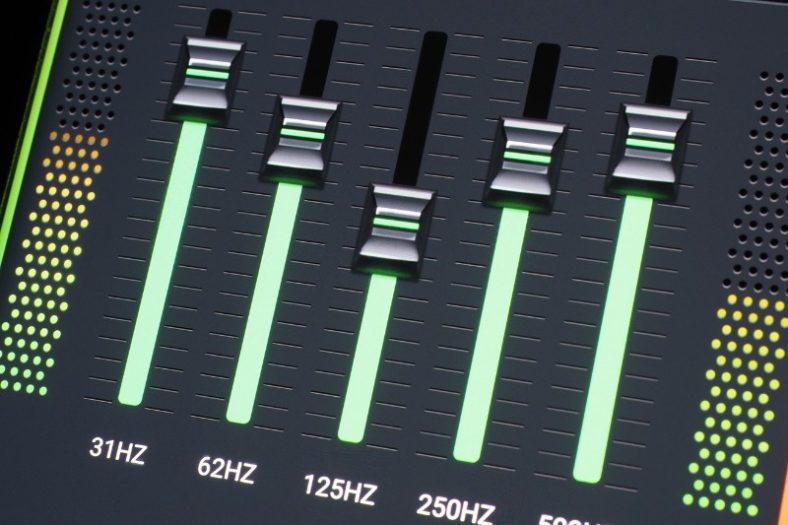
Graphic equalizers provide a user-friendly interface for equalization, typically featuring a series of sliders that represent different frequency bands. This allows users to visually identify and adjust specific frequency ranges. While graphic equalizers may offer less precise control compared to parametric equalizers, they excel in quickly making broad tonal adjustments and are commonly found in consumer audio equipment, live sound setups, and music production studios.

Optimizing audio clarity with equalization techniques

Equalization can significantly impact the clarity and intelligibility of audio content, particularly when it comes to speech or vocal recordings. By carefully adjusting the frequency response, unwanted resonances or masking effects can be reduced, enhancing the overall intelligibility of the sound. This is especially important in scenarios such as public address systems, podcasts, or audio recordings where clear communication is crucial.

Additionally, equalization can help address frequency imbalances introduced during the recording or mixing process. For example, if a particular microphone captures excessive low-frequency rumble, applying a high-pass filter through equalization can effectively remove those unwanted low-frequency components, resulting in a cleaner and more focused sound.

Applying subtractive equalization for surgical frequency control

Subtractive equalization involves reducing specific frequency ranges to mitigate unwanted resonances or tonal issues. It allows audio engineers to surgically target problematic frequencies and attenuate them while leaving the rest of the audio spectrum relatively unaffected. This technique can be invaluable when addressing issues such as microphone or room resonances, reducing feedback in live sound situations, or taming harshness in recordings.

Using additive equalization to enhance desired frequency ranges

Additive equalization involves boosting specific frequency bands to emphasize desired tonal characteristics or compensate for deficiencies in the original audio source. By carefully selecting and boosting specific frequencies, audio professionals can enhance the warmth of an acoustic guitar, bring out the brilliance of cymbals in a drum mix, or add presence to a vocal track. Additive equalization allows for creative sound sculpting, bringing out the best in audio recordings and reinforcing the intended artistic vision.

Final Words

Understanding the principles of digital audio equalization provides us with a powerful toolset for shaping and optimizing audio content. Whether it’s achieving tonal balance, enhancing clarity, or adding character to a recording, equalization empowers us to tailor the sonic experience to our preferences and creative vision.

By utilizing parametric or graphic equalizers and employing subtractive or additive techniques, audio engineers and enthusiasts can unlock the full potential of digital audio equalization. Whether you’re mixing music, mastering audio, or fine-tuning your personal audio setup, the principles of equalization offer endless possibilities for achieving the desired sonic results.


Free Download Mp4Gain
picture


Mp4Gain Main Window
picture


Mp4Gain Features
picture


Free Download Mp4Gain
picture

MP3 vs. AAC

MP3 vs. AAC: Audio Quality Comparison

MP3 vs. AAC
MP3 vs. AAC
MP3 vs. AAC
MP3 vs. AAC

MP3 Audio Compression

MP3, or MPEG Audio Layer-3, is a widely-used audio format known for its efficient compression. It uses perceptual coding techniques to discard certain audio frequencies that are less perceptible to the human ear. This compression allows for smaller file sizes while maintaining an acceptable level of audio quality.

AAC Audio Codec

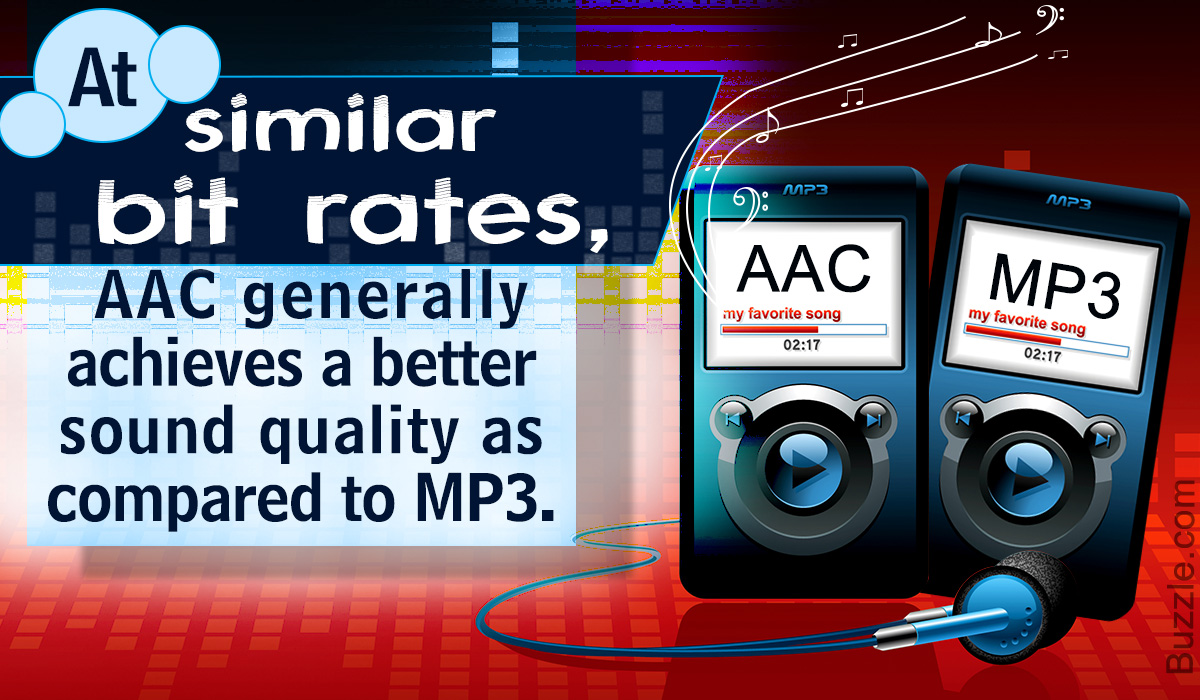
AAC, or Advanced Audio Coding, is a successor to MP3 and offers improved audio quality at similar bitrates. AAC utilizes more advanced compression algorithms, including perceptual noise shaping and temporal noise shaping, resulting in better sound reproduction and higher fidelity compared to MP3.

Differences in Audio Quality

When comparing MP3 and AAC in terms of audio quality, there are several factors to consider. AAC generally provides better sound quality than MP3 at similar bitrates. This is because AAC is capable of preserving more audio details and nuances, resulting in a more accurate reproduction of the original sound.

Bitrate Efficiency

One advantage of MP3 over AAC is its superior bitrate efficiency. MP3 achieves good audio quality while keeping file sizes relatively small. This makes it suitable for applications with limited storage or low bandwidth, such as online music streaming or portable audio players.

Transparent Compression

AAC is often considered a “transparent” audio codec, meaning it can achieve audio quality indistinguishable from the original source, even at lower bitrates. This makes AAC a preferred choice for high-quality audio applications, such as digital music distribution and professional audio production.

Compatibility and Support

MP3 enjoys broad compatibility across various devices and platforms due to its widespread adoption. It is supported by virtually all audio players, software, and hardware devices. AAC, on the other hand, may require specific codecs or software support, although it has gained significant popularity and compatibility in recent years.

Application Considerations

Choosing between MP3 and AAC depends on the specific application and user preferences. If file size and compatibility are the primary concerns, MP3 may be the preferred choice. However, for applications where audio quality is paramount, such as music production or high-fidelity audio playback, AAC offers a superior option.

Transcoding and Conversion

Transcoding or converting audio files from one format to another may result in some loss of audio quality. If transcoding from MP3 to AAC, the original MP3 compression artifacts may be retained or exacerbated. It is generally recommended to use the highest-quality source file available to maintain audio fidelity.

Subjective Listening Tests

Subjective listening tests involving trained listeners have consistently shown that AAC often provides better audio quality compared to MP3 at similar bitrates. However, individual preferences can vary, and some listeners may not perceive significant differences between the two formats in certain scenarios.

Choosing the Right Format

Ultimately, the choice between MP3 and AAC depends on factors such as the intended use, available storage or bandwidth, desired audio quality, and compatibility requirements. Evaluating these factors and conducting listening tests can help determine the most suitable audio format for a specific application or use case.

Optimizing Audio Quality

To optimize audio quality, it is important to consider not only the choice of audio format but also factors such as the source recording quality, mastering techniques, and the playback equipment used. Additionally, using higher bitrates

Decoding the Secrets of Video Frame Interpolation

Decoding the Secrets of Video Frame Interpolation

Video Frame Interpolation

What is video frame interpolation and how does it work?

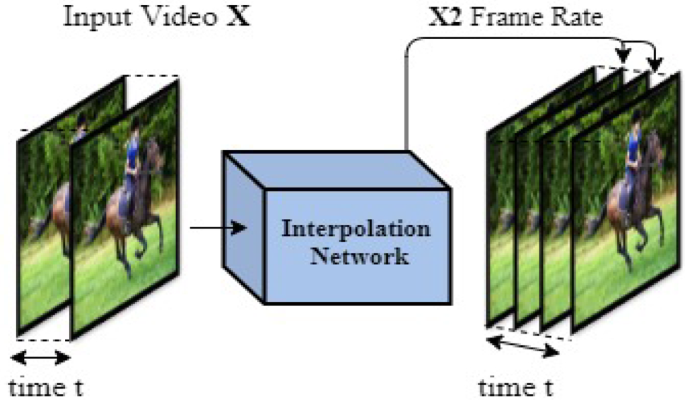
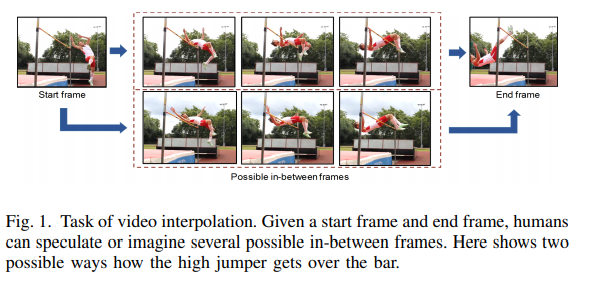
Video frame interpolation is a technique used to generate new frames of video content based on existing frames. It involves creating additional frames between the original frames to improve the smoothness and visual quality of video playback. Let’s explore how video frame interpolation works and its benefits in video production and playback.

Video frame interpolation utilizes advanced algorithms to analyze the motion and content of adjacent frames. Based on this analysis, the algorithm generates new frames that fill the gaps between the original frames. These interpolated frames are designed to seamlessly blend with the existing frames, creating the illusion of smoother motion and reducing the perception of jerkiness or choppiness in videos.

By inserting additional frames, video frame interpolation can increase the frame rate of a video. For example, if a video is originally recorded at 30 frames per second (fps), frame interpolation can create intermediate frames to enhance the perceived motion smoothness, making it appear as if the video is playing at a higher frame rate.

Improving video playback with frame interpolation

The use of video frame interpolation has several benefits in video playback and production, enhancing the visual experience and offering creative possibilities. Let’s delve into some advantages of frame interpolation in video playback.

Smooth motion: Frame interpolation reduces the visual jerkiness or stuttering often associated with lower frame rates. By adding interpolated frames, the algorithm smoothes out the motion between the original frames, resulting in more fluid and natural-looking video playback.

Enhanced visual quality: Frame interpolation can enhance the visual quality of videos by reducing motion blur and artifacts caused by rapid motion. The interpolated frames contribute to sharper and clearer visuals, improving the overall viewing experience.

In video production, frame interpolation offers creative opportunities for slow-motion effects, time manipulation, and motion control. By adjusting the frame rate and applying frame interpolation techniques, filmmakers can achieve unique visual effects and precise control over the perception of time in their productions.

In conclusion, video frame interpolation is a powerful technique that enhances video playback by creating additional frames between the original frames. By improving motion smoothness and visual quality, frame interpolation offers an enhanced viewing experience and opens up creative possibilities in video production.

Can frame interpolation affect video playback performance?

While video frame interpolation can significantly improve the visual quality and smoothness of video playback, it may also impact video playback performance in certain situations. Let’s explore the factors that can influence the performance of frame interpolation and how to mitigate potential issues.

The computational requirements of frame interpolation algorithms can be demanding, especially for high-resolution videos or when real-time interpolation is required. Processing the additional frames in real-time may strain the hardware resources of devices, leading to decreased performance or potential playback issues.

The impact on performance also depends on the complexity of the video content. Videos with highly dynamic motion or intricate details may require more computational power for accurate frame interpolation, potentially affecting playback performance on devices with limited processing capabilities.

To mitigate performance issues, it’s essential to consider the following:

Hardware capabilities: Ensure that the playback device has sufficient processing power and resources to handle frame interpolation effectively. High-performance devices with powerful processors and dedicated graphics capabilities can handle frame interpolation more efficiently.

Optimized settings: Adjusting the interpolation settings, such as the interpolation method or frame rate adjustment, can help optimize performance. Choosing a lower frame rate adjustment or utilizing more efficient interpolation methods can reduce the computational demands while still providing a noticeable improvement in video smoothness.

It’s worth noting that frame interpolation is not always necessary or desirable for all video content. Some viewers prefer the original frame rate and motion characteristics of videos, while others may appreciate

Enhancing Audio Efficiency with Variable Bitrates

Enhancing Audio Efficiency with Variable Bitrates

Variable Bitrates
Variable Bitrates
Variable Bitrates
Variable Bitrates

What are variable bitrates in audio compression?

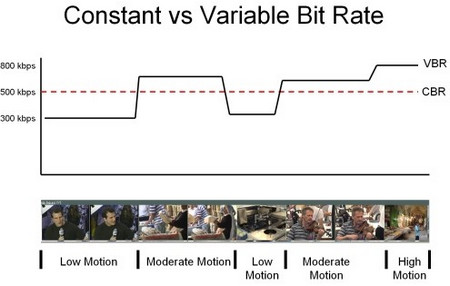
When it comes to audio compression, variable bitrates (VBR) play a crucial role in optimizing file sizes without compromising audio quality. Unlike constant bitrates (CBR), where the bitrate remains consistent throughout the audio file, VBR adjusts the bitrate dynamically based on the complexity of the audio content.

With VBR, the audio encoder allocates a higher bitrate to more intricate and demanding parts of the audio, such as music or sound effects, and a lower bitrate to simpler sections, such as silence or quiet passages. This flexibility allows for efficient compression, reducing the overall file size while maintaining excellent audio quality.

By utilizing VBR, audio files can achieve significant compression ratios without perceptible loss in audio fidelity. This makes VBR an ideal choice for various applications, including streaming services, podcasts, music distribution, and more.

Optimizing audio quality with variable bitrates

To enhance audio efficiency and deliver optimal quality, utilizing variable bitrates is essential. Let’s explore how VBR contributes to audio optimization and its benefits in different contexts.

Streaming services: With the increasing popularity of music and video streaming platforms, efficient audio compression is crucial to provide seamless playback while conserving bandwidth. VBR ensures that audio files are compressed intelligently, allocating more bits to complex audio segments and fewer bits to simpler parts. This optimization results in high-quality audio streaming with minimal buffering and bandwidth consumption.

Podcasts and spoken-word content: Variable bitrates are particularly advantageous for podcasts and other spoken-word content. These formats often contain long stretches of silence or low-intensity speech, which can be compressed efficiently with lower bitrates. However, when music or sound effects are introduced, VBR allocates a higher bitrate to ensure the clarity and fidelity of those elements, enhancing the overall listening experience.

In summary, variable bitrates offer a versatile approach to audio compression, delivering excellent audio quality while optimizing file sizes. By dynamically allocating bitrates based on the complexity of the audio content, VBR ensures efficient compression for various applications, including streaming services and spoken-word content.

How do variable bitrates impact audio file sizes?

The use of variable bitrates (VBR) in audio compression significantly impacts the file sizes of audio recordings. Let’s explore how VBR affects file sizes and the factors to consider when using this technique.

When compared to constant bitrates (CBR), which maintain a consistent bitrate throughout the audio file, VBR can produce smaller file sizes without compromising audio quality. This is because VBR allocates higher bitrates to more complex parts of the audio and lower bitrates to simpler sections, resulting in a more efficient use of data.

The actual impact on file sizes depends on the nature of the audio content. For audio recordings with a lot of silence or low-intensity passages, VBR can significantly reduce the file size by allocating fewer bits to those sections. However, when the audio contains highly dynamic or complex elements, such as music or sound effects, VBR increases the bitrate to preserve the quality and detail of those components.

It’s important to note that the specific VBR settings chosen during the compression process can also affect file sizes. Higher VBR settings generally result in larger file sizes, as the encoder allocates more bits to maintain higher audio quality throughout the recording. Lower VBR settings, on the other hand, can lead to smaller file sizes but may sacrifice some audio fidelity in more complex sections.

When determining the appropriate VBR settings for a particular audio recording, it’s essential to consider the desired balance between file size and audio quality. For applications where file size is a significant concern, such as streaming services or limited storage environments, lower VBR settings may be preferred. However, for situations that prioritize audio fidelity, such as music production or high-quality audio distribution, higher VBR settings are recommended.

In conclusion, variable bitrates have a significant impact on audio file sizes. By dynamically adjusting the bitrate based on the complexity of the audio content, VBR allows for efficient compression, resulting in smaller file sizes while maintaining audio quality. The specific VBR settings chosen during compression should align with the intended purpose and priorities of the audio recording.

Optimizing audio file storage with variable bitrates

Efficient storage of audio files is essential for various applications, including music libraries, sound libraries, and multimedia production. Variable bitrates (VBR) offer an effective solution for optimizing audio file storage. Let’s explore some considerations and benefits of using VBR for storage optimization.

Smaller file sizes: VBR allows for more efficient compression of audio files by allocating fewer bits to simpler sections, resulting in smaller overall file sizes. This is particularly advantageous for applications with limited storage capacities or when transferring files over networks with limited bandwidth.

Preserving audio quality: Despite the reduction in file sizes, VBR maintains excellent audio quality by allocating higher bitrates to complex sections, such as music or sound effects. This ensures that the integrity and fidelity of the audio content are preserved, even in compressed formats.

Compatibility: VBR-encoded audio files are compatible with a wide range of devices and software players. Whether it’s music playback on mobile devices, media editing on computers, or streaming on various platforms, VBR-encoded files can be seamlessly utilized across different environments.

By utilizing VBR for audio file storage, organizations and individuals can optimize their storage capacities, reduce bandwidth requirements, and ensure high-quality audio playback. Whether it’s managing extensive music libraries or distributing sound effects, VBR offers a practical solution for efficient storage and retrieval of audio content.

LSI keywords: audio compression, audio optimization, file size reduction, bandwidth consumption, storage efficiency, streaming quality, music distribution, podcast production, multimedia storage, storage optimization.

A Closer Look at Video Resolution and Aspect Ratios

A Closer Look at Video Resolution and Aspect Ratios

Video Resolution
Video Resolution


Video Resolution
Video Resolution

What is the difference between resolution and aspect ratio?

When it comes to video quality, two important factors to consider are resolution and aspect ratio. Although they are related, they represent different aspects of the visual experience. Let’s delve deeper into each of these terms.

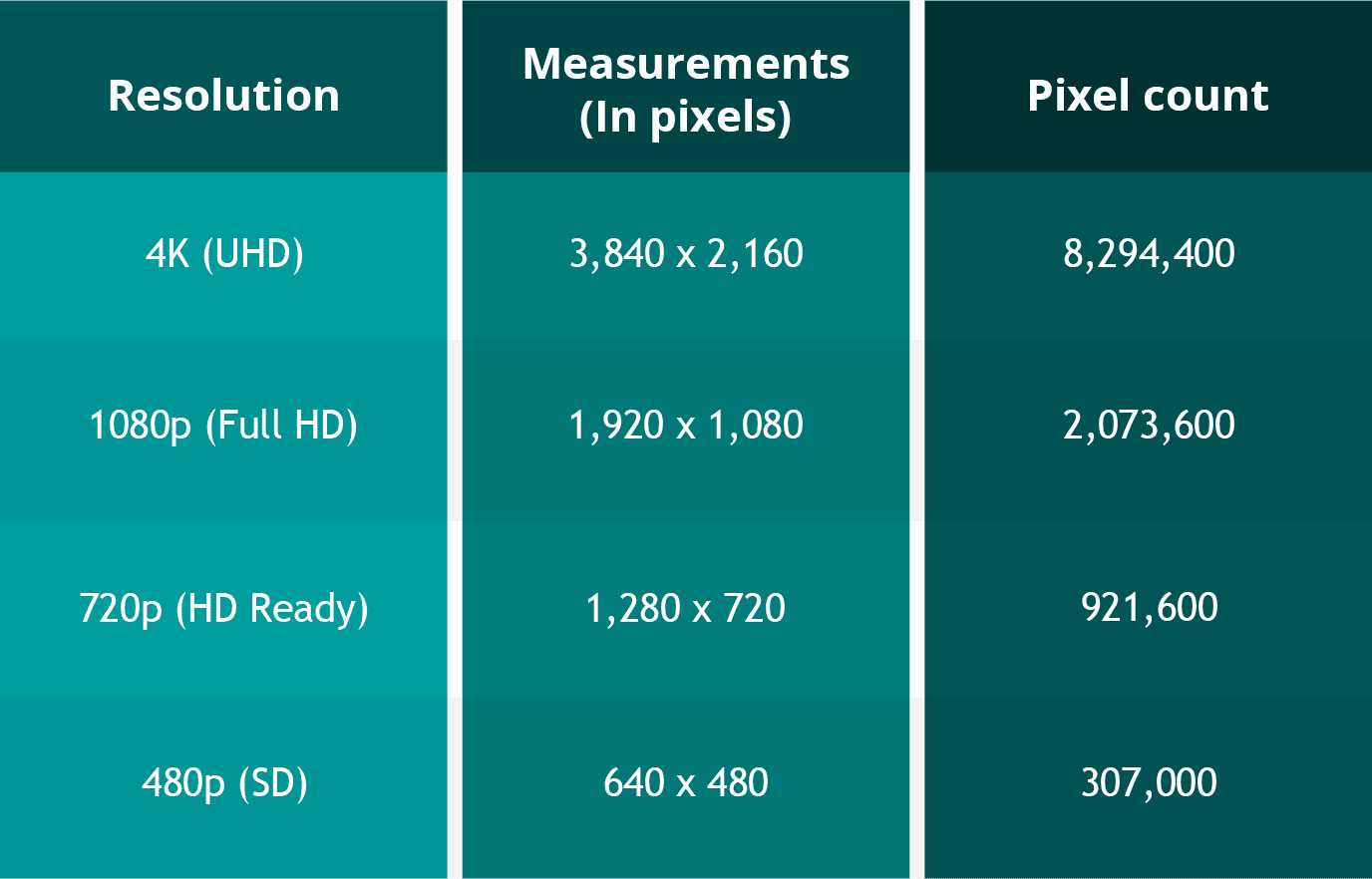
Resolution refers to the number of pixels contained in a video display. It indicates the level of detail and sharpness in the image. Common video resolutions include HD (1280×720 pixels), Full HD (1920×1080 pixels), and 4K Ultra HD (3840×2160 pixels). Higher resolutions generally offer more clarity and precision, resulting in a more immersive viewing experience.

Aspect ratio refers to the proportional relationship between the width and height of a video frame. It determines the shape and size of the video display. The most common aspect ratios are 16:9 and 4:3. A 16:9 aspect ratio is widely used in modern devices, such as widescreen TVs and computer monitors, while the 4:3 aspect ratio was common in older CRT TVs. The aspect ratio can affect the composition and visual perception of a video.

Now that we understand the basics of resolution and aspect ratio, let’s explore their impact on video quality and viewing experience.

Enhancing video quality with higher resolutions

Achieving higher video resolutions can significantly enhance the visual quality and level of detail in videos. With technological advancements, video resolutions have evolved over the years, allowing for more immersive and lifelike experiences. Higher resolutions are particularly beneficial for larger screens or when viewing videos up close.

4K Ultra HD resolution, with its impressive 3840×2160 pixel count, has become increasingly popular among consumers. This resolution offers four times the number of pixels as Full HD, resulting in exceptionally sharp and detailed images. 4K content is now widely available, allowing viewers to enjoy breathtaking visuals with rich colors and fine details. Whether it’s the majestic landscapes in nature documentaries or the intricate special effects in movies, 4K resolution brings out the best in visual storytelling.

Additionally, 8K resolution is on the horizon, with even higher pixel counts that promise an unprecedented level of detail. Although 8K content is still limited, it is expected to become more prevalent in the future, further enhancing the video viewing experience.

Aspect ratio and its impact on visual composition

The aspect ratio of a video frame plays a crucial role in the composition and overall visual experience. Different aspect ratios can evoke different emotions and aesthetics. Let’s explore two common aspect ratios and their effects:

16:9 aspect ratio has become the standard for modern video content. It offers a wider field of view, making it ideal for immersive experiences and capturing expansive landscapes. The 16:9 aspect ratio is also compatible with most modern devices, ensuring that videos fit perfectly on widescreen displays without black bars.

4:3 aspect ratio was prevalent in older TVs and has a more square-shaped frame. While it may feel outdated for some, it can be used creatively to evoke a nostalgic or vintage aesthetic. Additionally, some video content, such as archival footage or certain documentaries, may still use the 4:3 aspect ratio for historical accuracy.

In conclusion, understanding video resolution and aspect ratios is essential for optimizing the viewing experience. Higher resolutions offer greater detail and clarity, while aspect ratios influence the composition and visual appeal of videos. By considering these factors, content creators and viewers can make informed decisions to ensure the best possible video quality.

How does video resolution impact streaming quality?

When it comes to streaming videos online, video resolution plays a significant role in determining the quality of the viewing experience. Let’s explore how different video resolutions affect streaming quality and bandwidth requirements.

Streaming platforms, such as Netflix and YouTube, offer various resolution options to accommodate different devices and internet connection speeds. The available resolutions typically range from standard definition (SD) to high definition (HD) and even ultra-high definition (UHD or 4K).

SD resolution is the most basic option, with a resolution of 480p (640×480 pixels). It provides acceptable quality on smaller screens or for users with limited bandwidth. SD resolution requires less internet bandwidth, making it suitable for slower internet connections or mobile data usage.

HD resolution is a significant improvement over SD, offering a more detailed and enjoyable viewing experience. With a resolution of 720p (1280×720 pixels) or 1080p (1920×1080 pixels), HD videos are crisp and clear, especially on larger screens. HD resolution requires more internet bandwidth than SD but is still manageable for most internet connections.

4K UHD resolution is the highest available resolution for streaming. With its impressive pixel count of 3840×2160, 4K UHD videos provide unparalleled clarity and detail. However, streaming 4K content requires a robust internet connection and higher bandwidth capabilities. Viewers need a stable and fast internet connection to avoid buffering or interruptions.

When streaming videos, it’s important to consider both the resolution and available bandwidth. Higher resolutions offer better visual quality but require faster internet speeds. If your internet connection is not capable of streaming in a particular resolution, the video may automatically downgrade to a lower resolution to prevent buffering.

In summary, video resolution directly impacts streaming quality, with higher resolutions providing better visual experiences. However, it’s crucial to ensure that your internet connection can handle the required bandwidth for the selected resolution. By choosing the appropriate resolution based on your internet capabilities, you can enjoy smooth and uninterrupted streaming.

Optimizing video resolution for mobile devices

With the widespread use of smartphones and tablets, optimizing video resolution for mobile devices has become increasingly important. Let’s explore some considerations and tips for achieving the best video quality on mobile screens.

Mobile screen sizes vary significantly, ranging from smaller smartphone screens to larger tablets. It’s essential to optimize video resolution to ensure optimal viewing experiences across different devices. Choosing a resolution that balances quality and file size is crucial to avoid consuming excessive storage or bandwidth on mobile devices.

Adaptive streaming is a technique used by many streaming platforms to adjust the video resolution based on the viewer’s internet connection and device capabilities. This ensures smooth playback and prevents buffering issues. By dynamically adapting the resolution, viewers can enjoy videos seamlessly on their mobile devices, regardless of their internet speed.

Compressed file formats such as H.264 or HEVC (High-Efficiency Video Coding) can help reduce the file size without compromising video quality. These formats use advanced compression techniques to maintain the visual integrity while reducing the overall file size. By utilizing compressed formats, you can optimize video resolution for mobile devices while minimizing storage and bandwidth requirements.

In conclusion, optimizing video resolution for mobile devices is crucial to deliver high-quality viewing experiences. By considering factors such as screen size, adaptive streaming, and compressed file formats, content creators can ensure that their videos are optimized for mobile devices. Providing a seamless and enjoyable viewing experience on mobile platforms is essential in today’s mobile-centric world.

LSI keywords: video quality, display resolution, pixel density, screen aspect ratio, visual experience, video streaming, screen sizes, mobile

Understanding MP4 Atom Structure

Understanding MP4 Atom Structure

MP4 Atom Structure
MP4 Atom Structure
MP4 Atom Structure
MP4 Atom Structure

What is the purpose of the atom structure in MP4 files?

The atom structure is a fundamental component of the MP4 file format, which is widely used for storing multimedia content. Atoms, also known as boxes, are the building blocks of an MP4 file and play a crucial role in organizing and representing the audio, video, and metadata within the file.

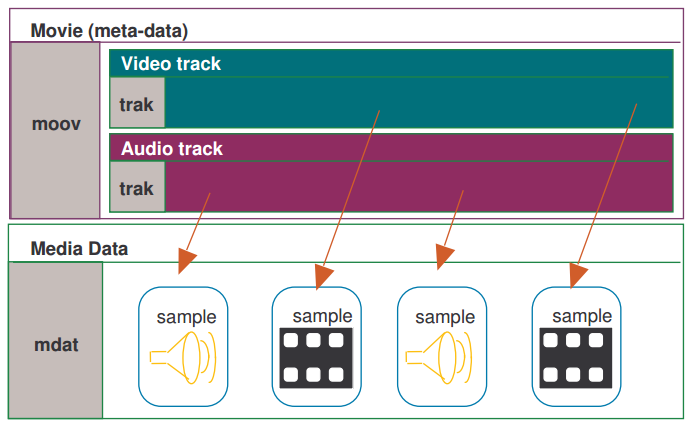
Atoms in MP4 files serve multiple purposes, including storing media data, describing the structure and properties of the file, and enabling efficient parsing and extraction of content. Each atom contains specific information related to its type, such as media samples, track metadata, timing information, or even embedded subtitles or captions. These atoms are organized in a hierarchical structure, forming a tree-like representation, allowing for easy navigation and extraction of desired data.

Atoms in MP4 files follow a predefined structure and naming convention, which ensures compatibility and interoperability across different devices and software applications. By adhering to the atom structure, developers can reliably read, write, and manipulate MP4 files, ensuring that media content is correctly interpreted and played back on various platforms.

The anatomy of the MP4 atom structure

The MP4 atom structure consists of various types of atoms that are organized hierarchically. Let’s explore some of the key atom types and their roles:

1. Movie Box (moov): The movie box contains essential information about the overall structure of the MP4 file, including metadata, track information, and media data locations. It serves as the root container for all other atoms in the file.

2. Track Box (trak): The track box represents individual media tracks within the MP4 file, such as video, audio, or subtitles. It contains information about the media type, codec, track duration, and other track-specific metadata.

3. Media Box (mdia): The media box holds information related to the media data within a track. It contains media headers, sample descriptions, and other media-specific metadata.

4. Sample Table Box (stbl): The sample table box stores the actual media samples, such as video frames or audio samples, along with their associated timing and synchronization information. It includes sub-boxes like Sample Description Box (stsd), Time-to-Sample Box (stts), Sample Size Box (stsz), and Sample-to-Chunk Box (stsc).

5. Metadata Box (meta): The metadata box stores additional metadata associated with the MP4 file, such as title, artist, album, or copyright information. It can also include custom metadata tags and XML-based metadata containers.

Working with MP4 atom structure for multimedia applications

Understanding the MP4 atom structure is essential for developers and multimedia professionals working with MP4 files. It enables efficient handling, parsing, and manipulation of multimedia content. Here are some considerations when working with the MP4 atom structure:

1. Extracting media data: By navigating the atom structure, developers can locate and extract specific media data, such as video frames or audio samples, from an MP4 file. This allows for tasks like transcoding, editing, or repurposing media content.

2. Adding or modifying metadata: The atom structure provides a framework for adding or modifying metadata associated with an MP4 file. Developers can leverage specific atom types, such as the metadata box, to embed relevant metadata information, enhancing the discoverability and organization of the media content.

3. Ensuring compatibility: Adhering to the predefined MP4 atom structure ensures compatibility and interoperability across different devices and software applications. This is crucial for seamless playback and exchange of MP4 files across platforms.

4. Handling different atom types: Each atom type within the MP4 atom structure has specific properties and purposes. Understanding the functionalities of different atom types allows developers to handle them appropriately, ensuring the correct interpretation and manipulation of media data.

Final Words

The MP4 atom structure forms the backbone of the MP4 file format, providing a well-defined framework for organizing and representing multimedia content. By understanding the purpose and anatomy of atoms within an MP4 file, developers and multimedia professionals can efficiently work with MP4 files, extract specific media data, add or modify metadata, and ensure compatibility across different platforms.

Keywords (LSI): multimedia content, media samples, track metadata, hierarchical structure, media data locations, interoperability, naming convention, media tracks, media headers, sample descriptions, metadata tags, XML-based metadata containers, parsing, transcoding, discoverability, exchange, playback.

Bit Depth: Understanding its Role in Audio Resolution

Bit Depth: Understanding its Role in Audio Resolution

Bit Depth
Bit Depth
Bit Depth
Bit Depth

What is the importance of bit depth in audio resolution?

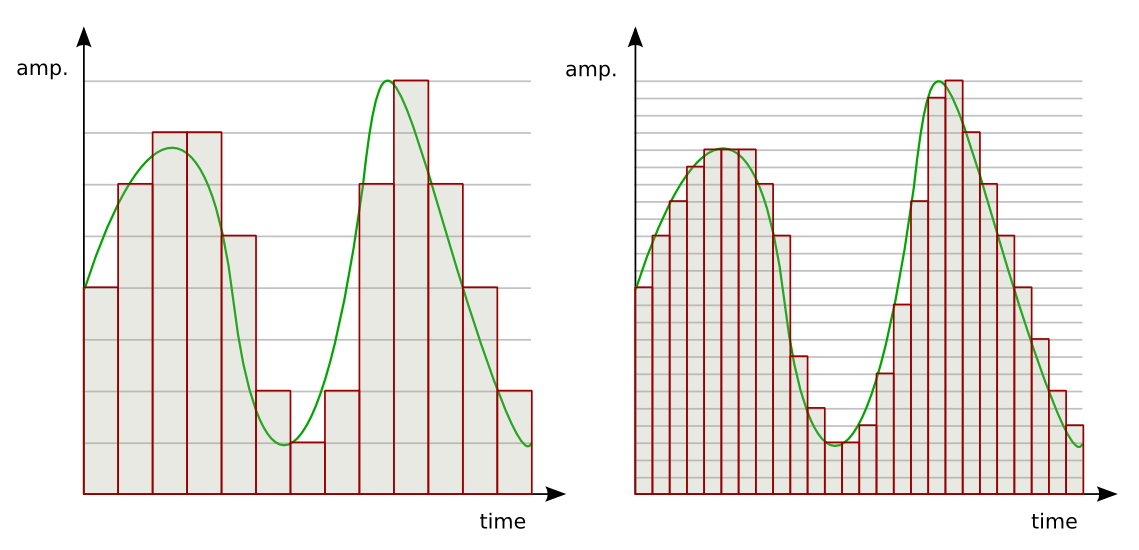
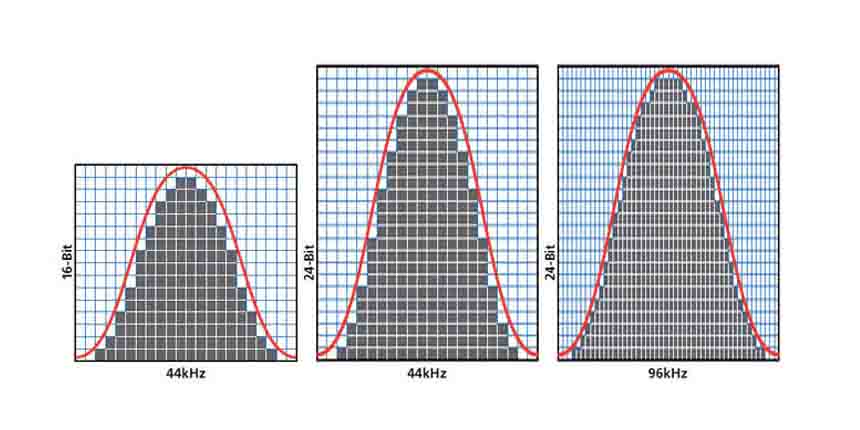
When it comes to audio resolution, bit depth plays a crucial role. Bit depth refers to the number of bits used to represent the amplitude of an audio signal. In simpler terms, it determines the level of detail and accuracy with which sound can be captured and reproduced. The higher the bit depth, the more precise the audio representation, resulting in greater dynamic range and fidelity.
Higher bit depths enable a wider range of possible values, allowing for more nuanced audio reproduction. In digital audio, the most common bit depths are 16-bit and 24-bit. A 16-bit audio signal can represent 65,536 discrete amplitude levels, while a 24-bit signal can represent a staggering 16,777,216 levels. This significant increase in resolution allows for more accurate representation of subtle audio nuances, resulting in a more realistic and immersive listening experience.

Moreover, higher bit depths help reduce quantization noise, which can degrade the audio quality. Quantization noise is the distortion introduced when the continuous analog audio signal is converted into a discrete digital representation. By increasing the number of bits used for quantization, the quantization noise can be pushed to lower levels, effectively minimizing its impact on the audio signal. This reduction in noise contributes to improved audio fidelity and a cleaner sound.

The impact of bit depth on audio recording

The choice of bit depth during audio recording has a significant impact on the quality and flexibility of the recorded material. When capturing audio, it is crucial to select an appropriate bit depth based on the desired outcome and the dynamic range of the source material.
For capturing music with a wide dynamic range or for critical recording applications, a higher bit depth, such as 24-bit, is preferred. This ensures that the delicate nuances and subtle variations in the performance are faithfully captured without losing detail. With a higher bit depth, there is ample headroom to accommodate sudden spikes in volume, preventing clipping and distortion.

On the other hand, for applications where the dynamic range is limited, such as voice recordings or podcasting, a lower bit depth, such as 16-bit, can be sufficient. Since these types of recordings typically have a smaller range between the softest and loudest sounds, the additional precision offered by higher bit depths may not be necessary. Using a lower bit depth can help conserve storage space and streamline the post-production process.

The benefits of higher bit depths in audio production

In audio production, working with higher bit depths offers several advantages that contribute to the overall quality of the final mix. Let’s explore some of these benefits:
1. Increased headroom: Higher bit depths provide more headroom, allowing audio engineers to work with greater flexibility during the mixing and mastering stages. This additional headroom ensures that any adjustments made to the audio levels or effects do not result in clipping or distortion.

2. Enhanced processing capabilities: Working with higher bit depths provides greater precision for applying audio processing effects, such as equalization, compression, and reverb. This precision allows for more accurate and transparent manipulation of the audio signal, resulting in a polished and professional sound.

The role of bit depth in audio playback

The bit depth of an audio file also impacts its playback quality. When playing back audio, it is important to ensure that the playback system supports the bit depth of the audio file. If the playback system is not capable of reproducing the full bit depth, the audio may be truncated or quantized, leading to a loss of detail and fidelity.
Furthermore, downsampling or converting high-resolution audio files with a higher bit depth to a lower bit depth can result in a loss of information and audio quality. It is essential to carefully consider the bit depth compatibility between the source material and the playback system to ensure an accurate and faithful reproduction of the audio.

Final Words

Bit depth plays a fundamental role in audio resolution, influencing the accuracy, fidelity, and dynamic range of the sound. Understanding the importance of bit depth in audio recording, production, and playback allows for informed decisions to be made regarding the selection and handling of audio files. By leveraging higher bit depths, audio professionals can achieve higher quality recordings and deliver an exceptional listening experience to their audiences.
Keywords (LSI): audio fidelity, dynamic range, quantization noise, recording quality, audio production, audio playback, higher resolution, audio nuances, digital representation, accurate reproduction, audio engineers, playback system, audio file compatibility.

Demystifying Audio Encoding: Converting Analog to Digital

Demystifying Audio Encoding: Converting Analog to Digital

Analog Audio
Analog Audio
Analog Audio
Analog Audio

What is Audio Encoding?

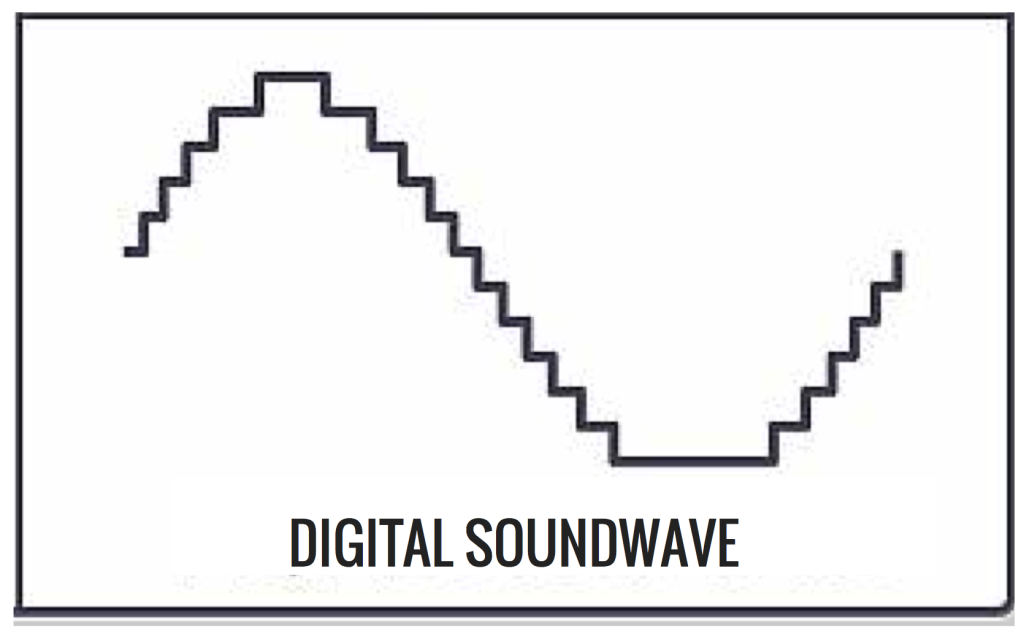
Audio encoding is the process of converting analog audio signals into a digital format that can be stored, transmitted, and manipulated using digital devices and software. It involves the transformation of continuous variations in air pressure (analog signals) into discrete numerical representations (digital signals). This conversion allows for efficient storage, editing, and playback of audio content.

Audio encoding relies on specialized algorithms and techniques to capture and represent the characteristics of an analog audio signal in a digital form. The analog signal is sampled at regular intervals, and each sample is assigned a numerical value that represents its amplitude. These samples are then quantized to a specific bit depth, which determines the dynamic range and resolution of the digital audio.

The conversion from analog to digital audio is essential for various applications, including music production, broadcasting, telecommunications, and multimedia playback. Understanding the process of audio encoding helps unravel the complexities involved in preserving and manipulating audio content in the digital domain.

The Importance of Analog-to-Digital Conversion in Audio Encoding

Analog-to-digital conversion is a crucial step in audio encoding, as it bridges the gap between the physical world of sound and the digital realm. This conversion allows for the manipulation, storage, and transmission of audio signals using digital technologies. By digitizing analog audio, we unlock a multitude of possibilities for editing, processing, and distributing audio content.

One of the key benefits of analog-to-digital conversion is the preservation of audio quality. Digital audio can be stored without degradation and reproduced with high fidelity, ensuring that the original characteristics of the analog signal are faithfully captured. Additionally, digital audio enables non-destructive editing, where changes can be made to the audio without permanently altering the original signal.

The process of analog-to-digital conversion involves several parameters, such as sampling rate and bit depth, which influence the quality and accuracy of the digital representation. Higher sampling rates capture more audio detail, while greater bit depths provide a wider dynamic range and improved resolution. Understanding these parameters allows for informed decisions when encoding analog audio into the digital domain.

Preserving Audio Fidelity: Challenges and Techniques

Preserving audio fidelity during analog-to-digital conversion is a primary concern in audio encoding. Several challenges arise due to the limitations of the digital representation compared to the continuous nature of analog audio. Techniques have been developed to mitigate these challenges and enhance the accuracy of the digital representation.

Dithering is one such technique used to minimize quantization errors introduced during analog-to-digital conversion. It involves the addition of low-level noise to the audio signal before quantization, which helps distribute the quantization error more evenly. This reduces audible artifacts, such as quantization noise, and preserves the subtle details of the original analog audio.

Another technique is oversampling, which involves sampling the analog audio signal at a higher rate than the standard sampling rate. This oversampling allows for better reconstruction of the audio signal during digital-to-analog conversion, reducing aliasing distortion and improving the overall fidelity of the reproduced sound.

By demystifying audio encoding and understanding the intricacies of analog-to-digital conversion, we gain insights into the processes and techniques involved in converting analog audio signals into the digital domain. This knowledge empowers us to make informed decisions when working with digital audio, ensuring the preservation of audio quality and the realization of creative possibilities.

Why is Analog-to-Digital Conversion Important in Audio Encoding?

Analog-to-digital conversion is a crucial step in audio encoding as it enables the transformation of continuous analog audio signals into digital data that can be processed, stored, and transmitted using digital devices and systems. This conversion facilitates the integration of audio content into the digital domain, offering numerous advantages in terms of accessibility, manipulation, and preservation.

One of the primary benefits of analog-to-digital conversion is the ability to store and archive audio content in a digital format. Unlike analog recordings, digital audio files can be replicated without degradation, ensuring that the original quality is preserved over time. This is particularly important for historical or valuable audio recordings that need to be protected and accessed in the future.

Additionally, digital audio allows for easy editing, manipulation, and processing. By converting analog audio to digital, it becomes possible to apply various digital audio effects, adjust levels, remove noise, and perform precise edits. This level of flexibility and control enhances the creative possibilities for musicians, producers, and audio engineers.

The Challenges and Techniques in Analog-to-Digital Conversion

Analog-to-digital conversion presents certain challenges due to the inherent differences between analog and digital representations of sound. One significant challenge is quantization error, which occurs when the continuous analog signal is discretized into digital samples. Techniques have been developed to minimize these errors and improve the accuracy of the digital representation.

Dithering is a common technique used to mitigate quantization errors by introducing low-level noise. This noise helps distribute the quantization error across a wider frequency range, reducing audible artifacts and preserving the subtle nuances of the original analog audio.

Another challenge is aliasing, which can occur when the analog signal is not properly filtered before sampling. Aliasing leads to distortion and undesirable artifacts in the digital audio. Anti-aliasing filters are employed to remove frequencies above the Nyquist limit, ensuring that only the desired audio information is captured during the sampling process.

By understanding the importance of analog-to-digital conversion and the challenges it entails, we can appreciate the complexities involved in audio encoding. Through the use of appropriate techniques and careful consideration of parameters such as sampling rate and bit depth, we can achieve high-quality digital representations of analog audio, opening up a world of possibilities in the digital realm.

Digital audio conversion
Benefits of analog-to-digital conversion
Techniques for preserving audio fidelity
Sampling rate and bit depth in audio encoding
Dithering in analog-to-digital conversion
Anti-aliasing filters in audio sampling
Digital preservation of audio content
Creative possibilities with digital audio
Historical audio archiving
Editing and processing digital audio

Lossless Audio Archiving

Lossless Audio Archiving: Preserving Sound Fidelity for the Ages

Lossless Audio
Lossless Audio
Lossless Audio
Lossless Audio

The Importance of Lossless Audio Archiving

As a passionate audiophile and expert in preserving audio fidelity, I firmly believe in the significance of lossless audio archiving. It is a meticulous process that ensures the long-term preservation of audio recordings without compromising their original quality. In this article, I will delve into the essence of lossless audio archiving and highlight its importance in safeguarding the integrity and richness of sound for future generations.

Understanding Lossless Audio Compression

Lossless audio compression is a technique that reduces the file size of audio recordings without sacrificing any audio data. Unlike lossy compression, which discards certain audio information, lossless compression algorithms retain all the original data, allowing for perfect reconstruction of the audio signal. This preservation of every nuance and detail is crucial for archiving purposes, as it guarantees an exact replica of the original recording.

The Process of Lossless Audio Archiving

When embarking on the journey of lossless audio archiving, several key steps must be followed to ensure the highest quality preservation:

Selection of Suitable File Formats

Choosing the right file format is paramount in lossless audio archiving. Formats such as FLAC (Free Lossless Audio Codec) and ALAC (Apple Lossless Audio Codec) are widely recognized as ideal choices for maintaining audio fidelity. These formats employ sophisticated algorithms that compress audio data while preserving every bit of information, resulting in files that are significantly smaller in size without any loss of quality.

Digitization of Analog Audio Sources

For analog audio sources, such as vinyl records or cassette tapes, a meticulous digitization process is necessary to convert them into digital formats. High-quality analog-to-digital converters (ADCs) are utilized to capture the analog audio signal with utmost precision and accuracy, ensuring a faithful representation of the original recording.

Metadata Organization and Tagging

Proper metadata organization and tagging play a crucial role in lossless audio archiving. Metadata includes information such as artist names, album titles, track numbers, and other relevant details. Organizing this information accurately not only helps in cataloging the audio collection but also facilitates easy retrieval and navigation.

Redundant Storage and Backup

Preserving audio fidelity necessitates redundancy in storage and backup. Multiple copies of the archived files should be maintained across different storage mediums, including external hard drives, network-attached storage (NAS) systems, and cloud storage services. Regular backups are essential to guard against any potential data loss or hardware failure.

Long-Term Preservation Strategies

Lossless audio archiving is not a one-time endeavor but an ongoing commitment. Implementing long-term preservation strategies ensures that the archived audio remains accessible and usable for years to come. Regular data integrity checks, format migration when necessary, and periodic re-evaluation of storage solutions are vital components of a comprehensive preservation strategy.

Preserving the Future of Audio Fidelity

In conclusion, lossless audio archiving is an essential practice for audiophiles, professionals, and institutions seeking to preserve the highest quality sound recordings. By understanding the significance of lossless compression, following a meticulous archiving process, and implementing long-term preservation strategies, we can safeguard the integrity and richness of audio for future generations to enjoy. Let us continue to cherish and protect the legacy of exceptional sound quality.