
Understanding MP4 Atom Structure
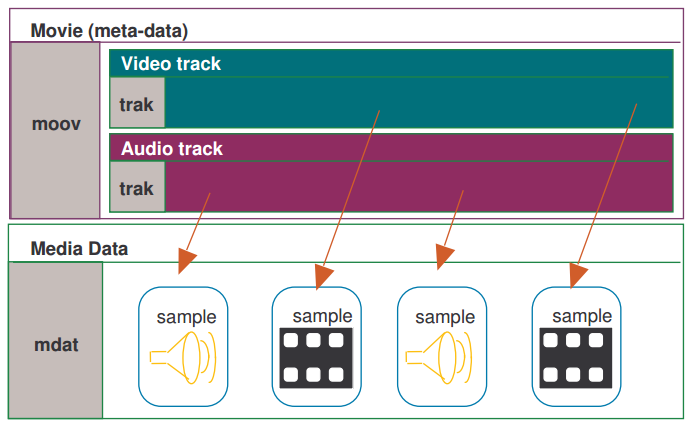

What is the purpose of the atom structure in MP4 files?
The atom structure is a fundamental component of the MP4 file format, which is widely used for storing multimedia content. Atoms, also known as boxes, are the building blocks of an MP4 file and play a crucial role in organizing and representing the audio, video, and metadata within the file.
Atoms in MP4 files serve multiple purposes, including storing media data, describing the structure and properties of the file, and enabling efficient parsing and extraction of content. Each atom contains specific information related to its type, such as media samples, track metadata, timing information, or even embedded subtitles or captions. These atoms are organized in a hierarchical structure, forming a tree-like representation, allowing for easy navigation and extraction of desired data.
Atoms in MP4 files follow a predefined structure and naming convention, which ensures compatibility and interoperability across different devices and software applications. By adhering to the atom structure, developers can reliably read, write, and manipulate MP4 files, ensuring that media content is correctly interpreted and played back on various platforms.
The anatomy of the MP4 atom structure
The MP4 atom structure consists of various types of atoms that are organized hierarchically. Let’s explore some of the key atom types and their roles:
1. Movie Box (moov): The movie box contains essential information about the overall structure of the MP4 file, including metadata, track information, and media data locations. It serves as the root container for all other atoms in the file.
2. Track Box (trak): The track box represents individual media tracks within the MP4 file, such as video, audio, or subtitles. It contains information about the media type, codec, track duration, and other track-specific metadata.
3. Media Box (mdia): The media box holds information related to the media data within a track. It contains media headers, sample descriptions, and other media-specific metadata.
4. Sample Table Box (stbl): The sample table box stores the actual media samples, such as video frames or audio samples, along with their associated timing and synchronization information. It includes sub-boxes like Sample Description Box (stsd), Time-to-Sample Box (stts), Sample Size Box (stsz), and Sample-to-Chunk Box (stsc).
5. Metadata Box (meta): The metadata box stores additional metadata associated with the MP4 file, such as title, artist, album, or copyright information. It can also include custom metadata tags and XML-based metadata containers.
Working with MP4 atom structure for multimedia applications
Understanding the MP4 atom structure is essential for developers and multimedia professionals working with MP4 files. It enables efficient handling, parsing, and manipulation of multimedia content. Here are some considerations when working with the MP4 atom structure:
1. Extracting media data: By navigating the atom structure, developers can locate and extract specific media data, such as video frames or audio samples, from an MP4 file. This allows for tasks like transcoding, editing, or repurposing media content.
2. Adding or modifying metadata: The atom structure provides a framework for adding or modifying metadata associated with an MP4 file. Developers can leverage specific atom types, such as the metadata box, to embed relevant metadata information, enhancing the discoverability and organization of the media content.
3. Ensuring compatibility: Adhering to the predefined MP4 atom structure ensures compatibility and interoperability across different devices and software applications. This is crucial for seamless playback and exchange of MP4 files across platforms.
4. Handling different atom types: Each atom type within the MP4 atom structure has specific properties and purposes. Understanding the functionalities of different atom types allows developers to handle them appropriately, ensuring the correct interpretation and manipulation of media data.
Final Words
The MP4 atom structure forms the backbone of the MP4 file format, providing a well-defined framework for organizing and representing multimedia content. By understanding the purpose and anatomy of atoms within an MP4 file, developers and multimedia professionals can efficiently work with MP4 files, extract specific media data, add or modify metadata, and ensure compatibility across different platforms.
Keywords (LSI): multimedia content, media samples, track metadata, hierarchical structure, media data locations, interoperability, naming convention, media tracks, media headers, sample descriptions, metadata tags, XML-based metadata containers, parsing, transcoding, discoverability, exchange, playback.

