
Explaining the Principles of Digital Audio Equalization
:max_bytes(150000):strip_icc()/GettyImages-123523274-5730d0af3df78c038e696b71-dcaf2129c5d64a349868ec4cbb24fab3.jpg)
How does equalization affect digital audio?
Equalization plays a fundamental role in shaping the tonal characteristics of digital audio. It allows us to adjust the frequency response of a sound signal, emphasizing or attenuating specific frequency ranges to achieve a desired sonic balance. Whether it’s boosting the bass for a more powerful thump or enhancing the clarity of vocals, equalization empowers audio engineers and enthusiasts to fine-tune the audio experience to their preferences.
By manipulating the amplitudes of different frequency bands, equalization can compensate for the acoustic characteristics of a listening environment or correct deficiencies in the original audio source. It’s a powerful tool that enables us to optimize audio reproduction and achieve a more pleasing, balanced sound.
The role of parametric equalization in audio shaping
Parametric equalization is a versatile approach that allows precise control over the equalization process. It involves adjusting multiple parameters, including center frequency, bandwidth, and gain, to shape the audio response in a targeted manner. With parametric equalizers, audio professionals can precisely tailor the frequency balance of a track or system to address specific challenges or artistic goals.
Utilizing graphic equalizers for simplified tonal adjustments
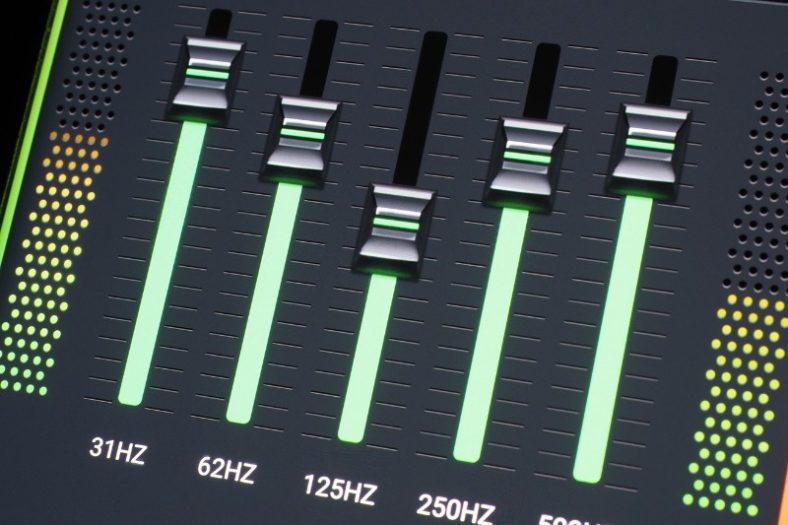
Graphic equalizers provide a user-friendly interface for equalization, typically featuring a series of sliders that represent different frequency bands. This allows users to visually identify and adjust specific frequency ranges. While graphic equalizers may offer less precise control compared to parametric equalizers, they excel in quickly making broad tonal adjustments and are commonly found in consumer audio equipment, live sound setups, and music production studios.
Optimizing audio clarity with equalization techniques
Equalization can significantly impact the clarity and intelligibility of audio content, particularly when it comes to speech or vocal recordings. By carefully adjusting the frequency response, unwanted resonances or masking effects can be reduced, enhancing the overall intelligibility of the sound. This is especially important in scenarios such as public address systems, podcasts, or audio recordings where clear communication is crucial.
Additionally, equalization can help address frequency imbalances introduced during the recording or mixing process. For example, if a particular microphone captures excessive low-frequency rumble, applying a high-pass filter through equalization can effectively remove those unwanted low-frequency components, resulting in a cleaner and more focused sound.
Applying subtractive equalization for surgical frequency control
Subtractive equalization involves reducing specific frequency ranges to mitigate unwanted resonances or tonal issues. It allows audio engineers to surgically target problematic frequencies and attenuate them while leaving the rest of the audio spectrum relatively unaffected. This technique can be invaluable when addressing issues such as microphone or room resonances, reducing feedback in live sound situations, or taming harshness in recordings.
Using additive equalization to enhance desired frequency ranges
Additive equalization involves boosting specific frequency bands to emphasize desired tonal characteristics or compensate for deficiencies in the original audio source. By carefully selecting and boosting specific frequencies, audio professionals can enhance the warmth of an acoustic guitar, bring out the brilliance of cymbals in a drum mix, or add presence to a vocal track. Additive equalization allows for creative sound sculpting, bringing out the best in audio recordings and reinforcing the intended artistic vision.
Final Words
Understanding the principles of digital audio equalization provides us with a powerful toolset for shaping and optimizing audio content. Whether it’s achieving tonal balance, enhancing clarity, or adding character to a recording, equalization empowers us to tailor the sonic experience to our preferences and creative vision.
By utilizing parametric or graphic equalizers and employing subtractive or additive techniques, audio engineers and enthusiasts can unlock the full potential of digital audio equalization. Whether you’re mixing music, mastering audio, or fine-tuning your personal audio setup, the principles of equalization offer endless possibilities for achieving the desired sonic results.


