MP3 vs M4A: Which Is Better?


Free Download Mp4Gain
picture

MP3 vs M4A: Which Is Better?
MP3 vs M4A: Which Is Better?

MP3 and M4A: Understanding the Basics

In this section, we’ll explore the fundamental differences between MP3 and M4A audio formats. MP3, short for MPEG Audio Layer III, has been around since the early 1990s and is widely known for its high compression and small file size, making it popular for music distribution and sharing. On the other hand, M4A, or MPEG-4 Audio, is a newer format that was introduced by Apple and is generally associated with iTunes and iOS devices. M4A files use the Advanced Audio Coding (AAC) codec, which provides better audio quality at lower bit rates compared to MP3. Despite their differences, both formats aim to deliver high-quality audio with efficient file sizes, making the choice between them a matter of personal preference and specific use cases.

“Music is the divine way to tell beautiful, poetic things to the heart.” – Pablo Casals

Audio Quality: MP3 vs. M4A

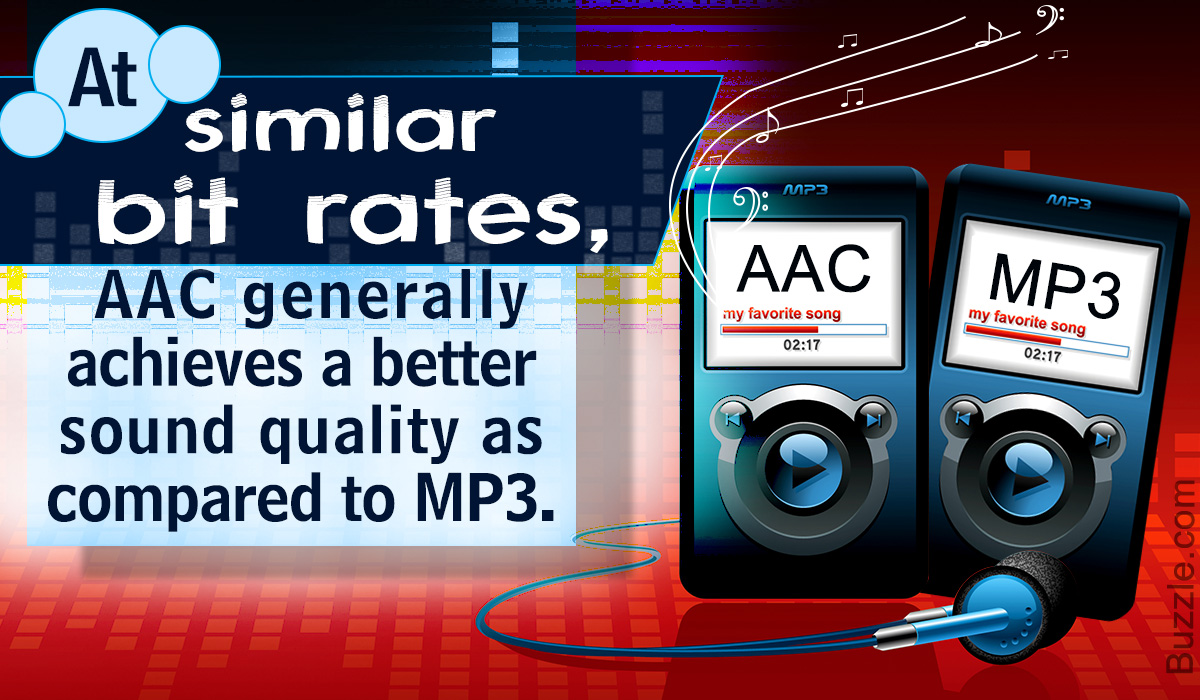
Audio quality is a critical factor to consider when comparing MP3 and M4A formats. MP3 uses a lossy compression algorithm, which means it discards some audio data during the encoding process to reduce file size. As a result, there is a compromise between file size and audio quality, and higher compression levels can lead to a noticeable loss in sound fidelity. M4A, utilizing the AAC codec, offers improved audio quality at similar bit rates compared to MP3. With AAC’s advanced coding, M4A files can retain more of the original audio data, resulting in a more accurate representation of the source audio. Audiophiles and music enthusiasts may prefer M4A for its ability to preserve finer details and nuances in their favorite tracks.

“Without music, life would be a mistake.” – Friedrich Nietzsche

Compatibility and Support

When it comes to compatibility and support, MP3 holds the advantage due to its long-standing presence in the digital audio world. MP3 files are widely supported by various devices, operating systems, and media players, making them accessible across different platforms without the need for additional software or plugins. On the other hand, M4A’s association with Apple and iTunes can lead to compatibility challenges with non-Apple devices and software. However, many third-party media players and converters now offer support for M4A, bridging the gap between platforms and expanding its usability beyond the Apple ecosystem. Ultimately, your choice between MP3 and M4A should consider the devices and software you commonly use and whether cross-platform compatibility is a priority for your audio files.

“Music can change the world because it can change people.” – Bono


Free Download Mp4Gain
picture


Mp4Gain Main Window
picture


Mp4Gain Features
picture


Free Download Mp4Gain
picture

MP3 vs. AAC

MP3 vs. AAC: Audio Quality Comparison

MP3 vs. AAC
MP3 vs. AAC
MP3 vs. AAC
MP3 vs. AAC

MP3 Audio Compression

MP3, or MPEG Audio Layer-3, is a widely-used audio format known for its efficient compression. It uses perceptual coding techniques to discard certain audio frequencies that are less perceptible to the human ear. This compression allows for smaller file sizes while maintaining an acceptable level of audio quality.

AAC Audio Codec

AAC, or Advanced Audio Coding, is a successor to MP3 and offers improved audio quality at similar bitrates. AAC utilizes more advanced compression algorithms, including perceptual noise shaping and temporal noise shaping, resulting in better sound reproduction and higher fidelity compared to MP3.

Differences in Audio Quality

When comparing MP3 and AAC in terms of audio quality, there are several factors to consider. AAC generally provides better sound quality than MP3 at similar bitrates. This is because AAC is capable of preserving more audio details and nuances, resulting in a more accurate reproduction of the original sound.

Bitrate Efficiency

One advantage of MP3 over AAC is its superior bitrate efficiency. MP3 achieves good audio quality while keeping file sizes relatively small. This makes it suitable for applications with limited storage or low bandwidth, such as online music streaming or portable audio players.

Transparent Compression

AAC is often considered a “transparent” audio codec, meaning it can achieve audio quality indistinguishable from the original source, even at lower bitrates. This makes AAC a preferred choice for high-quality audio applications, such as digital music distribution and professional audio production.

Compatibility and Support

MP3 enjoys broad compatibility across various devices and platforms due to its widespread adoption. It is supported by virtually all audio players, software, and hardware devices. AAC, on the other hand, may require specific codecs or software support, although it has gained significant popularity and compatibility in recent years.

Application Considerations

Choosing between MP3 and AAC depends on the specific application and user preferences. If file size and compatibility are the primary concerns, MP3 may be the preferred choice. However, for applications where audio quality is paramount, such as music production or high-fidelity audio playback, AAC offers a superior option.

Transcoding and Conversion

Transcoding or converting audio files from one format to another may result in some loss of audio quality. If transcoding from MP3 to AAC, the original MP3 compression artifacts may be retained or exacerbated. It is generally recommended to use the highest-quality source file available to maintain audio fidelity.

Subjective Listening Tests

Subjective listening tests involving trained listeners have consistently shown that AAC often provides better audio quality compared to MP3 at similar bitrates. However, individual preferences can vary, and some listeners may not perceive significant differences between the two formats in certain scenarios.

Choosing the Right Format

Ultimately, the choice between MP3 and AAC depends on factors such as the intended use, available storage or bandwidth, desired audio quality, and compatibility requirements. Evaluating these factors and conducting listening tests can help determine the most suitable audio format for a specific application or use case.

Optimizing Audio Quality

To optimize audio quality, it is important to consider not only the choice of audio format but also factors such as the source recording quality, mastering techniques, and the playback equipment used. Additionally, using higher bitrates