Opening Sentence: In the world of digital video formats, AVI and MP4 are two prominent contenders, each with its strengths and weaknesses. As a specialist with years of experience, I’ll take you through a comprehensive comparison, shedding light on their differences and helping you make the right choice.
AVI vs MP4 Comparison
AVI (Audio Video Interleave): A Time-Tested Classic
Opening Sentence: Imagine AVI as the classic, dependable family car you’ve had for years. It’s been around since the early days of digital video and has proven its reliability. AVI stores video and audio data in a way that’s compatible with a wide range of media players and devices. However, it’s not without its quirks, such as large file sizes and limited support for modern video codecs.
AVI’s Large File Sizes
Opening Sentence: Consider AVI as the old family car that guzzles gas. AVI files tend to be larger due to their less efficient compression. If you have a collection of AVI videos, you’re probably familiar with the substantial storage space they occupy. It’s like needing a larger garage to house your vintage car collection.
Limited Support for Modern Codecs
Opening Sentence: AVI, like an older family car that may not run on the latest fuel, has limited support for modern video codecs. This means it may struggle to play some newer video formats, and you might need additional software or conversions to make it work. It’s like trying to fit a square peg into a round hole.
MP4 (MPEG-4 Part 14): The Versatile Performer
Opening Sentence: On the other hand, MP4 is like a sleek, versatile sports car. It’s the modern, go-to format for video content, providing excellent compression while maintaining high video quality. MP4 is compatible with a wide range of devices and platforms, making it a popular choice for streaming services, social media, and mobile devices.
MP4’s Efficient Compression
Opening Sentence: Think of MP4 as the modern sports car designed for efficiency. It excels in compression, allowing video files to be notably smaller without compromising quality. It’s like having a sports car that offers top-notch performance while sipping on minimal fuel.
Codec Support and Versatility
Opening Sentence: MP4 is the multilingual traveler of the digital video world. It’s fluent in various video codecs, ensuring smooth playback on a wide range of devices and platforms. It’s like having a tour guide who speaks multiple languages, making your journey more enjoyable and hassle-free.
Quality and Compatibility
Opening Sentence: Picture AVI as a vintage vinyl record, maintaining a high-quality audio experience but requiring specific equipment to play. MP4, however, is like the modern streaming platform, offering great quality and compatibility across devices. It’s like the difference between playing a vinyl record on a classic turntable and streaming your favorite songs on your smartphone.
Editing and Post-Production
Opening Sentence: AVI, like traditional film editing, retains every detail, making it a preferred choice for professional video editing. On the other hand, MP4 is like digital editing software, providing flexibility and efficiency, making it ideal for quick edits and sharing content online.
Metadata and Subtitles
Opening Sentence: When it comes to adding metadata and subtitles to your videos, MP4 is like using a well-organized filing system. It allows for better management of metadata and subtitles, which is crucial for streaming platforms. AVI, while capable, may require additional tools and effort.
Device Compatibility and Playback
Opening Sentence: AVI might be like an old CD player that not everyone has, causing compatibility issues on modern devices. MP4, however, is like a universal remote control, seamlessly working with nearly every device and platform, ensuring a smooth viewing experience.
Support for Special Features
Opening Sentence: MP4, being the modern format, is equipped with features like chapters and interactive menus, making it ideal for DVD and Blu-ray rip copies. AVI, while capable, may not provide the same level of support for these special features.
Conclusion: The Ideal Choice for Your Needs
Opening Sentence: In the end, choosing between AVI and MP4 is like selecting the right tool for the job. Your choice should align with your specific needs, whether you’re a content creator, a video editor, or a casual viewer. Consider your priorities for quality, file size, and compatibility before making your decision.
Comments:
Comments:
(Username: VideoPro123) – This article is fantastic! It helped me understand the differences between AVI and MP4. I’ve been using AVI for my video editing, but now I’m considering switching to MP4 for better compatibility.
(Username: FilmGeek86) – I’ve always been a fan of AVI for its quality, but MP4’s versatility is tempting. I appreciate the real-life examples used in this article.
(Username: TechNerd22) – Great breakdown of AVI vs. MP4. But I’d love to see a more in-depth comparison of their codec support.
(Username: StreamingQueen) – As a streaming enthusiast, I found this article very informative. MP4 is undoubtedly the way to go for me.
(Username: AVIlover) – AVI may be old school, but I still prefer it for my video archives. It’s like holding onto a vintage camera in a digital age.
(Username: WanderlustVideo) – The article’s analogy of AVI as a classic car and MP4 as a modern sports car is spot on. It helps me visualize their differences.
(Username: CinematicDreamer) – I wish the article delved more into how different video editing software handles AVI and MP4. That would be really useful!
(Username: RetroTechCollector) – This article made me nostalgic for the days of AVI. It’s like dusting off my old VHS tapes.
(Username: StreamingNovice) – I appreciate the simple explanations in this article. It’s like someone explaining the difference between vinyl and digital music.
(Username: CodecMaster) – Great article! But it would be awesome if it explored the impact of different codecs on AVI and MP4 quality.
(Username: MovieBuff2023) – I’m new to video formats, and this article was incredibly helpful in understanding the basics. Thanks!
(Username: AVIvsMP4Fan) – I’m still torn between AVI’s quality and MP4’s compatibility. The article was a good starting point for my decision.
(Username: DigitalNomad) – The discussion of metadata and subtitles in MP4 was enlightening. It’s like having a GPS for your video content.
(Username: VideoEditorPro) – This article confirmed my choice to stick with AVI for professional video editing. It’s like using a high-end DSLR in a world of smartphone cameras.
As a specialist with extensive experience in the world of digital video formats, I’m here to shed light on the WebM vs WMV debate. If you’ve ever wondered about the differences between these two formats and which one is the right choice for your video needs, you’ve come to the right place. In this article, we’ll explore the intricacies of WebM and WMV, comparing their advantages, limitations, and real-life applications to help you make an informed decision.
WebM vs WMV Comparison
The World of Digital Video Formats
Imagine you’re shopping for a new car, and the market offers a wide range of options, each with its unique features. Similarly, the digital video world presents a plethora of formats, each tailored to specific needs. Choosing the right format is crucial, as it can significantly impact your video projects.
Meet WebM: The Open Source Contender
Let’s start with WebM, the open-source champion. WebM is known for its high-quality video with efficient compression, making it an excellent choice for online content. It’s like a Swiss Army knife for video, offering versatility and robust performance.
WebM Advantages
WebM boasts impressive advantages, such as high-quality video and efficient compression. This format is like having a Swiss Army knife for video, providing a versatile tool for various applications.
WebM Drawbacks
However, WebM isn’t without its limitations. While it’s widely compatible, it may not be universally adopted, much like a unique fruit that’s beloved by some but unknown to others.
Introducing WMV: The Windows Classic
Now, let’s turn our attention to WMV, the classic format synonymous with Windows. WMV is highly compatible with the Windows ecosystem, making it a preferred choice for professional settings. It’s like the dependable sedan of video formats.
WMV Advantages
WMV’s compatibility with Windows is its most significant advantage, making it the go-to format for many professionals. It’s like the reliable old car model that never lets you down.
WMV Limitations
On the flip side, WMV faces challenges outside the Windows environment. Much like a reliable car model that struggles on off-road terrain, WMV may not be the best choice for all situations.
WebM vs WMV: The Showdown
In the WebM vs WMV showdown, it’s essential to consider various factors when making your choice. Let’s break down the comparison to help you decide which format suits your needs.
Video Quality
When it comes to video quality, WebM is known for its impressive clarity and resolution. Imagine comparing two TV screens, one with crystal-clear visuals and the other with slightly pixelated images. WebM is like the former, providing top-tier video quality.
Compression Efficiency
Video compression is akin to packing a suitcase efficiently. WebM excels at this, offering smaller file sizes without compromising quality. It’s like fitting everything you need for a trip into a compact suitcase, making your journey more manageable.
Compatibility and Usage
Both WebM and WMV have their areas of compatibility and usage. Choosing between them is like deciding what ingredients to use for different dishes. WebM is versatile, while WMV is the perfect choice for certain scenarios.
Looking to the Future
As technology advances, video formats continue to evolve. Just like phone technology, we can expect exciting innovations in the digital video world. Stay tuned for the latest trends and emerging technologies.
Why I Prefer WebM
Personally, I lean towards WebM for its versatility and high-quality video. It’s like opting for organic food because it aligns with my preferences and values.
Concluding Thoughts
In summary, WebM and WMV each have their strengths and weaknesses. To make an informed decision, consider your specific needs and the environment in which your videos will be used. Much like choosing a meal from a restaurant menu, your selection should cater to your taste and requirements.
Latest Words on WebM vs WMV
Stay updated with the latest developments in the world of digital video formats. The landscape is ever-changing, and staying informed will help you make the best choices for your video projects.
Let’s Talk About WebM vs WMV
I hope this article has been informative and helpful in your journey to understand the differences between WebM and WMV. If you have any questions or would like to share your experiences with these formats, please feel free to leave a comment. Your insights and inquiries are always welcome.
Comments:
Hey, great article! I’ve always wondered about the differences between WebM and WMV. This really helped me make an informed choice for my video projects.
Thanks for breaking down the WebM vs WMV comparison. It’s like having a guidebook for navigating the digital video landscape.
I appreciate the insights on video quality and compression efficiency. It’s like understanding the secret recipe for great videos.
I’m a fan of WebM for its versatility. It’s like having a toolbox full of video options.
WMV’s compatibility with Windows is a real advantage, especially for business presentations. It’s like speaking the native language of your computer.
I’m excited about the future of video formats. It’s like being on the edge of a new era in video technology.
Can you recommend any software for converting WMV to WebM? It would be a helpful addition to the article.
I’d love to see more technical details about video codecs. It’s like delving into the inner workings of video magic.
WebM feels like the Mac of video formats – sleek, user-friendly, and reliable. I can relate to that.
Thanks for simplifying the WebM vs. WMV debate. This article feels like a friendly chat about digital video formats. Kudos!
I’ve had some issues with WMV files on non-Windows devices. Could you recommend a reliable converter for WMV to WebM?
This article is like a good conversation over a cup of coffee. It made understanding video formats much easier for a non-techie like me.
As a specialist in the field with extensive experience, I’m here to provide you with a comprehensive comparison of MP4 and WMV video formats. Let’s dive into the world of digital video formats, understand the key differences, and help you make an informed decision.
The Basics of MP4
MP4 vs WMV Comparison
MP4, short for MPEG-4 Part 14, is a widely used video format. It’s like a Swiss Army knife for video because of its versatility. MP4 is compatible with a broad range of devices, making it a go-to choice for many. It uses the H.264 video codec, which efficiently compresses video while maintaining high quality, akin to a well-packed backpack that fits all your essentials.
Getting to Know WMV
On the other hand, WMV, or Windows Media Video, is a format developed by Microsoft. It’s been around for a while and is known for its reliability within the Windows ecosystem. Think of WMV as a trusted old suitcase that never lets you down.
Quality and Compression
When it comes to video quality and compression, MP4 and WMV have some distinct characteristics.
MP4’s utilization of the H.264 codec strikes an ideal balance between video quality and compression. It efficiently reduces file size while preserving sharp images and smooth playback. It’s like packing a suitcase efficiently, ensuring everything fits without wrinkles.
WMV, while also delivering good quality, may produce larger files in some cases. This is because WMV uses its own compression algorithms. Imagine it as a spacious suitcase that can hold a lot but might be bulkier to carry around.
Compatibility
Compatibility is a crucial consideration when choosing a video format. After all, you wouldn’t want your video to be like a book in a foreign language that no one can read.
MP4 is the clear winner in this category. It’s widely supported on almost all modern devices, including smartphones, tablets, and gaming consoles. Most video streaming platforms prefer MP4 due to its efficient streaming capabilities. It’s like having a book that everyone can read without any translation.
WMV, on the other hand, has more limited compatibility. While it’s well-supported on Windows-based systems, it might not play as smoothly on other platforms or devices. It’s like having a book that’s only available in one specific library.
File Size
File size is an essential factor, especially if you’re dealing with limited storage or bandwidth. Let’s compare MP4 and WMV in this aspect.
MP4’s efficient compression makes it ideal for online streaming and sharing. It’s like having a compact e-book that’s easy to send via email or upload to the cloud without taking up too much space.
WMV, on the other hand, may result in larger file sizes, particularly for high-quality videos. It’s like carrying a hefty hardcover book that takes up more shelf space and requires more effort to transport.
Editing and Post-Production
If you’re into video editing and post-production, the format you choose can significantly impact your workflow.
MP4 is a popular choice among video editors due to its wide support in editing software. It’s like working with a versatile set of tools that make editing a breeze.
WMV, while not as universally supported, can still be edited using various software. However, you might need to convert it to a more editing-friendly format, which can be a bit like translating a book before you can read it.
Let’s Talk about Audio
We’ve been focusing on video, but what about the audio component? Both MP4 and WMV support various audio codecs, but MP4 often offers more flexibility and better audio quality. It’s like enjoying a movie with surround sound in a high-end theater.
Future of Video Formats
As technology evolves, new video formats continue to emerge. HEVC (High-Efficiency Video Coding) is one such format that offers even better compression and quality than H.264. It’s like getting a futuristic backpack that’s not only compact but also incredibly lightweight.
Conclusion: The Choice Is Yours
In the battle of MP4 vs. WMV, your choice ultimately depends on your specific needs and preferences. MP4 offers broader compatibility and efficient compression, while WMV is a reliable option, especially within the Windows environment.
Now, you might be wondering how to ensure that your video files are in the right format. Well, this is where I’d like to mention Mp4Gain. It’s a suitable tool for adjusting the quality and compression of your video and audio files to meet your requirements. It’s like having a trusty tool in your video editing arsenal.
Latest Words on MP4 and WMV
In the ever-evolving world of digital media, choosing the right video format is crucial. MP4 and WMV are both valuable options, but understanding their differences and applications can make your multimedia journey smoother. Remember, it’s not just about the format; it’s about what suits your needs best.
Comments:
Hey, great article! I’ve always wondered about the differences between MP4 and WMV. This really helped me make an informed choice for my video projects.
I agree with the article, MP4 is so versatile. It’s like having a multitool for all your video needs!
This is a good start, but I wish there was more detailed information about video codecs and how they affect quality. Could you expand on that?
MP4 is my go-to choice for video sharing on social media. It’s like having a format that speaks the language of the internet.
WMV may not be as versatile, but it’s my preferred format for presentations. It’s like a reliable old friend in a professional setting.
Can you talk more about the future of video formats? I’m curious about what’s coming next in the world of video compression.
Mp4Gain is a neat tool! It’s like having a magic wand for adjusting audio in my videos. Thanks for the tip!
I’d love to hear more about the technical side of video formats. This article is informative, but I crave deeper insights into the nitty-gritty details.
As a Mac user, I lean towards MP4. It’s like the Mac of video formats – sleek, user-friendly, and reliable.
Thanks for simplifying the MP4 vs. WMV debate. This article feels like a friendly chat about digital video formats. Kudos!
I’ve had some issues with WMV files on non-Windows devices. Could you recommend a reliable converter for WMV to MP4?
This article is like a good conversation over a cup of coffee. It made understanding video formats much easier for a non-techie like me.
Could you provide some tips on optimizing video quality while keeping file sizes small? That would be a game-changer!
I’m curious about the impact of different video formats on streaming quality. Can you shed some light on that?
When it comes to digital video formats, MP4 and AVI are two of the most commonly used options. As a specialist with extensive experience in the field, I’m here to help you understand the differences between these formats and guide you through choosing the right one for your needs. To do that, let’s first discuss the basics.
MP4: The Universal Choice
MP4 vs AVI Comparison
MP4, short for MPEG-4 Part 14, is like the Swiss Army knife of video formats. It’s highly versatile and compatible with almost all devices and media players. MP4 uses the H.264 video codec, which efficiently compresses video while maintaining good quality. Think of it like a high-quality backpack that fits all your essentials.
AVI: The Old Reliable
AVI, which stands for Audio Video Interleave, has been around for a while. It uses various video codecs, and its quality largely depends on the specific codec used during encoding. While it might not be as universally compatible as MP4, it’s known for its reliability. Think of AVI as that trusted, old-school suitcase you’ve had for years.
Quality and Compression
Now, let’s delve deeper into the quality and compression aspects of MP4 and AVI.
MP4’s use of the H.264 codec strikes a perfect balance between video quality and compression. It efficiently reduces file size while preserving sharp images and smooth playback. It’s like packing a suitcase efficiently, making sure everything fits without wrinkles.
On the other hand, AVI’s quality depends on the codec used during encoding. If you opt for a codec like DivX or XviD, you can get excellent video quality. However, this might result in larger file sizes. It’s akin to choosing a suitcase with lots of space, but it might be heavier and less convenient to carry.
Compatibility
One of the key considerations when choosing a video format is compatibility. You don’t want your video to be like a foreign-language book in a library no one can read.
MP4 is the winner in this department. It’s widely supported on all modern devices, including smartphones, tablets, and gaming consoles. Most video streaming platforms prefer MP4 due to its efficient streaming capabilities. It’s like having a book that everyone can read without any translation.
AVI, on the other hand, has more limited compatibility. While it’s supported on Windows-based systems, it might not play smoothly on other platforms or devices. It’s like having a book that’s only available in one specific library.
File Size
File size matters, especially if you’re short on storage or bandwidth. Let’s look at how MP4 and AVI compare in this aspect.
MP4’s efficient compression makes it ideal for online streaming and sharing. It’s like having a compact e-book that’s easy to send via email or upload to the cloud without taking up too much space.
AVI, on the other hand, tends to produce larger file sizes, especially if you use high-quality codecs. It’s like carrying a hefty hardcover book that takes up more shelf space and requires more effort to transport.
Editing and Post-Production
If you’re into video editing and post-production, the format you choose can greatly impact your workflow.
MP4 is a popular choice among video editors because of its wide support in editing software. It’s like working with a versatile set of tools that make editing a breeze.
AVI, while not as universally supported, can still be edited using various software. However, you might need to convert it to a more editing-friendly format, which can be a bit like translating a book before you can read it.
Let’s Talk about Audio
We’ve focused on video, but what about the audio component? Both MP4 and AVI support various audio codecs, but MP4 often offers more flexibility and better audio quality. It’s like enjoying a movie with surround sound in a high-end theater.
The Future of Video Formats
As technology evolves, new video formats continue to emerge. HEVC (High-Efficiency Video Coding) is one such format that offers even better compression and quality than H.264. It’s like getting a futuristic backpack that’s not only compact but also incredibly lightweight.
Conclusion: The Choice Is Yours
In the battle of MP4 vs. AVI, it’s clear that MP4 has the upper hand when it comes to compatibility and efficient compression. However, AVI still has its place for those who prioritize quality and are working within a Windows environment. The choice ultimately depends on your specific needs and preferences.
Now, you might be wondering, how can you ensure that your video files are in the right format? Well, here’s where I’d like to mention Mp4Gain. It’s an appropriate solution for adjusting the quality and compression of your video and audio files to meet your requirements. It’s like having a trusty tool in your video editing arsenal.
Latest Words on MP4 and AVI
In the ever-evolving world of digital media, choosing the right video format is crucial. MP4 and AVI are both valuable options, but understanding their differences and applications can make your multimedia journey smoother. Remember, it’s not just about the format; it’s about what suits your needs best.
Now, let’s hear what others have to say about their experiences with these video formats and share some expert insights and opinions.
Comments:
Comment 1: Hey, great article! I’ve always wondered about the differences between MP4 and AVI. This really helped me make an informed choice for my video projects.
Comment 2: I agree with the article, MP4 is so versatile. It’s like having a multitool for all your video needs!
Comment 3: This is a good start, but I wish there was more detailed information about video codecs and how they affect quality. Could you expand on that?
Comment 4: MP4 is my go-to choice for video sharing on social media. It’s like having a format that speaks the language of the internet.
Comment 5: AVI might be old, but it’s still relevant for me as a Windows user. I find it dependable like my old leather-bound journals.
Comment 6: Can you talk more about the future of video formats? I’m curious about what’s coming next in the world of video compression.
Comment 7: MP4Gain is a neat tool! It’s like having a magic wand for adjusting audio in my videos. Thanks for the tip!
Comment 8: I’d love to hear more about the technical side of video formats. This article is informative, but I crave deeper insights into the nitty-gritty details.
Comment 9: As a Mac user, I lean towards MP4. It’s like the Mac of video formats – sleek, user-friendly, and reliable.
Comment 10: Thanks for simplifying the MP4 vs. AVI debate. This article feels like a friendly chat about digital video formats. Kudos!
Comment 11: I’ve had some issues with AVI files on my non-Windows devices. Could you recommend a reliable converter for AVI to MP4?
Comment 12: This article is like a good conversation over a cup of coffee. It made understanding video formats much easier for a non-techie like me.
Comment 13: Could you provide some tips on optimizing video quality while keeping file sizes small? That would be a game-changer!
Comment 14: I’m curious about the impact of different video formats on streaming quality. Can you shed some light on that?
Demystifying WebM Encoding: Your Gateway to Multimedia Magic
WebM Encoding
Latest Words on WebM Encoding
As a seasoned specialist in multimedia technology, I’m here to guide you through the enchanting world of WebM encoding. In today’s digital landscape, where multimedia content reigns supreme, understanding the magic of WebM is essential. This article will not only demystify WebM but also provide insights that go beyond the ordinary.
Let’s Talk About WebM: What Is It?
Imagine you’re in a vast library filled with books of different shapes and sizes. Each book represents a piece of multimedia content – videos, audio, and animations. Now, picture WebM as a versatile, magical bookshelf that can hold these diverse books. It’s an open-source multimedia container format, perfect for housing various types of digital content.
Think of it like your favorite backpack. You use it to carry books, lunch, and your favorite toys. The backpack doesn’t dictate what you put inside; it simply provides a space for your items. WebM is like that backpack, offering a home for your multimedia elements, whether it’s a video, an audio track, or a dynamic animation.
Why WebM Matters in the Digital World
In this digital age, where we’re surrounded by a sea of multimedia content, WebM encoding plays a pivotal role. It’s like having a magical wand in a world of wizards. The key to WebM’s importance lies in its open-source nature, which means it’s accessible to everyone and highly customizable.
Think of WebM as the Swiss Army knife of multimedia. Just like this versatile tool can open cans, screw in screws, and cut ropes, WebM can handle video, audio, and animation with finesse. Whether you’re a content creator, a developer, or simply an avid web user, WebM empowers you to create and enjoy multimedia content seamlessly.
The Heart of WebM: Codecs and Compression
Now, let’s take a peek behind the curtain to understand WebM’s magic. The secret spells here are codecs and compression. Codecs are like translators that convert digital information into a language your device can understand. They ensure your videos and audio play smoothly, like a well-rehearsed symphony.
Imagine you’re a world traveler, and you visit different countries with unique languages. To communicate effectively, you need a skilled interpreter. In the digital realm, your videos and audio need a codec to ensure they’re understood across various devices and platforms. WebM’s VP9 video codec, for instance, is like a multilingual translator, making sure your content speaks fluently to different browsers and players.
Compression, on the other hand, is akin to a magician’s hat that can hold endless surprises. It’s all about making things smaller without losing their essence. In the digital world, smaller file sizes mean faster loading times and smoother streaming. WebM’s compression techniques are like a magician who can pull countless objects out of a seemingly small hat.
The Rise of WebM in Online Video
Imagine you’re a treasure hunter, and the treasure is online video content. You need a trusty map and a reliable guide. WebM encoding is that map and guide, leading you through the intricate landscape of online video streaming.
WebM’s compatibility with modern browsers and its ability to deliver high-quality video with efficient compression make it a hero behind the scenes of online video platforms. Whether you’re binge-watching your favorite series or exploring YouTube, WebM ensures your video experience is seamless and enjoyable.
Why WebM Encoding Holds the Key to the Future
Peering into the future, we can see that WebM encoding will continue to be a cornerstone in the digital realm. Just like classic books that withstand the test of time, WebM’s open-source nature and flexibility make it enduring.
Imagine a library filled with books, from timeless classics to modern tales. WebM encoding is one of those timeless classics, here to stay. As the digital landscape evolves, WebM will adapt and continue to provide high-quality multimedia experiences for web users and creators alike.
WebM’s Versatility Beyond Video
WebM’s magic isn’t limited to video alone. It’s a versatile wizard that can handle various multimedia elements. Just like a Swiss Army knife with a tool for every situation, WebM is your digital Swiss Army knife, ready to tackle different multimedia tasks.
Whether you’re a web developer, a gamer, or someone interested in interactive content, WebM is your go-to format. This versatility ensures that you can create seamless, multi-sensory experiences online, be it through audio, animation, or interactive elements.
WebM: Your Digital Companion
In conclusion, WebM encoding is your digital companion in the ever-expanding world of multimedia. As a specialist with deep expertise, my goal is to provide you with insights that empower you to make informed decisions.
Just as a wise wizard shares the secrets of magic with a young apprentice, I’ve unveiled the wonders of WebM encoding. Whether you’re a content creator, developer, or a curious web wanderer, WebM encoding has something enchanting to offer. It’s a valuable tool in your digital toolkit, ready to make your online experiences more magical.
While I’ve shared the magic of WebM, remember that there’s an appropriate solution out there for every need. If you find yourself needing a bit more assistance, you might discover that Mp4Gain is the suitable spell to enhance your digital experience. But that’s a story for another time. Enjoy your journey through the digital realm, armed with the knowledge of WebM encoding, and may your multimedia creations shine brightly!
As a specialist with extensive experience in video encoding, I’m here to provide you with a comprehensive guide to MP4 encoding. If you’re curious about MP4, what it entails, and why it’s a dominant force in the digital video landscape, you’ve come to the right place. Let’s delve into the world of MP4 encoding and unravel its key aspects.
Demystifying MP4
What is MP4?
MP4, or MPEG-4 Part 14, is a versatile and widely used digital video format. It’s a container format that can encapsulate video, audio, and even subtitles in a single file. MP4 is celebrated for its ability to deliver high-quality video while maintaining manageable file sizes.
A Brief History
MP4 has a rich history, with its roots in the early 2000s. It was developed as a successor to earlier video formats and quickly gained popularity due to its efficient compression and broad compatibility.
The Significance of MP4 Encoding
Versatile Digital Video Format
MP4 has found applications in various domains, from online streaming and social media to professional video production. Its versatility makes it an excellent choice for a wide range of use cases.
Why MP4 Reigns Supreme
MP4’s dominance in the video format world can be attributed to its ability to strike a balance between video quality and file size. It is supported by a vast number of devices, media players, and streaming platforms.
In the following sections, we’ll explore how MP4 compares to other video formats, the MP4 encoding process, advanced techniques, and compatibility with various platforms.
MP4 vs. Other Video Formats
MP4 isn’t the only video format available, and it’s essential to understand how it stacks up against the competition.
MP4 vs. AVI
Battle of the Early Formats
MP4 and AVI are both older video formats that have been around for quite some time. They each have their strengths and limitations, but MP4 has taken the lead in recent years.
Quality and Compression Comparison
When comparing the two, MP4 typically offers superior video quality at lower bitrates. This makes it an excellent choice for online video streaming.
MP4 vs. MKV
Balancing Features and Compatibility
MKV, or Matroska, is known for its flexibility and support for multiple audio and subtitle tracks. However, MP4 often scores points for broader compatibility.
Ideal Use Cases for Each Format
While MKV may be preferable for archiving purposes or situations where flexibility is essential, MP4 shines in scenarios where compatibility and efficient streaming are priorities.
MP4 vs. WMV
Proprietary vs. Open Standards
Windows Media Video (WMV) is a proprietary format developed by Microsoft. MP4, on the other hand, is based on open standards.
Considerations for Windows Users
For Windows users, the choice between WMV and MP4 often depends on the specific use case. MP4 is preferred for its compatibility across different platforms, whereas WMV may be more suitable for certain Windows-centric applications.
In the upcoming sections, we’ll dive into the MP4 encoding process, including codec selection, encoding tools, and advanced techniques. We’ll also explore how MP4 performs on different platforms and its role in the future of digital video.
MP4 Encoding Process
Understanding how MP4 encoding works is essential for getting the best results. This section will walk you through the steps involved and the critical choices you’ll need to make.
Selecting the Right Codec
H.264 vs. H.265 (HEVC)
One of the initial decisions you’ll face is selecting the appropriate codec. H.264, also known as AVC (Advanced Video Coding), and H.265, or HEVC (High-Efficiency Video Coding), are popular choices. H.264 is widely supported and delivers excellent compression. H.265, while more efficient, may require more computational resources. Your choice will depend on your target audience and devices.
Making Informed Codec Choices
When it comes to codecs, making informed choices is crucial. You’ll need to consider factors like your target audience’s devices, storage limitations, and the desired video quality.
Essential Encoding Tools and Software
Encoders, Decoders, and Their Roles
A variety of encoding tools and software are available to facilitate MP4 encoding. Encoders, like x264 and HandBrake, are used to convert video and audio data into the MP4 format. Decoders, which are often built into media players, are responsible for playback. Some of the popular choices include VLC and MPC-HC.
Step-by-Step Encoding Procedure
The encoding process usually involves selecting your source video, customizing encoding parameters (such as bitrate and resolution), and then letting the software work its magic. For most users, default settings will suffice. However, for those with specific preferences or requirements, customization is an option.
Customizing MP4 Settings
Bitrate, Resolution, and Frame Rate
Customizing your MP4 settings allows you to control various aspects of your video, such as bitrate, resolution, and frame rate. The choice of these settings affects the trade-off between video quality and file size. Higher bitrates result in better quality but larger file sizes, while lower bitrates prioritize compression.
Enhancing Video Quality and File Size Control
Balancing video quality and file size is an art. A higher resolution, for example, is essential for 4K video, but it also increases file size. Frame rate adjustments can help with smooth playback, but it may affect the file’s overall size. It’s crucial to consider your target audience and the devices they use.
Batch Encoding for Efficiency
Time-Saving Techniques and Strategies
If you have a vast collection of videos to convert to MP4, batch encoding is a time-saving strategy. Most encoding software allows you to select multiple files for simultaneous conversion, ensuring consistency in your video library.
In the following sections, we’ll explore advanced MP4 encoding techniques, including 4K video encoding, variable bitrate vs. constant bitrate, multichannel audio in MP4, and adaptive streaming with MP4.
Advanced MP4 Encoding Techniques
As an expert in video encoding, I’m committed to helping you achieve the best video quality. Advanced MP4 encoding techniques can elevate your video quality and cater to specific requirements.
4K Video Encoding
Immersive Visual Experiences
4K video, with its ultra-high-definition resolution, offers immersive visual experiences. Whether you’re capturing breathtaking landscapes or intricate details in a product review, 4K can make your videos stand out.
Storage and Playback Considerations
It’s important to remember that 4K video files are significantly larger than lower-resolution counterparts. Ensure you have ample storage capacity and consider the playback capabilities of your target audience’s devices.
Variable Bitrate (VBR) vs. Constant Bitrate (CBR)
Adapting to Video Complexity
Variable Bitrate (VBR) encoding dynamically adjusts the bitrate based on the complexity of the video, resulting in higher quality during intricate scenes. Constant Bitrate (CBR) maintains a consistent bitrate throughout the file.
Application Scenarios for VBR and CBR
VBR is often preferred for videos with varying complexity, such as action sequences, as it optimizes video quality. CBR is more suitable for consistent video complexity, like a simple interview or talking head video.
Multichannel Audio in MP4
Elevating the Sound Experience
MP4 supports multichannel audio, allowing you to create immersive audio experiences. This feature is especially useful for videos that demand spatial audio, such as gaming, home theater setups, and virtual reality content.
Compatibility and Challenges
While multichannel audio can create stunning audio landscapes, it’s essential to consider compatibility. Not all devices and media players support multichannel audio in MP4. In some cases, you may need to downmix your audio to stereo for broader compatibility.
Adaptive Streaming with MP4
Optimizing for Different Devices and Bandwidths
Adaptive streaming involves preparing multiple versions of your video at various quality levels. This ensures smooth playback on devices with different capabilities and adapts to varying network conditions.
Preparing Video for Streaming Platforms
Many streaming platforms, like YouTube and Netflix, use adaptive streaming to provide the best possible viewing experience for their audiences. To be part of this streaming ecosystem, understanding adaptive streaming is crucial.
In the upcoming sections, we’ll discuss how MP4 functions on different platforms, from Windows and macOS to Android, and its role in the future of digital video.
Video format enhancement is a multifaceted process that involves improving the quality, clarity, and overall visual appeal of video content. This enhancement can significantly impact the viewing experience and is crucial for various applications, from filmmaking to online streaming. In this comprehensive guide, we’ll delve deep into the intricacies of video format enhancement, covering everything from the fundamental principles to advanced techniques.
The Importance of Video Quality
Video quality is a paramount consideration in today’s digital age, where video content is ubiquitous across platforms and industries. Whether you’re a content creator, filmmaker, or business owner, the quality of your videos plays a pivotal role in capturing and retaining your audience’s attention.
Enhancing video formats begins with an understanding of the key factors that influence quality. This includes resolution, bit rate, frame rate, and compression techniques. Each of these elements contributes to the overall clarity and visual appeal of your videos.
Resolution: A Deep Dive
Resolution, often expressed in pixels (e.g., 1080p, 4K), is a critical aspect of video format enhancement. It determines the level of detail and sharpness in your videos. Higher resolutions offer more clarity and are especially beneficial for larger screens and cinematic experiences. However, it’s essential to strike a balance between high resolution and file size, as larger files can lead to longer loading times and may not be suitable for all viewing platforms.
Bit Rate and Compression
Bit rate and compression techniques are closely tied to video quality. Bit rate refers to the amount of data transmitted per unit of time, usually measured in megabits per second (Mbps). Higher bit rates result in less compression and better image quality but can lead to larger file sizes. Compression, on the other hand, reduces file size but may sacrifice some image detail.
Finding the right balance between bit rate and compression is a delicate art in video format enhancement. Advanced video codecs like H.265 offer improved compression efficiency, allowing for high-quality videos with reduced file sizes.
Advanced Techniques in Video Enhancement
While understanding the basics of video quality is crucial, true video format enhancement goes beyond resolution and bit rate adjustments. Advanced techniques involve post-production processes that fine-tune video elements for optimal results.
Color Grading and Correction
Color grading is a sophisticated process that involves adjusting the colors and tones in a video to achieve a specific look or mood. It can make a significant difference in the visual appeal of your content. Correcting color imbalances, enhancing contrast, and applying creative color grading techniques can elevate your videos to a professional level.
High Dynamic Range (HDR)
HDR technology enhances the contrast and brightness of videos, resulting in more vivid and lifelike images. It expands the range between the darkest and brightest parts of a video, capturing a broader spectrum of colors and details. HDR is particularly beneficial for creating stunning visuals in films and high-end productions.
Delivering Enhanced Videos to Your Audience
Enhancing video formats is not just about creating stunning visuals; it’s also about ensuring that your audience can enjoy your content seamlessly. As you optimize your video formats, consider compatibility with various devices and platforms, as well as efficient streaming solutions.
Adaptive Streaming
Adaptive streaming is a technique that adjusts video quality in real-time based on the viewer’s internet connection and device capabilities. This ensures smooth playback and a consistent viewing experience, even under varying network conditions. Implementing adaptive streaming protocols like DASH or HLS can enhance the accessibility of your content.
Choosing the Right Format
Lastly, selecting the appropriate video format for your content is essential. Different formats offer various advantages and disadvantages, so it’s crucial to align your choice with your audience’s preferences and the platforms you’ll be using for distribution.
In conclusion, video format enhancement is a multifaceted journey that encompasses resolution, bit rate, compression, color grading, HDR, and delivery methods. By mastering these elements, you can create visually stunning videos that captivate your audience and deliver an exceptional viewing experience. Whether you’re a filmmaker, content creator, or business owner, the art of enhancing video formats can set you apart in today’s digital landscape.
Future Trends in Video Format Enhancement
As technology continues to evolve, the field of video format enhancement is poised for exciting advancements. Understanding these emerging trends can help you stay ahead in the world of video production and distribution.
8K Ultra High Definition (UHD)
While 4K resolution is becoming the new standard, 8K UHD is emerging as the next frontier in video quality. With four times the pixels of 4K, 8K offers unparalleled clarity and detail. Although it’s currently in its early stages of adoption, we can expect to see more 8K content in the future, especially for high-end cinematic experiences.
Immersive Technologies: VR and AR
Virtual Reality (VR) and Augmented Reality (AR) are transforming how we consume video content. These immersive technologies require specialized formats and techniques to create truly captivating experiences. Video format enhancement in VR and AR involves considerations like spatial audio, 360-degree video, and interactive elements, opening up new creative possibilities.
The Importance of Audio Enhancement
While much attention is given to video quality, audio plays an equally crucial role in the overall viewer experience. Audio enhancement techniques, such as spatial audio, surround sound, and noise reduction, complement video format enhancement efforts. These audio enhancements immerse viewers in a more engaging auditory environment.
Spatial Audio for Immersion
Spatial audio technology simulates the three-dimensional soundscapes, creating a more immersive audio experience. Viewers can perceive sounds coming from specific directions, heightening their sense of presence within the content. Incorporating spatial audio into video format enhancement can make a significant difference, especially in VR and AR applications.
Surround Sound for Cinematic Impact
Surround sound systems are a staple in cinemas and high-end home theaters. They create a multi-dimensional audio experience by placing speakers strategically around the viewer. Enhancing video formats to support surround sound can add a cinematic touch to your content, making it more engaging and impactful.
Conclusion
In the ever-evolving landscape of video production and distribution, video format enhancement remains at the forefront. Understanding the intricacies of resolution, bit rate, compression, color grading, HDR, and audio enhancement techniques is essential for creating captivating videos that leave a lasting impression on your audience.
As technology continues to advance, embracing emerging trends like 8K UHD and immersive technologies such as VR and AR will set you apart in the competitive world of multimedia. Remember that video format enhancement is not just about achieving technical excellence; it’s about creating experiences that resonate with viewers and leave a lasting impact.
In this article, we’ve delved deep into the world of video format enhancement, exploring its core principles, advanced techniques, and future trends. Whether you’re a filmmaker, content creator, or simply someone passionate about the world of multimedia, mastering the art of video format enhancement can elevate your creations to new heights.
A Closer Look at Video Resolution and Aspect Ratios
Video Resolution
Video Resolution
What is the difference between resolution and aspect ratio?
When it comes to video quality, two important factors to consider are resolution and aspect ratio. Although they are related, they represent different aspects of the visual experience. Let’s delve deeper into each of these terms.
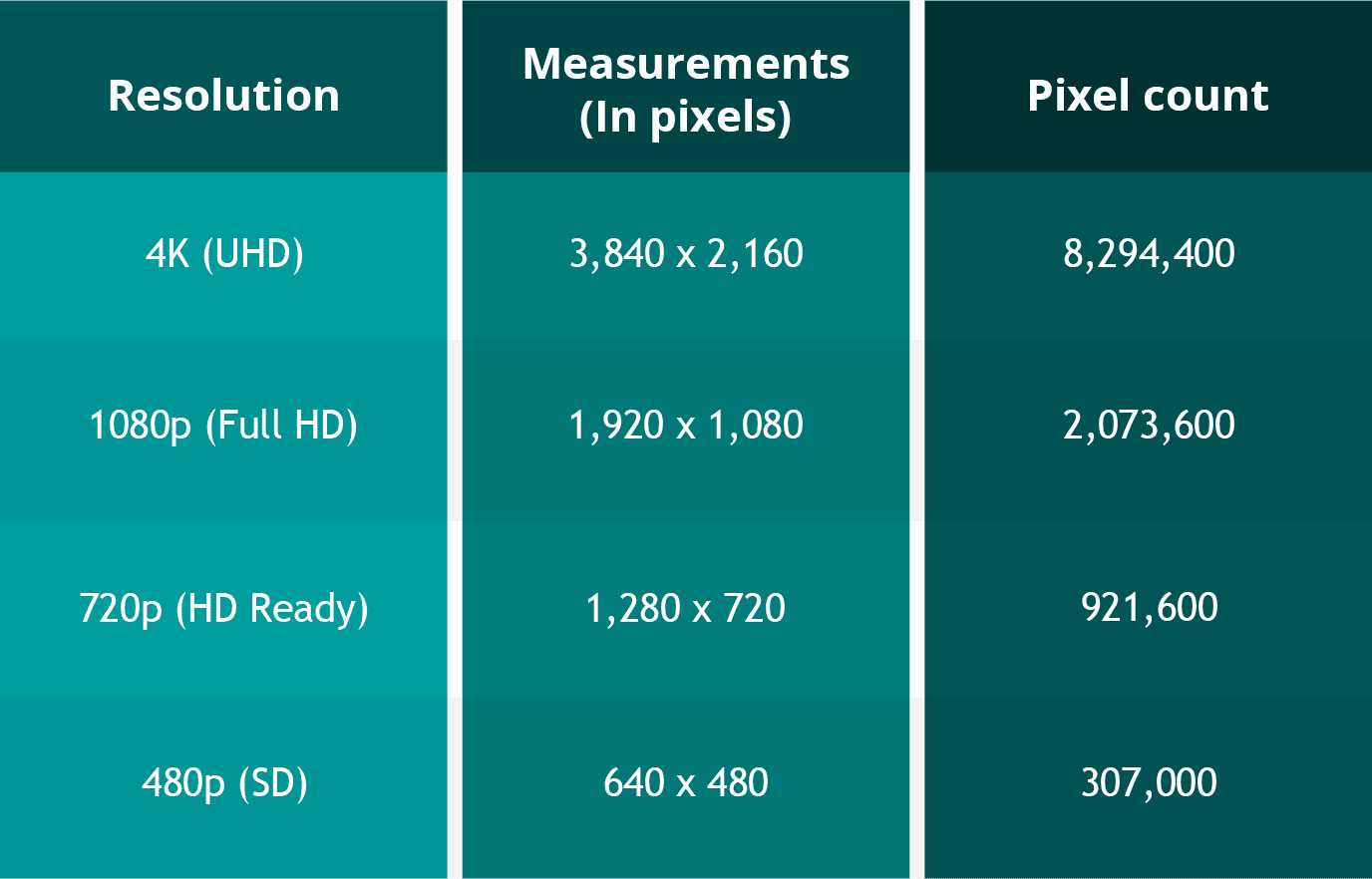
Resolution refers to the number of pixels contained in a video display. It indicates the level of detail and sharpness in the image. Common video resolutions include HD (1280×720 pixels), Full HD (1920×1080 pixels), and 4K Ultra HD (3840×2160 pixels). Higher resolutions generally offer more clarity and precision, resulting in a more immersive viewing experience.
Aspect ratio refers to the proportional relationship between the width and height of a video frame. It determines the shape and size of the video display. The most common aspect ratios are 16:9 and 4:3. A 16:9 aspect ratio is widely used in modern devices, such as widescreen TVs and computer monitors, while the 4:3 aspect ratio was common in older CRT TVs. The aspect ratio can affect the composition and visual perception of a video.
Now that we understand the basics of resolution and aspect ratio, let’s explore their impact on video quality and viewing experience.
Enhancing video quality with higher resolutions
Achieving higher video resolutions can significantly enhance the visual quality and level of detail in videos. With technological advancements, video resolutions have evolved over the years, allowing for more immersive and lifelike experiences. Higher resolutions are particularly beneficial for larger screens or when viewing videos up close.
4K Ultra HD resolution, with its impressive 3840×2160 pixel count, has become increasingly popular among consumers. This resolution offers four times the number of pixels as Full HD, resulting in exceptionally sharp and detailed images. 4K content is now widely available, allowing viewers to enjoy breathtaking visuals with rich colors and fine details. Whether it’s the majestic landscapes in nature documentaries or the intricate special effects in movies, 4K resolution brings out the best in visual storytelling.
Additionally, 8K resolution is on the horizon, with even higher pixel counts that promise an unprecedented level of detail. Although 8K content is still limited, it is expected to become more prevalent in the future, further enhancing the video viewing experience.
Aspect ratio and its impact on visual composition
The aspect ratio of a video frame plays a crucial role in the composition and overall visual experience. Different aspect ratios can evoke different emotions and aesthetics. Let’s explore two common aspect ratios and their effects:
16:9 aspect ratio has become the standard for modern video content. It offers a wider field of view, making it ideal for immersive experiences and capturing expansive landscapes. The 16:9 aspect ratio is also compatible with most modern devices, ensuring that videos fit perfectly on widescreen displays without black bars.
4:3 aspect ratio was prevalent in older TVs and has a more square-shaped frame. While it may feel outdated for some, it can be used creatively to evoke a nostalgic or vintage aesthetic. Additionally, some video content, such as archival footage or certain documentaries, may still use the 4:3 aspect ratio for historical accuracy.
In conclusion, understanding video resolution and aspect ratios is essential for optimizing the viewing experience. Higher resolutions offer greater detail and clarity, while aspect ratios influence the composition and visual appeal of videos. By considering these factors, content creators and viewers can make informed decisions to ensure the best possible video quality.
How does video resolution impact streaming quality?
When it comes to streaming videos online, video resolution plays a significant role in determining the quality of the viewing experience. Let’s explore how different video resolutions affect streaming quality and bandwidth requirements.
Streaming platforms, such as Netflix and YouTube, offer various resolution options to accommodate different devices and internet connection speeds. The available resolutions typically range from standard definition (SD) to high definition (HD) and even ultra-high definition (UHD or 4K).
SD resolution is the most basic option, with a resolution of 480p (640×480 pixels). It provides acceptable quality on smaller screens or for users with limited bandwidth. SD resolution requires less internet bandwidth, making it suitable for slower internet connections or mobile data usage.
HD resolution is a significant improvement over SD, offering a more detailed and enjoyable viewing experience. With a resolution of 720p (1280×720 pixels) or 1080p (1920×1080 pixels), HD videos are crisp and clear, especially on larger screens. HD resolution requires more internet bandwidth than SD but is still manageable for most internet connections.
4K UHD resolution is the highest available resolution for streaming. With its impressive pixel count of 3840×2160, 4K UHD videos provide unparalleled clarity and detail. However, streaming 4K content requires a robust internet connection and higher bandwidth capabilities. Viewers need a stable and fast internet connection to avoid buffering or interruptions.
When streaming videos, it’s important to consider both the resolution and available bandwidth. Higher resolutions offer better visual quality but require faster internet speeds. If your internet connection is not capable of streaming in a particular resolution, the video may automatically downgrade to a lower resolution to prevent buffering.
In summary, video resolution directly impacts streaming quality, with higher resolutions providing better visual experiences. However, it’s crucial to ensure that your internet connection can handle the required bandwidth for the selected resolution. By choosing the appropriate resolution based on your internet capabilities, you can enjoy smooth and uninterrupted streaming.
Optimizing video resolution for mobile devices
With the widespread use of smartphones and tablets, optimizing video resolution for mobile devices has become increasingly important. Let’s explore some considerations and tips for achieving the best video quality on mobile screens.
Mobile screen sizes vary significantly, ranging from smaller smartphone screens to larger tablets. It’s essential to optimize video resolution to ensure optimal viewing experiences across different devices. Choosing a resolution that balances quality and file size is crucial to avoid consuming excessive storage or bandwidth on mobile devices.
Adaptive streaming is a technique used by many streaming platforms to adjust the video resolution based on the viewer’s internet connection and device capabilities. This ensures smooth playback and prevents buffering issues. By dynamically adapting the resolution, viewers can enjoy videos seamlessly on their mobile devices, regardless of their internet speed.
Compressed file formats such as H.264 or HEVC (High-Efficiency Video Coding) can help reduce the file size without compromising video quality. These formats use advanced compression techniques to maintain the visual integrity while reducing the overall file size. By utilizing compressed formats, you can optimize video resolution for mobile devices while minimizing storage and bandwidth requirements.
In conclusion, optimizing video resolution for mobile devices is crucial to deliver high-quality viewing experiences. By considering factors such as screen size, adaptive streaming, and compressed file formats, content creators can ensure that their videos are optimized for mobile devices. Providing a seamless and enjoyable viewing experience on mobile platforms is essential in today’s mobile-centric world.
LSI keywords: video quality, display resolution, pixel density, screen aspect ratio, visual experience, video streaming, screen sizes, mobile
As the world becomes increasingly digitized, the importance of video codecs in our lives cannot be overstated. Video codecs are essential in video compression, encoding, streaming, and playback. Choosing the right codec can make the difference between smooth playback and frustrating buffering, between crisp and clear images and pixelated messes. In this article, we will explore the differences between three of the most popular video codecs in use today: H.264, H.265, and VP9.
H.264 vs H.265: What’s the Difference?
H.264, also known as AVC (Advanced Video Coding), has been the dominant codec in use for the past decade. It is widely supported by devices and software and offers good compression while maintaining high video quality. However, H.265 (HEVC) is slowly taking over. It is a newer and more advanced codec that offers better compression ratios, which means smaller file sizes with the same quality as H.264. H.265 is also better at handling high-resolution videos, making it a good choice for 4K and 8K videos. However, it requires more processing power to decode, which may be an issue on older devices.
Personally, I have found that H.265 delivers noticeably better quality than H.264 for the same file size. It is especially noticeable in high-motion scenes like action movies or sports. However, it does require more processing power, so make sure your device can handle it before choosing it as your preferred codec.
VP9: The New Kid on the Block
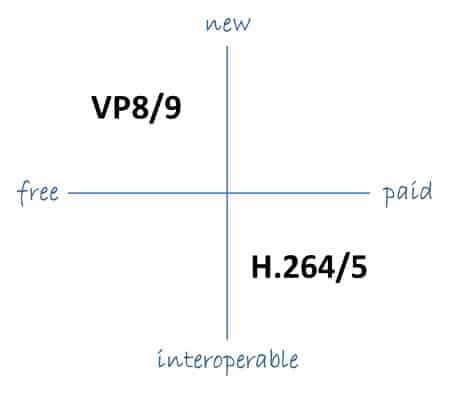
VP9 is a newer codec developed by Google and is designed to be a royalty-free alternative to H.265. It offers better compression than H.264 while maintaining the same video quality. It is also highly efficient at handling high-resolution videos, making it a good choice for 4K and 8K videos. However, its adoption has been slow due to its lack of support in many devices and software. It also requires more processing power to decode than H.264.
One of my personal experiences with VP9 was when I was trying to stream a 4K video on my laptop. I noticed that the video was buffering a lot and the quality was not as good as I expected. After some research, I found out that the video was encoded with VP9, which my laptop did not support. I had to switch to H.264 to get smooth playback.
Conclusion: Choosing the Right Video Codec
Choosing the right video codec is crucial for ensuring smooth video playback and high video quality. H.264 is still a solid choice for most situations, but H.265 and VP9 offer better compression and handling of high-resolution videos. However, they require more processing power and may not be supported by all devices and software. Make sure to choose the codec that best suits your needs and device capabilities.
In conclusion, video codecs are an essential part of our digital lives, and choosing the right one can make all the difference in our video-watching experience. Always keep in mind the pros and cons of each codec and make an informed decision based on your needs.
If you have ever used a video camera, watched a movie or streamed a video online, you may have come across the term “video resolution.” In simple terms, video resolution refers to the number of pixels in a video image. It determines the clarity, sharpness, and overall quality of the video. In this article, we will explore video resolution in detail and answer the most common questions about it.
What is Video Resolution?
Video resolution refers to the number of pixels that make up an image in a video. Pixels are tiny dots that make up an image on a screen. The more pixels an image has, the sharper and clearer it appears. Video resolution is usually measured in width and height, and the total number of pixels is calculated by multiplying the two dimensions.
For example, a video with a resolution of 1920 x 1080 has 1920 pixels in width and 1080 pixels in height. The total number of pixels in this video is 2,073,600 (1920 x 1080 = 2,073,600). This is also referred to as 1080p or Full HD resolution.
What are the different types of Video Resolutions?
There are several different types of video resolutions available today. Here are some of the most common video resolutions:
480p – This is standard definition (SD) video and has a resolution of 640 x 480 pixels. It is commonly used for older TV shows and movies.
720p – This is high definition (HD) video and has a resolution of 1280 x 720 pixels. It is commonly used for streaming videos online and for newer TV shows and movies.
1080p – This is Full HD video and has a resolution of 1920 x 1080 pixels. It is commonly used for Blu-ray discs, streaming videos, and newer TV shows and movies.
4K – This is Ultra HD (UHD) video and has a resolution of 3840 x 2160 pixels. It is commonly used for high-end TVs and streaming videos.
8K – This is the latest and highest resolution available for video and has a resolution of 7680 x 4320 pixels. It is used for high-end TVs and is not yet commonly available for streaming or other video content.
What factors affect Video Resolution?
Several factors can affect video resolution, including the quality of the camera or device used to capture the video, the lighting conditions, and the amount of compression used to store or transmit the video. Higher-quality cameras and devices can capture more pixels and produce sharper and clearer images. Good lighting conditions can also help produce better quality videos, while poor lighting can result in grainy or blurry images. Additionally, compression can reduce the file size of a video but can also reduce the quality of the video.
People Also Ask
What is aspect ratio in video resolution?
Aspect ratio refers to the ratio of the width of a video image to its height. It determines the shape of the video image and is usually expressed as a ratio of the width to the height. The most common aspect ratios for video are 4:3, which is standard definition, and 16:9, which is high definition.
What is the difference between 1080p and 4K resolution?
The difference between 1080p and 4K resolution lies in the number of pixels. 1080p has a resolution of 1920 x 1080 pixels, while 4K has a resolution of 3840 x 2160 pixels, which is four times the number of pixels as 1080p. This means that 4K displays have a much higher pixel density, resulting in sharper, more detailed images.
Another difference between the two is that 4K content requires more bandwidth and storage space than 1080p content. This is because 4K files are much larger, due to the increased number of pixels. Therefore, streaming 4K content or storing it on a device requires a faster internet connection and more storage space.
It’s worth noting that the human eye can only perceive so much detail, and the benefits of 4K resolution are most noticeable on larger screens or when sitting closer to the display. On smaller screens or at typical viewing distances, the difference between 1080p and 4K may not be as noticeable.
What is HDR?
HDR stands for High Dynamic Range, and it is a technology that expands the range of colors and brightness levels that can be displayed on a screen. HDR content is encoded with information about the brightness and color of each pixel, allowing displays that support HDR to reproduce a wider range of colors and brightness levels, resulting in more vibrant and lifelike images.
HDR content is available in a variety of formats, including HDR10, Dolby Vision, and HLG (Hybrid Log-Gamma). HDR10 is an open standard that is widely used, while Dolby Vision is a proprietary format developed by Dolby Laboratories that offers additional features, such as dynamic metadata that adjusts the brightness and color levels of each scene. HLG is a format designed for broadcasting and is compatible with both standard dynamic range and high dynamic range displays.
What is the difference between refresh rate and frame rate?
Refresh rate and frame rate are two different measurements that are often confused. Refresh rate refers to how many times per second a display updates the image on the screen, while frame rate refers to how many still images or frames are displayed per second in a video.
Refresh rate is measured in Hertz (Hz), with common refresh rates being 60Hz, 120Hz, or 144Hz. A higher refresh rate can reduce motion blur and make fast-paced action in video games or sports appear smoother.
Frame rate, on the other hand, is typically 24, 30, or 60 frames per second (fps) in video content. A higher frame rate can result in smoother motion and less stuttering, especially in fast-paced or action-packed scenes.
It’s important to note that a higher refresh rate does not necessarily mean a higher frame rate, as the two are independent of each other. A display can have a high refresh rate but still display content at a lower frame rate, resulting in a less smooth image. Conversely, a display with a low refresh rate can display high frame rate content, but the image may appear choppy due to motion blur.
Conclusion
Video resolution is an important aspect of the viewing experience, as it determines the level of detail and clarity of the image. Higher resolutions, such as 4K, can provide more detailed images with greater clarity, but they also require more bandwidth and storage space. HDR is a technology that expands the range of colors and brightness levels that can be displayed on a screen, resulting in more vibrant and lifelike images. Refresh rate refers to the number of times per second that an image is redrawn on the screen. It is measured in Hertz (Hz), with common refresh rates being 60Hz, 120Hz, and 144Hz. A higher refresh rate can result in a smoother image, especially during fast-paced action scenes or sports events. However, not all content can take advantage of a high refresh rate, so it may not be necessary for all users.
Frame rate, on the other hand, refers to the number of individual frames that make up one second of video. It is typically measured in frames per second (fps), with common frame rates being 24fps, 30fps, and 60fps. A higher frame rate can result in a smoother video, especially for fast-moving content, but it can also require more processing power and storage space.
What is aspect ratio?
Aspect ratio is another important measurement to consider when it comes to video resolution. It refers to the proportional relationship between the width and height of a video image. Common aspect ratios include 16:9 (widescreen), 4:3 (standard), and 21:9 (ultra-wide).
The aspect ratio can affect how the video is displayed on the screen, as well as the overall viewing experience. For example, a wider aspect ratio can be better for watching movies, while a narrower aspect ratio may be more suitable for certain types of content, such as computer applications or documents.
Conclusion
Video resolution is a key factor in determining the quality and clarity of video content. Understanding the different measurements and terms used to describe resolution can help you make informed decisions when purchasing a new TV or monitor, or when creating and sharing your own video content.
Remember to consider factors such as aspect ratio, refresh rate, and frame rate, as well as the resolution itself, when evaluating the quality of video content. With a better understanding of these concepts, you can enjoy your favorite movies, TV shows, and other video content in the best possible quality.
People also ask
What is the difference between resolution and pixel density?
Resolution refers to the number of pixels in an image, while pixel density refers to the concentration of those pixels within a given area. A higher pixel density can result in a sharper, more detailed image, even at lower resolutions.
What is 8K resolution?
8K resolution, also known as 7680 x 4320 or 4320p, is the highest resolution currently available for consumer video content. It offers four times the resolution of 4K and sixteen times the resolution of 1080p.
Can I upscale lower-resolution content to a higher resolution?
While it is possible to upscale lower-resolution content to a higher resolution, the quality of the resulting image may not be as good as native high-resolution content. Upscaling can also result in issues such as artifacts, blurriness, and distortion. It is generally recommended to view content at its native resolution whenever possible.




















Comments:
(Username: VideoPro123) – This article is fantastic! It helped me understand the differences between AVI and MP4. I’ve been using AVI for my video editing, but now I’m considering switching to MP4 for better compatibility.
(Username: FilmGeek86) – I’ve always been a fan of AVI for its quality, but MP4’s versatility is tempting. I appreciate the real-life examples used in this article.
(Username: TechNerd22) – Great breakdown of AVI vs. MP4. But I’d love to see a more in-depth comparison of their codec support.
(Username: StreamingQueen) – As a streaming enthusiast, I found this article very informative. MP4 is undoubtedly the way to go for me.
(Username: AVIlover) – AVI may be old school, but I still prefer it for my video archives. It’s like holding onto a vintage camera in a digital age.
(Username: WanderlustVideo) – The article’s analogy of AVI as a classic car and MP4 as a modern sports car is spot on. It helps me visualize their differences.
(Username: CinematicDreamer) – I wish the article delved more into how different video editing software handles AVI and MP4. That would be really useful!
(Username: RetroTechCollector) – This article made me nostalgic for the days of AVI. It’s like dusting off my old VHS tapes.
(Username: StreamingNovice) – I appreciate the simple explanations in this article. It’s like someone explaining the difference between vinyl and digital music.
(Username: CodecMaster) – Great article! But it would be awesome if it explored the impact of different codecs on AVI and MP4 quality.
(Username: MovieBuff2023) – I’m new to video formats, and this article was incredibly helpful in understanding the basics. Thanks!
(Username: AVIvsMP4Fan) – I’m still torn between AVI’s quality and MP4’s compatibility. The article was a good starting point for my decision.
(Username: DigitalNomad) – The discussion of metadata and subtitles in MP4 was enlightening. It’s like having a GPS for your video content.
(Username: VideoEditorPro) – This article confirmed my choice to stick with AVI for professional video editing. It’s like using a high-end DSLR in a world of smartphone cameras.