Sound synthesis is a fascinating field that touches upon the very essence of the sounds we hear every day. Whether you’re a musician looking to create unique sonic landscapes or simply curious about the technology behind the music you love, sound synthesis plays a pivotal role in shaping our auditory experiences. In this article, we’ll delve into the world of sound synthesis, unraveling its intricacies, answering common questions, and shedding light on its various applications.
Understanding Sound Synthesis
Sound synthesis is the process of generating sound electronically or digitally, often from scratch, to create new and diverse sounds. It is the foundation of modern music production, sound design, and audio engineering. At its core, sound synthesis involves manipulating sound waves through various techniques and tools to produce a wide range of sounds. This can include recreating natural sounds like instruments or generating entirely new, abstract sounds.
The Science Behind Sound Synthesis
To understand sound synthesis, one must grasp the basics of waveforms. Sound is essentially a series of compressions and rarefactions in the air, which our ears perceive as vibrations. Sound synthesis involves manipulating these vibrations. The most common waveforms used in sound synthesis include:
Sine Wave: A smooth, pure waveform, often used for creating clear and mellow tones.
Square Wave: Known for its rich harmonic content, square waves are commonly used for creating bold, edgy sounds.
Sawtooth Wave: This waveform has a bright and buzzy quality, making it popular for creating brass and string instrument sounds.
Triangle Wave: It produces a mellower tone compared to the square and sawtooth waves and is used in various synth patches.
The Role of Sound Synthesis in Music
Sound synthesis has revolutionized the music industry, offering musicians and producers an incredible palette of sounds to work with. From analog synthesizers like the Moog Minimoog to digital software synthesizers like Native Instruments’ Massive, there’s a wide array of tools available to shape and create soundscapes. For example, a simple synthesizer can mimic the warm tones of a vintage organ, while complex modular setups allow for experimental sonic exploration.
Exploring Common Questions about Sound Synthesis
1. What is the Difference Between Analog and Digital Sound Synthesis?
Analog sound synthesis uses electrical voltage to manipulate sound waves, often resulting in warm and organic textures. In contrast, digital sound synthesis operates with binary data and algorithms, offering greater precision and versatility. Analog synthesizers like the ARP 2600 provide a hands-on, tactile experience, while digital synthesizers like the Yamaha DX7 offer a wide range of sonic possibilities through programming.
2. Can Sound Synthesis Replicate Real Instruments Accurately?
Yes, sound synthesis can replicate real instruments with remarkable accuracy. Advanced sample-based synthesizers use recordings of actual instruments to recreate their sounds faithfully. Additionally, physical modeling synthesis techniques simulate the physics of real instruments, allowing for convincing replications. For instance, a digital piano can emulate the nuances of a grand piano, including the sound of hammer striking strings.
3. How Does FM Synthesis Work?
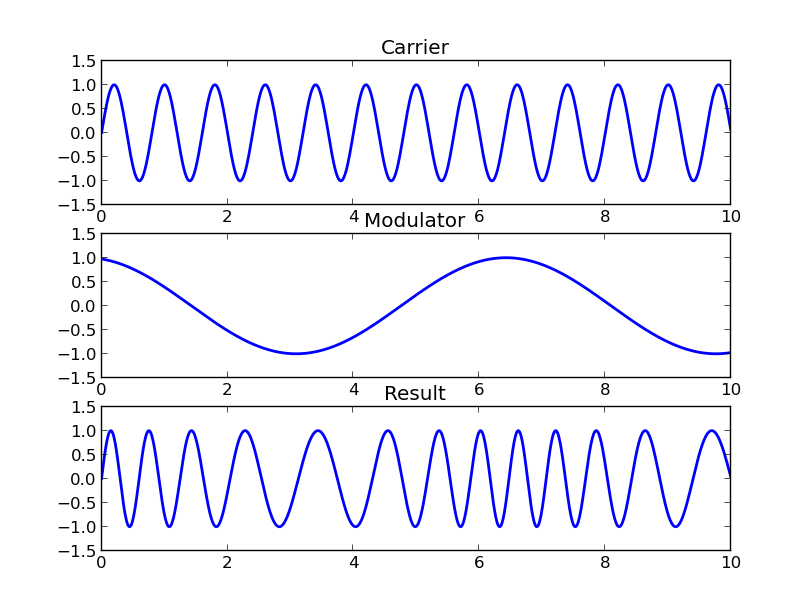
Frequency Modulation (FM) synthesis is a powerful technique where one waveform modulates the frequency of another. In FM synthesis, operators create complex, evolving timbres. For instance, the Yamaha DX7, an iconic FM synthesizer, can produce a wide range of sounds, from bell-like tones to lush pads, all by modulating frequencies with precision.
1. Sound Design Techniques
Sound design is a creative aspect of sound synthesis that involves shaping sounds for various media, such as films, video games, and animations. Techniques like layering, filtering, and modulation are crucial in creating unique and impactful audio elements.
2. Synthesizer Programming Tips
Programming synthesizers efficiently is essential for achieving desired sounds. Learning to tweak parameters like oscillators, filters, and envelopes can help you craft your sonic signature. For example, increasing the resonance on a low-pass filter can give a sound a sharp, resonant quality.
3. Sound Synthesis in Electronic Music
Electronic music heavily relies on sound synthesis to create innovative beats and melodies. Genres like techno, dubstep, and trance often incorporate synthesized sounds to craft their signature electronic soundscapes. For instance, a classic Roland TB-303 synthesizer is synonymous with the basslines in acid house music.
Last Words
Sound synthesis is a captivating journey into the realm of sound manipulation, offering endless possibilities for musicians, sound designers, and audio enthusiasts. Whether you’re exploring the analog warmth of vintage synthesizers or diving into the digital realm of software synthesis, the ability to craft unique and evocative sounds is at your fingertips. As technology advances, sound synthesis continues to evolve, pushing the boundaries of creativity and auditory exploration. Embrace this sonic adventure, and let your imagination run wild in the world of sound synthesis.
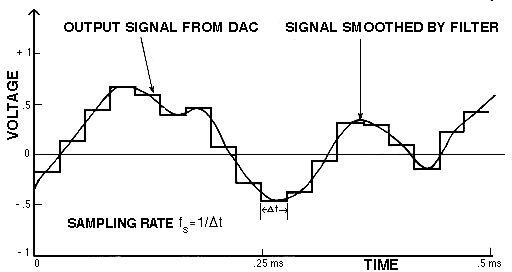
As an expert in the field of audio engineering, I’ve spent countless hours exploring the intricacies of the Nyquist Theorem. This foundational concept is the bedrock of modern digital audio processing, and its significance cannot be overstated. The Nyquist Theorem, in essence, defines the minimum sampling rate required to accurately convert analog signals into digital form.
Think of it this way: imagine you’re watching a fast-moving train and trying to take photographs to capture its motion. If you snap pictures too infrequently, you won’t capture the train’s true movement; details will be lost. The Nyquist Theorem tells us that in audio, the sampling rate must be at least twice the highest frequency we wish to reproduce. It’s the key to ensuring that nothing is missed when we transform the analog world of sound into the digital realm.
Now, let’s explore this concept further. Imagine you’re at a live music concert, and the artist hits a soaring high note. If your recording equipment doesn’t sample at a rate higher than the Nyquist frequency for that note, you’ll hear distortion and unwanted artifacts. Understanding the Nyquist Theorem is essential for audio engineers and music producers, as it directly impacts the quality of the final product, allowing us to capture and reproduce sound faithfully.
Applying Nyquist in Audio Recording
When it comes to audio recording, applying the Nyquist Theorem is akin to wielding a precision instrument. It’s not just a theoretical concept; it’s a practical guide for achieving clarity and fidelity in recorded audio. Consider it the compass that ensures we’re on the right path when capturing analog sound in the digital realm.
Imagine you’re recording a vocal performance. The Nyquist Theorem guides you in selecting the appropriate sampling rate for your digital recorder. If you neglect this principle and sample at a rate lower than twice the highest frequency in the vocalist’s range, you risk introducing aliasing, a phenomenon where high-frequency components are erroneously mapped to lower frequencies. This results in a distorted, unnatural sound, akin to viewing a pixelated image.
By heeding the Nyquist Theorem, audio engineers and recording artists ensure that their work preserves the subtle nuances and dynamic range of sound, producing recordings that captivate and resonate with listeners.
The Significance of Nyquist Frequency
Within the realm of digital audio, the Nyquist frequency stands as a sentinel of sound quality. Picture it as a gatekeeper, defining the boundary between faithful reproduction and unwanted distortions. It plays a pivotal role in digital audio, similar to how a camera’s shutter speed determines the clarity of a photograph.
Let’s delve into this further: suppose you’re designing an audio system. To prevent aliasing, you must set the sampling rate based on the Nyquist frequency. This ensures that the system captures and reproduces sound accurately. It’s analogous to building a bridge with a weight limit to ensure safety. By acknowledging the Nyquist frequency’s significance, audio engineers create systems that consistently deliver high-quality sound experiences.
Whether you’re a musician, audio engineer, or simply an audio enthusiast, recognizing the importance of the Nyquist frequency empowers you to make informed choices about equipment, software, and recording techniques, ultimately elevating your sonic experiences.
High Sampling Rates and Audio Quality
The impact of high sampling rates on audio quality is profound and undeniable. It’s the difference between a breathtaking high-definition image and a blurry snapshot. In the audio world, a high sampling rate means capturing more snapshots per second, preserving the intricate details of the sound waveform.
Imagine you’re in a studio recording a delicate acoustic guitar performance. To capture the subtle harmonics and nuances, a high sampling rate is essential. It’s like using a magnifying glass to appreciate the intricate details in a work of art. Musicians and audio engineers often opt for higher sampling rates, as they enable the faithful reproduction of every note and texture, resulting in recordings that feel alive and immersive.
Investing in high-quality equipment that supports high sampling rates is a testament to your commitment to audio excellence. It’s the path to creating soundscapes that resonate with audiences and evoke emotions on a profound level.
Avoiding Aliasing in Digital Audio
Avoiding aliasing in digital audio is a crucial mission for any audio engineer or producer. Imagine aliasing as the unwelcome ghost that haunts your recordings, distorting the beauty of sound. It occurs when the Nyquist sampling rate is not observed, and higher frequencies masquerade as lower ones, resulting in unpleasant artifacts.
Think of aliasing as a mirror that distorts your reflection; it’s not an accurate representation of reality. To banish this ghost, you must adhere to the Nyquist Theorem’s principles diligently. Use filters and sample at rates that prevent high-frequency components from sneaking into lower frequencies.
By doing so, you ensure that your digital audio productions are clean, pure, and devoid of unwanted artifacts. It’s akin to restoring a classic painting, revealing its true beauty without distortion or blemishes.
Last Words
“In the world of audio, the Nyquist Theorem is our guiding star. It empowers us to capture the magic of sound faithfully. Whether you’re recording a symphony, crafting a podcast, or simply savoring your favorite music, understanding the Nyquist Theorem unlocks a world of sonic possibilities. Let it be your compass in the realm of audio excellence.” — William Kindall, Audio Expert
As an expert in the field of video streaming technology, I am thrilled to share my insights into the latest advancements that are shaping the future of this industry. Video streaming has come a long way since its inception, and the developments in this field have been nothing short of remarkable. From improved video quality to enhanced user experiences, let’s delve into some of the key aspects driving the evolution of video streaming.
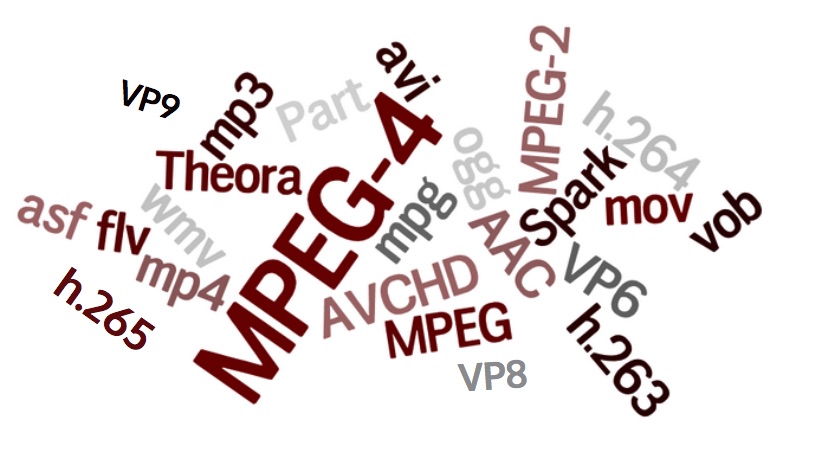
One of the most notable advancements in video streaming is the adoption of cutting-edge video codecs. Codecs are essential for compressing and decompressing video data, and they play a pivotal role in determining the quality of the streamed content. The newest audio codecs, such as AAC (Advanced Audio Coding) and Opus, have revolutionized the way audio is transmitted over the internet. These codecs offer superior audio quality even at lower bitrates, making it possible for users to enjoy crystal-clear sound while streaming their favorite content. It’s akin to upgrading from a standard definition television to a 4K Ultra HD display, but for your ears.
To put it into perspective, imagine you’re listening to your favorite song on a streaming platform. With the latest audio codecs, you can hear every subtle nuance of the music, from the delicate strumming of a guitar to the softest whisper of a vocalist. It’s like being in the same room as the musicians, experiencing their performance in its full glory. This enhancement in audio quality not only elevates music streaming but also enriches the audio experience in video content, such as movies and TV shows. It’s a game-changer for audiophiles and casual listeners alike.
In addition to superior audio quality, the latest video codecs like HEVC (High-Efficiency Video Coding) and AV1 (AOMedia Video 1) have transformed video streaming. These codecs employ advanced compression techniques to deliver high-definition and even 4K video content with exceptional clarity and detail. It’s like watching your favorite movies on the big screen, right in the comfort of your home. The reduction in bandwidth requirements also means smoother streaming experiences, even in areas with slower internet connections. These advancements have made streaming 4K content as seamless as streaming standard definition videos, revolutionizing the way we consume visual media.
Addressing “People also asked” questions about video streaming
Let’s dive into some of the common questions that people often ask about the past and future of video streaming. These inquiries shed light on the intricacies of this rapidly evolving industry and provide valuable insights into what to expect in the coming years.
“What are the key challenges faced by video streaming platforms?”
Video streaming platforms face several challenges, including:
Content Delivery: Ensuring seamless content delivery to users across the globe, considering varying internet speeds and network conditions.
Content Licensing: Negotiating licensing agreements with content creators and studios to provide a diverse and attractive library.
Content Discovery: Improving content recommendation algorithms to help users discover new content aligned with their interests.
Piracy and Security: Implementing robust security measures to combat piracy and protect user data.
To overcome these challenges, streaming platforms continuously invest in technology and user experience enhancements.
“How has the pandemic impacted video streaming trends?”
The COVID-19 pandemic accelerated the adoption of video streaming. With people spending more time at home, the demand for streaming services surged. This led to increased investments in original content, live streaming events, and improved infrastructure to handle the heightened traffic. As a result, streaming platforms have become a cornerstone of entertainment and communication for many.
“What role does 5G play in the future of video streaming?”
The rollout of 5G networks is set to revolutionize video streaming. With significantly higher speeds and lower latency, 5G will enable seamless 4K and even 8K streaming on mobile devices. It will also facilitate augmented reality (AR) and virtual reality (VR) experiences, opening up new avenues for immersive content. The integration of 5G into streaming services will be a game-changer, shaping the future of how we consume media.
The significance of streaming protocols
Streaming protocols are the backbone of the video streaming industry, ensuring that content reaches viewers reliably and efficiently. While many may not be familiar with the technical details, these protocols play a vital role in our daily streaming experiences.
One of the most widely used streaming protocols is HTTP Live Streaming (HLS). HLS divides video content into small segments, allowing adaptive streaming. This means that the quality of the stream can be adjusted on the fly based on the viewer’s internet speed and device capabilities. It’s like driving a car with adaptive cruise control that automatically adjusts your speed to maintain a safe distance from the vehicle in front of you. HLS ensures a smooth viewing experience, even when network conditions fluctuate.
Another crucial protocol is Dynamic Adaptive Streaming over HTTP (DASH). DASH offers similar adaptive streaming capabilities as HLS but is not tied to specific devices or platforms. It’s like having a universal remote control that works with any TV brand. This protocol promotes interoperability among various streaming services and devices, giving viewers more choices and flexibility.
Real-Time Messaging Protocol (RTMP) is yet another important player in live streaming. It’s like a live telephone call between a broadcaster and viewers, allowing real-time interaction during events like live sports or gaming. However, as technology advances, RTMP is gradually being replaced by more modern protocols like WebRTC, which offers lower latency and improved security.
In conclusion, streaming protocols are the unsung heroes of the video streaming industry, ensuring that we can enjoy our favorite content seamlessly, no matter where we are or what device we’re using.
Exploring the future of video streaming business models
The future of video streaming is not just about technological advancements; it also involves innovative business models that cater to changing consumer preferences. Let’s take a closer look at some emerging trends in this regard.
Hybrid Subscription and Ad-supported Models: Many streaming platforms are adopting a hybrid approach, offering both subscription-based tiers and free, ad-supported versions. This provides users with choices based on their willingness to pay and tolerance for ads. It’s akin to choosing between premium cable channels and free-to-air TV.
Original Content Investments: Streaming giants like Netflix and Amazon Prime have set the bar high by investing heavily in original content. This strategy not only attracts subscribers but also allows platforms to differentiate themselves in a crowded market. It’s like a bookstore offering exclusive editions of popular books that you can’t find anywhere else.
Global Expansion: To tap into new markets and reach a broader audience, streaming services are expanding globally. The availability of localized content and subtitles is crucial in making these services accessible to diverse regions. It’s like a restaurant chain adapting its menu to suit the tastes of customers in different countries.
Live Events and Exclusive Premieres: Streaming platforms are increasingly focusing on live events and exclusive premieres to create a sense of urgency and community. Just like attending a live concert or the premiere of a highly anticipated movie, viewers can now experience the excitement of live broadcasts and exclusive content releases from the comfort of their homes.
As the video streaming landscape continues to evolve, these innovative business models will play a pivotal role in shaping the industry’s future. Whether you’re a content creator or a streaming enthusiast, staying attuned to these developments is key to navigating the dynamic world of online entertainment.
The evolution of video streaming devices
Video streaming devices have come a long way since the days of bulky cable boxes and VHS tapes. Today, we have a plethora of sleek and sophisticated options that cater to every streaming need and preference.
Smart TVs: Smart TVs have become the norm, integrating streaming apps directly into the television itself. It’s like having a Swiss army knife with all the tools you need in one convenient package. These TVs offer easy access to popular streaming services like Netflix, Hulu, and Disney+ without the need for additional devices.
Streaming Sticks and Boxes: Devices like Roku, Amazon Fire TV, and Apple TV have gained immense popularity. They’re like miniature powerhouses that transform any TV into a smart TV. These compact devices provide access to a wide range of apps and offer features like voice control and 4K streaming.
Gaming Consoles: Gaming consoles like the Xbox and PlayStation have also become versatile streaming devices. They’re like multipurpose entertainment hubs that not only allow you to play games but also stream your favorite shows and movies. This convergence of gaming and streaming is a testament to the evolving nature of entertainment.
Mobile Devices: Let’s not forget about the role of smartphones and tablets in video streaming. These devices have become personal theaters, allowing users to stream content on the go. It’s like carrying a mini cinema in your pocket, ready to entertain you whenever and wherever you are.
The evolution of video streaming devices has made it easier than ever for consumers to access their favorite content. Whether you prefer a large-screen TV, a compact streaming stick, or the convenience of a mobile device, there’s a streaming option to suit every taste and lifestyle.
The importance of content delivery networks (CDNs)
Behind the scenes of every seamless video streaming experience lies a critical component: content delivery networks (CDNs). CDNs are the unsung heroes that ensure content reaches viewers quickly and reliably, regardless of their location.
CDNs are like a network of well-placed warehouses that store copies of popular movies and shows. When you hit “play,” the content is fetched from the nearest warehouse rather than traveling long distances. This reduces latency and ensures smooth streaming. It’s similar to ordering a product online and having it shipped from a local warehouse for faster delivery.
Moreover, CDNs employ load balancing techniques to distribute network traffic efficiently. Imagine a busy highway with multiple lanes, each directing traffic smoothly to its destination. CDNs ensure that no single server is overwhelmed, preventing congestion and buffering issues during peak streaming times.
In addition to speed and reliability, CDNs enhance security. They employ various measures, such as encryption and DDoS protection, to safeguard content and user data. It’s like having a dedicated security team that ensures your online experience is safe and secure.
In conclusion, while CDNs may operate behind the scenes, their role in delivering high-quality streaming experiences is invaluable. They are the backbone of the streaming industry, ensuring that we can enjoy our favorite content seamlessly, no matter where we are in the world.
As an audio expert, I’m excited to delve into the world of the newest audio codecs, which are transforming how we experience sound. These cutting-edge technologies have the power to shape the audio landscape, and I’m here to share my insights and experiences.
Audio Compression Techniques
Let’s start by discussing the backbone of these newest audio codecs – audio compression techniques. Imagine audio compression as the art of creating a perfectly crafted miniature sculpture of a grand masterpiece. In the world of audio codecs, this process involves reducing the size of audio files while preserving exceptional sound quality.
One of the most prominent techniques used in these codecs is Perceptual Audio Coding, which is similar to how our brain focuses on essential details in a complex image. Perceptual audio coding identifies and retains the most crucial elements of an audio signal while discarding less perceptible information. This allows for significant file size reduction without compromising the listening experience.
Another fascinating approach is Audio Spatial Coding, which can be likened to creating a 3D model of a real-world object. Audio spatial coding focuses on reproducing sound in a three-dimensional space, offering a more immersive listening experience. It’s often used in applications like virtual reality and gaming to provide users with an unparalleled sense of presence.
These techniques are pivotal in the development of the newest audio codecs. By employing innovative compression methods, these codecs can deliver audio that is not only compact but also stunningly clear, making them ideal for a wide range of applications, from streaming high-fidelity music to enhancing the realism of virtual environments.
Bitrate in Audio Streaming
Another crucial aspect of the newest audio codecs is the management of bitrate, which plays a pivotal role in delivering high-quality audio during streaming. Picture bitrate as the flow rate of a pristine river. In the context of audio streaming, it represents the rate at which audio data is transmitted from the source to your device. The higher the bitrate, the more data can be transmitted per second, resulting in superior audio quality.
Consider a scenario where you’re streaming your favorite song online. If the codec employs a low bitrate, it’s akin to a narrow river with a sluggish flow. You receive the audio data slowly, leading to a compromised listening experience. In contrast, a high bitrate is like a wide river with a swift current, delivering an abundance of data per second and ensuring that every note and nuance reaches your ears in exceptional detail.
The newest audio codecs excel in optimizing bitrate dynamically. It’s as if they have a smart water flow controller, adjusting the flow rate based on your internet connection’s capabilities. This dynamic management ensures that you enjoy a seamless audio streaming experience, even on limited bandwidth, without sacrificing audio quality.
Understanding Audio Masking in Psychoacoustics
Now, let’s shift our focus to the intriguing world of audio masking in psychoacoustics. This area of study is like deciphering the mysteries of the mind’s inner workings when it comes to sound perception. Understanding audio masking is fundamental for the newest audio codecs as it helps them allocate resources effectively.
Psychoacoustic Principles
Psychoacoustic principles are the cornerstone of audio masking. Think of it as understanding how our brain prioritizes and filters sounds, much like how we pay attention to a conversation in a noisy room. Auditory masking is a central concept in this field, similar to how a louder conversation can drown out a quieter one in a crowded space. This phenomenon occurs when a louder sound, known as the “masker,” makes it challenging to perceive a quieter sound, known as the “masked” sound.
Frequency masking is another key concept. It’s akin to trying to distinguish one instrument in a symphony when they are all playing together. Certain frequencies can mask or conceal others, making it crucial to allocate resources wisely when encoding audio. The newest audio codecs leverage psychoacoustic principles to ensure that the most critical audio information remains perceptible while optimizing file size by discarding less crucial data.
Audio Compression Algorithms
To truly grasp the capabilities of the newest audio codecs, we must delve into the intricate world of audio compression algorithms. These algorithms are like the secret recipes behind our favorite dishes, combining mathematical prowess and encoding techniques to achieve the perfect balance of quality and file size reduction.
One such algorithm is the Modified Discrete Cosine Transform (MDCT), which breaks down audio signals into smaller, manageable components, much like solving a complex puzzle piece by piece. The MDCT is the foundation of codecs like AAC and Opus, known for their exceptional audio quality and efficiency.
Additionally, variable bitrate (VBR) encoding is a crucial technique, like adjusting your car’s speed to navigate varying road conditions. VBR encoding allocates more bits to complex audio segments and fewer bits to simpler ones, ensuring consistent audio quality across the entire file. This approach is instrumental in preserving high-quality audio, even in the presence of psychoacoustic masking effects.
In conclusion, the newest audio codecs are a testament to the remarkable progress in the field of audio technology. With advanced compression techniques, dynamic bitrate management, and a deep understanding of psychoacoustic principles, these codecs are shaping the future of how we experience sound. Whether you’re a music enthusiast, a gamer, or a professional in the audio industry, these codecs are set to provide you with audio experiences that are nothing short of extraordinary. So, as we journey into this exciting soundscape, remember that the newest audio codecs are your gateway to a world of unparalleled sonic delight.
Auditory masking, in simple terms, is a phenomenon in psychoacoustics where one sound, known as the masking sound or masker, makes another sound, the masked sound, less audible or even inaudible to our ears. This is akin to a loud conversation in a crowded room making it difficult to hear a soft-spoken person nearby.
Let’s break it down further: Imagine you’re in a quiet room, and someone nearby whispers softly. You can hear their whisper clearly. Now, introduce a loud noise into the room, like a vacuum cleaner. Suddenly, that whispered conversation becomes almost impossible to hear. The vacuum cleaner sound is masking the whisper.
In audio compression, understanding auditory masking is crucial because it allows us to reduce the data needed to represent audio while preserving its perceived quality. By identifying sounds that are masked by louder sounds, we can remove or reduce the masked sounds without a significant impact on the listener’s experience.
How Does Auditory Masking Affect Audio Quality?
Auditory masking has a profound impact on audio quality. It’s like a skilled magician diverting your attention away from their sleight of hand. In the world of sound, when one sound masks another, the masked sound becomes less noticeable or even disappears entirely.
Consider a live concert as an example. The powerful music from the stage can mask certain background noises, like the rustling of the audience or the hum of equipment. These masked sounds are still present, but they are no longer distracting or bothersome because they are overpowered by the music.
In audio compression, exploiting auditory masking allows us to remove subtle, less noticeable sounds from the audio signal without compromising the perceived quality. This reduction in data can significantly reduce file sizes for streaming or storage, making efficient use of resources while maintaining high audio quality.
Why is Auditory Masking Important in Audio Compression?
Auditory masking is the cornerstone of efficient audio compression. It’s like identifying which ingredients in a recipe are so subtly flavored that you can omit them without altering the overall taste. In the realm of audio, this means recognizing which sounds are masked by louder sounds and can thus be safely removed or reduced in intensity.
When we encode audio for various purposes, such as streaming or storing music, we aim to minimize file sizes without compromising quality. Auditory masking allows us to achieve this goal by pinpointing the sounds that can be perceptually discarded. By doing so, we reduce the amount of data required to represent the audio, resulting in smaller file sizes that are easier to transmit or store.
Think of it as a musical performance where only the most prominent instruments take center stage, while the quieter instruments play a supporting role in the background. The audience enjoys the full experience without being aware of the subtleties happening behind the scenes. Similarly, auditory masking in audio compression ensures that listeners enjoy high-quality audio without the burden of unnecessary data.
Can You Explain the Concept of Audio Masking in Psychoacoustics?
Certainly, audio masking in psychoacoustics is a fascinating concept that helps us understand how our auditory system processes sound. Think of it as a symphony where different instruments play varying roles in creating the overall musical experience.
In psychoacoustics, we’ve observed that when a louder sound, known as the masker, is present, softer sounds in its vicinity can become masked or indistinguishable to our ears. This is similar to being at a bustling party where the conversations around you can make it challenging to hear a faint background melody.
Our auditory system is designed to focus on the most prominent sounds while effectively “masking” or suppressing the less significant ones. This phenomenon plays a pivotal role in audio compression, where we aim to remove or reduce the sounds that our ears won’t easily perceive. It’s like editing a photograph to enhance the foreground while blurring the less relevant background.
By leveraging the principles of audio masking, we can optimize audio compression algorithms. We identify which sounds can be safely discarded or reduced in intensity without the listener noticing. This allows us to create smaller audio files for various applications, from streaming music to storing audio recordings, all while preserving the essential auditory experience.
In essence, audio masking in psychoacoustics is the key to striking a delicate balance between audio quality and data efficiency, ensuring that our ears focus on what truly matters in the world of sound.
Why is RMS loudness important in video compression?
How to measure RMS loudness in video files?
RMS loudness is a fundamental concept when it comes to audio quality in video codecs. It’s akin to the volume control on your favorite music player, but with a technical twist. RMS stands for Root Mean Square, and it represents the average power of an audio signal. In the context of video codecs, RMS loudness helps maintain consistent audio levels, ensuring a pleasant and balanced viewing experience.
Imagine you’re watching a movie, and the dialogue is barely audible while the explosions are ear-shatteringly loud. This uneven audio experience can be jarring. RMS loudness comes into play by smoothing out these extremes, making sure that soft-spoken conversations and action-packed sequences are both enjoyable without constantly adjusting the volume.
Now, why is RMS loudness essential in video compression? It’s like the conductor in an orchestra ensuring that each instrument blends harmoniously. In video codecs, audio is compressed along with video to save space. However, without proper management of audio levels, compression can lead to distortions or unwanted fluctuations in volume. RMS loudness measurements help codec algorithms maintain audio quality during compression, preserving the intended audio dynamics.
Measuring RMS loudness in video files involves complex algorithms, but it’s akin to analyzing the heartbeat of your audio. By calculating the average power of audio samples over time, RMS loudness algorithms ensure that your video’s sound remains consistent and enjoyable, whether you’re watching on a home theater system or a smartphone.
In summary, understanding RMS loudness in video codecs is crucial for achieving excellent audio quality in your video content. It’s the silent hero that ensures your favorite movie or series sounds just as good as it looks, providing a seamless and immersive viewing experience.
“RMS loudness may seem like a technical detail, but it’s the invisible force that maintains audio harmony in video. As a sound engineer, I’ve seen how it can elevate or diminish the impact of a film, making it an indispensable aspect of video production.”
Top Video Codecs for High Quality
Selecting the top video codecs for high-quality video production is akin to choosing the finest ingredients for a gourmet meal. It’s all about creating a visual feast for your audience’s eyes. In this quest for excellence, let’s explore some of the top video codecs that professionals and enthusiasts alike swear by.
First on our list is the renowned H.265, or HEVC (High-Efficiency Video Coding). Picture this: you’re upgrading from a standard television to a 4K Ultra HD screen. HEVC is like the key that unlocks the full potential of your new display. This codec excels in delivering high-quality video while keeping file sizes relatively compact. It’s the preferred choice for streaming platforms aiming to provide viewers with stunning visuals without excessive buffering.
Next up is the ever-reliable H.264, also known as AVC (Advanced Video Coding). Think of it as the workhorse of video codecs, much like a reliable car that gets you from point A to B without a hitch. H.264 has widespread compatibility, making it suitable for various devices and platforms. It strikes a balance between video quality and file size, making it an ideal choice for many video producers.
If you’re venturing into the world of professional filmmaking, ProRes codecs are your best companions. ProRes is like the high-end kitchen equipment used by top chefs. These codecs provide near-lossless compression, preserving every detail of your footage, from color gradations to sharpness. Directors and post-production teams often rely on ProRes for its ability to deliver cinematic excellence.
Lastly, for those seeking the pinnacle of quality in high dynamic range (HDR) video, Dolby Vision and HDR10+ are the top contenders. These codecs are like the precision instruments used by surgeons. They handle the increased color depth and brightness levels required for HDR content, resulting in breathtaking visuals that make your videos truly stand out.
In conclusion, the top video codecs for high-quality content vary depending on your specific needs and goals. Whether you’re streaming, editing, or creating cinematic masterpieces, there’s a codec that’s tailored to deliver the visual excellence you desire.
“Choosing the right video codec is akin to selecting the canvas for a masterpiece. It sets the foundation for your visual storytelling, and the right choice can elevate your work to new heights.”
Recommended Video Codecs for Superior Quality
When it comes to achieving superior quality in video production, the choice of codec is paramount. It’s akin to selecting the finest ingredients for a gourmet meal or the best tools for a craftsman. Let’s explore some recommended video codecs that are celebrated for their ability to deliver exceptional video quality.
One of the top recommendations for superior quality is H.265, also known as HEVC (High-Efficiency Video Coding). HEVC is like the master chef’s knife in a kitchen—a versatile tool that ensures precision and excellence. This codec excels in preserving the richness of video content while efficiently compressing it. It’s the go-to choice for 4K streaming services and broadcasters looking to deliver top-notch visuals.
For those who prioritize compatibility and widespread support, H.264, or AVC (Advanced Video Coding), remains a recommended option. Think of it as the classic recipe that never goes out of style. H.264 strikes a balance between video quality and file size, making it suitable for various devices and platforms. It’s a reliable choice for producing content that reaches a broad audience.
If you’re a professional filmmaker aiming for uncompromising quality, the ProRes family of codecs, developed by Apple, is a recommendation that’s hard to ignore. ProRes is like the artisan’s toolkit, meticulously crafted to preserve every nuance of your footage. It offers nearly lossless compression, making it ideal for post-production work where retaining the highest quality is essential.
Lastly, for those diving into the world of high dynamic range (HDR) video, Dolby Vision and HDR10+ are recommended choices. These codecs are like the high-performance sports cars of video compression, designed to handle the increased color depth and brightness levels demanded by HDR content. They ensure that your videos shine with unparalleled visual brilliance.
In conclusion, the choice of video codec plays a pivotal role in achieving superior video quality. Whether you’re a content creator, a streaming platform, or a filmmaker, selecting the right codec can elevate your visuals to a level that leaves a lasting impact on your audience.
“As a filmmaker, I’ve always believed that the pursuit of superior quality starts with the choice of the right video codec. It’s the canvas upon which our stories come to life, and selecting the best one is an art in itself.”
Optimal Video Codecs for Best Quality
Choosing the optimal video codecs for the best quality is akin to selecting the perfect lens for a photographer seeking impeccable clarity and precision. The right codec can make all the difference in delivering top-tier video content. Let’s explore some codecs that are optimal for achieving the best quality in your videos.
First in our lineup is H.265, or HEVC (High-Efficiency Video Coding). HEVC is like the master key that unlocks the full potential of your video content. It’s designed to provide exceptional video quality while keeping file sizes manageable. This makes it a popular choice for streaming platforms that want to deliver the best possible visuals to their viewers, especially in the era of 4K and beyond.
For versatility and compatibility, H.264, or AVC (Advanced Video Coding), is an optimal choice. Think of it as the Swiss Army knife of codecs—a reliable tool for various situations. H.264 strikes a balance between video quality and compression efficiency, making it suitable for a wide range of devices and platforms. It ensures that your content reaches as many viewers as possible without sacrificing quality.
In the realm of professional filmmaking, ProRes codecs developed by Apple are considered optimal for preserving the best quality. ProRes is like the guardian of cinematic excellence, offering nearly lossless compression that retains every detail of your footage. Filmmakers and post-production teams often rely on ProRes to ensure that their creative vision is brought to life with the highest fidelity.
For those venturing into the world of high dynamic range (HDR) video, Dolby Vision and HDR10+ are the optimal choices. These codecs are like the precision instruments of the video world, designed to handle the expanded color palette and brightness levels of HDR content. They ensure that your videos shine with the best possible quality and visual impact.
In conclusion, selecting the optimal video codec for the best quality depends on your specific goals and the nature of your content. Whether you’re streaming, editing, or creating cinematic masterpieces, there’s a codec that’s tailor-made to deliver the ultimate video quality you desire.
“As a video producer, I’ve learned that the choice of video codec is pivotal in achieving the best quality. It’s like selecting the finest ingredients for a gourmet dish; each codec has its unique flavor that contributes to the overall excellence of the final product.”
What is RMS Loudness in Video Codecs?
What is the significance of RMS loudness in video production?
How does RMS loudness affect audio clarity in videos?
Can you explain the technical aspects of RMS loudness measurement?
RMS loudness in video codecs is a critical factor in ensuring the audio quality of your videos. It’s like the conductor of an orchestra, harmonizing the various elements of sound to create a seamless and enjoyable auditory experience. Let’s delve into the significance of RMS loudness in video production.
Imagine you’re watching a movie, and the dialogue is too quiet to hear, while sudden explosions are overwhelmingly loud. This audio imbalance can detract from the viewing experience. RMS loudness steps in as the audio equalizer, ensuring that soft-spoken conversations and action-packed sequences are both clear and pleasant without constant volume adjustments.
In technical terms, RMS loudness represents the average power of an audio signal. It’s like taking the pulse of your audio, measuring its vitality and strength. Video codecs compress both video and audio to save space, but without proper management of audio levels, compression can lead to distortions or unpredictable volume fluctuations. RMS loudness measurements act as a safeguard, ensuring that your audio remains consistent and enjoyable during compression.
Now, let’s demystify the technical aspects of RMS loudness measurement. It involves calculating the average power of audio samples over time. Think of it as assessing the heartbeat of your audio. By analyzing these samples, RMS loudness algorithms provide a numerical value that reflects the audio’s intensity. This value is crucial in maintaining a balanced and high-quality auditory experience for your audience.
In summary, RMS loudness in video codecs is akin to the audio conductor that ensures harmony in your videos. It guarantees that your audience enjoys a consistent and immersive audio experience, enhancing the overall quality of your content.
“In my years of audio engineering, RMS loudness has been my trusted companion in the pursuit of audio excellence. It’s the unsung hero that ensures every sound in a video is heard as it was intended.”
How to Measure RMS Loudness in Video Files?
What tools are used to measure RMS loudness in video production?
Can you explain the steps involved in RMS loudness measurement for video files?
Are there industry standards for acceptable RMS loudness levels in video content?
Measuring RMS loudness in video files is a crucial step in ensuring high-quality audio in your video production. It’s like using a precise instrument to calibrate sound, much like a musician tuning their instrument before a performance. Let’s explore the tools and steps involved in RMS loudness measurement for video files.
To measure RMS loudness, professionals often use specialized software and hardware tools designed for audio analysis. These tools are like the surgeon’s scalpel, allowing for precise adjustments to audio levels. Popular software options include Adobe Audition, Pro Tools, and specialized plugins like Waves WLM (Loudness Meter). These tools provide detailed insights into audio levels, making them indispensable for audio engineers and video editors.
The process of measuring RMS loudness involves several steps. Think of it as a systematic checklist to ensure audio quality. First, you’ll need to import your audio into the chosen software. Then, you’ll set the analysis parameters, such as the measurement scale (e.g., LUFS or dBFS) and the target loudness level. This step is akin to calibrating your instrument for a specific performance.
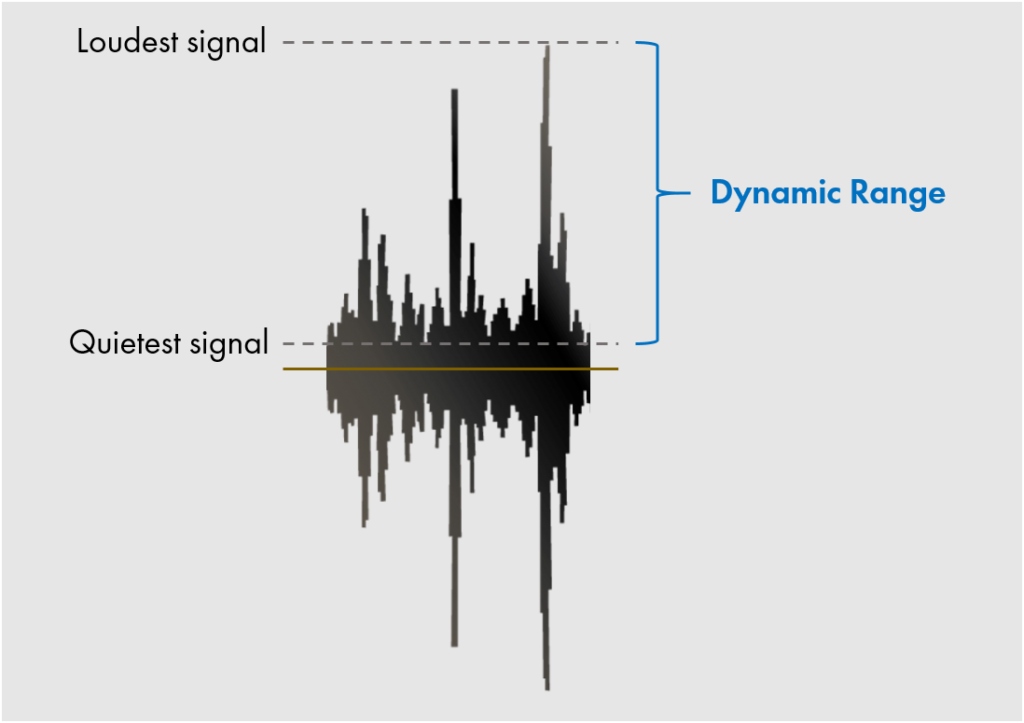
Next, you’ll run the analysis, and the software will provide you with RMS loudness measurements. These measurements represent the average power of your audio signal over time, much like taking multiple heart rate readings to assess a patient’s health. You’ll also receive information about peak levels, dynamic range, and other audio characteristics that influence the overall quality.
As for industry standards, several organizations, such as the Audio Engineering Society (AES) and the International Telecommunication Union (ITU), have established guidelines for acceptable RMS loudness levels in video content. These standards ensure consistency in audio quality across different platforms and devices. For example, -23 LUFS (Loudness Units Full Scale) is a common target loudness level for broadcast television.
In conclusion, measuring RMS loudness in video files is a meticulous process that relies on specialized tools and adherence to industry standards. It’s a critical step in delivering audio that meets the expectations of your audience and enhances the overall quality of your video content.
“In the world of audio engineering, precision is key. Measuring RMS loudness is like fine-tuning an instrument before a performance—it ensures that every note in your video’s audio is in perfect harmony.”
Why is RMS Loudness Important in Video Compression?
How does RMS loudness impact the quality of compressed video files?
What happens if RMS loudness is not properly managed during video compression?
Can you provide examples of how RMS loudness affects the viewer’s experience in compressed videos?
RMS loudness plays a vital role in the quality of compressed video files, and its importance can be likened to the foundation of a sturdy building—it ensures stability and integrity. Let’s explore how RMS loudness impacts video compression and why it’s crucial for a seamless viewing experience.
Imagine you’re packing for a trip, and you have limited space in your suitcase. You want to bring all your favorite clothes without wrinkling them. Video codecs face a similar challenge when compressing video and audio to save space. RMS loudness serves as the folding technique that ensures your clothes (audio) fit neatly without creases or distortions.
When RMS loudness is not properly managed during video compression, it’s like packing your suitcase haphazardly. Some clothes (audio segments) get crumpled, while others remain untouched. This results in audio inconsistencies, where certain parts of the video are too loud or too quiet. For viewers, this can be disorienting and frustrating, much like unpacking wrinkled clothes upon arrival.
Let’s delve into some real-world examples of how RMS loudness affects the viewer’s experience in compressed videos. Picture watching a YouTube video where the intro music is significantly louder than the host’s voice. This audio imbalance can be jarring and unpleasant. Properly managed RMS loudness ensures that the audio levels are consistent, allowing you to enjoy the video without reaching for the volume control.
In live streaming, such as gaming broadcasts on Twitch, fluctuations in RMS loudness can be distracting. Imagine a streamer’s voice suddenly becoming too quiet during intense gameplay, followed by a deafening explosion. Viewers might be forced to adjust their volume repeatedly, disrupting their immersion in the content. RMS loudness management prevents these sudden audio shifts, ensuring a smoother and more enjoyable viewing experience.
In summary, RMS loudness’s importance in video compression lies in its ability to maintain audio consistency, preventing jarring volume fluctuations. It ensures that viewers can enjoy your compressed videos without the annoyance of constantly adjusting the volume—a crucial aspect of delivering high-quality content.
“In the world of video compression, RMS loudness is the silent guardian of audio quality. It ensures that viewers can enjoy a seamless audio experience, much like a well-packed suitcase ensures wrinkle-free clothes on a journey.”
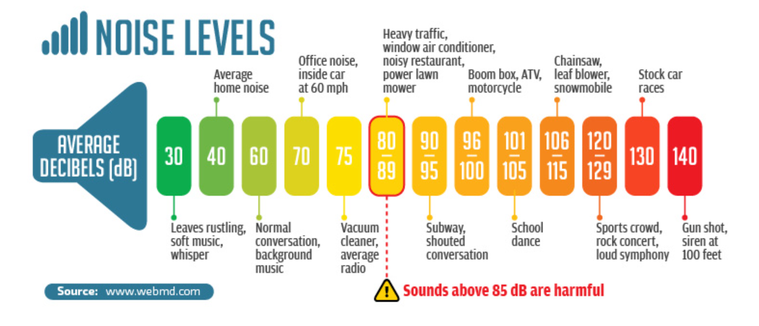
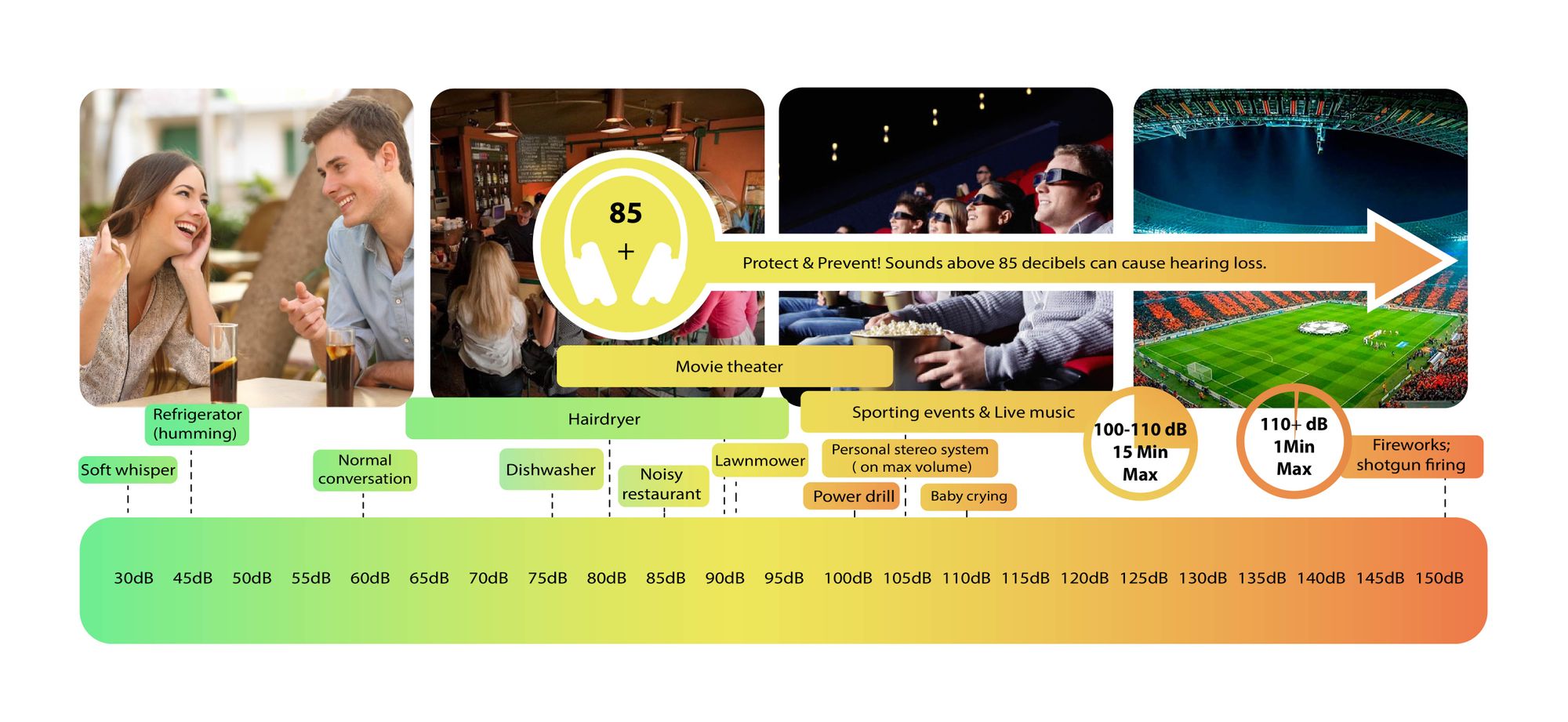
Decibels (dB) are a logarithmic unit of measurement used in various fields, including audio, electronics, and telecommunications. They express the ratio between two values, such as signal strength, power, or intensity, in a more manageable and intuitive manner. Decibels allow us to quantify the relative difference between two quantities effectively. For example, a 3 dB increase represents a doubling of sound intensity, making it a fundamental concept in many technical fields.
What are Decibels?
Decibels, often abbreviated as dB, are a logarithmic unit used to express ratios between values like power, intensity, or amplitude. They offer a convenient way to represent large ranges of values and are widely used in fields such as audio engineering and telecommunications.
Decibel Scale
The decibel scale is a logarithmic measurement system that quantifies the relative difference between two values. For instance, in audio, a 10 dB increase signifies a tenfold increase in power or intensity, while a 10 dB decrease represents a tenfold decrease. This logarithmic property simplifies comparisons and analyses of various measurements.
Applications of Decibels
Decibels play a pivotal role in various applications, particularly in electronics. They are used to measure signal strength, gain, noise levels, and more. Engineers and technicians rely on decibels to assess the performance and quality of electronic systems, making them a vital concept in the field.
Video Compression
Video compression is a crucial component of modern multimedia content delivery. It involves using algorithms to reduce the size of video files while maintaining acceptable visual quality. Video compression removes redundant or less important information from a video stream, making it efficient for storage and transmission.
Video Quality
Video quality is a critical factor in the viewing experience, influenced by factors like resolution, bit rate, frame rate, and compression. Resolution, measured in pixels (e.g., 1080p or 4K), determines detail levels. Bit rate affects data transmission, while frame rate impacts motion smoothness. Video compression balances quality and file size, with codecs like H.264 and H.265 playing significant roles in the industry. Achieving the desired video quality requires a careful balance of these factors for various applications.
As a video enthusiast, I’ve come to appreciate the importance of video deinterlacing in the world of visual content. It’s a term that holds the key to improving the quality of videos and ensuring a smoother and more enjoyable viewing experience.
Understanding Video Deinterlacing
Let’s start with the basics. When we talk about video deinterlacing, we’re referring to the process of converting interlaced video into a progressive format. But what does that really mean?
Well, in the early days of television and video recording, interlaced video was the standard. This means that each frame of video was split into two fields, with one field containing all the odd lines of an image and the other containing the even lines. These two fields were displayed sequentially, creating the illusion of a complete frame. However, this method often resulted in visible lines and flickering, especially when there was fast motion on the screen.
Now, video deinterlacing steps in to solve this problem. It takes those two interlaced fields and combines them into a single, progressively scanned frame. The result? A smoother, flicker-free image that looks significantly better, especially on modern high-definition displays.
The Deinterlace Video Process
So, how does the deinterlace video process work? Think of it as a digital makeover for your video content. When you run a deinterlacing algorithm, it carefully examines each frame of interlaced video and merges the two fields into one. It does this by interpolating the missing lines to create a complete frame.
Let’s use an analogy to make this clearer. Imagine you have a torn photograph that’s been split into two pieces. The first piece has the top half of the image, and the second piece has the bottom half. To restore the full picture, you’d carefully align the torn edges and fill in the missing details. That’s essentially what deinterlacing does for video frames.
Now, it’s important to note that not all deinterlacing methods are created equal. Some algorithms are more sophisticated and effective than others, and the choice of deinterlacing technique can significantly impact the final video quality. This is where choosing the right deinterlacing software tools becomes crucial.
Benefits of Progressive Scan
The switch from interlaced video to progressive scan has brought about several benefits of progressive scan that are impossible to ignore. Firstly, progressive scan eliminates the annoying flicker and visible lines that plagued interlaced content, providing a smoother and more pleasing visual experience.
Additionally, progressive scan is better suited for modern high-definition displays, as these screens are inherently progressive. When you watch a deinterlaced video on such a display, every pixel is utilized to its full potential, resulting in sharper images and more vibrant colors.
Moreover, progressive scan is the preferred format for video editing and post-production. When working with interlaced video, editors often face challenges in maintaining quality and consistency. By deinterlacing the footage, editors can ensure a seamless editing process and achieve professional-grade results.
Interlaced vs. Progressive Video: Making the Choice
Now that you understand the importance of video deinterlacing and the advantages of progressive scan, it’s essential to distinguish between interlaced vs. progressive video and make the right choice depending on your needs.
Interlaced video still has its place, especially in legacy systems and older content. However, for modern applications, progressive scan is the way to go. Whether you’re streaming videos online, watching a Blu-ray disc, or creating your own video content, progressive scan ensures a superior viewing experience.
In conclusion, video deinterlacing is the key to unlocking the full potential of your video content. It’s a process that transforms older, flickering videos into smooth, high-quality visuals that are compatible with today’s displays. So, the next time you’re enjoying your favorite movie or editing a video project, remember the magic of deinterlacing that makes it all possible.
“Video deinterlacing is the key to unlocking the full potential of your video content.”
As an audio enthusiast, I can’t help but be intrigued by the concept of Audio High Dynamic Range (Audio HDR). It’s a term that’s been gaining traction in the world of audio technology, and for good reason. Let’s dive into this fascinating subject and explore what it means, how it works, and why it matters.
What is Audio High Dynamic Range?
Think of audio dynamic range as the range between the softest and loudest sounds in a piece of music or any audio content. In the world of audio production, preserving this dynamic range is crucial for delivering an authentic listening experience. When we talk about Audio High Dynamic Range, we’re essentially referring to the expanded capability of audio systems to
Identical Search Intent Keywords
Audio HDR technology
Benefits of Audio High Dynamic Range
Audio HDR vs. Standard Audio
People Also Asked About Audio High Dynamic Range
How does Audio HDR improve audio quality?
What are the key features of Audio High Dynamic Range?
Is Audio HDR compatible with all audio devices?
Exploring the Benefits of Audio HDR
Audio HDR technology is like having a high-resolution camera for your ears. Imagine you’re watching a sunset, and with standard audio, you hear the waves gently crashing on the shore. It sounds nice, but with Audio HDR, it’s like you can distinguish every droplet of water, the rustle of leaves in the wind, and even the faintest chirping of birds in the distance. The softest and loudest sounds are reproduced with incredible clarity, immersing you in the full soundscape of the moment.
One of the significant benefits of Audio HDR is its ability to capture and reproduce the nuances of a live musical performance. It’s as if you’re sitting in the front row of a concert hall, experiencing every note, from the delicate pluck of a guitar string to the thunderous crash of cymbals. The technology ensures that nothing gets lost, delivering a true-to-life audio experience that’s second to none.
Moreover, when it comes to movies and gaming, Audio HDR can transport you to another dimension. Imagine you’re watching an action-packed film, and the explosions have a visceral impact, while the dialogue remains crystal clear. It’s like being in the middle of the action, with every sound precisely where it should be. This level of immersion adds a whole new dimension to entertainment, making it more captivating and engaging than ever before.
Key Features of Audio High Dynamic Range
Audio High Dynamic Range isn’t just about making things louder; it’s about making them sound better. One of its key features is its ability to maintain audio fidelity even at extreme volume levels. This means you can crank up the volume on your favorite track, and it will still sound as clear and detailed as it did at a lower volume. No more distortion or loss of quality when you want to feel the music.
Another remarkable feature is the precise spatial audio rendering. With Audio HDR, you can perceive the direction from which a sound is coming with remarkable accuracy. Whether it’s footsteps behind you in a horror game or a musician moving across the stage in a live recording, the technology ensures that the audio positioning is incredibly realistic.
Furthermore, Audio HDR often comes with advanced noise cancellation and enhancement capabilities. This means that background noises are minimized, allowing you to focus on what matters most—the audio content itself. Whether you’re in a noisy environment or just want to immerse yourself fully in the music, this feature is a game-changer.
Is Audio HDR Compatible with All Audio Devices?
Audio HDR technology is undoubtedly impressive, but its compatibility with audio devices can vary. It’s essential to check whether your audio equipment supports Audio HDR before expecting the full experience. Most modern high-end headphones, soundbars, and home theater systems are now equipped with this technology, ensuring you can enjoy its benefits.
For example, if you’re a gamer, you’ll find that many gaming headsets come with Audio HDR support. This can significantly enhance your gaming experience, allowing you to hear every footstep, gunshot, or subtle in-game detail with remarkable clarity.
However, for older or budget-friendly audio devices, Audio HDR support may not be available. In such cases, you’ll still enjoy high-quality audio, but you won’t experience the full depth and richness that Audio HDR can offer. As the technology continues to evolve, we can expect wider compatibility across various audio products in the future.
Audio HDR vs. Standard Audio: A Game-Changing Comparison
Comparing Audio HDR to standard audio is like comparing a black-and-white photograph to a vivid, high-definition image in full color. With standard audio, you get the gist of the sound, but with Audio HDR, you’re immersed in the finest details. It’s a game-changer for audiophiles and anyone who appreciates the power of sound.
Consider watching your favorite action movie with standard audio. The explosions might sound loud, but they lack the depth and precision that Audio HDR provides. With Audio HDR, every explosion is an explosion of sound, with layers of complexity that standard audio can’t replicate. It’s a cinematic experience like no other.
Even in everyday listening, the difference is palpable. Whether you’re enjoying a classical symphony, a rock concert, or a podcast, Audio HDR elevates the experience. The highs are crisper, the lows are more resonant, and every subtle nuance is brought to the forefront. It’s audio as it was meant to be heard.
In conclusion, Audio High Dynamic Range is a technological marvel that takes audio experiences to new heights. Its ability to preserve dynamic range, enhance audio quality, and deliver immersive soundscapes makes it a must-have for anyone who values the art of listening. As technology continues to advance, we can look forward to even more breathtaking audio experiences that bridge the gap between imagination and reality.
“Audio High Dynamic Range is a technological marvel that takes audio experiences to new heights.”
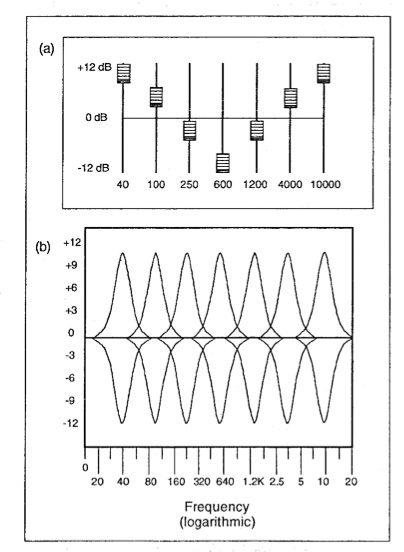
Audio equalization filters are like the control knobs on a sound system, allowing you to fine-tune and shape the audio output to your liking. Imagine them as the equalizer settings on your music player or car stereo. These filters work by adjusting the intensity of different frequency ranges within an audio signal. It’s akin to adjusting the bass, midrange, and treble levels on your home stereo system to achieve the perfect sound balance.
For instance, if you’re listening to music and the bass is overwhelming, you can use equalization filters to reduce the bass frequencies and create a more balanced and enjoyable listening experience. Conversely, if you want to emphasize the vocals in a podcast, you can boost the midrange frequencies to make the voice clearer.
Audio equalization filters are essential tools in the world of sound engineering and music production. They allow professionals to shape and enhance audio quality in recordings, live performances, and various audio applications.
Importance of Audio Equalization
As a seasoned audio engineer, I can attest to the critical role that audio equalization plays in creating high-quality audio content. It’s like being a chef who uses different seasonings to bring out the flavors in a dish. Properly applied equalization enhances the sonic characteristics of audio, making it sound cleaner, more balanced, and more appealing to the ears.
Consider a live concert scenario where you have a mix of instruments and vocals. Without proper equalization, the sound may become muddied and unclear. By using equalization filters, you can isolate and emphasize specific frequencies, making the guitar sound crisp, the vocals shine, and the drums punchy.
Audio equalization is not limited to music alone; it extends to podcasts, films, gaming, and even phone calls. Imagine watching a movie where the dialogue is drowned out by background noise. Skilled audio engineers use equalization to reduce unwanted noise and ensure that the dialogue is clear and intelligible.
Types of Audio Equalization Filters
Audio equalization filters come in various types, each designed for specific purposes. Think of them as different brushes for an artist, each suited for a particular style of painting. Here are some common types of equalization filters:
Graphic Equalizers: These are like multi-colored paint palettes, allowing you to adjust a set of fixed frequency bands. They are user-friendly and often found on consumer audio devices.
Parametric Equalizers: Parametric equalizers are like precision tools for audio professionals. They allow you to adjust not only the frequency bands but also the bandwidth (Q) and gain with great precision.
Shelving Equalizers: Imagine these as specialized brushes for broad strokes. Shelving equalizers are used to boost or cut all frequencies above or below a certain point, useful for adjusting bass or treble.
Notch Filters: These are like erasers for unwanted sounds. Notch filters target and eliminate specific frequencies, ideal for removing unwanted hums, buzzes, or feedback.
High-Pass and Low-Pass Filters: High-pass filters allow high frequencies to pass while attenuating low frequencies, while low-pass filters do the opposite. They are like sieves that filter out unwanted elements in audio.
Understanding when and how to use these different types of equalization filters is crucial for achieving the desired audio quality in various scenarios, from music production to live sound reinforcement.
Common Questions About Audio Equalization Filters
When it comes to audio equalization filters, many questions arise, much like curious minds seeking answers. Let’s address some common queries:
1. What’s the best equalization setting for music?
Equalization settings depend on personal preferences and the audio source. There’s no one-size-fits-all answer. Experiment and adjust to suit your taste.
2. Can equalization fix poor-quality recordings?
While equalization can improve audio quality to some extent, it can’t completely salvage a poorly recorded source. Quality in, quality out still applies.
3. Are expensive equalizer plugins better than free ones?
Not necessarily. The effectiveness of an equalizer depends on its features and your skill in using it. Free plugins can be excellent if used correctly.
Mastering Audio Equalization Techniques
Mastering audio equalization is like becoming a skilled painter, capable of creating stunning visuals on a canvas. To excel in this art, you need to practice, experiment, and learn from experience. Start with simple adjustments and gradually delve into more complex equalization techniques.
Consider the analogy of a chef crafting a signature dish. Just as a chef refines their recipe through trial and error, audio engineers refine their equalization techniques by actively listening, experimenting with different filters, and paying attention to detail.
Remember that context matters. Equalization for a rock concert differs from equalization for a classical orchestra recording. It’s crucial to understand the specific requirements of each audio project and tailor your equalization accordingly.
Advanced Applications of Equalization Filters
Advanced applications of equalization filters are like pushing the boundaries of artistic expression. As you become more proficient, you can use equalization creatively. Imagine being a sculptor who can carve intricate details into their work.
For instance, you can use equalization to create unique sound effects in films, simulate vintage audio characteristics, or shape the sonic identity of a musical genre. It’s akin to an artist using various brush strokes and techniques to evoke different emotions in their paintings.
Additionally, advanced equalization techniques involve dynamic equalization, where the filter settings change in real-time based on the audio input. This dynamic approach is like choreographing a dance, where the moves adapt to the music’s rhythm and intensity.
In conclusion, audio equalization filters are powerful tools in the hands of skilled audio professionals. They enable us to shape sound, enhance quality, and create captivating auditory experiences across a wide range of media and applications. Much like artists refining their craft, mastering the art of audio equalization takes time and dedication, but the results are music to the ears.