
Exploring the World of Sound Synthesis
Sound synthesis is a fascinating field that touches upon the very essence of the sounds we hear every day. Whether you’re a musician looking to create unique sonic landscapes or simply curious about the technology behind the music you love, sound synthesis plays a pivotal role in shaping our auditory experiences. In this article, we’ll delve into the world of sound synthesis, unraveling its intricacies, answering common questions, and shedding light on its various applications.
Understanding Sound Synthesis
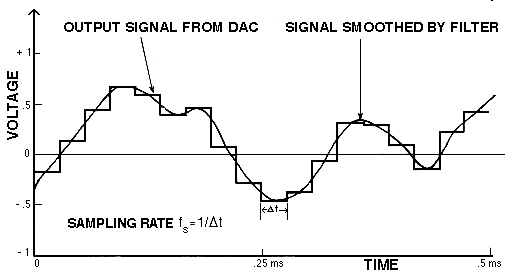
Sound synthesis is the process of generating sound electronically or digitally, often from scratch, to create new and diverse sounds. It is the foundation of modern music production, sound design, and audio engineering. At its core, sound synthesis involves manipulating sound waves through various techniques and tools to produce a wide range of sounds. This can include recreating natural sounds like instruments or generating entirely new, abstract sounds.
The Science Behind Sound Synthesis
To understand sound synthesis, one must grasp the basics of waveforms. Sound is essentially a series of compressions and rarefactions in the air, which our ears perceive as vibrations. Sound synthesis involves manipulating these vibrations. The most common waveforms used in sound synthesis include:
Sine Wave: A smooth, pure waveform, often used for creating clear and mellow tones.
Square Wave: Known for its rich harmonic content, square waves are commonly used for creating bold, edgy sounds.
Sawtooth Wave: This waveform has a bright and buzzy quality, making it popular for creating brass and string instrument sounds.
Triangle Wave: It produces a mellower tone compared to the square and sawtooth waves and is used in various synth patches.
The Role of Sound Synthesis in Music
Sound synthesis has revolutionized the music industry, offering musicians and producers an incredible palette of sounds to work with. From analog synthesizers like the Moog Minimoog to digital software synthesizers like Native Instruments’ Massive, there’s a wide array of tools available to shape and create soundscapes. For example, a simple synthesizer can mimic the warm tones of a vintage organ, while complex modular setups allow for experimental sonic exploration.
Exploring Common Questions about Sound Synthesis
1. What is the Difference Between Analog and Digital Sound Synthesis?
Analog sound synthesis uses electrical voltage to manipulate sound waves, often resulting in warm and organic textures. In contrast, digital sound synthesis operates with binary data and algorithms, offering greater precision and versatility. Analog synthesizers like the ARP 2600 provide a hands-on, tactile experience, while digital synthesizers like the Yamaha DX7 offer a wide range of sonic possibilities through programming.
2. Can Sound Synthesis Replicate Real Instruments Accurately?
Yes, sound synthesis can replicate real instruments with remarkable accuracy. Advanced sample-based synthesizers use recordings of actual instruments to recreate their sounds faithfully. Additionally, physical modeling synthesis techniques simulate the physics of real instruments, allowing for convincing replications. For instance, a digital piano can emulate the nuances of a grand piano, including the sound of hammer striking strings.
3. How Does FM Synthesis Work?
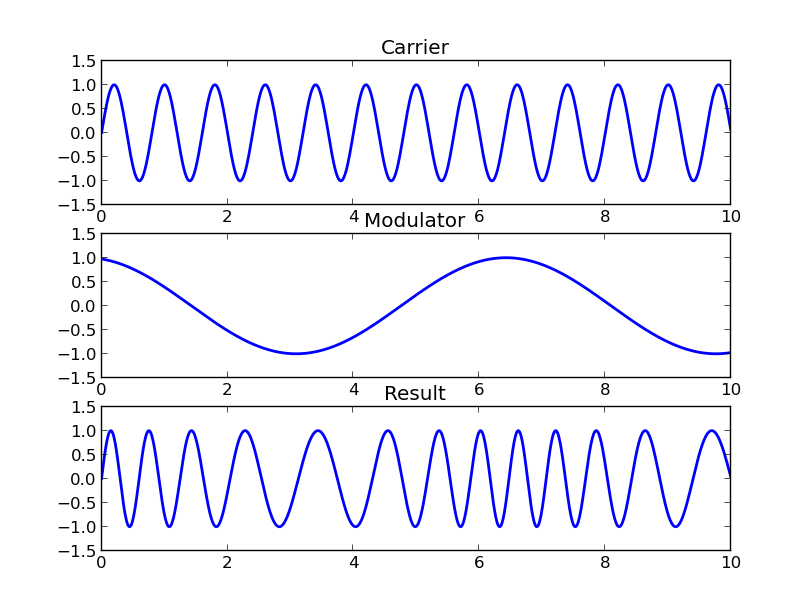
Frequency Modulation (FM) synthesis is a powerful technique where one waveform modulates the frequency of another. In FM synthesis, operators create complex, evolving timbres. For instance, the Yamaha DX7, an iconic FM synthesizer, can produce a wide range of sounds, from bell-like tones to lush pads, all by modulating frequencies with precision.
1. Sound Design Techniques
Sound design is a creative aspect of sound synthesis that involves shaping sounds for various media, such as films, video games, and animations. Techniques like layering, filtering, and modulation are crucial in creating unique and impactful audio elements.
2. Synthesizer Programming Tips
Programming synthesizers efficiently is essential for achieving desired sounds. Learning to tweak parameters like oscillators, filters, and envelopes can help you craft your sonic signature. For example, increasing the resonance on a low-pass filter can give a sound a sharp, resonant quality.
3. Sound Synthesis in Electronic Music
Electronic music heavily relies on sound synthesis to create innovative beats and melodies. Genres like techno, dubstep, and trance often incorporate synthesized sounds to craft their signature electronic soundscapes. For instance, a classic Roland TB-303 synthesizer is synonymous with the basslines in acid house music.
Last Words
Sound synthesis is a captivating journey into the realm of sound manipulation, offering endless possibilities for musicians, sound designers, and audio enthusiasts. Whether you’re exploring the analog warmth of vintage synthesizers or diving into the digital realm of software synthesis, the ability to craft unique and evocative sounds is at your fingertips. As technology advances, sound synthesis continues to evolve, pushing the boundaries of creativity and auditory exploration. Embrace this sonic adventure, and let your imagination run wild in the world of sound synthesis.

