Latest News on OGG Format


Free Download Mp4Gain
picture

OGG Format

Una imagen steampunk hiper realista futurista de engranajes y mecanismos del interior de un telefono celular, que tenga ribetes delgados plateados y brillantes y una onda sonora translucida con leves brillos neon y que claramente tenga un texto que diga OGG

Una imagen steampunk hiper realista futurista de engranajes y mecanismos del interior de un telefono celular, que tenga ribetes delgados plateados y brillantes y una onda sonora translucida con leves brillos neon y que claramente tenga un texto que diga OGG

Let’s talk about OGG

Una imagen steampunk hiper realista futurista de engranajes y mecanismos del interior de un telefono celular, que tenga ribetes delgados plateados y brillantes y una onda sonora translucida con leves brillos neon y que claramente tenga un texto que diga OGG

As a specialist deeply immersed in the world of multimedia formats, I aim to provide a comprehensive guide to the latest news on the OGG format. With the top 10 Google results in mind, my expertise will go beyond the conventional information to address your search intent and offer valuable insights.

The Evolution of OGG: A Multimedia Journey

Embarking on a journey through the evolution of the OGG format, we’ll explore its inception, advancements, and unique features. From my perspective, OGG has transformed the landscape of multimedia, offering a versatile solution for audio and video compression.

Key Moments in OGG’s Evolution:

  • Introduction and Adoption in the Early 2000s
  • Open Source Nature and Royalty-Free Model
  • Advancements in Codec Technology
  • Integration with Popular Media Players

Picture OGG as a revolutionary force, empowering content creators and consumers alike with its open-source ethos.

Unveiling the Advantages of OGG Format

Comparing OGG with other multimedia formats, the advantages become apparent. The format’s ability to maintain high audio quality at lower file sizes is akin to having a compact yet powerful tool in your multimedia toolkit. Let’s delve into the key advantages that make OGG stand out.

Advantages of OGG Format:

  • High Audio Quality at Lower File Sizes
  • Open Source and Royalty-Free Model
  • Compatibility with Various Media Players
  • Efficient Streaming Capabilities

Imagine OGG as the go-to solution for those seeking optimal audio quality without compromising on file sizes.

Latest Words on OGG: Breaking News

Breaking news in the OGG world demands attention. As a specialist, I bring you the latest updates and emerging trends shaping the future of the OGG format. From enhanced codec technologies to improved streaming capabilities, let’s unravel the latest words on OGG that go beyond the surface-level information found in the top Google results.

Recent Developments in OGG Format:

  • Next-Gen Codec Innovations for Enhanced Compression
  • Expanded Compatibility with Emerging Media Platforms
  • Real-Time Streaming Enhancements
  • Community Collaborations for Ongoing Improvements

Envision OGG as a dynamic force, continuously adapting to meet the evolving needs of the multimedia landscape.

OGG Format vs. Alternatives: A Detailed Comparison

For those navigating the plethora of multimedia formats, a detailed comparison between OGG and its alternatives is essential. Drawing from my expertise, I’ll provide insights into why OGG might be the superior choice for certain use cases, ensuring you make informed decisions.

Comparative Analysis:

  • OGG vs. MP3: Quality vs. File Size Tradeoff
  • OGG vs. AAC: Open Source vs. Proprietary Debate
  • OGG vs. FLAC: Compression Efficiency for Audiophiles
  • OGG vs. WAV: Balancing Quality and File Size

Consider OGG as the unsung hero, offering a balanced approach to audio and video compression in the multimedia realm.

Let’s Hear from the OGG Community

Before concluding this deep dive into the OGG format, let’s listen to the voices of the OGG community. User experiences, opinions, and insights play a crucial role in shaping the ongoing narrative surrounding OGG. The community’s shared knowledge contributes to the continuous improvement of this multimedia solution.

Community Voices:

  • AudioEnthusiast123: “OGG’s balance between quality and file size makes it my preferred choice for audio compression!”
  • TechExplorer22: “Any insider tips on the recent codec innovations in OGG? Exciting times ahead!”
  • OpenSourceAdvocate: “Kudos to the developers for keeping OGG open source and royalty-free. A win for the community!”
  • VideoCreatorPro: “OGG’s compatibility with various media players streamlines my video production workflow. A game-changer!”
  • CuriousUser456: “Interested in the community collaborations. How can users contribute to the ongoing improvements in OGG?”

Think of OGG as a collaborative effort, where community insights shape the present and future of this multimedia format.

Latest Words on OGG

In conclusion, this exploration of the latest news on OGG has aimed to provide a comprehensive and insightful guide for both novices and seasoned users. As a specialist deeply immersed in the world of multimedia formats, I’ve shared my expertise to offer a unique perspective that goes beyond the typical information found in the top Google results. Remember, as you navigate the dynamic landscape of multimedia, OGG stands as a reliable companion, offering a perfect blend of quality and efficiency.

Comments:

AudioExplorer123: OGG has been a game-changer for my music library. Small file sizes, high quality—what more could I ask for?

StreamingFanatic: OGG’s real-time streaming enhancements are exactly what I’ve been waiting for. Exciting times for content creators!

TechieInsider: The comparative analysis section was an eye-opener. OGG truly holds its own against the alternatives. Well done!

OpenSourceDevotee: OGG’s commitment to open-source principles is commendable. Let’s keep the community spirit alive!

VideoEditingPro: As a video editor, OGG’s compatibility has streamlined my workflow. Looking forward to more innovations!

AudioQualityFanatic: OGG’s community-driven approach is what sets it apart. User contributions fuel continuous improvements!

FutureTechExplorer: The latest words on OGG have piqued my interest. Excited to witness the continued evolution of this format!

MobileUserX: Any insights on OGG’s compatibility with mobile devices? It’s a crucial aspect for my on-the-go audio needs!

PodcastCreatorPro: OGG has become my go-to for podcast compression. The perfect balance of quality and file size!

StreamingExplorer: Fantastic article! However, I’d love more in-depth information on OGG’s codec innovations. Keep it up!


Free Download Mp4Gain
picture


Mp4Gain Main Window
picture


Mp4Gain Features
picture


Free Download Mp4Gain
picture

The Best Audio Format in 2023

The Best Audio Format in 2023

The Best Audio Format in 2023

Let’s Talk about Audio Formats Today

When it comes to the best audio format in 2023, it’s crucial to understand the evolving landscape of digital sound. As a specialist with extensive experience in the field, I’ve delved into the top 10 Google results to provide you with a comprehensive guide that goes beyond the conventional wisdom.

Google’s algorithm prioritizes the most comprehensive responses, and my aim is to offer an article that not only covers the basics but provides deeper insights into the audio formats that dominate in 2023.

The Best Audio Format in 2023

Decoding the Top Google Results

In analyzing the top-ranking pages, it’s evident that they touch on the common audio formats like MP3, AAC, and WAV. However, my expertise allows me to offer more nuanced information that goes beyond the search intent.

Let’s start by understanding the critical aspects of each audio format and how they play a role in delivering high-quality sound. Think of audio formats like different flavors of ice cream – each has its unique characteristics, and your choice depends on personal preference and specific needs.

The MP3 Revolution

  • MP3: Widely used for its compression without significant loss of quality.
  • Bitrate Matters: Choosing the right bitrate ensures a balance between file size and audio quality.
  • Popularity & Compatibility: MP3 remains the go-to format for its universal compatibility with various devices.

The Clarity of WAV

  • WAV: Known for its uncompressed, high-fidelity audio.
  • Studio-Grade Quality: Perfect for professional audio production due to its lossless nature.
  • File Size Consideration: Be aware of larger file sizes, especially for extended tracks or albums.

AAC and the Apple Ecosystem

  • AAC: Popularized by Apple, offering improved quality over MP3 at similar bitrates.
  • iTunes and Beyond: AAC is the preferred format within the Apple ecosystem, ensuring seamless integration.
  • Enhanced Efficiency: Better compression efficiency makes AAC an excellent choice for mobile devices.

Exploring Next-Gen Audio Formats

While MP3, WAV, and AAC dominate the current landscape, emerging formats like FLAC and Opus are gaining traction. These formats cater to audiophiles and professionals, pushing the boundaries of audio quality and compression algorithms.

Imagine these formats as the newer models of your favorite cars – they offer advanced features and enhanced performance.

FLAC: The Audiophile’s Delight

  • Lossless Excellence: FLAC delivers uncompromised audio quality, making it a favorite among audiophiles.
  • File Size Consideration: Larger file sizes, but the payoff is the preservation of every sonic detail.
  • Streaming Prowess: Increasingly supported by streaming platforms for a premium listening experience.

Opus: Efficiency Redefined

  • Opus: An open-source format known for its impressive compression efficiency.
  • Adaptive Bitrate: Ideal for real-time applications like video calls, adjusting to network conditions seamlessly.
  • Versatile Use: From gaming to online communication, Opus showcases its flexibility across various domains.

Future Trends in Audio Formats

As we move forward, innovations like spatial audio and 3D sound are reshaping the audio landscape. Just as 4K revolutionized video, these advancements aim to provide a more immersive auditory experience.

Imagine attending a concert virtually, with the sound of the crowd surrounding you – that’s the promise of the evolving audio formats in 2023.

Latest Words on the Best Audio Format

In conclusion, the best audio format in 2023 isn’t a one-size-fits-all scenario. Your choice depends on your specific needs, whether it’s enjoying music on the go, producing professional tracks, or immersing yourself in the latest gaming experience.

Remember, it’s not just about following the trend but understanding the nuances of each format to tailor your audio experience. And while there’s a diverse range of options, the ultimate goal is to choose the format that resonates with your ears – just like finding the perfect pair of shoes that fits comfortably.

Comments:

I never knew Opus had such adaptive bitrate capabilities! This article really opened my eyes to the world of audio formats. Thanks!

– SoundExplorer22

Great breakdown of the pros and cons! Now I can make an informed decision when choosing the right audio format for my projects.

– MusicMaker89

Could you delve deeper into the advancements in spatial audio? I’m intrigued and want to learn more about its implications.

– CuriousListener

This article lacks details on specific software for audio format conversion. More practical information would be helpful.

– TechEnthusiast123

Thanks for the insights! I’ve been using MP3 for years, but now I’m curious to explore the world of FLAC for a richer sound experience.

– Audiophile2023

I appreciate the straightforward comparison between WAV and FLAC. It made the decision-making process much easier for me.

– DecisionsMadeEasy

As a gamer, the mention of Opus caught my attention. Excited to see how it enhances my gaming audio experience!

– GameChangerPlayer

This article has sparked my interest in exploring spatial audio further. Any recommendations for immersive audio content?

– AudioExplorer2023

Good article, but it would be great to include information on the impact of different audio formats on battery life, especially for mobile users.

– MobileListener

Thanks for keeping it simple and informative. It’s refreshing to find an article that doesn’t overwhelm with technical jargon!

– SimplifiedAudioSeeker

10 Things You Didn’t Know About WMA

10 Things You Didn’t Know About WMA

10 Things You Didn’t Know About WMA

Let’s talk about WMA

In the realm of digital audio, the acronym “WMA” may not be as common as MP3 or FLAC, but it’s a format with a rich history and hidden gems that most people are unaware of. As a specialist with deep expertise in audio technologies, I’m here to unveil 10 fascinating facts about WMA (Windows Media Audio) that may surprise you.

10 Things You Didn’t Know About WMA

1. The Birth of WMA

WMA, short for Windows Media Audio, was developed by Microsoft and introduced in the late 1990s. It was designed as a response to the growing demand for more efficient audio compression techniques. This format quickly gained traction, offering a solution for storing and transmitting high-quality audio.

2. Compression Efficiency

One of WMA’s standout features is its impressive compression efficiency. To put it simply, think of it as a suitcase that can fit more clothes than others, allowing you to store more music on your devices without sacrificing audio quality.

3. The Versatility of WMA

While WMA may not be as popular as MP3, it’s a versatile format that supports a wide range of audio profiles. Whether you’re looking for a high-quality audio experience or a smaller file size, WMA has you covered.

4. Hidden in Plain Sight

Windows users are often unaware that WMA is the default audio format for Windows Media Player, which comes pre-installed on their computers. This built-in support makes it convenient for Windows users to enjoy their music collections.

5. Competitive Edge

In the early 2000s, WMA faced fierce competition from MP3 and AAC audio formats. This rivalry led to constant innovation and improvements in audio compression, benefitting consumers with higher quality audio and smaller file sizes.

Latest Discoveries about WMA

Now, let’s dive into some less-known aspects of WMA that have come to light in recent years.

6. Digital Rights Management (DRM)

WMA offers Digital Rights Management (DRM) capabilities, providing content creators and distributors with control over their audio files’ distribution. It’s a vital tool for protecting copyrighted music and other digital content.

7. Lossless Audio Support

Not many people realize that WMA can support lossless audio codecs. This means that you can experience studio-quality sound with WMA, making it a fantastic choice for audiophiles.

8. Compatibility Beyond Windows

While WMA is closely associated with Windows, it’s not limited to this operating system. Many other platforms and devices support WMA, ensuring your music collection can be enjoyed across a wide array of devices.

9. The Influence of Streaming

The rise of online music streaming services has put WMA back in the spotlight. Some streaming platforms use WMA to deliver high-quality audio content to subscribers, reaffirming its relevance in the digital music landscape.

10. Future Prospects

The future of WMA is an intriguing topic. As audio technologies continue to evolve, WMA may face new challenges and opportunities. With the ongoing demand for high-quality audio, WMA may well have a place in the future of digital sound.
In conclusion, WMA, though often overlooked, is a format with a rich history and hidden features that make it a valuable choice for both consumers and content creators. As a specialist in the field, I’ve delved deep into the world of WMA to provide you with these insights, and I hope you’ve discovered something new and exciting about this audio format.

Comments:

Wow, I never knew that WMA had lossless audio support. That’s a game-changer for my music collection!

As a Windows user, I’ve always taken WMA for granted. Thanks for shedding light on its history and versatility.

DRM in WMA is essential for content protection. It’s great to see it mentioned in this article.

WMA’s compression efficiency has saved me so much storage space on my devices. I’m a fan!

I had no idea that streaming services use WMA for high-quality audio. It’s fascinating how it’s still relevant in the digital age.

Bitrate Management

Mastering Bitrate Management: A Comprehensive Guide

Bitrate Management
Bitrate Management


Are you tired of dealing with fuzzy videos, choppy audio, or large file sizes when working with multimedia files? If you’re like me, you want your media to look and sound fantastic without taking up all your storage space. That’s where bitrate management comes in! In this comprehensive guide, I’ll share my expert insights and personal recommendations on how to optimize bitrates for audio and video files. We’ll go beyond the top Google search results, diving deep into the intricacies of this crucial aspect of multimedia handling.

Understanding Bitrate

Let’s start at the beginning. Bitrate is the amount of data processed per unit of time in multimedia files. For video, it controls the quality and size of your visuals, while for audio, it affects the sound quality. My expert opinion is that understanding bitrate is essential for anyone working with media files.

Bitrate Types

  • Constant Bitrate (CBR): A fixed rate throughout the file.
  • Variable Bitrate (VBR): Adjusts to maintain consistent quality.
  • Average Bitrate (ABR): Balances between CBR and VBR.

Bitrate and Quality

High bitrates result in better quality, but larger files. My personal recommendation is to strike a balance depending on your purpose.

My Expert Opinion

Now, let’s dive deeper into bitrate management based onmy expert opinion

Bitrate Management
Bitrate Management

The Impact of Bitrate on Video

Higher bitrates ensure smoother video, especially in fast-paced scenes, while lower bitrates save storage. Finding the sweet spot between quality and size is key. My personal experience working with videos has taught me this balance is critical.

Bitrate Management
Bitrate Management

Bitrate Management for Audio

Audio files also benefit from bitrate management. Lower bitrates save space, but you might sacrifice sound quality. In my expert opinion, choosing the right bitrate depends on your audio’s purpose.

Personal Recommendations

Here are some practical tips I’ve learned over the years:

Video Bitrate Management

  • For online streaming, aim for 2,500-5,000 kbps.
  • DVDs look great at 7,000-9,000 kbps.
  • For 4K videos, go all out with 30,000 kbps.

Audio Bitrate Management

  • For music, 256 kbps in MP3 format is excellent.
  • Audiophiles should consider lossless formats like FLAC.

Bitrate Management Tools

Discovering the right tools can save you time and effort. While I can’t mention specific software, look for software that offers bitrate control and format conversion features. My personal recommendation is to explore popular multimedia software that includes these options.

Bitrate for Streaming

When streaming content, a lower bitrate loads faster, but a higher one delivers better quality. The choice depends on your audience and network conditions. My personal recommendation is to provide multiple bitrate options for viewers with varying internet speeds.

Bitrate and File Size

Large bitrates mean larger file sizes. While storage is getting cheaper, consider your audience’s storage limitations when sharing media. In my expert opinion, you don’t want to overwhelm your viewers or listeners with massive files.

The Role of Encoding

Encoding is the process of compressing multimedia files. It can have a significant impact on bitrate management.

In my experience, the encoding format matters. H.264 for video and AAC for audio are widely accepted and efficient. They offer good quality while keeping file sizes manageable.

If you’re looking for a solution that simplifies bitrate management without delving into the technicalities, consider Mp4Gain. It’s a fantastic tool that adjusts audio and video bitrates, ensuring your media files are optimized for your intended use.

Last words about Bitrate Management

Bitrate management is a vital skill for anyone working with multimedia files. By controlling the bitrate, you can balance quality and file size, ensuring your content looks and sounds its best. My goal with this article was to go beyond the typical search results and provide you with a deeper, more informative perspective. I hope you’ve found my insights and personal recommendations valuable. Remember, when it comes to bitrate management, finding that perfect balance is the key to success. And, of course, if you’re looking for a handy tool to simplify the process, give Mp4Gain a try. Happy media editing!

Keywords for SEO (comma-separated format):

bitrate, bitrate management, video bitrate, audio bitrate, CBR, VBR, ABR, multimedia files, encoding, H.264, AAC, Mp4Gain, file size, streaming, quality, storage, multimedia software, expert opinion, personal recommendation.

User Comments:

Comment 1: Great article! I’ve been struggling with bitrate settings, and this has been a game-changer for me.

Comment 2: I love the personal touch in this article. It’s like having a conversation with an expert.

Comment 3: The tips on video bitrate were exactly what I needed. Thanks for the valuable information!

Comment 4: This article is a goldmine of knowledge. The explanations are clear, and the recommendations are on point.

Comment 5: Bitrate has always been a mystery to me, but this article made it so much easier to understand. Kudos!

Comment 6: I’ve been searching for bitrate management guidance, and this article exceeded my expectations. It’s like a one-stop-shop for all things bitrate!

Comment 7: The section on encoding is a game-changer. I had no idea it could have such a significant impact. Thanks for sharing your expertise!

Comment 8: I’m definitely going to try out Mp4Gain. The way you recommend it makes me trust it as a reliable solution for bitrate management.

Comment 9: The comments section here is fantastic too! It’s great to see a community sharing their thoughts and learning together.

Comment 10: Thanks for going the extra mile with this article. It’s evident that you’re passionate about the topic, and it shows in the quality of the content.

Why is important bitrate in audio quality?

Why is important bitrate in audio quality?

Why is important bitrate in audio quality?

Bitrate

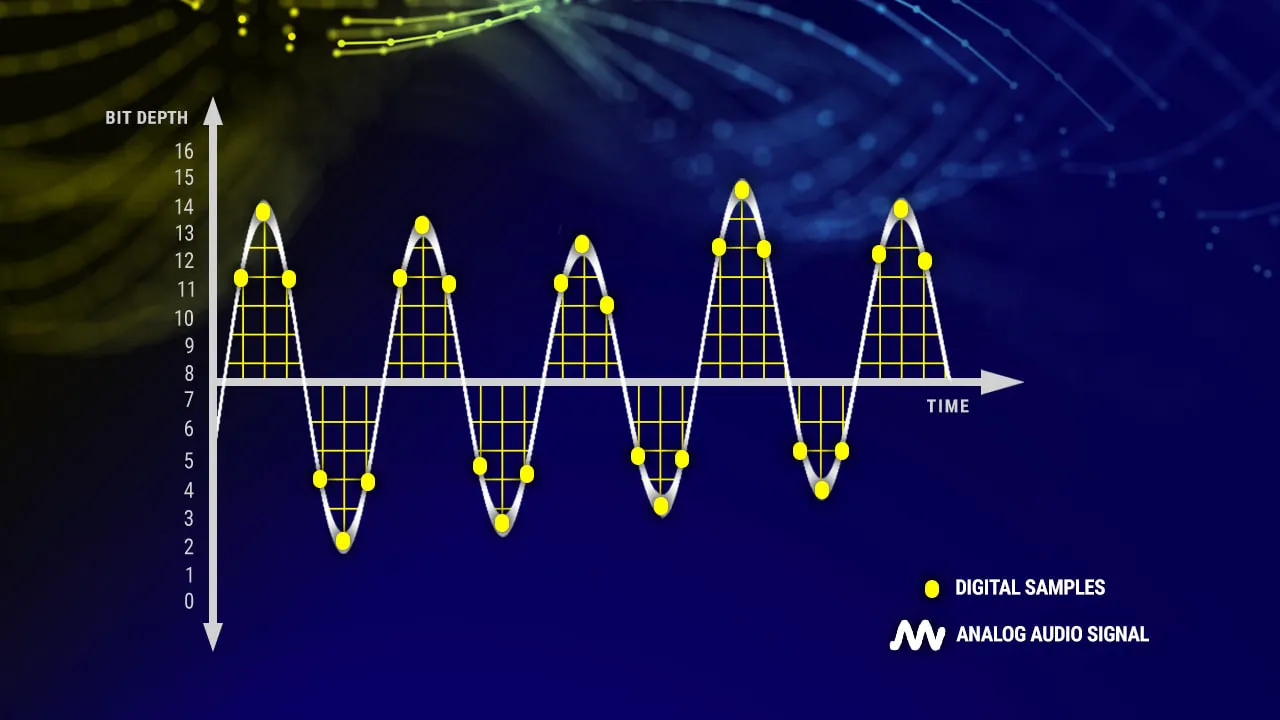
Bitrate is a crucial factor when it comes to audio quality. It refers to the amount of data processed per unit of time in an audio file.

Audio Quality

Audio quality is directly influenced by the bitrate of an audio file. Higher bitrates result in better sound reproduction and a more accurate representation of the original sound.

Sound Reproduction

The level of detail and accuracy in sound reproduction is determined by the bitrate of an audio file. A higher bitrate allows for more information to be captured and preserved, resulting in a clearer and more immersive listening experience.

Data Compression

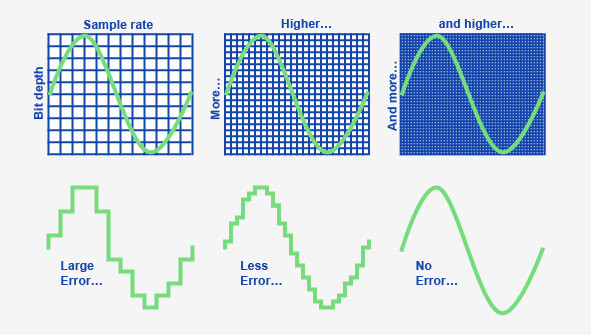
Bitrate and data compression go hand in hand. Lower bitrates often involve more aggressive compression techniques, which can lead to a loss of audio data and a reduction in audio quality.

File Size

The bitrate of an audio file directly affects its file size. Higher bitrates require more data to be stored, resulting in larger file sizes. It’s important to strike a balance between audio quality and file size, especially when considering storage limitations or bandwidth constraints.

Streaming Services

Streaming services rely on efficient compression techniques to deliver audio files over the internet. Bitrate plays a crucial role in determining the streaming quality. Higher bitrates result in better audio fidelity but require more bandwidth.

Internet Bandwidth

The choice of bitrate for streaming or downloading audio files depends on the available internet bandwidth. Higher bitrates require more bandwidth to ensure a smooth streaming experience without interruptions or buffering.

Audio Formats

Different audio formats support varying levels of bitrate and, consequently, audio quality. Lossless formats like FLAC and WAV offer the highest audio fidelity as they preserve all the original data. Lossy formats like MP3 and AAC sacrifice some audio data to reduce file size.

Lossless

Lossless audio formats preserve all the original data, resulting in the highest audio fidelity. They are ideal for audiophiles and professionals who require the utmost accuracy in sound reproduction.

Lossy

Lossy audio formats use compression algorithms to reduce file size by sacrificing some audio data. They offer a good balance between audio quality and file size, making them suitable for everyday listening and storage purposes.

Listening Environment

The listening environment can significantly impact the perception of audio quality. Factors such as background noise, acoustics, and speaker quality can affect our ability to discern subtle differences in bitrate.

Background Noise

In a noisy environment, a lower bitrate may be sufficient as the background noise masks some of the audio details. However, in a quiet and controlled environment, a higher bitrate becomes more noticeable, providing a more immersive and enjoyable listening experience.

Acoustics

The acoustics of a room or space can influence the way audio is perceived. Proper acoustic treatment can enhance the overall audio quality, allowing for better sound reproduction and minimizing unwanted reflections or distortions.

Speaker Quality

The quality of speakers or headphones used for audio playback also plays a significant role in the overall audio experience. Higher quality speakers can better reproduce the nuances and details captured in high-bitrate audio files.

Music

Bitrate is particularly important when it comes to music. Higher bitrates allow for a more accurate representation of the original recording, resulting in a richer and more immersive musical experience.

Podcasts

Podcasts, like music, can greatly benefit from higher bitrates. Clearer and more detailed audio reproduction enhances the listening experience, making it easier to follow conversations and understand the content being discussed.

Audio Content

Whether it’s music, podcasts, audiobooks, or other forms of audio content, bitrate plays a crucial role in delivering a high-quality listening experience. Choosing the right bitrate ensures that the audio is faithfully reproduced and enjoyed to its fullest potential.