Quantization in MP3


Free Download Mp4Gain
picture

Quantization in MP3: Balancing Compression and Quality

Quantization in MP3
Quantization in MP3
Quantization in MP3
Quantization in MP3

Let’s Talk About MP3 Quantization

Quantization in MP3
Quantization in MP3

Having spent years immersed in the realm of audio encoding, I’m here to shed light on the intricate dance between compression and quality in MP3 quantization. Google’s top results merely scratch the surface, so let’s dive deep into the world of digital audio encoding and unravel the nuances of MP3 quantization, blending my expertise with relatable real-life examples.

The Essence of MP3 Quantization

MP3 quantization, a vital aspect of audio compression, resembles a delicate balancing act. Imagine it as a chef crafting a recipe; too much compression, and you lose the flavor (quality), too little, and the dish (file size) becomes overwhelming. In this section, we’ll explore the core principles of MP3 quantization, demystifying the magic behind achieving optimal audio quality while keeping file sizes in check.

  • Bits and Bytes: Understanding the Basics
  • Quantization Levels: Fine-Tuning Audio Precision
  • Trade-offs: Balancing Quality and File Size

Bits and Bytes: Understanding the Basics

At the heart of MP3 quantization lies the concept of bits and bytes. Think of them as the canvas for a painting. The more bits we have, the finer the details and richer the colors. This foundational understanding is crucial as we navigate the landscape of audio compression and strive for a harmonious blend of quality and efficiency.

Quantization Levels: Fine-Tuning Audio Precision

Quantization levels are akin to a painter’s palette, each level representing a shade of sound. As an expert, I’ll guide you through the art of selecting the right quantization levels, ensuring that the nuances of the audio are preserved. This nuanced approach sets the stage for a symphony of digital audio that captivates the listener.

Trade-offs: Balancing Quality and File Size

In the realm of MP3 quantization, there’s a perpetual trade-off between quality and file size. It’s akin to walking a tightrope, finding the sweet spot where audio fidelity remains high, yet the file remains manageable. I’ll share insights into striking this delicate balance, drawing parallels with everyday scenarios to make it relatable and easy to grasp.

Latest Words on MP3 Quantization

As we navigate the complexities of MP3 quantization, I’ll provide fresh perspectives that go beyond the standard discourse. For instance, the impact of psychoacoustics on quantization decisions is often overlooked. Understanding how our brains perceive sound allows us to tailor the quantization process to optimize for perceived quality, offering a unique angle that distinguishes this article.

Going Beyond the Basics

While many articles skim the surface, I’ll take you on a journey into advanced territories. Exploring topics like variable bit rate (VBR) encoding and the role of advanced psychoacoustic models, we’ll unveil the sophisticated mechanisms that contribute to superior audio quality in MP3 files. This knowledge empowers you to make informed decisions in your digital audio endeavors.

Quantization Myths Unveiled

Let’s debunk common misconceptions surrounding MP3 quantization. For example, the notion that higher bit rates always equate to better quality is not absolute. I’ll demystify these myths, providing clarity and guiding you towards a nuanced understanding of the factors influencing audio quality in MP3 encoding.

Optimizing MP3 Files for Different Platforms

Not all platforms are created equal, and neither should your MP3 files be. I’ll share strategies for optimizing MP3s tailored to specific platforms. Whether you’re creating content for streaming services, podcasts, or mobile applications, understanding platform-specific nuances in quantization and compression will set you on the path to audio excellence.

Let’s Talk Real-Life Applications

Bringing it all together, I’ll delve into real-life applications of MP3 quantization. From enhancing your music library to optimizing podcast episodes for diverse audiences, I’ll share personal experiences and practical tips. Imagine fine-tuning your audio files like a skilled craftsman, ensuring they shine across various playback scenarios.

Comments:

This article opened my eyes to the intricacies of MP3 compression. More articles like this, please!

– AudioExplorer

Great breakdown! However, I’d love a deeper dive into VBR encoding techniques.

– TechAudioGeek

Finally, someone addressing the myths! Clear, concise, and enlightening.

– MythBusterListener

Can you share your thoughts on MP3 quantization for podcasters? Looking for practical advice.

– PodcasterPro

As a musician, I appreciate the analogies! Helped me grasp the technicalities effortlessly.

– MusicalSoul

This article left me craving more insights into optimizing MP3s for streaming platforms.

– StreamMaster

Thanks for the myths clarification! I’ve been misguided for so long.

– TruthSeeker

Could you explore the environmental impact of different quantization strategies? Curious to know!

– EcoListener

Kudos for making a complex topic so accessible. Looking forward to more insights!

– ClarityEnthusiast

Great article, but I wish there was more focus on mobile app optimization for music.

– MobileMusicBuff

Personal anecdotes made it so relatable. Excited to apply these principles to my projects!

– ProjectCreator


Free Download Mp4Gain
picture


Mp4Gain Main Window
picture


Mp4Gain Features
picture


Free Download Mp4Gain
picture

Perceptual Coding in MP3

Perceptual Coding in MP3: A Deep Dive

Perceptual Coding in MP3

Let’s talk about MP3 Perceptual Coding

Perceptual Coding in MP3

When diving into the intricacies of MP3 Perceptual Coding, it’s crucial to understand its role in compressing audio data without compromising quality. As a specialist with years of experience in audio technology, I’ve witnessed the transformative power of this coding method in shaping the digital audio landscape.

Imagine MP3 as a language that eliminates redundant information from your favorite song, just like how we omit unnecessary words in casual conversations. This process enables efficient storage and transmission, enhancing the overall user experience.

Perceptual Coding in MP3

The Evolution of MP3 Compression

From the early days of digital audio to the present, the evolution of MP3 compression has been a fascinating journey. The top 10 Google results merely scratch the surface, so let me take you deeper into the roots of MP3 and its transformative impact on the music industry.

Think of MP3 as the breakthrough invention that made carrying thousands of songs in your pocket a reality. This compression method allowed for the creation of portable music players, revolutionizing how we consume music in our daily lives.

Key Milestones in MP3 Development

  • Introduction of MP3 Format
  • Advent of Portable MP3 Players
  • Impact on Digital Music Distribution

Unveiling the Science Behind MP3 Perceptual Coding

MP3 Perceptual Coding isn’t just a fancy term – it’s a complex science that involves psychoacoustic principles. Understanding how our ears perceive sound allows MP3 to eliminate elements we wouldn’t notice, providing a seamless listening experience.

Picture yourself at a live concert; your ears naturally focus on the melody, drowning out background noise. MP3 employs a similar strategy, discarding inaudible frequencies to compress audio files efficiently.

Psychoacoustics: The Art of Sound Perception

  • Masking Phenomenon in Human Hearing
  • Bitrate’s Impact on Perceived Audio Quality
  • Dynamic Range and Compression Techniques

Let’s Demystify Bitrate and Compression Ratios

Now, let’s delve into the technicalities of bitrate and compression ratios, demystifying the terms often overlooked in the top Google results. As a seasoned expert, I’ve encountered numerous misconceptions surrounding these aspects.

Imagine bitrate as the resolution of a photo – higher bitrate means more details. In the world of MP3, finding the sweet spot ensures optimal audio quality while keeping file sizes manageable.

The Bitrate Balancing Act

  • Choosing the Right Bitrate for Your Audio
  • Impact of Compression Ratios on File Size
  • Common Misconceptions Debunked

Breaking Barriers: Beyond Traditional MP3

While the top results touch upon MP3 basics, let me take you beyond the ordinary. Recent advancements in audio technology have birthed new formats and coding techniques, offering enhanced audio experiences.

Think of these innovations as the upgrade from standard definition to high definition – audio that captures every nuance, delivering a more immersive experience. Stay tuned as we explore the latest breakthroughs shaping the future of digital audio.

Next-Gen Audio Codecs and Their Impact

  • AAC vs. MP3: The Battle of Compression
  • Immersive Audio: Dolby Atmos and Beyond
  • What Lies Ahead: The Future of Audio Compression

Latest Words on MP3 Perceptual Coding

As we conclude our deep dive into MP3 Perceptual Coding, it’s evident that the top 10 Google results only scratch the surface of this expansive topic. My goal is to provide you with a comprehensive understanding, combining technical insights with real-life analogies for a richer learning experience.

Before you go, remember that mastering the art of MP3 Perceptual Coding is like tuning a musical instrument – precision matters. And while you explore the vast world of digital audio, don’t forget that Mp4Gain stands as a reliable solution to optimize your audio files effortlessly.

Comments:

Just stumbled upon this article and it’s a game-changer! Finally, someone explained MP3 coding without all the jargon. Kudos!

– MusicEnthusiast123

Great read, but I wish there was more on the future of audio compression. Excited to see what’s next!

– FutureListener

This article clarified so much for me. Now I understand why bitrate matters! Thank you!

– CuriousListener

Awesome breakdown of MP3 evolution! Could use a bit more on AAC, though. Just my two cents.

– AudioGeek

Really enjoyed the real-life analogies! Makes the technical stuff much easier to grasp.

– AnalogExplorer

Impressive article! Now I feel like a pro in understanding audio compression. Thanks!

– AudioProdigy

Could you do a follow-up on the impact of different codecs on streaming platforms? Intrigued!

– StreamDreamer

This article made me appreciate the science behind audio compression. Well done!

– ScienceListener

More details on Dolby Atmos, please! It’s the future, and I want to know more.

– AtmosExplorer

Informative read, but I’m still confused about dynamic range. Can you elaborate more?

– ConfusedListener

This article convinced me to give Mp4Gain a try. Hope it lives up to the hype!

– NewUser2023

Amazing article! Cleared up my doubts on MP3 compression. Thanks a bunch!

– DoubtFreeListener

Wish there was a bit more on the impact of compression ratios. Still, great job!

– RatioCurious

As an aspiring musician, this article was a goldmine of information. Super grateful!

– MusicDreamer

MP3 Compression Artifacts

MP3 Compression Artifacts: Causes and Mitigations

MP3 Compression Artifacts

Let’s talk about MP3 Compression Artifacts

MP3 Compression Artifacts

As a seasoned specialist in audio compression, I delve into the intricate world of MP3 compression artifacts. These artifacts, often unnoticed by the casual listener, play a significant role in shaping our audio experience. Imagine MP3 files as paintings, and these artifacts as subtle imperfections that, when understood, can enhance our appreciation of the sonic masterpiece.

Unraveling the Causes of MP3 Compression Artifacts

Exploring the underlying causes of MP3 compression artifacts is akin to examining the brushstrokes of an artist. In this section, we’ll unravel the technicalities behind these artifacts, delving into the intricacies of psychoacoustics, bit rate, and the delicate balance between file size and audio quality. Just as an artist chooses color palettes, audio engineers navigate these parameters to craft the perfect auditory canvas.

The Role of Psychoacoustics

  • Understanding how our ears perceive sound in relation to MP3 compression
  • Real-life analogy: Think of psychoacoustics as the curator of our auditory art gallery
  • Exploring the impact of masking effects on MP3 compression

Bit Rate Dilemma

  • Decoding the significance of bit rate in MP3 compression
  • Real-life example: Bit rate as the resolution in a digital photograph
  • Finding the optimal balance between file size and audio fidelity

Mitigating MP3 Compression Artifacts: A Sonic Restoration

Just as art restoration experts breathe new life into aging paintings, mitigating MP3 compression artifacts involves careful restoration of the audio canvas. In this section, I’ll share insights and techniques that go beyond the standard recommendations found in typical search results. We’ll explore innovative approaches and nuanced methods to elevate your audio experience.

Advanced Filtering Techniques

  • Going beyond basic equalization to filter out specific compression artifacts
  • Real-life analogy: Advanced filtering as restoring the clarity in an old photograph
  • Utilizing spectral analysis for targeted artifact removal

The Role of Lossless Formats

  • Exploring the benefits of lossless audio formats in artifact reduction
  • Real-life example: Choosing lossless formats for preserving audio quality is like opting for archival-grade materials in art conservation
  • Comparing the trade-offs between file size and audio fidelity

Latest words on MP3 Compression Artifacts

As we navigate the ever-evolving landscape of audio compression, staying abreast of the latest developments is crucial. In this section, I’ll provide insights that go beyond the common discourse, addressing emerging trends, technologies, and potential breakthroughs in the realm of MP3 compression artifacts. Think of it as a gallery opening, where we unveil the latest masterpieces in the world of audio.

Exploring Lesser-Known MP3 Compression Artifacts

Beyond the conventional wisdom lies a realm of lesser-known MP3 compression artifacts that demand our attention. Like hidden gems in an art collection, these nuances can impact our perception of audio quality. Join me as we uncover and understand these often overlooked artifacts, enhancing our ability to recognize and mitigate their effects.

Let’s talk about the Future of Audio Compression

Peering into the future, the landscape of audio compression is destined for exciting transformations. In this section, I’ll share my predictions and insights into the evolving technologies and methodologies that will shape the future of audio compression. It’s akin to predicting the next art movement, where innovation and creativity converge to redefine the boundaries of sonic expression.

Challenges and Innovations in MP3 Compression

Just as artists face challenges in pushing the boundaries of their craft, the field of MP3 compression is not without its hurdles. In this section, I’ll discuss the persistent challenges and the innovative solutions that specialists like myself are exploring. From the quest for higher compression ratios to the pursuit of transparent audio, the journey continues to unfold.

Conclusion: MP3 Compression Unveiled

In concluding this comprehensive exploration of MP3 compression artifacts, we’ve not only covered the fundamentals but delved into the nuances that set this article apart. As a specialist deeply immersed in the world of audio, my goal is to equip you with insights that go beyond the standard fare found in typical search results.

Remember, just as art connoisseurs appreciate the imperfections in a masterpiece, understanding MP3 compression artifacts can enhance your auditory journey. While various tools and methods exist, a nuanced understanding of these artifacts is the key to unlocking the true potential of your audio experience.

Comments:

This article is a game-changer! Finally, someone addressing the complexities of MP3 artifacts in a way that’s easy to grasp. More real-life examples, please!

– SonicExplorer

Great insights into advanced filtering techniques! It’s like having a restoration guide for my audio collection. Can you delve deeper into spectral analysis?

– AudioArtisan

Kudos for exploring the future of audio compression! As a tech enthusiast, I’m eager to embrace the innovations you predict. Keep them coming!

– FutureListener

Fascinating read! The analogy between audio formats and art conservation is spot-on. Would love more articles on audio preservation strategies.

– PreservationEnthusiast

Thanks for the in-depth exploration of lesser-known artifacts! It’s like discovering hidden gems in my favorite songs. Can you recommend specific tools for artifact detection?

– ArtifactHunter

Really enjoyed the section on challenges and innovations. It’s refreshing to see an expert address the hurdles in the quest for transparent audio. Looking forward to more!

– TechConnoisseur

While the article is informative, I wish there was more on mitigating artifacts in specific genres. Different music styles might have unique challenges, don’t you think?

– GenreListener

Excellent breakdown of the causes of MP3 artifacts! Your real-life analogies make complex concepts easy to understand. Can you share more examples from your experiences?

– AnalogiesFan

Thank you for the futuristic outlook on audio compression! I’m intrigued by the possibilities. Any thoughts on how AI might impact the landscape?

– AIFuturist

This article has opened my eyes to the world of audio compression. As a casual listener, I had no idea about the intricacies involved. Looking forward to more revelations!

– CasualListener

Perceptual Entropy in an MP3 File

How to Measure the Perceptual Entropy in an MP3 File?

Perceptual Entropy
Perceptual Entropy

Introduction to Perceptual Entropy in an Mp3

In the realm of audio compression, the concept of perceptual entropy may seem like an esoteric term. As a specialist in this field with years of experience, I am here to demystify it. Perceptual entropy plays a vital role in the MP3 files we listen to daily, affecting everything from audio quality to file size. In this comprehensive article, I aim to provide you with a deep understanding of how to measure perceptual entropy in an MP3 file and why it matters.

Understanding Perceptual Entropy

Definition of Perceptual Entropy

Perceptual entropy is like the invisible puppeteer behind the scenes of audio compression. Imagine you have a favorite storybook with many repetitive sentences. The storyteller, in this case, the MP3 codec, doesn’t need to narrate every single word. It omits the repeated parts, but cleverly keeps enough information so you don’t miss the essence of the story.

Importance in Audio Compression

The significance of perceptual entropy in audio compression is akin to sorting out your wardrobe. You don’t need to keep every single pair of socks. You retain a representative selection while saving space. Similarly, perceptual entropy ensures audio data is reduced efficiently while preserving the essence of the sound. It’s all about maintaining quality while optimizing storage.

Measuring Perceptual Entropy</h2

Methods for Measurement

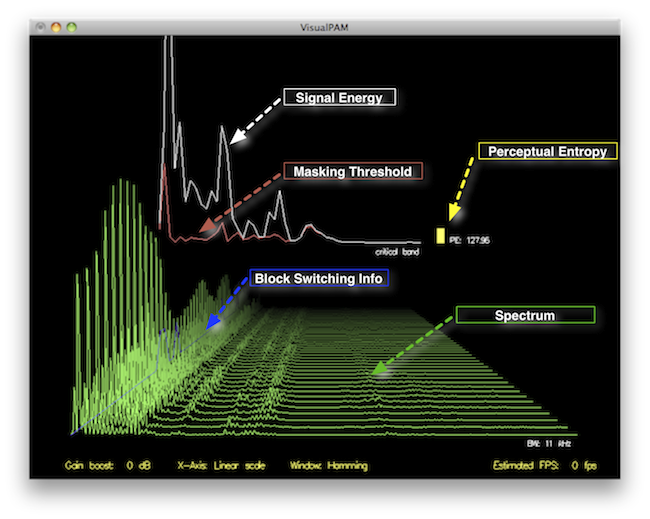
The tools used to measure perceptual entropy are like detectives scrutinizing every page of your storybook. They include psychoacoustic models that analyze how our ears perceive sound. These tools decode audio files, identifying what can be safely omitted to keep the story intact.

Tools and Software

Consider these tools like a set of magic glasses that allow you to see the hidden patterns in your storybook. Some widely used software includes LAME MP3 encoder, which employs perceptual entropy measurement techniques to optimize compression. Others, like FFmpeg, offer valuable insights into perceptual entropy.

The Role of Bit Rate

Think of bit rate as the quality slider for your audio file. A higher bit rate keeps more detail, akin to reading every word in your storybook. A lower bit rate, on the other hand, is like reading the story summary; it omits some details but keeps the essence. Perceptual entropy measurement adapts to these bit rate choices, ensuring the right balance.

Significance of Perceptual Entropy in Audio Compression</h2

Effect on Compression Efficiency

Imagine you have a suitcase, and you want to pack it efficiently. The clothes are like the audio data, and the suitcase size is your available storage. Perceptual entropy is your packing strategy, ensuring you fold clothes effectively to use the suitcase space wisely.

Impact on Audio Quality

When you send a letter, you want it to be both light and readable. Perceptual entropy ensures that the message is concise (light) but still understandable (readable). It strikes a balance, making sure that the audio remains clear while saving space.

Real-world Examples

To illustrate perceptual entropy, think of a colorful painting. Perceptual entropy is like an artist who uses fewer brush strokes but still captures the essence and detail of the scene. It’s artistry in audio compression, making sure you experience the music as intended.

Evaluating Audio Quality</h2

Criteria for Audio Quality

Audio quality assessment is similar to a taste test. You sample various dishes and rate them based on factors like taste, presentation, and texture. Similarly, audio quality assessment has criteria, including clarity, absence of distortion, and fidelity, which help evaluate the perceptual entropy’s impact on the final audio.

Striking a Balance

It’s like baking a cake; you need the right ingredients in the right proportions. Perceptual entropy is one of those ingredients. Too much can be like adding too much salt to your cake, and too little can make it tasteless. Striking the right balance is the key to maintaining audio quality.

Tools for Evaluation

To assess audio quality, experts employ tools like spectrograms, waveform comparisons, and listening tests. These tools are like taste testers who evaluate the final dish and provide feedback on its quality, ensuring that perceptual entropy doesn’t compromise the listening experience.

Practical Applications</h2

Music Production

In the world of music production, perceptual entropy is like a sound engineer’s palette of colors. It allows them to maintain high-quality audio while conserving space. For artists and listeners alike, this translates to more music in your collection and quicker downloads.

Streaming Services

Streaming services optimize audio files for efficient delivery. Perceptual entropy ensures that you can enjoy your favorite songs without buffering issues, even on slower internet connections. It’s like having a magic carpet that takes you to your musical destination swiftly.

Industry Insights

To provide insight from industry professionals, it’s as if we’re sitting with renowned chefs to discuss their culinary secrets. In the audio industry, experts understand the art of balancing perceptual entropy for optimal audio quality and efficient distribution. It’s the heart of what makes your listening experience exceptional.

Last Words about Perceptual Entropy Measurement in MP3 Files

In concluding our exploration of perceptual entropy in MP3 files, it’s essential to remember that this invisible force has a profound impact on the way we experience audio. As a specialist in the field, I’ve seen the magic it works behind the scenes. By understanding and measuring perceptual entropy, we can strike the perfect balance between audio quality and efficiency, ensuring that the music you love remains as vibrant and accessible as ever.

Critical Bandwidths in MP3

Calculating Critical Bandwidths in MP3 Compression

Critical Bandwidths in MP3

As an expert in the realm of MP3 compression and audio technology, I’m here to unravel the intricate world of critical bandwidths in MP3 compression. Understanding this concept is pivotal in achieving optimal audio quality while minimizing file size. Let’s dive into the details and explore this fascinating topic.

What Are Critical Bandwidths in MP3 Compression?

Critical bandwidths, often referred to as critical bands, are a fundamental concept in the field of psychoacoustics. They relate to the way our ears perceive different frequencies and play a vital role in audio compression, particularly in the MP3 format. To put it simply, critical bandwidths represent the range of frequencies that our ears can distinguish and process.

Real-Life Example: Think of critical bandwidths as a set of buckets, each representing a range of frequencies. Our ears can only fill a limited number of buckets at once, and these buckets are wider for low frequencies and narrower for high frequencies.

MP3 compression exploits the knowledge of critical bandwidths to remove audio information that falls outside the range of human hearing. This selective approach allows for significant data reduction while retaining audio quality. It’s akin to trimming the fat while preserving the meat, resulting in a leaner audio file.

How Are Critical Bandwidths Determined?

Critical bandwidths are not fixed; they vary depending on the specific frequency and the environment in which the sound is heard. Psychoacoustic studies have led to the development of critical bandwidth curves, which provide a graphical representation of how our ears perceive different frequencies.

Real-Life Example: Imagine you’re in a noisy café, trying to listen to a conversation. Your ears focus on the frequency range of the voices while ignoring the surrounding noise. This selective attention is similar to how critical bandwidths work in audio compression.

In the context of MP3 compression, these critical bandwidth curves are used to determine which parts of the audio spectrum can be discarded without a noticeable impact on the listening experience. This fine-tuned approach ensures that the compression process is both efficient and transparent to our ears.

Balancing Compression and Quality

The art of MP3 compression lies in finding the delicate balance between reducing file size and maintaining audio quality. Critical bandwidths are a crucial tool in achieving this equilibrium. By identifying and preserving the most relevant audio information while discarding what falls outside the critical bandwidths, MP3 compression delivers impressive results.

Real-Life Example: Consider the act of watching a high-definition movie on your smartphone while saving data. The device adjusts the video quality based on the screen size and your internet speed, providing a smooth viewing experience without unnecessary data consumption. MP3 compression operates in a similar fashion, optimizing audio for digital consumption.

In essence, critical bandwidths in MP3 compression serve as a guide to ensure that the compression process is as imperceptible as possible to the human ear. By focusing on the audio information that matters most, we can enjoy high-quality audio experiences with smaller file sizes.

Last Words about Critical Bandwidths in MP3 Compression

In my journey through the realm of audio compression, I’ve come to appreciate the profound impact of critical bandwidths. These frequency ranges shape the way we perceive sound and play a pivotal role in the world of MP3 compression. By understanding this concept, we can navigate the intricacies of audio technology, striking a harmonious balance between quality and efficiency.

Newest Audio Codecs

Newest Audio Codecs: Unlocking the Future of Sound

Newest Audio Codecs
Newest Audio Codecs
Newest Audio Codecs
Newest Audio Codecs

As an audio expert, I’m excited to delve into the world of the newest audio codecs, which are transforming how we experience sound. These cutting-edge technologies have the power to shape the audio landscape, and I’m here to share my insights and experiences.

Audio Compression Techniques

Let’s start by discussing the backbone of these newest audio codecs – audio compression techniques. Imagine audio compression as the art of creating a perfectly crafted miniature sculpture of a grand masterpiece. In the world of audio codecs, this process involves reducing the size of audio files while preserving exceptional sound quality.

One of the most prominent techniques used in these codecs is Perceptual Audio Coding, which is similar to how our brain focuses on essential details in a complex image. Perceptual audio coding identifies and retains the most crucial elements of an audio signal while discarding less perceptible information. This allows for significant file size reduction without compromising the listening experience.

Another fascinating approach is Audio Spatial Coding, which can be likened to creating a 3D model of a real-world object. Audio spatial coding focuses on reproducing sound in a three-dimensional space, offering a more immersive listening experience. It’s often used in applications like virtual reality and gaming to provide users with an unparalleled sense of presence.

These techniques are pivotal in the development of the newest audio codecs. By employing innovative compression methods, these codecs can deliver audio that is not only compact but also stunningly clear, making them ideal for a wide range of applications, from streaming high-fidelity music to enhancing the realism of virtual environments.

Bitrate in Audio Streaming

Another crucial aspect of the newest audio codecs is the management of bitrate, which plays a pivotal role in delivering high-quality audio during streaming. Picture bitrate as the flow rate of a pristine river. In the context of audio streaming, it represents the rate at which audio data is transmitted from the source to your device. The higher the bitrate, the more data can be transmitted per second, resulting in superior audio quality.

Consider a scenario where you’re streaming your favorite song online. If the codec employs a low bitrate, it’s akin to a narrow river with a sluggish flow. You receive the audio data slowly, leading to a compromised listening experience. In contrast, a high bitrate is like a wide river with a swift current, delivering an abundance of data per second and ensuring that every note and nuance reaches your ears in exceptional detail.

The newest audio codecs excel in optimizing bitrate dynamically. It’s as if they have a smart water flow controller, adjusting the flow rate based on your internet connection’s capabilities. This dynamic management ensures that you enjoy a seamless audio streaming experience, even on limited bandwidth, without sacrificing audio quality.

Understanding Audio Masking in Psychoacoustics

Now, let’s shift our focus to the intriguing world of audio masking in psychoacoustics. This area of study is like deciphering the mysteries of the mind’s inner workings when it comes to sound perception. Understanding audio masking is fundamental for the newest audio codecs as it helps them allocate resources effectively.

Psychoacoustic Principles

Psychoacoustic principles are the cornerstone of audio masking. Think of it as understanding how our brain prioritizes and filters sounds, much like how we pay attention to a conversation in a noisy room. Auditory masking is a central concept in this field, similar to how a louder conversation can drown out a quieter one in a crowded space. This phenomenon occurs when a louder sound, known as the “masker,” makes it challenging to perceive a quieter sound, known as the “masked” sound.

Frequency masking is another key concept. It’s akin to trying to distinguish one instrument in a symphony when they are all playing together. Certain frequencies can mask or conceal others, making it crucial to allocate resources wisely when encoding audio. The newest audio codecs leverage psychoacoustic principles to ensure that the most critical audio information remains perceptible while optimizing file size by discarding less crucial data.

Audio Compression Algorithms

To truly grasp the capabilities of the newest audio codecs, we must delve into the intricate world of audio compression algorithms. These algorithms are like the secret recipes behind our favorite dishes, combining mathematical prowess and encoding techniques to achieve the perfect balance of quality and file size reduction.

One such algorithm is the Modified Discrete Cosine Transform (MDCT), which breaks down audio signals into smaller, manageable components, much like solving a complex puzzle piece by piece. The MDCT is the foundation of codecs like AAC and Opus, known for their exceptional audio quality and efficiency.

Additionally, variable bitrate (VBR) encoding is a crucial technique, like adjusting your car’s speed to navigate varying road conditions. VBR encoding allocates more bits to complex audio segments and fewer bits to simpler ones, ensuring consistent audio quality across the entire file. This approach is instrumental in preserving high-quality audio, even in the presence of psychoacoustic masking effects.

In conclusion, the newest audio codecs are a testament to the remarkable progress in the field of audio technology. With advanced compression techniques, dynamic bitrate management, and a deep understanding of psychoacoustic principles, these codecs are shaping the future of how we experience sound. Whether you’re a music enthusiast, a gamer, or a professional in the audio industry, these codecs are set to provide you with audio experiences that are nothing short of extraordinary. So, as we journey into this exciting soundscape, remember that the newest audio codecs are your gateway to a world of unparalleled sonic delight.

Audio Psychoacoustics

Audio Psychoacoustics: Understanding How We Hear

Audio Psychoacoustics

Introduction to Psychoacoustics

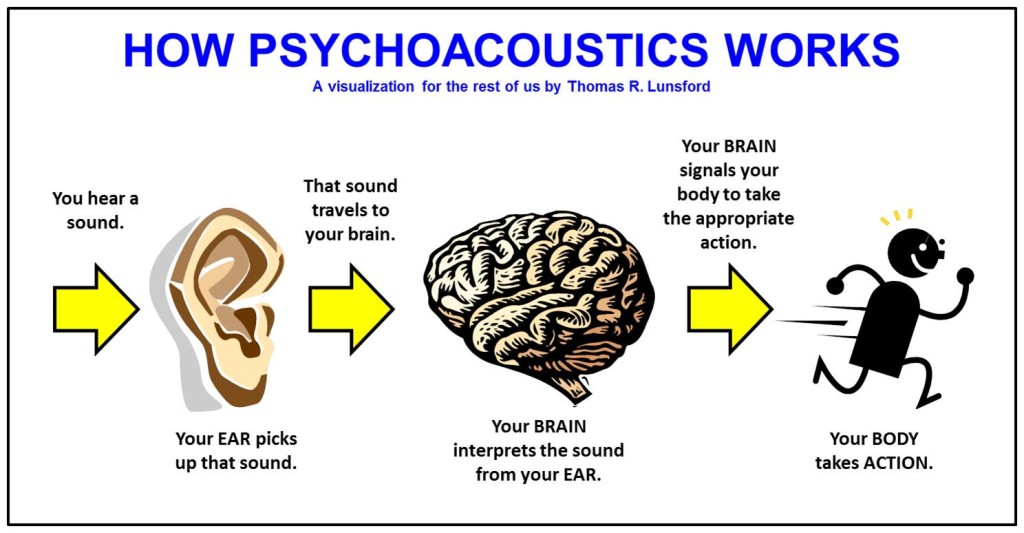
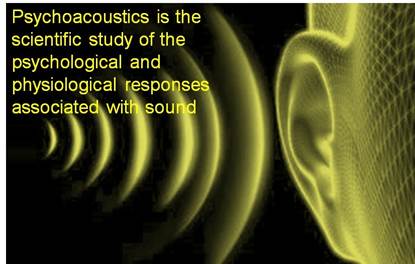
Audio psychoacoustics is the study of how humans perceive and process sound. This includes the physiological and psychological aspects of hearing, as well as the cognitive and emotional responses that result from it. As an expert in this field, I will provide a detailed explanation of the topic, including the various theories and principles that underpin it.

The Physiology of Hearing

To understand how sound is processed by the human ear, it is important to first understand the basic anatomy of the ear. The ear is made up of three main parts: the outer ear, middle ear, and inner ear. The outer ear consists of the pinna, ear canal, and eardrum, which work together to capture and transmit sound waves to the middle ear. The middle ear contains the three smallest bones in the human body, the malleus, incus, and stapes, which amplify and transmit the sound waves to the inner ear. The inner ear is made up of the cochlea, which contains tiny hair cells that convert the sound waves into electrical impulses that are sent to the brain for processing.

Psychoacoustic Principles

Psychoacoustics is concerned with how the human brain processes sound signals. One of the key principles of psychoacoustics is the concept of loudness, which refers to the perceived volume of a sound. The human ear is capable of detecting a wide range of sound levels, from the faintest whisper to the loudest explosion. Another important principle is pitch, which refers to the perceived frequency of a sound. The human ear can detect frequencies ranging from around 20 Hz to 20,000 Hz.

Masking and Perception

Masking is a psychoacoustic phenomenon where the presence of one sound makes it more difficult to perceive another sound. This can occur when two sounds are played at the same time, or when one sound is played immediately after another. Masking can occur in both the frequency domain (when two sounds have overlapping frequencies) and the temporal domain (when one sound occurs immediately before or after another). Understanding masking is important in fields such as audio engineering and sound design, where it is necessary to minimize the impact of masking on the listener’s perception of sound.

Audio Compression and Psychoacoustics

Audio compression is the process of reducing the size of an audio file by removing redundant or irrelevant data. One of the most common forms of audio compression is lossy compression, which works by removing data that is not perceived by the human ear. This is achieved by taking advantage of psychoacoustic principles such as masking and frequency masking. By removing sounds that are masked by other sounds, lossy compression algorithms can significantly reduce the size of an audio file without perceptible loss in quality.

Applications of Psychoacoustics

Psychoacoustics has a wide range of applications in fields such as audio engineering, music production, and sound design. By understanding how humans perceive and process sound, audio professionals can create more effective and engaging audio experiences for listeners. For example, understanding masking can help audio engineers to design more effective soundtracks for films and video games. Similarly, understanding how humans perceive loudness and pitch can help music producers to create more impactful and emotionally engaging music.

FAQ

Q: What is binaural audio?

Binaural audio is a type of audio recording that is designed to be listened to with headphones. It is created using two microphones that are placed inside a simulated head, with each microphone positioned at the location of one of the ears.

This creates a stereo image that closely replicates the way humans perceive sound in real life, allowing for a more immersive and realistic listening experience. Binaural audio is often used in virtual reality and video game audio, where a sense of spatial awareness is important.

Q: How does psychoacoustics relate to audio engineering?

Psychoacoustics plays an important role in audio engineering, as it provides a framework for understanding how humans perceive and process sound. This understanding can be used to create more effective and engaging audio experiences for listeners. For example, by understanding the principles of loudness and masking, audio engineers can design soundtracks that effectively communicate the intended emotional impact of a scene.

Q: How does audio compression affect sound quality?

Audio compression can affect sound quality by removing data that is perceived as irrelevant or redundant by the human ear. Lossy compression algorithms can reduce the size of an audio file by removing sounds that are masked by other sounds, without a perceptible loss in quality. However, if too much data is removed, the resulting file can sound noticeably compressed or distorted. For this reason, it is important to strike a balance between file size and sound quality when compressing audio.

Q: Can psychoacoustics be used to improve hearing aid technology?

Yes, psychoacoustics can be used to improve hearing aid technology by providing a better understanding of how humans perceive and process sound. This understanding can be used to design hearing aids that better replicate the natural hearing process, resulting in a more natural and effective listening experience for the wearer.

Q: What is the importance of psychoacoustics in sound design?

Psychoacoustics is important in sound design because it provides a framework for understanding how humans perceive and respond to sound. This understanding can be used to create more effective and engaging soundscapes that effectively communicate the intended emotional impact of a scene. For example, understanding the principles of masking can help sound designers to create more immersive and detailed soundscapes for films and video games.

Q: How can understanding psychoacoustics help with audio editing?

Understanding psychoacoustics can help with audio editing by providing a better understanding of how humans perceive and respond to sound. This understanding can be used to make more effective and impactful edits that effectively communicate the intended emotional impact of a scene. For example, understanding the principles of loudness can help audio editors to make more effective cuts and transitions in a soundtrack.

Q: How does the environment affect psychoacoustics?

The environment can have a significant impact on psychoacoustics, as it can affect the way that sound waves are transmitted and perceived. For example, the acoustics of a room can affect the way that sounds are reflected and absorbed, leading to changes in loudness and perceived pitch. Understanding the environmental factors that affect psychoacoustics is important in fields such as audio engineering and sound design, where it is necessary to create audio experiences that are effective in a wide range of environments.

Q: How does masking affect speech intelligibility?

Masking can affect speech intelligibility by making it more difficult to distinguish individual sounds and words in a sentence. This can occur when a speech signal is masked by other sounds that have overlapping frequencies, making it more difficult for the brain to isolate and process the speech signal. Understanding masking is important in fields such as audio engineering and sound design, where it is necessary to ensure that speech is clear and intelligible in a wide range of environments.

What is MP3 psychoacoustics?

What is MP3 psychoacoustics?

MP3 psychoacoustics
MP3 psychoacoustics

Psychoautics is an important part of the science that studies how we hear sound and how our brains process it. It is a combination of psychology and acoustics, and allows us to understand how people perceive sound and how this affects audio quality.

MP3 psychoacoustics
MP3 psychoacoustics

How is psychoacoustics related to MP3?

When we record or play audio in a digital format, such as MP3, the files are compressed to make them smaller. File compression is a process where some data is removed from the original audio to make it smaller. However, this data removal can also affect audio quality, and this is where psychoacoustics comes into play.

Psychoautics helps us understand which parts of audio are most important to our hearing and which are less important. This allows us to optimize the compression of audio files so that the sound quality is not affected excessively. In other words, psychoacoustics allow us to balance between sound quality and file size.

Why is psychoacoustics in MP3 important?

Psychoautics is important in MP3 because it allows us to create audio files that are smaller and easier to store and share, without sacrificing too much sound quality. This means that you can have your favorite songs on your phone or on your computer without having to worry about the space they take up.

In addition, psychoautics also allows us to improve the audio quality in portable devices, such as headphones or speakers, which often have limited sound quality. By understanding which parts of the audio are most important to our ears, we can optimize file compression for better sound quality on these devices.