
MP3 vs WMA: Unraveling the Audio Format Mystery


Let’s Talk About MP3 vs WMA

In the digital age, the world of audio formats can be a complex labyrinth, and at the heart of this maze are two prominent formats: MP3 and WMA. As a specialist with extensive experience in the field, I’m here to help you navigate through this audio landscape and make an informed decision based on your needs. Let’s embark on this journey to understand the differences between MP3 and WMA, going beyond the standard comparisons you might find elsewhere.
The Evolution of MP3 and WMA
The Birth of MP3
MP3, short for “MPEG-1 Audio Layer 3,” revolutionized the music industry when it was introduced. This format’s key innovation was its ability to compress audio files without a significant loss in quality. It became the go-to choice for digital music, and its impact was akin to the introduction of the CD in the 1980s. MP3 made it possible to store and share music digitally, paving the way for the digital music revolution we know today.
The Rise of WMA
On the other side of the spectrum, we have WMA, or “Windows Media Audio.” Developed by Microsoft, WMA was introduced to provide an alternative to MP3. Its primary goal was to offer a similar level of audio quality while allowing for efficient compression. Microsoft’s backing made WMA a prominent player in the world of digital audio. It found its way into the Windows operating system and various Microsoft products, which led to widespread adoption.
MP3 vs WMA: Technical Differences
To truly understand the differences between MP3 and WMA, we need to delve into the technical aspects.
Audio Compression Methods
MP3 uses lossy compression, which means it sacrifices some audio data to reduce file size. Imagine this as taking a high-resolution photograph and converting it into a smaller image file. While the overall picture is preserved, you lose some fine details. On the other hand, WMA also employs lossy compression, but its methods may differ slightly from MP3, resulting in variations in audio quality.
Audio Quality Comparison
When it comes to audio quality, MP3 is like listening to music on a high-end stereo system. It provides good quality, and for most listeners, the difference is subtle. However, audiophiles may notice the loss of some nuances. On the other hand, WMA offers a similar quality but may have variations in sound based on the encoder used. It’s like comparing two different speakers, each with its unique sound signature.
File Size and Compatibility
File Size Comparison
MP3 files tend to be smaller due to their compression method. Think of it as a compact car – it’s efficient and doesn’t take up much space. This makes MP3 an excellent choice for devices with limited storage. On the other hand, WMA files may be slightly larger, similar to a mid-sized sedan. While not as compact as MP3, they still offer reasonable file sizes, suitable for most storage capacities.
Compatibility Across Devices
One critical consideration is compatibility. MP3 is like the universal remote control of audio formats. It plays nicely with almost every device and software, making it a versatile choice. You’ll rarely encounter issues when using MP3 files on various platforms. WMA, however, may not be as universally compatible. It’s like trying to fit a square peg into a round hole in some cases. While it works seamlessly within the Windows ecosystem, you may face challenges when using it on non-Windows devices.
Encoding and Decoding: The Inside Story
To understand how MP3 and WMA work, let’s dive into the encoding and decoding processes.
MP3 Encoding and Decoding
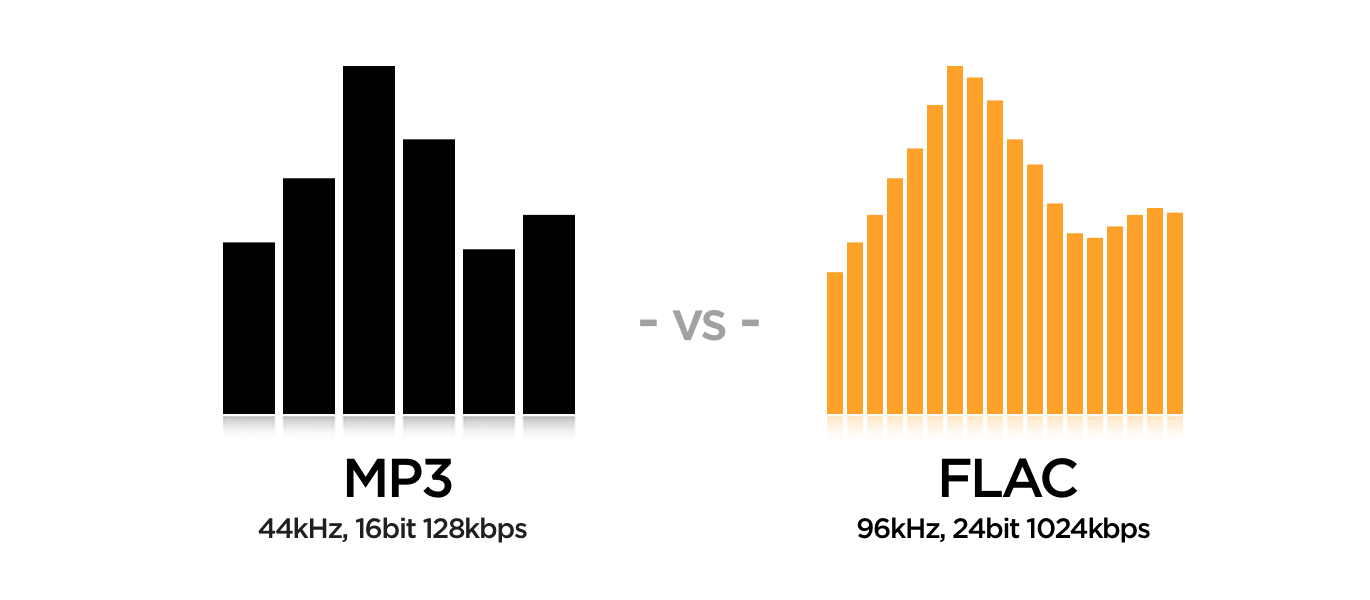
The process of encoding audio into MP3 involves selecting a bitrate, which affects the file’s size and quality. Higher bitrates preserve more audio data, resulting in better sound quality but larger file sizes. Decoding an MP3 file is like opening a music box – it translates the compressed data back into audible sound.
WMA Encoding and Decoding
WMA encoding methods may vary based on the version and encoder used. Microsoft introduced different iterations of the format over the years, each with its improvements. Decoding a WMA file involves the software interpreting the compressed data, similar to deciphering a coded message. The quality and file size may differ based on the encoder settings.
Audio Quality vs File Size: Making Your Choice
Choosing between MP3 and WMA ultimately comes down to your preferences and requirements.
Factors Influencing Your Decision
Your choice should align with your audio needs and personal preferences. If you prioritize portability and compatibility, MP3 is like the compact car that fits seamlessly into your daily life. On the other hand, if you’re part of the Windows ecosystem and appreciate efficient compression, WMA could be your ideal choice.
Real-Life Scenarios
Imagine you’re a commuter using a smartphone with limited storage. MP3, with its smaller file sizes and universal compatibility, is like having a compact car for your daily travels. It’s efficient, and you don’t have to worry about space. On the other hand, if you’re a Windows user and enjoy the seamless integration with Microsoft products, WMA is like driving a reliable sedan that suits your needs.
MP3 vs WMA: The Future of Audio Formats
As technology evolves, new audio formats continue to emerge. Some of these formats offer high-resolution audio and even better compression methods. MP3 and WMA, while still relevant, face competition from these newcomers.
Emerging Audio Formats
New audio formats are like the latest models of cars, offering improved features and performance. They aim to provide even better sound quality with efficient compression. Exploring these new formats can be a worthwhile endeavor for audiophiles and music enthusiasts.
The Role of MP3 and WMA in the Modern World
MP3, with its legacy support and widespread use, remains a valuable format. It’s like the classic car that collectors still appreciate. On the other hand, WMA, although less prominent than in the past, continues to have its place within the Windows ecosystem. It’s like a classic car that loyal enthusiasts still cherish.
Latest Words on MP3 vs WMA
In conclusion, the choice between MP3 and WMA depends on your priorities and how you intend to use your audio files. Whether you opt for the compact efficiency of MP3 or the seamless integration of WMA, both formats have their unique strengths. As a specialist in the field, my goal is to empower you to make an informed decision based on your audio needs and preferences.
Comments:




I’ve been using MP3 for years, and it’s like my trusty old car. I know it inside out, and it’s never let me down. But this article made me curious about WMA. Maybe I should take that sedan for a spin!
Great article! But could you go even deeper into the technical aspects of audio compression? I’d love to learn more about the bitrates and how they impact quality.
As a Mac user, I’ve never really considered WMA. This article shed some light on the format, but I’m still leaning towards MP3 for its compatibility.
I remember the early days of MP3, and it’s come a long way. But I’m also excited about these new audio formats you mentioned. Any recommendations for the latest music players that support them?
I appreciate the practical examples in this article. Comparing MP3 to a compact car and WMA to a sedan really helps me visualize the differences.
I’ve always wondered about the trade-off between MP3 and WMA. This article clarified things for me, and I’m now considering converting some of my files to WMA.
As a musician, audio quality is paramount. I’ve been using FLAC, but this article got me thinking about MP3 and WMA. Are there any advantages to using them in specific scenarios?
This article provided a comprehensive comparison. I’m a student, and file size matters for me. MP3 seems like the way to go for my music library.
Great job! The article gave me a better understanding of the MP3 vs. WMA debate. I’m still sticking with MP3, though, as it works seamlessly with my devices.
Impressive article! I’ve been using WMA for a while, and it’s nice to see it get some recognition. But it’s essential to choose the right encoder for the best results.
As a podcast producer, I’m always looking for the best format for my episodes. This article helped me weigh the pros and cons of MP3 and WMA. It’s like choosing the right microphone for a recording studio!
This article made me realize that both MP3 and WMA have their merits. It’s like choosing between two excellent smartphones – they may have different features, but they both get the job done!