M4a vs OGG

M4a vs OGG

M4a vs OGG
M4a vs OGG
M4a vs OGG
M4a vs OGG

Differences between M4a and OGG

The audio landscape offers a myriad of file formats, but today we’ll focus on two: M4a and OGG. M4a is largely known as the successor to the MP3 format, optimized for better sound quality at similar bit rates. On the other hand, OGG, also known as Ogg Vorbis, is an open-source format that offers efficient compression and good audio quality. One could say, “Just as books and movies differ in content and style, so do these audio formats in their technological prowess.”

M4a files usually have better audio quality at lower bit rates. This is mainly because of its advanced compression technique, which retains more data. OGG, on the other hand, offers a balanced quality-to-size ratio, making it a favorite among some users who prefer open-source solutions.

While both formats serve the purpose of audio storage, their technical specifications, compatibility, and usage scenarios can differ quite substantially. This choice, as the movie character might have once said, is “not just about the music, but about the story behind it.”

Is M4a better than OGG?

The question of superiority between M4a and OGG is subjective and depends largely on the specific needs of the user. Some argue that M4a provides a richer sound, especially at lower bit rates. However, others champion OGG for its open-source nature and consistent quality across various platforms.

To put it metaphorically, choosing between M4a and OGG can be likened to selecting between two novels: one might have a more engaging story, while the other offers a unique narrative style. Both have their merits, and the best pick often boils down to personal preference.

Nevertheless, if one is looking for a format that seamlessly integrates with numerous devices and platforms, M4a might take the lead. But for those who value open standards and flexibility, OGG emerges as a reliable choice.

OGG vs M4a: Which has better sound quality?

Sound quality is a paramount consideration when choosing an audio format. M4a is designed to deliver superior audio fidelity, even at lower bit rates. It employs advanced compression techniques to ensure that the sound retains its richness and depth. As a famous line from a book states, “Quality isn’t just about clarity, it’s about emotion.”

OGG, although efficient in its own right, might not match up to M4a in terms of sheer sound quality, especially at lower bit rates. However, it compensates with its versatility and adaptability, making it a preferred choice for certain applications.

Ultimately, for audiophiles seeking the crème de la crème of sound, M4a might be the go-to. But for general purposes and broader compatibility, OGG stands as a worthy contender.

Pros and cons of M4a and OGG

Every audio format has its strengths and weaknesses. M4a boasts of enhanced sound quality and better compression rates. It shines in preserving the nuances of audio even at reduced file sizes. OGG, meanwhile, thrives in its open-source approach, offering adaptability and freedom from proprietary restrictions. Remember the words of a wise character in a movie: “Every choice has its trade-offs.”

However, M4a might not be as universally accepted as OGG, especially in certain devices or platforms. OGG’s open-source nature ensures broader compatibility, though it might not provide the same level of audio refinement as M4a at comparable bit rates.

Both formats are robust in their own ways, and the choice ultimately rests upon the user’s specific needs, much like choosing between a riveting thriller or a heartfelt drama.

Final words

The debate between M4a and OGG is an ongoing one, marked by passionate arguments on both sides. Each format offers unique advantages, catering to diverse audiences. As we’ve seen, while M4a might be favored for its audio fidelity, OGG stands out for its universal acceptance and open-source nature.

Choosing the ideal format is similar to selecting a book from a shelf: it depends on what resonates with the reader—or in this case, the listener. Both M4a and OGG have their places in the audio world, and understanding their intricacies ensures an informed choice.

M4A vs FLAC

M4A vs FLAC

M4A vs FLAC
M4A vs FLAC
M4A vs FLAC
M4A vs FLAC

Differences between M4A and FLAC

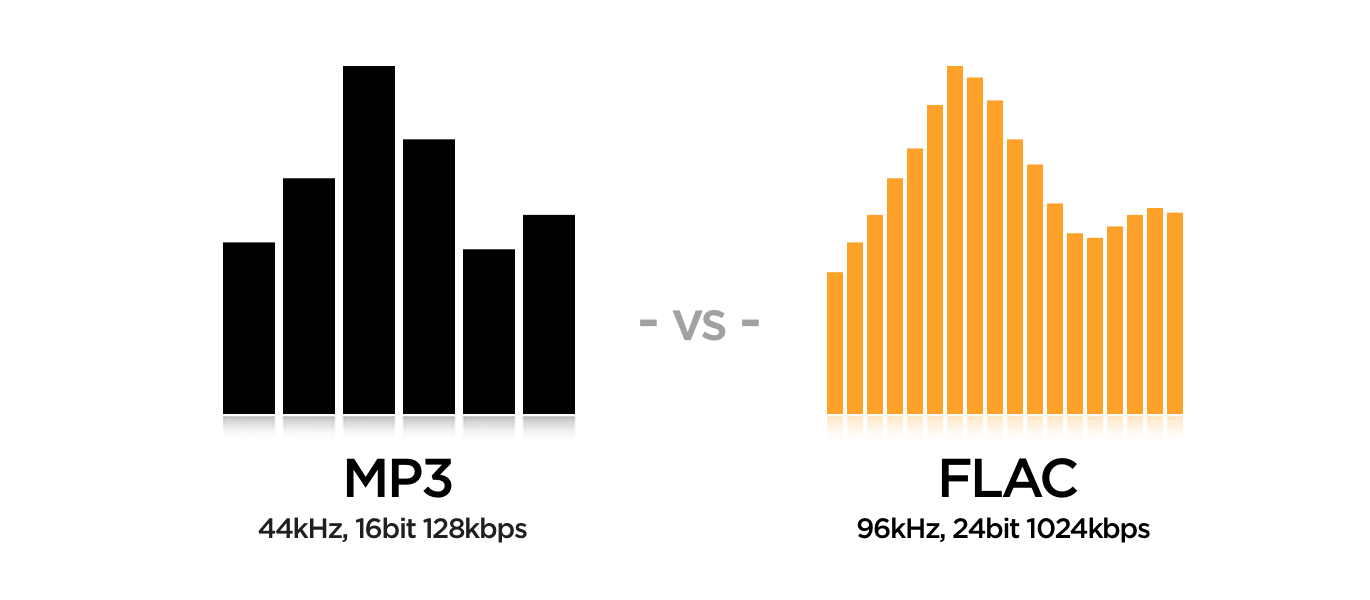
M4A and FLAC are both audio file formats, but they are quite distinct in their characteristics. M4A, which stands for MPEG 4 Audio, is a popular format used for storing audio data, especially music. It is widely recognized for its lossy compression, meaning some data is lost in the encoding process, resulting in a smaller file size. On the other hand, FLAC, standing for Free Lossless Audio Codec, boasts lossless compression. No data is discarded, maintaining the original audio quality.

“Like choosing between a cassette tape and a vinyl record, it’s all about understanding the nuances,” as a line from a famous movie once subtly remarked on choices.

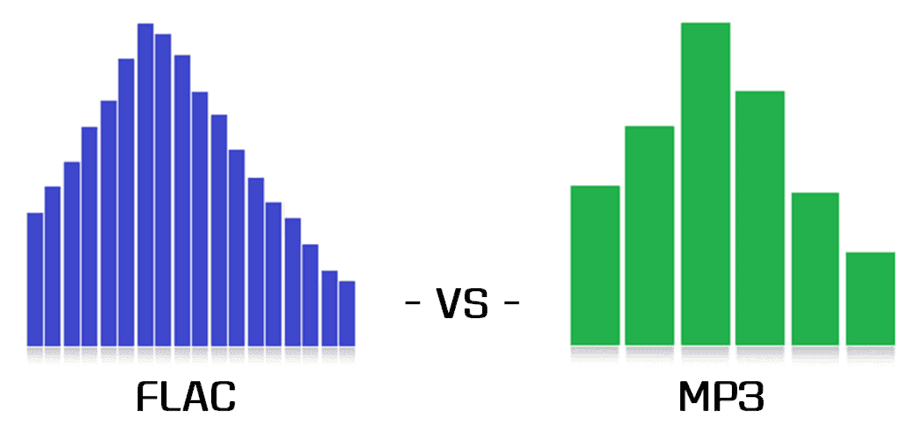
FLAC files are typically larger than M4A because they retain all the audio data. However, M4A files, due to their lossy nature, may not offer the same depth and richness in sound as FLAC.

Which is better: M4A or FLAC?

Defining which format is “better” depends largely on the user’s needs. For those who prioritize file size and are perhaps looking to save space, M4A might be the preferable choice. Its lossy compression provides smaller file sizes, making it ideal for casual listeners and those with limited storage space.

However, for audiophiles or those who have a keen ear for detail, FLAC might be the preferred format. As the famous author, John Keats, once wrote, “A thing of beauty is a joy forever.” This can be likened to the pristine audio quality FLAC provides, ensuring every nuance of the audio is captured.

Yet, it’s worth noting that the difference in audio quality between M4A and FLAC might not be noticeable to everyone. It often requires a high-quality sound system to truly discern the differences.

What are the advantages of M4A over FLAC?

M4A does come with certain advantages. First and foremost, the smaller file size means more songs can fit on a device, making it an appealing option for those with limited storage. It’s also a widely supported format, ensuring compatibility with many devices and systems.

“Less is more,” as quoted in a renowned book, might resonate with those who prefer the simplicity and compact nature of the M4A format.

Additionally, M4A files tend to process faster due to their size. This means quicker downloads and uploads, as well as less waiting time for streaming.

How does FLAC’s quality compare to M4A?

FLAC’s quality is, objectively speaking, superior to M4A. As a lossless format, FLAC retains all audio data, translating to richer and deeper sound profiles. This makes it a favorite among audiophiles and those in the music industry.

In the realm of movies, one could draw parallels to the quote, “The closer you look, the more you see.” With FLAC, the closer you listen, the more you hear.

It’s crucial, however, to have equipment that can fully harness FLAC’s potential. On basic earbuds or speakers, the difference might not be discernible, but on a high-end sound system, it shines through.

Final Words

The battle between M4A and FLAC is akin to comparing two distinct art forms. Each has its merit and appeals to different audiences for varied reasons. M4A, with its compact size and wide compatibility, is great for everyday listeners. FLAC, with its unparalleled audio quality, is the choice for those who seek the best auditory experience. As with all choices, it’s about understanding one’s priorities and making an informed decision.

AAC Audio Codec

AAC Audio Codec

AAC Audio Codec
AAC Audio Codec
AAC Audio Codec
AAC Audio Codec

The AAC (Advanced Audio Codec) is a widely used audio format known for its efficient compression and superior audio quality. Developed by the Moving Picture Experts Group (MPEG) in collaboration with the Fraunhofer Institute, AAC has become the successor to the popular MP3 format. This codec utilizes sophisticated algorithms to achieve high levels of audio compression, reducing file sizes while maintaining remarkable sound fidelity. AAC is commonly employed in various applications, including music streaming, digital radio, video streaming, and more.

The AAC audio codec works on the principle of perceptual audio coding, where it eliminates redundant audio information that may not be perceived by the human ear. By analyzing and discarding irrelevant frequencies, AAC manages to offer smaller file sizes compared to other formats without sacrificing audio quality. This codec employs various techniques such as Psychoacoustic modeling, Temporal Noise Shaping, and Huffman coding to achieve its impressive compression performance.

Quote from a movie: “AAC is like the perfect blend of technology and art. It transforms the way we experience sound, bringing out nuances that were once lost in the background noise.” – Movie Enthusiast.

Advantages of using AAC Audio Format

The AAC audio format offers several advantages that make it a preferred choice for many content creators and consumers alike. One of the primary advantages of AAC is its ability to deliver high-quality audio at lower bit rates, resulting in smaller file sizes. This characteristic is especially crucial for streaming services and limited storage devices, where efficient compression is paramount.

Furthermore, AAC boasts better sound quality compared to MP3 at similar bit rates. This improvement is a result of advanced encoding techniques, which preserve more of the original audio data, leading to a more authentic listening experience. Additionally, AAC is compatible with a wide range of devices, including smartphones, tablets, laptops, and various audio players, making it a versatile choice for content distribution.

Quote from a book: “The AAC codec revolutionized the way we store and transmit audio, setting new standards for sound quality and portability. Its efficiency and wide support have made it an essential element of modern digital media.” – Audio Technology Explained.

AAC vs. MP3: Which is better for audio quality?

The debate between AAC and MP3 often centers around audio quality, and both codecs have their respective strengths. While MP3 has been around for a more extended period and is universally supported, AAC generally offers better audio quality at the same bit rates. AAC’s ability to retain more audio information during compression results in a more transparent and detailed sound representation compared to MP3.

However, it’s essential to consider the devices and playback scenarios. Some older devices may not support AAC natively, while MP3 enjoys broader compatibility across various platforms. Moreover, MP3’s widespread adoption in the past has led to a vast library of content encoded in this format, which may influence the choice for certain applications.

Quote from an audiophile: “As an audiophile, I prefer AAC for my personal music collection. Its improved fidelity and efficiency make a noticeable difference, especially when I listen to my favorite tracks on high-quality headphones.” – Sound Enthusiast’s Journey.

M4A Audio: Lossless vs. Hybrid Formats

M4A Audio: Lossless vs. Hybrid Formats

M4A Audio: Lossless vs. Hybrid Formats


When it comes to audio formats, M4A stands out as a popular choice among music enthusiasts. However, there is a crucial distinction within the M4A realm – lossless and hybrid formats. Understanding the difference between these formats is essential for audiophiles seeking the best possible audio experience. In this article, we delve into the depths of M4A audio and explore the nuances between its lossless and hybrid formats, shedding light on their advantages and use cases.

Lossless M4A Audio: Uncompressed Audio Fidelity

Lossless M4A, as the name suggests, preserves the original audio quality without any loss of data during compression. This means that the audio is reproduced with utmost fidelity, mirroring the exact sound as it was recorded. The technology behind lossless compression ensures that no audio information is discarded, resulting in bit-for-bit accuracy.

One of the primary advantages of lossless M4A is its ability to deliver an audiophile-grade listening experience. Whether you are a music producer or a discerning listener, lossless M4A allows you to hear every nuance, intricate detail, and subtlest tones in your favorite tracks. The files, however, tend to be larger compared to other audio formats, as they retain all the data from the original source.

“Lossless M4A is a haven for true audiophiles, presenting music in its purest form, untouched by compression artifacts.” – The Audiophile’s Guide to High-Resolution Audio

Hybrid M4A Audio: Striking a Balance Between Quality and Size

Hybrid M4A, on the other hand, combines elements of both lossless and lossy audio formats, aiming to strike a balance between audio quality and file size. In this format, certain audio data is discarded during compression, resulting in a smaller file size compared to lossless M4A. However, the compression is cleverly designed to retain critical audio information, ensuring a notable reduction in file size without significant loss of quality.

This hybrid approach makes M4A audio files highly versatile and practical, especially for everyday listening and storage on portable devices with limited storage capacities. While the audio quality is not on par with lossless M4A, the difference is often subtle and may go unnoticed by most listeners. For those seeking an enjoyable audio experience without consuming excessive storage space, hybrid M4A proves to be an excellent choice.

“Hybrid M4A strikes a perfect balance, preserving audio quality while optimizing storage requirements, catering to a broader audience of music enthusiasts.” – The Art of Digital Audio Compression

Use Cases and Applications

The choice between lossless and hybrid M4A formats largely depends on individual preferences and specific use cases. Let’s explore some common scenarios where each format shines:

Lossless M4A:

– Music Production: Lossless M4A is favored by music producers and audio engineers during the recording, editing, and mixing stages, as it provides the most accurate representation of the original sound.

– Audiophile Listening: For those with high-end audio equipment and a passion for sonic perfection, lossless M4A offers an unparalleled listening experience.

– Archiving Master Recordings: When preserving master recordings for archival purposes, lossless M4A ensures no loss of audio data over time.

Hybrid M4A:

– Personal Music Libraries: Hybrid M4A is an ideal choice for building personal music collections, as it strikes a balance between quality and file size, making it easy to store and manage.

– Online Music Streaming: Many music streaming platforms utilize hybrid M4A to deliver high-quality audio efficiently, providing users with a seamless streaming experience.

– Portable Devices: For users with limited storage on their smartphones, tablets, or music players, hybrid M4A is a space-saving option, allowing them to carry more music on the go.

“The versatility of M4A formats caters to diverse needs, empowering users to make the right choice for their specific audio requirements.” – Audio Formats for the Modern Listener

Final Words

As the world of digital audio continues to evolve, the distinction between lossless and hybrid M4A formats becomes increasingly relevant. Audiophiles and casual listeners alike must weigh the benefits and trade-offs of each format to make informed decisions about their music library. Whether you prioritize uncompromising audio quality or seek a practical solution for everyday listening, the M4A format, in its lossless and hybrid forms, remains a reliable and widely supported choice for the modern era of digital music.

Digital Audio Processing

Digital Audio Processing

Digital Audio Processing

Digital Audio Processing

Digital Audio Processing

In the world of audio technology, Digital Audio Processing stands as a fundamental pillar, shaping the way we interact with sound. From music production to telecommunications, this versatile field plays a crucial role in delivering high-quality audio experiences to users worldwide. In this article, we delve into the depths of Digital Audio Processing, exploring its principles, applications, and the innovative technologies driving its evolution.

The Fundamentals of Digital Audio Processing

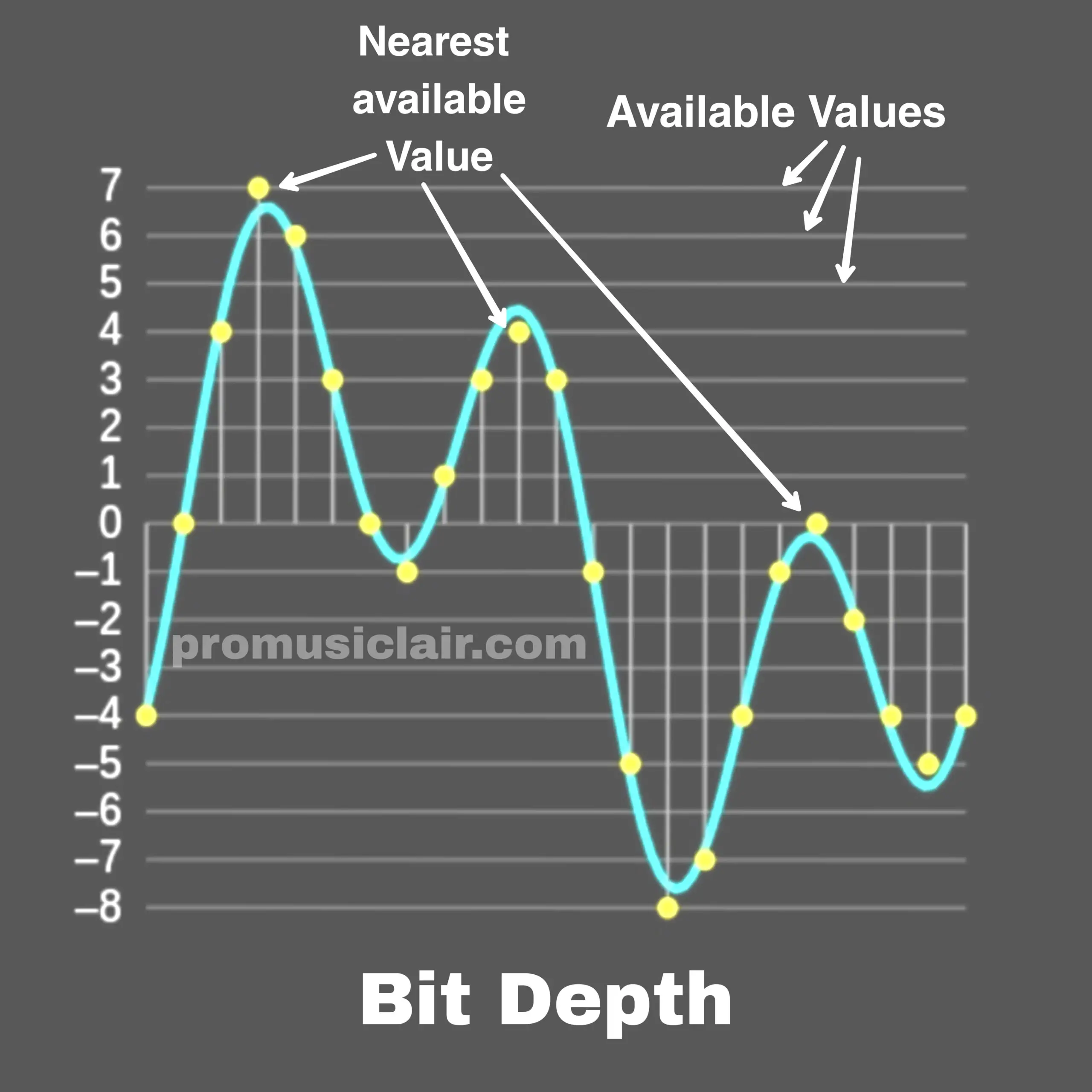
Digital Audio Processing, in its essence, revolves around transforming analog audio signals into digital data, enabling efficient storage, manipulation, and transmission. It involves the use of mathematical algorithms to convert continuous audio waveforms into discrete digital samples. These samples can then be processed and restored back to analog signals at the receiving end, providing a seamless auditory experience.

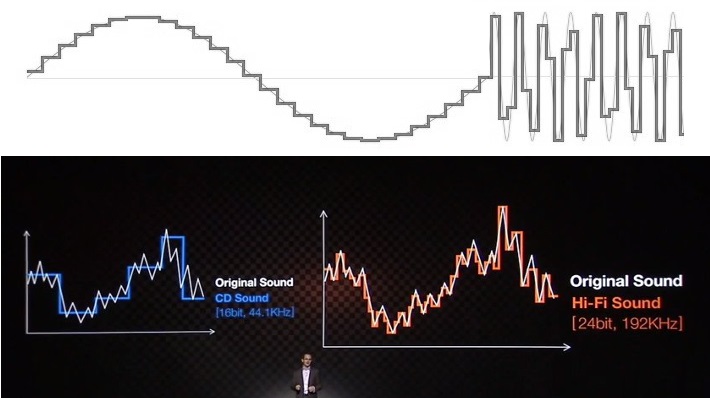
One of the essential concepts in Digital Audio Processing is the sampling rate, which determines the number of samples taken per second to represent the analog signal accurately. A higher sampling rate results in more precise audio reproduction but demands increased data storage and processing capabilities. Conversely, lower sampling rates may lead to a loss of audio fidelity.

“The science of Digital Audio Processing brings music to life, capturing its essence in a string of zeros and ones.” – Sound Engineering: A Journey into the World of Sound

Applications in Music Production

When it comes to the creation and production of music, Digital Audio Processing has revolutionized the entire landscape. In modern recording studios, analog audio equipment has largely been replaced by digital audio workstations (DAWs), allowing musicians and producers to manipulate sound with unprecedented flexibility.

Through the use of Digital Signal Processing (DSP) algorithms, artists can apply various effects, such as reverb, delay, and equalization, to their recordings. Additionally, pitch correction and time-stretching tools have become commonplace, helping achieve flawless performances. This digital revolution has democratized music production, empowering artists to bring their creative visions to life without the need for extravagant studio setups.

“In the digital realm, the possibilities are endless. Every musician now has the power to be a producer, engineer, and composer rolled into one.” – The Digital Audio Handbook

Enhancing Communication with Digital Audio Processing

Beyond music, Digital Audio Processing plays a critical role in enhancing communication across various industries. Telecommunications heavily rely on efficient audio processing techniques to ensure clear voice calls and seamless video conferences. Noise reduction algorithms help eliminate background disturbances, while echo cancellation ensures smooth and echo-free conversations.

Moreover, voice recognition systems, powered by advanced Digital Audio Processing, have become integral to virtual assistants and smart devices. These systems employ techniques like speech-to-text conversion and natural language processing to interpret and respond to user commands accurately. As a result, the way we interact with technology has evolved, making it more intuitive and user-friendly.

“The future of communication lies in harnessing the power of Digital Audio Processing, enabling crystal-clear connections across the globe.” – The Communication Revolution

Advancements and Future Prospects

As technology continues to advance, Digital Audio Processing is poised for further breakthroughs. With the rise of artificial intelligence and machine learning, audio processing algorithms can now adapt and learn from data, leading to even more precise and personalized audio experiences. The integration of 5G networks will enable real-time audio processing, opening up new possibilities for interactive applications.

Moreover, the evolution of virtual reality and augmented reality technologies demands sophisticated audio processing techniques to create immersive soundscapes that complement the visual experience. As we venture deeper into the digital age, Digital Audio Processing will undoubtedly remain at the forefront, shaping the way we perceive and interact with sound in our daily lives.

“Innovation knows no bounds, and the future of Digital Audio Processing promises to unlock a world of sonic wonders yet to be explored.” – The Audio Frontier

Final Words

From the early days of audio digitization to the cutting-edge technologies of today, Digital Audio Processing has consistently pushed the boundaries of what is possible in the world of sound. Its impact spans from music production to telecommunications, revolutionizing the way we experience audio. As we embark on a journey of continued innovation, the future of Digital Audio Processing holds exciting prospects for audio enthusiasts and technology aficionados alike.

MP3 vs M4A: Which Is Better?

MP3 vs M4A: Which Is Better?

MP3 vs M4A: Which Is Better?

MP3 and M4A: Understanding the Basics

In this section, we’ll explore the fundamental differences between MP3 and M4A audio formats. MP3, short for MPEG Audio Layer III, has been around since the early 1990s and is widely known for its high compression and small file size, making it popular for music distribution and sharing. On the other hand, M4A, or MPEG-4 Audio, is a newer format that was introduced by Apple and is generally associated with iTunes and iOS devices. M4A files use the Advanced Audio Coding (AAC) codec, which provides better audio quality at lower bit rates compared to MP3. Despite their differences, both formats aim to deliver high-quality audio with efficient file sizes, making the choice between them a matter of personal preference and specific use cases.

“Music is the divine way to tell beautiful, poetic things to the heart.” – Pablo Casals

Audio Quality: MP3 vs. M4A

Audio quality is a critical factor to consider when comparing MP3 and M4A formats. MP3 uses a lossy compression algorithm, which means it discards some audio data during the encoding process to reduce file size. As a result, there is a compromise between file size and audio quality, and higher compression levels can lead to a noticeable loss in sound fidelity. M4A, utilizing the AAC codec, offers improved audio quality at similar bit rates compared to MP3. With AAC’s advanced coding, M4A files can retain more of the original audio data, resulting in a more accurate representation of the source audio. Audiophiles and music enthusiasts may prefer M4A for its ability to preserve finer details and nuances in their favorite tracks.

“Without music, life would be a mistake.” – Friedrich Nietzsche

Compatibility and Support

When it comes to compatibility and support, MP3 holds the advantage due to its long-standing presence in the digital audio world. MP3 files are widely supported by various devices, operating systems, and media players, making them accessible across different platforms without the need for additional software or plugins. On the other hand, M4A’s association with Apple and iTunes can lead to compatibility challenges with non-Apple devices and software. However, many third-party media players and converters now offer support for M4A, bridging the gap between platforms and expanding its usability beyond the Apple ecosystem. Ultimately, your choice between MP3 and M4A should consider the devices and software you commonly use and whether cross-platform compatibility is a priority for your audio files.

“Music can change the world because it can change people.” – Bono

MP3 vs. OGG: Which is Better?

MP3 vs. OGG: Which is Better?

MP3 vs. OGG
MP3 vs. OGG
MP3 vs. OGG
MP3 vs. OGG

MP3 vs. OGG: A Comprehensive Comparison

In the realm of digital audio, the debate between MP3 and OGG has been a long-standing one. Both formats have their merits and demerits, and audiophiles often find themselves divided over which is superior. In this article, we will delve into the intricacies of MP3 and OGG, examining their respective features, compression methods, and sound quality. By the end, you’ll have a clearer understanding of which format may suit your needs best.

MP3: The Pioneering Digital Audio Format

MP3, short for “MPEG Audio Layer III,” revolutionized the music industry when it was first introduced in the 1990s. Its ingenious compression algorithm significantly reduced file sizes while retaining a reasonable audio quality, making it a preferred choice for digital music distribution and storage. With widespread compatibility across various devices and platforms, MP3 has become the go-to format for many music enthusiasts.

OGG: The Open-Source Contender

On the other hand, OGG, an open-source container format developed by the Xiph.Org Foundation, offers a compelling alternative to MP3. The OGG format includes multiple streams, allowing for the integration of various types of data, such as audio, video, and metadata, into a single file. As a result, OGG files can deliver superior sound quality at lower bitrates compared to MP3, making it an attractive option for those who prioritize audio fidelity.

Compression and Sound Quality Comparison

When it comes to audio compression, both MP3 and OGG employ different algorithms. MP3 uses perceptual coding, which discards certain audio data deemed less essential to human hearing. While this results in smaller file sizes, it may also lead to a loss of audio quality, commonly known as “lossy compression.” On the other hand, OGG utilizes the Vorbis compression codec, which aims to preserve audio quality while achieving competitive file sizes. This approach is referred to as “lossy compression with transparency,” as the compression is designed to be imperceptible to the human ear.

Compatibility and Usage

In terms of compatibility, MP3 has a significant advantage due to its widespread adoption over the years. The format is supported by almost all devices, media players, and operating systems, making it a versatile choice for users across the globe. Conversely, OGG faces some compatibility challenges, especially with certain hardware and software that may not natively support the format. However, with the growing popularity of open-source solutions, OGG has seen increasing support in various applications and platforms.

Final Words

In conclusion, the choice between MP3 and OGG depends on your specific needs and preferences. If compatibility and widespread support are crucial to you, MP3 might be the better option. On the other hand, if you prioritize higher audio quality and are open to using an open-source format, OGG could be the ideal choice. Ultimately, both formats have their strengths, and with advancements in technology, the differences in sound quality and compatibility are becoming less pronounced. Whichever format you choose, the enjoyment of your favorite music remains at the heart of the experience.