Opening Sentence: When it comes to digital video formats, the choice between AVI and MPEG can be as pivotal as choosing the right tool for the job. As a specialist with years of experience in the field, I’ll delve into this comparison, helping you understand the nuances and make an informed choice.
AVI vs MPEG Comparison
AVI (Audio Video Interleave): The Reliable Workhorse
Opening Sentence: Think of AVI as the dependable workhorse in the world of digital video. It’s been around for ages and is known for its versatility, but it does come with some quirks. Let’s explore its strengths and weaknesses.
AVI’s Versatility
Opening Sentence: AVI is like a Swiss Army knife for digital videos. It can store both video and audio, making it a handy choice for a wide range of media players and devices. Its compatibility is its strength, but there’s more to this story.
The Size Dilemma
Opening Sentence: However, AVI’s versatility has a downside. Much like a vintage suitcase, it tends to be larger due to less efficient compression. Storing a collection of AVI videos can be akin to needing a bigger attic for your vintage suitcases.
MPEG (Moving Picture Experts Group): The Streamlined Performer
Opening Sentence: In contrast, MPEG is the sleek and streamlined roadster of digital video formats. It’s known for its efficiency in compression and is the preferred choice for streaming and digital television. Let’s take a closer look at what makes MPEG stand out.
The Efficiency of MPEG Compression
Opening Sentence: Picture MPEG as the efficient electric car. It excels in compression, allowing video files to be notably smaller without compromising quality. Storing MPEG videos is like charging your electric car—economical and eco-friendly.
Streaming and Digital Television
Opening Sentence: When it comes to streaming and digital television, MPEG is the superstar. It’s like the satellite dish that beams your favorite shows straight to your TV. Its compatibility with various platforms and its role in clear, crisp broadcasts make it a go-to choice for broadcasters.
Quality and Versatility
Opening Sentence: Now, let’s dive deeper into the quality and versatility offered by both AVI and MPEG. It’s akin to comparing a vintage vinyl record with a modern streaming service.
Video Quality and Compatibility
Opening Sentence: AVI is like the vintage vinyl record—it maintains high-quality audio but requires specific equipment for playback. On the other hand, MPEG is like your modern streaming service, offering great quality and compatibility across a variety of devices. It’s like choosing between listening to vinyl records on a classic turntable or streaming your favorite songs on your smartphone.
Video Editing and Post-Production
Opening Sentence: AVI, much like traditional film editing, retains every detail, making it a preferred choice for professional video editing. In contrast, MPEG is like the digital editing software, offering flexibility and efficiency, ideal for quick edits and sharing content online.
Metadata and Subtitles
Opening Sentence: Adding metadata and subtitles to your videos is crucial, especially for streaming platforms. MPEG offers a more organized and user-friendly approach, while AVI, although capable, may require additional tools and effort.
Device Compatibility and Playback
Opening Sentence: When it comes to device compatibility and playback, AVI might be like an old CD player, causing compatibility issues on modern devices. In contrast, MPEG is like a universal remote control, seamlessly working with nearly every device and platform, ensuring a smooth viewing experience.
Support for Special Features
Opening Sentence: MPEG, being a modern format, is equipped with features like chapters and interactive menus, making it ideal for DVD and Blu-ray rip copies. AVI, while capable, may not provide the same level of support for these special features.
Conclusion: Making the Right Choice
Opening Sentence: In the end, choosing between AVI and MPEG is like selecting the right tool for the job. Your choice should align with your specific needs, whether you’re a content creator, a video editor, or a casual viewer. Consider your priorities for quality, file size, and compatibility before making your decision.
Comments:
Comments:
(Username: VideoPro123) – This article is fantastic! It helped me understand the differences between AVI and MPEG. I’ve been using AVI for my video editing, but now I’m considering switching to MPEG for better compatibility.
(Username: FilmGeek86) – I’ve always been a fan of AVI for its quality, but MPEG’s versatility is tempting. I appreciate the real-life examples used in this article.
(Username: TechNerd22) – Great breakdown of AVI vs. MPEG. But I’d love to see a more in-depth comparison of their codec support.
(Username: StreamingQueen) – As a streaming enthusiast, I found this article very informative. MPEG is undoubtedly the way to go for me.
(Username: AVIlover) – AVI may be old school, but I still prefer it for my video archives. It’s like holding onto a vintage camera in a digital age.
(Username: WanderlustVideo) – The article’s analogy of AVI as a classic car and MPEG as a modern sports car is spot on. It helps me visualize their differences.
(Username: CinematicDreamer) – I wish the article delved more into how different video editing software handles AVI and MPEG. That would be really useful!
(Username: RetroTechCollector) – This article made me nostalgic for the days of AVI. It’s like dusting off my old VHS tapes.
(Username: StreamingNovice) – I appreciate the simple explanations in this article. It’s like someone explaining the difference between vinyl and digital music.
(Username: CodecMaster) – Great article! But it would be awesome if it explored the impact of different codecs on AVI and MPEG quality.
Opening Sentence: In the world of digital video formats, AVI and MP4 are two prominent contenders, each with its strengths and weaknesses. As a specialist with years of experience, I’ll take you through a comprehensive comparison, shedding light on their differences and helping you make the right choice.
AVI vs MP4 Comparison
AVI (Audio Video Interleave): A Time-Tested Classic
Opening Sentence: Imagine AVI as the classic, dependable family car you’ve had for years. It’s been around since the early days of digital video and has proven its reliability. AVI stores video and audio data in a way that’s compatible with a wide range of media players and devices. However, it’s not without its quirks, such as large file sizes and limited support for modern video codecs.
AVI’s Large File Sizes
Opening Sentence: Consider AVI as the old family car that guzzles gas. AVI files tend to be larger due to their less efficient compression. If you have a collection of AVI videos, you’re probably familiar with the substantial storage space they occupy. It’s like needing a larger garage to house your vintage car collection.
Limited Support for Modern Codecs
Opening Sentence: AVI, like an older family car that may not run on the latest fuel, has limited support for modern video codecs. This means it may struggle to play some newer video formats, and you might need additional software or conversions to make it work. It’s like trying to fit a square peg into a round hole.
MP4 (MPEG-4 Part 14): The Versatile Performer
Opening Sentence: On the other hand, MP4 is like a sleek, versatile sports car. It’s the modern, go-to format for video content, providing excellent compression while maintaining high video quality. MP4 is compatible with a wide range of devices and platforms, making it a popular choice for streaming services, social media, and mobile devices.
MP4’s Efficient Compression
Opening Sentence: Think of MP4 as the modern sports car designed for efficiency. It excels in compression, allowing video files to be notably smaller without compromising quality. It’s like having a sports car that offers top-notch performance while sipping on minimal fuel.
Codec Support and Versatility
Opening Sentence: MP4 is the multilingual traveler of the digital video world. It’s fluent in various video codecs, ensuring smooth playback on a wide range of devices and platforms. It’s like having a tour guide who speaks multiple languages, making your journey more enjoyable and hassle-free.
Quality and Compatibility
Opening Sentence: Picture AVI as a vintage vinyl record, maintaining a high-quality audio experience but requiring specific equipment to play. MP4, however, is like the modern streaming platform, offering great quality and compatibility across devices. It’s like the difference between playing a vinyl record on a classic turntable and streaming your favorite songs on your smartphone.
Editing and Post-Production
Opening Sentence: AVI, like traditional film editing, retains every detail, making it a preferred choice for professional video editing. On the other hand, MP4 is like digital editing software, providing flexibility and efficiency, making it ideal for quick edits and sharing content online.
Metadata and Subtitles
Opening Sentence: When it comes to adding metadata and subtitles to your videos, MP4 is like using a well-organized filing system. It allows for better management of metadata and subtitles, which is crucial for streaming platforms. AVI, while capable, may require additional tools and effort.
Device Compatibility and Playback
Opening Sentence: AVI might be like an old CD player that not everyone has, causing compatibility issues on modern devices. MP4, however, is like a universal remote control, seamlessly working with nearly every device and platform, ensuring a smooth viewing experience.
Support for Special Features
Opening Sentence: MP4, being the modern format, is equipped with features like chapters and interactive menus, making it ideal for DVD and Blu-ray rip copies. AVI, while capable, may not provide the same level of support for these special features.
Conclusion: The Ideal Choice for Your Needs
Opening Sentence: In the end, choosing between AVI and MP4 is like selecting the right tool for the job. Your choice should align with your specific needs, whether you’re a content creator, a video editor, or a casual viewer. Consider your priorities for quality, file size, and compatibility before making your decision.
Comments:
Comments:
(Username: VideoPro123) – This article is fantastic! It helped me understand the differences between AVI and MP4. I’ve been using AVI for my video editing, but now I’m considering switching to MP4 for better compatibility.
(Username: FilmGeek86) – I’ve always been a fan of AVI for its quality, but MP4’s versatility is tempting. I appreciate the real-life examples used in this article.
(Username: TechNerd22) – Great breakdown of AVI vs. MP4. But I’d love to see a more in-depth comparison of their codec support.
(Username: StreamingQueen) – As a streaming enthusiast, I found this article very informative. MP4 is undoubtedly the way to go for me.
(Username: AVIlover) – AVI may be old school, but I still prefer it for my video archives. It’s like holding onto a vintage camera in a digital age.
(Username: WanderlustVideo) – The article’s analogy of AVI as a classic car and MP4 as a modern sports car is spot on. It helps me visualize their differences.
(Username: CinematicDreamer) – I wish the article delved more into how different video editing software handles AVI and MP4. That would be really useful!
(Username: RetroTechCollector) – This article made me nostalgic for the days of AVI. It’s like dusting off my old VHS tapes.
(Username: StreamingNovice) – I appreciate the simple explanations in this article. It’s like someone explaining the difference between vinyl and digital music.
(Username: CodecMaster) – Great article! But it would be awesome if it explored the impact of different codecs on AVI and MP4 quality.
(Username: MovieBuff2023) – I’m new to video formats, and this article was incredibly helpful in understanding the basics. Thanks!
(Username: AVIvsMP4Fan) – I’m still torn between AVI’s quality and MP4’s compatibility. The article was a good starting point for my decision.
(Username: DigitalNomad) – The discussion of metadata and subtitles in MP4 was enlightening. It’s like having a GPS for your video content.
(Username: VideoEditorPro) – This article confirmed my choice to stick with AVI for professional video editing. It’s like using a high-end DSLR in a world of smartphone cameras.
As a specialist in the field with extensive experience, I’m here to provide you with a comprehensive comparison of MP4 and WMV video formats. Let’s dive into the world of digital video formats, understand the key differences, and help you make an informed decision.
The Basics of MP4
MP4 vs WMV Comparison
MP4, short for MPEG-4 Part 14, is a widely used video format. It’s like a Swiss Army knife for video because of its versatility. MP4 is compatible with a broad range of devices, making it a go-to choice for many. It uses the H.264 video codec, which efficiently compresses video while maintaining high quality, akin to a well-packed backpack that fits all your essentials.
Getting to Know WMV
On the other hand, WMV, or Windows Media Video, is a format developed by Microsoft. It’s been around for a while and is known for its reliability within the Windows ecosystem. Think of WMV as a trusted old suitcase that never lets you down.
Quality and Compression
When it comes to video quality and compression, MP4 and WMV have some distinct characteristics.
MP4’s utilization of the H.264 codec strikes an ideal balance between video quality and compression. It efficiently reduces file size while preserving sharp images and smooth playback. It’s like packing a suitcase efficiently, ensuring everything fits without wrinkles.
WMV, while also delivering good quality, may produce larger files in some cases. This is because WMV uses its own compression algorithms. Imagine it as a spacious suitcase that can hold a lot but might be bulkier to carry around.
Compatibility
Compatibility is a crucial consideration when choosing a video format. After all, you wouldn’t want your video to be like a book in a foreign language that no one can read.
MP4 is the clear winner in this category. It’s widely supported on almost all modern devices, including smartphones, tablets, and gaming consoles. Most video streaming platforms prefer MP4 due to its efficient streaming capabilities. It’s like having a book that everyone can read without any translation.
WMV, on the other hand, has more limited compatibility. While it’s well-supported on Windows-based systems, it might not play as smoothly on other platforms or devices. It’s like having a book that’s only available in one specific library.
File Size
File size is an essential factor, especially if you’re dealing with limited storage or bandwidth. Let’s compare MP4 and WMV in this aspect.
MP4’s efficient compression makes it ideal for online streaming and sharing. It’s like having a compact e-book that’s easy to send via email or upload to the cloud without taking up too much space.
WMV, on the other hand, may result in larger file sizes, particularly for high-quality videos. It’s like carrying a hefty hardcover book that takes up more shelf space and requires more effort to transport.
Editing and Post-Production
If you’re into video editing and post-production, the format you choose can significantly impact your workflow.
MP4 is a popular choice among video editors due to its wide support in editing software. It’s like working with a versatile set of tools that make editing a breeze.
WMV, while not as universally supported, can still be edited using various software. However, you might need to convert it to a more editing-friendly format, which can be a bit like translating a book before you can read it.
Let’s Talk about Audio
We’ve been focusing on video, but what about the audio component? Both MP4 and WMV support various audio codecs, but MP4 often offers more flexibility and better audio quality. It’s like enjoying a movie with surround sound in a high-end theater.
Future of Video Formats
As technology evolves, new video formats continue to emerge. HEVC (High-Efficiency Video Coding) is one such format that offers even better compression and quality than H.264. It’s like getting a futuristic backpack that’s not only compact but also incredibly lightweight.
Conclusion: The Choice Is Yours
In the battle of MP4 vs. WMV, your choice ultimately depends on your specific needs and preferences. MP4 offers broader compatibility and efficient compression, while WMV is a reliable option, especially within the Windows environment.
Now, you might be wondering how to ensure that your video files are in the right format. Well, this is where I’d like to mention Mp4Gain. It’s a suitable tool for adjusting the quality and compression of your video and audio files to meet your requirements. It’s like having a trusty tool in your video editing arsenal.
Latest Words on MP4 and WMV
In the ever-evolving world of digital media, choosing the right video format is crucial. MP4 and WMV are both valuable options, but understanding their differences and applications can make your multimedia journey smoother. Remember, it’s not just about the format; it’s about what suits your needs best.
Comments:
Hey, great article! I’ve always wondered about the differences between MP4 and WMV. This really helped me make an informed choice for my video projects.
I agree with the article, MP4 is so versatile. It’s like having a multitool for all your video needs!
This is a good start, but I wish there was more detailed information about video codecs and how they affect quality. Could you expand on that?
MP4 is my go-to choice for video sharing on social media. It’s like having a format that speaks the language of the internet.
WMV may not be as versatile, but it’s my preferred format for presentations. It’s like a reliable old friend in a professional setting.
Can you talk more about the future of video formats? I’m curious about what’s coming next in the world of video compression.
Mp4Gain is a neat tool! It’s like having a magic wand for adjusting audio in my videos. Thanks for the tip!
I’d love to hear more about the technical side of video formats. This article is informative, but I crave deeper insights into the nitty-gritty details.
As a Mac user, I lean towards MP4. It’s like the Mac of video formats – sleek, user-friendly, and reliable.
Thanks for simplifying the MP4 vs. WMV debate. This article feels like a friendly chat about digital video formats. Kudos!
I’ve had some issues with WMV files on non-Windows devices. Could you recommend a reliable converter for WMV to MP4?
This article is like a good conversation over a cup of coffee. It made understanding video formats much easier for a non-techie like me.
Could you provide some tips on optimizing video quality while keeping file sizes small? That would be a game-changer!
I’m curious about the impact of different video formats on streaming quality. Can you shed some light on that?
Opening: Picture two popular video formats as cars. MP4 is like a well-known sedan – versatile, widely supported, and loved by many. Webm, on the other hand, is like a sleek sports car, known for its efficient compression and open-source nature. But which one is the right ride for your video needs? As a specialist in video formats, I’ll help you make an informed choice.
MP4 vs Webm
Video Formats Demystified
Video Compression: Let’s dive into the hood of video formats. MP4 and Webm use different compression techniques. MP4 uses H.264, offering excellent quality but at a slightly larger file size. It’s like the reliable V6 engine in your sedan. Webm relies on VP9, which sacrifices a bit of quality for smaller file sizes, making it the energy-efficient electric engine of the sports car world.
Browser Compatibility: When it comes to compatibility, MP4 takes the lead. It’s like a highway with smooth roads, compatible with almost all browsers and devices. Webm, on the other hand, is like a scenic route – beautiful but not as widely supported. It may require more effort for some viewers to access.
Video Quality Matters
Resolution and Bitrates: Just like choosing the right camera for a movie, you need to consider resolution and bitrates for your video. MP4 often delivers higher quality at the same resolution, while Webm can provide good quality but at a lower bitrate. It’s like comparing a blockbuster movie shot in IMAX with a captivating indie film.
Color Depth and Compression Artifacts: Let’s talk about the finer details. MP4 can handle a wider range of colors, making it suitable for professional videos. However, Webm might exhibit more compression artifacts, like pixelation, in complex scenes. It’s like the difference between a painting and a pixel art image.
Efficient File Sizes
Storage Considerations: Imagine your video as luggage. MP4 tends to be bulkier, occupying more space in your hard drive. Webm, with its smaller file sizes, is like packing efficiently for a long trip – you get more in with less space.
Loading and Streaming: Video load times can be a make-or-break factor. MP4 might take longer to load, especially for viewers with slower connections, while Webm loads faster due to its efficient compression. It’s like choosing between express and regular delivery.
Open Source vs. Proprietary
Freedom and Licensing: Webm is like an open-source vehicle – no licensing fees, and anyone can use it freely. MP4, however, involves licensing and royalties, making it more like a luxury car with additional costs.
Ecosystem and Support: MP4 has a well-established ecosystem with advanced features and support. It’s akin to a premium car with top-of-the-line accessories. Webm, while open and accessible, might not have the same level of support and features, making it more like a customizable kit car.
Mobile Devices and App Compatibility
Mobile Friendliness: MP4 is the go-to choice for mobile devices. It’s like a trusted GPS that guides you seamlessly. Webm, while supported on many mobile devices, might require additional apps or settings adjustments, similar to choosing an alternative route on your journey.
Latest Words on MP4 vs Webm
MP4’s Versatility: In the end, MP4’s versatility and widespread support make it a safe bet for most users. It’s like driving a reliable sedan for your daily commute.
Webm’s Efficiency: Webm’s efficient compression and open-source nature make it a contender for users looking to optimize their video delivery. It’s like the sports car that zips through traffic while conserving energy.
Personal Choice: Just as some prefer the comfort of a sedan, and others love the thrill of a sports car, your choice between MP4 and Webm depends on your specific video needs and priorities.
Comments:
Comments:
MP4 has been my go-to format for years. It’s like driving a reliable sedan, just as you said. But Webm’s efficiency intrigues me for certain projects.
I’m all about quality, so MP4’s higher resolution is tempting. It’s like comparing a blockbuster movie to an indie film – hard to resist the former.
Webm’s smaller file sizes are a game-changer for my storage. It’s like switching to a more fuel-efficient car to save on long trips.
Open-source is the way to go for me, so Webm’s like a free-spirited road trip in the video format world. No licensing fees are a big plus.
MP4’s compatibility with mobile devices is crucial for me, as I’m always on the go. It’s like having a reliable GPS for my video content.
As a specialist with extensive experience in video encoding, I’m here to provide you with a comprehensive guide to MP4 encoding. If you’re curious about MP4, what it entails, and why it’s a dominant force in the digital video landscape, you’ve come to the right place. Let’s delve into the world of MP4 encoding and unravel its key aspects.
Demystifying MP4
What is MP4?
MP4, or MPEG-4 Part 14, is a versatile and widely used digital video format. It’s a container format that can encapsulate video, audio, and even subtitles in a single file. MP4 is celebrated for its ability to deliver high-quality video while maintaining manageable file sizes.
A Brief History
MP4 has a rich history, with its roots in the early 2000s. It was developed as a successor to earlier video formats and quickly gained popularity due to its efficient compression and broad compatibility.
The Significance of MP4 Encoding
Versatile Digital Video Format
MP4 has found applications in various domains, from online streaming and social media to professional video production. Its versatility makes it an excellent choice for a wide range of use cases.
Why MP4 Reigns Supreme
MP4’s dominance in the video format world can be attributed to its ability to strike a balance between video quality and file size. It is supported by a vast number of devices, media players, and streaming platforms.
In the following sections, we’ll explore how MP4 compares to other video formats, the MP4 encoding process, advanced techniques, and compatibility with various platforms.
MP4 vs. Other Video Formats
MP4 isn’t the only video format available, and it’s essential to understand how it stacks up against the competition.
MP4 vs. AVI
Battle of the Early Formats
MP4 and AVI are both older video formats that have been around for quite some time. They each have their strengths and limitations, but MP4 has taken the lead in recent years.
Quality and Compression Comparison
When comparing the two, MP4 typically offers superior video quality at lower bitrates. This makes it an excellent choice for online video streaming.
MP4 vs. MKV
Balancing Features and Compatibility
MKV, or Matroska, is known for its flexibility and support for multiple audio and subtitle tracks. However, MP4 often scores points for broader compatibility.
Ideal Use Cases for Each Format
While MKV may be preferable for archiving purposes or situations where flexibility is essential, MP4 shines in scenarios where compatibility and efficient streaming are priorities.
MP4 vs. WMV
Proprietary vs. Open Standards
Windows Media Video (WMV) is a proprietary format developed by Microsoft. MP4, on the other hand, is based on open standards.
Considerations for Windows Users
For Windows users, the choice between WMV and MP4 often depends on the specific use case. MP4 is preferred for its compatibility across different platforms, whereas WMV may be more suitable for certain Windows-centric applications.
In the upcoming sections, we’ll dive into the MP4 encoding process, including codec selection, encoding tools, and advanced techniques. We’ll also explore how MP4 performs on different platforms and its role in the future of digital video.
MP4 Encoding Process
Understanding how MP4 encoding works is essential for getting the best results. This section will walk you through the steps involved and the critical choices you’ll need to make.
Selecting the Right Codec
H.264 vs. H.265 (HEVC)
One of the initial decisions you’ll face is selecting the appropriate codec. H.264, also known as AVC (Advanced Video Coding), and H.265, or HEVC (High-Efficiency Video Coding), are popular choices. H.264 is widely supported and delivers excellent compression. H.265, while more efficient, may require more computational resources. Your choice will depend on your target audience and devices.
Making Informed Codec Choices
When it comes to codecs, making informed choices is crucial. You’ll need to consider factors like your target audience’s devices, storage limitations, and the desired video quality.
Essential Encoding Tools and Software
Encoders, Decoders, and Their Roles
A variety of encoding tools and software are available to facilitate MP4 encoding. Encoders, like x264 and HandBrake, are used to convert video and audio data into the MP4 format. Decoders, which are often built into media players, are responsible for playback. Some of the popular choices include VLC and MPC-HC.
Step-by-Step Encoding Procedure
The encoding process usually involves selecting your source video, customizing encoding parameters (such as bitrate and resolution), and then letting the software work its magic. For most users, default settings will suffice. However, for those with specific preferences or requirements, customization is an option.
Customizing MP4 Settings
Bitrate, Resolution, and Frame Rate
Customizing your MP4 settings allows you to control various aspects of your video, such as bitrate, resolution, and frame rate. The choice of these settings affects the trade-off between video quality and file size. Higher bitrates result in better quality but larger file sizes, while lower bitrates prioritize compression.
Enhancing Video Quality and File Size Control
Balancing video quality and file size is an art. A higher resolution, for example, is essential for 4K video, but it also increases file size. Frame rate adjustments can help with smooth playback, but it may affect the file’s overall size. It’s crucial to consider your target audience and the devices they use.
Batch Encoding for Efficiency
Time-Saving Techniques and Strategies
If you have a vast collection of videos to convert to MP4, batch encoding is a time-saving strategy. Most encoding software allows you to select multiple files for simultaneous conversion, ensuring consistency in your video library.
In the following sections, we’ll explore advanced MP4 encoding techniques, including 4K video encoding, variable bitrate vs. constant bitrate, multichannel audio in MP4, and adaptive streaming with MP4.
Advanced MP4 Encoding Techniques
As an expert in video encoding, I’m committed to helping you achieve the best video quality. Advanced MP4 encoding techniques can elevate your video quality and cater to specific requirements.
4K Video Encoding
Immersive Visual Experiences
4K video, with its ultra-high-definition resolution, offers immersive visual experiences. Whether you’re capturing breathtaking landscapes or intricate details in a product review, 4K can make your videos stand out.
Storage and Playback Considerations
It’s important to remember that 4K video files are significantly larger than lower-resolution counterparts. Ensure you have ample storage capacity and consider the playback capabilities of your target audience’s devices.
Variable Bitrate (VBR) vs. Constant Bitrate (CBR)
Adapting to Video Complexity
Variable Bitrate (VBR) encoding dynamically adjusts the bitrate based on the complexity of the video, resulting in higher quality during intricate scenes. Constant Bitrate (CBR) maintains a consistent bitrate throughout the file.
Application Scenarios for VBR and CBR
VBR is often preferred for videos with varying complexity, such as action sequences, as it optimizes video quality. CBR is more suitable for consistent video complexity, like a simple interview or talking head video.
Multichannel Audio in MP4
Elevating the Sound Experience
MP4 supports multichannel audio, allowing you to create immersive audio experiences. This feature is especially useful for videos that demand spatial audio, such as gaming, home theater setups, and virtual reality content.
Compatibility and Challenges
While multichannel audio can create stunning audio landscapes, it’s essential to consider compatibility. Not all devices and media players support multichannel audio in MP4. In some cases, you may need to downmix your audio to stereo for broader compatibility.
Adaptive Streaming with MP4
Optimizing for Different Devices and Bandwidths
Adaptive streaming involves preparing multiple versions of your video at various quality levels. This ensures smooth playback on devices with different capabilities and adapts to varying network conditions.
Preparing Video for Streaming Platforms
Many streaming platforms, like YouTube and Netflix, use adaptive streaming to provide the best possible viewing experience for their audiences. To be part of this streaming ecosystem, understanding adaptive streaming is crucial.
In the upcoming sections, we’ll discuss how MP4 functions on different platforms, from Windows and macOS to Android, and its role in the future of digital video.
Video format enhancement is a multifaceted process that involves improving the quality, clarity, and overall visual appeal of video content. This enhancement can significantly impact the viewing experience and is crucial for various applications, from filmmaking to online streaming. In this comprehensive guide, we’ll delve deep into the intricacies of video format enhancement, covering everything from the fundamental principles to advanced techniques.
The Importance of Video Quality
Video quality is a paramount consideration in today’s digital age, where video content is ubiquitous across platforms and industries. Whether you’re a content creator, filmmaker, or business owner, the quality of your videos plays a pivotal role in capturing and retaining your audience’s attention.
Enhancing video formats begins with an understanding of the key factors that influence quality. This includes resolution, bit rate, frame rate, and compression techniques. Each of these elements contributes to the overall clarity and visual appeal of your videos.
Resolution: A Deep Dive
Resolution, often expressed in pixels (e.g., 1080p, 4K), is a critical aspect of video format enhancement. It determines the level of detail and sharpness in your videos. Higher resolutions offer more clarity and are especially beneficial for larger screens and cinematic experiences. However, it’s essential to strike a balance between high resolution and file size, as larger files can lead to longer loading times and may not be suitable for all viewing platforms.
Bit Rate and Compression
Bit rate and compression techniques are closely tied to video quality. Bit rate refers to the amount of data transmitted per unit of time, usually measured in megabits per second (Mbps). Higher bit rates result in less compression and better image quality but can lead to larger file sizes. Compression, on the other hand, reduces file size but may sacrifice some image detail.
Finding the right balance between bit rate and compression is a delicate art in video format enhancement. Advanced video codecs like H.265 offer improved compression efficiency, allowing for high-quality videos with reduced file sizes.
Advanced Techniques in Video Enhancement
While understanding the basics of video quality is crucial, true video format enhancement goes beyond resolution and bit rate adjustments. Advanced techniques involve post-production processes that fine-tune video elements for optimal results.
Color Grading and Correction
Color grading is a sophisticated process that involves adjusting the colors and tones in a video to achieve a specific look or mood. It can make a significant difference in the visual appeal of your content. Correcting color imbalances, enhancing contrast, and applying creative color grading techniques can elevate your videos to a professional level.
High Dynamic Range (HDR)
HDR technology enhances the contrast and brightness of videos, resulting in more vivid and lifelike images. It expands the range between the darkest and brightest parts of a video, capturing a broader spectrum of colors and details. HDR is particularly beneficial for creating stunning visuals in films and high-end productions.
Delivering Enhanced Videos to Your Audience
Enhancing video formats is not just about creating stunning visuals; it’s also about ensuring that your audience can enjoy your content seamlessly. As you optimize your video formats, consider compatibility with various devices and platforms, as well as efficient streaming solutions.
Adaptive Streaming
Adaptive streaming is a technique that adjusts video quality in real-time based on the viewer’s internet connection and device capabilities. This ensures smooth playback and a consistent viewing experience, even under varying network conditions. Implementing adaptive streaming protocols like DASH or HLS can enhance the accessibility of your content.
Choosing the Right Format
Lastly, selecting the appropriate video format for your content is essential. Different formats offer various advantages and disadvantages, so it’s crucial to align your choice with your audience’s preferences and the platforms you’ll be using for distribution.
In conclusion, video format enhancement is a multifaceted journey that encompasses resolution, bit rate, compression, color grading, HDR, and delivery methods. By mastering these elements, you can create visually stunning videos that captivate your audience and deliver an exceptional viewing experience. Whether you’re a filmmaker, content creator, or business owner, the art of enhancing video formats can set you apart in today’s digital landscape.
Future Trends in Video Format Enhancement
As technology continues to evolve, the field of video format enhancement is poised for exciting advancements. Understanding these emerging trends can help you stay ahead in the world of video production and distribution.
8K Ultra High Definition (UHD)
While 4K resolution is becoming the new standard, 8K UHD is emerging as the next frontier in video quality. With four times the pixels of 4K, 8K offers unparalleled clarity and detail. Although it’s currently in its early stages of adoption, we can expect to see more 8K content in the future, especially for high-end cinematic experiences.
Immersive Technologies: VR and AR
Virtual Reality (VR) and Augmented Reality (AR) are transforming how we consume video content. These immersive technologies require specialized formats and techniques to create truly captivating experiences. Video format enhancement in VR and AR involves considerations like spatial audio, 360-degree video, and interactive elements, opening up new creative possibilities.
The Importance of Audio Enhancement
While much attention is given to video quality, audio plays an equally crucial role in the overall viewer experience. Audio enhancement techniques, such as spatial audio, surround sound, and noise reduction, complement video format enhancement efforts. These audio enhancements immerse viewers in a more engaging auditory environment.
Spatial Audio for Immersion
Spatial audio technology simulates the three-dimensional soundscapes, creating a more immersive audio experience. Viewers can perceive sounds coming from specific directions, heightening their sense of presence within the content. Incorporating spatial audio into video format enhancement can make a significant difference, especially in VR and AR applications.
Surround Sound for Cinematic Impact
Surround sound systems are a staple in cinemas and high-end home theaters. They create a multi-dimensional audio experience by placing speakers strategically around the viewer. Enhancing video formats to support surround sound can add a cinematic touch to your content, making it more engaging and impactful.
Conclusion
In the ever-evolving landscape of video production and distribution, video format enhancement remains at the forefront. Understanding the intricacies of resolution, bit rate, compression, color grading, HDR, and audio enhancement techniques is essential for creating captivating videos that leave a lasting impression on your audience.
As technology continues to advance, embracing emerging trends like 8K UHD and immersive technologies such as VR and AR will set you apart in the competitive world of multimedia. Remember that video format enhancement is not just about achieving technical excellence; it’s about creating experiences that resonate with viewers and leave a lasting impact.
In this article, we’ve delved deep into the world of video format enhancement, exploring its core principles, advanced techniques, and future trends. Whether you’re a filmmaker, content creator, or simply someone passionate about the world of multimedia, mastering the art of video format enhancement can elevate your creations to new heights.
When it comes to creating engaging video content, audio quality plays a crucial role. Whether you’re a YouTuber, filmmaker, or just sharing videos with friends and family, ensuring that your audience can hear the content clearly is essential. This is where a “Video Volume Booster” comes into play. In this article, I’ll delve into various techniques and tips for enhancing the audio in your videos.
Increase Video Audio
One of the most common reasons people search for a “Video Volume Booster” is to increase the audio in their videos. Low audio volume can be frustrating for viewers, leading to them clicking away from your content. To address this, you can use video editing software to adjust the audio levels. Look for the audio volume control in your editing program and increase it to a suitable level. Be careful not to make it too loud, as it can result in distortion.
Enhance Video Sound
Enhancing the sound quality of your videos involves more than just increasing the volume. You should also focus on improving the overall audio clarity. This can be achieved by reducing background noise, such as wind or background chatter, during the recording process. Additionally, you can apply equalization to balance out frequencies and make voices and music more distinct.
Volume Adjustment for Videos
Adjusting the volume of your video can be done using various software tools. Some video editing software offers automatic audio normalization features that can balance audio levels across your video. This is particularly helpful if you have different audio sources in your video, such as interviews and background music.
Audio Enhancement Software
To simplify the process of boosting video volume and enhancing audio quality, you can explore audio enhancement software. These programs often come with a range of tools to improve audio, including volume adjustment, noise reduction, and equalization. Research and choose the software that best suits your needs.
Improve Video Audio Clarity
Clarity in audio is essential for effective communication in your videos. When viewers can hear every word clearly, they are more likely to engage with your content and stay engaged. In addition to adjusting volume, consider using subtitles or captions, especially if your video has important dialogue.
Audio Volume Boost Techniques
Beyond software solutions, there are physical techniques to boost audio volume during recording. Invest in a quality microphone and learn how to position it correctly to capture the best audio. You can also use external audio recorders to capture high-quality sound separately from your video and then synchronize it during editing.
Video Sound Amplification
Amplifying video sound involves careful consideration of the balance between voice, music, and other audio elements. Experiment with different audio levels to find the perfect mix for your content. Remember that what sounds good to you might not sound the same to your audience, so seeking feedback can be valuable.
Boosting Audio in Videos
When you’re looking to boost audio in your videos, don’t forget to listen critically to the results. Test your video on different devices and with various headphones or speakers to ensure that the audio quality meets your expectations.
Audio Enhancement Tips
To wrap it up, here are some quick tips for enhancing audio in your videos:
Record in a quiet environment to minimize background noise.
Use a high-quality microphone.
Experiment with audio editing software to find the right settings.
Seek feedback from viewers to fine-tune your audio.
Final Words
Enhancing the audio in your videos is essential for creating engaging and professional content. Whether you’re a beginner or an experienced creator, these techniques and tips can help you boost your video’s audio quality. Remember that clear audio enhances the overall viewing experience and keeps your audience coming back for more.
Standardizing video formats is a crucial step in ensuring seamless playback and compatibility across different devices and platforms. When you have a collection of video files in various formats, it can be challenging to manage and share them effectively. To address this, you can use video conversion software to convert all your video files into a single, standardized format.
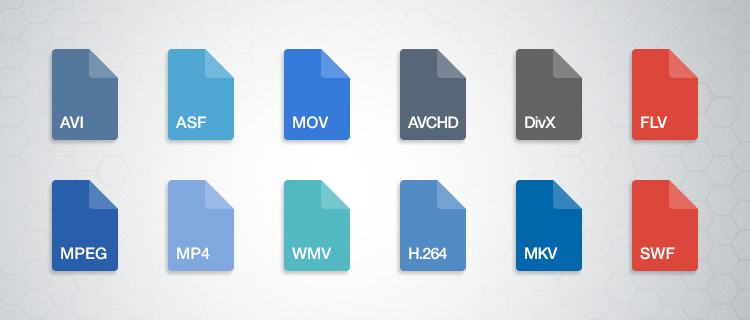
For example, if you have videos in formats like AVI, WMV, and MOV, you can convert them to a widely accepted format like MP4. This not only ensures compatibility but also makes it easier to organize your video library. Plus, most modern devices, including smartphones and smart TVs, support MP4, making it a versatile choice.
By standardizing your video formats, you can save time and avoid potential playback issues, making your video collection more accessible and user-friendly.
Video file consistency
Video file consistency goes beyond just the format; it includes aspects like resolution, frame rate, and audio settings. When you normalize video files for consistency, you’re essentially ensuring that all your videos have the same specifications. This is particularly important when creating a cohesive viewing experience, such as for a video playlist or a series.
Imagine you’re a content creator working on a web series. To maintain viewer engagement, you want all episodes to have identical quality and settings. Normalizing video files in this context involves making sure each episode shares the same resolution, frame rate, and audio settings. Consistency not only looks more professional but also eliminates distractions for your audience.
Using video editing software or dedicated normalization tools, you can easily adjust these parameters to achieve the desired consistency across your video files.
Video quality optimization
Video quality optimization is all about making your videos look their best while keeping file sizes manageable. When dealing with large video files, optimizing them ensures faster streaming and efficient storage. It’s a balance between maintaining high quality and reducing unnecessary bulk.
One of the key factors in video quality is bitrate. Higher bitrates result in sharper images and better sound, but they also lead to larger file sizes. To optimize video quality, you’ll want to find the sweet spot where quality remains excellent, but the file size isn’t excessively large. This is especially important when you’re uploading videos to online platforms, as they often have file size limitations.
Experimenting with different bitrates, resolutions, and codecs can help you strike that balance. Video editing software usually provides options for adjusting these settings, allowing you to fine-tune your videos for optimal quality.
Video compression techniques
Video compression is a fundamental aspect of normalizing video files. Compression techniques help reduce the file size of your videos without sacrificing too much quality. This is particularly useful when you need to save storage space or ensure smooth streaming over the internet.
Common video compression codecs include H.264 and H.265, which are widely supported across various devices and platforms. These codecs employ advanced algorithms to remove redundant information from your video files, resulting in smaller sizes while preserving good visual quality.
When applying video compression, it’s essential to strike a balance between compression level and quality. Higher compression can significantly reduce file size but may lead to a noticeable loss in quality, especially in highly detailed scenes. Experiment with different compression settings to find the right compromise.
Uniform video resolutions
Having uniform video resolutions is essential for a polished and professional look in your video collection. When videos have varying resolutions, it can be jarring for viewers to switch between them. Normalizing video resolutions involves adjusting all your videos to a consistent resolution.
Popular resolutions include 720p (HD), 1080p (Full HD), and 4K (Ultra HD). The choice of resolution depends on your specific needs and the capabilities of your target devices. For example, if you’re creating content for YouTube, 1080p is a standard choice that balances quality and file size.
By maintaining uniform resolutions, you ensure that your videos have a cohesive visual identity, making your content more appealing to viewers.
Consistent video bitrate
Consistency in video bitrate is another critical factor when normalizing video files. The bitrate determines the amount of data used to represent each second of video, directly impacting both quality and file size.
When you have videos with varying bitrates, it can lead to inconsistent quality and playback issues. To address this, normalize the bitrate across all your videos. This means ensuring that they all use a similar bitrate setting, which can be adjusted using video editing software or dedicated normalization tools.
Consistency in bitrate helps maintain a uniform viewing experience and prevents abrupt quality changes when switching between videos.
Video file compatibility
Ensuring video file compatibility is a fundamental step in making your videos accessible across different devices and platforms. Incompatibility issues can lead to frustrating experiences for viewers, such as playback errors or distorted visuals.
Before normalizing your video files, it’s crucial to understand the compatibility requirements of your target audience. Different devices and platforms may have specific format and codec preferences. For example, iOS devices tend to work best with H.264-encoded MP4 files, while some older devices may require different formats.
By researching and catering to the compatibility needs of your audience, you can ensure that your videos are easily accessible and enjoyable for everyone.
Normalizing multimedia files
Normalizing multimedia files extends beyond just video; it includes audio as well. Multimedia files often comprise various elements, such as video, audio, subtitles, and more. Normalization ensures that all these elements are balanced and harmonized for a seamless viewing experience.
For instance, when dealing with multimedia presentations or video editing projects, you want the audio levels to be consistent throughout. You wouldn’t want viewers to constantly adjust their volume because some parts are too quiet, while others are too loud. Normalizing audio levels across your multimedia files can solve this issue.
Additionally, subtitles and captions should be synchronized correctly with the video content, enhancing accessibility and comprehension. Multimedia normalization tools can assist in achieving these goals, providing a well-rounded viewing experience.
Video format conversion
Video format conversion is a versatile process that allows you to adapt your video files for different purposes. Whether you’re preparing videos for online streaming, archiving, or compatibility with various devices, conversion plays a significant role.
Conversion tools enable you to change not only the format but also other attributes like resolution, frame rate, and bitrate. This flexibility ensures that your videos are optimized for their intended use. For instance, when preparing videos for social media, you might convert them to formats and resolutions suitable for each platform’s requirements.
Additionally, format conversion can be handy when you want to preserve old video footage recorded in outdated formats. Converting these videos to modern formats ensures they remain accessible and of acceptable quality.
Video quality enhancement
Enhancing video quality goes beyond normalization; it involves improving the visual and auditory aspects of your videos. While normalization focuses on consistency and compatibility, quality enhancement aims to make your videos more visually appealing and engaging.
There are various techniques and tools available for video quality enhancement. These include color correction, sharpening, denoising, and even special effects. When used judiciously, these enhancements can breathe new life into your videos, making them more captivating for your audience.
For example, if you have older footage with faded colors, color correction can restore vibrancy. Similarly, adding subtle sharpening can make your videos look crisper and more professional.
Remember that quality enhancements should be applied thoughtfully, preserving the integrity of your original content while making it more visually appealing.
Final Words
Normalizing video files involves several aspects, from format standardization to quality optimization. Each step contributes to a smoother viewing experience and greater accessibility for your audience. Whether you’re a content creator, video enthusiast, or someone looking to organize their video collection, understanding these principles can help you make the most of your video files.
By ensuring video format compatibility, maintaining consistency in various attributes, and enhancing overall quality, you can present your videos in the best possible light. Remember that the specific approach may vary depending on your goals and target audience, so always tailor your normalization efforts to your unique requirements.
As video technology advances, it’s important to know the limitations of the formats we use. In this article, we’ll explore the maximum resolution supported by MP4, one of the most popular video formats. As someone who has worked with video for years, I’ve experienced the frustrations of dealing with unsupported resolutions. Let’s dive in.
Understanding MP4 Video Resolution
MP4 is a versatile video format that supports various resolutions, but what is the maximum resolution supported by MP4? The answer is dependent on the codec used to encode the video. The most common codec used in MP4 videos is H.264, which supports resolutions up to 4096 x 2304 pixels, commonly known as 4K. However, newer codecs such as H.265 can support even higher resolutions, such as 8K.
“Video technology has advanced rapidly in the past decade, and MP4 has been a reliable format for me throughout my career. However, it’s important to keep up with the latest developments to ensure compatibility with newer devices and codecs.”
MP4 Resolution Limitations
While MP4 can support high resolutions, there are limitations to consider. One factor is the device or software used to play the video. Older devices may not support high resolutions, and some software may struggle to play videos at high resolutions smoothly. Another factor is file size – higher resolutions mean larger file sizes, which can impact storage and streaming capabilities.
“In my experience, I’ve found that while high resolutions can be impressive, it’s important to balance quality with practicality. If you’re creating a video for a specific purpose, consider the device or platform it will be played on and adjust the resolution accordingly.”
Maximizing MP4 Video Quality
To get the most out of MP4 video, it’s important to optimize the quality for the intended audience. This can include adjusting the resolution, bit rate, and other settings to balance quality with file size. It’s also important to ensure the video is properly encoded, as poor encoding can result in loss of quality.
“As someone who has worked with video for years, I’ve found that small adjustments can make a big difference in video quality. It’s important to take the time to properly encode and optimize your videos, especially if they will be viewed by a large audience.”
Final Words
In conclusion, MP4 is a versatile video format that can support high resolutions, but it’s important to consider the limitations and optimize the quality for the intended audience. As someone who has experienced the frustration of dealing with unsupported resolutions, I recommend keeping up with the latest developments in video technology and adjusting the resolution to balance quality with practicality. And if you’re looking for a tool to optimize your MP4 videos, consider mp4gain, a reliable and powerful tool for normalizing and converting audio and video files.














Comments:
(Username: VideoPro123) – This article is fantastic! It helped me understand the differences between AVI and MPEG. I’ve been using AVI for my video editing, but now I’m considering switching to MPEG for better compatibility.
(Username: FilmGeek86) – I’ve always been a fan of AVI for its quality, but MPEG’s versatility is tempting. I appreciate the real-life examples used in this article.
(Username: TechNerd22) – Great breakdown of AVI vs. MPEG. But I’d love to see a more in-depth comparison of their codec support.
(Username: StreamingQueen) – As a streaming enthusiast, I found this article very informative. MPEG is undoubtedly the way to go for me.
(Username: AVIlover) – AVI may be old school, but I still prefer it for my video archives. It’s like holding onto a vintage camera in a digital age.
(Username: WanderlustVideo) – The article’s analogy of AVI as a classic car and MPEG as a modern sports car is spot on. It helps me visualize their differences.
(Username: CinematicDreamer) – I wish the article delved more into how different video editing software handles AVI and MPEG. That would be really useful!
(Username: RetroTechCollector) – This article made me nostalgic for the days of AVI. It’s like dusting off my old VHS tapes.
(Username: StreamingNovice) – I appreciate the simple explanations in this article. It’s like someone explaining the difference between vinyl and digital music.
(Username: CodecMaster) – Great article! But it would be awesome if it explored the impact of different codecs on AVI and MPEG quality.