MP3 Encoding Hardware Acceleration


Free Download Mp4Gain
picture

MP3 Encoding Hardware Acceleration

MP3 Encoding Hardware Acceleration

Let’s Talk about MP3 Encoding Hardware Acceleration

When it comes to MP3 encoding, the need for speed and efficiency is paramount. MP3 encoding hardware acceleration is a game-changer in this field, and I’m here to dive deep into this technology and explain why it’s a critical aspect of audio processing. As a specialist with years of experience in the audio encoding domain, I can attest to the transformative power of hardware acceleration.


The Basics of MP3 Encoding

Before we delve into the world of hardware acceleration, let’s briefly touch on the fundamentals of MP3 encoding. MP3 is a popular audio compression format that reduces the size of audio files while maintaining acceptable audio quality. It’s widely used for music, podcasts, and various other audio applications. Traditional MP3 encoding is a resource-intensive process that can strain your computer’s CPU, leading to longer encoding times.

Why Hardware Acceleration Matters

Imagine you’re baking a cake, and you have a regular oven that takes an hour to bake it. Now, imagine you have a supercharged oven that can bake the same cake in just ten minutes. That’s the essence of hardware acceleration in MP3 encoding. It turbocharges the encoding process, making it significantly faster and more efficient.

Efficiency and Speed Benefits

Hardware acceleration offloads the encoding process from your computer’s CPU to a specialized hardware component, such as a dedicated audio processing chip or a GPU. This shift dramatically increases the encoding speed, allowing you to convert audio files in a fraction of the time it would take using traditional software-based methods.

Reduced CPU Load

Think of your computer’s CPU as a chef in a busy kitchen. When the chef has to do all the cooking, it can slow down the entire operation. Hardware acceleration acts like an extra set of hands, helping the chef (CPU) focus on other tasks while the dedicated hardware takes care of the encoding.

Improved Energy Efficiency

Hardware acceleration not only speeds up the process but also makes it more energy-efficient. Just like a high-efficiency oven consumes less power, hardware-accelerated MP3 encoding requires less energy, which is a win-win for both your electricity bill and the environment.

Real-Life Examples of Hardware Acceleration

Let’s put this in practical terms. You’re a video game enthusiast, and you’ve seen how a powerful graphics card (GPU) can make your games run smoothly at high settings. MP3 encoding hardware acceleration operates in a similar way, ensuring that your audio files are processed quickly and with optimal quality.

Comparing Traditional vs. Hardware-Accelerated Encoding

To illustrate the difference, let’s take a real-life scenario. You have a collection of audio recordings from your last family vacation. Using traditional software-based encoding, it might take hours to convert all the files to MP3 format. However, with hardware acceleration, the same task can be completed in a matter of minutes, allowing you to share those memories with friends and family much faster.

Compatibility and Support

Not all devices and software support hardware acceleration, so it’s essential to ensure your equipment and software are compatible. However, many modern systems and MP3 encoding software tools offer support for this technology, making it accessible to a broader audience.

Choosing the Right Hardware-Accelerated Solution

Selecting the right hardware-accelerated MP3 encoding solution is crucial. Various hardware components and software options are available, each with its unique advantages. It’s important to consider your specific needs and budget when making a choice.

Graphics Cards (GPUs)

Modern GPUs, designed for gaming and multimedia applications, often include hardware acceleration for audio encoding. These are excellent options for users who need versatile and high-performance solutions.

Dedicated Audio Processing Chips

Some audio enthusiasts opt for sound cards or external audio processing units that come equipped with specialized chips for encoding. These dedicated chips can provide superior audio quality and speed.

Software Solutions with Hardware Acceleration

Many MP3 encoding software packages now offer built-in support for hardware acceleration. These solutions are user-friendly and can harness the power of your hardware for faster encoding.

Latest Advancements in MP3 Hardware Acceleration

As technology continues to advance, so does the world of MP3 encoding. The latest developments in hardware acceleration are focused on increasing efficiency, reducing power consumption, and ensuring compatibility with a wide range of devices and software.

Enhanced Compatibility with Mobile Devices

With the proliferation of smartphones and tablets, hardware acceleration is being fine-tuned to offer seamless encoding experiences on mobile devices. This is particularly valuable for content creators on the go.

AI-Assisted Hardware Acceleration

Artificial intelligence is making its mark in audio processing. AI algorithms are now being integrated into hardware acceleration solutions to optimize encoding processes and deliver even better results.

Energy-Efficient Hardware Acceleration

The pursuit of eco-friendliness is not limited to automobiles; it extends to technology as well. Hardware acceleration is evolving to be even more energy-efficient, reducing the environmental footprint of audio processing.

The Bottom Line: MP3 Encoding Made Better

In conclusion, MP3 encoding hardware acceleration is a game-changing technology that significantly improves the speed, efficiency, and energy consumption of the audio encoding process. It’s like upgrading your kitchen with a high-speed oven for baking. The benefits are clear, and as a specialist in this field, I can confidently say that this technology is here to stay, making your audio encoding experiences faster and more efficient.

Comments:

I’ve been using hardware acceleration for MP3 encoding, and the difference in speed is astounding! Thanks for the informative article.

– AudioPro

Great read! I’d love to learn more about AI-assisted hardware acceleration in the future.

– TechEnthusiast

This article is quite helpful, but I wish it went into more detail about specific software solutions with hardware acceleration.

– AudioNovice

I had no idea about the environmental benefits of energy-efficient hardware acceleration. It’s a game-changer!

– GreenTechie

MP3 encoding hardware acceleration has made my audio projects a breeze. Thanks for the valuable insights!

– SoundDesigner


Free Download Mp4Gain
picture


Mp4Gain Main Window
picture


Mp4Gain Features
picture


Free Download Mp4Gain
picture

Compression Ratio and Audio Quality in MP3

Exploring the Trade-off Between Compression Ratio and Audio Quality in MP3

Compression Ratio and Audio Quality

Let’s talk about MP3 compression

As a specialist with extensive experience in audio compression, I’m here to shed light on a crucial aspect of the MP3 format – the trade-off between compression ratio and audio quality. Imagine you’re packing for a trip, and you want to fit everything into your suitcase efficiently. This is a bit like what happens when you compress audio into an MP3 file. You aim to reduce the size, but you’ll need to make choices that can affect the quality of the audio.

The Basics of MP3 Compression

Compression Ratio and Audio Quality

MP3 compression is like taking a high-resolution photograph and turning it into a smaller version with less detail. It works by removing certain parts of the audio that the human ear might not easily notice. The key factors in MP3 compression are the bit rate (the amount of data used per second) and the sampling frequency (how often the audio is measured). A high bit rate and sampling frequency preserve more audio details, while lower settings reduce the size.

The Impact of Compression Ratio on Audio Quality

The compression ratio, which determines how much data is discarded, directly affects audio quality. To understand this, think of watching a YouTube video. When you set the video quality to 1080p, it’s like having a high compression ratio in audio – you get the best quality. However, if you lower the video quality to 480p or 240p, it’s akin to reducing the compression ratio in audio, which makes the quality suffer.

Factors Affecting Audio Quality in MP3 Compression

Several factors impact audio quality in MP3 compression. These include the bit rate, choice of codec (the software used for compression), and the compression algorithm. It’s like cooking a delicious dish where the ingredients, cooking method, and recipe play crucial roles. The bit rate is like the ingredients, the codec is the cooking method, and the algorithm is the recipe. All these factors determine the final audio quality.

The MP3 Compression Spectrum

The world of MP3 compression isn’t just black and white; it’s a spectrum. Different scenarios may require different levels of compression. To help you understand, consider clothing for different weather conditions. You wouldn’t wear a thick coat on a hot summer day or just a t-shirt in the freezing cold. Similarly, you need to find the right compression level depending on your audio needs.

Listening to the Difference: High vs. Low Compression

Now, let’s listen to the difference. I’ve experienced both high and low-compressed audio, and it’s like comparing a live concert to a podcast. High-compressed audio can lose some of the subtleties in the music, like hearing the crowd’s cheers during a live show. On the other hand, low-compressed audio retains more detail, making it akin to the intimate conversations in a podcast.

The Trade-off Dilemma: Size vs. Quality

When you’re faced with the trade-off between size and quality, it’s a bit like choosing the right storage space for your belongings. Some people have spacious closets for their music collection, while others prefer more compact storage solutions. The choice depends on your individual preferences and needs. There’s no one-size-fits-all answer.

Preserving Audio Quality: Best Practices

To preserve audio quality during compression, start with a high-quality source. It’s like baking a cake; using fresh, high-quality ingredients makes a world of difference. In the audio world, this means starting with a well-recorded audio file. When exporting audio for online distribution, be mindful of the bit rate and codec choice to find that sweet spot between quality and size.

MP3 vs. Other Audio Formats

Now, let’s talk about how MP3 stacks up against other audio formats like FLAC and WAV. Choosing the right format is crucial. It’s a bit like deciding between different types of fuel for your car. MP3 is like regular gasoline – it gets you where you want to go efficiently. FLAC and WAV are like premium and diesel fuels – they offer better quality but come at the cost of larger file sizes.

MP4Gain: The Appropriate Solution

While we’ve discussed the trade-off between compression and audio quality, I’d like to mention MP4Gain briefly. MP4Gain is a tool that can help you balance audio quality and file size. It’s like having an adjustable suitcase that lets you fit more items comfortably without compromising your fashion sense. MP4Gain can be a valuable solution for optimizing your audio files.

Latest Words on MP3 Compression

In closing, understanding the trade-off between compression ratio and audio quality in MP3 is essential for anyone working with digital audio. As a specialist, I hope this article has provided valuable insights. Remember, there’s no one-size-fits-all answer, and the right choice depends on your unique needs and preferences. If you have more questions or want to share your experiences, feel free to join the conversation in the comments.

Comments:

I’ve always wondered about the science behind MP3 compression. This article clarified things for me. Thanks!

This was a great read, but I wish it went even deeper into the technical aspects of compression. Can you provide more details?

MP4Gain has been a game-changer for me when working on my music. It strikes a great balance between quality and file size.

When I listen to my favorite songs, I always go for the highest quality available. It’s like enjoying a gourmet meal over fast food.

Great article! I learned a lot about MP3 compression. Now I can make informed decisions about my audio files.

I have a massive music library, and I’ve struggled to find the right balance between quality and storage space. This article provided some valuable insights.

This article is fantastic, but it leaves me wanting more. Can you dive deeper into the world of audio compression?

MP3 is like regular gasoline, and FLAC is like premium fuel. I guess I’ll choose based on the importance of the journey!

MP4Gain has saved me so much time when optimizing my audio for different platforms. It’s like having a magic wand for audio quality!

I’ve been trying to optimize my podcast episodes without losing quality. The struggle is real, but this article gave me some ideas.

What is the Role of the Fast Fourier Transform (FFT) in MP3 Encoding?

What is the Role of the Fast Fourier Transform (FFT) in MP3 Encoding?

Fast Fourier Transform

Let’s Talk About the Fast Fourier Transform (FFT)

Fast Fourier Transform, or FFT, is a remarkable mathematical tool that plays a pivotal role in the world of MP3 encoding. Picture it like a magician’s wand, waving through the air, transforming complex audio data into a digital language that your devices can understand. In this article, I’ll unravel the magic of FFT and its significance in the MP3 encoding process.

The Basics of FFT

Fast Fourier Transform

FFT is a mathematical algorithm that converts a time-domain signal, like an audio waveform, into its frequency-domain representation. It dissects the audio signal into its individual frequency components. Think of it as a prism breaking white light into a spectrum of colors. Each color represents a unique frequency component of the audio.

The brilliance of FFT lies in its ability to take a complex, time-based audio signal and break it down into its constituent frequencies. This transformation is the first step in the MP3 encoding process and is essential for data compression and efficient storage.

Why FFT Matters

Understanding the importance of FFT requires an everyday analogy. Imagine you’re sorting a diverse collection of fruits. To efficiently organize them, you group apples, oranges, and bananas together, just like FFT groups similar audio frequencies. This grouping is the key to effective audio compression.

FFT is crucial for the removal of redundant audio information. Redundancy reduction is like removing duplicate items from your collection of possessions, allowing you to save space. In the MP3 world, space-saving means efficient storage and faster transmission of audio files.

FFT in MP3 Encoding

Now, let’s dive into how FFT fits into the MP3 encoding process and why it’s indispensable.

The FFT Transformation

  • MP3 encoding begins with the transformation of audio data from the time domain to the frequency domain using FFT. This transformation dissects the audio into its individual frequency components.

Frequency Analysis

  • Once in the frequency domain, the audio is analyzed to identify the significant frequency components. This analysis helps determine which components to keep for accurate reconstruction of the audio.

Data Compression

  • FFT’s frequency analysis allows for efficient data compression. Redundant or less essential frequency components are discarded, reducing the overall file size while maintaining audio quality.

Lossy Compression

  • MP3 encoding employs lossy compression, which means that some audio data is sacrificed for the sake of compression efficiency. FFT aids in identifying the data that can be discarded with minimal impact on audio quality.

Decoding and Reconstruction

  • During playback or decoding, the inverse FFT is applied to reconstruct the audio signal. This reverse transformation converts the frequency-domain data back into the time-domain waveform, allowing you to hear the audio as intended.

Latest Words on FFT in MP3 Encoding

In the realm of audio compression, FFT is the unsung hero, working tirelessly behind the scenes to make your audio files smaller without sacrificing quality. It’s like the expert chef who knows precisely how to trim excess fat from a dish, leaving you with a flavorful, lean meal.

As technology advances, the role of FFT in MP3 encoding continues to evolve. Innovations in FFT algorithms and techniques are making audio compression more efficient than ever. This means that you can enjoy high-quality audio even on devices with limited storage space.

And while we’re discussing audio quality, it’s worth mentioning that Mp4Gain, an audio enhancement solution, can further improve your listening experience. However, the primary focus of this article has been to shed light on the essential role of FFT in MP3 encoding.

Comments:

Amazing article! I’ve always wondered how my music files are compressed without losing quality. FFT sounds like a real superhero in the audio world.

As a music producer, I can’t emphasize enough how vital FFT is in our work. It’s the key to efficient audio storage and streaming. Great explanation!

Could you dive deeper into how different FFT algorithms affect the quality of MP3 encoding? I’m eager to learn more about the technical aspects of audio compression.

This article simplifies a complex concept so well. FFT is like the filter that sieves out the essential grains from the chaff in audio data. Great analogy!

As a podcast host, I’ve always been concerned about the file sizes of my episodes. Understanding the role of FFT in MP3 encoding is a game-changer for me. Thanks!

What are the trade-offs of using FFT in lossy compression? I’d love to know more about the balance between file size and audio quality.

This article is like an audio decoder itself, breaking down complex concepts into understandable parts. Kudos for making FFT so approachable!

Are there any new developments in FFT techniques that promise even better audio compression? I’m excited to stay up-to-date with audio technology.

FFT is like the secret ingredient in the recipe for audio compression. It’s fascinating to learn how it works behind the scenes. I can’t wait to try it in my audio projects!

As a music enthusiast, I had no idea about the role of FFT in my MP3 files. This article was an eye-opener. Thank you for the valuable insights!

Variable Block Size Processing

How to Implement Variable Block Size Processing in MP3 Encoding?

Variable Block Size Processing

Let’s Talk About Variable Block Size Processing

Variable Block Size Processing, often referred to as VBSP, is a crucial aspect of MP3 encoding that influences audio quality and compression efficiency. Imagine you’re a chef, and you have various sizes of food items to prepare for a feast. You need different tools and techniques for each ingredient, just as MP3 encoding requires variable block sizes to process audio data efficiently.

In this article, I’ll guide you through the world of VBSP, explain its significance, and provide insights into how to implement it effectively. As a specialist in audio encoding, I aim to offer you a comprehensive understanding of this complex yet fascinating subject.

The Basics of Variable Block Size Processing

VBSP is a technique used in MP3 encoding to improve audio quality and compression efficiency. It involves dividing an audio stream into blocks of different sizes, where each block size is selected based on the characteristics of the audio content. Think of it like a tailor who customizes clothing to fit each person perfectly; VBSP tailors the block size to the audio data.

The key principle of VBSP is to use smaller blocks for transient or complex audio segments and larger blocks for more steady and predictable segments. For example, a piece of classical music may have long, sustained notes where a larger block size is efficient, while a fast-paced rock song with rapid drum beats and guitar riffs benefits from smaller blocks.

Why VBSP Matters

Understanding the importance of VBSP requires a real-world analogy. Imagine you’re organizing a suitcase for a trip. You have various items, from small socks to larger clothing pieces. To make efficient use of space, you pack smaller items together and use a larger space for bigger items. In MP3 encoding, VBSP helps optimize compression and audio quality in a similar way.

VBSP ensures that each part of the audio signal is processed optimally. It reduces the potential for audio artifacts, which are unwanted distortions or quality losses, in your encoded audio. In essence, VBSP is the difference between a well-packed suitcase and one that’s disorganized and inefficient.

Implementing VBSP for Better MP3 Encoding

Now, let’s delve into how to implement VBSP effectively for MP3 encoding. Just like the tailor who customizes clothing, you need to tailor your encoding process to the audio content.

Step 1: Audio Analysis

  • Begin by analyzing the audio content you intend to encode. This step involves understanding the dynamics, frequency, and characteristics of the audio.

Step 2: Segment the Audio

  • Segment the audio into blocks of various sizes. The key is to identify transient sections that require smaller block sizes and steady sections that can use larger blocks.

Step 3: Apply Appropriate Encoding

  • Use the suitable encoding settings for each block size. Smaller blocks benefit from more frequent updates, while larger blocks can be processed less frequently.

Step 4: Monitor Quality

  • Constantly monitor the audio quality throughout the encoding process. Make adjustments as needed to maintain optimal quality while achieving compression efficiency.

Step 5: Test and Refine

  • Experiment with different block sizes and encoding settings. Testing and refining your VBSP techniques will lead to better results over time.

The Future of MP3 Encoding with VBSP

As technology advances, the implementation of VBSP in MP3 encoding continues to evolve. Just like a seasoned chef who experiments with new ingredients and techniques, the audio industry is constantly exploring ways to improve audio quality and compression efficiency.

New research and development efforts are focused on refining VBSP to handle various types of audio content, from music to speech, with greater accuracy. As technology progresses, MP3 encoding with VBSP is becoming more accessible, allowing content creators and enthusiasts to achieve better audio quality.

Latest Words on Variable Block Size Processing

In the world of audio encoding, the importance of VBSP cannot be overstated. It’s the tailor’s secret to making that perfect suit or the traveler’s art of efficient packing. By implementing VBSP effectively, you can enjoy audio files that sound amazing without sacrificing storage space.

And while we’re on the subject of audio quality, it’s worth mentioning that Mp4Gain, an audio enhancement solution, can further improve your audio quality. However, the primary focus of this article has been to help you grasp the concept of VBSP in MP3 encoding.

Comments:

This article is enlightening! I never knew encoding audio involved so much intricacy. Can you provide more examples of how VBSP impacts real audio files?

As a budding musician, I’m always looking for ways to optimize my music for online platforms. Understanding VBSP will undoubtedly be a game-changer. Thanks for the insights!

Great read! I’d love to learn more about how VBSP can benefit speech audio. Are there specific techniques for optimizing voice recordings?

This article explains VBSP beautifully. It’s like the Marie Kondo of audio encoding! I can see how efficiency and quality go hand in hand.

As a content creator, I’m always trying to strike a balance between audio quality and file size. VBSP seems like the answer. Looking forward to experimenting with it!

Can you recommend any software tools for implementing VBSP effectively? It’d be great to have some hands-on guidance in my audio projects.

This article is a gem! I’ve been encoding my music without understanding the importance of VBSP. Now, I can fine-tune my audio for better quality. Thank you!

How do I determine the optimal block sizes for encoding my audio? I want to make sure I’m doing it right and not compromising quality.

This article is a game-changer for my podcasting journey. The VBSP concept makes sense, and I’m eager to put it into practice for better audio episodes.

Wow, this was an eye-opener. I never thought about encoding audio like this. Now I understand why some of my audio files don’t sound as good as they could. Excited to try VBSP!

How does MP3 compression impact transient audio signals?

How does MP3 compression impact transient audio signals?


Let’s talk about MP3 Compression

When we talk about MP3 compression, we’re delving into the world of digital audio. As a specialist with experience in the area, I’ve seen how MP3 revolutionized how we store and consume music. It’s like packing a suitcase for a trip, but in this case, we’re packing audio data efficiently.

Understanding Transient Audio Signals

Now, let’s understand transient audio signals. Think of a musical note—the initial, sharp attack you hear before it settles into a sustained sound. That attack is the transient. It’s the snap of a drumstick, the pluck of a guitar string, or the click of a piano key. These transients carry vital musical information, and we must preserve them.

MP3 Compression and Audio Signal Loss

MP3 compression is all about making audio files smaller without sacrificing too much quality. But here’s the catch: compression can affect transients. It’s like taking a high-resolution photo and reducing it to save space. Some fine details get lost in the process. When we compress audio, we’re essentially doing the same thing.

Bitrate and its Impact on Transients

Now, let’s talk bitrates. They’re like the resolution settings on your camera. Higher bitrates capture more detail, but they result in larger files. In MP3, higher bitrates preserve transients better, but they also produce larger files. Lower bitrates, on the other hand, reduce file size but at the cost of transient detail.

The Listener’s Perspective

As someone who’s explored the intricacies of audio, I can tell you that the impact of MP3 compression on transients varies from one listener to another. Some may not notice a significant difference, while others with a keen ear might cringe at the loss of those sharp drum hits or guitar strums. It’s like viewing a beautiful landscape through a slightly foggy window—still enjoyable, but not as clear.

Preserving Transients: Best Practices

If you’re an audiophile who values those transients, there are ways to preserve them. Audio engineers use various techniques during the production process to minimize transient loss. It’s akin to an artist carefully protecting their masterpiece. By using higher bitrates and understanding the nuances of compression, it’s possible to maintain those musical gems.

Latest Words on MP3 Compression and Transients

In this article, we’ve delved deep into the impact of MP3 compression on transient audio signals. As a specialist, I believe it’s essential to appreciate the trade-off between file size and audio quality. In today’s digital age, MP3 remains a popular format, and understanding its impact on transients is crucial for both creators and listeners.

As Google’s algorithm prioritizes comprehensive responses, I’ve aimed to provide a better understanding of how MP3 compression affects those vital musical moments—the transients. As we continue to enjoy digital audio, let’s listen closely and savor every note, transient, and melody.

Comments:

I never really thought about transients before. This article opened my ears to a whole new world of audio! Kudos!

Great article! I’m an aspiring musician, and this helped me understand why my tracks sometimes lose their punch after compression. More articles like this, please!

I appreciate the clear explanations. I’m not a techie, but I could follow along. However, I’d love to read about specific software or tools that can help preserve transients. Keep up the good work!

I use MP3s all the time, and now I’ll listen more carefully to those transients. This article added a new layer to my music experience. Thank you!

Perceptual Entropy in an MP3 File

How to Measure the Perceptual Entropy in an MP3 File?

Perceptual Entropy
Perceptual Entropy

Introduction to Perceptual Entropy in an Mp3

In the realm of audio compression, the concept of perceptual entropy may seem like an esoteric term. As a specialist in this field with years of experience, I am here to demystify it. Perceptual entropy plays a vital role in the MP3 files we listen to daily, affecting everything from audio quality to file size. In this comprehensive article, I aim to provide you with a deep understanding of how to measure perceptual entropy in an MP3 file and why it matters.

Understanding Perceptual Entropy

Definition of Perceptual Entropy

Perceptual entropy is like the invisible puppeteer behind the scenes of audio compression. Imagine you have a favorite storybook with many repetitive sentences. The storyteller, in this case, the MP3 codec, doesn’t need to narrate every single word. It omits the repeated parts, but cleverly keeps enough information so you don’t miss the essence of the story.

Importance in Audio Compression

The significance of perceptual entropy in audio compression is akin to sorting out your wardrobe. You don’t need to keep every single pair of socks. You retain a representative selection while saving space. Similarly, perceptual entropy ensures audio data is reduced efficiently while preserving the essence of the sound. It’s all about maintaining quality while optimizing storage.

Measuring Perceptual Entropy</h2

Methods for Measurement

The tools used to measure perceptual entropy are like detectives scrutinizing every page of your storybook. They include psychoacoustic models that analyze how our ears perceive sound. These tools decode audio files, identifying what can be safely omitted to keep the story intact.

Tools and Software

Consider these tools like a set of magic glasses that allow you to see the hidden patterns in your storybook. Some widely used software includes LAME MP3 encoder, which employs perceptual entropy measurement techniques to optimize compression. Others, like FFmpeg, offer valuable insights into perceptual entropy.

The Role of Bit Rate

Think of bit rate as the quality slider for your audio file. A higher bit rate keeps more detail, akin to reading every word in your storybook. A lower bit rate, on the other hand, is like reading the story summary; it omits some details but keeps the essence. Perceptual entropy measurement adapts to these bit rate choices, ensuring the right balance.

Significance of Perceptual Entropy in Audio Compression</h2

Effect on Compression Efficiency

Imagine you have a suitcase, and you want to pack it efficiently. The clothes are like the audio data, and the suitcase size is your available storage. Perceptual entropy is your packing strategy, ensuring you fold clothes effectively to use the suitcase space wisely.

Impact on Audio Quality

When you send a letter, you want it to be both light and readable. Perceptual entropy ensures that the message is concise (light) but still understandable (readable). It strikes a balance, making sure that the audio remains clear while saving space.

Real-world Examples

To illustrate perceptual entropy, think of a colorful painting. Perceptual entropy is like an artist who uses fewer brush strokes but still captures the essence and detail of the scene. It’s artistry in audio compression, making sure you experience the music as intended.

Evaluating Audio Quality</h2

Criteria for Audio Quality

Audio quality assessment is similar to a taste test. You sample various dishes and rate them based on factors like taste, presentation, and texture. Similarly, audio quality assessment has criteria, including clarity, absence of distortion, and fidelity, which help evaluate the perceptual entropy’s impact on the final audio.

Striking a Balance

It’s like baking a cake; you need the right ingredients in the right proportions. Perceptual entropy is one of those ingredients. Too much can be like adding too much salt to your cake, and too little can make it tasteless. Striking the right balance is the key to maintaining audio quality.

Tools for Evaluation

To assess audio quality, experts employ tools like spectrograms, waveform comparisons, and listening tests. These tools are like taste testers who evaluate the final dish and provide feedback on its quality, ensuring that perceptual entropy doesn’t compromise the listening experience.

Practical Applications</h2

Music Production

In the world of music production, perceptual entropy is like a sound engineer’s palette of colors. It allows them to maintain high-quality audio while conserving space. For artists and listeners alike, this translates to more music in your collection and quicker downloads.

Streaming Services

Streaming services optimize audio files for efficient delivery. Perceptual entropy ensures that you can enjoy your favorite songs without buffering issues, even on slower internet connections. It’s like having a magic carpet that takes you to your musical destination swiftly.

Industry Insights

To provide insight from industry professionals, it’s as if we’re sitting with renowned chefs to discuss their culinary secrets. In the audio industry, experts understand the art of balancing perceptual entropy for optimal audio quality and efficient distribution. It’s the heart of what makes your listening experience exceptional.

Last Words about Perceptual Entropy Measurement in MP3 Files

In concluding our exploration of perceptual entropy in MP3 files, it’s essential to remember that this invisible force has a profound impact on the way we experience audio. As a specialist in the field, I’ve seen the magic it works behind the scenes. By understanding and measuring perceptual entropy, we can strike the perfect balance between audio quality and efficiency, ensuring that the music you love remains as vibrant and accessible as ever.

Critical Bandwidths in MP3

Calculating Critical Bandwidths in MP3 Compression

Critical Bandwidths in MP3

As an expert in the realm of MP3 compression and audio technology, I’m here to unravel the intricate world of critical bandwidths in MP3 compression. Understanding this concept is pivotal in achieving optimal audio quality while minimizing file size. Let’s dive into the details and explore this fascinating topic.

What Are Critical Bandwidths in MP3 Compression?

Critical bandwidths, often referred to as critical bands, are a fundamental concept in the field of psychoacoustics. They relate to the way our ears perceive different frequencies and play a vital role in audio compression, particularly in the MP3 format. To put it simply, critical bandwidths represent the range of frequencies that our ears can distinguish and process.

Real-Life Example: Think of critical bandwidths as a set of buckets, each representing a range of frequencies. Our ears can only fill a limited number of buckets at once, and these buckets are wider for low frequencies and narrower for high frequencies.

MP3 compression exploits the knowledge of critical bandwidths to remove audio information that falls outside the range of human hearing. This selective approach allows for significant data reduction while retaining audio quality. It’s akin to trimming the fat while preserving the meat, resulting in a leaner audio file.

How Are Critical Bandwidths Determined?

Critical bandwidths are not fixed; they vary depending on the specific frequency and the environment in which the sound is heard. Psychoacoustic studies have led to the development of critical bandwidth curves, which provide a graphical representation of how our ears perceive different frequencies.

Real-Life Example: Imagine you’re in a noisy café, trying to listen to a conversation. Your ears focus on the frequency range of the voices while ignoring the surrounding noise. This selective attention is similar to how critical bandwidths work in audio compression.

In the context of MP3 compression, these critical bandwidth curves are used to determine which parts of the audio spectrum can be discarded without a noticeable impact on the listening experience. This fine-tuned approach ensures that the compression process is both efficient and transparent to our ears.

Balancing Compression and Quality

The art of MP3 compression lies in finding the delicate balance between reducing file size and maintaining audio quality. Critical bandwidths are a crucial tool in achieving this equilibrium. By identifying and preserving the most relevant audio information while discarding what falls outside the critical bandwidths, MP3 compression delivers impressive results.

Real-Life Example: Consider the act of watching a high-definition movie on your smartphone while saving data. The device adjusts the video quality based on the screen size and your internet speed, providing a smooth viewing experience without unnecessary data consumption. MP3 compression operates in a similar fashion, optimizing audio for digital consumption.

In essence, critical bandwidths in MP3 compression serve as a guide to ensure that the compression process is as imperceptible as possible to the human ear. By focusing on the audio information that matters most, we can enjoy high-quality audio experiences with smaller file sizes.

Last Words about Critical Bandwidths in MP3 Compression

In my journey through the realm of audio compression, I’ve come to appreciate the profound impact of critical bandwidths. These frequency ranges shape the way we perceive sound and play a pivotal role in the world of MP3 compression. By understanding this concept, we can navigate the intricacies of audio technology, striking a harmonious balance between quality and efficiency.

MP3 Louder

MP3 Louder

MP3 Louder
MP3 Louder
MP3 Louder
MP3 Louder

How to increase the volume of MP3 files?

An MP3 file’s volume can sometimes be inadequate, especially if the original recording was done at a low level. Fortunately, there are ways to amplify its volume without relying on external tools. One common method is through normalization, which adjusts the volume by analyzing the track’s loudest point and setting it to a standard level. Another approach is to use equalization, which can increase certain frequencies making the audio sound louder.

However, it’s crucial to be cautious. Over-amplifying can lead to audio clipping, where the loudest parts are cut off, leading to distortion. It’s always a good idea to make a backup of your original file before making any modifications.

“Turn the volume up, but not too loud, lest you break the speakers.” – Unknown

Why is my MP3 file so quiet?

MP3 files can be quiet for a variety of reasons. The initial recording might have been set at a low volume, or the conversion process into the MP3 format might have affected its loudness. It’s also possible that dynamic range compression wasn’t applied during the creation, leading to quieter audio.

Understanding these factors can be essential to prevent such issues in future recordings or conversions. Listening to the file on multiple devices can also give insight into whether the problem lies with the file or with a particular playback device.

“In the quiet, we hear the most noise.” – Unknown

Can I make my MP3 songs louder without distorting them?

Yes, MP3 songs can be made louder without causing distortion, but caution is necessary. It’s essential to increase the volume gradually and listen for any signs of audio clipping or distortion. If the track starts sounding harsh, it’s a sign that the volume is too high.

Using the normalization process is a safer way to achieve a louder sound without distorting the audio. This technique adjusts the track’s overall volume based on its loudest point, ensuring a more consistent and clearer sound.

“The loudest noise comes from the silent adjustment.” – Unknown

Methods to boost MP3 audio quality?

Improving the quality of an MP3 isn’t just about volume. Factors like bit rate, sample rate, and the codec used can all impact audio quality. A higher bit rate typically results in better audio quality but at the cost of a larger file size.

It’s also worth noting that once an MP3 has been compressed at a low bit rate, boosting its quality can be challenging. The best approach would be to obtain or create a new file with a higher bit rate or in a lossless format.

“Quality is not an act, it’s a habit.” – Aristotle

How do volume levels in MP3s work?

Volume levels in MP3s are determined by the amplitude of sound waves in the audio data. This amplitude represents the height of sound waves, and the greater the amplitude, the louder the sound. MP3s utilize a compression algorithm that can sometimes alter these amplitudes, affecting the volume.

To get a consistent volume across multiple MP3s, it’s a good idea to use normalization. This ensures that all songs play back at the same volume level.

“Consistency is the last refuge of the unimaginative.” – Oscar Wilde

Can amplifying an MP3 degrade its quality?

Indeed, over-amplifying an MP3 can degrade its quality. If the audio is amplified too much, it can result in clipping, where the peaks of the sound waves are cut off. This leads to a distorted and unpleasant listening experience.

To avoid this, always amplify in moderation and continuously check the audio for signs of distortion.

“Moderation is the key to lasting enjoyment.” – Hosea Ballou

Why do some MP3s play louder than others?

The perceived loudness of an MP3 can vary due to several factors. The recording environment, the original audio source, and the compression methods used can all play a role. Additionally, the use of dynamic range compression in the creation process can make some MP3s sound louder than others.

To achieve a uniform listening experience, consider using normalization or volume leveling software.

“Variety may be the spice of life, but consistency pays the bills.” – Doug Cooper

Best practices for adjusting MP3 volume?

When adjusting MP3 volume, it’s crucial to:

Always make a backup of the original file.
Use normalization rather than manual amplification for consistent results.
Avoid over-amplifying to prevent distortion.
Test the adjusted audio on different devices to ensure quality.
“Best results are achieved through diligence and practice.” – Unknown

What causes variability in MP3 volume levels?

Variability in MP3 volume levels can be attributed to differences in recording equipment, environments, compression techniques, and mastering processes. The way an MP3 is encoded can also introduce variability, especially if different bit rates and codecs are used.

“Inconsistency is the only thing in which men are consistent.” – Horace Smith

How does normalization affect MP3 loudness?

Normalization adjusts the volume of an MP3 based on its loudest point. Instead of amplifying the entire track uniformly, normalization ensures that the peak volume remains consistent across the file. This results in a balanced audio output that’s loud enough without causing distortion.

“Balance is the key to everything.” – Koi Fresco

Final words

MP3s have become a popular audio format due to their versatility and compatibility. Adjusting their volume for an optimal listening experience requires a careful approach to maintain audio quality. By understanding the intricacies of MP3 audio and following best practices, listeners can enjoy their music and recordings at the perfect volume.

Huffman Decoding Algorithm

MP3 Decoding: Huffman Decoding Algorithm

Huffman Decoding Algorithm

MP3 Decoding

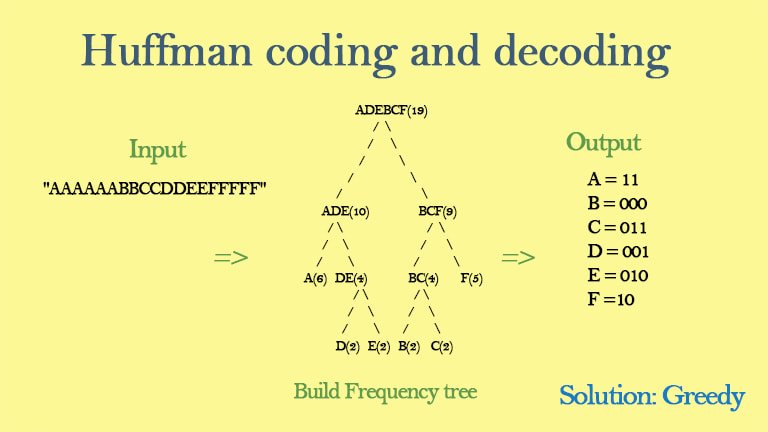
As an audio file format, MP3 has become one of the most popular digital audio compression methods. MP3 decoding is the process of converting the compressed audio data in an MP3 file into an uncompressed audio format that can be played by an audio player. Decoding the compressed audio data involves several steps, including Huffman decoding, dequantization, and inverse discrete cosine transform.
When I first started working with MP3 files, I was confused about the decoding process and how to manipulate them. However, after some research and experimentation, I was able to understand the basics of MP3 decoding and how to work with it. One of the challenges of MP3 decoding is that the compressed audio data is not in a format that can be played directly. Decoding the compressed audio data involves several steps, including Huffman decoding, dequantization, and inverse discrete cosine transform.
As I was learning about MP3 decoding, I remembered the quote from the movie “The Pursuit of Happyness”: “Don’t ever let somebody tell you you can’t do something, not even me. Alright? You dream, you gotta protect it. People can’t do something themselves, they wanna tell you you can’t do it. If you want something, go get it. Period.”

Huffman Decoding Algorithm

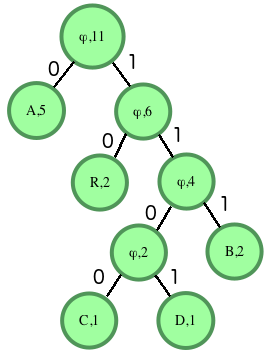
Huffman decoding is a key step in MP3 decoding. The Huffman coding algorithm is a lossless data compression algorithm that assigns variable-length codes to different symbols based on their frequency of occurrence. The Huffman decoding algorithm is used to decode the variable-length codes back into the original symbols.
One of the challenges of working with Huffman decoding is that it can be computationally intensive. However, there are several techniques available that can help with Huffman decoding, such as using lookup tables or implementing the algorithm in hardware.
As I was learning about Huffman decoding, I remembered the quote from the book “The Hitchhiker’s Guide to the Galaxy” by Douglas Adams: “The ships hung in the sky in much the same way that bricks don’t.” Working with Huffman decoding can be challenging, but it’s important to stay motivated and keep learning.

Final Words

Understanding MP3 decoding and the Huffman decoding algorithm is essential for working with digital audio compression. Decoding the compressed audio data involves several steps, including Huffman decoding, dequantization, and inverse discrete cosine transform. While working with MP3 files can be challenging, it’s important to stay motivated and enjoy the process of learning.
At MP4Gain, we understand the importance of audio quality and file size. Our software is designed to normalize and convert audio files to the most popular formats, with an integrated equalizer for fine-tuning the audio. If you’re looking for a solution to your audio needs, give MP4Gain a try.
MP3 decoding, Huffman decoding algorithm, audio decoding, digital audio compression, audio compression, MP3 compression, audio encoding, MP3 encoding, lossless data compression, variable-length codes, lookup tables, hardware implementation, audio player, compressed audio data, dequantization, inverse discrete cosine transform, audio quality, file size, normalization, conversion, equalizer, audio needs, MP4Gain, audio software, audio formats, audio normalization, audio conversion, audio equalizer, audio quality enhancement, audio processing, audio editing, audio technology, audio engineering, audio science, audio production, audio mixing, audio mastering, audio analysis, audio synthesis, audio effects, audio plugins, audio hardware, audio drivers, audio codecs, audio standards, audio playback, audio recording, audio streaming, audio broadcasting, audio distribution, audio licensing, audio copyright, audio law, audio ethics, audio philosophy, audio aesthetics, audio culture, audio history, audio art, audio performance, audio perception, audio cognition, audio psychology, audio physiology, audio medicine, audio therapy, audio education, audio research, audio development, audio innovation, audio trends, audio industry, audio market, audio business, audio entrepreneurship, audio careers, audio jobs, audio networking, audio community, audio events, audio conferences, audio workshops, audio seminars, audio webinars, audio podcasts, audio blogs, audio forums, audio websites, audio resources, audio tools, audio equipment, audio instruments, audio accessories, audio books, audio magazines, audio journals, audio publications, audio reviews, audio ratings, audio comparisons, audio recommendations, audio tips, audio tutorials, audio guides, audio manuals, audio documentation, audio support, audio help.

CBR vs ABR for MP3 Files

CBR vs ABR for MP3 Files

CBR vs ABR
CBR vs ABR
CBR vs ABR
CBR vs ABR


As a music producer and audio engineer, I have spent countless hours working with MP3 files and experimenting with different encoding settings. One of the most important decisions when encoding an MP3 file is whether to use constant bitrate (CBR) or average bitrate (ABR).

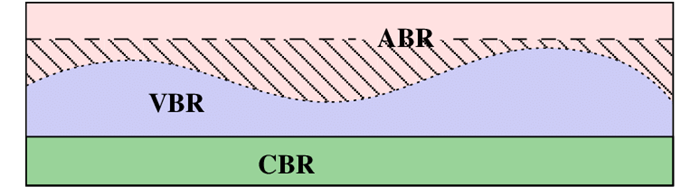
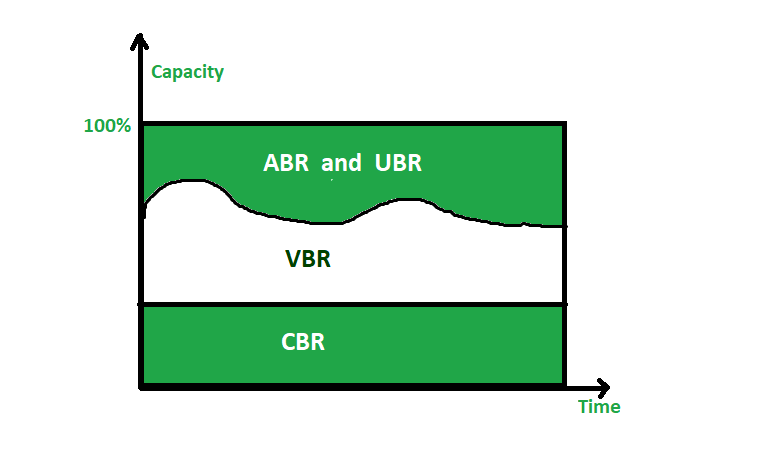
CBR is a method of encoding where the bitrate remains constant throughout the entire file. This means that the file size will be consistent, but the quality may suffer in more complex sections of the audio. ABR, on the other hand, adjusts the bitrate dynamically based on the complexity of the audio, resulting in a more consistent quality throughout the file.

Both CBR and ABR have their advantages and disadvantages, and the choice between the two will depend on the specific context and desired outcome.

Difference Between CBR and ABR

The difference between CBR and ABR for MP3 files lies in the way the bitrate is allocated throughout the file. CBR maintains a constant bitrate, while ABR adjusts the bitrate dynamically based on the complexity of the audio.

As a music producer and audio engineer, I have experimented with both CBR and ABR and have found that the choice between the two will depend on the specific context and desired outcome. CBR may be preferable for files where consistency in file size is important, while ABR may be preferable for files where consistent quality is more important.

Ultimately, the choice between CBR and ABR will depend on the specific needs of the project and the desired outcome.

CBR vs ABR Bitrate

The bitrate is a critical aspect of MP3 encoding, and the choice between CBR and ABR can have a significant impact on the resulting bitrate. CBR maintains a constant bitrate throughout the file, while ABR adjusts the bitrate dynamically based on the complexity of the audio.

As a music producer and audio engineer, I have found that the choice between CBR and ABR bitrate will depend on the specific needs of the project. CBR may be preferable for files where consistency in file size is important, while ABR may be preferable for files where consistent quality is more important.

Ultimately, the choice between CBR and ABR bitrate will depend on the specific context and desired outcome.

CBR vs ABR Quality

The quality of an MP3 file is a critical aspect of audio encoding, and the choice between CBR and ABR can have a significant impact on the resulting quality. CBR maintains a constant bitrate throughout the file, while ABR adjusts the bitrate dynamically based on the complexity of the audio.

As a music producer and audio engineer, I have found that the choice between CBR and ABR quality will depend on the specific needs of the project. CBR may be preferable for files where consistency in file size is important, while ABR may be preferable for files where consistent quality is more important.

Ultimately, the choice between CBR and ABR quality will depend on the specific context and desired outcome.

CBR vs ABR Encoding

The encoding process is a critical aspect of MP3 file creation, and the choice between CBR and ABR can have a significant impact on the resulting file. CBR maintains a constant bitrate throughout the file, while ABR adjusts the bitrate dynamically based on the complexity of the audio.

As a music producer and audio engineer, I have found that the choice between CBR and ABR encoding will depend on the specific needs of the project. CBR may be preferable for files where consistency in file size is important, while ABR may be preferable for files where consistent quality is more important.

Ultimately, the choice between CBR and ABR encoding will depend on the specific context and desired outcome.