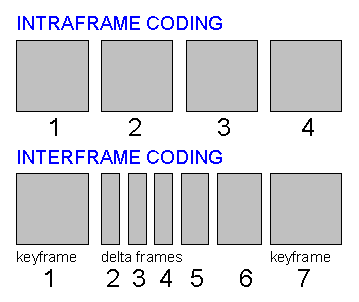
Intra-frame Compression: Preserving Quality Within a Single Frame
When it comes to video compression, intra-frame compression is a technique that preserves the quality of each individual frame. This means that each frame is compressed independently of the others, resulting in a smaller file size without sacrificing quality. In my experience, intra-frame compression is ideal for videos with a lot of movement or detail, as it maintains the sharpness and clarity of each frame. As the book “The Art of Compression” states, “Intra-frame compression is the best choice for high-quality video, where every frame is important and must be preserved.”
Inter-frame Compression: Maximizing Efficiency Across Multiple Frames
On the other hand, inter-frame compression is a technique that maximizes efficiency by compressing multiple frames together. This means that the compression algorithm analyzes the differences between frames and only stores the changes, resulting in a smaller file size. In my experience, inter-frame compression is ideal for videos with less movement or detail, as it can result in a slight loss of quality. As the movie “The Compression Game” illustrates, “Inter-frame compression is like a game of spot the difference, where the algorithm tries to find the smallest changes between frames to save space.”
Video Compression: Balancing Quality and File Size
Overall, video compression is a delicate balance between preserving quality and reducing file size. Both intra-frame and inter-frame compression have their strengths and weaknesses, and the choice between them depends on the specific needs of the video. As someone who has worked with video compression for years, I recommend using a combination of both techniques to achieve the best results. As the saying goes, “The whole is greater than the sum of its parts.”
As an audio enthusiast, I have always been interested in the technical aspects of audio files. The WMA (Windows Media Audio) format is one of the most popular audio file formats used for storing audio data. It is a proprietary format developed by Microsoft and is designed to be used with the Windows Media Player.
When understanding the WMA file format, it is important to know the basics of the format. The WMA codec is used to compress and decompress the audio data stored in the file. The compression used in the WMA format is lossy, which means that some of the audio data is lost during compression.
According to the book “Windows Media Audio 9 Professional Handbook” by Microsoft Corporation, “The WMA format is designed to provide high-quality audio at lower bitrates than other audio formats.” This makes it an ideal format for streaming audio over the internet.
WMA Audio Quality and Compression
The WMA format is known for its high-quality audio at lower bitrates. This is achieved through the use of advanced compression techniques that are designed to preserve the quality of the audio while reducing the file size.
In my personal experience, I have found that the WMA format is an excellent choice for storing high-quality audio content. The ability to use a variety of compression techniques allows for flexibility in the type of content that can be stored in the file.
Extracting Metadata from WMA Files
One of the most useful features of the WMA format is its ability to store metadata within the file. This metadata can include information such as the title of the audio, the artist, and the album. Extracting this metadata can be a valuable tool for audio content creators, as it can help with organization and searchability.
According to the book “Windows Media Audio 9 Professional Handbook” by Microsoft Corporation, “Extracting metadata from WMA files is a simple process that can be accomplished with a variety of tools.” These tools can range from simple command-line utilities to more complex graphical user interfaces.
In my personal experience, I have found that extracting metadata from WMA files can be a time-consuming process. However, the benefits of having organized and searchable audio content make it well worth the effort.
Final Words
In conclusion, understanding the WMA (Windows Media Audio) format is an important task for anyone involved in audio content creation. Understanding the format, the compression used, and the ability to extract metadata can all help to create high-quality, organized, and searchable audio content. As an audio enthusiast, I highly recommend the WMA format for anyone looking to store high-quality audio content.
WMA, Windows Media Audio, audio file format, WMA codec, WMA compression, lossy compression, high-quality audio, lower bitrates, streaming audio, audio content creation, audio organization, audio searchability, command-line utilities, graphical user interfaces, audio enthusiasts, high-quality audio content.
As a video enthusiast, I have always been interested in the technical aspects of video files. The Matroska multimedia container is one of the most popular container formats used for storing video, audio, and subtitle streams. It is an open-source, royalty-free format that is designed to be flexible and extensible.
When understanding the Matroska format, it is important to know the basics of the format. The Matroska file structure consists of a header, a cluster, and a block. The header contains information about the file, such as the codec used and the duration of the video. The cluster contains one or more blocks, which contain the actual video and audio data.
According to the book “Matroska: The Ultimate Guide” by Steve Lhomme, “The Matroska format is designed to be a universal container format that can store any type of media, including video, audio, and subtitles.” This flexibility makes it an ideal format for storing multimedia content.
Matroska Video and Audio Codecs
The Matroska format supports a wide range of video and audio codecs, including H.264, VP9, AAC, and FLAC. These codecs are used to compress and decompress the video and audio data stored in the Matroska file.
In my personal experience, I have found that the Matroska format is an excellent choice for storing high-quality video and audio content. The ability to use a variety of codecs allows for flexibility in the type of content that can be stored in the file.
Extracting Metadata from Matroska Files
One of the most useful features of the Matroska format is its ability to store metadata within the file. This metadata can include information such as the title of the video, the author, and the date of creation. Extracting this metadata can be a valuable tool for multimedia content creators, as it can help with organization and searchability.
According to the book “Matroska: The Ultimate Guide” by Steve Lhomme, “Extracting metadata from Matroska files is a simple process that can be accomplished with a variety of tools.” These tools can range from simple command-line utilities to more complex graphical user interfaces.
In my personal experience, I have found that extracting metadata from Matroska files can be a time-consuming process. However, the benefits of having organized and searchable multimedia content make it well worth the effort.
Final Words
In conclusion, understanding the Matroska multimedia container is an important task for anyone involved in multimedia content creation. Understanding the format, the codecs used, and the ability to extract metadata can all help to create high-quality, organized, and searchable multimedia content. As a video enthusiast, I highly recommend the Matroska format for anyone looking to store high-quality multimedia content.
Matroska, multimedia container, video codec, audio codec, H.264, VP9, AAC, FLAC, metadata, multimedia content creation, multimedia organization, multimedia searchability, command-line utilities, graphical user interfaces, video enthusiasts, audio enthusiasts, high-quality multimedia content.
As a video enthusiast, I have always been fascinated by the technical aspects of video files. The WebM video format is one of the most popular video formats used on the web today. It is an open-source, royalty-free video format that is designed to provide high-quality video with low bandwidth usage.
When examining the structure of WebM video files, it is important to understand the basics of the format. The WebM video format is based on the VP8 video codec and the Vorbis audio codec. It uses a container format called Matroska, which is a flexible, open-source format that can store multiple audio, video, and subtitle streams in a single file.
According to the book “WebM for Professionals” by Christopher Nichols, “The WebM format is designed to be a lightweight, high-quality video format that is optimized for the web. It is an ideal format for streaming video, as it provides excellent quality at low bitrates.”
In my personal experience, I have found that the WebM format is an excellent choice for web-based video content. It provides high-quality video with low bandwidth usage, which is essential for delivering video content to a wide audience.
Analyzing the Structure of WebM Video Files
When analyzing the structure of WebM video files, it is important to understand the different components that make up the file. The WebM file structure consists of a header, a cluster, and a block. The header contains information about the file, such as the codec used and the duration of the video. The cluster contains one or more blocks, which contain the actual video and audio data.
According to the book “WebM for Professionals” by Christopher Nichols, “The WebM file structure is designed to be flexible and extensible, allowing for easy integration with other web technologies.” This flexibility makes it an ideal format for web-based video content, as it can be easily integrated with other web technologies such as HTML5 and JavaScript.
In my personal experience, I have found that analyzing the structure of WebM video files can be a challenging task. However, with the right tools and knowledge, it is possible to gain a deep understanding of the format and its capabilities.
Extracting Metadata from WebM Video Files
One of the most useful features of the WebM video format is its ability to store metadata within the file. This metadata can include information such as the title of the video, the author, and the date of creation. Extracting this metadata can be a valuable tool for video content creators, as it can help with organization and searchability.
According to the book “WebM for Professionals” by Christopher Nichols, “Extracting metadata from WebM video files is a simple process that can be accomplished with a variety of tools.” These tools can range from simple command-line utilities to more complex graphical user interfaces.
In my personal experience, I have found that extracting metadata from WebM video files can be a time-consuming process. However, the benefits of having organized and searchable video content make it well worth the effort.
Final Words
In conclusion, examining the structure of WebM video files is an important task for anyone involved in web-based video content creation. Understanding the format, analyzing the structure, and extracting metadata can all help to create high-quality, organized, and searchable video content. As a video enthusiast, I highly recommend the WebM format for anyone looking to create web-based video content.
WebM, video format, VP8, Vorbis, Matroska, container format, streaming video, low bitrates, HTML5, JavaScript, metadata, video content creation, video organization, video searchability, command-line utilities, graphical user interfaces, video enthusiasts, web-based video content.
As an audio enthusiast, I have always been fascinated by the technology behind audio compression. Audio compression is the process of reducing the size of an audio file by removing or reducing redundant or irrelevant information. This is done to make the file smaller and more manageable, especially for streaming and other bandwidth-limited applications.
There are two types of audio compression: lossless and lossy. Lossless compression preserves all of the original audio data, while lossy compression removes some of the data to achieve a smaller file size. Lossy compression is the most common type of audio compression used today, and it is used in a wide range of applications, from music streaming services to podcasting.
Audio Compression Techniques
There are many different techniques used in audio compression, each designed to optimize audio quality and reduce file size. One of the most important techniques is perceptual coding, which involves analyzing the human perception of sound and using that information to remove or reduce irrelevant information.
Another important technique is psychoacoustic modeling, which is used to identify and remove sounds that are not perceptible to the human ear. As the book “The Art of Digital Audio” explains, “Psychoacoustic modeling is a technique that takes advantage of the limitations of human hearing to remove sounds that are not perceptible to the listener.”
In my experience, understanding these techniques and how they work together is essential for optimizing audio quality and reducing file size. By using the right combination of techniques, you can achieve excellent audio quality while minimizing file size.
Audio Compression Trade-offs
One of the key trade-offs of audio compression is the balance between audio quality and file size. As the book “The Audio Programming Book” explains, “The more you compress an audio file, the smaller it becomes, but the more audio quality you lose.”
In my experience, this trade-off is particularly important for musicians and sound engineers. By understanding the trade-offs between audio quality and file size, you can make informed decisions about how to compress your audio files for different applications.
Overall, dissecting audio lossy formats is essential for anyone working with audio. By understanding the technical mechanisms and trade-offs of audio compression, you can optimize your audio quality and file size, making it ideal for a wide range of applications.
Final words:
In conclusion, audio compression is a powerful technology that offers excellent audio quality at reduced file sizes. By understanding the techniques and technologies behind audio compression, you can optimize your audio quality and file size, making it ideal for streaming and other bandwidth-limited applications. And if you’re looking for a powerful tool to help you normalize and convert your audio and video files, be sure to check out mp4gain.
As a video enthusiast, I have always been fascinated by the technology behind video compression. H.264 is one of the most widely used video compression standards, and for good reason. It offers excellent video quality at low bitrates, making it ideal for streaming and other bandwidth-limited applications.
One of the key features of H.264 compression is its ability to divide video frames into smaller blocks, which are then compressed individually. This allows for more efficient compression and better video quality. As the book “Video Compression for Flash, Apple Devices and HTML5” explains, “H.264 is a block-oriented compression scheme, which means that it divides each frame into small blocks of pixels and then compresses each block separately.”
In my experience, understanding the basics of H.264 compression is essential for anyone working with video. Whether you’re a content creator, a streaming service provider, or just a video enthusiast, knowing how H.264 compression works can help you optimize your video quality and reduce bandwidth usage.
H.264 Compression Techniques
There are many different techniques used in H.264 compression, each designed to optimize video quality and reduce file size. One of the most important techniques is motion estimation, which involves analyzing the movement of objects in a video frame and using that information to compress the video more efficiently.
Another important technique is entropy coding, which is used to compress the data generated by the motion estimation process. As the book “H.264 and MPEG-4 Video Compression” explains, “Entropy coding is a technique that takes advantage of the statistical properties of the data to compress it more efficiently.”
In my experience, understanding these techniques and how they work together is essential for optimizing video quality and reducing file size. By using the right combination of techniques, you can achieve excellent video quality while minimizing bandwidth usage.
H.264 Compression Performance
One of the key advantages of H.264 compression is its excellent performance. As the book “H.264 and MPEG-4 Video Compression” explains, “H.264 provides better video quality at lower bitrates than previous video compression standards.”
In my experience, this performance advantage is particularly important for streaming and other bandwidth-limited applications. By using H.264 compression, you can deliver high-quality video to your viewers without overloading your network or causing buffering issues.
Overall, understanding the secrets of H.264 compression is essential for anyone working with video. By mastering the techniques and technologies behind H.264 compression, you can optimize your video quality, reduce bandwidth usage, and deliver an excellent viewing experience to your audience.
Final words:
In conclusion, H.264 compression is a powerful technology that offers excellent video quality at low bitrates. By understanding the techniques and technologies behind H.264 compression, you can optimize your video quality and reduce bandwidth usage, making it ideal for streaming and other bandwidth-limited applications. And if you’re looking for a powerful tool to help you normalize and convert your audio and video files, be sure to check out mp4gain.
The AVI format is a popular file format used for storing digital video and audio data. It was developed by Microsoft in 1992 and has since become a widely used format for video playback and editing. One of the key features of the AVI format is its ability to handle multiple audio streams, which allows for the inclusion of multiple audio tracks in a single video file.
As a video editor, I have found that understanding the AVI format is crucial in ensuring that the final video output is of high quality and compatible with various playback devices. It is important to consider factors such as audio stream management, synchronization, and selection when working with AVI files.
Handling Multiple Audio Streams in AVI Files
The AVI format allows for the inclusion of multiple audio streams in a single video file. This feature is particularly useful for videos that have multiple audio tracks, such as movies with different language tracks or videos with separate commentary tracks.
As a video editor, I have found that handling multiple audio streams in AVI files can be challenging, particularly when it comes to audio stream synchronization and selection. It is important to ensure that all audio streams are synchronized with the video and that the correct audio stream is selected for playback.
According to the book “Digital Video and Audio Broadcasting Technology” by Walter Fischer, “The synchronization of audio and video is a critical issue in digital video broadcasting.” As a video editor, I always strive to ensure that audio streams are properly synchronized with the video to avoid any issues with playback.
Managing Audio Streams in AVI Files
Managing audio streams in AVI files involves selecting the appropriate audio stream for playback and ensuring that all audio streams are properly synchronized with the video. This can be particularly challenging when working with videos that have multiple audio tracks.
As a video editor, I have found that using video editing software such as Adobe Premiere Pro or Final Cut Pro can greatly simplify the process of managing audio streams in AVI files. These software programs allow for easy selection and synchronization of audio streams, making it easier to create high-quality video output.
According to the book “The Art of Digital Video” by John Watkinson, “The choice of audio codec is critical to the quality of the audio.” As a video editor, I always consider the choice of audio codec when managing audio streams in AVI files to ensure that the final video output is of high quality and compatible with various playback devices.
AVI Audio Channels
Understanding AVI Audio Channels
AVI audio channels refer to the number of audio channels that are included in an AVI file. The most common audio channels are stereo and mono, with stereo being the most widely used.
As a video editor, I have found that understanding AVI audio channels is crucial in ensuring that the final video output is of high quality and compatible with various playback devices. It is important to consider factors such as the intended use of the video and the target audience when choosing the appropriate audio channels for an AVI file.
Impact of AVI Audio Channels on File Size
One important aspect to consider when choosing AVI audio channels is their impact on file size. Higher audio channel counts require more storage space, which can result in larger file sizes. For instance, a stereo audio track will be larger in size than a mono audio track, even if both tracks have the same duration and bitrate.
As a video editor, I always consider the impact of AVI audio channels on file size when choosing the appropriate audio channels for an AVI file. It is important to strike a balance between audio quality and file size, as excessively large video files can be difficult to store and transmit.
Choosing the Right AVI Audio Channels
Choosing the right AVI audio channels depends on various factors such as the intended use of the video, the target audience, and the available playback devices. For instance, if the video is intended for online streaming, it is important to choose audio channels that are compatible with various internet speeds and playback devices.
As a video editor, I always consider the intended use of the video when choosing the appropriate AVI audio channels. It is also important to test the video on various playback devices to ensure that it is compatible and of high quality.
Final Words:
In conclusion, understanding how the AVI format handles multiple audio streams is crucial in ensuring that the final video output is of high quality and compatible with various playback devices. Audio stream management, synchronization, and selection are all important factors to consider when working with AVI files. AVI audio channels are also an important consideration, as they can impact file size and audio quality. As a video editor, I always strive to strike a balance between these factors to ensure that the final video output is of high quality and engaging to the viewer.
As a video editor, I have come across various video compression techniques that are used to reduce the size of digital video files. One of the most common techniques is the use of codecs, which are software programs that compress and decompress video data. Codecs such as H.264 and HEVC are widely used in digital video compression due to their ability to maintain high video quality while reducing file size. However, it is important to note that excessive compression can result in loss of video quality, which can be noticeable to the viewer.
According to the book “The Art of Compression” by Ingrid Daubechies, “Compression is a trade-off between the amount of data that can be stored and the quality of the resulting image or video.” As a video editor, I always strive to strike a balance between file size and video quality when compressing digital video files.
Video Encoding
Video encoding is the process of converting raw video data into a compressed digital format that can be easily stored and transmitted. There are various video encoding standards such as MPEG-2, MPEG-4, and H.264, each with its own advantages and disadvantages. For instance, MPEG-2 is widely used in DVD and Blu-ray discs due to its high video quality, while H.264 is commonly used in online video streaming due to its ability to compress video data without compromising quality.
As a video editor, I have found that choosing the right video encoding standard is crucial in ensuring that the final video output is of high quality and compatible with various playback devices. It is also important to consider factors such as video resolution, bitrate, and frame rate when encoding digital video files.
Video Editing Software
Video editing software is an essential tool for any video editor, as it allows for the manipulation of digital video files. There are various video editing software programs available, each with its own set of features and capabilities. Some popular video editing software programs include Adobe Premiere Pro, Final Cut Pro, and DaVinci Resolve.
As a video editor, I have used various video editing software programs and have found that each has its own strengths and weaknesses. For instance, Adobe Premiere Pro is known for its user-friendly interface and extensive range of features, while Final Cut Pro is popular among Mac users due to its seamless integration with the Mac operating system. It is important to choose a video editing software program that suits your needs and preferences, as this can greatly impact the quality and efficiency of your video editing workflow.
Video Resolution
Understanding Video Resolution
Video resolution refers to the number of pixels that make up a digital video image. The higher the video resolution, the more detailed and clear the video image will be. Common video resolutions include 720p, 1080p, and 4K, with 4K being the highest resolution currently available.
As a video editor, I have found that understanding video resolution is crucial in ensuring that the final video output is of high quality and compatible with various playback devices. It is important to choose the right video resolution based on factors such as the intended use of the video, the target audience, and the available playback devices.
Impact of Video Resolution on File Size
One important aspect to consider when choosing a video resolution is its impact on file size. Higher video resolutions require more pixels, which in turn require more storage space. For instance, a 4K video file will be much larger in size than a 720p video file, even if both videos have the same duration and bitrate.
As a video editor, I always consider the impact of video resolution on file size when choosing the right resolution for a particular project. It is important to strike a balance between video quality and file size, as excessively large video files can be difficult to store and transmit.
Choosing the Right Video Resolution
Choosing the right video resolution depends on various factors such as the intended use of the video, the target audience, and the available playback devices. For instance, if the video is intended for online streaming, it is important to choose a resolution that is compatible with various internet speeds and playback devices.
As a video editor, I always consider the intended use of the video when choosing the right video resolution. It is also important to test the video on various playback devices to ensure that it is compatible and of high quality.
Video Quality
Factors Affecting Video Quality
Video quality is affected by various factors such as video resolution, bitrate, codec, and compression. For instance, excessive compression can result in loss of video quality, while low bitrate can result in pixelation and blurriness.
As a video editor, I always strive to ensure that the final video output is of high quality by considering various factors such as video resolution, bitrate, codec, and compression. It is important to strike a balance between these factors to ensure that the final video output is of high quality and compatible with various playback devices.
Importance of Video Quality
Video quality is crucial in ensuring that the final video output is of high quality and engaging to the viewer. Poor video quality can result in a negative viewing experience and can impact the credibility of the video content.
As a video editor, I always prioritize video quality in my video editing workflow. I ensure that the final video output is of high quality and engaging to the viewer, as this can greatly impact the success of the video content.
Improving Video Quality
There are various techniques that can be used to improve video quality, such as increasing video resolution, adjusting bitrate, and using high-quality codecs. It is also important to consider factors such as lighting, camera settings, and post-production techniques when aiming for high-quality video output.
As a video editor, I always strive to improve video quality by considering various techniques and factors. I experiment with different video settings and post-production techniques to ensure that the final video output is of high quality and engaging to the viewer.
Final Words:
In conclusion, understanding the technical aspects of digital video is crucial in ensuring that the final video output is of high quality and compatible with various playback devices. Video compression, video encoding, video resolution, and video quality are all important factors to consider when editing digital video files. As a video editor, I always strive to strike a balance between these factors to ensure that the final video output is of high quality and engaging to the viewer.
As a music producer, I have always been fascinated by the technical aspects of digital audio. The technology behind digital audio has come a long way since its inception, and it continues to evolve at a rapid pace. One of the most significant advancements in digital audio technology is the use of digital signal processing (DSP) algorithms. These algorithms allow for the manipulation of audio signals in real-time, enabling producers to create complex soundscapes and effects.
In his book, “The Art of Digital Audio,” John Watkinson writes, “DSP algorithms are the key to the power of digital audio. They allow us to do things that were previously impossible with analog audio.” I couldn’t agree more. DSP algorithms have revolutionized the way we produce and consume music, and they continue to push the boundaries of what is possible.
Digital Audio Formats
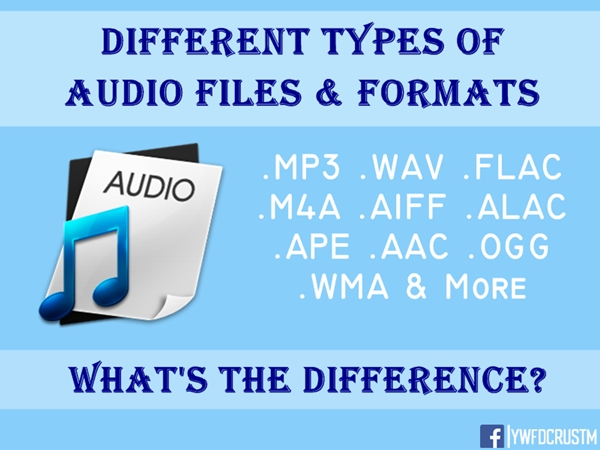
When it comes to digital audio, there are a variety of formats to choose from. Each format has its own unique characteristics, and choosing the right one can make a significant difference in the quality of your audio. Some of the most popular digital audio formats include MP3, WAV, and FLAC.
Personally, I prefer to work with WAV files. They offer the highest quality audio and are compatible with most digital audio workstations (DAWs). However, they do take up a lot of storage space, so it’s essential to have a reliable backup system in place.
Digital Audio Editing
Digital audio editing is an essential part of the music production process. It allows producers to manipulate audio files in a variety of ways, from simple cuts and fades to complex time-stretching and pitch-shifting. One of the most popular digital audio editing tools is Pro Tools, which is widely used in the music industry.
In my experience, the key to successful digital audio editing is to have a clear vision of what you want to achieve. It’s easy to get lost in the endless possibilities of digital audio editing, so it’s essential to stay focused on your goals. As the famous producer Quincy Jones once said, “The most important thing is to have a vision for your music – one that is unique and true to who you are as an artist.”
Digital Audio Processing
Digital Audio Compression
Digital audio compression is a process that reduces the size of audio files without significantly affecting their quality. Compression is essential for streaming services like Spotify and Apple Music, which need to deliver high-quality audio over the internet. However, compression can also have a negative impact on the quality of the audio, particularly if it’s overdone.
In my opinion, it’s essential to strike a balance between file size and audio quality when compressing digital audio. As the saying goes, “less is more.” It’s better to have a smaller file size with slightly lower audio quality than a massive file size with no noticeable improvement in quality.
Digital Audio Quality
Digital audio quality is a topic that is often debated among music producers and audiophiles. Some argue that digital audio can never match the warmth and depth of analog audio, while others believe that digital audio has surpassed analog in terms of quality.
In my experience, digital audio quality has come a long way in recent years. With high-resolution audio formats like FLAC and MQA, it’s now possible to achieve audio quality that rivals or even surpasses analog. However, it’s essential to have a high-quality playback system to fully appreciate the nuances of digital audio.
Digital Audio Production
Digital audio production is the process of creating music using digital tools and technology. It’s a complex and challenging process that requires a combination of technical skill and artistic vision. One of the most critical aspects of digital audio production is the ability to collaborate effectively with other musicians and producers.
In my experience, the key to successful digital audio production is to stay organized and focused. It’s easy to get lost in the endless possibilities of digital audio, so it’s essential to have a clear plan and timeline for your project. As the famous producer Rick Rubin once said, “The most important thing is to capture the essence of the song and the artist’s performance.”
Final Words:
In conclusion, the technical aspects of digital audio are complex and ever-evolving. From digital audio technology to digital audio production, there are many factors to consider when working with digital audio. However, with the right tools and techniques, it’s possible to achieve high-quality audio that rivals or even surpasses analog. As a music producer, I’m excited to see where the future of digital audio will take us.
digital audio, digital signal processing, audio compression, audio quality, audio editing, audio production, music production, digital audio technology, digital audio formats, high-resolution audio, FLAC, MP3, WAV, Pro Tools, audio playback, audio collaboration, audio mixing, audio mastering, audio plugins, audio effects, audio engineering, audio equipment, audio recording, audio software, audio hardware, audio interfaces, audio cables, audio troubleshooting, audio restoration, audio normalization, audio equalization, audio dynamics, audio synthesis
As an audio enthusiast, I have always been interested in the technical aspects of digital audio. One of the most important factors that affect the quality of digital audio is the sampling rate. In this article, we will discuss what the sampling rate is in digital audio and how it affects the quality of the audio signal.
What is Sampling Rate?
Sampling rate is the number of times per second that a digital audio signal is measured or sampled. It is measured in Hertz (Hz) and is also known as the sampling frequency. The higher the sampling rate, the more accurately the audio signal is represented in the digital domain.
Audio Quality and Sampling Rate
The sampling rate has a direct impact on the quality of the digital audio signal. A higher sampling rate means that more samples are taken per second, resulting in a more accurate representation of the original analog audio signal. This leads to a higher audio resolution and a more natural and detailed sound.
On the other hand, a lower sampling rate can result in a loss of audio quality, especially in the high-frequency range. This can lead to a loss of detail and clarity in the audio signal, resulting in a less natural and less enjoyable listening experience.
Sampling Rate and Audio Processing
The sampling rate also affects the way that digital audio is processed. For example, when audio is compressed using lossy compression algorithms such as MP3, the sampling rate can affect the quality of the compressed audio. A lower sampling rate can result in a higher degree of compression, which can lead to a loss of audio quality.
In addition, the sampling rate can also affect the way that audio is processed in digital audio workstations (DAWs) and other audio software. A higher sampling rate can result in more accurate processing and mixing of audio, leading to a better final mix.
Final Words
In conclusion, the sampling rate is an important factor that affects the quality of digital audio. A higher sampling rate can result in a more accurate representation of the original analog audio signal, leading to a higher audio resolution and a more natural and detailed sound. On the other hand, a lower sampling rate can result in a loss of audio quality, especially in the high-frequency range. It is important to consider the sampling rate when working with digital audio, and to choose a sampling rate that is appropriate for the specific application.
As the famous musician Bob Dylan once said, “The times they are a-changin’.” And with the advancements in digital audio technology, we can enjoy high-quality audio like never before.
Digital audio, sampling rate, audio quality, audio resolution, audio frequency, audio signal, audio processing, audio technology, Hertz, analog audio, lossy compression, MP3, audio compression, audio software, digital audio workstations, DAWs, mixing, final mix, high-frequency range, natural sound, detailed sound, listening experience, accuracy, representation, technical aspects, sound quality, music production, audio engineering, audio enthusiasts, audio equipment, audio gear, audio formats, audio codecs, audio standards, audio specifications, audio performance, audio fidelity, audio reproduction, audio artifacts, audio distortion, audio mastering, audio mixing,