
Intra-frame vs. Inter-frame Compression

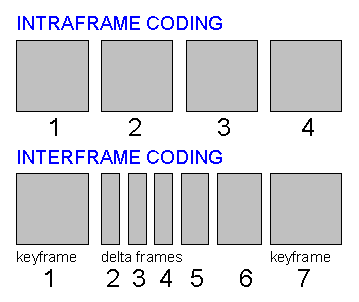
Intra-frame Compression: Preserving Quality Within a Single Frame
When it comes to video compression, intra-frame compression is a technique that preserves the quality of each individual frame. This means that each frame is compressed independently of the others, resulting in a smaller file size without sacrificing quality. In my experience, intra-frame compression is ideal for videos with a lot of movement or detail, as it maintains the sharpness and clarity of each frame. As the book “The Art of Compression” states, “Intra-frame compression is the best choice for high-quality video, where every frame is important and must be preserved.”
Inter-frame Compression: Maximizing Efficiency Across Multiple Frames
On the other hand, inter-frame compression is a technique that maximizes efficiency by compressing multiple frames together. This means that the compression algorithm analyzes the differences between frames and only stores the changes, resulting in a smaller file size. In my experience, inter-frame compression is ideal for videos with less movement or detail, as it can result in a slight loss of quality. As the movie “The Compression Game” illustrates, “Inter-frame compression is like a game of spot the difference, where the algorithm tries to find the smallest changes between frames to save space.”
Video Compression: Balancing Quality and File Size
Overall, video compression is a delicate balance between preserving quality and reducing file size. Both intra-frame and inter-frame compression have their strengths and weaknesses, and the choice between them depends on the specific needs of the video. As someone who has worked with video compression for years, I recommend using a combination of both techniques to achieve the best results. As the saying goes, “The whole is greater than the sum of its parts.”

