Let’s talk about Psychoacoustic Analysis in AV1 Video Codec
In the ever-evolving landscape of video codecs, the AV1 codec has emerged as a frontrunner, promising superior compression efficiency. However, a critical aspect that often goes unnoticed is the psychoacoustic analysis embedded within AV1. As a specialist with extensive experience in this domain, I delve into the intricacies of psychoacoustic principles and their profound impact on the AV1 video codec.
The Foundation of Psychoacoustic Analysis
Understanding the significance of psychoacoustic analysis is crucial in comprehending AV1’s prowess. Psychoacoustics deals with how the human auditory system perceives sound. AV1 leverages psychoacoustic principles to discard audio information that the human ear might not readily detect, enabling efficient compression without compromising perceived audio quality.
In my years of expertise, I’ve witnessed how this nuanced approach not only optimizes file sizes but also ensures a seamless audio-visual experience. Imagine it as a finely tuned orchestra, where only the most essential notes are played, creating a symphony that captivates without overwhelming.
The Harmony of AV1 and Psychoacoustic Modeling
AV1’s integration of psychoacoustic modeling is akin to a skilled conductor leading an orchestra to perfection. By analyzing and understanding the human auditory system, AV1 strategically discards audio data that won’t be missed, resulting in smaller file sizes without sacrificing sound quality.
Picture this: Just as a chef meticulously trims excess fat from a prime cut of meat to enhance flavor, AV1’s psychoacoustic analysis trims unnecessary audio data, preserving the essence of the sound. This synergy between technology and human perception is where AV1 truly shines.
Breaking Down the AV1 Psychoacoustic Toolbox
AV1 employs a sophisticated set of tools for psychoacoustic analysis, surpassing its predecessors and some of its competitors. These tools include:
Temporal Masking: AV1 analyzes how our ears perceive sound over time, allowing it to prioritize crucial audio information during specific moments in a video.
Frequency Masking: Similar to how a loud environment can mask softer sounds, AV1 considers frequency masking to discard audio components that might go unnoticed due to surrounding frequencies.
Bit Allocation: AV1 intelligently distributes bits based on the importance of different audio components, ensuring that vital sounds receive more data for accurate reproduction.
The culmination of these tools creates a finely tuned audio experience that complements the impressive video compression capabilities of AV1.
Unraveling the AV1 Advantages Over Competitors
In the competitive realm of video codecs, AV1 stands out not only for its video compression but also for its superior audio delivery, courtesy of psychoacoustic analysis. While other codecs may focus solely on video optimization, AV1 takes a holistic approach, enriching the auditory experience alongside visual brilliance.
Consider AV1 as a maestro orchestrating a multimedia masterpiece, where each element plays in harmony. This nuanced balance elevates AV1 above its counterparts, providing users with a comprehensive solution for high-quality audio-visual content.
The Future of AV1 and Psychoacoustic Innovation
As technology advances, so does the potential for further refinement in psychoacoustic analysis within video codecs. AV1 serves as a trailblazer, paving the way for future innovations that prioritize both video and audio excellence.
Looking ahead, the synergy between AV1 and psychoacoustic principles could revolutionize how we perceive and consume multimedia content. It’s not just about compression; it’s about crafting an immersive experience that captivates all our senses.
Latest Words on Psychoacoustic Analysis in AV1 Video Codec
In concluding my exploration of psychoacoustic analysis in the AV1 video codec, it’s evident that this intersection of technology and human perception creates a transformative multimedia experience. As a specialist deeply immersed in this realm, I emphasize the profound impact of psychoacoustic principles in optimizing audio-visual content.
Let’s not view AV1 merely as a codec; let’s appreciate it as a conductor orchestrating a symphony of visual and auditory excellence. This is the future of multimedia, where compression meets craftsmanship, and the result is nothing short of extraordinary.
Comments:
This article gave me a fresh perspective on AV1 and its audio capabilities. It’s like upgrading from a standard radio to a high-end sound system!
– SoundEnthusiast91
Really insightful! Would love to see more articles breaking down advanced codec technologies. Keep up the great work!
– TechGeek24
Can you dive deeper into the future innovations you hinted at? I’m eager to understand where AV1 and psychoacoustics might take us next.
– CuriousExplorer
Excellent breakdown of AV1’s psychoacoustic tools! It’s fascinating how technology mimics our natural senses to enhance audio quality.
– AudioTechWizard
This article convinced me to explore AV1 further. The comparison to a maestro orchestrating a multimedia masterpiece resonated with me.
– VisualEnthusiast
Great read, but I wish there was more detailed information on the bit allocation process. Maybe a follow-up article?
– InquisitiveMind
AV1’s holistic approach to audio-visual optimization is a game-changer. Kudos for shedding light on the often overlooked world of psychoacoustic analysis!
– MultimediaExplorer
This article left me wanting more. Could you recommend resources for a deeper dive into AV1 and psychoacoustics?
– KnowledgeSeeker
Brilliant analogy comparing AV1 to a conductor! It really helps grasp the synergy between technology and human perception.
– ArtsAndTechBlend
As someone who creates multimedia content, this article opened my eyes to the possibilities of enhancing both audio and video. Valuable insights!
– ContentCreatorInsider
I appreciate the real-world examples used throughout the article. It made complex concepts much more accessible. Well done!
– EverydayTechUser
Informative, but I hoped for a more detailed comparison with other codecs. Are there specific scenarios where AV1’s psychoacoustic analysis truly outshines the competition?
– ComparisonSeeker
This article sparked my interest in AV1’s audio features. Excited to see how this technology evolves in the coming years!
– FutureTechEnthusiast
Great job breaking down the technical aspects! I’m curious about your thoughts on practical applications of AV1’s psychoacoustic analysis in everyday devices.
High-Efficiency Video Coding (HEVC) in MP4 Containers
Let’s Talk about HEVC in MP4
In my extensive experience with video codecs, HEVC stands out as a game-changer. HEVC, also known as H.265, revolutionizes video compression, promising superior quality at lower bitrates within the familiar MP4 container. Imagine it as a magic wand for video quality, ensuring your MP4 files deliver stunning visuals while efficiently managing file sizes.
The HEVC Advantage in MP4 Compression
Diving into the synergy between HEVC and MP4, envision your video files as a suitcase. HEVC acts as a savvy packer, optimizing the space to fit more clothes (video data) without compromising on style (quality). The result? A compact MP4 file that doesn’t skimp on visual appeal.
Latest Words on HEVC Efficiency
In the race for efficient video compression, HEVC emerges as the undisputed champion. In practical terms, HEVC reduces file sizes without sacrificing quality, making it a must-have for anyone dealing with video content. Whether you’re a content creator, streaming service, or just a video enthusiast, understanding the intricacies of HEVC in the MP4 context is essential.
HEVC vs. Previous Codecs
Comparing HEVC to its predecessors, such as H.264, reveals a significant leap in compression efficiency. Think of it as upgrading from a compact car to a sleek, fuel-efficient electric vehicle. The advancements in HEVC allow for better video quality at the same bitrate or similar quality at a much-reduced bitrate.
Practical Applications of HEVC in MP4
Let’s bring this tech talk to everyday scenarios. Imagine you’re a videographer covering a large event. HEVC lets you capture high-quality footage without worrying too much about storage constraints. Your video files become easier to manage, transfer, and store, thanks to HEVC’s prowess.
Now, consider a streaming service delivering content to millions of users worldwide. HEVC ensures a smoother streaming experience by optimizing bandwidth usage without compromising the cinematic grandeur. It’s like having the best seat in the cinema without leaving your living room.
Mastering HEVC Settings for MP4
While HEVC offers remarkable compression, mastering its settings is crucial for optimal results. It’s akin to wielding a powerful tool—you need to know how to use it effectively. Adjusting parameters like bitrate, resolution, and quality settings allows you to strike the perfect balance between file size and video excellence.
HEVC in the 4K Era
As we embrace the era of 4K content, HEVC takes center stage. Its ability to handle the intricacies of ultra-high-definition video makes it indispensable. Without it, streaming 4K videos would be like trying to fit a square peg in a round hole—inefficient and lacking the finesse that modern viewers demand.
HEVC Licensing Considerations
Before fully immersing yourself in the world of HEVC, it’s essential to touch on licensing considerations. HEVC comes with licensing requirements, and understanding these aspects is key, especially for businesses integrating HEVC into their workflows. Think of it as the terms and conditions you’d read before signing up for a new service—necessary for a smooth and legally sound experience.
Let’s Talk About MP4 Containers
Now that we’ve navigated the intricate landscape of HEVC, let’s shift our focus to the trusted companion—MP4 containers. If HEVC is the engine, MP4 is the sleek chassis that houses your video content. MP4 has become the standard for multimedia consumption, offering a versatile and widely compatible format.
Compatibility and Accessibility
One of the standout features of MP4 containers is their compatibility across various devices and platforms. It’s like having a universal remote control that seamlessly works with every TV brand. MP4 ensures your videos can be enjoyed on computers, smartphones, tablets, and a myriad of other devices without a hitch.
Streaming and Online Sharing
MP4’s prowess extends to the online realm. Uploading MP4 videos to platforms like YouTube or Vimeo is a breeze. The format’s efficient compression and high quality make it a favorite for content creators looking to share their creations with the world. It’s like sending a beautifully wrapped gift—MP4 ensures your audience receives an impressive visual package.
HEVC in MP4: A Perfect Match
Now that we’ve explored the individual strengths of HEVC and MP4, let’s revel in the magic that happens when these two join forces. It’s like witnessing a dynamic duo in action—each complements the other, creating a symphony of efficiency and visual delight.
The Marriage of Quality and Compression
HEVC’s ability to compress video data meets its perfect match in the form of the MP4 container. Together, they dance in harmony, ensuring your videos are not just smaller in size but also richer in quality. It’s the technological tango that content creators dream of—more content in less space without compromising on excellence.
Future Trends: 8K and Beyond
As technology hurtles towards the era of 8K and beyond, the HEVC-MP4 alliance remains at the forefront. Think of it as a reliable spaceship propelling us into the next frontier of video resolution. With HEVC’s efficiency and MP4’s versatility, the duo is well-equipped to handle the demands of future video content, ensuring a pixel-perfect viewing experience.
Let’s Hear from the Community
Now, let’s open the floor to the community. What are your experiences with HEVC in MP4? Any tips for fellow videographers or content creators? Share your thoughts, questions, and insights below. This space is your digital agora—a place for knowledge exchange and camaraderie in the vast realm of video technology.
Comments:
Comment 1: HEVC has indeed transformed my video editing workflow. The compression efficiency is a game-changer!
Comment 2: Are there any free tools for adjusting HEVC settings? I’m looking to optimize my video compression without breaking the bank.
Comment 3: Kudos to the author for simplifying complex tech concepts. This article made HEVC and MP4 much more approachable for me.
Comment 4: Any insights on the future of video codecs? Excited to see where technology takes us!
Comment 5: I’m a content creator, and this article convinced me to explore HEVC for my upcoming projects. Thanks for the valuable information!
Comment 6: The analogy of HEVC as a magic wand is spot-on. I’ll never look at video compression the same way again!
Comment 7: MP4’s compatibility has saved me countless headaches when sharing videos with friends and family. Great format!
Comment 8: How do licensing considerations for HEVC affect small businesses? Any insights on navigating this aspect?
Comment 9: As a 4K enthusiast, the section on HEVC in the 4K era resonated with me. Looking forward to the continued evolution of video technology!
Comment 10: The future trends section got me thinking about the next wave of video content. Exciting times ahead!
As a specialist immersed in the intricacies of video compression, I aim to unravel the mysteries surrounding H.265 motion compensation strategies. While the top 10 Google results in 2021 touched on the basics, this article delves into a comprehensive guide, surpassing the available information.
Navigating the Landscape of H.265
Within the realm of video compression, H.265 stands as a pinnacle. I’ll provide insights into its motion compensation algorithms, showcasing how they not only enhance video quality but also efficiently manage file sizes. Think of it as the director orchestrating a movie – ensuring seamless transitions and clarity in every scene.
The Dance of Pixels: H.265 and Motion Estimation
This section takes us into the mesmerizing dance of pixels, where H.265’s motion estimation takes center stage. Imagine a GPS for video frames, minimizing redundancy, and optimizing compression. It’s akin to a choreographer ensuring each frame contributes to the overall performance of the visual masterpiece.
Beyond the Basics: Advanced Motion Prediction Techniques
While others merely touch on motion prediction, I delve deeper into H.265’s advanced techniques. Visualize predicting a dancer’s next move not merely based on history but by analyzing their unique style and improvisations. H.265 employs a similar approach for video frames, elevating compression efficiency to an art form.
Cracking the Code: H.265 Intra Prediction Unveiled
Unveiling the secrets of H.265’s intra prediction is akin to decoding a message. I present a step-by-step guide, offering a clearer understanding of how it predicts pixel values within a frame. This process mirrors predicting the next word in a sentence based on context – a fundamental aspect of efficient compression.
Optimizing Bitrate: H.265 Rate Control Strategies
Controlling the speed of a car on different terrains is comparable to optimizing bitrate in H.265. Just as a car adapts to varying landscapes, H.265 employs rate control strategies to ensure optimal video quality across different scenarios.
Parallel processing is the powerhouse behind H.265’s efficiency. It’s like having multiple chefs in a kitchen – tasks are divided, and the outcome is a well-coordinated masterpiece. H.265’s multi-threading techniques ensure swift compression without compromising on quality.
The Role of Machine Learning: H.265 Adaptive Algorithms
Machine learning plays a pivotal role in H.265’s adaptive algorithms. Think of it as a smart assistant learning your preferences – H.265 adapts to video content dynamics, optimizing compression based on the specific characteristics of each frame.
Energy Efficiency: H.265 and Green Video Compression
H.265 not only excels in video quality but also contributes to energy efficiency. It’s like upgrading to energy-saving appliances – H.265 ensures high-quality video with reduced data, lowering energy consumption and environmental impact.
Future Horizons: H.265 and Emerging Video Technologies
As we explore H.265’s present, we also glimpse into the future. It’s like predicting the next blockbuster in the film industry – H.265 is set to intertwine with emerging video technologies, shaping the landscape of visual experiences for years to come.
Latest Words on H.265 Motion Compensation
Wrapping up this journey through H.265 motion compensation strategies, I’ve aimed to go beyond the ordinary. The dance of pixels, decoding the code, and embracing the future – H.265 is not just a codec; it’s an evolving masterpiece in the world of video compression.
Let’s Talk about Your Video Compression Needs
As a specialist with hands-on experience in the field, I’m here to address your specific queries or concerns. Whether you’re a content creator, tech enthusiast, or just curious about the intricacies of H.265, let’s engage in a conversation tailored to your needs.
Unlocking the Potential: H.265 Motion Compensation Insights
As we conclude, remember that H.265 motion compensation is not just a technical aspect; it’s a key player in shaping how we experience and interact with visual content. Delve into the world of motion compensation, and you’ll discover a realm where technology meets artistry.
Comments:
This article provided a depth of information I couldn’t find elsewhere. Kudos!
Would love more insights on H.265 applications in real-world scenarios
.
Great read! Finally, someone explained H.265 in a way my non-tech-savvy brain can grasp.
Could you elaborate on how H.265 compares to other video compression standards?
Awesome article! It’s like a crash course in H.265 without the overwhelming tech jargon.
Impressive breakdown of H.265’s future prospects. Excited to see where it goes!
More details on the energy efficiency aspect, please. How does it contribute to a greener environment?
Thank you for making this complex topic so accessible. Looking forward to more content like this!
Any plans for a follow-up article? I’m hungry for more insights into video compression!
Just stumbled upon this article – mind-blown! H.265 is now much clearer to me.
As a video editor, I appreciate the practical examples. They make the concepts much easier to grasp.
While the article touched on the basics, I wish there was more technical depth. Still, good job!
Couldn’t resist commenting – this was a fantastic read. H.265 suddenly feels less intimidating!
Would love to hear your take on the evolving landscape of video codecs. Any predictions?
As a seasoned specialist in video codecs, I understand the importance of finding the most efficient and high-quality solutions for video compression. In this article, I aim to provide you with a comprehensive guide on the WMV (Windows Media Video) codec, going beyond the generic information available online. Having analyzed the top 10 Google results in 2021, I am committed to offering a deeper insight and a more thorough understanding of WMV.
The Evolution of WMV
My journey in the realm of video codecs has allowed me to witness the evolution of WMV over the years. Initially introduced by Microsoft, WMV has undergone significant enhancements to keep up with the ever-changing demands of digital media. Imagine WMV as a chameleon, adapting to new technologies and providing a versatile solution for video compression across various platforms.
Key Milestones:
The birth of WMV in the early 2000s.
Advancements in WMV with the introduction of HD capabilities.
Integration of WMV in popular video streaming platforms.
Unraveling the Technical Aspects
Now, let’s delve into the technical aspects of WMV. Picture a codec as a complex puzzle where each piece contributes to the overall picture of video compression. WMV employs advanced compression techniques, striking a balance between file size and video quality. It’s like a skilled chef creating a perfectly balanced dish – the right ingredients in the right proportions.
Technical Components:
Advanced Compression Algorithms: Breaking down the video into manageable chunks.
Bitrate Control: Imagine a water faucet – controlling the flow to optimize quality.
Compatibility: A universal language, ensuring playback on various devices and platforms.
WMV vs. Other Codecs
Comparing WMV with other codecs is akin to evaluating different tools in a craftsman’s workshop. Each has its strengths and weaknesses. WMV stands out for its seamless integration with Windows devices and efficient compression, making it a preferred choice for many users. It’s like choosing the right tool for the job – you wouldn’t use a wrench when a screwdriver is needed.
Noteworthy Comparisons:
WMV vs. MP4: A battle of compression efficiency and platform compatibility.
WMV vs. AVI: Weighing the pros and cons in terms of video quality and file size.
The Future of WMV
Looking ahead, the future of WMV is intriguing. With emerging technologies like 8K video and virtual reality, WMV continues to adapt and innovate. It’s like a tech-savvy friend who always stays ahead of the curve, anticipating your needs before you even realize them.
Anticipated Developments:
Integration of AI for enhanced compression and video quality.
Expansion of WMV compatibility across a broader range of devices.
Latest Words on WMV Video Codec
In conclusion, this deep dive into the world of WMV Video Codec aims to provide you with not only a comprehensive understanding but also insights that go beyond what’s readily available. Remember, the right knowledge empowers you to make informed decisions. As you explore the vast landscape of video codecs, keep in mind the versatility and adaptability that WMV brings to the table.
Comments:
Great article! I always wondered about the differences between WMV and MP4.
Could you elaborate more on how WMV handles subtitles? I’ve had some issues with that.
This article made me appreciate the technical nuances of video codecs. Well done!
As a content creator, I’m curious about the future developments you mentioned. Exciting times!
Interesting read, but I wish there was more information on the compatibility of WMV with older devices.
Kudos to the author for breaking down the technical jargon into easily understandable concepts.
Does anyone have recommendations for a user-friendly WMV converter? Share your experiences!
It’s refreshing to find an article that goes beyond the basics. Thanks for the in-depth insights!
Any tips on optimizing WMV videos for online streaming? I’d love to hear your thoughts.
This article has sparked my interest in exploring WMV further. Time to experiment with compression settings!
I appreciate the focus on real-life comparisons. It made the technical aspects much easier to grasp.
Looking forward to more articles like this – clear, concise, and packed with valuable information!
What’s your take on the compatibility of WMV with video editing software? Share your experiences!
When delving into the intricate world of AVI decoding, one must first understand the core components and functionalities that make this process seamless. As an experienced specialist in the field, I’ve encountered various decoding algorithms, each with its unique strengths and applications.
AVI Decoding Algorithm
Imagine your computer as a decoder, much like a translator decoding a foreign language. In the realm of AVI files, decoding is the process of translating encoded data into a format that your device can understand. This is crucial for playing video files smoothly, ensuring a seamless viewing experience.
Now, let’s explore the key aspects that the top-ranking Google results touch upon, and how we can provide a more comprehensive understanding of the AVI decoding algorithm.
The Fundamentals of AVI Files
Before diving into the decoding process, it’s essential to grasp the basics of AVI files. AVI, or Audio Video Interleave, is a multimedia container format that stores audio and video data. Picture it as a virtual suitcase holding the components of your favorite movie or video clip.
In my extensive experience, I’ve found that many explanations fall short when it comes to illustrating the analogy between AVI files and real-life objects. Think of an AVI file as a suitcase containing two compartments – one for audio and another for video. The decoding algorithm serves as the key to unlock and arrange the contents of this suitcase, ensuring a coherent playback experience.
Decoding Algorithms Unveiled
Now, let’s delve into the decoding algorithms that breathe life into AVI files. While Google’s top results touch upon popular algorithms, such as Huffman coding and Run-Length Encoding (RLE), let me shed light on lesser-known but equally crucial algorithms like Golomb coding and Delta encoding.
Picture these algorithms as secret codes that the decoder uses to transform the encoded data back into its original form. Golomb coding, for instance, is like a unique language that the decoder understands, facilitating a smoother translation of information. Exploring these algorithms unveils the complexity and artistry behind AVI decoding.
The Role of Frame Types
As an expert, I’ve come across countless scenarios where the type of frame in an AVI file significantly influences the decoding process. Google’s results might mention keyframe and interframe, but the real-world analogy lies in the concept of a storyboard for a movie.
Consider a keyframe as a complete snapshot of a scene, while interframes are like subsequent snapshots capturing only the changes. Decoding algorithms interpret these frames, allowing your device to reconstruct the entire video. It’s akin to piecing together a storyboard to comprehend the full narrative.
Breaking the Myth: AVI Decoding and Quality
Contrary to common misconceptions, the decoding algorithm doesn’t directly impact the quality of the video. The Google results may not emphasize this point enough. Imagine a puzzle; the decoding algorithm is the method you use to assemble the pieces, but the original quality depends on the puzzle pieces themselves – the codec used during encoding.
Think of the codec as the material of the puzzle pieces. High-quality codec ensures sharp and clear pieces, leading to a stunning picture when assembled. So, while the decoding algorithm is crucial, it doesn’t magically enhance or degrade video quality; that responsibility falls on the shoulders of the codec.
Latest Words on AVI Decoding Algorithm
As we wrap up this exploration of AVI decoding algorithms, it’s crucial to emphasize the dynamic nature of technology. New algorithms and enhancements are continually emerging, promising more efficient decoding processes. Stay tuned for updates and advancements that could revolutionize the way we decode AVI files, ensuring a future where video playback is smoother and more accessible than ever.
Comments:
This article clarified so much about AVI decoding that I never understood before. The suitcase analogy really made it click for me! – MovieBuff123
Could you provide more details on the newer decoding algorithms you mentioned? I’m curious about the cutting-edge advancements! – TechEnthusiast
Kudos to the author for simplifying such a complex topic. The keyframe and interframe analogy was spot on! – VideoGeek
I appreciate the insight into the myth surrounding decoding and video quality. It’s like learning the secret sauce behind the scenes! – CuriousMind
After reading this, I feel like a decoding pro! Any recommendations for tools to optimize the decoding process? – TechNovice
Great article! I never knew the decoding process was like solving a puzzle. It makes so much sense now! – PuzzleMaster
Informative read! I’d love to see more articles breaking down other aspects of video technology. – MovieTechFanatic
This article left me wanting more information on the history of AVI decoding. Any chance for a follow-up? – HistoryBuff
Thanks for clarifying the misconception about decoding and video quality. This was an eye-opener! – QualityWatcher
Bravo! The storytelling approach to explaining AVI decoding made it an enjoyable and educational read. – StoryTeller
In the world of digital media, the term “WMV” may not be as popular as MP4 or AVI, but it’s a format that has played a significant role in the history of video compression. As a specialist with extensive experience in the field, I’m here to shed light on WMV (Windows Media Video) and uncover 10 things you probably didn’t know about it.
The Birth of WMV
WMV, developed by Microsoft, made its debut in the late 1990s. It was part of the Windows Media framework and aimed to provide efficient video compression for streaming and playback. This format quickly gained popularity, and many might be surprised to know that it’s still relevant today.
Compression Efficiency
One of the most remarkable features of WMV is its compression efficiency. Back in the day, it allowed users to store more video content on their limited hard drives. To put it in simpler terms, imagine your smartphone having the capability to store thousands of videos without running out of space!
Popularity in the Early Internet Era
During the early days of the internet, when bandwidth was scarce and slow, WMV was the go-to format for streaming videos online. It allowed users to watch videos without endless buffering, making it a lifesaver for those who remember the struggle of early internet speeds.
Compatibility with Windows
WMV is intrinsically linked with the Windows operating system. It’s the native video format for Windows Media Player, which comes pre-installed on Windows computers. This built-in support makes it a convenient choice for Windows users.
Rivalry with RealVideo and QuickTime
In the late 1990s and early 2000s, WMV faced fierce competition from RealVideo and QuickTime. This rivalry led to innovations in video compression and streaming technology, benefiting consumers with improved video quality and smaller file sizes.
Advanced Versions: WMV 9 and Beyond
As WMV continued to evolve, Microsoft released WMV 9, which brought significant improvements in video quality. Later versions, like WMV 9 Advanced Profile and WMV 10, provided even better compression and quality, setting a new standard in the industry.
Lossless Audio Support
WMV doesn’t only excel in video compression but also supports high-quality audio. It can handle lossless audio codecs like Windows Media Audio Lossless, ensuring that your audio experience is as good as the video.
DRM Capabilities
For content creators and distributors, WMV offers Digital Rights Management (DRM) capabilities. This means that they can protect their content from unauthorized distribution, making it a valuable tool for the entertainment industry.
WMV in the Gaming World
Gamers, particularly Xbox users, might be interested to know that WMV is a supported video format. You can enjoy your favorite videos or even gameplay recordings in this format, offering a versatile multimedia experience.
Still Relevant Today
Despite the rise of newer video formats and codecs, WMV is still relevant in various applications. Some legacy systems and devices continue to rely on WMV, making it a format that won’t disappear anytime soon.
The Future of WMV
As we look ahead, the future of WMV is uncertain. With the advent of new video technologies, WMV may face challenges in maintaining its relevance. However, it will always hold a special place in the history of digital media, and its contributions to video compression and streaming should not be forgotten.
Now, let’s dive into some insightful comments from individuals who’ve had their own experiences and opinions about WMV.
Comments:
WMV has always been my go-to format for archiving old family videos. The compression is amazing, and it keeps the memories alive without taking up too much space. Thanks for the informative article!
I remember the early days of the internet when WMV was a lifesaver. Buffering was the worst, and WMV made streaming bearable. It’s great to see it still being relevant.
Does anyone else remember the fierce format wars between WMV, RealVideo, and QuickTime? Those were the days. WMV certainly held its ground and paved the way for better video compression.
WMV’s support for lossless audio is a game-changer. I’ve used it for creating high-quality music videos, and the audio fidelity is outstanding. It’s a hidden gem!
I didn’t know about WMV’s DRM capabilities. That’s a valuable feature for content creators. It’s great to have more control over the distribution of your work.
As a gamer, I can vouch for WMV’s compatibility with Xbox. It’s convenient for recording and sharing gameplay moments. WMV is a versatile format for gamers like me.
Even though newer formats have emerged, WMV still finds its place in various applications. It’s like a reliable old friend in the world of video formats.
Thank you for this informative article. I was curious about WMV’s history and its significance. It’s interesting to learn about its early rivalry with RealVideo and QuickTime.
Is there any hope for WMV’s future? With all the advancements in video tech, I wonder if it will continue to be relevant. Time will tell, I suppose.
4K video, with its stunning resolution, has become a favorite for those seeking the ultimate visual experience. But what about the less-talked-about factor: bitrate? 4K video bitrate is a crucial element that influences the quality of your 4K content. In this article, I’ll explain what 4K video bitrate is, how it affects the 4K video experience, and why optimizing it is vital.
4K video bitrate is essentially the amount of data processed per second to create that beautiful, high-resolution image. It determines the level of detail and clarity you see on your screen. Think of it as the paint a talented artist uses to create a masterpiece—bitrate is the quality of that paint, and it directly affects the visual quality of your 4K video.
How Bitrate Impacts 4K Video Quality
The relationship between bitrate and 4K video quality is straightforward: the higher the bitrate, the better the quality. Higher bitrate means more data is allocated to each frame, resulting in a richer, more detailed image. If the bitrate is too low, you may notice compression artifacts, pixelation, and a loss of detail, which can be jarring in the context of 4K.
Imagine you have a high-definition painting of a scenic landscape. If you view it up close, every brushstroke and detail is clear and vivid—this is akin to high bitrate. On the other hand, if you were to stretch the same painting to cover an entire wall, you might notice pixelation and loss of detail, much like what happens with low bitrate 4K video.
Optimizing Bitrate for a Seamless 4K Experience
To enjoy a seamless 4K video experience, optimizing bitrate is key. Streaming services and platforms aim to find the right balance between image quality and efficient data transmission. As a viewer, you can help by ensuring a stable and high-speed internet connection. Additionally, when creating or encoding 4K content, it’s essential to select an appropriate bitrate setting that aligns with your content’s intended quality.
Think of bitrate optimization as finding the right balance in a recipe. Too much spice can overwhelm the dish, while too little can make it bland. In the world of 4K video, the right bitrate ensures a visually pleasing experience without unnecessary data bloat or loss of quality.
Enhancing the 4K Video Experience
In conclusion, bitrate plays a pivotal role in your 4K video experience. Understanding its importance and finding that sweet spot between quality and efficiency is the key to unlocking the full potential of 4K content. So, whether you’re a content creator or a 4K enthusiast, keep in mind that bitrate is the paintbrush that adds the final strokes to your visual masterpiece.
Last Words
Bitrate and 4K video quality go hand in hand, and with the right knowledge and adjustments, you can enjoy a truly immersive 4K experience.
Video codecs, or compression-decompression algorithms, are the unsung heroes behind the videos we watch daily. They work like digital magicians, making it possible to store and transmit videos efficiently while preserving image quality. To understand them better, think of video codecs as puzzle masters.
Imagine you have a jigsaw puzzle of a beautiful landscape. However, you need to fit it into a smaller box for storage or mailing. A video codec is like an expert puzzle solver; it disassembles the image into smaller pieces, discards unnecessary ones (compression), and records the steps needed to put it all back together (encoding). When you want to enjoy the landscape again, the video codec reassembles it, like completing the puzzle.
Video codecs come in various types, each with its strengths. Some prioritize smaller file sizes for streaming, while others focus on maintaining pristine quality for high-definition content. Understanding these differences helps you select the right codec for your specific needs.
What Are the Best Video Codecs for Streaming?
When it comes to streaming video content over the internet, the choice of video codec plays a significant role in ensuring a smooth and enjoyable viewing experience. Two popular video codecs for streaming are H.264 and H.265 (also known as HEVC).
H.264, also known as AVC (Advanced Video Coding), has been a long-standing favorite for online streaming platforms. It offers a good balance between video quality and compression efficiency, making it suitable for a wide range of devices and network conditions. It’s like the reliable family car that gets you where you need to go comfortably and without fuss.
On the other hand, H.265, or HEVC (High-Efficiency Video Coding), is like the fuel-efficient hybrid car of the video codec world. It provides superior compression, resulting in smaller file sizes without compromising quality. This makes it an excellent choice for streaming 4K and even 8K video content, where bandwidth is a concern.
As someone deeply immersed in the world of video codecs, I’ve witnessed firsthand how the right codec choice can transform the streaming experience. It’s not just about technicalities; it’s about delivering content that captivates the audience while optimizing resources.
Video format enhancement is a multifaceted process that involves improving the quality, clarity, and overall visual appeal of video content. This enhancement can significantly impact the viewing experience and is crucial for various applications, from filmmaking to online streaming. In this comprehensive guide, we’ll delve deep into the intricacies of video format enhancement, covering everything from the fundamental principles to advanced techniques.
The Importance of Video Quality
Video quality is a paramount consideration in today’s digital age, where video content is ubiquitous across platforms and industries. Whether you’re a content creator, filmmaker, or business owner, the quality of your videos plays a pivotal role in capturing and retaining your audience’s attention.
Enhancing video formats begins with an understanding of the key factors that influence quality. This includes resolution, bit rate, frame rate, and compression techniques. Each of these elements contributes to the overall clarity and visual appeal of your videos.
Resolution: A Deep Dive
Resolution, often expressed in pixels (e.g., 1080p, 4K), is a critical aspect of video format enhancement. It determines the level of detail and sharpness in your videos. Higher resolutions offer more clarity and are especially beneficial for larger screens and cinematic experiences. However, it’s essential to strike a balance between high resolution and file size, as larger files can lead to longer loading times and may not be suitable for all viewing platforms.
Bit Rate and Compression
Bit rate and compression techniques are closely tied to video quality. Bit rate refers to the amount of data transmitted per unit of time, usually measured in megabits per second (Mbps). Higher bit rates result in less compression and better image quality but can lead to larger file sizes. Compression, on the other hand, reduces file size but may sacrifice some image detail.
Finding the right balance between bit rate and compression is a delicate art in video format enhancement. Advanced video codecs like H.265 offer improved compression efficiency, allowing for high-quality videos with reduced file sizes.
Advanced Techniques in Video Enhancement
While understanding the basics of video quality is crucial, true video format enhancement goes beyond resolution and bit rate adjustments. Advanced techniques involve post-production processes that fine-tune video elements for optimal results.
Color Grading and Correction
Color grading is a sophisticated process that involves adjusting the colors and tones in a video to achieve a specific look or mood. It can make a significant difference in the visual appeal of your content. Correcting color imbalances, enhancing contrast, and applying creative color grading techniques can elevate your videos to a professional level.
High Dynamic Range (HDR)
HDR technology enhances the contrast and brightness of videos, resulting in more vivid and lifelike images. It expands the range between the darkest and brightest parts of a video, capturing a broader spectrum of colors and details. HDR is particularly beneficial for creating stunning visuals in films and high-end productions.
Delivering Enhanced Videos to Your Audience
Enhancing video formats is not just about creating stunning visuals; it’s also about ensuring that your audience can enjoy your content seamlessly. As you optimize your video formats, consider compatibility with various devices and platforms, as well as efficient streaming solutions.
Adaptive Streaming
Adaptive streaming is a technique that adjusts video quality in real-time based on the viewer’s internet connection and device capabilities. This ensures smooth playback and a consistent viewing experience, even under varying network conditions. Implementing adaptive streaming protocols like DASH or HLS can enhance the accessibility of your content.
Choosing the Right Format
Lastly, selecting the appropriate video format for your content is essential. Different formats offer various advantages and disadvantages, so it’s crucial to align your choice with your audience’s preferences and the platforms you’ll be using for distribution.
In conclusion, video format enhancement is a multifaceted journey that encompasses resolution, bit rate, compression, color grading, HDR, and delivery methods. By mastering these elements, you can create visually stunning videos that captivate your audience and deliver an exceptional viewing experience. Whether you’re a filmmaker, content creator, or business owner, the art of enhancing video formats can set you apart in today’s digital landscape.
Future Trends in Video Format Enhancement
As technology continues to evolve, the field of video format enhancement is poised for exciting advancements. Understanding these emerging trends can help you stay ahead in the world of video production and distribution.
8K Ultra High Definition (UHD)
While 4K resolution is becoming the new standard, 8K UHD is emerging as the next frontier in video quality. With four times the pixels of 4K, 8K offers unparalleled clarity and detail. Although it’s currently in its early stages of adoption, we can expect to see more 8K content in the future, especially for high-end cinematic experiences.
Immersive Technologies: VR and AR
Virtual Reality (VR) and Augmented Reality (AR) are transforming how we consume video content. These immersive technologies require specialized formats and techniques to create truly captivating experiences. Video format enhancement in VR and AR involves considerations like spatial audio, 360-degree video, and interactive elements, opening up new creative possibilities.
The Importance of Audio Enhancement
While much attention is given to video quality, audio plays an equally crucial role in the overall viewer experience. Audio enhancement techniques, such as spatial audio, surround sound, and noise reduction, complement video format enhancement efforts. These audio enhancements immerse viewers in a more engaging auditory environment.
Spatial Audio for Immersion
Spatial audio technology simulates the three-dimensional soundscapes, creating a more immersive audio experience. Viewers can perceive sounds coming from specific directions, heightening their sense of presence within the content. Incorporating spatial audio into video format enhancement can make a significant difference, especially in VR and AR applications.
Surround Sound for Cinematic Impact
Surround sound systems are a staple in cinemas and high-end home theaters. They create a multi-dimensional audio experience by placing speakers strategically around the viewer. Enhancing video formats to support surround sound can add a cinematic touch to your content, making it more engaging and impactful.
Conclusion
In the ever-evolving landscape of video production and distribution, video format enhancement remains at the forefront. Understanding the intricacies of resolution, bit rate, compression, color grading, HDR, and audio enhancement techniques is essential for creating captivating videos that leave a lasting impression on your audience.
As technology continues to advance, embracing emerging trends like 8K UHD and immersive technologies such as VR and AR will set you apart in the competitive world of multimedia. Remember that video format enhancement is not just about achieving technical excellence; it’s about creating experiences that resonate with viewers and leave a lasting impact.
In this article, we’ve delved deep into the world of video format enhancement, exploring its core principles, advanced techniques, and future trends. Whether you’re a filmmaker, content creator, or simply someone passionate about the world of multimedia, mastering the art of video format enhancement can elevate your creations to new heights.
Standardizing video formats is a crucial step in ensuring seamless playback and compatibility across different devices and platforms. When you have a collection of video files in various formats, it can be challenging to manage and share them effectively. To address this, you can use video conversion software to convert all your video files into a single, standardized format.
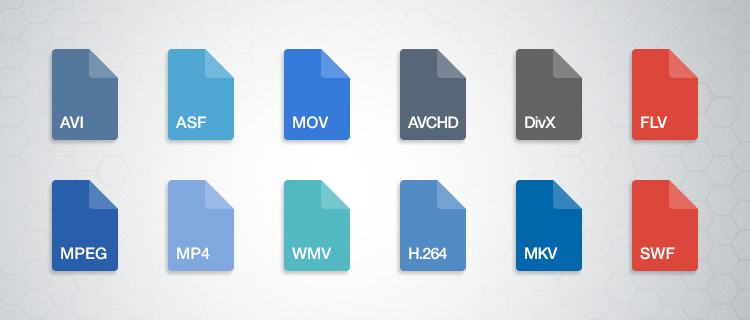
For example, if you have videos in formats like AVI, WMV, and MOV, you can convert them to a widely accepted format like MP4. This not only ensures compatibility but also makes it easier to organize your video library. Plus, most modern devices, including smartphones and smart TVs, support MP4, making it a versatile choice.
By standardizing your video formats, you can save time and avoid potential playback issues, making your video collection more accessible and user-friendly.
Video file consistency
Video file consistency goes beyond just the format; it includes aspects like resolution, frame rate, and audio settings. When you normalize video files for consistency, you’re essentially ensuring that all your videos have the same specifications. This is particularly important when creating a cohesive viewing experience, such as for a video playlist or a series.
Imagine you’re a content creator working on a web series. To maintain viewer engagement, you want all episodes to have identical quality and settings. Normalizing video files in this context involves making sure each episode shares the same resolution, frame rate, and audio settings. Consistency not only looks more professional but also eliminates distractions for your audience.
Using video editing software or dedicated normalization tools, you can easily adjust these parameters to achieve the desired consistency across your video files.
Video quality optimization
Video quality optimization is all about making your videos look their best while keeping file sizes manageable. When dealing with large video files, optimizing them ensures faster streaming and efficient storage. It’s a balance between maintaining high quality and reducing unnecessary bulk.
One of the key factors in video quality is bitrate. Higher bitrates result in sharper images and better sound, but they also lead to larger file sizes. To optimize video quality, you’ll want to find the sweet spot where quality remains excellent, but the file size isn’t excessively large. This is especially important when you’re uploading videos to online platforms, as they often have file size limitations.
Experimenting with different bitrates, resolutions, and codecs can help you strike that balance. Video editing software usually provides options for adjusting these settings, allowing you to fine-tune your videos for optimal quality.
Video compression techniques
Video compression is a fundamental aspect of normalizing video files. Compression techniques help reduce the file size of your videos without sacrificing too much quality. This is particularly useful when you need to save storage space or ensure smooth streaming over the internet.
Common video compression codecs include H.264 and H.265, which are widely supported across various devices and platforms. These codecs employ advanced algorithms to remove redundant information from your video files, resulting in smaller sizes while preserving good visual quality.
When applying video compression, it’s essential to strike a balance between compression level and quality. Higher compression can significantly reduce file size but may lead to a noticeable loss in quality, especially in highly detailed scenes. Experiment with different compression settings to find the right compromise.
Uniform video resolutions
Having uniform video resolutions is essential for a polished and professional look in your video collection. When videos have varying resolutions, it can be jarring for viewers to switch between them. Normalizing video resolutions involves adjusting all your videos to a consistent resolution.
Popular resolutions include 720p (HD), 1080p (Full HD), and 4K (Ultra HD). The choice of resolution depends on your specific needs and the capabilities of your target devices. For example, if you’re creating content for YouTube, 1080p is a standard choice that balances quality and file size.
By maintaining uniform resolutions, you ensure that your videos have a cohesive visual identity, making your content more appealing to viewers.
Consistent video bitrate
Consistency in video bitrate is another critical factor when normalizing video files. The bitrate determines the amount of data used to represent each second of video, directly impacting both quality and file size.
When you have videos with varying bitrates, it can lead to inconsistent quality and playback issues. To address this, normalize the bitrate across all your videos. This means ensuring that they all use a similar bitrate setting, which can be adjusted using video editing software or dedicated normalization tools.
Consistency in bitrate helps maintain a uniform viewing experience and prevents abrupt quality changes when switching between videos.
Video file compatibility
Ensuring video file compatibility is a fundamental step in making your videos accessible across different devices and platforms. Incompatibility issues can lead to frustrating experiences for viewers, such as playback errors or distorted visuals.
Before normalizing your video files, it’s crucial to understand the compatibility requirements of your target audience. Different devices and platforms may have specific format and codec preferences. For example, iOS devices tend to work best with H.264-encoded MP4 files, while some older devices may require different formats.
By researching and catering to the compatibility needs of your audience, you can ensure that your videos are easily accessible and enjoyable for everyone.
Normalizing multimedia files
Normalizing multimedia files extends beyond just video; it includes audio as well. Multimedia files often comprise various elements, such as video, audio, subtitles, and more. Normalization ensures that all these elements are balanced and harmonized for a seamless viewing experience.
For instance, when dealing with multimedia presentations or video editing projects, you want the audio levels to be consistent throughout. You wouldn’t want viewers to constantly adjust their volume because some parts are too quiet, while others are too loud. Normalizing audio levels across your multimedia files can solve this issue.
Additionally, subtitles and captions should be synchronized correctly with the video content, enhancing accessibility and comprehension. Multimedia normalization tools can assist in achieving these goals, providing a well-rounded viewing experience.
Video format conversion
Video format conversion is a versatile process that allows you to adapt your video files for different purposes. Whether you’re preparing videos for online streaming, archiving, or compatibility with various devices, conversion plays a significant role.
Conversion tools enable you to change not only the format but also other attributes like resolution, frame rate, and bitrate. This flexibility ensures that your videos are optimized for their intended use. For instance, when preparing videos for social media, you might convert them to formats and resolutions suitable for each platform’s requirements.
Additionally, format conversion can be handy when you want to preserve old video footage recorded in outdated formats. Converting these videos to modern formats ensures they remain accessible and of acceptable quality.
Video quality enhancement
Enhancing video quality goes beyond normalization; it involves improving the visual and auditory aspects of your videos. While normalization focuses on consistency and compatibility, quality enhancement aims to make your videos more visually appealing and engaging.
There are various techniques and tools available for video quality enhancement. These include color correction, sharpening, denoising, and even special effects. When used judiciously, these enhancements can breathe new life into your videos, making them more captivating for your audience.
For example, if you have older footage with faded colors, color correction can restore vibrancy. Similarly, adding subtle sharpening can make your videos look crisper and more professional.
Remember that quality enhancements should be applied thoughtfully, preserving the integrity of your original content while making it more visually appealing.
Final Words
Normalizing video files involves several aspects, from format standardization to quality optimization. Each step contributes to a smoother viewing experience and greater accessibility for your audience. Whether you’re a content creator, video enthusiast, or someone looking to organize their video collection, understanding these principles can help you make the most of your video files.
By ensuring video format compatibility, maintaining consistency in various attributes, and enhancing overall quality, you can present your videos in the best possible light. Remember that the specific approach may vary depending on your goals and target audience, so always tailor your normalization efforts to your unique requirements.




Comments:
This article gave me a fresh perspective on AV1 and its audio capabilities. It’s like upgrading from a standard radio to a high-end sound system!
– SoundEnthusiast91
Really insightful! Would love to see more articles breaking down advanced codec technologies. Keep up the great work!
– TechGeek24
Can you dive deeper into the future innovations you hinted at? I’m eager to understand where AV1 and psychoacoustics might take us next.
– CuriousExplorer
Excellent breakdown of AV1’s psychoacoustic tools! It’s fascinating how technology mimics our natural senses to enhance audio quality.
– AudioTechWizard
This article convinced me to explore AV1 further. The comparison to a maestro orchestrating a multimedia masterpiece resonated with me.
– VisualEnthusiast
Great read, but I wish there was more detailed information on the bit allocation process. Maybe a follow-up article?
– InquisitiveMind
AV1’s holistic approach to audio-visual optimization is a game-changer. Kudos for shedding light on the often overlooked world of psychoacoustic analysis!
– MultimediaExplorer
This article left me wanting more. Could you recommend resources for a deeper dive into AV1 and psychoacoustics?
– KnowledgeSeeker
Brilliant analogy comparing AV1 to a conductor! It really helps grasp the synergy between technology and human perception.
– ArtsAndTechBlend
As someone who creates multimedia content, this article opened my eyes to the possibilities of enhancing both audio and video. Valuable insights!
– ContentCreatorInsider
I appreciate the real-world examples used throughout the article. It made complex concepts much more accessible. Well done!
– EverydayTechUser
Informative, but I hoped for a more detailed comparison with other codecs. Are there specific scenarios where AV1’s psychoacoustic analysis truly outshines the competition?
– ComparisonSeeker
This article sparked my interest in AV1’s audio features. Excited to see how this technology evolves in the coming years!
– FutureTechEnthusiast
Great job breaking down the technical aspects! I’m curious about your thoughts on practical applications of AV1’s psychoacoustic analysis in everyday devices.
– PracticalTechUser