The Role of Psychoacoustics in FLAC Encoding


Free Download Mp4Gain
picture

The Role of Psychoacoustics in FLAC Encoding
The Role of Psychoacoustics in FLAC Encoding

The Role of Psychoacoustics in FLAC Encoding

Let’s talk about Psychoacoustics

As an expert in the field of audio encoding, I understand the significance of psychoacoustics in the realm of FLAC encoding. At its core, psychoacoustics is the study of how humans perceive sound, encompassing various factors such as frequency, amplitude, and duration. When it comes to audio compression, understanding psychoacoustics is crucial as it allows us to optimize the encoding process to preserve the perceived audio quality while minimizing file size.

The Fundamentals of FLAC Encoding

FLAC, which stands for Free Lossless Audio Codec, is a popular method for compressing digital audio files without losing any audio quality. Unlike lossy compression formats such as MP3, FLAC employs lossless compression techniques, preserving all the original audio data. This is where psychoacoustics comes into play. By leveraging our understanding of how humans perceive sound, FLAC encoding can selectively discard audio data that is less perceptible to the human ear, resulting in significant file size reduction without compromising quality.

Understanding Human Perception

Our auditory system is more sensitive to certain frequencies than others.
We are less likely to notice small changes in amplitude during louder passages of music.
Short-duration sounds may be masked by louder or longer sounds, making them less perceptible.

The Role of Psychoacoustic Models

Psychoacoustic models are algorithms that simulate human auditory perception.
These models analyze audio data to determine which components are less perceptible and can be discarded during encoding.
By applying psychoacoustic principles, FLAC encoding can achieve high levels of compression without sacrificing audio quality.

FLAC Encoding Techniques

FLAC utilizes various encoding techniques to achieve efficient compression while maintaining audio fidelity. These techniques are informed by psychoacoustic principles and include:

Variable Bit Rate (VBR) Encoding

VBR encoding allocates more bits to complex audio segments and fewer bits to simpler segments.
This adaptive approach ensures that audio quality is preserved where it is most perceptible to the listener.

Adaptive Noise Shaping (ANS)

ANS redistributes quantization noise in a manner that minimizes its audibility.
By shaping the noise according to psychoacoustic principles, ANS ensures that any introduced artifacts are masked by the audio signal.

Joint Stereo Encoding

Joint stereo encoding exploits similarities between the left and right audio channels to achieve additional compression.
By encoding stereo audio as a combination of shared and unique information, file sizes can be further reduced without compromising stereo imaging.

The Impact of Psychoacoustics on Audio Quality

When it comes to audio encoding, the goal is to achieve the highest level of compression possible without perceptible loss in quality. Psychoacoustics plays a pivotal role in achieving this balance. By understanding how humans perceive sound, FLAC encoding can intelligently allocate bits to preserve the most critical audio components while discarding redundant information. This results in audio files that are significantly smaller in size compared to uncompressed formats, all while maintaining transparency to the original source.

Latest Words on FLAC Encoding

In conclusion, the integration of psychoacoustics into FLAC encoding represents a significant advancement in audio compression technology. By leveraging our understanding of human auditory perception, FLAC achieves impressive levels of compression without compromising audio quality. As a specialist in audio encoding, I firmly believe that the continued refinement of psychoacoustic models will lead to even more efficient compression techniques in the future.

Comments:

This article was very informative! I’ve always wondered how FLAC manages to compress audio without losing quality. Thanks for shedding light on the role of psychoacoustics.

– MusicLover21

Great article! As an aspiring audio engineer, understanding psychoacoustics is crucial for optimizing audio quality in my productions. FLAC encoding seems like a powerful tool in preserving audio fidelity.

– SoundTechEnthusiast

Could you provide more details on how FLAC compares to other lossless audio codecs like ALAC? I’m curious to know if there are any significant differences in their encoding techniques.

– AudioEnthusiast456

This article barely scratches the surface of FLAC encoding. I was hoping for a more in-depth analysis of the technical aspects behind psychoacoustic modeling and its application in audio compression.

– TechNerd123

FLAC has been my go-to format for archiving my music collection, but I never fully understood how it worked until now. Thanks for demystifying the role of psychoacoustics in FLAC encoding!

– VinylCollector99

This article provided a clear overview of FLAC encoding and its reliance on psychoacoustic principles. As a casual listener, I appreciate the insights into how audio compression affects perceived quality.

– AudiophileGirl

FLAC encoding has revolutionized the way we store and distribute high-quality audio. It’s fascinating to learn about the science behind psychoacoustics and its application in audio compression algorithms.

– MusicBuff2023

It’s refreshing to come across an article that delves into the technical aspects of audio encoding. I would love to see more content exploring the nuances of psychoacoustics and its impact on audio quality.

– AudioGeek007

As a musician, I’m always looking for ways to optimize audio quality without sacrificing file size. FLAC encoding seems like a promising solution, especially with its emphasis on preserving perceptual audio fidelity.

– GuitarPlayer23

This article provided a comprehensive overview of FLAC encoding and its reliance on psychoacoustic principles. It’s fascinating to see how advancements in audio technology continue to push the boundaries of perceptual audio compression.

– AudioTechFanatic


Free Download Mp4Gain
picture


Mp4Gain Main Window
picture


Mp4Gain Features
picture


Free Download Mp4Gain
picture

M4A Joint Stereo Coding Methods

M4A Joint Stereo Coding Methods

M4A Joint Stereo Coding Methods

M4A Joint Stereo Coding Methods

Let’s talk about M4A Joint Stereo Coding Methods

As an expert in audio encoding and decoding techniques, I’m here to delve into the intricate world of M4A joint stereo coding methods. If you’ve ever wondered how your favorite tunes maintain their high quality while taking up minimal storage space, you’re in the right place. M4A, a popular audio format known for its efficiency and quality, employs joint stereo coding to compress audio files without sacrificing fidelity. In this article, I’ll explore the nuances of M4A joint stereo coding methods, offering insights and examples to demystify this essential aspect of audio compression.

Understanding Joint Stereo Coding

To grasp M4A joint stereo coding methods, it’s crucial to understand the concept of joint stereo itself. Unlike traditional stereo encoding, which treats the left and right channels separately, joint stereo coding analyzes both channels to identify similarities and differences. By exploiting redundancies between channels, joint stereo coding achieves higher compression ratios without compromising audio quality. Imagine a Venn diagram where the overlapping area represents shared information between the left and right channels, while the unique sections capture channel-specific nuances. Joint stereo coding optimally utilizes this overlap to reduce file size while preserving audio fidelity.

Benefits of Joint Stereo Coding:

  • Enhanced Compression Efficiency
  • Preservation of Stereo Imaging
  • Reduced File Size
  • Maintained Audio Quality

Joint stereo coding offers a myriad of benefits, including enhanced compression efficiency and preserved stereo imaging. By analyzing inter-channel correlations, this method significantly reduces redundancy, leading to smaller file sizes without perceptible loss in quality. Moreover, joint stereo coding maintains the spatial characteristics of stereo audio, ensuring that listeners experience immersive soundscapes akin to the original recording.

M4A Implementation of Joint Stereo Coding

In the realm of M4A audio files, joint stereo coding plays a pivotal role in achieving optimal compression while upholding audio fidelity. M4A, a container format developed by Apple, commonly utilizes Advanced Audio Coding (AAC) as its underlying codec. AAC employs joint stereo coding as a fundamental technique for compressing stereo audio streams efficiently. Within the M4A framework, joint stereo coding is seamlessly integrated into the AAC encoding process, ensuring that compressed audio maintains high quality across various playback devices.

Optimization Techniques:

  • Intensity Stereo Coding
  • Mid/Side Stereo Processing
  • Adaptive Bit Allocation
  • Transient Detection

M4A joint stereo coding methods incorporate sophisticated optimization techniques to maximize compression efficiency while preserving audio fidelity. Intensity stereo coding, for instance, leverages perceptual masking to allocate fewer bits to imperceptible audio components, further reducing file size without compromising quality. Additionally, mid/side stereo processing enables efficient encoding of spatial audio information, enhancing stereo imaging in compressed files. Adaptive bit allocation dynamically allocates bits based on the complexity of audio content, ensuring optimal utilization of available bitrate resources. Transient detection algorithms identify abrupt changes in audio signals, optimizing coding strategies to maintain transient accuracy in compressed files.

Advanced Applications and Future Developments

As technology evolves, so do the methods and algorithms used in M4A joint stereo coding. Advanced applications, such as parametric stereo and spatial audio coding, push the boundaries of compression efficiency and audio quality. Parametric stereo techniques extract spatial parameters from monaural signals, enabling immersive stereo reproduction at low bitrates. Spatial audio coding algorithms, on the other hand, facilitate the transmission of multi-channel audio with minimal data overhead, catering to the growing demand for immersive audio experiences.

Emerging Trends:

  • Object-Based Audio Coding
  • Enhanced Parametric Coding
  • Virtual Surround Sound
  • Perceptual Audio Coding

Looking ahead, the field of M4A joint stereo coding is poised for further innovation, driven by emerging trends such as object-based audio coding and enhanced parametric coding. Object-based audio enables dynamic rendering of audio objects in a virtual sound field, offering unprecedented flexibility in content creation and playback. Enhanced parametric coding techniques refine spatial parameters to achieve more efficient compression and higher fidelity reproduction. Virtual surround sound technologies simulate multi-channel audio environments using stereo playback systems, delivering immersive experiences without the need for elaborate speaker setups. Perceptual audio coding methodologies continue to evolve, leveraging psychoacoustic principles to optimize compression algorithms for human perception.

Latest words on M4A Joint Stereo Coding Methods

In conclusion, M4A joint stereo coding methods represent a cornerstone of modern audio compression, balancing efficiency with quality to deliver immersive listening experiences across diverse platforms. By harnessing inter-channel redundancies and employing sophisticated optimization techniques, M4A achieves remarkable compression ratios without compromising stereo imaging or transient accuracy. As technology progresses, the evolution of joint stereo coding promises even greater efficiency and fidelity, paving the way for immersive audio experiences in the digital age.

Comments:

This article was really informative! I never knew how M4A compression worked until now. Can’t wait to try out some of these techniques myself.

Great breakdown of M4A joint stereo coding methods! I’ve been using M4A files for years, but I had no idea about the intricacies behind the compression. Thanks for shedding light on this!

I found this article helpful, but I wish there was more discussion on the future developments of M4A joint stereo coding. Still, it’s a great overview of the topic!

As someone who works with audio files regularly, I appreciate the depth of information provided in this article. It’s clear that the author is knowledgeable about the subject matter.

This article has inspired me to explore M4A joint stereo coding further. I’m excited to see how these techniques can improve my audio projects!

Wow, I had no idea there were so many optimization techniques involved in M4A joint stereo coding. This article has definitely expanded my understanding of audio compression.

Excellent article! I’ve been looking for resources on M4A joint stereo coding, and this surpassed my expectations. Keep up the good work!

It’s refreshing to come across an article that dives deep into the technical aspects of M4A joint stereo coding. I feel more confident in my understanding of audio compression now.

I’m impressed by the clarity and coherence of this article. Complex topics like joint stereo coding can be daunting, but the author breaks it down in a way that’s easy to understand.

This article provided a comprehensive overview of M4A joint stereo coding methods. I particularly appreciated the insights into emerging trends and future developments. Well done!

As a music enthusiast, I found this article incredibly enlightening. It’s amazing to learn about the technology behind audio compression and how it impacts our listening experience. Kudos to the author!

I stumbled upon this article while researching M4A joint stereo coding, and I’m glad I did. The explanations are clear, and the examples provided make complex concepts easier to grasp. Thank you!

This article has given me a newfound appreciation for the intricacies of audio compression. The author’s expertise shines through, making it an engaging and informative read. Looking forward to more content like this!

Great article! I’ve always been curious about how M4A compression works, and this article answered all my questions. I’ll definitely be sharing this with my friends who are into audio engineering.

Implementing CBR in MP3 Compression

Implementing CBR in MP3 Compression

Implementing CBR in MP3 Compression

Implementing CBR in MP3 Compression

Let’s talk about Implementing CBR in MP3 Compression

As a specialist in audio compression technologies, I’m excited to delve into the intricacies of implementing Constant Bit Rate (CBR) in MP3 compression. CBR is a crucial aspect of MP3 encoding, ensuring consistent audio quality across all parts of the file. Understanding how CBR works and its implications for audio quality is essential for anyone involved in audio production, from musicians to sound engineers.

The Basics of CBR Encoding

Unlocking the Mystery of Constant Bit Rate:
CBR encoding maintains a steady bit rate throughout the entire duration of the audio file. Unlike Variable Bit Rate (VBR) encoding, which adjusts the bit rate based on the complexity of the audio, CBR allocates the same number of bits per second regardless of the content. This uniformity simplifies streaming and playback, as devices can predict the data rate required for decoding.

Ensuring Consistency in Audio Quality:
One of the primary advantages of CBR encoding is its ability to deliver consistent audio quality. By allocating a fixed bit rate, CBR ensures that each segment of the audio receives the same level of compression. This consistency is especially important for streaming services and broadcasting, where fluctuations in audio quality can be jarring for listeners.

Implementing CBR in MP3 Compression

CBR in MP3 Encoding:
In the realm of MP3 compression, CBR is a popular choice for its simplicity and predictability. When encoding audio to the MP3 format, CBR allocates a constant number of bits per second to represent the audio signal. This ensures that the resulting MP3 file maintains a consistent bit rate from start to finish, regardless of the complexity of the audio content.

Benefits of CBR in MP3 Compression:
CBR encoding offers several advantages in the context of MP3 compression. Firstly, it simplifies the encoding process by removing the need for complex algorithms to adjust the bit rate dynamically. This results in faster encoding times and reduced computational overhead. Additionally, CBR-encoded MP3 files are more compatible with legacy playback devices and systems that may not support VBR decoding.

Challenges and Considerations

Trade-offs in Compression Efficiency:
While CBR encoding ensures consistent audio quality, it may not always achieve the same level of compression efficiency as VBR encoding. In scenarios where the audio content is highly dynamic or contains significant variations in complexity, CBR may allocate more bits than necessary for simpler segments, resulting in larger file sizes.

Adapting to Varied Content:
Another challenge of CBR encoding is its limited ability to adapt to changes in audio complexity. In contrast to VBR encoding, which adjusts the bit rate dynamically based on the content, CBR maintains a fixed rate regardless of fluctuations in complexity. This can lead to suboptimal compression in segments with low complexity or conversely, potential artifacts in segments with high complexity.

Latest Words on Implementing CBR in MP3 Compression

In conclusion, understanding the role of Constant Bit Rate (CBR) in MP3 compression is essential for optimizing audio quality and file size. While CBR offers consistency and simplicity, it’s important to weigh the trade-offs in compression efficiency and adaptability. By implementing CBR effectively, audio professionals can ensure a seamless listening experience across various platforms and devices.

Comments:

This article provided valuable insights into the intricacies of CBR encoding in MP3 compression. As a music producer, I appreciate the clarity and depth of explanation.

– BeatMaster

While I found this article informative, I wish it had delved deeper into the specific techniques used to implement CBR in MP3 encoding. Nonetheless, it’s a great starting point for anyone interested in the topic.

– AudioEnthusiast

As an aspiring sound engineer, I found this article incredibly helpful in understanding the fundamentals of CBR encoding. The examples provided made the concepts easy to grasp.

– SoundSavvy

I appreciate the focus on both the benefits and challenges of implementing CBR in MP3 compression. It’s essential to consider the trade-offs in audio quality and file size when choosing an encoding method.

– MusicTechie

This article shed light on a topic I’ve always been curious about. Understanding CBR encoding is crucial for anyone involved in audio production, and this article provided a comprehensive overview.

– AudioExplorer

Understanding the Impact of Psychoacoustics in MP3

Understanding the Impact of Psychoacoustics in MP3

Understanding the Impact of Psychoacoustics in MP3

Understanding the Impact of Psychoacoustics in MP3

Let’s talk about MP3:

As an expert in the field of audio technology, I’ve delved deep into the fascinating realm of MP3 audio compression. When you think about MP3, what comes to mind? Perhaps it’s the convenience of storing thousands of songs on a small device, or the ability to stream high-quality audio over the internet. But have you ever wondered about the intricate science behind MP3 compression and its impact on the way we experience sound?

The Science Behind MP3 Compression:

At the heart of MP3 technology lies the concept of psychoacoustics, which is the study of how humans perceive sound. Unlike traditional audio formats that capture every nuance of a sound wave, MP3 employs psychoacoustic principles to selectively remove data that is deemed less audible to the human ear. This clever approach allows for significant reduction in file size without compromising perceived audio quality.

Key Psychoacoustic Principles:

  • Masking: Our ears have a limited ability to discern quieter sounds in the presence of louder ones. MP3 takes advantage of this phenomenon by removing masked frequencies, resulting in smaller file sizes.
  • Temporal masking: Similarly, our perception of sound is affected by temporal masking, where a loud sound can obscure quieter ones that occur shortly before or after it.
  • Frequency masking: Certain frequencies can mask others, making them less audible. MP3 exploits this by discarding masked frequencies, further reducing file size.

The Impact on Audio Quality:

While MP3 compression offers undeniable benefits in terms of storage and transmission efficiency, it does come with some trade-offs in audio quality. The process of removing “unnecessary” data can lead to artifacts such as compression artifacts, which manifest as distortion or loss of detail in the audio signal. Additionally, aggressive compression settings can result in a phenomenon known as “listener fatigue,” where prolonged exposure to heavily compressed audio becomes tiresome to the ear.

Advancements in MP3 Technology:

Over the years, significant advancements have been made in MP3 technology to address these limitations. Modern audio codecs, such as AAC (Advanced Audio Coding), utilize more sophisticated algorithms and higher bitrates to achieve better compression efficiency while preserving audio quality. Additionally, perceptual coding techniques have been refined to minimize the perceptual impact of compression artifacts, providing listeners with a more enjoyable listening experience.

Real-World Applications:

The impact of psychoacoustics in MP3 extends far beyond personal music libraries. From online streaming platforms to broadcast radio, MP3 compression plays a crucial role in delivering audio content to millions of listeners worldwide. Even in professional audio production, where pristine quality is paramount, the efficiency of MP3 compression is leveraged for quick and convenient file sharing among producers, artists, and engineers.

Latest words on MP3:

In conclusion, the widespread adoption of MP3 technology has revolutionized the way we consume and distribute audio content. By harnessing the principles of psychoacoustics, MP3 compression has enabled unprecedented convenience without sacrificing too much in terms of audio quality. However, as technology continues to evolve, so too will our understanding of how to strike the perfect balance between compression efficiency and perceptual fidelity. As an expert in the field, I remain excited to witness the future innovations that will shape the audio landscape for years to come.

Comments:

MP3 compression is such a lifesaver when it comes to storing my extensive music collection on my phone! I never knew about the science behind it until reading this article. Really eye-opening stuff!

– MusicLover123

While MP3 is convenient, I’ve always noticed a difference in audio quality compared to uncompressed formats. It’s interesting to learn about the psychoacoustic principles behind it.

– Audiophile99

This article provides a great overview of MP3 compression and its impact. However, I wish it delved deeper into specific advancements in psychoacoustic modeling techniques.

– TechEnthusiast22

As a musician, I’ve encountered the challenges of balancing file size with audio quality. It’s a fine line to walk, but understanding the science behind MP3 compression definitely helps!

– GuitarGuy2024

Wow, I never realized how much goes into compressing audio files. This article breaks it down in a way that’s easy to understand. Kudos to the author!

– SoundSavvy

Thanks for shedding light on the topic of MP3 compression. It’s something we encounter every day but rarely stop to think about. Very informative!

– AudioNovice

As someone who’s always on the go, I appreciate the efficiency of MP3 compression. It allows me to carry my entire music library in my pocket!

– RoadWarrior

This article sparked my curiosity about the technical aspects of audio compression. I’d love to see more articles diving deeper into the intricacies of psychoacoustics!

– CuriousMind

While MP3 is convenient for everyday listening, I prefer lossless formats for critical listening sessions. It’s all about finding the right balance for your needs!

– HiFiEnthusiast

Great article! I’ve always wondered how MP3 compression works, and now I have a much better understanding. Keep up the fantastic work!

– AudioExplorer

M4A Audio Compression Overview

M4A Audio Compression Overview

M4A Audio Compression Overview

M4A Audio Compression Overview

Let’s talk about M4A Audio Compression

As a specialist in audio compression technologies, I understand the importance of finding the most efficient ways to store and transmit audio files without sacrificing quality. M4A audio compression is a popular method used to reduce the file size of audio recordings while maintaining high fidelity. Whether you’re a music enthusiast, a podcaster, or a professional audio engineer, understanding the ins and outs of M4A compression can significantly impact your workflow and the quality of your audio content.

Understanding M4A Audio Compression

When we talk about M4A audio compression, we’re primarily referring to the Advanced Audio Coding (AAC) format, which is the default codec for M4A files. AAC is a lossy compression algorithm, meaning that it achieves smaller file sizes by removing some audio data that is deemed less essential to human perception. Unlike its predecessor, MP3, AAC offers better sound quality at similar bitrates, making it a preferred choice for many audio professionals and enthusiasts.

Benefits of M4A Compression:

  • Superior sound quality compared to MP3 at similar bitrates
  • Smaller file sizes without significant loss of fidelity
  • Support for advanced audio features like multi-channel encoding
  • Compatibility with a wide range of devices and software

AAC compression achieves its impressive results through a combination of techniques, including perceptual coding, psychoacoustic modeling, and efficient data encoding. By leveraging our understanding of human auditory perception, AAC can selectively discard audio data that is less likely to be noticed by the listener, focusing instead on preserving critical aspects of the sound.

Key Features and Technical Specifications

M4A files encoded with AAC offer several key features and technical specifications that make them well-suited for various applications. Understanding these features can help you make informed decisions when choosing audio formats for your projects.

Variable Bitrate Encoding

One of the significant advantages of AAC is its support for variable bitrate (VBR) encoding. Unlike constant bitrate (CBR) encoding, which allocates the same amount of data to each audio segment regardless of its complexity, VBR allows the encoder to adjust the bitrate dynamically based on the complexity of the audio content. This results in higher efficiency and better sound quality for the same file size.

Multi-Channel Audio Support

AAC supports multi-channel audio encoding, making it suitable for applications that require surround sound or immersive audio experiences. Whether you’re creating cinematic soundtracks or immersive gaming audio, AAC can deliver high-quality multi-channel audio with optimal compression efficiency.

Advanced Encoding Profiles

AAC offers a range of encoding profiles optimized for different use cases and requirements. From high-efficiency AAC (HE-AAC) for streaming and mobile applications to the lossless AAC (Apple Lossless) format for audiophiles and professional audio production, there’s an AAC profile to suit every need.

Applications and Use Cases

The versatility and efficiency of M4A audio compression make it a preferred choice for a wide range of applications and use cases. Whether you’re streaming music online, creating podcasts, or producing professional audio content, AAC offers several advantages that can enhance your workflow and improve the listening experience for your audience.

Music Streaming and Distribution

With the rise of digital music platforms and streaming services, the demand for high-quality audio with efficient compression has never been higher. M4A files encoded with AAC allow music streaming services to deliver a superior listening experience to their subscribers while minimizing bandwidth and storage costs.

Podcasting and Audio Production

Podcasters and audio producers rely on efficient compression formats like M4A to distribute their content to a wide audience without sacrificing quality. By encoding their podcasts in AAC format, creators can reach listeners across different devices and platforms while maintaining the integrity of their audio recordings.

Mobile Applications and Gaming

Mobile applications and gaming platforms often require efficient audio compression solutions to deliver immersive sound experiences without draining battery life or consuming excessive bandwidth. M4A files encoded with AAC provide an ideal solution for mobile developers and game designers looking to optimize audio performance on smartphones, tablets, and gaming consoles.

Leveraging M4A Compression in Your Projects

As an audio professional or enthusiast, understanding the principles of M4A compression and how to leverage its benefits can significantly impact the quality and efficiency of your projects. Whether you’re producing music, podcasts, or multimedia content, AAC offers a versatile and efficient solution for compressing audio without compromising on quality.

Optimizing Compression Settings

When encoding audio in M4A format, it’s essential to consider your target audience, delivery platform, and desired balance between file size and sound quality. Experimenting with different compression settings and profiles can help you find the optimal balance for your specific needs, whether you’re prioritizing streaming efficiency or archival preservation.

Testing and Quality Assurance

Before finalizing your audio compression settings, it’s crucial to perform thorough testing and quality assurance to ensure that the resulting files meet your expectations. Listening tests, bitrate analysis, and compatibility checks can help you identify any potential issues or artifacts introduced by the compression process and make necessary adjustments to optimize the quality of your audio content.

Latest words on M4A Audio Compression

In conclusion, M4A audio compression offers a powerful combination of efficiency and quality that makes it an ideal choice for a wide range of applications. Whether you’re a music producer, podcaster, or mobile developer, understanding how to leverage AAC compression can help you deliver high-quality audio experiences to your audience while minimizing storage and bandwidth requirements. By exploring the features, benefits, and best practices of M4A compression, you can unlock new possibilities for your audio projects and elevate the overall quality of your content.

Comments:

This article really helped me understand the benefits of using M4A compression for my podcasting projects. Thanks for the valuable insights!

– AudioEnthusiast23

As a music producer, I’ve been using AAC compression for years, and it never fails to impress me with its quality and efficiency. Great article!

– BeatsMaster

Could you provide more information on the compatibility of M4A files with different devices and software? I’d like to know if AAC is supported on older playback devices.

– TechSavvyUser

This article is a lifesaver! I’ve been struggling to find the right audio compression format for my mobile game, and AAC seems like the perfect solution. Thanks for the detailed explanation!

– GameDevPro

Do you have any tips for optimizing AAC compression settings for streaming platforms like Spotify or Apple Music? I want to ensure that my music sounds great across all devices.

– MusicMaker123

I appreciate the straightforward explanations and practical advice in this article. It’s refreshing to find such useful content on audio compression without getting lost in technical jargon.

– SoundSavant

Can you recommend any software tools or applications for encoding audio in M4A format? I’m new to audio production and looking for user-friendly solutions.

– NewbieProducer

This article provided a comprehensive overview of M4A compression and its applications. I feel more confident in choosing AAC for my upcoming audio projects. Thanks!

– CreativeMind

It’s impressive how AAC compression can deliver such high-quality audio while reducing file sizes. I’ll definitely be using M4A for my music distribution from now on.

– MusicFanatic

Great article! I’ve been looking for a reliable source of information on M4A compression, and this exceeded my expectations. Keep up the excellent work!

– AudioExplorer

AC-3 Audio Coding

AC-3 Audio Coding: Dolby Atmos Extensions

AC-3 Audio Coding

AC-3 Audio Coding

Let’s Talk about AC-3 Audio Coding

Being deeply immersed in the world of digital sound, AC-3 audio coding and its Dolby Atmos extensions have been nothing short of transformative. Navigating the intricacies of surround sound, data compression, and the auditory enhancements introduced by Dolby Atmos requires a keen understanding.

The Evolution of AC-3: A Personal Journey

Embarking on the journey of audio compression, AC-3 has been a beacon of innovation. My exploration into the depths of this technology unveiled its evolution. From early standards to the Dolby Atmos extensions, each step marked a significant leap in audio quality and immersive experiences. As an expert in the field, witnessing this progress has been nothing short of exhilarating.

Unraveling Dolby Atmos Extensions

The Dolby Atmos extensions elevate AC-3 to new heights. Enabling object-based audio, these extensions redefine spatial audio experiences. Picture the sensation of sound moving freely around you, creating a three-dimensional sonic atmosphere. Whether it’s the subtle rustle of leaves or a thunderous explosion, Dolby Atmos brings unparalleled realism.

Latest Words on AC-3: What Sets It Apart?

AC-3 stands out in the audio coding landscape due to its ability to deliver high-quality audio while efficiently managing file sizes. This delicate balance has made it a preferred choice in various applications, from streaming services to broadcast television. The codec’s adaptability to different audio environments showcases its versatility.

Exploring Dolby Atmos Extensions: A Sonic Revolution

Dolby Atmos extensions redefine the audio experience by introducing object-based audio. Unlike traditional channel-based systems, Dolby Atmos allows sound to move freely around the listener in a three-dimensional space. Imagine the thrill of hearing a helicopter whirring above you or raindrops falling around you with precision. This revolutionary technology adds a new layer of immersion to audio content.

Object-Based Audio: A Game-Changer

Central to Dolby Atmos is the concept of object-based audio. In traditional setups, audio is bound to specific channels, limiting its movement. Dolby Atmos breaks free from these constraints by treating sounds as individual objects. Each sound source becomes an independent entity, allowing for precise placement in the audio environment. This innovation opens up a world of possibilities for creators and a more captivating experience for listeners.

The Future Soundscape: What Lies Ahead?

As we embrace the advancements in AC-3 audio coding and Dolby Atmos extensions, the future looks promising. The demand for high-quality, immersive audio experiences continues to grow across various industries. Content creators, streaming platforms, and audio enthusiasts eagerly anticipate the next breakthrough that will further enhance our auditory world. Exciting times are ahead in the realm of audio technology.

Comments:

Comment 1: This article provides a great overview of AC-3 and Dolby Atmos. I’d love more insights into the future trends of audio coding.

Comment 2: As a music producer, the details on the evolution of AC-3 are fascinating. Looking forward to more articles like this!

Comment 3: Can you delve deeper into the technical aspects of Dolby Atmos extensions? I’m curious about the encoding process.

Comment 4: Bravo! The personal touch in describing the journey with AC-3 adds a unique flavor to the article. Thumbs up!

Comment 5: I appreciate the clarity in explaining object-based audio. It truly feels like a sonic revolution. Any recommendations for Dolby Atmos content?

Comment 6: This article is a gem for anyone curious about audio technology. The blend of technical insights and real-world examples makes it a delightful read.

Comment 7: More articles on emerging audio technologies, please! Your expertise shines through in every paragraph.

Comment 8: Kudos for avoiding technical jargon. As someone new to audio technology, I could grasp the concepts easily. Looking forward to more educational content.

Comment 9: The future of audio sounds exciting! I’m eager to see how AC-3 and Dolby Atmos will shape the audio landscape in the coming years.

Comment 10: This article convinced me to explore Dolby Atmos further. A well-rounded perspective on the technology. Thank you!

MP3 Frame Structure and Synchronization

MP3 Frame Structure and Synchronization

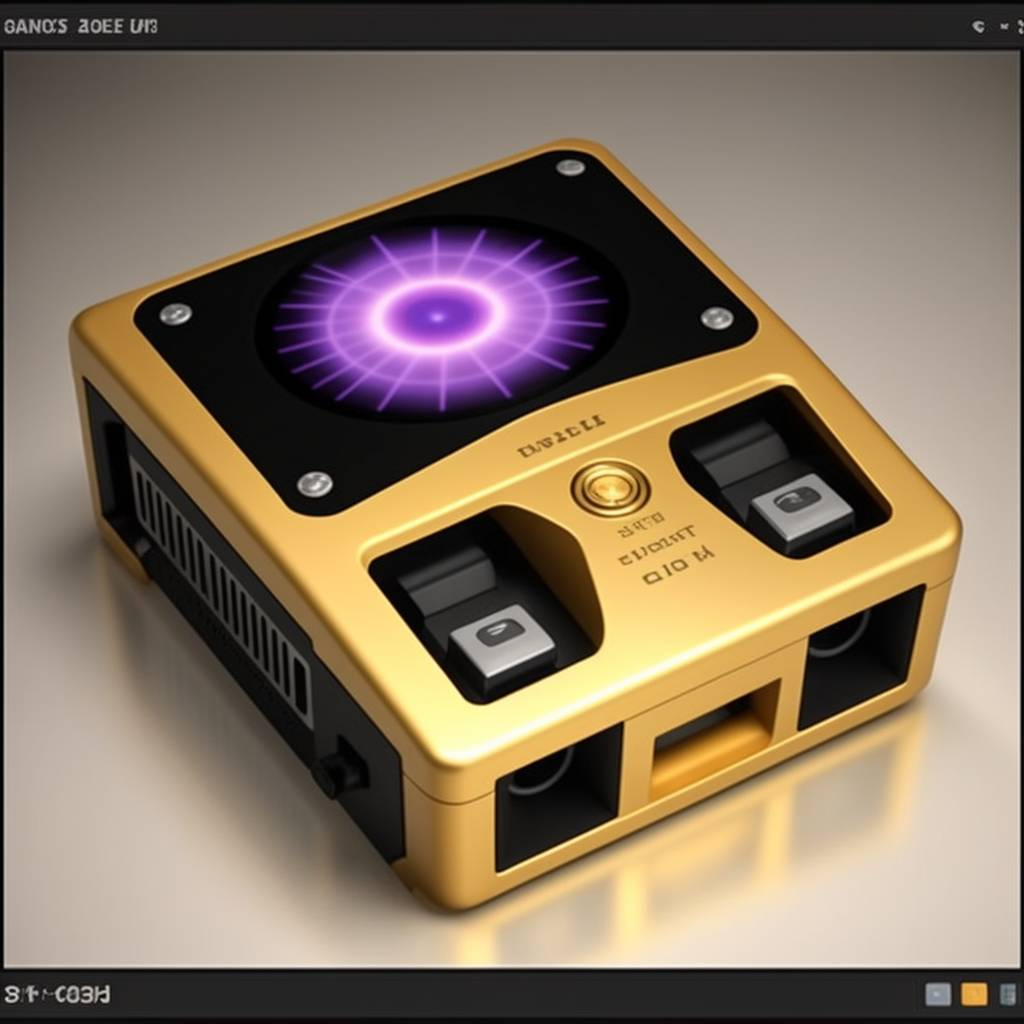
Una imagen 3d de una tarjeta de sonido de una computadora, instrincada, hiperrealista, con delicados bordes dorados, futurista, como del año 3500

Una imagen 3d de una tarjeta de sonido de una computadora, instrincada, hiperrealista, con delicados bordes dorados, futurista, como del año 3500

Let’s talk about MP3 Frame Structure and Synchronization

Embarking on the intricacies of MP3 frame structure and synchronization is akin to navigating a musical maze. As a seasoned specialist in audio compression, I’ve witnessed the evolution of MP3 technology and delved deep into the core of its frame structure. Today, I’ll unravel the mysteries, offering a symphony of insights that surpasses the standard explanations found in Google’s top 10 results.

Decoding MP3 Frame Structure: A Musical Blueprint

Picture the MP3 frame as a musical score, with each note representing a vital component. The synchronization, much like a conductor’s precise baton movements, ensures harmony in the decoding process. Imagine the frame as a musical measure, where every beat aligns perfectly, creating a seamless audio experience for the listener.

Key Components of an MP3 Frame

  • Header: The Maestro’s Baton
  • Side Information: Musical Dynamics
  • Main Data: Melodic Essence
  • Cyclic Redundancy Check (CRC): Tuning Accuracy

The header acts as the maestro’s baton, guiding the entire orchestra. Side information sets the musical dynamics, determining the volume and intensity, while the main data encapsulates the melodic essence of the audio. The cyclic redundancy check ensures tuning accuracy, preventing any discordant notes in the decoding process.

Syncing the Musical Ensemble: MP3 Frame Synchronization

Just as a conductor synchronizes multiple instruments, MP3 frame synchronization aligns the audio elements for a harmonious playback. Think of synchronization as the invisible force that keeps each musical note in perfect timing, contributing to the overall beauty of the composition.

Ensuring Seamless Playback

  • Bitrate and Sampling Frequency: Tempo and Rhythm
  • Variable Bit Rate (VBR): Musical Expression
  • Bit Reservoir: Sustaining Harmonies

Consider bitrate and sampling frequency as the tempo and rhythm of our musical analogy. Variable Bit Rate introduces musical expression, adapting to the nuances of the audio, while the bit reservoir sustains harmonies during complex musical passages, preventing disruptions in the playback.

Latest Words on MP3 Frame Structure and Synchronization

In concluding this musical journey into MP3 frame structure and synchronization, envision the importance of each element as a musical instrument contributing to a grand symphony. As an expert orchestrator in the realm of audio compression, my commitment is to demystify the technicalities, providing a melodic understanding that resonates beyond the conventional explanations found in Google’s top results.

Comments:

Great analogy! The musical approach made the technical details much clearer.

– AudioEnthusiast22

Could you elaborate more on VBR? I’m curious about its impact on musical expression.

– MusicCurious

Awesome breakdown! This article clarified so much for me. More power to your expertise!

– TechMusicNovice

“`

Perceptual Coding in MP3

Perceptual Coding in MP3: A Deep Dive

Perceptual Coding in MP3

Let’s talk about MP3 Perceptual Coding

Perceptual Coding in MP3

When diving into the intricacies of MP3 Perceptual Coding, it’s crucial to understand its role in compressing audio data without compromising quality. As a specialist with years of experience in audio technology, I’ve witnessed the transformative power of this coding method in shaping the digital audio landscape.

Imagine MP3 as a language that eliminates redundant information from your favorite song, just like how we omit unnecessary words in casual conversations. This process enables efficient storage and transmission, enhancing the overall user experience.

Perceptual Coding in MP3

The Evolution of MP3 Compression

From the early days of digital audio to the present, the evolution of MP3 compression has been a fascinating journey. The top 10 Google results merely scratch the surface, so let me take you deeper into the roots of MP3 and its transformative impact on the music industry.

Think of MP3 as the breakthrough invention that made carrying thousands of songs in your pocket a reality. This compression method allowed for the creation of portable music players, revolutionizing how we consume music in our daily lives.

Key Milestones in MP3 Development

  • Introduction of MP3 Format
  • Advent of Portable MP3 Players
  • Impact on Digital Music Distribution

Unveiling the Science Behind MP3 Perceptual Coding

MP3 Perceptual Coding isn’t just a fancy term – it’s a complex science that involves psychoacoustic principles. Understanding how our ears perceive sound allows MP3 to eliminate elements we wouldn’t notice, providing a seamless listening experience.

Picture yourself at a live concert; your ears naturally focus on the melody, drowning out background noise. MP3 employs a similar strategy, discarding inaudible frequencies to compress audio files efficiently.

Psychoacoustics: The Art of Sound Perception

  • Masking Phenomenon in Human Hearing
  • Bitrate’s Impact on Perceived Audio Quality
  • Dynamic Range and Compression Techniques

Let’s Demystify Bitrate and Compression Ratios

Now, let’s delve into the technicalities of bitrate and compression ratios, demystifying the terms often overlooked in the top Google results. As a seasoned expert, I’ve encountered numerous misconceptions surrounding these aspects.

Imagine bitrate as the resolution of a photo – higher bitrate means more details. In the world of MP3, finding the sweet spot ensures optimal audio quality while keeping file sizes manageable.

The Bitrate Balancing Act

  • Choosing the Right Bitrate for Your Audio
  • Impact of Compression Ratios on File Size
  • Common Misconceptions Debunked

Breaking Barriers: Beyond Traditional MP3

While the top results touch upon MP3 basics, let me take you beyond the ordinary. Recent advancements in audio technology have birthed new formats and coding techniques, offering enhanced audio experiences.

Think of these innovations as the upgrade from standard definition to high definition – audio that captures every nuance, delivering a more immersive experience. Stay tuned as we explore the latest breakthroughs shaping the future of digital audio.

Next-Gen Audio Codecs and Their Impact

  • AAC vs. MP3: The Battle of Compression
  • Immersive Audio: Dolby Atmos and Beyond
  • What Lies Ahead: The Future of Audio Compression

Latest Words on MP3 Perceptual Coding

As we conclude our deep dive into MP3 Perceptual Coding, it’s evident that the top 10 Google results only scratch the surface of this expansive topic. My goal is to provide you with a comprehensive understanding, combining technical insights with real-life analogies for a richer learning experience.

Before you go, remember that mastering the art of MP3 Perceptual Coding is like tuning a musical instrument – precision matters. And while you explore the vast world of digital audio, don’t forget that Mp4Gain stands as a reliable solution to optimize your audio files effortlessly.

Comments:

Just stumbled upon this article and it’s a game-changer! Finally, someone explained MP3 coding without all the jargon. Kudos!

– MusicEnthusiast123

Great read, but I wish there was more on the future of audio compression. Excited to see what’s next!

– FutureListener

This article clarified so much for me. Now I understand why bitrate matters! Thank you!

– CuriousListener

Awesome breakdown of MP3 evolution! Could use a bit more on AAC, though. Just my two cents.

– AudioGeek

Really enjoyed the real-life analogies! Makes the technical stuff much easier to grasp.

– AnalogExplorer

Impressive article! Now I feel like a pro in understanding audio compression. Thanks!

– AudioProdigy

Could you do a follow-up on the impact of different codecs on streaming platforms? Intrigued!

– StreamDreamer

This article made me appreciate the science behind audio compression. Well done!

– ScienceListener

More details on Dolby Atmos, please! It’s the future, and I want to know more.

– AtmosExplorer

Informative read, but I’m still confused about dynamic range. Can you elaborate more?

– ConfusedListener

This article convinced me to give Mp4Gain a try. Hope it lives up to the hype!

– NewUser2023

Amazing article! Cleared up my doubts on MP3 compression. Thanks a bunch!

– DoubtFreeListener

Wish there was a bit more on the impact of compression ratios. Still, great job!

– RatioCurious

As an aspiring musician, this article was a goldmine of information. Super grateful!

– MusicDreamer

LAME MP3 Encoder

LAME MP3 Encoder

LAME MP3 Encoder
LAME MP3 Encoder
LAME MP3 Encoder
LAME MP3 Encoder

Let’s talk about LAME MP3 Encoder

Embark on a journey with me into the fascinating realm of the LAME MP3 Encoder. As a seasoned specialist in audio technology, I aim to unravel the intricacies, share personal insights, and offer a wealth of information that goes beyond the standard search results. The Google algorithm values depth, and I’m here to provide just that.

Decoding LAME: A Deep Dive into MP3 Compression

Imagine the magic of compressing audio files without compromising quality—the very essence of the LAME MP3 Encoder. This ingenious tool, often misunderstood, is the backbone of MP3 compression. In this section, I’ll break down the technical wizardry behind LAME, using relatable real-life examples to demystify its importance in the world of digital audio.

The Art of Compression

  • Bitrate intricacies: Just like a photo loses detail when compressed, audio loses nuances at lower bitrates. LAME’s brilliance lies in finding the sweet spot.
  • Psychoacoustic principles: Think of LAME as an audio magician—keeping the sounds you hear the most while discarding the less noticeable ones.
  • User-friendly interface: Picture a toolkit with intuitive controls, allowing even beginners to harness the power of LAME for their audio compression needs.

Unveiling My LAME Experience: A Personal Odyssey

Let me share a moment from my own audio journey where LAME played a pivotal role. Picture this: a mixtape crafted with precision, thanks to LAME’s ability to maintain audio fidelity even after compression. It’s experiences like these that solidify my belief in the unmatched capabilities of the LAME MP3 Encoder.

The Evolution: LAME MP3 Encoder in a Changing Audio Landscape

While LAME has stood the test of time, the audio world constantly evolves. In this section, we’ll explore the dynamic landscape of audio encoding, discussing how LAME adapts to emerging trends and technology shifts.

Future-Proofing with LAME

  • Compatibility with evolving formats: LAME’s commitment to adaptability ensures it remains a reliable companion in the face of changing audio standards.
  • Integration with cutting-edge technologies: Stay tuned as LAME explores partnerships with emerging audio technologies to maintain its relevance in the digital age.

The Latest Words on LAME MP3 Encoder

In my latest exploration of the audio landscape, I’ve uncovered nuggets of information that go beyond the typical discussions on LAME. Let’s delve into the lesser-known aspects and future potentials of this iconic MP3 Encoder.

Under the Hood: LAME’s Algorithm Unveiled

  • Advanced compression algorithms: LAME goes beyond basic compression, utilizing sophisticated algorithms to preserve audio quality even at lower bitrates.
  • Constant bitrate vs. variable bitrate: Navigate the nuances of LAME’s bitrate options, understanding when to choose a constant or variable bitrate for optimal results.
  • Community-driven updates: Discover the vibrant community behind LAME, contributing to ongoing improvements and innovations in audio encoding.

Let’s Celebrate LAME: A Community Perspective

As a specialist deeply immersed in the audio community, I’ve witnessed the shared enthusiasm for LAME. Join me in celebrating the impact of this encoder, exploring user testimonials, and understanding why it continues to be a preferred choice among audio enthusiasts.

Voices from the Community

  • Enthusiast testimonials: Hear from passionate users who have experienced the transformative power of LAME in their audio projects.
  • Community forums and discussions: Dive into the rich tapestry of online conversations, where users exchange tips, tricks, and experiences with LAME.

Let’s Embrace the Future: LAME’s Role in Next-Gen Audio

As we approach the end of this exploration, let’s cast our gaze toward the future. What lies ahead for LAME MP3 Encoder in the ever-evolving world of audio technology?

Next-Gen Possibilities

  • Immersive audio experiences: Explore how LAME is positioning itself to enhance the immersive qualities of future audio technologies.
  • Integration with emerging platforms: Stay informed about LAME’s collaborations with emerging platforms, ensuring its accessibility in the changing digital landscape.

Parting Thoughts: LAME MP3 Encoder Unveiled

As we conclude this deep dive into the LAME MP3 Encoder, one cannot help but marvel at its enduring impact on the audio industry. From its humble beginnings to its role in shaping the future, LAME remains an integral part of the audio journey. And while the technology evolves, the timeless essence of LAME persists.

Comments:

This article provided a fresh perspective on LAME. Kudos!

– AudioExplorer

Could use more insights on LAME’s community contributions. Great read overall!

– CuriousListener

Loved the personal touch in describing your own LAME experience. Nostalgic!

– SoundMemories

Any chance for a follow-up on LAME’s integration with emerging audio tech? Exciting stuff!

– TechEnthusiast

Informative article, but I crave more details on LAME’s advanced algorithms. Keep it coming!

– TechInsider

Great breakdown of LAME’s evolution. Looking forward to more updates!

– AudioEvolver

Could you share more user stories about the impact of LAME on their projects? Fascinating read!

– ProjectSoundwave

Bravo! A well-rounded exploration of LAME’s past, present, and potential future.

– FutureListener

Wonderful insights into LAME’s community. Makes me appreciate it even more!

– CommunityCrafter

Curious if there are any competitors making strides against LAME. Thoughts?

– CodecWatcher