MP4 to MP3


Free Download Mp4Gain
picture

MP4 to MP3

MP4 to MP3
MP4 to MP3

In today’s digital age, the consumption of media has become an integral part of our daily lives. With the rise of online streaming platforms, video sharing websites, and music applications, we have access to a vast collection of digital content. However, sometimes we may want to convert a video file, like an MP4, to an audio file, like an MP3, in order to extract or obtain the song in a more portable format. This is where the MP4 to MP3 conversion comes in, and in this article, we will discuss the process of conversion, as well as the benefits of using MP4Gain to maintain high audio quality.
MP4 to MP3
MP4 to MP3

Understanding MP4 to MP3 Conversion

MP4 is a digital video format that is widely used for streaming and downloading videos from the internet. However, MP4 is not compatible with all devices, and it takes up more storage space than an MP3 file. MP3, on the other hand, is a digital audio format that is smaller in size and widely supported by all audio players. MP4 to MP3 conversion is the process of extracting audio from an MP4 video and saving it as an MP3 audio file.

There are several ways to convert an MP4 to an MP3 file. One way is by using a software program, like MP4Gain, that can provide high-quality audio output.

Benefits of using MP4Gain for Mp4 to Mp3 Conversion

MP4Gain is a software program that not only converts MP4 to MP3, but also provides a range of features to enhance the audio quality of the output file. One of the main benefits of using MP4Gain is its ability to maintain the high audio quality of the original file. The software uses advanced algorithms to analyze the audio and adjust the volume levels to provide a consistent sound throughout the track.

Another benefit of using MP4Gain is its ability to convert MP4 to many other audio formats, such as MP3 to OGG, MP3 to FLAC, MP3 to WAV, MP3 to M4A, and more. This provides users with more flexibility to use their audio files on different devices and platforms. The conversion process is simple and efficient, and it can be done with just a few clicks of a button.

Additionally, MP4Gain can adjust the volume levels of the output file according to the user’s preferences. This means that users can increase or decrease the volume of the audio file to suit their needs. The software can also normalize the audio levels to provide a consistent sound throughout the track.

Technical Aspects of MP4 to MP3 Conversion

MP4 to MP3 conversion involves several technical aspects that are important to understand. One of these aspects is the bit rate of the audio file. The bit rate determines the quality of the audio and the size of the file. A higher bit rate means better quality but a larger file size, while a lower bit rate means lower quality but a smaller file size.

Another important technical aspect of MP4 to MP3 conversion is the sampling rate. The sampling rate determines the number of times per second that the audio is recorded. A higher sampling rate means better quality but a larger file size, while a lower sampling rate means lower quality but a smaller file size.

Tips for Using MP4Gain

When using MP4Gain to convert MP4 to MP3 or other audio formats, there are several tips to keep in mind. First, it’s important to choose the right output format based on your needs. For example, if you’re converting a video to an audio file for use on a specific device, make sure to choose the format that is supported by that device.

Second, pay attention to the bit rate and sampling rate when choosing the output format. Higher bit rates and sampling rates can provide better quality audio, but they also result in larger file sizes. Choose a bit rate and sampling rate that meets your needs, based on factors such as storage space and desired audio quality.

Third, use MP4Gain to adjust the volume levels and normalize the audio to provide a consistent sound throughout the track. This will help prevent sudden changes in volume and provide a better listening experience.

In conclusion, MP4 to MP3 conversion is a useful process for extracting audio from video files. MP4Gain is a great tool for converting MP4 to MP3, as well as other audio formats, while maintaining high audio quality. Understanding the technical aspects of MP4 to MP3 conversion can help you choose the right output format and settings for your needs. With the right tools and knowledge, you can easily convert your MP4 files to MP3 and enjoy your favorite music on any device.



Free Download Mp4Gain
picture


Mp4Gain Main Window
picture


Mp4Gain Features
picture


Free Download Mp4Gain
picture

The Evolution of MP3 Technology: Past, Present, and Future

The Evolution of MP3 Technology: Past, Present, and Future

mp3 and artificial inteligence

Mp3 and Artificial Inteligence

Mp3 and Artificial Inteligence

MP3 technology has revolutionized the way we consume music. From its inception in the late 1980s, it has come a long way, transforming the music industry and changing the way we experience and listen to music. In this article, we will take an in-depth look at the evolution of MP3 technology, from its humble beginnings to its present state, and what the future holds for this remarkable technology.

The Past: Birth and Early Days of MP3

The MP3 format was first introduced in 1993, although the technology that led to its development had been around for much longer. The primary objective of creating the MP3 format was to reduce the size of audio files, without compromising the sound quality. The development of the MP3 format was a significant breakthrough, as it allowed music to be distributed digitally, over the internet, and in a compressed format.

The Rise of the MP3 Format

The MP3 format gained popularity in the late 1990s, with the rise of peer-to-peer (P2P) file sharing platforms, such as Napster, which allowed users to share music files with each other. This led to a significant decline in CD sales, as users began to consume and share music digitally.

The Early Days of MP3 Players

The early MP3 players were bulky and expensive, and the storage capacity was limited. The first commercially successful MP3 player was the Diamond Rio PMP300, which was released in 1998. The Rio PMP300 had a storage capacity of 32 MB, and it could hold up to 12 songs.

The Present: MP3 Today

The MP3 format has come a long way since its inception. Today, it is the most popular digital audio format in the world, with over 75% of all digital music downloads in the United States being in the MP3 format. The MP3 format has also undergone significant improvements in terms of sound quality, with the introduction of high-resolution audio.

The Emergence of High-Resolution Audio

High-resolution audio, also known as hi-res audio, is a term used to describe audio formats that provide higher sound quality than MP3. These formats are capable of reproducing more detail and nuances in sound, resulting in a more natural and immersive listening experience. Some examples of hi-res audio formats include FLAC, WAV, and DSD.

The Popularity of Streaming Services

Streaming services, such as Spotify and Apple Music, have become the primary method of consuming music in recent years. These services allow users to stream music on-demand, from a vast catalog of songs. Most streaming services use compressed audio formats, such as MP3 and AAC, to reduce bandwidth usage.

The Future: What’s Next for MP3 Technology?

The future of MP3 technology looks promising, with continued advancements in sound quality and new innovations in music delivery. One of the most significant developments is the emergence of artificial intelligence (AI) and machine learning in music production and delivery.

The Role of AI in Music Production

AI and machine learning can be used to enhance the production of music by automating repetitive tasks, such as beat creation, and identifying and removing unwanted noise from recordings. AI can also be used to analyze and categorize music, making it easier for users to discover new artists and genres.

The Role of AI in Music Delivery

Artificial Intelligence (AI) has played a significant role in music delivery, and this trend is likely to continue in the future. One of the primary ways AI is used in music delivery is through music recommendation systems. These systems use algorithms to analyze a user’s listening history and suggest new music that the user is likely to enjoy.

Additionally, AI is also used in music production. With the advancements in machine learning, AI can now generate music and even remix existing tracks. AI algorithms can analyze the characteristics of a song and create a new version with changes in tempo, pitch, and other elements.

The Future of MP3 Technology

The future of MP3 technology is exciting, with many advancements and improvements in the pipeline. One area where we can expect significant progress is in the quality of compressed audio. As the storage capacity of devices increases, it is becoming possible to store and stream high-quality, lossless audio formats such as FLAC and ALAC.

Another area of potential development is in the integration of MP3 technology with other emerging technologies such as augmented reality (AR) and virtual reality (VR). As these technologies become more prevalent, there is an opportunity to create immersive audio experiences that take advantage of MP3 compression and streaming.

Conclusion

MP3 technology has come a long way since its inception in the late 1980s. It has revolutionized the way we consume and share music, and it continues to be a dominant format in the music industry. The advancements in compression algorithms, digital signal processing, and AI have led to significant improvements in sound quality, accessibility, and convenience.

As we look to the future, we can expect even more exciting developments in the world of MP3 technology. Whether it’s higher quality compression, immersive audio experiences, or new ways of sharing and discovering music, MP3 technology is sure to continue to play a vital role in the music industry. And for those looking for a simple yet powerful tool to improve the sound quality of their MP3 files, Mp4Gain is an excellent option to consider.

How to Improve MP3 Sound Quality with EQ and Effects

How to Improve MP3 Sound Quality with EQ and Effects

mp3 equalization
mp3 equalization

Introduction

mp3 equalization
mp3 equalization

When it comes to listening to music, sound quality matters. However, not all MP3 files are created equal, and sometimes additional processing is necessary to make them sound their best. One way to achieve better sound quality is by using EQ and effects to adjust the audio signal. In this article, we’ll take a look at how EQ and effects can be used to improve the sound quality of MP3 files, providing tips and techniques for achieving better audio quality.

Understanding EQ and Effects

EQ, or equalization, is a way to adjust the balance of different frequency components in an audio signal. It can be used to make certain frequencies more or less prominent, depending on the desired sound. Effects, on the other hand, are a way to alter the audio signal in other ways, such as adding reverb, delay, or distortion. EQ and effects can be used in combination to shape the overall sound of an MP3 file.

The Best EQ and Effects for Improving MP3 Sound Quality

When it comes to improving MP3 sound quality with EQ and effects, there are a variety of tools to choose from. Some of the most commonly used EQ and effects for MP3 files include:

  • Graphic EQ: A graphic equalizer allows you to adjust the levels of different frequency bands using sliders. This is a good option for making broad adjustments to the overall sound of an MP3 file.
  • Parametric EQ: A parametric equalizer is a more precise way to adjust the frequency balance of an audio signal. It allows you to adjust the center frequency, bandwidth, and gain of each individual band.
  • Reverb: Reverb is an effect that adds a sense of space to an audio signal. It can be used to make an MP3 file sound more like it was recorded in a large room or hall, for example.
  • Delay: Delay is an effect that repeats the audio signal after a set amount of time. It can be used to create a sense of depth and space in an MP3 file.
  • Compression: Compression is an effect that reduces the dynamic range of an audio signal. It can be used to make the quiet parts of an MP3 file louder and the loud parts quieter, resulting in a more consistent overall volume.

How to Use EQ and Effects to Improve MP3 Sound Quality

Improving the sound quality of an MP3 file with EQ and effects involves a bit of trial and error. Here are some general steps to follow:

  1. Start with a flat EQ: Set all the EQ bands to the same level (usually 0 dB) to begin with.
  2. Identify problem areas: Listen to the MP3 file and identify any frequency ranges that sound unbalanced or overly prominent.
  3. Adjust EQ settings: Use the EQ to adjust the levels of the problem frequency ranges until they sound more balanced and natural.
  4. Add effects: Once you’re happy with the overall EQ balance, add effects like reverb or delay to enhance the sound of the MP3 file.
  5. Listen and adjust: Listen to the MP3 file with EQ and effects applied and make further adjustments as necessary until you’re happy with the sound.

Step 3: Applying Effects

Once you’ve used EQ to correct any frequency imbalances in the track, you can start to apply effects to enhance the overall sound quality. There are a variety of effects you can use to achieve different results. Here are a few examples:

  • Reverb: Adds a sense of space and depth to the track.
  • Delay: Creates echoes, which can add a sense of movement and dynamics.
  • Chorus: Creates a sense of width and thickness by doubling the sound.
  • Flanger: Similar to chorus, but with a more pronounced, swirling effect.

Keep in mind that the key to using effects effectively is to use them sparingly. Too much reverb or delay, for example, can make the track sound muddy and indistinct. A good rule of thumb is to use just enough effect to achieve the desired result, but not so much that it detracts from the clarity of the track.

Step 4: Using Mp4Gain

While using EQ and effects can go a long way in improving the sound quality of your MP3 files, there are limits to what you can achieve through manual adjustments. This is where software tools like Mp4Gain can be especially useful.

Mp4Gain is a powerful tool that allows you to normalize and equalize your MP3 files automatically. It uses sophisticated algorithms to analyze the tracks and adjust the volume and EQ to optimize the sound quality.

Using Mp4Gain is a straightforward process. Simply open the application and drag and drop the MP3 files you want to adjust into the interface. The software will automatically analyze the files and adjust the volume and EQ to achieve the best possible sound quality.

Conclusion

Improving the sound quality of your MP3 files may seem like a daunting task, but with the right tools and techniques, it is entirely achievable. By using EQ to balance out the frequency spectrum, applying effects to enhance the sound, and using a tool like Mp4Gain to automate the process, you can achieve professional-level sound quality from your MP3 files.

Remember to always use these techniques in moderation and make sure to listen to the track at different stages of the process to ensure you’re not overdoing it. With some practice and experimentation, you can create MP3 files that sound just as good as their lossless counterparts.

MP3 Compressor: A Technical Guide to Audio Compression

MP3 Compressor: A Technical Guide to Audio Compression

MP3 Compressor
MP3 Compressor

Audio compression is a vital technique in the music industry. The MP3 file format has been widely used for decades and is one of the most popular file formats for music files. In this article, we will delve into the technical aspects of MP3 compression, its algorithmic processes, and explore the potential drawbacks of this commonly used format.

MP3 Compressor
MP3 Compressor

Understanding Audio Compression

Audio compression is the process of reducing the dynamic range of an audio signal. This is achieved by analyzing the audio waveform and then reducing the amplitude of any signal that exceeds a certain threshold. This process can be done manually, but it is usually automated with specialized software.

There are several types of audio compressors, including peak, RMS, and multiband compressors. Each type of compressor has its own set of uses and parameters that can be adjusted to achieve the desired result. Peak compressors, for example, reduce the volume of any signal that exceeds a certain threshold, whereas RMS compressors average the signal over time and reduce the volume of signals that are too loud.

Understanding MP3 Compression

MP3 is a lossy compression format that is designed to reduce the file size of digital audio files. MP3 compression achieves this by discarding information that is not essential to the human ear. The compression is achieved by analyzing the audio data and removing frequencies that are not perceived by the human ear.

The MP3 Algorithm

The MP3 algorithm uses a process called perceptual coding to identify sounds that are less important to human perception and eliminate them from the audio signal. The algorithm then quantizes the remaining data, assigning values to each of the remaining samples. The resulting data is then further compressed through Huffman encoding, a type of lossless compression algorithm that replaces frequently occurring values with shorter codes.

The result is a file that has been reduced in size by approximately 90% with relatively little loss in perceived sound quality.

MP3 Bitrate

MP3 compression also utilizes a technique called variable bitrate encoding (VBR). This technique adjusts the bitrate of the MP3 file in real-time, allowing for more detailed encoding when it is needed and more aggressive encoding when it is not.

The quality of an MP3 file is determined by its bitrate. Higher bitrates result in higher sound quality and larger file sizes, while lower bitrates result in lower sound quality and smaller file sizes. Bitrates are typically measured in kilobits per second (kbps), with a higher number indicating a higher bitrate.

The Drawbacks of MP3 Compression

While MP3 compression is a popular format, there are potential drawbacks to using it. One of the main issues is the loss of audio quality. MP3 compression removes frequencies that are not essential to the human ear, but this can result in a loss of audio quality, particularly for complex and dynamic recordings.

Additionally, the MP3 algorithm can introduce audible artifacts, such as ringing or “smearing” of the audio signal. This can be particularly noticeable in high-frequency content and can be exacerbated by aggressive compression settings or lower bitrates.

MP3 Compressor Alternatives

While MP3 compression is a popular format, there are other compression formats that offer similar features. One alternative is MP4Gain, which offers a functionally similar functionality to a compressor in its normalizer. MP4Gain is a tool that analyzes and adjusts the volume of audio files, providing a way to adjust audio levels without losing audio quality.

Unlike traditional audio compression, MP4Gain doesn’t remove audio data, and it doesn’t have a negative impact on sound quality. Instead, it adjusts the levels of the audio signal to provide a more consistent listening experience across different tracks.

Overall, MP3 compression remains one of the most widely used audio compression formats, and for good reason. It provides a high level of compression without sacrificing too much audio quality, making it an ideal format for sharing and distributing music online. However, it is important to understand the technical aspects of MP3 compression and to be aware of its potential drawbacks to make informed decisions when working with audio files.

The History of Audio Compressors

Early Days of Audio Compression

Audio compression has been used in various forms since the early days of audio recording. In the early 20th century, record producers used a technique called “overdubbing” to layer multiple tracks on top of each other to create a fuller, more dynamic sound. However, this technique also led to some tracks being too loud and others too quiet, which made the final mix sound unbalanced.

To solve this problem, audio engineers began using a technique called “gain reduction,” which involved reducing the volume of the louder tracks and boosting the volume of the quieter ones to achieve a more balanced sound. This technique laid the foundation for the modern audio compressor.

The Birth of the Audio Compressor

The first modern audio compressor was invented by the American electrical engineer, C.P. Boner, in 1936. Boner’s compressor used a photoelectric cell to detect changes in audio levels and adjust the gain accordingly. This invention was a game-changer for the music industry and paved the way for the development of more advanced compressors in the years to come.

The Rise of Digital Audio Compression

In the 1980s, digital audio compression became more popular with the advent of the Compact Disc (CD) format. The CD format was designed to hold more audio data than traditional vinyl records, but this required compressing the audio to fit more data on the disc.

One of the most popular audio compression formats of the 1980s and 1990s was the MPEG-1 Audio Layer 3, or MP3 for short. This format revolutionized the music industry by allowing users to share and distribute music online, but it also sparked controversy over issues such as music piracy and loss of audio quality.

Today, audio compression remains a critical tool in music production, broadcasting, and other areas of the audio industry. Advanced compression techniques, such as multi-band compression and dynamic range compression, continue to evolve, providing musicians and engineers with new ways to shape and control the sound of their recordings.

Mp3 Speed change

Mp3 Speed change

Mp3 speed change
Mp3 speed change

If you’re a music enthusiast or a musician, you may have encountered the need to change the speed of a song without altering its pitch. This is where the Tempo Change option comes in, which is available in some audio editing software and is also a feature of MP4Gain.

Mp3 speed change
Mp3 speed change

What is Mp3 Speed change or Tempo Change?

Mp3 Speed change or Tempo Change is a feature that allows you to modify the speed of a song or audio file without affecting its pitch or quality. This feature is often used by musicians who want to learn a new song at a slower or faster pace, or by DJs who want to change the tempo of a track to fit with the rest of their set.

The Benefits of Mp3 Speed change or Tempo Change

  • Music Practice: If you’re a musician, Tempo Change can be a valuable tool for practicing. Slowing down a song can help you learn complex passages and improve your timing. On the other hand, speeding up a song can help you challenge yourself and build your skills.
  • Music Production: For music producers, Tempo Change can be a valuable tool for experimentation. Changing the tempo of a song can give it a new and unique sound, or help it fit better with other tracks in a mix.
  • DJ Performance: DJs can use Tempo Change to match the tempo of two different tracks, making for a smooth transition between songs. They can also use it to create remixes and mashups.

How Does Mp3 Speed change or Tempo Change Work?

Tempo Change works by altering the playback speed of a song. When a song is played back at a higher speed, the pitch and frequency of the notes are increased. Similarly, when a song is played back at a slower speed, the pitch and frequency of the notes are decreased. However, with Tempo Change, the pitch and quality of the song remains the same, making it an ideal tool for musicians and music producers.

Conclusion

Overall, Tempo Change is a powerful feature that can help musicians, music producers, and DJs take their craft to the next level. If you’re looking for a tool that can modify the speed of your MP3 files, MP4Gain offers this feature along with other useful tools to enhance your music listening experience.

How Does a Tempo Change Algorithm Work?

If you’re a musician or an audio enthusiast, you may have heard of tempo change, also known as speed change. It’s a process of altering the speed of an audio track without affecting its pitch. But how does this work? Let’s explore the technical details of a tempo change algorithm.

What is a Tempo Change Algorithm?

A tempo change algorithm is a software algorithm that analyzes an audio signal and modifies its speed while maintaining the pitch. The algorithm essentially works by manipulating the length of the digital audio samples, either by skipping or repeating them. By adjusting the length of the samples, the speed of the audio can be increased or decreased without affecting the pitch.

The Fourier Transform

One of the key components of a tempo change algorithm is the Fourier Transform. The Fourier Transform is a mathematical function that allows us to break down an audio signal into its component frequencies. This is important because the frequency of a sound determines its pitch.

Time-Stretching

The other key component of a tempo change algorithm is time-stretching. Time-stretching is the process of altering the length of the digital audio samples in a way that maintains the integrity of the sound. There are several different algorithms for time-stretching, including the phase vocoder, which uses the Fourier Transform to stretch the signal in the frequency domain.

Conclusion

So, to sum up, a tempo change algorithm is a software algorithm that analyzes an audio signal and modifies its speed while maintaining the pitch. This is achieved by manipulating the length of the digital audio samples using a combination of Fourier Transform and time-stretching algorithms. With this technology, musicians and audio enthusiasts can adjust the tempo of their favorite tracks without affecting the pitch, allowing for a wider range of creative possibilities.

As you can see, the technical details behind tempo change algorithms are complex, but the result is a powerful tool for manipulating audio in new and creative ways.

The Benefits of OGG: High-Quality Audio in a Compact Format

The Benefits of OGG: High-Quality Audio in a Compact Format

The Benefits of OGG
The Benefits of OGG

If you are looking for a high-quality audio format that is also compact and efficient, OGG may be the right choice for you. OGG is an open-source, free, and patent-free digital audio format that has been gaining popularity among audio enthusiasts and professionals. In this article, we will explore the benefits of OGG, its history, how it works, and its potential future.

The Benefits of OGG
The Benefits of OGG

History of OGG

OGG was first developed by Xiph.org Foundation in the late 1990s as an open-source and patent-free alternative to proprietary audio formats such as MP3. OGG is not only an audio format but also a container format that can store multiple audio and video streams in a single file. The name “OGG” is derived from “ogging,” which means “doing something forcefully,” and was chosen to reflect the format’s goal of challenging the established audio industry.

How OGG Works

OGG uses a lossy compression algorithm called Vorbis to reduce the size of audio files without sacrificing audio quality. Vorbis uses a technique called perceptual audio coding, which takes advantage of the human ear’s limited ability to detect certain sound frequencies and removes them from the audio stream. This allows the audio file to be compressed without losing much of its quality. The resulting audio files are smaller than uncompressed audio files but still retain most of the original audio quality.

Another advantage of OGG is its ability to support metadata, which is information about the audio file such as the artist, album, and genre. OGG uses a tagging system called Vorbis Comment, which allows users to add and modify metadata easily.

OGG vs Other Audio Formats

OGG has several advantages over other digital audio formats, such as MP3, AAC, and WAV.

OGG vs MP3

OGG uses a more advanced compression algorithm than MP3, which allows it to achieve better compression rates without sacrificing audio quality. OGG is also an open-source and patent-free format, while MP3 is proprietary and subject to licensing fees.

OGG vs AAC

OGG and AAC are both lossy audio formats, but OGG is an open-source and patent-free format, while AAC is proprietary and subject to licensing fees. OGG also offers better compression than AAC, which means smaller file sizes for the same audio quality.

OGG vs WAV

WAV is an uncompressed audio format that offers high audio quality but large file sizes. OGG, on the other hand, offers high audio quality and smaller file sizes. This makes OGG more suitable for digital audio distribution and storage.

The Future of OGG

OGG has been gaining popularity among audio enthusiasts and professionals, thanks to its high audio quality, compact size, and patent-free nature. OGG is also compatible with most media players and devices, making it a versatile audio format. As the demand for high-quality and efficient audio formats grows, OGG is likely to become even more popular in the future.

Conclusion

In conclusion, OGG is a high-quality and efficient digital audio format that offers several advantages over other formats. OGG is open-source, patent-free, and uses advanced compression techniques to achieve high-quality audio in a compact size. OGG is also versatile, compatible with most media players and devices, and supports metadata. As the demand for high-quality and efficient audio formats grows, OGG is likely to become an increasingly popular choice for audio enthusiasts and professionals.

H.264 vs H.265: Which Video Codec is Better?

H.264 vs H.265: Which Video Codec is Better?

H.264 vs H.265
H.264 vs H.265

The world of video codecs can be a complicated and confusing one, but two of the most important codecs in use today are H.264 and H.265. In this article, we will compare these two codecs in detail, examining their histories, technical specifications, performance, and use cases to determine which one is better for different applications.

H.264 vs H.265
H.264 vs H.265

History of H.264 and H.265

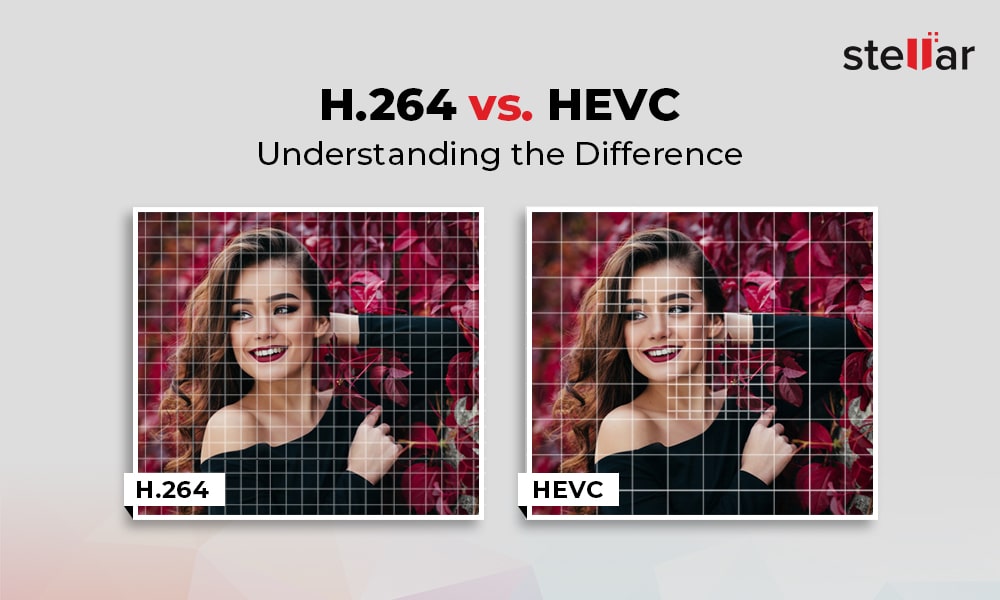
First introduced in 2003, H.264 quickly became the industry standard for video compression, thanks to its high compression efficiency and broad compatibility. Its widespread adoption made it the most widely used video codec in the world for many years, until the release of H.265 in 2013. H.265, also known as High Efficiency Video Coding (HEVC), was designed to provide even greater compression efficiency and improved video quality, making it an attractive alternative to H.264 for many use cases.

Technical Specifications

The key technical difference between H.264 and H.265 is their compression efficiency. H.265 is able to achieve significantly higher compression rates than H.264, meaning that it can deliver higher quality video at lower bitrates. In addition, H.265 supports higher resolutions and frame rates, making it better suited to modern video applications. However, H.264 has broader compatibility with older devices and software, and is often more easily implemented in legacy systems.

Both codecs use similar encoding and decoding processes, but H.265 includes some additional features and optimizations to improve compression efficiency and video quality. For example, H.265 includes support for larger block sizes, which allows it to more accurately represent complex image structures and textures, leading to higher quality video.

Performance and Quality Comparison

When it comes to comparing the performance and quality of H.264 and H.265, the results can vary depending on the specific use case and testing methodology. However, in general, H.265 is considered to offer superior video quality at lower bitrates than H.264. This is particularly true for high-resolution and high-fps video, where the higher compression efficiency of H.265 allows it to deliver smoother, clearer video. However, H.264 may still be preferable in certain cases, such as streaming to older devices or for applications with lower bandwidth availability.

Applications and Use Cases

H.264 and H.265 are both used in a wide variety of applications, including video streaming, video conferencing, and video surveillance. In general, H.264 is still more widely supported in legacy systems and devices, making it a more common choice for many applications. However, H.265 is becoming increasingly popular in new applications and systems, thanks to its improved video quality and compression efficiency. Some specific use cases where H.265 may be preferable include high-resolution and high-fps video, mobile streaming, and surveillance applications where storage and bandwidth are limited.

Advantages of H.265

H.265 has several advantages over its predecessor, H.264. The most significant ones are:

Better Compression

H.265 uses more advanced compression techniques, which enable it to achieve better compression rates than H.264. This means that H.265 can deliver the same video quality as H.264 with less data. This is particularly important for video streaming, where bandwidth is often limited.

Support for Higher Resolutions

H.265 supports resolutions up to 8K, while H.264 only supports resolutions up to 4K. This makes H.265 more future-proof and suitable for applications that require high-resolution video, such as virtual reality or surveillance.

Improved Parallel Processing

H.265 is designed to take advantage of multi-core CPUs and GPUs, which makes it faster and more efficient than H.264. This is particularly important for real-time applications, such as video conferencing or live streaming.

H.264 vs. H.265: Which One is Better?

So, which one is better? The answer is not straightforward, as it depends on the specific use case.

H.264 is Still Widely Used

H.264 is still the most widely used video codec, as it is supported by almost all devices and software. This means that if you want your videos to be compatible with as many devices as possible, H.264 is still a safe choice.

H.265 is More Efficient

However, if you are looking for better compression and support for higher resolutions, H.265 is the better choice. It is also more efficient in terms of processing power, which can be a significant advantage in certain applications.

The Future of Video Codec

In any case, it is clear that H.265 is the future of video codec. As more and more devices support it, and more content is encoded in H.265, it will become the new standard for video compression.

Conclusion

In conclusion, both H.264 and H.265 have their advantages and disadvantages. H.264 is still the most widely used video codec and is compatible with almost all devices and software. On the other hand, H.265 offers better compression, support for higher resolutions, and improved processing efficiency. As technology advances and more devices support H.265, it will become the new standard for video compression.

Converting Mp4 to AVI

Converting Mp4 to AVI

Converting Mp4 to AVI

Understanding the Differences Between MP4 and AVI Video Formats

Converting Mp4 to AVI

When it comes to video formats, there are several options available, each with its own strengths and weaknesses. Two of the most common formats are MP4 and AVI. While both formats have similarities, there are also some key differences that can impact the quality and performance of your videos.

Overview of MP4 and AVI Formats

MP4, or MPEG-4 Part 14, is a digital multimedia container format used to store video, audio, and other data, such as subtitles and still images. It was first released in 2001 and has become one of the most popular video formats due to its compatibility with a wide range of devices and its compression capabilities, which allow for smaller file sizes without significant loss in quality.

AVI, or Audio Video Interleave, is a multimedia container format that was introduced by Microsoft in 1992. It was one of the first video formats to support audio and video playback on a single file, making it popular for use on personal computers. While it is an older format than MP4, it is still widely used today due to its compatibility with various media players and editing software.

Differences in Video Compression

One of the key differences between MP4 and AVI formats is the way they handle video compression. MP4 typically uses the H.264 video codec, which is a popular standard for compressing high-definition video. This codec is known for its high compression ratio, which allows for smaller file sizes while maintaining high-quality video.

AVI, on the other hand, typically uses less efficient video codecs, such as MJPEG or Cinepak, which are known for producing larger file sizes with lower quality video. While there are other codecs available for AVI, they are less common and may not be supported by all media players or editing software.

Comparing Audio Compression

Both MP4 and AVI support a wide range of audio codecs, including AAC, MP3, and WAV. However, MP4 tends to be more efficient at compressing audio data due to its use of the Advanced Audio Coding (AAC) codec. This codec provides high-quality audio at lower bit rates than many other codecs, resulting in smaller file sizes without sacrificing sound quality.

AVI, on the other hand, uses older audio codecs such as MP3, which can result in larger file sizes with lower quality audio. While it is possible to use newer codecs with AVI, this may require additional software or settings adjustments.

Choosing the Right Format for Your Needs

When it comes to choosing between MP4 and AVI, there are several factors to consider. If you are looking for a format that provides high-quality video with smaller file sizes, MP4 is likely the better choice. However, if compatibility with older media players and editing software is a concern, AVI may be the better option.

It’s also worth considering the devices on which you plan to play your videos. While MP4 is compatible with a wide range of devices, including smartphones, tablets, and gaming consoles, AVI may not be supported by all devices. Additionally, if you plan to edit your videos, it’s important to ensure that the editing software you use supports the format you choose.

The Technical Differences Between H.264 and HEVC

H.264 (Advanced Video Coding)

H.264, also known as Advanced Video Coding (AVC), is a widely used video compression standard that was first introduced in 2003. It is known for its ability to provide high-quality video with relatively low bitrates, making it ideal for a wide range of applications such as streaming video, broadcasting, and video conferencing.

H.264 achieves high compression ratios by using a combination of interframe and intraframe coding techniques. Interframe coding involves identifying and coding only the changes between frames, while intraframe coding involves coding each frame independently. H.264 also uses various prediction and transform coding techniques to further reduce the amount of data that needs to be stored or transmitted.

The main drawback of H.264 is that it is not very efficient at compressing high-resolution video or video with a high frame rate. This is where HEVC comes in.

HEVC (High Efficiency Video Coding)

HEVC, also known as H.265, is a newer video compression standard that was introduced in 2013. It is designed to provide higher compression ratios than H.264, making it ideal for compressing high-resolution video, video with a high frame rate, and other data-intensive applications.

HEVC achieves higher compression ratios than H.264 by using similar techniques such as interframe and intraframe coding, prediction and transform coding, but also includes new techniques such as more sophisticated prediction models, larger block sizes, and improved motion compensation.

One of the main benefits of HEVC is that it provides higher quality video at lower bitrates, which is essential for video streaming and other data-intensive applications. However, the downside is that HEVC requires more processing power to encode and decode video than H.264, which can be a significant barrier for devices with limited resources.

Conclusion

In summary, both H.264 and HEVC are widely used video compression standards that have their own strengths and weaknesses. H.264 is ideal for a wide range of applications such as streaming video, broadcasting, and video conferencing, while HEVC is designed to provide higher compression ratios for high-resolution video and other data-intensive applications. When choosing between the two, it’s important to consider the specific requirements of your application and the capabilities of the devices you’ll be using.

What is Audio Normalization?

What is Audio Normalization?

Audio Normalization
Audio Normalization

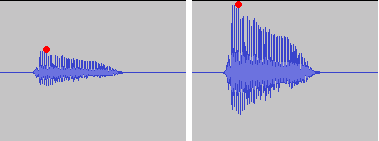
Audio normalization is the process of adjusting the volume of an audio file to a desired level without changing its dynamic range, unlike compression that changes volume over time in varying amounts. There are two main reasons to normalize audio: getting the maximum volume and matching volumes. The first reason is when you have a quiet audio file and you want to make it as loud as possible (0 dBFS) without changing its dynamic range, and the second reason is when you have a group of audio files at different volumes, and you want to make them all as close as possible to the same volume.

Audio Normalization
Audio Normalization

Peak volume detection is the method of measuring the volume of audio that only considers how loud the peaks of the waveform are for deciding the overall volume of the file. This is the best method if you want to make the audio as loud as possible. RMS volume detection considers the overall loudness of a file, and it takes an average and calls that the volume. This method is closer to how the human ear works and will create more natural results across varying audio files.

The new standard in broadcast audio, EBU R 128 volume detection, is similar to RMS but can be thought of as emulating a human ear. It listens to the volume intelligently and thinks about how we will hear it. It understands that we hear frequencies between 1000 – 6000 Hz as louder and takes that into account.

Normalization can be performed in an audio editor or inside a DAW, but it is a destructive process that can change the sound quality of the file. This was a bigger issue when digital files were all stored as 16 bit. If you turned the volume down, you effectively reduced the bit depth. Your CD-quality 16-bit file could end up 12-bit or less, even if you turned it up with peak normalization. Nowadays, audio editing software works internally at a much higher bit depth, often 32-bit floating point, which means that calculations are done more accurately and affect the sound quality far less. To take advantage of the high quality of high bit depth inside audio editing software, it is essential to keep the file at the higher resolution once it has been processed. Finally, peak normalization to 0 dBFS is a bad idea for any parts to be used in a multi-track recording, as it may overload DAW or plugins.

What is RMS?

RMS stands for Root Mean Square and is a measure of the average power of a signal. It’s commonly used in electrical engineering and other fields that deal with signals, such as audio processing.

To calculate the RMS value of a signal, you first square each value in the signal and then take the average of all the squared values. Finally, you take the square root of that average. Mathematically, it can be expressed as:

RMS = sqrt((1/N) * sum(x^2))

Where N is the number of samples in the signal and x is the value of each sample.

The resulting RMS value represents the equivalent DC voltage that would produce the same amount of heat in a resistor as the original AC signal. In other words, it’s a measure of the signal’s power level.

RMS is particularly useful when dealing with signals that have both positive and negative values, as it takes into account the magnitude of both. It’s also commonly used to specify the power of audio signals, such as in the specification of the power output of an amplifier.

Overall, RMS is a useful tool for understanding the power level of signals and can help in the design and analysis of electrical and audio systems.


What is Bit Depht?

Bit depth refers to the number of bits used to represent the amplitude of an audio signal. In digital audio, the amplitude is quantized into a finite number of levels, which are then represented by binary numbers. The bit depth determines the number of possible levels, and therefore, the resolution of the digital signal.

For example, with a bit depth of 16 bits, there are 2^16, or 65,536 possible levels. With a bit depth of 24 bits, there are 2^24, or 16,777,216 possible levels. This means that a higher bit depth provides a more accurate representation of the original analog signal.

The bit depth of an audio signal affects its dynamic range and signal-to-noise ratio. Dynamic range refers to the difference between the loudest and softest parts of the signal, while signal-to-noise ratio refers to the ratio of the signal to any background noise present.

With a higher bit depth, the dynamic range is increased, allowing for a greater difference between the loudest and softest parts of the signal to be accurately represented. Similarly, a higher bit depth also increases the signal-to-noise ratio, since there are more levels available to represent the signal and less quantization noise is introduced.

However, a higher bit depth also requires a larger data rate and storage space, and may not be necessary for all types of audio signals. For example, speech and other types of less complex signals may not require a high bit depth, while music with a wide dynamic range and complex sounds may benefit from a higher bit depth.

In summary, the bit depth of an audio signal determines the resolution of the digital signal and affects the dynamic range and signal-to-noise ratio. A higher bit depth provides a more accurate representation of the original analog signal, but also requires a larger data rate and storage space. The appropriate bit depth for a given audio signal depends on the complexity of the signal and the desired quality.

How to Convert MP3 to AAC: Exploring the Technicalities of the Advanced Audio Codec

How to Convert MP3 to AAC: Exploring the Technicalities of the Advanced

MP3 to AAC
MP3 to AAC

Audio Codec


MP3 to AAC
MP3 to AAC


The History of AAC

Advanced Audio Coding (AAC) is a widely used audio codec, designed to be the successor of the MP3 format. It was first introduced by the Moving Picture Experts Group (MPEG) as part of MPEG-2 and later extended as MPEG-4 Part 3. Since its release in 1997, AAC has been recognized for its superior audio quality and compression efficiency.

The development of AAC began in 1988 as part of an international collaboration called the Audio Coding Joint Technical Committee (JTC), consisting of experts from several organizations, including AT&T, Fraunhofer Society, and Sony. The goal was to create an audio codec that could deliver high-quality audio while using less bandwidth and storage space than MP3, which was the dominant audio format at the time.

The result of this collaboration was the creation of the MPEG-2 AAC standard in 1994, which was later extended as MPEG-4 Part 3 to include additional features. Today, AAC is supported by a wide range of devices and platforms, including Apple’s iTunes, iPod, and iPhone, as well as Android devices and various media players.

How AAC Works

AAC is a lossy compression codec, meaning that it achieves high compression rates by discarding some of the audio data. However, unlike MP3, which relies on a perceptual coding algorithm to remove irrelevant audio data, AAC uses a more advanced coding algorithm that takes into account the psychoacoustic properties of human hearing.

AAC achieves this by dividing the audio signal into different frequency bands and applying different quantization noise to each band, based on the sensitivity of human hearing at different frequencies. The result is a more efficient use of the available data rate, allowing AAC to deliver higher audio quality at the same bit rate as MP3.

AAC is also a format container, meaning that it can contain audio data encoded in various formats, including stereo, 5.1 surround sound, and even lossless formats like Apple Lossless and FLAC. This flexibility makes AAC a versatile audio format that can be used for a wide range of applications, from music streaming to professional audio production.

Converting MP3 to AAC Using Mp4Gain

Mp4Gain is a versatile audio and video conversion tool that supports a wide range of formats, including MP3 and AAC. With Mp4Gain, you can convert your MP3 files to AAC quickly and easily, without losing any audio quality.

What is a container format?

A container format is a type of file format that can store different types of data in a single file. In the case of audio and video files, a container format is used to package the different types of data that make up the file, including the video and audio streams, metadata, and any subtitles or closed captions.

The benefits of using AAC

AAC has several benefits over other audio formats. Firstly, it offers improved sound quality at lower bitrates than MP3, which means that files can be compressed to a smaller size without sacrificing quality. This is particularly important for mobile devices with limited storage capacity.

Secondly, AAC offers better performance at high bitrates, making it a popular choice for professionals who need high-quality audio, such as musicians, producers, and sound engineers.

Another benefit of using AAC is that it supports up to 48 channels of audio, compared to MP3’s limit of 2 channels. This makes AAC a popular choice for high-end surround sound systems and immersive audio experiences.

Finally, AAC is widely supported by a range of devices and software, including Apple devices, Android devices, and popular media players like VLC and QuickTime.

How to convert MP3 to AAC with Mp4Gain

Now that you understand the benefits of using AAC, you may want to convert your MP3 files to AAC to take advantage of these benefits. Fortunately, Mp4Gain makes it easy to do this.

To convert MP3 to AAC with Mp4Gain, follow these simple steps:

    1. Open Mp4Gain and select the “Audio Converter” option from the main menu.
    2. Click the “Add Files” button and select the MP3 files you want to convert to AAC.
    3. Select “AAC” as the output format from the list of available formats.
    4. Choose the desired bitrate, sampling rate, and channel configuration for the output file. You can also choose to normalize the volume if you want.
  1. Click the “Convert” button to start the conversion process.

Once the conversion process is complete, you will have high-quality AAC files that can be played on a wide range of devices and media players.

Conclusion

AAC is a high-quality audio format that offers several benefits over other formats, including improved sound quality at lower bitrates, better performance at high bitrates, support for multiple channels of audio, and wide compatibility with devices and software.

If you want to take advantage of these benefits, Mp4Gain makes it easy to convert your MP3 files to AAC. With its simple interface and powerful conversion capabilities, Mp4Gain is the perfect tool for anyone who wants to create high-quality, versatile audio files.