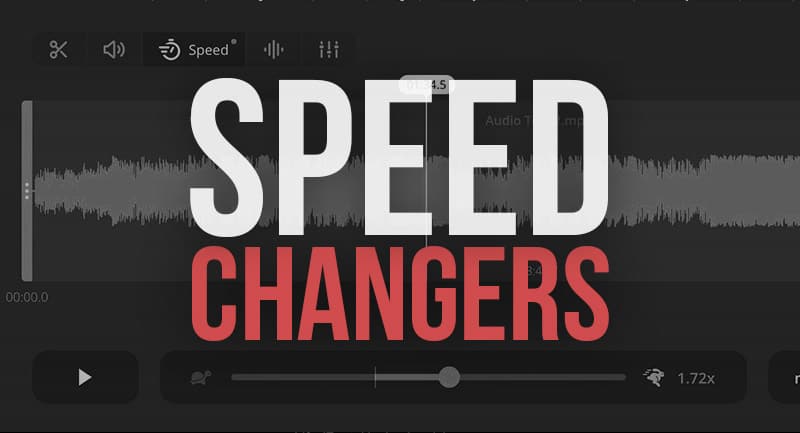
Mp3 Tempo Change


Free Download Mp4Gain
picture

Mp3 Tempo Change

Mp3 Tempo Change
Mp3 Tempo Change

Mp3 Tempo Change: Introduction

Mp3 Tempo Change
Mp3 Tempo Change

When it comes to audio files, changing the tempo can make a significant impact on the listening experience. Whether you want to speed up a song to match the rhythm of a workout or slow down a piece to learn a new instrument, a tempo change is a powerful tool. In this guide, we’ll cover everything you need to know about tempo change, from the technical aspects to the practical considerations.

What is Tempo Change?

Tempo refers to the speed at which a piece of music is played. When you increase or decrease the tempo, you change the speed of the music. Tempo change is the process of altering the tempo of an audio file.

The Technical Side of Tempo Change

Tempo change is a complex process that involves manipulating the audio data in the file. Audio files are made up of a series of samples, which represent the sound wave at a particular point in time. To change the tempo, the software must adjust the timing of these samples without changing the pitch of the audio.

There are several methods for adjusting the timing of audio samples. One common technique is time stretching, which involves changing the playback speed of the audio without changing its pitch. This method works by adjusting the spacing between the audio samples, effectively stretching or compressing the waveform.

Another technique is pitch shifting, which changes the pitch of the audio without changing the tempo. This method works by modifying the frequency of the audio waveform.

Practical Considerations for Tempo Change

When it comes to tempo change, there are a few things to keep in mind. First, changing the tempo of an audio file can affect its quality. When you increase the tempo, the software must add in additional samples to fill the gaps, which can lead to a loss of audio quality. Similarly, when you decrease the tempo, the software must remove samples, which can also result in a loss of quality.

Second, changing the tempo of an audio file can also affect its length. When you increase the tempo, the file will become shorter, and when you decrease the tempo, the file will become longer. This can be an important consideration if you’re syncing audio to video or working with a limited amount of storage space.

Choosing the Right Software for Tempo Change

When it comes to tempo change, having the right software can make all the difference. While there are many programs that can adjust the tempo of an audio file, not all software is created equal.

One of the best software options for tempo change is Mp4Gain. This program offers a variety of features for adjusting the tempo of audio files, including the ability to change the BPM and adjust the pitch without affecting the tempo. Mp4Gain also offers a user-friendly interface that makes it easy to adjust the tempo of your audio files.

Conclusion

In conclusion, tempo change is a powerful tool for anyone working with audio files. Whether you’re looking to speed up a song for a workout or slow down a piece to learn an instrument, a tempo change can make all the difference. When choosing software for tempo change, be sure to select a program that offers the features and functionality you need to achieve your goals. Mp4Gain is a great option for anyone looking to adjust the tempo of their audio files with ease.



Free Download Mp4Gain
picture


Mp4Gain Main Window
picture


Mp4Gain Features
picture


Free Download Mp4Gain
picture

Mp3 Speed change

Mp3 Speed change

Mp3 speed change
Mp3 speed change

If you’re a music enthusiast or a musician, you may have encountered the need to change the speed of a song without altering its pitch. This is where the Tempo Change option comes in, which is available in some audio editing software and is also a feature of MP4Gain.

Mp3 speed change
Mp3 speed change

What is Mp3 Speed change or Tempo Change?

Mp3 Speed change or Tempo Change is a feature that allows you to modify the speed of a song or audio file without affecting its pitch or quality. This feature is often used by musicians who want to learn a new song at a slower or faster pace, or by DJs who want to change the tempo of a track to fit with the rest of their set.

The Benefits of Mp3 Speed change or Tempo Change

  • Music Practice: If you’re a musician, Tempo Change can be a valuable tool for practicing. Slowing down a song can help you learn complex passages and improve your timing. On the other hand, speeding up a song can help you challenge yourself and build your skills.
  • Music Production: For music producers, Tempo Change can be a valuable tool for experimentation. Changing the tempo of a song can give it a new and unique sound, or help it fit better with other tracks in a mix.
  • DJ Performance: DJs can use Tempo Change to match the tempo of two different tracks, making for a smooth transition between songs. They can also use it to create remixes and mashups.

How Does Mp3 Speed change or Tempo Change Work?

Tempo Change works by altering the playback speed of a song. When a song is played back at a higher speed, the pitch and frequency of the notes are increased. Similarly, when a song is played back at a slower speed, the pitch and frequency of the notes are decreased. However, with Tempo Change, the pitch and quality of the song remains the same, making it an ideal tool for musicians and music producers.

Conclusion

Overall, Tempo Change is a powerful feature that can help musicians, music producers, and DJs take their craft to the next level. If you’re looking for a tool that can modify the speed of your MP3 files, MP4Gain offers this feature along with other useful tools to enhance your music listening experience.

How Does a Tempo Change Algorithm Work?

If you’re a musician or an audio enthusiast, you may have heard of tempo change, also known as speed change. It’s a process of altering the speed of an audio track without affecting its pitch. But how does this work? Let’s explore the technical details of a tempo change algorithm.

What is a Tempo Change Algorithm?

A tempo change algorithm is a software algorithm that analyzes an audio signal and modifies its speed while maintaining the pitch. The algorithm essentially works by manipulating the length of the digital audio samples, either by skipping or repeating them. By adjusting the length of the samples, the speed of the audio can be increased or decreased without affecting the pitch.

The Fourier Transform

One of the key components of a tempo change algorithm is the Fourier Transform. The Fourier Transform is a mathematical function that allows us to break down an audio signal into its component frequencies. This is important because the frequency of a sound determines its pitch.

Time-Stretching

The other key component of a tempo change algorithm is time-stretching. Time-stretching is the process of altering the length of the digital audio samples in a way that maintains the integrity of the sound. There are several different algorithms for time-stretching, including the phase vocoder, which uses the Fourier Transform to stretch the signal in the frequency domain.

Conclusion

So, to sum up, a tempo change algorithm is a software algorithm that analyzes an audio signal and modifies its speed while maintaining the pitch. This is achieved by manipulating the length of the digital audio samples using a combination of Fourier Transform and time-stretching algorithms. With this technology, musicians and audio enthusiasts can adjust the tempo of their favorite tracks without affecting the pitch, allowing for a wider range of creative possibilities.

As you can see, the technical details behind tempo change algorithms are complex, but the result is a powerful tool for manipulating audio in new and creative ways.