Video formats for the Internet: MP4 and its variants, MP4 / H.264 and MP4 / MPEG-4 – Differences and similarities
The videos that we play online or locally on the computer or any other device may be coded in different ways. Each method of encoding them has its advantages and disadvantages, and there are better formats than others, depending on the use we will give to the video. We have formats such as AVI, MP4, MKV, 3GP, Google WebM, etc. …

When playing video on the Internet using a browser, the most widespread format and with the best support from browsers, both mobile and desktop, is the MP4 format, and to be more accurate the MP4 / H format. .264, which corresponds to files that normally carry the .mp4 extension. but:
Are all .mp4 files the same?
If they are not similar, what types are there? What are the differences, advantages and disadvantages of each one?
Are they all on the Internet?
MP4 format – Parts, containers and extensions
When we talk about a .mp4 file or MP4 format in general, what we are talking about is what is technically called MPEG-4, part 14. It is a standard format (ISO / IEC 14496-14) and it is a container format for multimedia tracks. That is, this format defines how audio and video tracks (called data streams) can be contained in the file in various formats and may even contain subtitles.
In this container format within the .mp4 file, the audio and video tracks can be encoded in different formats, as appropriate for the application to be provided. While in theory it supports many different formats (almost any) for these audio and video tracks, in practice players of this format only support some specific types, the most frequent being:
Audio: AAC (Advanced Audio Codec, which when released is files with extensions .m4a or .3gp) or MP3 format.
Video: the different variants of MPEG format.
MPEG or Moving Picture Experts Group is a group of “authorities” and audio and video manufacturers that came together at the request of ISO in the late 1980s to create file coding standards for this type of multimedia information, ensuring compatibility between the media to be played, and the playback devices. The first version of the standard, MPEG-1, came out in 1993, and since then there have been many new versions, and within what they call “Parts”, which are specific aspects of the standard and also extensions to the specification of specific things, or improvements to the basic format they are changing.

The most prevalent version of this MPEG format is 4 or MPEG-4, which appeared in late 1998, and this is what we know as MP4, due to the expansion of its files. This version is divided into several sub-standards or “Parts” that describe certain format issues (such as the 14 container, as I said at the beginning) and some extensions.
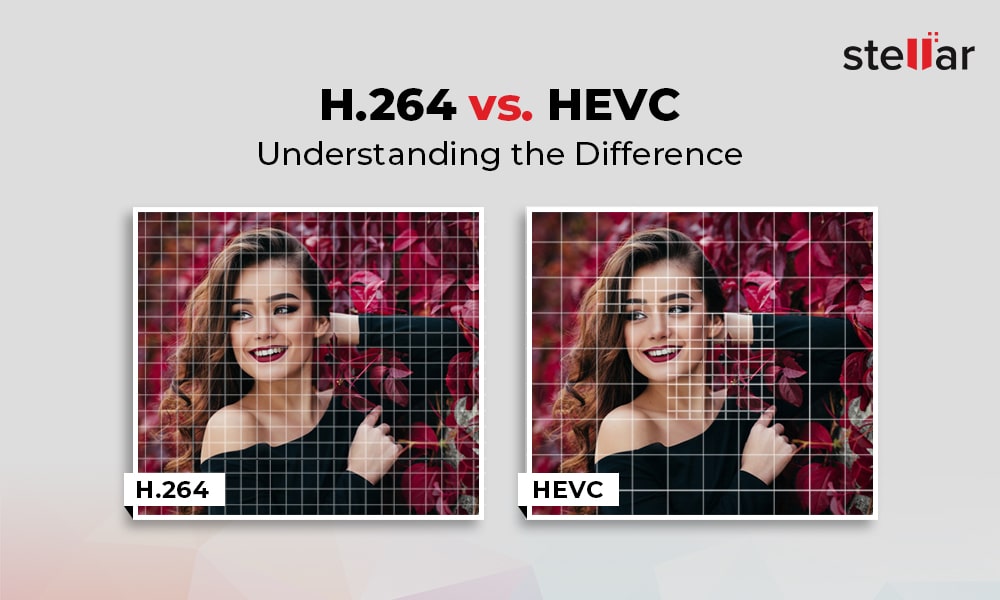
Within parts of the standard, part 10 describes an advanced coding format, that’s what we also know as H.264, but it’s actually also called MPEG-4 part 10, and that’s what Blue-Ray discs used for example. That is why they talk on many internet sites that the H.264 and MPEG-4 are the same. And this is true, but not quite, as parts 2, 12 or 14 of MPEG-4 also describe other compression formats that are MPEG-4, and the container format may also contain MPEG in earlier versions of lower quality such as MPEG -1 or MPEG- 2nd
MPEG-4 part 10 or H.264 or AVC format
Let’s summarize what we know so far: When we talk about MP4 or .mp4 files today, or the “MP4 format”, we’re really talking about the container format. Within this, there may be audio and video in various formats, so only talking about MP4 is not correct (or at least it is not accurate) and more details are needed. Given that the format used to compress the video stream containing MP4 is of vital importance, “last name” for that format is usually set to indicate well what we are referring to.
Thus, reference is made to MP4 / H.264 for videos using MPEG-4 part 10 and which are very high quality compatible videos. It is also common to talk about the MP4 / MPEG-4 format, which in this case usually refers to part 2 of the MPEG-4, which is the original format that was released and is of lower quality so it is usually used for broadcasting IP TV (video surveillance) or distributing certain multimedia content (some “pirate” movies, multimedia CDs …) as it generally weighs less.
The MP4 / H.264 format is what should be used to play directly in browsers, as this is what everyone supports today in all operating systems. It is much more efficient than MPEG-4 part 2 (the original) in coding and offers much better quality, even if we use a low bit rate or reduced bandwidth when reproducing it. It resists transmission failure very well, although some packets are lost, so it works very well for streaming, video conferencing and similar applications. This format is also called AVC (Advanced Video Coding), so sometimes you can read MP4 / AVC, but it’s the same.
By contrast, the H.264 format is more complex and more complicated to code (it may require up to 3 times more computing power than the original MPEG-4 format) and to decode (twice as much power), but today with the devices that the average user has (both computers and mobiles, etc.), this is of little importance.
In summary
Just talking about the “MP4 format” is imprecise. One video with the .mp4 extension may not play in one browser, while another with the same extension does. The difference between them is in the way of encoding the video inside, as .mp4 is a container format.
On the web, the recommended format is MPEG-4 part 10, or what is the same as MP4 / AVC or, much more commonly called, MP4 / H.264. This format works in all browsers on the market, except in very old versions of Internet Explorer.
So when they talk to you about the “MP4 format”, they either talk about MP4 / H.264 or they have to specify it more. If you are unsure about the format of a particular .mp4 file you want to play, you can use a tool like Media Info to tell you how the audio and video tracks are encoded. This program identifies tracks coded as H.264 as AVC, which as we know is the same. If AVC tells you, it’s in the right format for the Internet.
As you can see, the world of multimedia formats is quite complicated technically. Fortunately, as a developer or web designer, all you have to worry about today is that they have an appropriate quality / weight ratio and are coded as MP4 / H.264. So you have it easy