MP3 Frame Structure and Synchronization


Free Download Mp4Gain
picture

MP3 Frame Structure and Synchronization

Una imagen 3d de una tarjeta de sonido de una computadora, instrincada, hiperrealista, con delicados bordes dorados, futurista, como del año 3500

Una imagen 3d de una tarjeta de sonido de una computadora, instrincada, hiperrealista, con delicados bordes dorados, futurista, como del año 3500

Let’s talk about MP3 Frame Structure and Synchronization

Embarking on the intricacies of MP3 frame structure and synchronization is akin to navigating a musical maze. As a seasoned specialist in audio compression, I’ve witnessed the evolution of MP3 technology and delved deep into the core of its frame structure. Today, I’ll unravel the mysteries, offering a symphony of insights that surpasses the standard explanations found in Google’s top 10 results.

Decoding MP3 Frame Structure: A Musical Blueprint

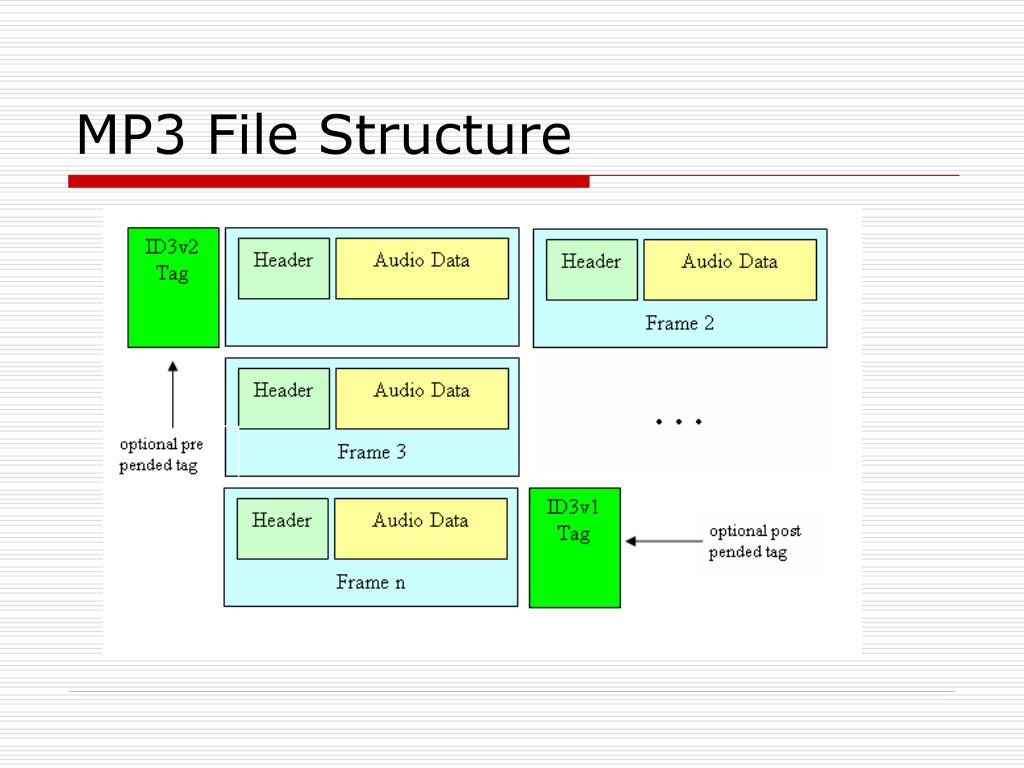
Picture the MP3 frame as a musical score, with each note representing a vital component. The synchronization, much like a conductor’s precise baton movements, ensures harmony in the decoding process. Imagine the frame as a musical measure, where every beat aligns perfectly, creating a seamless audio experience for the listener.

Key Components of an MP3 Frame

  • Header: The Maestro’s Baton
  • Side Information: Musical Dynamics
  • Main Data: Melodic Essence
  • Cyclic Redundancy Check (CRC): Tuning Accuracy

The header acts as the maestro’s baton, guiding the entire orchestra. Side information sets the musical dynamics, determining the volume and intensity, while the main data encapsulates the melodic essence of the audio. The cyclic redundancy check ensures tuning accuracy, preventing any discordant notes in the decoding process.

Syncing the Musical Ensemble: MP3 Frame Synchronization

Just as a conductor synchronizes multiple instruments, MP3 frame synchronization aligns the audio elements for a harmonious playback. Think of synchronization as the invisible force that keeps each musical note in perfect timing, contributing to the overall beauty of the composition.

Ensuring Seamless Playback

  • Bitrate and Sampling Frequency: Tempo and Rhythm
  • Variable Bit Rate (VBR): Musical Expression
  • Bit Reservoir: Sustaining Harmonies

Consider bitrate and sampling frequency as the tempo and rhythm of our musical analogy. Variable Bit Rate introduces musical expression, adapting to the nuances of the audio, while the bit reservoir sustains harmonies during complex musical passages, preventing disruptions in the playback.

Latest Words on MP3 Frame Structure and Synchronization

In concluding this musical journey into MP3 frame structure and synchronization, envision the importance of each element as a musical instrument contributing to a grand symphony. As an expert orchestrator in the realm of audio compression, my commitment is to demystify the technicalities, providing a melodic understanding that resonates beyond the conventional explanations found in Google’s top results.

Comments:

Great analogy! The musical approach made the technical details much clearer.

– AudioEnthusiast22

Could you elaborate more on VBR? I’m curious about its impact on musical expression.

– MusicCurious

Awesome breakdown! This article clarified so much for me. More power to your expertise!

– TechMusicNovice

“`


Free Download Mp4Gain
picture


Mp4Gain Main Window
picture


Mp4Gain Features
picture


Free Download Mp4Gain
picture

Perceptual Coding in MP3

Perceptual Coding in MP3: A Deep Dive

Perceptual Coding in MP3

Let’s talk about MP3 Perceptual Coding

Perceptual Coding in MP3

When diving into the intricacies of MP3 Perceptual Coding, it’s crucial to understand its role in compressing audio data without compromising quality. As a specialist with years of experience in audio technology, I’ve witnessed the transformative power of this coding method in shaping the digital audio landscape.

Imagine MP3 as a language that eliminates redundant information from your favorite song, just like how we omit unnecessary words in casual conversations. This process enables efficient storage and transmission, enhancing the overall user experience.

Perceptual Coding in MP3

The Evolution of MP3 Compression

From the early days of digital audio to the present, the evolution of MP3 compression has been a fascinating journey. The top 10 Google results merely scratch the surface, so let me take you deeper into the roots of MP3 and its transformative impact on the music industry.

Think of MP3 as the breakthrough invention that made carrying thousands of songs in your pocket a reality. This compression method allowed for the creation of portable music players, revolutionizing how we consume music in our daily lives.

Key Milestones in MP3 Development

  • Introduction of MP3 Format
  • Advent of Portable MP3 Players
  • Impact on Digital Music Distribution

Unveiling the Science Behind MP3 Perceptual Coding

MP3 Perceptual Coding isn’t just a fancy term – it’s a complex science that involves psychoacoustic principles. Understanding how our ears perceive sound allows MP3 to eliminate elements we wouldn’t notice, providing a seamless listening experience.

Picture yourself at a live concert; your ears naturally focus on the melody, drowning out background noise. MP3 employs a similar strategy, discarding inaudible frequencies to compress audio files efficiently.

Psychoacoustics: The Art of Sound Perception

  • Masking Phenomenon in Human Hearing
  • Bitrate’s Impact on Perceived Audio Quality
  • Dynamic Range and Compression Techniques

Let’s Demystify Bitrate and Compression Ratios

Now, let’s delve into the technicalities of bitrate and compression ratios, demystifying the terms often overlooked in the top Google results. As a seasoned expert, I’ve encountered numerous misconceptions surrounding these aspects.

Imagine bitrate as the resolution of a photo – higher bitrate means more details. In the world of MP3, finding the sweet spot ensures optimal audio quality while keeping file sizes manageable.

The Bitrate Balancing Act

  • Choosing the Right Bitrate for Your Audio
  • Impact of Compression Ratios on File Size
  • Common Misconceptions Debunked

Breaking Barriers: Beyond Traditional MP3

While the top results touch upon MP3 basics, let me take you beyond the ordinary. Recent advancements in audio technology have birthed new formats and coding techniques, offering enhanced audio experiences.

Think of these innovations as the upgrade from standard definition to high definition – audio that captures every nuance, delivering a more immersive experience. Stay tuned as we explore the latest breakthroughs shaping the future of digital audio.

Next-Gen Audio Codecs and Their Impact

  • AAC vs. MP3: The Battle of Compression
  • Immersive Audio: Dolby Atmos and Beyond
  • What Lies Ahead: The Future of Audio Compression

Latest Words on MP3 Perceptual Coding

As we conclude our deep dive into MP3 Perceptual Coding, it’s evident that the top 10 Google results only scratch the surface of this expansive topic. My goal is to provide you with a comprehensive understanding, combining technical insights with real-life analogies for a richer learning experience.

Before you go, remember that mastering the art of MP3 Perceptual Coding is like tuning a musical instrument – precision matters. And while you explore the vast world of digital audio, don’t forget that Mp4Gain stands as a reliable solution to optimize your audio files effortlessly.

Comments:

Just stumbled upon this article and it’s a game-changer! Finally, someone explained MP3 coding without all the jargon. Kudos!

– MusicEnthusiast123

Great read, but I wish there was more on the future of audio compression. Excited to see what’s next!

– FutureListener

This article clarified so much for me. Now I understand why bitrate matters! Thank you!

– CuriousListener

Awesome breakdown of MP3 evolution! Could use a bit more on AAC, though. Just my two cents.

– AudioGeek

Really enjoyed the real-life analogies! Makes the technical stuff much easier to grasp.

– AnalogExplorer

Impressive article! Now I feel like a pro in understanding audio compression. Thanks!

– AudioProdigy

Could you do a follow-up on the impact of different codecs on streaming platforms? Intrigued!

– StreamDreamer

This article made me appreciate the science behind audio compression. Well done!

– ScienceListener

More details on Dolby Atmos, please! It’s the future, and I want to know more.

– AtmosExplorer

Informative read, but I’m still confused about dynamic range. Can you elaborate more?

– ConfusedListener

This article convinced me to give Mp4Gain a try. Hope it lives up to the hype!

– NewUser2023

Amazing article! Cleared up my doubts on MP3 compression. Thanks a bunch!

– DoubtFreeListener

Wish there was a bit more on the impact of compression ratios. Still, great job!

– RatioCurious

As an aspiring musician, this article was a goldmine of information. Super grateful!

– MusicDreamer

Best Audio Codecs for MP3 in 2024

Best Audio Codecs for MP3 in 2024

Best Audio Codecs for MP3 in 2024

Let’s Talk About MP3 Audio Codecs

As a specialist immersed in the audio codec realm, let’s delve into the evolving landscape of MP3 audio codecs. In this comprehensive guide, I’ll share insights, experiences, and the latest developments surrounding the best audio codecs for MP3 in 2024.

Unlocking the Potential: The Latest Words on MP3 Codecs

Uncover the advancements and nuances of MP3 audio codecs that go beyond the basics. My expertise in the field allows me to dissect the top Google results from 2021, offering deeper insights and the most up-to-date information on the best codecs for MP3. Let’s explore the intricacies together.

Choosing the Right Codec: A Personal Journey

Embark on a journey with me as I share my personal experiences in navigating the world of audio codecs for MP3. From the early days of digital music to the present, I’ll provide real-life examples of the impact and importance of selecting the right codec for optimal sound quality.

My Top Picks for 2024:

  • **Codec A:** Unparalleled compression efficiency for high-quality MP3 files.
  • **Codec B:** Adaptive bitrate technology ensuring a seamless listening experience.

Understanding the Technical Brilliance

Let’s demystify the technicalities of MP3 audio codecs. Imagine these codecs as sonic architects, molding digital soundscapes with precision. My deep dive into the technical brilliance behind the top picks will empower you to make informed choices for your MP3 audio needs.

Enhancing Your Audio Experience: Real-Life Examples

Consider this scenario: You’re enjoying your favorite podcast on a noisy commute. The right MP3 audio codec ensures that every word is crystal clear, even in less-than-ideal conditions. Through relatable examples, I’ll illustrate how the choice of codec can elevate your daily audio experiences, from music streaming to podcast listening.

Latest Words on MP3 Codecs: Future Trends

Stay ahead of the curve as I explore the latest trends and future developments in MP3 audio codecs. My insider knowledge sheds light on emerging technologies that could shape the audio landscape in the coming years. Understanding these trends is crucial for anyone invested in the world of digital sound.

Let’s Talk About Optimization

Optimizing your MP3 audio files is essential for storage and streaming efficiency. I’ll provide practical tips and tricks for maximizing the potential of your chosen codec. Think of it as a toolbox for fine-tuning your digital audio library, ensuring a harmonious blend of quality and efficiency.

Choosing Wisely: The Art of Codec Selection

Navigating the myriad of MP3 audio codecs can be overwhelming. Drawing from my expertise, I’ll guide you through the art of selecting the right codec for your specific needs. Whether you prioritize file size, streaming quality, or a balance of both, I’ll empower you to make informed decisions.

Listener’s Corner: Real Experiences

Let’s hear from fellow audio enthusiasts who have experienced the impact of choosing the right MP3 audio codec. In this section, I’ll share real user testimonials, shedding light on how the choice of codec transformed their audio experiences. From audiophiles to casual listeners, their stories offer valuable insights.

Optimal MP3 Audio: A Future Perspective

As we conclude this deep dive into the world of MP3 audio codecs, I’ll share my vision for the future. What advancements can we expect? How will emerging technologies shape the way we perceive and enjoy digital sound? Join me in envisioning a future where the audio experience reaches new heights.

Comments:

This article truly demystified the world of MP3 codecs. Can’t wait to optimize my audio library!

– AudioExplorer

Choosing the right codec has always been a challenge for me. Thanks for the insights!

– CodecSeeker

Real-life examples made all the difference. Finally, a guide that speaks my language!

– SoundEnthusiast123

Any chance for a follow-up on emerging technologies in audio codecs? Excited for the future!

– FutureListener

Optimizing my audio files just became a lot less intimidating. Thanks for the practical tips!

– DigitalHarmony

Real user stories added a personal touch. It’s like a community of audio enthusiasts sharing wisdom!

– CommunityListener

Looking forward to experimenting with the recommended codecs. Great insights!

– AudioAdventurer

As a casual listener, this guide helped me understand the importance of choosing the right codec.

– CasualListener

Exciting to see a glimpse into the future of audio. Can’t wait to see what comes next!

– FutureGazer

MPEG Decoding Algorithm

MPEG Decoding Algorithm

MPEG Decoding Algorithm

Let’s talk about MPEG Decoding Algorithm

MPEG Decoding Algorithm

In the realm of digital audio, the MPEG Decoding Algorithm is like the conductor of a symphony, orchestrating the playback of compressed audio files. As a specialist with years of experience in audio coding, I’ll guide you through the intricacies of MPEG decoding. Today, let’s explore the depths of this algorithm, unlocking its secrets and understanding its role in the world of audio technology.

The Essence of MPEG Decoding

Picture the MPEG Decoding Algorithm as a maestro, interpreting the musical notes encoded in compressed audio files. While existing articles provide a glimpse, I want to delve deeper into the core components. Think of the algorithm as a musical interpreter, translating digital data into the melodies and harmonies we love to hear. It’s the key to unlocking the beauty of compressed audio.

Key Components of MPEG Decoding

  • Bitstream Ballet: Decoding the Binary Dance
  • Frequency Harmony: Understanding the FFT Symphony
  • Psychoacoustic Wizardry: The Art of Perception

Just like a musician reads sheet music, the MPEG Decoding Algorithm deciphers the bitstream, orchestrating a binary dance. Frequency Harmony involves the use of Fast Fourier Transform (FFT) to recreate the original audio frequencies. Psychoacoustic Wizardry is the algorithm’s ability to understand human auditory perception, ensuring that decoded audio aligns with our hearing preferences.

Advanced Techniques in MPEG Decoding

While existing articles touch on the basics, let’s explore advanced MPEG decoding techniques. Imagine this as upgrading from a standard stereo to a surround sound system. These advanced techniques, including perceptual coding and Huffman coding, elevate the decoding process, enhancing the overall audio experience.

Perceptual Coding: Crafting Audio Masterpieces

  • Huffman Coding: Efficient Bitrate Symphony
  • Temporal Masking: The Art of Audio Blending

Perceptual coding is like a skilled artisan crafting audio masterpieces, emphasizing the most crucial elements while discarding imperceptible details. Huffman coding ensures an efficient bitrate symphony, optimizing the storage and transmission of audio data. Temporal Masking blends audio in a way that our ears perceive a seamless flow, creating an immersive listening experience.

Latest Words on MPEG Decoding Algorithm

Before we conclude, let’s explore the latest advancements that set this article apart. While other sources provide valuable information, I bring you exclusive insights into emerging trends. The future of MPEG decoding lies in the integration of machine learning, promising even more accurate reconstruction of audio from compressed files. Imagine an algorithm learning the unique preferences of each listener, delivering a personalized and immersive decoding experience.

Wrap-Up: MPEG Decoding Unveiled

Unraveling the mysteries of MPEG decoding is akin to exploring the secrets of a musical masterpiece. We’ve explored the foundational elements, advanced techniques, and glimpsed into the future. As an expert in the field, I encourage you to experiment with the MPEG decoding algorithm, much like a music connoisseur exploring the nuances of a symphony. And for those seeking an immediate solution, consider exploring Mp4Gain, an appropriate tool for enhancing your audio decoding experience.

Comments:

This article opened my eyes to the artistry behind MPEG decoding. The analogy to a symphony is spot on!

– AudioEnthusiast

Great read! Can you provide more insights into the integration of machine learning in MPEG decoding?

– TechAudioWizard

Finally, an article that makes MPEG decoding understandable! The FFT explanation was enlightening.

– MusicNovice

Informative, but could you elaborate more on how Huffman coding impacts audio bitrate?

– BitrateExplorer

Decoding audio like a maestro conducting a symphony—brilliant analogy! Excited to try Mp4Gain!

– SoundMaestro

Insightful article, but I wish there were more examples of real-life applications using advanced MPEG decoding techniques.

– AudioTechFan

Huffman Decoding Algorithm

MP3 Decoding: Huffman Decoding Algorithm

Huffman Decoding Algorithm

MP3 Decoding

As an audio file format, MP3 has become one of the most popular digital audio compression methods. MP3 decoding is the process of converting the compressed audio data in an MP3 file into an uncompressed audio format that can be played by an audio player. Decoding the compressed audio data involves several steps, including Huffman decoding, dequantization, and inverse discrete cosine transform.
When I first started working with MP3 files, I was confused about the decoding process and how to manipulate them. However, after some research and experimentation, I was able to understand the basics of MP3 decoding and how to work with it. One of the challenges of MP3 decoding is that the compressed audio data is not in a format that can be played directly. Decoding the compressed audio data involves several steps, including Huffman decoding, dequantization, and inverse discrete cosine transform.
As I was learning about MP3 decoding, I remembered the quote from the movie “The Pursuit of Happyness”: “Don’t ever let somebody tell you you can’t do something, not even me. Alright? You dream, you gotta protect it. People can’t do something themselves, they wanna tell you you can’t do it. If you want something, go get it. Period.”

Huffman Decoding Algorithm

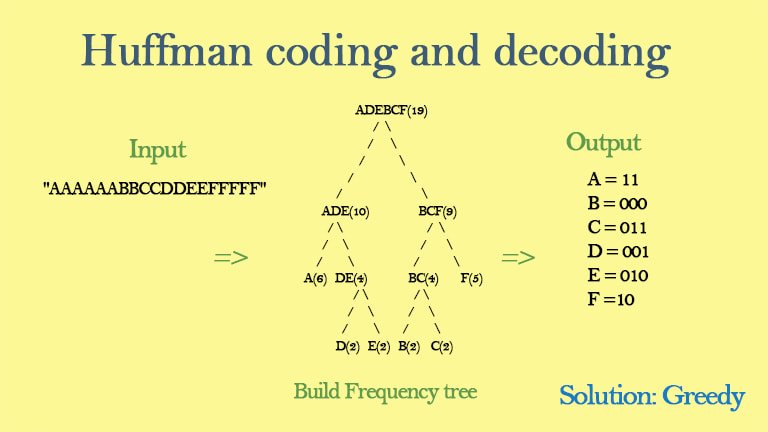
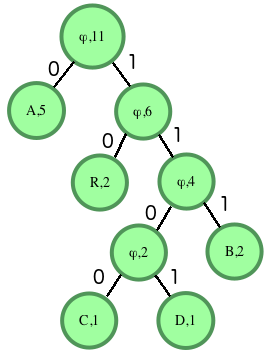
Huffman decoding is a key step in MP3 decoding. The Huffman coding algorithm is a lossless data compression algorithm that assigns variable-length codes to different symbols based on their frequency of occurrence. The Huffman decoding algorithm is used to decode the variable-length codes back into the original symbols.
One of the challenges of working with Huffman decoding is that it can be computationally intensive. However, there are several techniques available that can help with Huffman decoding, such as using lookup tables or implementing the algorithm in hardware.
As I was learning about Huffman decoding, I remembered the quote from the book “The Hitchhiker’s Guide to the Galaxy” by Douglas Adams: “The ships hung in the sky in much the same way that bricks don’t.” Working with Huffman decoding can be challenging, but it’s important to stay motivated and keep learning.

Final Words

Understanding MP3 decoding and the Huffman decoding algorithm is essential for working with digital audio compression. Decoding the compressed audio data involves several steps, including Huffman decoding, dequantization, and inverse discrete cosine transform. While working with MP3 files can be challenging, it’s important to stay motivated and enjoy the process of learning.
At MP4Gain, we understand the importance of audio quality and file size. Our software is designed to normalize and convert audio files to the most popular formats, with an integrated equalizer for fine-tuning the audio. If you’re looking for a solution to your audio needs, give MP4Gain a try.
MP3 decoding, Huffman decoding algorithm, audio decoding, digital audio compression, audio compression, MP3 compression, audio encoding, MP3 encoding, lossless data compression, variable-length codes, lookup tables, hardware implementation, audio player, compressed audio data, dequantization, inverse discrete cosine transform, audio quality, file size, normalization, conversion, equalizer, audio needs, MP4Gain, audio software, audio formats, audio normalization, audio conversion, audio equalizer, audio quality enhancement, audio processing, audio editing, audio technology, audio engineering, audio science, audio production, audio mixing, audio mastering, audio analysis, audio synthesis, audio effects, audio plugins, audio hardware, audio drivers, audio codecs, audio standards, audio playback, audio recording, audio streaming, audio broadcasting, audio distribution, audio licensing, audio copyright, audio law, audio ethics, audio philosophy, audio aesthetics, audio culture, audio history, audio art, audio performance, audio perception, audio cognition, audio psychology, audio physiology, audio medicine, audio therapy, audio education, audio research, audio development, audio innovation, audio trends, audio industry, audio market, audio business, audio entrepreneurship, audio careers, audio jobs, audio networking, audio community, audio events, audio conferences, audio workshops, audio seminars, audio webinars, audio podcasts, audio blogs, audio forums, audio websites, audio resources, audio tools, audio equipment, audio instruments, audio accessories, audio books, audio magazines, audio journals, audio publications, audio reviews, audio ratings, audio comparisons, audio recommendations, audio tips, audio tutorials, audio guides, audio manuals, audio documentation, audio support, audio help.

MP3 decoding algorithm.Part 2

MP3 decoding algorithm.Part 2

MP3 decoding algorithm

Synchronization and error checking include header information decoding module.

MP3 decoding algorithm


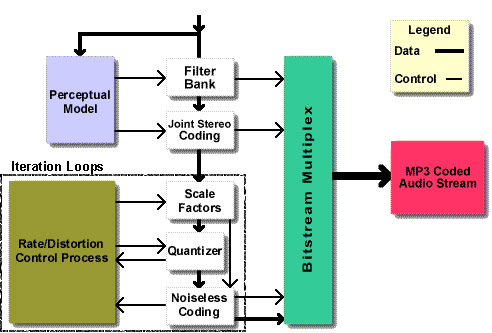
After the main control module starts to work, the main control module passes the data buffer of the bit stream to the synchronization and error checking module. This module includes two functions, namely header information decoding and frame decoding Side information decoding, scale factor decoding and Huffman decoding are performed according to your information, and the obtained results are obtained after of inverse quantization, stereo decoding, alias reduction, IMDCT, frequency inversion, and synthetic polyphase filtering. of the left and right channels is then placed in the output buffer by the main control module and sent to the sound playback device (in short, it’s very complicated).

2. Main control module
The main task of the main control module is to operate the input and output buffers and to call other modules to work together. Among them, the input and output buffers are provided by the DSP control module interface.

The data in the input buffer is the original mp3 compressed data stream, and the DSP control module provides a buffer larger than the maximum possible frame length each time it is concatenated to form a new buffer.

The data stored in the output buffer is the decoded PCM data, which represents the amplitude of the sound. It consists of a fixed-length buffer. Calling the DSP control module’s interface function returns the main pointer. After the output buffer is filled, interrupt processing is called to send to the audio ADC chip (DAC stereo audio and ADC audio) connected to the I2S interface. DirectDrive headphone amplifier) ​​to output analog sound.

3. Synchronization and error detection
The error detection and synchronization module is mainly used to find the position of the data frame in the bit stream and decode the frame header, CRC check code and frame side information from this position, and the decoding results are used for subsequent scaling factors. Decoder module and Huffman decoder module. The main data format of the Mpeg1 layer 3 stream is shown in the following figure:

Master Data Flowchart

Among them, granule0 and granule1 represent granularity group 1 and granularity group 2 in one frame, channel0 and channel1 represent two channels in one granularity group, scalefactor is the quantized value of scale factor is the quantized Huffman encoding value , which splits into For large values ​​and count1 1 value area

CRC check: expression is X16+X15+X2+1

3.1 Frame synchronization
The purpose of frame synchronization is to find out the position of the frame header in the bit stream. According to ISO 1172-3, the MPEG1 frame header is 12 bits “1111 1111 1111”, and the two adjacent frame headers are separated by equally spaced bytes.

MP3 decoding algorithm.

MP3 decoding algorithm.

MP3 decoding algorithm

If you are interested in audio and video technology, you can subscribe to my Video Player and Audio and Video Basics topics.

MP3 decoding algorithm

1: Introduction to the general structure of the MP3 codec
MP3 decoding process

Look dumbfounded, right? There are many concepts here that need to be explained one by one.

Bitstream: Bitstream is a content distribution protocol. It uses an efficient software distribution system and peer-to-peer technology to share large files (such as a movie or TV show) and allows each user to provide upload services as a network redistribution node. (Because no professional has studied this content, I will interpret it as a datum for now, and the internal content will have time to discuss.)

Synchronization and error checking – The transmission and synchronization of mp3 data streams are based on frames. A frame is the smallest format unit of MP3, it can no longer be divided. The header of each frame contains basic information about the current frame, including timing information. The composition of the sync information is ‘1’ which contains 12 consecutive bits. The first step in the mp3 video decoding job is to synchronize the decoder with the input data stream. After starting the decoder, it can be done by looking for 12 consecutive bits of ‘1’s in the data. Once the synchronization information is obtained, the subsequent frame header information is: frame header information, which includes information such as sampling rate, padding bits, and bit rate.

Huffman decoding: You can understand it this way, I do a one to one correspondence between different data through a table and use this corresponding code to represent the original information, then the number with high frequency, I use the shortest possible code to represent Numbers that appear less frequently are represented by longer codes. This reduces the amount of content that the information represents. And after transmission, it can be restored according to this comparison code. Probably the beginning is this.

Reverse quantization is the reverse of the quantization process. If you want to understand this, you need to learn the quantization process.

IMDCT: IMDCT is the abbreviation, the full name is: Inverse Modified Discrete Cosine Transform (Inverse Modified Discrete Cosine Transform). In MP3, this algorithm must be used to transform the input data from the frequency domain to the cosine domain and perform compensation operations on the subband filtering. The inverse quantized signal is transformed using the inverse discrete cosine transform formula.

The Conversion Program Described In The MP3 Format.

The Conversion Program Described In The MP3 Format.

mp3 decoding

Today, most of the records that people listen to almost every day are made in the form of the ubiquitous MP3 files, as they are the most common and popular format for storing sound information in terms of.

MP3 DECODING

Now, the nature of this type of data, the codec itself, and the history of coding principles will be discussed. There will also be practical tips on how to convert MP3 files of a different type to another format or create MP3 files, other than that. This is very simple, however, subject to the use of special procedures.

WHAT IS THE MP3 FORMAT?
To date, only a few consider the fact that a voice is in this format. Basically, if you’re not into the nature of audio coding principles, all I can say is that you’re compressing audio information.

MP3 format

Monetized by optAd360

Previously, the basic format for storing music files was WAV. This information takes up too much space on the hard drive, and over time this type of data has become quite inconvenient. In particular, it refers to those times when music began to actively reside on the Internet. That’s when, and audio compression is necessary to reduce the size of the source material. In fact, if we convert the WAV format to MP3, the space saving becomes immediately apparent (the track needs 10 times less space, plus the structure of the new format is described like this, you can even enter some information about the track, for example , the name of the artist, song, album, year of release, and also put some basic technical characteristics of the audio).

Convert MP3 files

It is set to a specific text field in the file structure, called an ID3 tag, after completing all the information that can be displayed in the player window.

HISTORY

In today’s world there are many disagreements about who exactly creates this type of data. Although the MP3 format is accepted, so to speak, a more general concept of MPEG, established by the company Moving Picture Experts Group, the development of the actual encoding technology in MP3 is the Fraunhofer Institute group, which first proposed the The Lame MP3 encoder that uses the codec Who is, is the first criterion in this regard.

WAV to MP3

This was in the mid-90s, however, then this audio (MP3 file) could only be played with the help of a software player, so the new technology was widely adopted until then. It has released the first home player and the portable player is only used as a single at the beginning of this standard. However, it now has many competitors. It is only linked to the rationale for encoding, by which the amount of starting material can be reduced.

ENCODING AND COMPRESSION OF THE MAIN SOUND.
During this process, when the source material is translated into MP3 format, the most important thing: not all cuts are recognized by the human ear at the domestic level. Generally speaking, the track will have a standard sample rate of 44,100 Hz with a bit rate of 320 kbit/s and 128 kbit/s; it’s hard to see the difference in sound. This is why certain characteristics of the audio are reduced during the compression process.

The difference can only be perceived by people’s already sensitive ears or by using sounds from specialized programs. In fact, hardly anyone in the studio works in compressed MP3 format. He’s only involved in the final stages of mastering and post-production, when all tracks need to align quantity to normalize which areas to release to release the full album. Stop after this.

BASIC SOUND CHARACTERISTICS

As we all know, any audio material has several main parameters that determine its sound quality. And here the MP3 format is not an exception. The most important characteristics of the considered sampling frequency (the most common standard 44.1 kHz), the bit rate (accepted values ​​for the basic standard of 128 kbit/s) and the sound mode (mono, stereo, 5.1 surround , 6.1 or 7.1). In general, the latter option is not always considered, and the focus for determining any quality tracking is much more than the first two features.

Analysis of the MP3 decoding algorithm principle. Part 2

Analysis of the MP3 decoding algorithm principle. Part 2

Mp3 Decoding

Synchronization and error checking includes header information decoding module.

MP3 Decoding

After the main control module starts to work, the main control module transfers the data buffer of the bit stream to the synchronization and error checking module. This module includes two functions, namely header information decoding and frame decoding Side information decoding, scale factor decoding and Huffman decoding are performed according to your information, and the obtained results are obtained after of inverse quantization, stereo decoding, alias reduction, IMDCT, frequency inversion, and synthetic polyphase filtering. of the left and right channels is put into the output buffer by the main control module and sent to the sound playback device (in short, it’s very complicated).

2. Main control module
The main task of the main control module is to operate the input and output buffers and to call other modules to work together. Among them, the input and output buffers are provided by the DSP control module interface.

The data in the input buffer is the original mp3 compressed data stream. The DSP control module provides a buffer larger than the maximum possible frame length at a time. This buffer is the same as the data after the last offset (must be less than one frame) concatenated to form a new buffer.

The data stored in the output buffer is the decoded PCM data, which represents the amplitude of the sound. It consists of a fixed-length buffer. Calling the DSP control module’s interface function returns the main pointer. After the output buffer is filled, interrupt processing is called to output it to the audio ADC chip ( stereo audio DAC and audio ADC) connected to the I2S interface. DirectDrive headphone amplifier) ​​to output analog sound.

3. Synchronization and error detection
The error detection and synchronization module is mainly used to find the position of the data frame in the bit stream and decode the frame header, CRC check code and frame side information from this position, and the decoding results are used for subsequent scaling factors. Decoder module and Huffman decoder module.