discussion on dynamic range compression.

Dynamic range compression is a scapegoat for poor musical sound, but heavily compressed music isn’t a new trend – listen to Motown albums from the sixties. The same can be said of the Led Zeppelin classics or the younger Wilco and Radiohead albums.
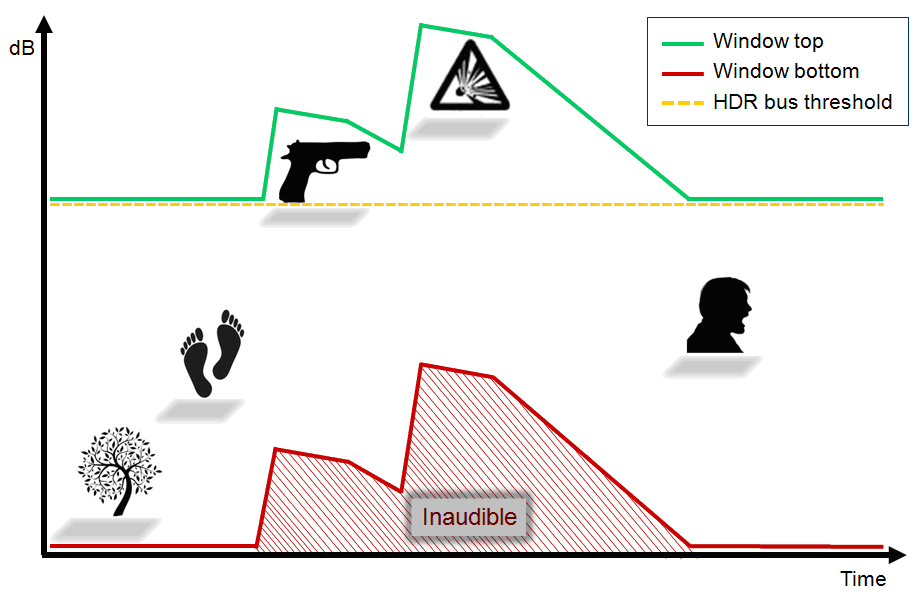
Records, especially older ones that were recorded and produced before 1982, were less likely to get mixed up and get louder. They reproduce natural music with a natural dynamic range that is preserved on record and lost in most standard or high definition digital formats.
Of course, there are exceptions – listen to Steven Wilson’s recently released album from MA Recordings or Reference Recordings and you’ll hear how good digital sound can be. But this is rare, most modern recordings are tall and compressed.
Music compression has been the subject of serious criticism lately, but I would say that almost all of your favorite recordings are compressed. Some of them are less, some more, but they are still compressed. Dynamic range compression is a scapegoat for poor musical sound, but heavily compressed music isn’t a new trend – listen to Motown albums from the sixties. The same can be said of the Led Zeppelin classics or the younger Wilco and Radiohead albums. Dynamic range compression reduces the natural ratio between the loudest and lowest recorded sounds, so whispers can be as loud as screams. It’s pretty hard to find pop music from the last 50 years that hasn’t been compressed.
I recently had a nice chat with Tape Op founder and editor Larry Crane about the good, bad and bad aspects of compression. Larry Crane has worked with bands and artists such as Stefan Marcus, Cat Power, Sleater-Kinney, Jenny Lewis, M. Ward, The Go-Betweens, Jason Little, Eliot Smith, Quasi, and Richmond Fontaine. He also runs the Jackpot recording studio! in Portland, Oregon, home to The Breeders, The Decemberists, Eddie Vedder, Pavement, REM, She & Him and many, many more.
Crane agreed with my arguments, but added: “The compression conversation needs to be approached from two different sides: are we talking about compressing the entire track in the mixing and mastering process, or compressing individual music tracks (instruments and vocals) in the recording and mixing process? “That’s right, compression is applied at all stages of music production, so some of the dynamic range may have been lost long ago when the mastering engineer performed the last run. If you don’t have access to the multitrack master copy, the two tracks after mixing, and the final master copy, then you won’t be able to understand why the recording sounds like this.
As an example of surprisingly unnatural sound, but still great songs, I cite Spoon They Want My Soul’s album, released in 2014. Crane laughs and says he listens to it in the car because he sounds great there. Which brings us to another answer to the question why music is compressed: because compression and the extra “clarity” make it sound better in noisy places.
Larry Crane at work. Photo by Jason Quigley
When people say they like the sound of an audio recording, I think they like music, as if sound and music are inseparable terms. But for me, I differentiate these concepts. From a music lover’s point of view, the sound may be harsh and raw, but that won’t matter to most listeners.
Many are in a hurry to accuse mastering engineers of abusing compression, but compression is applied directly during recording, during mixing, and only then during mastering. If you have not been personally present at each of these stages, then you will not be able to know what the instruments and voices sounded like at the beginning of the process.
Crane was on fire: “If a musician deliberately wants to make the sound crazy and distorted like Guided by Voices records, then there is nothing wrong with that: desire always outweighs sound quality.” The performer’s voice is almost always compressed, the same goes for bass, drums, guitars, and synthesizers. Compression keeps vocal volume at the desired level throughout the song or stands out slightly from other sounds.
Compression done correctly can make the drums sound more lively or intentionally strange. In order for the music to sound good, you must be able to use the instruments necessary for this. That’s why it takes years to figure out how to use compression and not go overboard.