
Mobile Hi-Fi: Understanding Music Formats
In recent years, the topic of high-quality sound “on the go” is more relevant than ever. Digital players are making a comeback, DAC technologies that were previously only available to expensive audiophile systems are now slipping into your pocket, and streaming services are beginning to stream in high-resolution quality. It’s time to find out if you need headphones for the price of a car and what really affects sound quality.
History
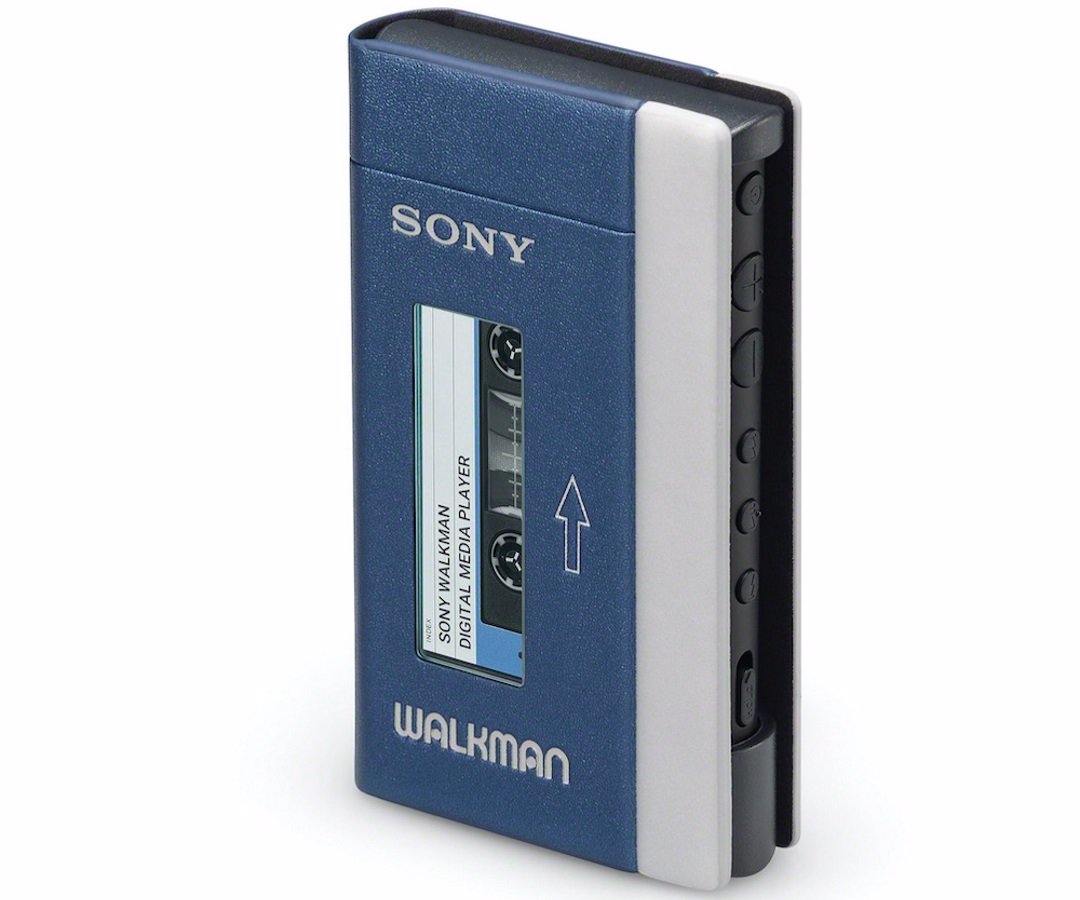
The first truly mobile player was the Sony Walkman in 1979. Then it revolutionized music. The mere fact that the music could be played out of his pocket seemed fantastic. Cassette recordings were loud, the tape could be chewed, and to save energy it might be fun to rewind with a pencil. However, the Walkman was an innovative product that was very commercially successful for more than 20 years.
Literally a few years later, in 1983, the Sony Discman appeared, which played CDs, an ultra-modern format at the time that has not lost its relevance to this day. The sound was much better than the cassette, but with each movement, the music froze, as the laser head could not stay on the optical track. However, the main problem with portable CD players was size: these players turned out to be much larger than cassette players. Sony’s next format to solve the size problem, MiniDisc, failed miserably.
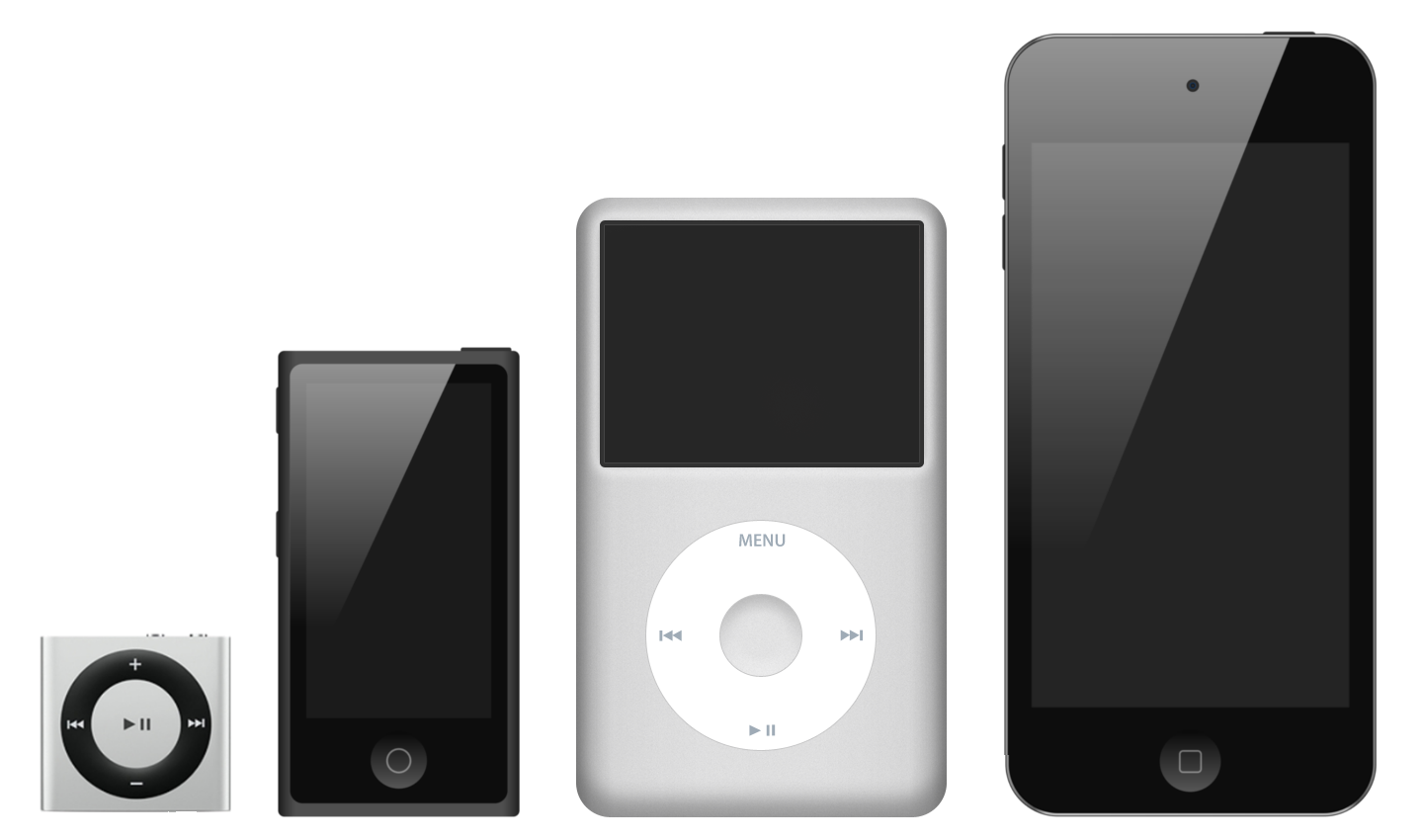
The first MP3 players appeared in the late 1990s. They played heavily compressed MP3 files that could barely fit on the 32MB internal memory. Apple’s iPod revolutionized portable digital music, introduced by Steve Jobs as “1000 songs in your pocket.” Later, the first truly popular store where you could buy and download music appeared: the iTunes Store.
1st generation Apple iPod.
The next stage in the development of portable music was smartphones and streaming services in the late 2000s. And this is “Over 30 million songs in your pocket.” No more buying compressed music for the price of a CD: For a small monthly fee, you get almost all the music on the planet.
Now
Sound quality has become the trend of the current decade. People are tired of low quality music. Vinyl record sales (!) Are breaking all records. In 2016, more than 3.2 million records were sold in the UK, an increase of 53% over 2015, while digital music purchases fell 30%.
High-resolution audio formats emerged from the professional recording environment, which began to appear on streaming services. Smartphones have learned to work with external DACs that are capable of delivering Hi-End sound straight out of your pocket. In portable headphones, the technology came from internal monitors that musicians use during live concerts. And finally, the players have made a comeback, but not from cheap plastic, but from metal, glass, and high-quality audio processors inside. Not a bad time to be a music fan!
Portable Hi-Fi system
To get good sound, simply plugging an expensive headset into your smartphone is not enough. . Of course, the sound will be better compared to the “plugs” that come with the phone, but to get really good sound you will need to go through the entire chain, from the recording studio to your ear.


