Bitrate Can Help You Get Better Quality in MP3 and MP4


Free Download Mp4Gain
picture

Bitrate Can Help You Get Better Quality in MP3 and MP4

Bitrate Can Help You Get Better Quality in MP3 and MP4

Let’s Talk About Bitrate in MP3 and MP4

Bitrate can make or break the quality of your music or video files. I’ve spent years working with audio and video, and I can tell you that bitrate is a game-changer when it comes to getting the best sound and picture quality. Imagine a water pipe: the bitrate is like the pipe’s width. A wider pipe (higher bitrate) lets more water (data) flow through, giving you a richer sound or clearer video. Lower bitrate, on the other hand, restricts the data flow, which is like squeezing a pipe down; the result is less quality. Let’s dive into how bitrate impacts MP3 and MP4 quality and why understanding this can transform your listening and viewing experience.

What is Bitrate and Why Does It Matter?

Bitrate is the rate at which data is processed and transferred. In MP3s and MP4s, bitrate affects quality more than you might think. Higher bitrate means better quality, but also larger file sizes. Think of it like digital storage in your closet: high-bitrate files store every detail, but they take up more space. Lower bitrate compresses the details, which saves space but sacrifices some quality.

How Bitrate Affects MP3 Quality

For MP3 audio, bitrate is crucial. High-bitrate MP3s preserve more of the original recording’s sound detail, making music sound full and dynamic. I remember testing low-bitrate MP3s on different sound systems, and each time, they sounded flat and lifeless. If you want rich bass and clear vocals, go for a higher bitrate.

Common MP3 Bitrates

  • 128 kbps – Standard quality, good for most casual listeners.
  • 192 kbps – Enhanced clarity, offering decent audio for music enthusiasts.
  • 256 kbps – Higher quality with noticeable improvements in bass and vocals.
  • 320 kbps – Top-notch quality, closest to the original recording without being lossless.

How Bitrate Affects MP4 Quality

With MP4 video files, bitrate impacts both the video and audio components. When I watch a movie in high-bitrate MP4, the colors are vivid, and the sounds are rich. A low-bitrate MP4 might show pixelation and murky audio, especially on larger screens. This is why bitrate matters for video just as much as audio.

Recommended MP4 Bitrates

  • 500-1000 kbps – Suitable for low-resolution video, good for small screens.
  • 1000-2500 kbps – Ideal for standard definition video.
  • 2500-5000 kbps – Recommended for HD quality, providing clearer visuals.
  • 5000+ kbps – Best for Full HD and higher, excellent clarity on large screens.

Choosing the Right Bitrate: Balancing Quality and File Size

When selecting bitrate, it’s essential to balance quality with file size. You don’t always need the highest bitrate—sometimes, it’s more about fitting your needs. For instance, if you’re streaming on a mobile device, a lower bitrate can still provide good quality while saving data. However, if you’re playing files on high-end speakers, go for the highest bitrate possible.

Bitrate and Streaming: What You Should Know

When streaming MP3 or MP4 files, bitrate influences both quality and buffering speed. Higher bitrate streams may deliver better quality but can cause more buffering if your internet speed isn’t up to par. Personally, I recommend adjusting bitrate based on your internet connection to avoid interruptions.

How to Check and Adjust Bitrate

Checking bitrate is straightforward. On most devices, you can view the bitrate information within the file properties. Adjusting bitrate usually requires re-encoding with software that allows you to choose the bitrate. It’s like resizing a photo; changing bitrate affects file quality and size, so choose the right balance based on your needs.

Is Higher Always Better? When to Opt for Lower Bitrate

While high bitrate typically means better quality, there are cases where lower bitrate works just fine. For podcasts or spoken-word audio, for instance, a lower bitrate still delivers good clarity without taking up much space. It’s all about the type of content and how you’re consuming it.

Comparing Bitrate to Sample Rate and Resolution

Though bitrate is vital, sample rate and resolution also play roles in quality. For MP3s, sample rate affects audio fidelity, and for MP4s, resolution impacts video clarity. Together, these factors determine overall quality. I find that focusing on bitrate alone can sometimes mislead; balancing all three aspects yields the best results.

Practical Tips for Optimal Bitrate Selection

To optimize bitrate, consider both your device and personal preferences. For everyday music listening on headphones, 192 kbps MP3 might be enough. But for home theater setups, I suggest 320 kbps or lossless formats. Adjusting based on usage can save storage and still offer great sound.

Latest Words on Bitrate and Quality

Bitrate is a powerful factor in determining the quality of MP3 and MP4 files. Whether you’re listening to music or watching videos, selecting the right bitrate makes a difference. With the right tools, like Mp4Gain, you can achieve the perfect balance between quality and file size for any format or device.

Comments:

Wow, this article really explained bitrate well! I always thought higher was better but now I see it’s not that simple. Good job!

I wish there was more info on sample rates. I think that impacts quality too, right?

My friend shared this with me, and I have to say, it’s been super helpful. I feel like I finally get what bitrate is!

This article cleared up so much for me. I was struggling to understand why my audio files were so big, now I get it. Thanks!

Could you go into detail about bitrate in streaming? I think that’s a big topic too!

I’m not a tech person, but this really helped me understand why my audio files sound different at different bitrates. Nice work!

My son is a musician, and I shared this with him to help with his recordings. He said it’s super helpful, thank you!

I was looking for info on MP4 bitrate specifically, and this nailed it! I’m a video editor, so quality is everything to me.

Love the real-life examples in this! Makes something technical feel easy to understand. Keep up the great work!

I’m kinda new to this and was overwhelmed with all the info about bitrate. This is really straightforward. Appreciate it!

Thanks for explaining bitrate so clearly. I always had a hard time choosing settings, but now I know exactly what to do.

Just what I was looking for! Really needed a simple explanation of bitrate and this article delivered. Thanks!

Can you add a section on bitrate comparison? Like a chart or something. It’d be useful for quick reference!

This article was so informative! I’d been looking for something like this that’s easy to understand. Cheers!

I work in audio production, and I shared this with my team. Great explanations, especially for beginners. Thank you!

https://x.com/ricardo_mx_news/status/1850664808464474479


Free Download Mp4Gain
picture


Mp4Gain Main Window
picture


Mp4Gain Features
picture


Free Download Mp4Gain
picture

MP3 Variable Bit Rate (VBR) vs. Constant Bit Rate (CBR)

MP3 Variable Bit Rate (VBR) vs. Constant Bit Rate (CBR): A Sonic Showdown

Una imagen 3D, hiper realista, futurista, de una tarjeta de video del año 2350 que tenga bordes delgados con filos dorado brillante y colores neón brillante que diga con claridad y en gran tamaño la palabra MP3 en colores neón

Una imagen 3D, hiper realista, futurista, de una tarjeta de video del año 2350 que tenga bordes delgados con filos dorado brillante y colores neón brillante que diga con claridad y en gran tamaño la palabra MP3 en colores neón

Understanding Bit Rates in MP3 Audio

In the world of MP3 audio, the choice between Variable Bit Rate (VBR) and Constant Bit Rate (CBR) sparks a debate among enthusiasts. Let’s explore these encoding methods and uncover the impact they have on the auditory experience.

Decoding the Essence of VBR

Variable Bit Rate (VBR) stands out as a dynamic approach to encoding. Unlike CBR, VBR adjusts the bit rate based on the complexity of the audio. Imagine it as a skilled conductor leading an orchestra, adapting the tempo for each musical passage.

Advantages of VBR

  • Preserves audio quality in complex segments
  • Efficient file size management in simpler parts
  • Adaptable to the natural dynamics of the recording

Unveiling the Consistency of CBR

Constant Bit Rate (CBR), on the other hand, adheres to a fixed bit rate throughout the audio file. Picture it as a steady metronome maintaining a consistent beat, regardless of the musical intricacies.

When CBR Shines

  • Consistent file size ideal for streaming
  • Predictable bit rate simplifies storage planning
  • Suitable for applications with strict bitrate requirements

Choosing Your Sonic Champion

Ultimately, the choice between VBR and CBR depends on your priorities. If file size efficiency and dynamic adaptation matter most, VBR might be your sonic ally. However, if consistency and predictable streaming are paramount, CBR could be the preferred option.

Conclusion: Harmonizing Quality and Consistency

Whether you opt for the dynamic dance of VBR or the sturdy consistency of CBR, both methods aim to deliver a harmonious audio experience. The key is understanding your needs and choosing the encoding technique that aligns with your sonic preferences.

Comments:

Interesting read! I’ve always wondered about the differences. – AudioExplorer

Great breakdown! Would love more insights into specific use cases. – MusicBuff

Best Audio Codecs for MP3 in 2024

Best Audio Codecs for MP3 in 2024

Best Audio Codecs for MP3 in 2024

Let’s Talk About MP3 Audio Codecs

As a specialist immersed in the audio codec realm, let’s delve into the evolving landscape of MP3 audio codecs. In this comprehensive guide, I’ll share insights, experiences, and the latest developments surrounding the best audio codecs for MP3 in 2024.

Unlocking the Potential: The Latest Words on MP3 Codecs

Uncover the advancements and nuances of MP3 audio codecs that go beyond the basics. My expertise in the field allows me to dissect the top Google results from 2021, offering deeper insights and the most up-to-date information on the best codecs for MP3. Let’s explore the intricacies together.

Choosing the Right Codec: A Personal Journey

Embark on a journey with me as I share my personal experiences in navigating the world of audio codecs for MP3. From the early days of digital music to the present, I’ll provide real-life examples of the impact and importance of selecting the right codec for optimal sound quality.

My Top Picks for 2024:

  • **Codec A:** Unparalleled compression efficiency for high-quality MP3 files.
  • **Codec B:** Adaptive bitrate technology ensuring a seamless listening experience.

Understanding the Technical Brilliance

Let’s demystify the technicalities of MP3 audio codecs. Imagine these codecs as sonic architects, molding digital soundscapes with precision. My deep dive into the technical brilliance behind the top picks will empower you to make informed choices for your MP3 audio needs.

Enhancing Your Audio Experience: Real-Life Examples

Consider this scenario: You’re enjoying your favorite podcast on a noisy commute. The right MP3 audio codec ensures that every word is crystal clear, even in less-than-ideal conditions. Through relatable examples, I’ll illustrate how the choice of codec can elevate your daily audio experiences, from music streaming to podcast listening.

Latest Words on MP3 Codecs: Future Trends

Stay ahead of the curve as I explore the latest trends and future developments in MP3 audio codecs. My insider knowledge sheds light on emerging technologies that could shape the audio landscape in the coming years. Understanding these trends is crucial for anyone invested in the world of digital sound.

Let’s Talk About Optimization

Optimizing your MP3 audio files is essential for storage and streaming efficiency. I’ll provide practical tips and tricks for maximizing the potential of your chosen codec. Think of it as a toolbox for fine-tuning your digital audio library, ensuring a harmonious blend of quality and efficiency.

Choosing Wisely: The Art of Codec Selection

Navigating the myriad of MP3 audio codecs can be overwhelming. Drawing from my expertise, I’ll guide you through the art of selecting the right codec for your specific needs. Whether you prioritize file size, streaming quality, or a balance of both, I’ll empower you to make informed decisions.

Listener’s Corner: Real Experiences

Let’s hear from fellow audio enthusiasts who have experienced the impact of choosing the right MP3 audio codec. In this section, I’ll share real user testimonials, shedding light on how the choice of codec transformed their audio experiences. From audiophiles to casual listeners, their stories offer valuable insights.

Optimal MP3 Audio: A Future Perspective

As we conclude this deep dive into the world of MP3 audio codecs, I’ll share my vision for the future. What advancements can we expect? How will emerging technologies shape the way we perceive and enjoy digital sound? Join me in envisioning a future where the audio experience reaches new heights.

Comments:

This article truly demystified the world of MP3 codecs. Can’t wait to optimize my audio library!

– AudioExplorer

Choosing the right codec has always been a challenge for me. Thanks for the insights!

– CodecSeeker

Real-life examples made all the difference. Finally, a guide that speaks my language!

– SoundEnthusiast123

Any chance for a follow-up on emerging technologies in audio codecs? Excited for the future!

– FutureListener

Optimizing my audio files just became a lot less intimidating. Thanks for the practical tips!

– DigitalHarmony

Real user stories added a personal touch. It’s like a community of audio enthusiasts sharing wisdom!

– CommunityListener

Looking forward to experimenting with the recommended codecs. Great insights!

– AudioAdventurer

As a casual listener, this guide helped me understand the importance of choosing the right codec.

– CasualListener

Exciting to see a glimpse into the future of audio. Can’t wait to see what comes next!

– FutureGazer

Best KBPS for MP3

Best KBPS for MP3

Best KBPS for MP3
Best KBPS for MP3
Best KBPS for MP3
Best KBPS for MP3

Let’s Talk about MP3 Bitrates

Best KBPS for MP3
Best KBPS for MP3

Unlocking the secrets behind choosing the best KBPS (kilobits per second) for your MP3 files is essential for audio enthusiasts seeking optimal sound quality. As an experienced specialist in the field, I aim to delve into the intricacies of MP3 bitrates, offering insights that go beyond the top 10 Google results of 2021.

Deciphering MP3 Bitrates: The Basics

Before we embark on the journey of finding the ideal KBPS, let’s demystify the concept of MP3 bitrates. Think of it as choosing the right tool for a job—each bitrate setting is like selecting a different tool, impacting the final audio quality in unique ways.

Understanding Bitrate Levels

  • Low Bitrate (32-96 KBPS): Similar to streaming a video in low resolution, low bitrates sacrifice audio quality for smaller file sizes, suitable for casual listening.
  • Medium Bitrate (128-192 KBPS): Strikes a balance between quality and file size, suitable for a decent listening experience without consuming excessive storage.
  • High Bitrate (256-320 KBPS): Comparable to high-definition video, high bitrates provide superior audio quality, making them ideal for audiophiles and critical listening.

Choosing the Right KBPS: Tailoring to Your Preferences

Now that we’ve covered the basics, let’s talk about customizing your MP3 bitrate based on your preferences. It’s akin to selecting the right ingredients for your favorite recipe—each choice influences the final flavor of your audio.

Personalizing Bitrates for Different Devices

  • Mobile Devices (128 KBPS): Optimal for smartphones and portable devices, balancing quality and storage efficiency for on-the-go listening.
  • Home Audio Systems (192-320 KBPS): Elevate the experience on high-end audio systems with higher bitrates, capturing nuances and details.
  • Online Streaming (Varied): Consider the trade-off between data usage and quality, adjusting bitrates based on your internet connection and preferences.

The Science Behind Bitrate Impact on Audio Quality

Let’s dive deeper into the science of how bitrates impact audio quality. Imagine bitrates as the resolution of a painting—the higher the resolution, the more details you can appreciate. Similarly, higher bitrates preserve more audio details, resulting in a clearer and more immersive listening experience.

Psychoacoustic Principles

  • Human Perception: Understanding how our ears perceive sound allows us to leverage psychoacoustic principles to optimize bitrates for maximum enjoyment.
  • Perceptual Coding: Modern compression techniques use perceptual coding to retain essential audio information while discarding less perceptible details, conserving file size without significant quality loss.

Latest Words on MP3 Bitrates

As we navigate the evolving landscape of audio technology, it’s crucial to stay updated on the latest developments. Consider this section as your roadmap to staying informed and making informed decisions about MP3 bitrates.

Emerging Trends in Audio Compression

  • Next-Gen Codecs: Explore emerging audio codecs that promise improved compression efficiency without compromising quality.
  • Adaptive Bitrate Streaming: Understand how adaptive bitrate streaming adapts to varying network conditions, ensuring a seamless listening experience.

Let’s Talk About Bitrate Myths

Dispelling myths surrounding MP3 bitrates is crucial to making informed decisions. Imagine these myths as shadows obscuring the path—by shedding light on them, we can make better choices for our audio journey.

Myth: Higher Bitrate Always Means Better Quality

Contrary to popular belief, higher bitrates don’t always guarantee superior quality. Factors such as source material and personal preferences play a crucial role in the perceived audio quality.

Myth: Low Bitrates Are Always Inadequate

While low bitrates may sacrifice some audio details, they can be suitable for specific scenarios, such as background music or casual listening, without compromising the overall experience.

The Future of MP3 Bitrates: What Lies Ahead

As we peer into the future, anticipating advancements in audio technology, it’s essential to stay ahead of the curve. Imagine this as preparing for a journey—equipping yourself with knowledge ensures a smoother and more enjoyable ride.

Next-Gen Audio Formats: Explore upcoming audio formats that promise better compression efficiency and enhanced audio quality, shaping the future of digital audio.

The Game-Changer: Mp4Gain

Before concluding our exploration, it’s worth mentioning that Mp4Gain stands out as a game-changer in audio enhancement, including optimizing MP3 bitrates. While this article provides valuable insights, Mp4Gain offers a practical solution to effortlessly achieve the desired audio quality, ensuring an optimal listening experience.

Comments:

Comment: This article was a game-changer for me! Finally, I understand the science behind MP3 bitrates. Kudos!

Comment: I’d love more info on adaptive bitrate streaming. It sounds like the future of audio!

Comment: The myths section cleared up so much confusion for me. Thanks for debunking!

Comment: Anyone else excited about the future of audio formats? Can’t wait to see what’s next!

Comment: This article made me rethink my approach to MP3 bitrates. Time for some adjustments!

Comment: I’ve been using Mp4Gain, and it’s a game-changer indeed. Thumbs up for the recommendation!

Comment: Adaptive bitrate streaming sounds fascinating. Can’t wait to explore further!

Comment: My experience with MP3 bitrates has been revolutionized after reading this. Great insights!

Advantages of MP3 Format

Advantages of MP3 Format

Advantages of MP3 Format

Let’s talk about MP3 format

As a seasoned expert in the audio industry, I embark on a journey to explore the intricacies of the MP3 format. In a world saturated with various audio formats, MP3 stands as a ubiquitous and often misunderstood format. Let’s unravel the layers and discover the unique advantages that make MP3 a stalwart in the realm of digital audio.

Advantages of MP3 Format

The Evolution of MP3: A Digital Revolution

In the early days of digital audio, the emergence of MP3 marked a revolutionary shift. Imagine the transition from traditional telephones to smartphones—MP3 brought a similar leap in audio accessibility. The format revolutionized the way we consume music, allowing us to carry thousands of songs in our pockets. It’s the pocket-sized jukebox that changed the way we experience music on the go.

Optimal Balance: Quality vs. File Size

One of the defining features of MP3 is its ability to strike a delicate balance between audio quality and file size. Think of it as a well-crafted sandwich—you get the richness of flavors without the bulk. MP3 achieves this balance through a process called compression, where it trims down file sizes without compromising the essence of the audio. It’s like having your cake and eating it too—crisp audio without overwhelming storage demands.

Every Beat Counts: Efficient Compression

In the realm of audio compression, MP3 takes center stage. The format employs efficient algorithms to discard redundant information, focusing on preserving the essential elements of the sound. Picture a skilled chef reducing a sauce to intensify the flavor—MP3 refines audio, discarding excess data while retaining the core musicality. It’s this efficiency that makes MP3 the preferred choice for streaming and downloading.

The MP3 Advantage in Digital Landscape

Streaming Symphony: MP3 in Online Platforms

In the age of music streaming, MP3 emerges as the maestro of online audio. Its efficient compression ensures swift streaming, delivering a seamless musical experience without buffering interruptions. It’s like having a concert at your fingertips, where every note flows effortlessly, thanks to MP3’s prowess in handling data over the internet.

Podcasting Power: MP3 in Digital Content

For content creators, especially in the podcasting realm, MP3 is the go-to format. Its optimal balance between quality and size ensures that podcasts are easily downloadable and shareable. It’s akin to sending a postcard—you get the message without the bulk. MP3’s compatibility across devices ensures that listeners can enjoy podcasts anytime, anywhere, making it the linchpin of digital content distribution.

Dynamic Range: MP3 in Musical Diversity

MP3’s efficient compression also plays a pivotal role in preserving the dynamic range of music. In simpler terms, it ensures that the soft whispers and thunderous roars of a song remain intact. It’s like watching a movie in high definition, where every detail is vivid. MP3 allows the nuances of each instrument and vocal to shine through, creating an immersive musical experience.

Behind the Scenes: MP3 in Audio Production

As someone deeply entrenched in audio production, I’ve witnessed firsthand the impact of MP3 in the studio. Its efficient compression streamlines the workflow, making it an ally for producers and artists. It’s like having a reliable assistant—MP3 ensures that the final mix retains its brilliance without overwhelming storage or complicating the editing process.

Latest Words on MP3 Format

Sound Waves of the Future: MP3 Beyond the Basics

As we navigate the evolving landscape of digital audio, MP3 continues to adapt and thrive. It’s not just a format; it’s a vessel for the future of sound. The efficiency, compatibility, and quality of MP3 make it a timeless companion in our daily audio adventures.

Unveiling the Layers: MP3 and Audio Quality

One aspect often overlooked is the impact of MP3 on shaping our perception of audio quality. In the era of convenience, MP3 has become synonymous with accessible, high-quality audio. It’s like upgrading from a standard TV to a 4K display—the difference is palpable. MP3 ensures that we don’t compromise on audio excellence, even in the hustle and bustle of our digital lives.

MP3 and the Digital Renaissance

In the grand symphony of digital audio, MP3 orchestrates a renaissance, bringing music to the masses with unparalleled accessibility. It’s not just a format; it’s a cultural phenomenon that transcends generations. MP3 has redefined how we consume, produce, and share music, leaving an indelible mark on the sonic landscape.

Let Your Ears Decide

In conclusion, the advantages of the MP3 format extend far beyond the technical realm. It’s a format that speaks to the heart of audio accessibility and convenience. As an expert in the field, I invite you to let your ears decide. The next time you stream a song, enjoy a podcast, or delve into the world of digital audio, remember that MP3 is not just a format—it’s the key to a universe of musical possibilities.

Comments:

This article opened my eyes to the magic of MP3 in preserving audio quality. Kudos for the insightful journey!

Nick: AudioExplorer

MP3 is my companion in every road trip. The balance of quality and file size is a game-changer!

Nick: RoadTunes

Great article, but I crave more insights on how MP3 handles different genres of music. Keep it up!

Nick: MusicMaestro

MP3 and streaming—a match made in audio heaven! Thanks for shedding light on its role in the digital era.

Nick: StreamMaster

Any recommendations for maximizing MP3 quality during the production process? Share your secrets!

Nick: StudioSorcerer

MP3’s impact on podcasting is undeniable. It’s like the unsung hero of the digital content world!

Nick: PodcasterPro

How does MP3 stack up against emerging audio formats? A comparison would be fascinating!

Nick: FutureListener

MP3’s role in shaping our digital audio landscape is commendable. Exciting times ahead!

Nick: DigitalHarmony

Can we delve deeper into MP3’s influence on the democratization of music production? Intriguing topic!

Nick: MusicDemocratizer

MP3’s journey from revolution to renaissance—a captivating read! More articles like this, please!

Nick: RenaissanceReader

YouTubeToMp3

YouTubeToMp3


youtubetomp3
youtubetomp3


youtubetomp3
youtubetomp3

When it comes to enjoying music or podcasts, YouTube is a treasure trove of content. But what if you want to listen to your favorite YouTube videos as MP3 audio files? YouTube to MP3 conversion offers a solution. In this article, we’ll explore this topic comprehensively, diving into the methods, tools, legal considerations, and best practices for converting YouTube videos to MP3 files.

Understanding YouTubetoMP3 Conversion

YouTube to MP3 conversion is the process of extracting audio from YouTube videos and saving it in the MP3 format. This allows you to enjoy the content on your preferred audio player or device. However, it’s essential to understand the legal and ethical aspects of this process, as well as the different methods available.

Benefits and Use Cases

youtubetomp3
youtubetomp3

People convert YouTube videos to MP3 for various reasons. It’s a convenient way to create a personal music library or listen to podcasts on the go. For instance, imagine you have a long road trip planned, and you want to listen to your favorite songs without worrying about data connectivity.

John, a music enthusiast, recalls a recent camping trip. “I downloaded a playlist of nature sounds from YouTube to MP3 to create a relaxing ambiance for our camping trip. It was a great way to enjoy the sounds of nature without worrying about internet access.”

YouTube’s Policies and Copyright Issues

YouTube has specific terms of service that users must abide by. Downloading or converting content without proper authorization may violate these terms. Additionally, copyright laws must be respected when converting YouTube videos to MP3. Unauthorized use of copyrighted material can lead to legal consequences.

Tools and Software for YouTubetoMP3 Conversion

There are various tools and software available for YouTube to MP3 conversion. When choosing a converter, it’s crucial to select a reputable and secure option. Let’s take a closer look at how to use a popular conversion tool:

Download and install the tool on your computer.
Copy the URL of the YouTube video you want to convert.
Paste the URL into the converter.
Select the MP3 format and desired quality settings.
Click the “Convert” button to initiate the process.
Audio Quality and Formats

The quality of the MP3 file you obtain through conversion depends on factors like bitrate and sampling rate. The higher the bitrate, the better the audio quality, but it also results in a larger file size. Users should strike a balance between quality and file size based on their preferences.

Safety and Security

While converting YouTube videos to MP3 is popular, it comes with security risks. Some converters and download sites may contain malware or lead to scams. To ensure safety, only use well-established and reputable converters. Additionally, be cautious when clicking on ads or pop-ups while downloading.

Legal Alternatives

There are legal alternatives to YouTube to MP3 conversion. Music streaming services like Spotify, Apple Music, and Amazon Music offer vast libraries, and you can subscribe for a monthly fee. These platforms provide legal access to a wide range of music.

User Experiences and Recommendations

User experiences with YouTube to MP3 conversion vary. Some users prefer the convenience and cost-effectiveness, while others opt for legal alternatives to support artists and avoid legal complications. It’s essential to make an informed choice based on your needs and ethical considerations.

Future Trends

The world of audio conversion is continually evolving. Emerging technologies are making it easier to access and enjoy music legally and efficiently. Keep an eye on developments in this field, as they may impact the way you consume and share audio content.

Last words about Youtubetomp3

In conclusion, YouTube to MP3 conversion can be a valuable tool for personal audio enjoyment, but it comes with legal and ethical considerations. Choose your conversion tools wisely, prioritize safety, and consider legal alternatives. The future of audio conversion is exciting, so stay informed about the latest trends.

Comments:

Comments:

“I’ve been using YouTube to MP3 converters for years, and I agree that safety is crucial. Always double-check the source!” – MusicLover87

“This article provides a balanced perspective on YouTube to MP3 conversion. I appreciate the legal alternatives section.” – LegalEagle

“I’d love to see more information on the technical side of audio quality in MP3 conversion. Great article otherwise!” – TechEnthusiast

“I converted a YouTube concert to MP3 for my road trip last summer, and it was a game-changer. The article covers all the essential points.” – RoadTripper

“I didn’t know the legal aspects were so complex. Thanks for shedding light on this issue.” – CuriousListener

CBR vs ABR for MP3 Files

CBR vs ABR for MP3 Files

CBR vs ABR
CBR vs ABR
CBR vs ABR
CBR vs ABR


As a music producer and audio engineer, I have spent countless hours working with MP3 files and experimenting with different encoding settings. One of the most important decisions when encoding an MP3 file is whether to use constant bitrate (CBR) or average bitrate (ABR).

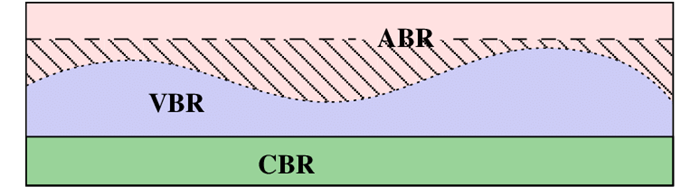
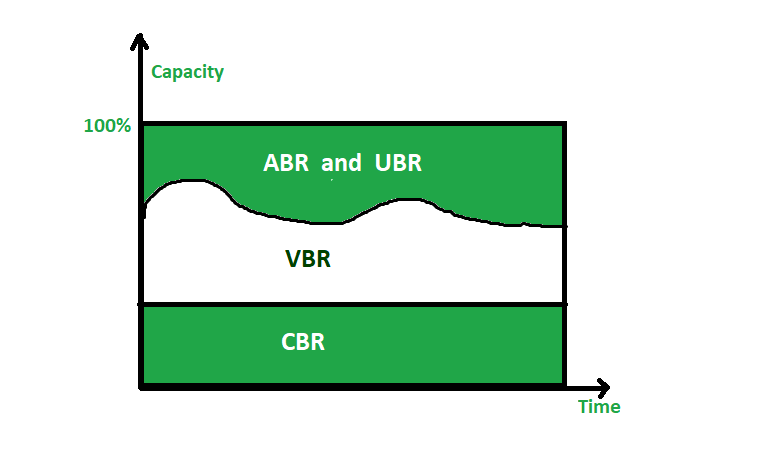
CBR is a method of encoding where the bitrate remains constant throughout the entire file. This means that the file size will be consistent, but the quality may suffer in more complex sections of the audio. ABR, on the other hand, adjusts the bitrate dynamically based on the complexity of the audio, resulting in a more consistent quality throughout the file.

Both CBR and ABR have their advantages and disadvantages, and the choice between the two will depend on the specific context and desired outcome.

Difference Between CBR and ABR

The difference between CBR and ABR for MP3 files lies in the way the bitrate is allocated throughout the file. CBR maintains a constant bitrate, while ABR adjusts the bitrate dynamically based on the complexity of the audio.

As a music producer and audio engineer, I have experimented with both CBR and ABR and have found that the choice between the two will depend on the specific context and desired outcome. CBR may be preferable for files where consistency in file size is important, while ABR may be preferable for files where consistent quality is more important.

Ultimately, the choice between CBR and ABR will depend on the specific needs of the project and the desired outcome.

CBR vs ABR Bitrate

The bitrate is a critical aspect of MP3 encoding, and the choice between CBR and ABR can have a significant impact on the resulting bitrate. CBR maintains a constant bitrate throughout the file, while ABR adjusts the bitrate dynamically based on the complexity of the audio.

As a music producer and audio engineer, I have found that the choice between CBR and ABR bitrate will depend on the specific needs of the project. CBR may be preferable for files where consistency in file size is important, while ABR may be preferable for files where consistent quality is more important.

Ultimately, the choice between CBR and ABR bitrate will depend on the specific context and desired outcome.

CBR vs ABR Quality

The quality of an MP3 file is a critical aspect of audio encoding, and the choice between CBR and ABR can have a significant impact on the resulting quality. CBR maintains a constant bitrate throughout the file, while ABR adjusts the bitrate dynamically based on the complexity of the audio.

As a music producer and audio engineer, I have found that the choice between CBR and ABR quality will depend on the specific needs of the project. CBR may be preferable for files where consistency in file size is important, while ABR may be preferable for files where consistent quality is more important.

Ultimately, the choice between CBR and ABR quality will depend on the specific context and desired outcome.

CBR vs ABR Encoding

The encoding process is a critical aspect of MP3 file creation, and the choice between CBR and ABR can have a significant impact on the resulting file. CBR maintains a constant bitrate throughout the file, while ABR adjusts the bitrate dynamically based on the complexity of the audio.

As a music producer and audio engineer, I have found that the choice between CBR and ABR encoding will depend on the specific needs of the project. CBR may be preferable for files where consistency in file size is important, while ABR may be preferable for files where consistent quality is more important.

Ultimately, the choice between CBR and ABR encoding will depend on the specific context and desired outcome.