Multimedia Formats


Free Download Mp4Gain
picture

Multimedia Formats: Understanding the Different Types

Multimedia Formats
Multimedia Formats
Multimedia Formats
Multimedia Formats

What are Multimedia Formats?

Multimedia formats are digital file types that can contain different types of media such as text, audio, video, and images. These files can be played on various multimedia devices, including computers, smartphones, and tablets. Multimedia formats are used for a variety of purposes such as entertainment, education, and communication.

The Different Types of Multimedia Formats

There are various types of multimedia formats, each with its own advantages and disadvantages. Some of the most common multimedia formats include:

  • Audio Formats: Audio formats are used to store sound recordings. Some of the most common audio formats include MP3, AAC, FLAC, and WAV.
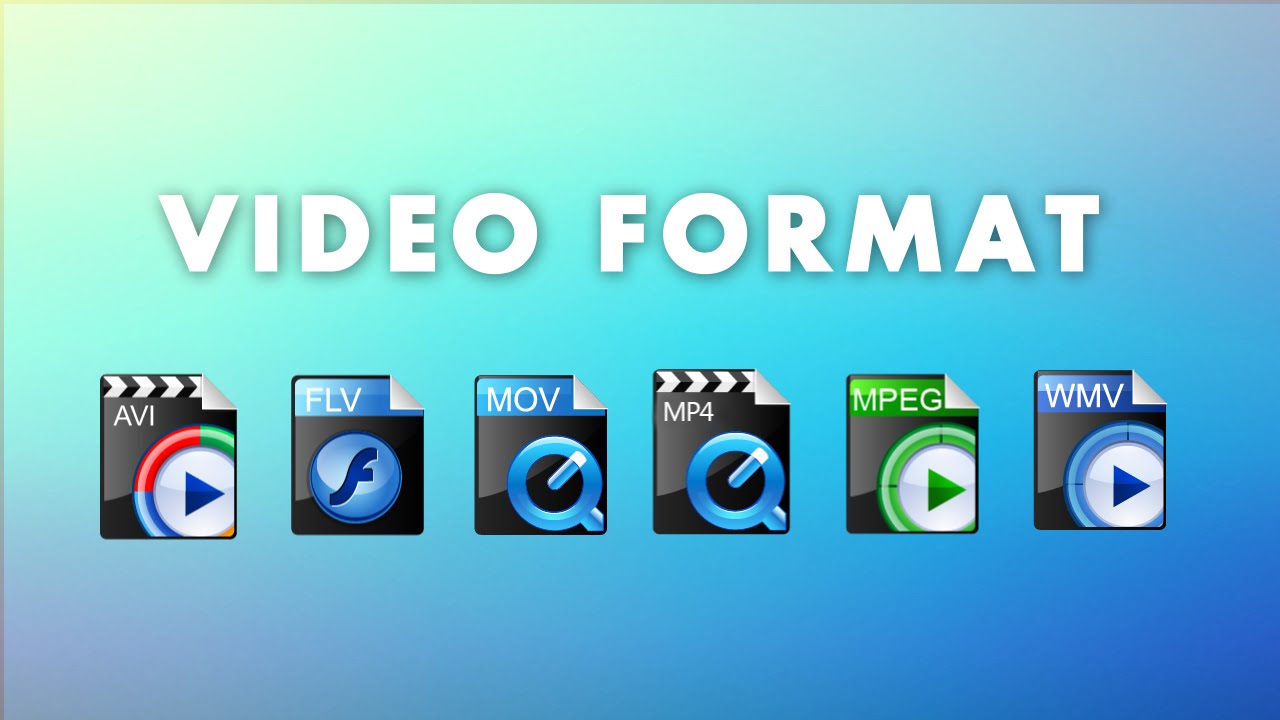
  • Video Formats: Video formats are used to store video recordings. Some of the most common video formats include AVI, MP4, MOV, and WMV.
  • Image Formats: Image formats are used to store digital images. Some of the most common image formats include JPEG, PNG, and GIF.
  • Document Formats: Document formats are used to store text-based documents. Some of the most common document formats include PDF, DOC, and TXT.
  • Interactive Formats: Interactive formats are used to create multimedia presentations and games. Some of the most common interactive formats include Flash and HTML5.

What are the Advantages of Different Multimedia Formats?

Different multimedia formats offer different advantages. For example, MP3 is a popular audio format because it is small in size and can be played on most devices. On the other hand, FLAC is a lossless audio format that offers higher quality sound but takes up more storage space. Similarly, AVI is a popular video format because it can be played on most devices, while MOV is a high-quality video format that is often used for professional video editing.

What are the Disadvantages of Different Multimedia Formats?

Different multimedia formats also have their own disadvantages. For example, some formats may not be supported by certain devices, which can make it difficult to play them. Additionally, some formats may take up a lot of storage space, which can be a problem for devices with limited storage capacity.

How do Multimedia Formats Impact File Size?

The file size of a multimedia file is determined by various factors such as the duration, resolution, and bitrate of the file. For example, a high-quality video with a long duration will have a larger file size compared to a low-quality video with a short duration. Similarly, a high-quality audio file with a high bitrate will have a larger file size compared to a low-quality audio file with a low bitrate.

What is the Role of Codecs in Multimedia Formats?

Codecs are used to compress and decompress multimedia files. Without codecs, multimedia files would take up a lot of storage space and would be difficult to transmit over the internet. Codecs can be used to compress files while maintaining the quality of the media, or to reduce the quality of the media while minimizing the file size.

What is the Difference between Lossy and Lossless Compression?

Lossy compression is a type of compression that permanently removes some of the data from a multimedia file to reduce its size. This can result in a loss of quality in the media. Lossless compression, on the other hand, compresses files without permanently removing any data, which means that the quality of the media remains the same.

What are Some Common Audio Codecs?

There are a number of different audio codecs that are commonly used to encode digital audio files. Here are a few of the most common:

  • MP3: This is perhaps the most well-known and widely used audio codec. MP3 files use lossy compression to reduce file size while maintaining reasonable sound quality.
  • FLAC: This codec uses lossless compression, meaning that it is able to compress audio files without sacrificing any of the original audio data. As a result, FLAC files are typically larger than MP3 files but offer higher quality sound.
  • Ogg Vorbis: This is a relatively new codec that uses a combination of lossy and lossless compression to achieve high-quality sound while maintaining a small file size. Ogg Vorbis files are often used for online streaming and broadcasting.
  • M4A: This is a codec that is commonly used by Apple for its iTunes music store. M4A files can use either lossy or lossless compression and are often used for streaming music on mobile devices.
  • WAV: This is an uncompressed audio format that is commonly used in professional audio production. WAV files offer high quality sound but are also very large in size.

What Are Some Common Video Codecs?

In addition to audio codecs, there are also a number of video codecs that are commonly used to encode digital video files. Here are a few of the most common:

  • MPEG-4: This is a popular codec that is widely used for streaming video online. MPEG-4 files can use either lossy or lossless compression and offer a good balance between file size and video quality.
  • H.264: This codec is used for high-definition video and is commonly used for streaming video online, as well as for Blu-ray discs and other high-quality video formats.
  • WebM: This is an open-source video codec that is designed for use on the web. WebM files are typically smaller than other video codecs while still offering high-quality video playback.
  • AVI: This is an older video codec that is still commonly used today. AVI files offer high-quality video playback but can be quite large in size.
  • WMV: This is a video codec that is commonly used on Windows-based systems. WMV files offer good video quality but can be somewhat restricted in terms of compatibility with other devices and software platforms.

How Do You Choose the Right Codec?

Choosing the right codec for your digital media files can be a bit tricky, as there are many factors to consider. Some of the most important factors to consider when choosing a codec include the intended use of the file, the quality of the original source material, the available storage space, and the compatibility of the file with different devices and software platforms.

When it comes to audio codecs, for example, you may want to choose a lossy codec like MP3 if you are creating a file for online streaming or sharing, as this will help to keep the file size small while still maintaining good sound quality. On the other hand, if you are creating a file for professional audio production or for archiving purposes, you may want to choose a lossless codec like FLAC or WAV, as this will ensure that none of the original audio data is lost during compression.


Free Download Mp4Gain
picture


Mp4Gain Main Window
picture


Mp4Gain Features
picture


Free Download Mp4Gain
picture

Digital Video File Formats: Understanding Video Formats and Their Differences

Digital Video File Formats: Understanding Video Formats and Their Differences

Video formats
Video formats

When it comes to digital video, there are many different file formats to choose from. Each format has its own unique characteristics and is optimized for specific uses. Understanding the differences between these formats is important if you want to get the most out of your digital video content. In this article, we’ll take a closer look at digital video file formats and explore the top related keyword: digital video file formats.

Video Formats
Video Formats

What Are Digital Video File Formats?

Digital video file formats are a way of encoding and storing video data on a digital medium, such as a hard drive or flash drive. These file formats determine how the video is compressed, encoded, and played back. There are many different digital video file formats available, each with their own unique characteristics.

Why Are Video Formats Important?

Video formats are important because they determine how the video is encoded and compressed. This can affect the quality of the video, the file size, and the compatibility with different devices and software. Choosing the right video format is essential for creating high-quality video content that is optimized for your specific needs.

Popular Digital Video File Formats

There are many different digital video file formats to choose from, but some of the most popular ones include:

  • MP4: A highly versatile format that is compatible with most devices and software. It is a widely used format for web streaming and mobile devices.
  • AVI: A widely used format that is compatible with most devices and software. It is a popular format for video editing and video production.
  • WMV: A format developed by Microsoft that is optimized for Windows operating systems. It is a popular format for web streaming and video production.
  • MPEG: A format developed by the Motion Picture Experts Group that is optimized for high-quality video. It is a popular format for DVD and Blu-ray discs.

How to Choose the Right Video Format

Choosing the right video format depends on your specific needs. Some factors to consider when choosing a video format include:

  • Compatibility: Make sure the video format you choose is compatible with the devices and software you plan to use.
  • Quality: Choose a video format that delivers the quality you need for your specific application.
  • File Size: Consider the file size of the video format you choose, especially if you plan to share or distribute the video online.
  • Encoding Time: The time it takes to encode the video can be an important factor, especially for time-sensitive projects.

Conclusion

Digital video file formats are an important consideration when creating, editing, and sharing digital video content. Understanding the differences between the most popular digital video file formats is essential if you want to create high-quality video content that is optimized for your specific needs. In conclusion, if you want the best solution for your digital video file formats, we recommend using Mp4Gain. It is a powerful tool that can optimize your video files for maximum quality and compatibility.

Video File Formats – Everything you need to know about video formats


Digital videos can be saved in files of different formats. Each one corresponds to a specific extension of the file that contains it. There are many types of video formats. Here are some of the most used. Each type of file also supports a different compression codec at all times.

video formats

-AVI (Audio Video Interleaved = Audio and Video Interleaved)

It is the standard format for storing digital video.
When video is captured from a digital camera to the computer, it is usually stored in this format with the DV (Digital Video) codec.
The AVI file can contain video with excellent quality. However, the weight of the file is always very high.
Supports different compression codecs such as CinePak, Intel Indeo 5, DV, etc. The codecs with more compression capacity and acceptable quality are DivX and XviD.
The AVI format can be displayed with most players: Windows Media, QuickTime, etc. as long as the appropriate codecs for each type of player are installed on the computer.
It is ideal for saving original videos that have been captured from the digital camera (encoded with DV).
It is not advisable to publish them on the Internet in this format due to their enormous weight.
The CinePak, Intel Indeo, DV codecs, etc. They do not offer great compression. The DivX and XviD codecs, on the other hand, achieve optimal compression although they are usually used primarily for the coding of long-term films.

-MPEG (Moving Pictures Expert Group = Movie Expert Group)

It is a standard format for digital video compression.
They are * .MPG or * .MPEG extension files.
Supports different types of compression codecs: MPEG-1 (CD quality), MPEG-2 (DVD quality), MPEG-3 (MP3 audio oriented) and MPEG-4 (more web oriented).
They play with Windows Media Player and QuickTime.

-MOV

It is the video and audio format developed by Apple.
It uses its own codec that evolves in versions quite quickly.
These types of files can also have * .QT extension
It is recommended to use the QuickTime player. There is a free version of it that can be downloaded from the Internet.
It is ideal for posting videos on the Internet for its reasonable quality / weight.
Support streaming

-WMV

It has been recently developed by Microsoft.
It uses the MPEG-4 codec for video compression.
It can also have * .ASF extension
It can only be viewed with an updated version of Windows Media 7 or higher. This application is integrated into Windows.
It is ideal for posting videos on the Internet for reasonable quality / weight.
Support streaming

-RM

It is the proposal of Real Networks for video files.
Use your own codec to compress the audio.
This type of files has * .RM and * .RAM extension.
It is displayed with a specific player: Real Player. There is a free version of it that can be downloaded from the Internet.
It can be used to publish videos on the Internet for its acceptable quality / weight.
Support streaming

-FLV

It is a format used by the Adobe Flash player to view video on the Internet.
It uses the Sorenson Spark codec and the On2 VP6 codec. Both allow high visual quality with reduced bitrates.
They are * .FLV extension files.
They can be played from different local players: MPlayer, VLC media player, Riva, Xine, etc.
Recommended option for the web for its accessibility. When viewed through the Flash player, it is accessible from most operating systems and web browsers.
The best known video repositories on the Internet use this format for the dissemination of videos: YouTube, Google Video, iFilm, etc.
Allows you to configure different video parameters to achieve acceptable quality / weight.
Support streaming