
Digital Video File Formats: Understanding Video Formats and Their Differences

When it comes to digital video, there are many different file formats to choose from. Each format has its own unique characteristics and is optimized for specific uses. Understanding the differences between these formats is important if you want to get the most out of your digital video content. In this article, we’ll take a closer look at digital video file formats and explore the top related keyword: digital video file formats.
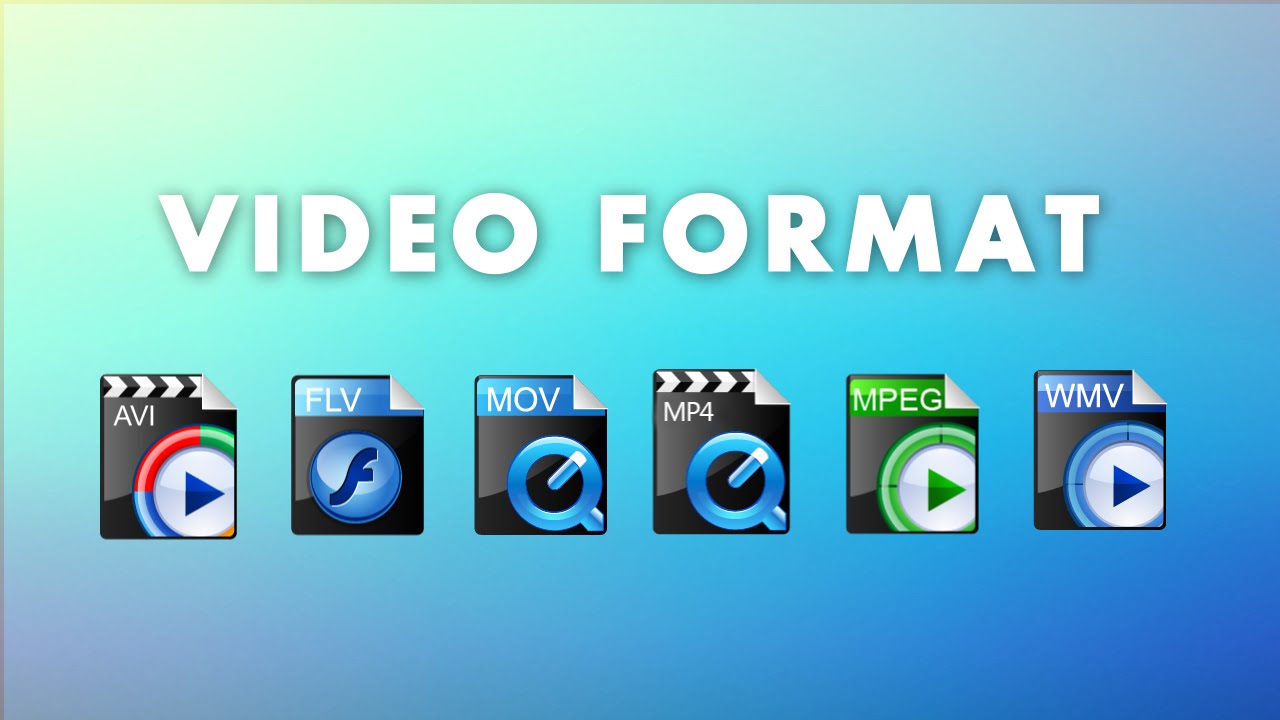
What Are Digital Video File Formats?
Digital video file formats are a way of encoding and storing video data on a digital medium, such as a hard drive or flash drive. These file formats determine how the video is compressed, encoded, and played back. There are many different digital video file formats available, each with their own unique characteristics.
Why Are Video Formats Important?
Video formats are important because they determine how the video is encoded and compressed. This can affect the quality of the video, the file size, and the compatibility with different devices and software. Choosing the right video format is essential for creating high-quality video content that is optimized for your specific needs.
Popular Digital Video File Formats
There are many different digital video file formats to choose from, but some of the most popular ones include:
- MP4: A highly versatile format that is compatible with most devices and software. It is a widely used format for web streaming and mobile devices.
- AVI: A widely used format that is compatible with most devices and software. It is a popular format for video editing and video production.
- WMV: A format developed by Microsoft that is optimized for Windows operating systems. It is a popular format for web streaming and video production.
- MPEG: A format developed by the Motion Picture Experts Group that is optimized for high-quality video. It is a popular format for DVD and Blu-ray discs.
How to Choose the Right Video Format
Choosing the right video format depends on your specific needs. Some factors to consider when choosing a video format include:
- Compatibility: Make sure the video format you choose is compatible with the devices and software you plan to use.
- Quality: Choose a video format that delivers the quality you need for your specific application.
- File Size: Consider the file size of the video format you choose, especially if you plan to share or distribute the video online.
- Encoding Time: The time it takes to encode the video can be an important factor, especially for time-sensitive projects.
Conclusion
Digital video file formats are an important consideration when creating, editing, and sharing digital video content. Understanding the differences between the most popular digital video file formats is essential if you want to create high-quality video content that is optimized for your specific needs. In conclusion, if you want the best solution for your digital video file formats, we recommend using Mp4Gain. It is a powerful tool that can optimize your video files for maximum quality and compatibility.


