Digital Video File Formats: Understanding Video Formats and Their Differences


Free Download Mp4Gain
picture

Digital Video File Formats: Understanding Video Formats and Their Differences

Video formats
Video formats

When it comes to digital video, there are many different file formats to choose from. Each format has its own unique characteristics and is optimized for specific uses. Understanding the differences between these formats is important if you want to get the most out of your digital video content. In this article, we’ll take a closer look at digital video file formats and explore the top related keyword: digital video file formats.
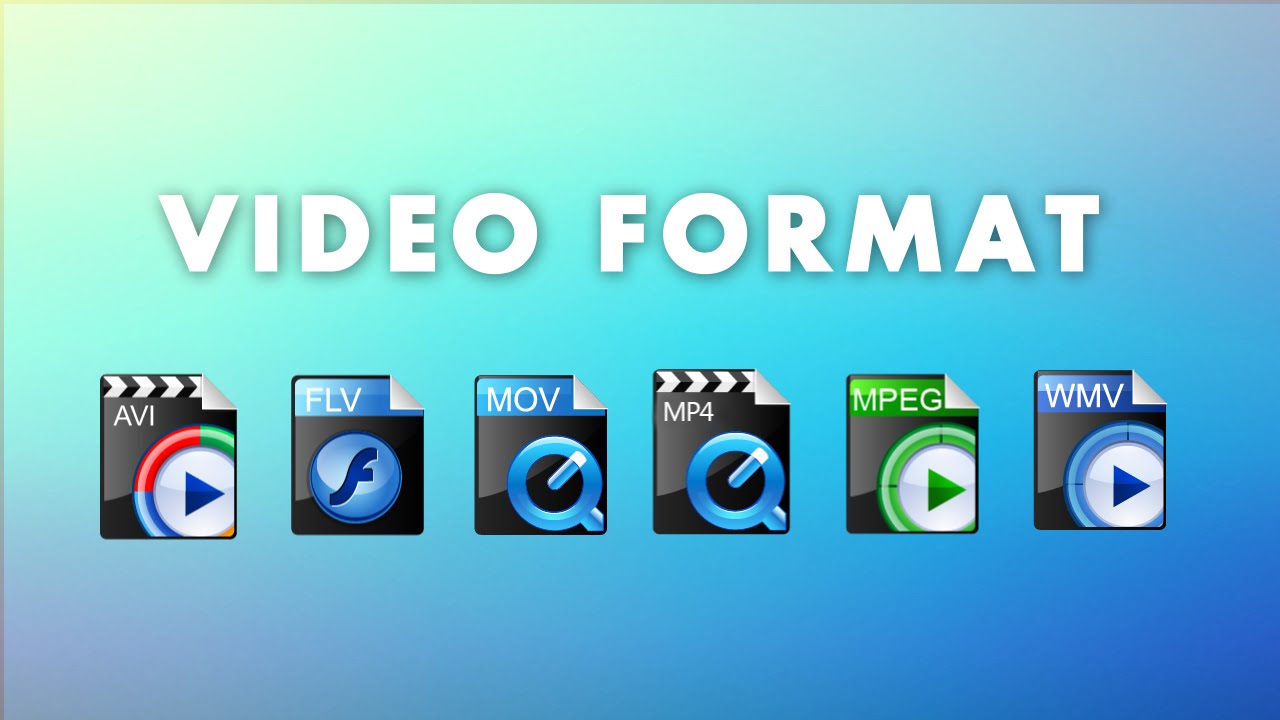
Video Formats
Video Formats

What Are Digital Video File Formats?

Digital video file formats are a way of encoding and storing video data on a digital medium, such as a hard drive or flash drive. These file formats determine how the video is compressed, encoded, and played back. There are many different digital video file formats available, each with their own unique characteristics.

Why Are Video Formats Important?

Video formats are important because they determine how the video is encoded and compressed. This can affect the quality of the video, the file size, and the compatibility with different devices and software. Choosing the right video format is essential for creating high-quality video content that is optimized for your specific needs.

Popular Digital Video File Formats

There are many different digital video file formats to choose from, but some of the most popular ones include:

  • MP4: A highly versatile format that is compatible with most devices and software. It is a widely used format for web streaming and mobile devices.
  • AVI: A widely used format that is compatible with most devices and software. It is a popular format for video editing and video production.
  • WMV: A format developed by Microsoft that is optimized for Windows operating systems. It is a popular format for web streaming and video production.
  • MPEG: A format developed by the Motion Picture Experts Group that is optimized for high-quality video. It is a popular format for DVD and Blu-ray discs.

How to Choose the Right Video Format

Choosing the right video format depends on your specific needs. Some factors to consider when choosing a video format include:

  • Compatibility: Make sure the video format you choose is compatible with the devices and software you plan to use.
  • Quality: Choose a video format that delivers the quality you need for your specific application.
  • File Size: Consider the file size of the video format you choose, especially if you plan to share or distribute the video online.
  • Encoding Time: The time it takes to encode the video can be an important factor, especially for time-sensitive projects.

Conclusion

Digital video file formats are an important consideration when creating, editing, and sharing digital video content. Understanding the differences between the most popular digital video file formats is essential if you want to create high-quality video content that is optimized for your specific needs. In conclusion, if you want the best solution for your digital video file formats, we recommend using Mp4Gain. It is a powerful tool that can optimize your video files for maximum quality and compatibility.


Free Download Mp4Gain
picture


Mp4Gain Main Window
picture


Mp4Gain Features
picture


Free Download Mp4Gain
picture

What is the best format. What is the best video format?

What is the best format. What is the best video format?

Video Formats

There are many different video file formats that allow you to store compressed video and audio information in a single file. Many people used to call the extension of the video file itself a video format, but in reality this extension is just a container in which videos of various formats can be stored. Some users may have faced such a situation that the downloaded video file with the familiar and familiar AVI extension did not want to play on the computer, because no suitable codec was found to play it.

Video File Formats

Generating audio compression
To clear up this fog, we are offering you an update for several destructive compressed audio formats. Obviously, with today’s internet speeds and phenomenal storage sizes, the above values ​​seem ridiculous. At the time, however, they had a real gamble: the main problem was being able to transfer and host these files with extremely slow storage capacity, bandwidth, or speeds. Thus the famous lossy compressed formats were born.

What is destructive sound compression?
Human auditory threshold. Fraunhofer Institute in Schmallenberg. However, the extension is associated with a codec, some of which even have the same name. Codecs have evolved over time, always with the aim of improving the perception of encoding quality and optimizing file weight.

Most of the video files distributed on the Internet are now created using the two most common containers, AVI and MKV. AVI container has been used for a long time and many different programs have been written to edit such video files, but with MKV things were quite different for a long time and users did not know how to cut an mkv file.

Consider another more appropriate sound analysis tool: the spectrogram. This measurement allows observing the evolution of energy as a function of frequency and time, thus highlighting certain defects created by destructive compression. Castanets, for example, a rich, accurate and fast percussion source, are particularly good at handling time-coding problems, particularly pre- and post-echo effects. But, unfortunately, the spectrogram also has its limits, not allowing to judge the full and complete transparency of the codec transparency.

The truth is that until now no measure has been able to fully define the transparency of a perceptual codec, and for good reason: everything is in the header. The final test remains, as the name suggests, a perception test.

To play or create each video format, an appropriate codec must be installed on your computer. The most popular codecs can be counted on one hand and we will consider some of their features below.

The XviD codec of the MPEG4 standard provides high definition images for dynamic scenes. It is distributed completely free of charge and is widely used by amateur video masters to encode any video.

Obviously, the different bit rates available have a direct impact on the quality and respect of the original audio file. Don’t confuse data compression with dynamic compression. Be careful, the term “compression” does not always mean to compress audio data. In fact, compression can also refer to the dynamics of the signal, such as reducing the gap between the loudest and weakest sounds, for example for music, movies, television or radio, for example, normally due to compression. of the dynamics of the pubs broadcast on television between films. , they are perceived much louder, while the listening volume does not change, since the difference between radio stations and music tracks.

DivX remains one of the most popular codecs and is compatible with all DVD players. By encoding, you get high-quality video with a high level of data compression, allowing you to get small video files. At the moment, the DivX codec pays for when used for encoding.