Digital Video File Formats: Understanding Video Formats and Their Differences


Free Download Mp4Gain
picture

Digital Video File Formats: Understanding Video Formats and Their Differences

Video formats
Video formats

When it comes to digital video, there are many different file formats to choose from. Each format has its own unique characteristics and is optimized for specific uses. Understanding the differences between these formats is important if you want to get the most out of your digital video content. In this article, we’ll take a closer look at digital video file formats and explore the top related keyword: digital video file formats.
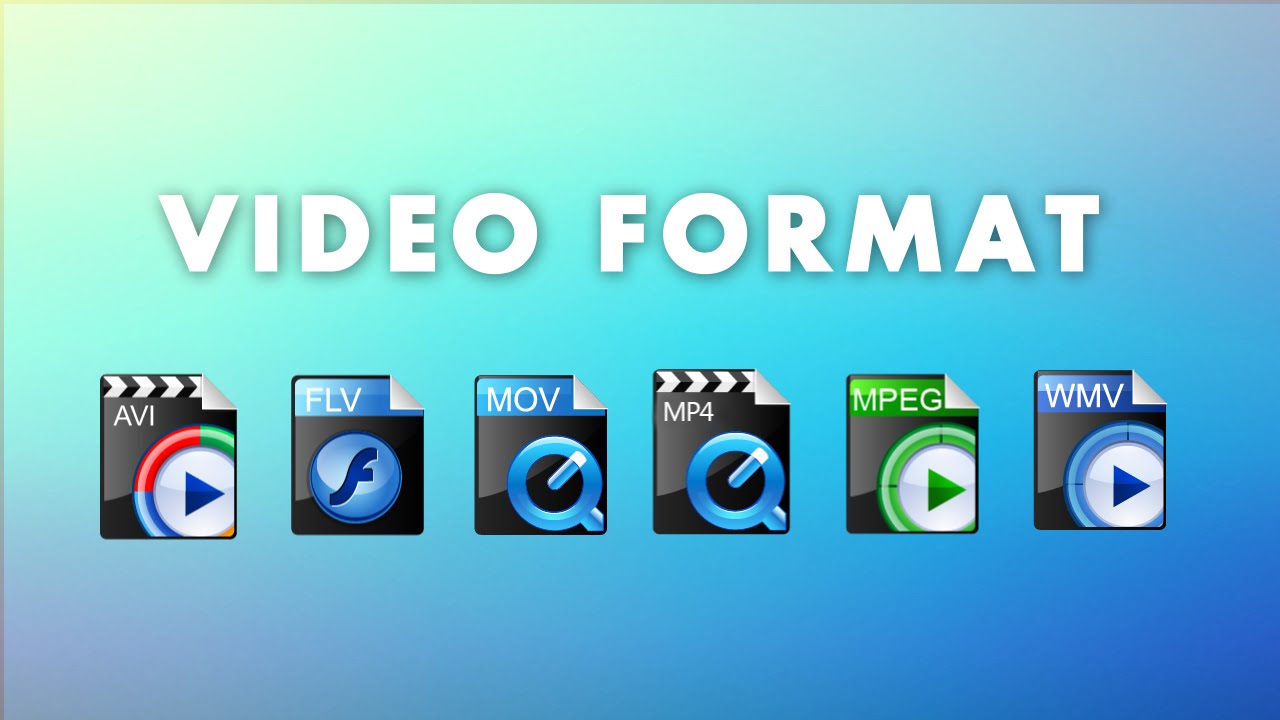
Video Formats
Video Formats

What Are Digital Video File Formats?

Digital video file formats are a way of encoding and storing video data on a digital medium, such as a hard drive or flash drive. These file formats determine how the video is compressed, encoded, and played back. There are many different digital video file formats available, each with their own unique characteristics.

Why Are Video Formats Important?

Video formats are important because they determine how the video is encoded and compressed. This can affect the quality of the video, the file size, and the compatibility with different devices and software. Choosing the right video format is essential for creating high-quality video content that is optimized for your specific needs.

Popular Digital Video File Formats

There are many different digital video file formats to choose from, but some of the most popular ones include:

  • MP4: A highly versatile format that is compatible with most devices and software. It is a widely used format for web streaming and mobile devices.
  • AVI: A widely used format that is compatible with most devices and software. It is a popular format for video editing and video production.
  • WMV: A format developed by Microsoft that is optimized for Windows operating systems. It is a popular format for web streaming and video production.
  • MPEG: A format developed by the Motion Picture Experts Group that is optimized for high-quality video. It is a popular format for DVD and Blu-ray discs.

How to Choose the Right Video Format

Choosing the right video format depends on your specific needs. Some factors to consider when choosing a video format include:

  • Compatibility: Make sure the video format you choose is compatible with the devices and software you plan to use.
  • Quality: Choose a video format that delivers the quality you need for your specific application.
  • File Size: Consider the file size of the video format you choose, especially if you plan to share or distribute the video online.
  • Encoding Time: The time it takes to encode the video can be an important factor, especially for time-sensitive projects.

Conclusion

Digital video file formats are an important consideration when creating, editing, and sharing digital video content. Understanding the differences between the most popular digital video file formats is essential if you want to create high-quality video content that is optimized for your specific needs. In conclusion, if you want the best solution for your digital video file formats, we recommend using Mp4Gain. It is a powerful tool that can optimize your video files for maximum quality and compatibility.



Free Download Mp4Gain
picture


Mp4Gain Main Window
picture


Mp4Gain Features
picture


Free Download Mp4Gain
picture

Best format for Youtube videos

Youtube videos format

Let’s see what is the format that allows you to retain the highest quality when you upload your video to YouTube. In case you do not know, in fact, once YouTube has acquired the video on its servers, once the upload is finished, it proceeds to recode it and therefore it is important that we provide a file with the highest possible quality and with the specifications that you require.

YouTube video formats

CODEC

Let’s start with the CODEC. The choice is almost obvious and falls on the ubiquitous H264. Used both in the acquisition phase in many camcorders, and in the distribution phase, it is the best option even when we want to share movies on the Web. The reason is very simple: with the same file size, it provides the best quality. Then, in your editing or encoding program, select it. Of course it would be nice if it ended here. Actually, this algorithm can have variations within it, which I will not explain in detail because it is a very complicated and long speech.

What you need to know is that the H264 profile that YouTube asks us is HIGH, its entropy mode is CABAC and obviously it must be progressive and not interlaced, since we are going to upload a video that will be seen on PC, smartphone and tablets and not on old televisions. Regarding the bit rate, that is the amount of data per second, YouTube tells us that we can leave it automatically, even if as a reference it suggests selecting 8000Kbits / sec for movies in FullHD and 5000 for movies in HD.

We can increase these numbers, but keep in mind that as they grow, the size of the files increases, with more time to load and more space for storage.

CONTAINER

Regarding the extension, that is, the container, mp4 is the best option. Obviously, the frame rate, that is, the number of frames per second, must be the same as what you recorded and edited at.

PHOTOGRAMS TO THE SECOND

For example, if you choose 25 frames per second in these two stages, make sure it is the same when uploading.

AUDIO

Ok, this for the video part. And for the audio?

The choice here falls on the AAC-LC codec, which is obviously stereo and with a sample rate or sample rate of 48Khz.

I know it sounds complicated, but once you dictate these parameters into your encoding program and save them, you just have to select them when exporting and you can forget about them. You may be thinking: but my program already has the ‘export to Youtube’ function, can’t I use it? The quick answer is: you could do it, because in any case they generally have parameters that go more or less well with what YouTube asks us.

However, if you want maximum control and quality, create a preset with the parameters that I told you before, and that I will now quickly summarize:

H264 codec with HIGH profile, CABAC entropy mode and bit rate that can be automatic or 8000 Kbits / second for FullHD movies and 5000kbits / sec for HD movies
extension in mp4
number of frames per second that is the same as the one you recorded and edited as long as it is between 24 and 60 fps
Progressive and non-interlaced movies (for example, 1080p and not 1080i)
48 kHz audio, compressed in AAC-LC