How does the MP3 format handle audio stereo imaging and what is its significance?
Mp3
Mp3
MP3 Format: Introduction
As a music enthusiast, I’ve always been interested in how digital audio works. The MP3 format has been around for over two decades, and it’s still one of the most popular formats for compressing digital audio. MP3 is a lossy compression format that uses psychoacoustic principles to remove data that isn’t crucial to the overall sound quality. The result is a much smaller file size than other digital audio formats, without significant loss in sound quality.
According to Julian Dunn’s book “Practical Recording Techniques,” MP3 is a popular format because “it’s small, it’s ubiquitous, and it’s playable on pretty much every device.” But how exactly does MP3 handle stereo imaging, and why is it important?
Stereo Imaging: How MP3 Handles It
Stereo imaging is the spatial relationship between different audio elements in a stereo mix. When you listen to a stereo recording, you hear sounds coming from different locations in the stereo field. The left and right channels of a stereo mix contain different audio information, and the way that information is presented to your ears affects the perceived spatial relationship between sounds.
When MP3 compresses audio data, it uses psychoacoustic principles to remove data that’s not crucial to the overall sound quality. This includes data that relates to stereo imaging. According to Dunn, “MP3 throws away information that is either inaudible or masked by other sounds.” This means that some of the stereo imaging information in the original recording may be lost in the compression process.
However, this isn’t necessarily a bad thing. As Dunn explains, “MP3 may be throwing away some of the stereo imaging information, but it’s doing so in a way that’s almost always imperceptible to the listener.” In other words, the loss of some stereo imaging information doesn’t significantly affect the overall sound quality of the MP3 file.
Significance of MP3’s Handling of Stereo Imaging
The significance of MP3’s handling of stereo imaging lies in its impact on file size. By removing data that’s not crucial to the overall sound quality, MP3 can significantly reduce the file size of a digital audio file. This is especially important in the age of digital music, where people often have large collections of digital music files that need to be stored and transferred.
As someone who has used MP3s for years, I can attest to the importance of file size. When you have a large music collection, the difference between a 5MB MP3 and a 20MB WAV file can add up quickly. With MP3, you can fit more music on your hard drive, and transfer files more quickly and easily.
In conclusion, MP3’s handling of stereo imaging is an important aspect of its overall sound quality, and its impact on file size makes it a popular choice for digital audio compression. As Dunn says, “MP3 is not perfect, but it’s still the best game in town for compressing audio files.”
Final Words
In my experience, using a tool like mp4gain can make a big difference in the sound quality of digital audio files. While MP3 is a great format for compressing audio files, it’s important to ensure that the files are normalized and have consistent volume levels. mp4gain is a powerful tool that can help with this, and I highly recommend it to anyone who works with digital audio files.
What are the Advantages of MP3 over Other Audio Formats?
Advantages of MP3 over Other Audio FormatsAdvantages of MP3 over Other Audio Formats
Comparison of Audio Formats
When it comes to digital audio formats, there are a lot of options out there. From WAV to FLAC to MP3, it can be hard to know which format is the best choice for your needs. While each format has its own strengths and weaknesses, in this article we’ll focus specifically on MP3 and its advantages over other audio formats.
My Personal Experience with Audio Formats
As someone who has worked with audio for years, I’ve had my fair share of experience with different file formats. When I first started out, I was told that WAV was the best choice for high-quality audio. And while it’s true that WAV files are uncompressed and therefore offer excellent sound quality, they also take up a lot of space. This can be a real issue if you’re working on a project with limited storage space.
That’s where MP3 comes in. MP3 files are compressed, which means they take up much less space than uncompressed formats like WAV. And while there is some loss of quality when you compress audio, the difference is often negligible to the human ear, especially at lower bit rates.
Advantages of MP3
1. Smaller File Sizes
One of the biggest advantages of MP3 is its small file size. Compared to other formats like WAV or FLAC, MP3 files can be as much as 10 times smaller. This makes them ideal for streaming over the internet, where large file sizes can lead to buffering and other issues.
In my personal experience, I’ve found that MP3 files are also easier to work with when it comes to storage and organization. With smaller file sizes, you can fit more audio onto a single hard drive or USB stick, and it’s easier to keep your files organized and labeled properly.
2. Compatibility
Another advantage of MP3 is its widespread compatibility. Most modern devices and software support MP3 files, which means you can play them on just about anything. This makes MP3 a great choice if you’re sharing audio with others or distributing your work to a wide audience.
In contrast, some other audio formats may not be supported by all devices or software. For example, if you’re working with a WAV file, you may run into issues if you try to play it on a device that doesn’t support that format.
3. Ease of Use
Finally, MP3 is generally very easy to use. Most audio editing software and media players have built-in support for MP3 files, which means you don’t need to worry about installing additional codecs or software to work with them.
In my personal experience, I’ve found that working with MP3 files is much simpler and more straightforward than working with some other audio formats. This can be a real advantage if you’re just starting out in the world of audio editing or production.
Final Words
While MP3 may not be the perfect choice for every situation, its small file size, widespread compatibility, and ease of use make it a great choice for many audio applications. Whether you’re working on a podcast, music production, or any other kind of audio project, consider using MP3 to take advantage of its many benefits. And if you’re looking
As an audio compression format, MP3 stands for MPEG-1 Audio Layer 3. This format became incredibly popular in the late 1990s and early 2000s, largely because it allowed music files to be compressed without losing too much quality. To understand how it works, you have to understand the basics of digital audio.
When we listen to music, we’re essentially listening to a series of sound waves that are converted into electrical signals and then back into sound waves by our speakers or headphones. When you record a song, the sound waves are turned into digital data that can be stored on a computer. The problem is that this digital data can take up a lot of space. MP3 works by compressing this data so that it takes up less space, but still sounds good.
MP3 achieves this by using a process called “perceptual coding.” Essentially, this means that the codec (the software that encodes and decodes the audio data) removes the sounds that are less important to the overall listening experience. For example, you might not notice if a certain frequency is missing from a song, so the codec removes it to save space. The result is a smaller file that still sounds pretty good.
As technology has improved, new audio compression formats have emerged, but MP3 remains one of the most popular.
As a side note, MP4 is a video compression format that’s often used for digital video files. While it’s not directly related to MP3, it does use some similar concepts.
How Does MP4 Work?
MP4 is a video compression format that’s often used for digital video files. It was developed by the Motion Picture Experts Group (MPEG), the same group that created the MP3 audio format. Like MP3, MP4 works by compressing the data that makes up the video file.
The key to MP4’s success is its ability to compress the data in a way that doesn’t result in a significant loss of quality. The format achieves this by using a combination of compression techniques, including spatial compression (removing redundant pixels), temporal compression (reducing the frame rate in certain areas of the video), and spectral compression (removing data from parts of the video that aren’t as important to the overall image).
Another important aspect of MP4 is its support for metadata. This is information that’s embedded in the file that can provide additional information about the video. For example, you might include information about the title, artist, and album of a music video.
One of the benefits of MP4 is that it’s widely supported by a variety of devices and platforms. This makes it a popular choice for sharing videos online and watching them on mobile devices.
Audio Compression and Video Compression
MP3 and MP4 are just two examples of compression formats that are used to make digital audio and video files more manageable. Audio compression is the process of reducing the amount of data that’s used to store an audio file, while still maintaining a reasonable level of sound quality. Video compression does the same thing for video files.
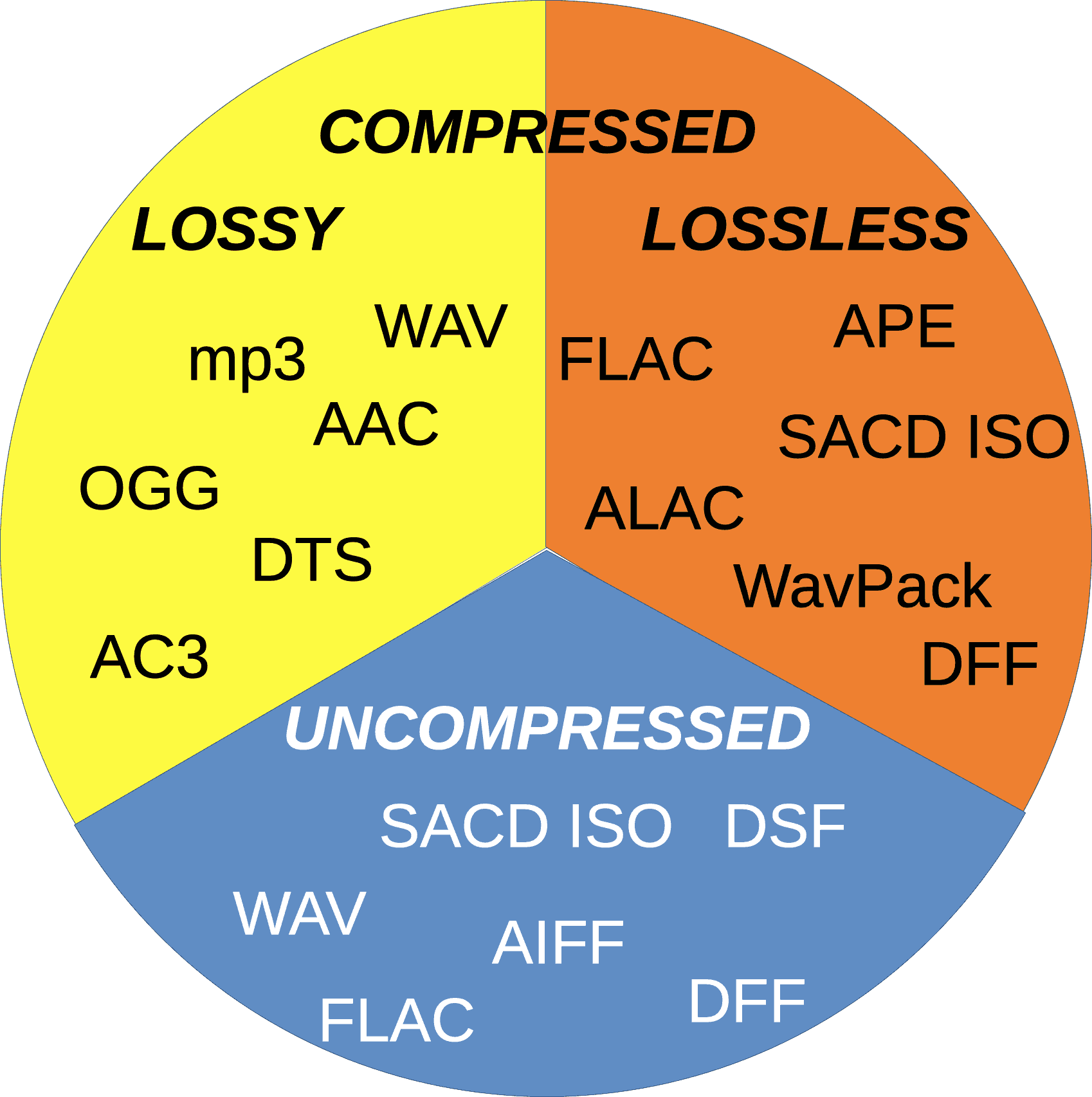
Both audio and video compression can be lossy or lossless. Lossy compression means that some data is removed from the file in order to make it smaller. This can result in a slight loss of quality, but is usually not noticeable
“Music is the divine way to tell beautiful, poetic things to the heart.” – Pablo Casals
Music lovers always aim for the highest quality of sound in their listening experience. As digital music becomes more popular, the debate between the FLAC and MP3 formats continues to intensify. While MP3 is the most widely used format for digital music, FLAC has gained a reputation for its superior sound quality. Let’s explore the pros and cons of each format to determine if FLAC is truly better than MP3.
“What is the difference between FLAC and MP3?”
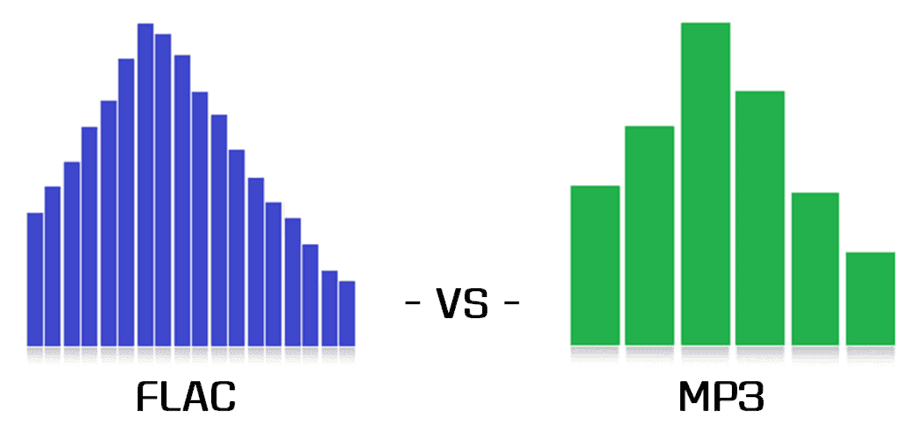
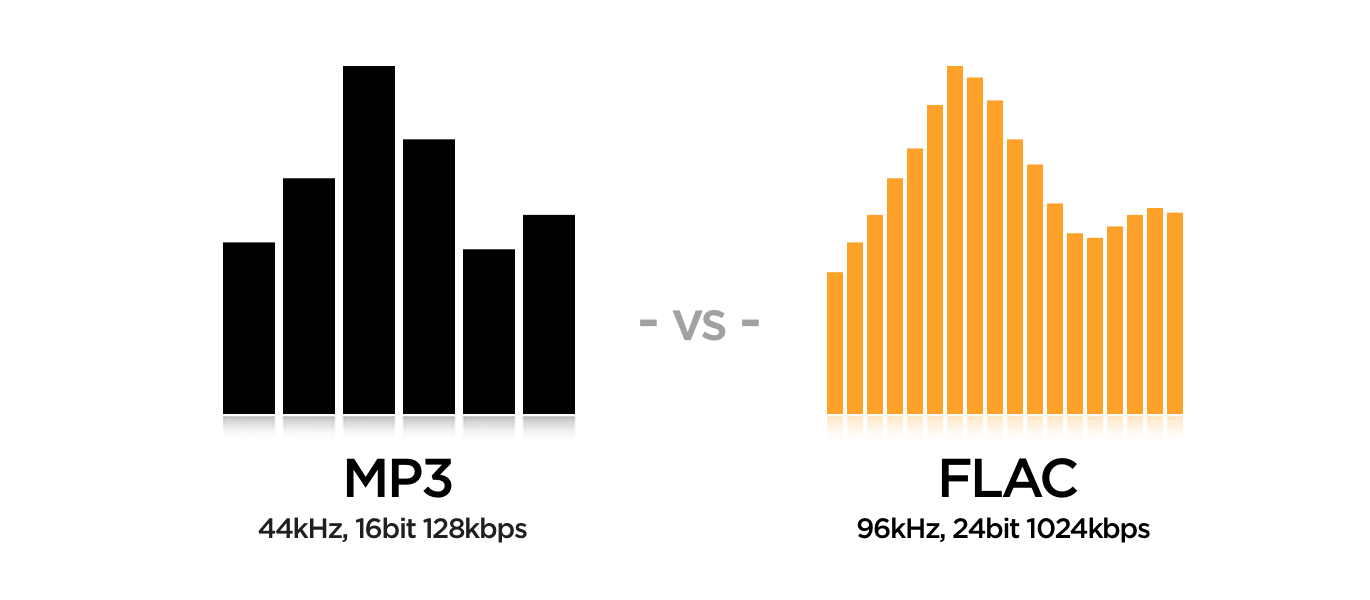
To understand the difference between FLAC and MP3, it’s important to know how they work. MP3 uses lossy compression to reduce the file size by discarding some of the audio data. This results in a smaller file size but also means that some of the audio information is lost. On the other hand, FLAC uses lossless compression, which reduces the file size without losing any audio data. This means that the sound quality of FLAC is higher than MP3, but the file sizes are larger.
“Is FLAC worth the extra storage space?”
The answer to this question depends on the individual’s preference for sound quality and available storage space. FLAC files are typically three to four times larger than MP3 files. While this means that FLAC files take up more storage space, the tradeoff is higher sound quality. If you’re an audiophile who values sound quality over storage space, FLAC is definitely worth the extra storage space. However, if you have limited storage space or don’t mind sacrificing some sound quality for smaller file sizes, MP3 may be the better choice.
In conclusion, the answer to whether FLAC is better than MP3 depends on the individual’s priorities. While FLAC does offer superior sound quality, it also requires more storage space. MP3, on the other hand, sacrifices some sound quality for smaller file sizes. As music lovers, we all want to enjoy the highest quality of sound, so the choice between FLAC and MP3 ultimately comes down to personal preference.
“Without music, life would be a mistake.” – Friedrich Nietzsche
As technology continues to advance, so too does the way in which we consume media. For music lovers, this means access to high-quality audio formats that deliver a listening experience unlike any other. In recent years, FLAC has emerged as the go-to format for audiophiles who demand the best possible sound quality. In this article, we’ll explore the history and characteristics of the lossless audio format FLAC, and explain why it’s the best choice for audiophiles.
What is FLAC?
FLAC stands for Free Lossless Audio Codec, and as the name suggests, it’s a type of audio compression that doesn’t lose any data during the encoding process. This is in contrast to lossy audio formats like MP3, which use compression algorithms that discard some of the audio data in order to reduce the file size. FLAC files are typically about half the size of the original uncompressed audio file, but retain all of the audio data.
History of FLAC
FLAC was first introduced in 2000 by Josh Coalson, who was looking for a way to compress audio without losing any of the data. It quickly gained popularity among audiophiles who were tired of the limitations of lossy audio formats like MP3. Today, FLAC is widely used by music enthusiasts and professionals alike, and is supported by a wide range of software and hardware.
How FLAC Works
FLAC uses a process called linear prediction to compress audio data without losing any of the information. Essentially, this means that FLAC predicts what the next sample in the audio stream will be based on the previous samples, and then encodes the difference between the prediction and the actual sample. This allows FLAC to achieve a compression ratio of around 50%, while retaining all of the original audio data.
FLAC vs. Other Audio Formats
One of the key advantages of FLAC over other lossless audio formats is its wide compatibility. FLAC is supported by a wide range of software and hardware, including media players, smartphones, and streaming services. This makes it a convenient choice for audiophiles who want to listen to high-quality music on the go.
Another advantage of FLAC is its ability to support high-resolution audio. FLAC files can be encoded with a higher frequency of sampling, higher bit depth, and higher channel count than other lossless audio formats. This means that FLAC can reproduce the full range of sounds that were present in the original recording, even at very high volumes.
Technical Aspects of FLAC
FLAC supports a range of technical specifications that affect the quality of the audio. These include:
Sampling Frequency
Sampling frequency refers to the number of samples of audio taken per second, and is measured in Hertz (Hz). The higher the sampling frequency, the more accurate the audio reproduction. FLAC supports sampling frequencies up to 655,350 Hz, which is more than enough to capture even the most subtle nuances of the music.
Bit Depth
Bit depth refers to the number of bits used to represent each sample in the audio stream. The higher the bit depth, the more accurate the representation of the audio waveform. FLAC supports bit depths up to 32 bits, which allows for a high level of detail in the audio reproduction.
Channel Count
Channel count refers to the number of independent audio channels in the audio stream. FLAC supports up to 8 channels, which allows for a rich and immersive listening experience.
Audio Processing in FLAC
In addition to the technical aspects of FLAC, there are also a number of audio processing features that can affect the quality of the audio. These include:
Equalization
Equalization refers to the
conitnua donde te quedaste que fue en Equalization Equalization refers to the
adjustment of frequency response of an audio signal. In other words, it is the process of changing the balance between frequency components within an audio signal. Equalization can be used to enhance the overall sound quality of an audio file, making it more pleasing to the listener’s ear.
When it comes to FLAC, equalization can be used to enhance the sound quality of an audio file without compromising its lossless quality. This is because FLAC is capable of storing metadata about the file’s equalization, which can be used by software and hardware players to reproduce the file with the intended frequency balance.
Additionally, FLAC supports a wide range of equalization options, including graphic equalization, parametric equalization, and shelving filters. Each of these options allows users to fine-tune the frequency balance of the audio signal to their liking.
It is important to note, however, that equalization can also have a negative impact on the quality of an audio file if not used correctly. Overuse of equalization can result in distortion or a loss of detail in the audio signal. As such, it is important to use equalization in moderation and with a trained ear.
ReplayGain
ReplayGain is a technique used to normalize the volume of audio files. It is particularly useful when listening to a collection of audio files with varying loudness levels, as it ensures that each file is played at a consistent volume.
There are two types of ReplayGain: track gain and album gain. Track gain normalizes the volume of an individual audio file, while album gain normalizes the volume of an entire album. ReplayGain works by analyzing the volume of an audio file and applying gain adjustments to achieve a desired playback level.
FLAC supports ReplayGain metadata, which can be used by software and hardware players to automatically adjust the volume of audio files during playback. This means that users can listen to their FLAC collection without having to constantly adjust the volume between tracks.
Recommended Hardware
It is worth noting, however, that not all hardware and software players are created equal when it comes to FLAC playback. Some players may not support certain FLAC features, such as ReplayGain or equalization metadata, which can result in a loss of quality or functionality. As such, it is important to research and choose a player that supports all the features you require for optimal FLAC playback.
Obtaining FLAC Files
One of the main challenges with FLAC is obtaining audio files in this format. While FLAC is becoming more popular, it is still not as widely used as other formats such as MP3 or AAC.
There are a variety of sources for obtaining FLAC files, including music streaming services, online music stores, and community-driven FLAC repositories. When obtaining FLAC files, it is important to ensure that the files are encoded properly and are of high quality to ensure optimal playback.
Conclusion
In conclusion, FLAC is the best option for audiophiles who want the highest quality audio possible. Its lossless compression, support for high-resolution audio, and ability to store metadata about equalization and ReplayGain make it the ideal format for those who are serious about audio quality.
When using FLAC, it is important to understand the technical aspects of the format, including compression settings, frequency of sampling, and bit depth, to ensure optimal playback quality. Additionally, proper use of equalization and ReplayGain can further enhance the sound quality of FLAC files.
Finally, choosing the right software and hardware for playing FLAC files can make a big difference in the audio quality. Many media players, both hardware and software, support FLAC, but not all of them are created equal. Some may not have the necessary processing power or DAC to handle high-quality FLAC files, while others may not support all of the features of the format.
When it comes to hardware, audiophiles may want to consider investing in a high-quality DAC (digital-to-analog converter) to achieve the best possible audio quality. Some DACs even come with built-in support for FLAC playback and can be connected to a computer or mobile device to play FLAC files.
In conclusion, FLAC is the best audio format for audiophiles due to its lossless compression, high resolution, and support for advanced audio features like equalization and replay gain. While the files may be larger than other formats like MP3, the improved audio quality is worth it for those who value a pristine listening experience. By using the right software and hardware, listeners can enjoy the full benefits of the FLAC format and immerse themselves in their favorite music like never before.
If you’re an audiophile or a music lover, you may be familiar with MP3 songs, one of the most popular audio file formats in the world. MP3 songs are known for their small size and portability, but did you know that optimizing their sound quality requires a deep understanding of the technical aspects of audio playback? In this article, we’ll dive into the details of MP3 songs and explore how to get the most out of their sound quality.
Mp3 songs
Understanding ID3 Tags
One of the most important aspects of MP3 songs is their ID3 tags. ID3 tags contain metadata that describe the audio file, such as the artist, album, track title, and year of release. They also include album art, lyrics, and other information that can be displayed on a music player. Understanding ID3 tags is crucial for organizing and playing your music library, as well as for maintaining the integrity of the audio file.
Some of the most important ID3 tags include:
Artist – The name of the artist who recorded the song
Title – The name of the song
Album – The name of the album the song is from
Year – The year the song was released
Genre – The musical genre of the song
Track Number – The position of the song on the album
By properly filling out ID3 tags, you can ensure that your music library is well-organized and that you can easily find the song you’re looking for.
Understanding Frequencies
Frequencies are another important aspect of audio playback that can greatly affect the sound quality of your MP3 songs. Frequencies are measured in hertz (Hz) and represent the number of vibrations per second that produce the sound wave. Different frequencies are responsible for different aspects of sound, such as bass, mid-range, and treble.
Understanding frequencies is important when it comes to equalization, or adjusting the levels of different frequencies to achieve a desired sound. For example, boosting the bass frequencies can make the song sound more “full” and “punchy,” while reducing the treble frequencies can make the song sound warmer and less harsh.
Understanding Equalizers
Equalizers are tools that allow you to adjust the levels of different frequencies in your MP3 songs. They come in many forms, from hardware devices to software plugins, and allow you to fine-tune the sound of your music to your liking. Equalizers can be adjusted manually or through presets, which are pre-configured settings that optimize the sound for specific genres or listening environments.
Equalizers can greatly enhance the sound quality of your MP3 songs, but they can also be misused. Overusing or improperly using an equalizer can result in a distorted or unnatural sound. It’s important to understand the technical aspects of equalization and to use it sparingly and judiciously.
Understanding Reverb and Delay
Reverb and delay are two of the most commonly used audio effects in music production, and for good reason. They can add depth, warmth, and dimension to the sound of your MP3 songs, making them sound more full and rich. Here’s a closer look at how these effects work and how they can improve the quality of your music:
Reverb
Reverb is a complex audio effect that simulates the sound of an audio signal bouncing off surfaces in a room. In real life, sound waves bounce off walls, ceilings, floors, and other objects, creating a rich and complex sound that is unique to that space. Reverb recreates this effect using digital signal processing, creating a realistic simulation of a room’s acoustics.
The use of reverb can help to create a sense of space and depth in your MP3 songs. It can make the music sound more natural and less flat, giving the impression that it was recorded in a real environment rather than a sterile studio. Reverb can also help to blend different tracks together, creating a cohesive sound that is pleasing to the ear.
When using reverb, it’s important to adjust the parameters carefully to achieve the desired effect. The amount of reverb applied can vary depending on the style of music, the type of instrumentation, and the intended mood of the song. Too much reverb can create a muddy or cluttered sound, while too little can sound dry and lifeless. It’s all about finding the right balance.
Delay
Delay is an audio effect that creates an echo-like effect by repeating the audio signal after a certain amount of time has passed. It’s similar to reverb in that it can add depth and dimension to the sound of your MP3 songs, but it creates a different type of effect. Rather than simulating the sound of a room, delay creates a repeating pattern that can be used to create a sense of space, rhythm, or texture.
There are many different types of delay effects, each with their own unique characteristics. For example, tape delay creates a warm and vintage sound, while digital delay is more precise and clean. Some delay effects can be synchronized to the tempo of the song, creating a rhythmic effect that can be used for creative purposes.
Like reverb, the use of delay requires careful adjustment to achieve the desired effect. Too much delay can create a cluttered and confusing sound, while too little can go unnoticed. It’s all about finding the right balance for the song.
Conclusion
Optimizing the sound quality of your MP3 songs requires a deep understanding of the technical aspects of audio playback. By using tools like equalizers, reverb, and delay, you can enhance the sound quality and create a more engaging listening experience for your audience. Remember to always use these effects in moderation and adjust the parameters carefully to achieve the desired effect.
MP3: Understanding the Pros and Cons of this Popular Audio Format
MP3
Have you ever heard of MP3 before? It’s a type of audio file that many people use to store and listen to music. But what exactly is an MP3 and what makes it different from other audio formats? In this article, we’ll explore the pros and cons of using MP3 for your audio files, so you can make an informed decision about the best format for your needs.
Mp3
What is MP3?
MP3 stands for MPEG-1 Audio Layer 3. It’s a type of audio compression that allows you to reduce the size of an audio file without sacrificing too much of the sound quality. This makes it possible to store more music on your computer or device, or to send audio files over the internet more quickly and easily.
The Pros of MP3
There are many reasons why people choose to use MP3 for their audio files. One of the biggest advantages is its wide compatibility. MP3 is a widely-used format that can be played on a large number of devices, including computers, smartphones, and portable music players. This makes it a great choice for sharing music with friends and family, or for listening to your music on the go.
Another advantage of MP3 is its small file size. Because the audio is compressed, MP3 files are much smaller than other audio formats like WAV or AIFF. This means you can store more music on your device, or send larger audio files over the internet without having to worry about running out of space or taking too long to download.
The Cons of MP3
Despite its popularity and advantages, there are also some downsides to using MP3 for your audio files. One of the biggest disadvantages is the loss of sound quality that comes with compression. Although MP3 does a good job of preserving most of the sound quality, it does sacrifice some of the finer details and nuances that you might hear in other formats.
Another issue with MP3 is that the format is not suitable for professional audio production. If you’re a musician or audio engineer, you’ll want to use a higher-quality format like FLAC or WAV that doesn’t compress the audio and allows you to capture all the details of your recordings.
The Bottom Line
In conclusion, MP3 is a popular and widely-used audio format that is great for storing and sharing music. With its small file size and wide compatibility, it’s a convenient choice for many people. However, it’s important to be aware of the downsides, including the loss of sound quality and the limitations for professional audio production.
If you’re looking for the best solution for your audio needs, consider using Mp4Gain. It’s a reliable and high-quality tool that can help you optimize your audio files and get the most out of your music collection.
MP3 vs FLAC: Which audio format is better for you?
FLAC vs MP3
If you like listening to music, you’ve probably heard of the MP3 and FLAC formats. Both are popular, but which one is best for you?
FLAC vs. MP3
What is the MP3 format?
MP3 is a very popular audio format used to compress music files. This means you can have more songs on your phone or computer without taking up a lot of storage space. Plus, it’s easy to play on most devices, including phones, computers, and MP3 players.
What is the FLAC format?
FLAC is a lossless audio format, which means that no audio quality is lost during compression. This means that you will hear the music exactly as it was recorded by the artists. FLAC is ideal for those who value audio quality and want to hear their music with maximum clarity and detail.
What is the difference between MP3 and FLAC?
The main difference between MP3 and FLAC is the audio quality. MP3 is a compressed format that may lose some audio quality during the process, while FLAC is a lossless format that maintains all of the original quality of the recording. Also, FLAC files are larger than MP3 files, which means you need more storage space to save them.
Which is best for you?
It depends on your personal needs and preferences. If you want more music on your device and don’t mind a slight drop in audio quality, then MP3 may be the best option for you. If you are a music enthusiast and want to hear your music with maximum clarity and detail, then FLAC is the perfect choice for you.
Mp4Gain is the ideal program to normalize and convert both formats because it is the software developed exactly for that purpose for most audio and video formats.
At the conclusion of this article, I cannot ignore one of the most popular questions from locals: which is better, FLAC or MP3?
The questioner generally wants to get a simple, unequivocal, and fair answer in all cases. However, there is no such thing and it cannot be. Below, I will give my opinion on when and why each of the discussed formats should be used.
In terms of sound quality, experience shows that with a competent approach to the MP3 compression process, the difference between MP3 and non-hearing loss formats is very small in the vast majority of situations. Only well-trained people can reliably record differences when listening to proper music on high-end equipment. Yes, there are specially selected test samples where the lossy compression artifacts are clearly visible to everyone, but ask yourself a question: are you planning to listen to these samples or is it just ordinary music? Overall, the bottom line is clear: MP3 is more than adequate as a music storage format for high-quality playback. But I will repeat once more: this thesis is true only if the audio files are prepared correctly. Unfortunately, the web is full of MP3s,
To form your own unbiased opinion on the topic under discussion, I strongly recommend that the reader personally try different formats in blind tests. This is not only educational, but also quite an exciting activity.
Now let’s see the advantages of using FLAC or other lossless formats.
Unlike the situation with MP3, where the quality of the output is highly dependent on the encoder ratings, in principle it is impossible to spoil the sound with compression in FLAC. Therefore, the question of how and how the material was coded loses its relevance (with the exception of the clinical cases of FLAC production by loss described above, but this is easily verified). When listening to lossless music, you can be sure that imperfections in the sound, if any, are not the result of someone’s crooked hands at the compression stage, but rather a property of the original phonogram that you have to accept with.
The same confidence that the registry is stored “as is”, without irreversible loss, provides some people with psychological comfort. In an area as subtle as audio, this factor can be quite significant.
The lossless material is ideal for a variety of processes: it can be compressed into any other format, edited, cut into samples without fear of getting “canned meat” at the output. For those who are serious about sound, this is important.
Isn’t all of the above about you? Then there is no point in bothering with lossless formats, feel free to use MP3 or other lossy formats.
Personally, at home, I save and listen to music mainly in FLAC, and I make MP3 myself if necessary, for example to use on portable devices.
Let’s consider file compression with the FLAC encoder, which can be downloaded here. For it to work, we need the flac.exe file. If you run it without parameters, you will get a short help on using the encoder. For detailed help, type flac –help (the information will be displayed) or flac –help> usage.txt (the information will be displayed in the uses.txt file).
WAV to FLAC encoding with default compression ratio (5):
flac infile.wav
WAV to FLAC encoding with specified compression ratio:
flac -n infile.wav where n is a number from 0 (minimum compression) to 8 (maximum compression).
FLAC to WAV decoding:
flac -d infile.flac
To ensure that FLAC compresses the data without loss, you can use any software that can compare files bit by bit, for example the built-in Windows utility fc. For the experiment, select any WAV file and perform the following transformations on it: original.wav (original file)> compressed.flac (encode file to FLAC)> decompressed.wav (decode FLAC back to WAV). Next, compare original.wav and decompressed.wav using fc in binary comparison mode:
fc / b original.wav decompressed.wav
After the verification is complete, the utility will display the message “No differences found between files”, indicating your full identity. This means that when converting to FLAC and vice versa, not a single bit was lost, which needed testing. If you do the same experiment with MP3, the result will be completely different, there will be a lot of differences between the files.