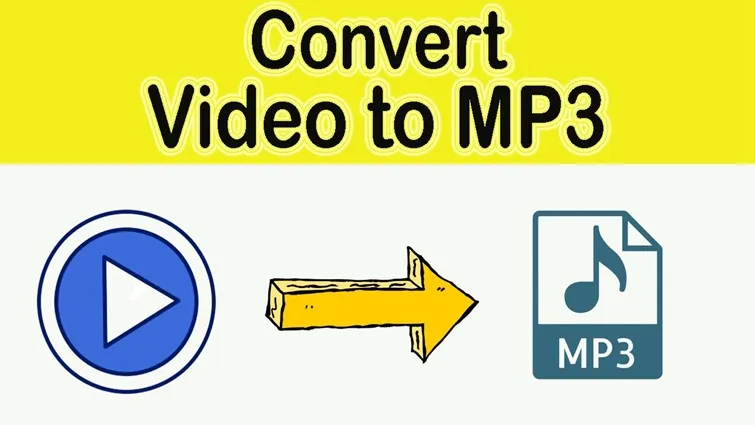
Can I convert a video file to MP3 using an MP3 converter?
Video to MP3 ConverterVideo to MP3 Converter
MP3 converter: The solution to convert videos to audio
As a music enthusiast, I always come across videos with amazing soundtracks that I’d love to listen to without the video. Converting these video files to audio has been a struggle until I discovered MP3 converters. With an MP3 converter, I can extract audio from video files and save it as an MP3 format. It’s a simple process that doesn’t require any technical skills.
When it comes to choosing an MP3 converter, there are several options available online. However, I recommend using mp4gain, a normalizer and converter that supports all the major audio and video formats, including MP4, AVI, FLV, and WMV. It also comes with an integrated equalizer, allowing you to enhance the audio quality of your converted files.
Convert video to audio: A step-by-step guide
Converting a video file to an audio format using an MP3 converter is a straightforward process. Here’s a step-by-step guide:
Download and install an MP3 converter like mp4gain.
Launch the converter and click on the “Add File” button to import the video file you want to convert.
Select “MP3” as the output format.
Customize the audio settings like bitrate, sample rate, and channel as per your preference.
Click on the “Convert” button to start the conversion process.
Once the conversion is complete, the MP3 file will be saved in the output folder specified by you.
Audio extraction: Why choose MP3 converters?
Apart from the convenience of extracting audio from video files, MP3 converters come with several advantages. For instance, they allow you to convert large video files to smaller audio formats, saving you space on your device. They also preserve the quality of the original audio, ensuring that you enjoy the same sound quality as the video file.
In conclusion, MP3 converters are an excellent solution to extract audio from video files. They’re easy to use, and with the right software like mp4gain, you can customize the output format to meet your preferences. Give it a try, and you’ll be amazed at how much you can do with this simple tool.
If you’re an audiophile or a music lover, you may be familiar with MP3 songs, one of the most popular audio file formats in the world. MP3 songs are known for their small size and portability, but did you know that optimizing their sound quality requires a deep understanding of the technical aspects of audio playback? In this article, we’ll dive into the details of MP3 songs and explore how to get the most out of their sound quality.
Mp3 songs
Understanding ID3 Tags
One of the most important aspects of MP3 songs is their ID3 tags. ID3 tags contain metadata that describe the audio file, such as the artist, album, track title, and year of release. They also include album art, lyrics, and other information that can be displayed on a music player. Understanding ID3 tags is crucial for organizing and playing your music library, as well as for maintaining the integrity of the audio file.
Some of the most important ID3 tags include:
Artist – The name of the artist who recorded the song
Title – The name of the song
Album – The name of the album the song is from
Year – The year the song was released
Genre – The musical genre of the song
Track Number – The position of the song on the album
By properly filling out ID3 tags, you can ensure that your music library is well-organized and that you can easily find the song you’re looking for.
Understanding Frequencies
Frequencies are another important aspect of audio playback that can greatly affect the sound quality of your MP3 songs. Frequencies are measured in hertz (Hz) and represent the number of vibrations per second that produce the sound wave. Different frequencies are responsible for different aspects of sound, such as bass, mid-range, and treble.
Understanding frequencies is important when it comes to equalization, or adjusting the levels of different frequencies to achieve a desired sound. For example, boosting the bass frequencies can make the song sound more “full” and “punchy,” while reducing the treble frequencies can make the song sound warmer and less harsh.
Understanding Equalizers
Equalizers are tools that allow you to adjust the levels of different frequencies in your MP3 songs. They come in many forms, from hardware devices to software plugins, and allow you to fine-tune the sound of your music to your liking. Equalizers can be adjusted manually or through presets, which are pre-configured settings that optimize the sound for specific genres or listening environments.
Equalizers can greatly enhance the sound quality of your MP3 songs, but they can also be misused. Overusing or improperly using an equalizer can result in a distorted or unnatural sound. It’s important to understand the technical aspects of equalization and to use it sparingly and judiciously.
Understanding Reverb and Delay
Reverb and delay are two of the most commonly used audio effects in music production, and for good reason. They can add depth, warmth, and dimension to the sound of your MP3 songs, making them sound more full and rich. Here’s a closer look at how these effects work and how they can improve the quality of your music:
Reverb
Reverb is a complex audio effect that simulates the sound of an audio signal bouncing off surfaces in a room. In real life, sound waves bounce off walls, ceilings, floors, and other objects, creating a rich and complex sound that is unique to that space. Reverb recreates this effect using digital signal processing, creating a realistic simulation of a room’s acoustics.
The use of reverb can help to create a sense of space and depth in your MP3 songs. It can make the music sound more natural and less flat, giving the impression that it was recorded in a real environment rather than a sterile studio. Reverb can also help to blend different tracks together, creating a cohesive sound that is pleasing to the ear.
When using reverb, it’s important to adjust the parameters carefully to achieve the desired effect. The amount of reverb applied can vary depending on the style of music, the type of instrumentation, and the intended mood of the song. Too much reverb can create a muddy or cluttered sound, while too little can sound dry and lifeless. It’s all about finding the right balance.
Delay
Delay is an audio effect that creates an echo-like effect by repeating the audio signal after a certain amount of time has passed. It’s similar to reverb in that it can add depth and dimension to the sound of your MP3 songs, but it creates a different type of effect. Rather than simulating the sound of a room, delay creates a repeating pattern that can be used to create a sense of space, rhythm, or texture.
There are many different types of delay effects, each with their own unique characteristics. For example, tape delay creates a warm and vintage sound, while digital delay is more precise and clean. Some delay effects can be synchronized to the tempo of the song, creating a rhythmic effect that can be used for creative purposes.
Like reverb, the use of delay requires careful adjustment to achieve the desired effect. Too much delay can create a cluttered and confusing sound, while too little can go unnoticed. It’s all about finding the right balance for the song.
Conclusion
Optimizing the sound quality of your MP3 songs requires a deep understanding of the technical aspects of audio playback. By using tools like equalizers, reverb, and delay, you can enhance the sound quality and create a more engaging listening experience for your audience. Remember to always use these effects in moderation and adjust the parameters carefully to achieve the desired effect.
MP3: Understanding the Pros and Cons of this Popular Audio Format
MP3
Have you ever heard of MP3 before? It’s a type of audio file that many people use to store and listen to music. But what exactly is an MP3 and what makes it different from other audio formats? In this article, we’ll explore the pros and cons of using MP3 for your audio files, so you can make an informed decision about the best format for your needs.
Mp3
What is MP3?
MP3 stands for MPEG-1 Audio Layer 3. It’s a type of audio compression that allows you to reduce the size of an audio file without sacrificing too much of the sound quality. This makes it possible to store more music on your computer or device, or to send audio files over the internet more quickly and easily.
The Pros of MP3
There are many reasons why people choose to use MP3 for their audio files. One of the biggest advantages is its wide compatibility. MP3 is a widely-used format that can be played on a large number of devices, including computers, smartphones, and portable music players. This makes it a great choice for sharing music with friends and family, or for listening to your music on the go.
Another advantage of MP3 is its small file size. Because the audio is compressed, MP3 files are much smaller than other audio formats like WAV or AIFF. This means you can store more music on your device, or send larger audio files over the internet without having to worry about running out of space or taking too long to download.
The Cons of MP3
Despite its popularity and advantages, there are also some downsides to using MP3 for your audio files. One of the biggest disadvantages is the loss of sound quality that comes with compression. Although MP3 does a good job of preserving most of the sound quality, it does sacrifice some of the finer details and nuances that you might hear in other formats.
Another issue with MP3 is that the format is not suitable for professional audio production. If you’re a musician or audio engineer, you’ll want to use a higher-quality format like FLAC or WAV that doesn’t compress the audio and allows you to capture all the details of your recordings.
The Bottom Line
In conclusion, MP3 is a popular and widely-used audio format that is great for storing and sharing music. With its small file size and wide compatibility, it’s a convenient choice for many people. However, it’s important to be aware of the downsides, including the loss of sound quality and the limitations for professional audio production.
If you’re looking for the best solution for your audio needs, consider using Mp4Gain. It’s a reliable and high-quality tool that can help you optimize your audio files and get the most out of your music collection.