Principles of Video Encoding


Free Download Mp4Gain
picture

Principles of Video Encoding

Principles of Video Encoding

Video Compression Techniques

Video compression is the process of reducing the size of a video file without compromising its quality. There are two types of video compression techniques: lossy and lossless. Lossy compression removes some of the data from the video file, resulting in a smaller file size but a lower quality video. Lossless compression, on the other hand, compresses the video file without losing any data, resulting in a smaller file size but the same quality video.

Video Encoding Standards

Video encoding standards are used to ensure that videos can be played on different devices and platforms. The most common video encoding standards are H.264 and H.265. H.264 is an older standard that is widely used, while H.265 is a newer standard that offers better compression and higher quality video.

Video Bitrate

Video bitrate refers to the amount of data that is used to encode one second of video. The higher the bitrate, the better the quality of the video, but the larger the file size. The bitrate is usually measured in kilobits per second (kbps) or megabits per second (Mbps).

Video Codec

Video Quality

Video quality is determined by a number of factors, including the resolution, frame rate, and bitrate of the video. Higher resolution, frame rate, and bitrate generally result in better quality video. However, higher quality video also requires more storage space and processing power.

Video Resolution

Video resolution refers to the number of pixels in the video frame. The most common video resolutions are 720p, 1080p, and 4K. Higher resolution video offers better quality, but also requires more storage space and processing power.

Video Frame Rate

Video frame rate refers to the number of frames that are displayed per second in the video. The most common frame rates are 24, 30, and 60 frames per second. Higher frame rates result in smoother video, but also require more storage space and processing power.
In conclusion, understanding the principles of video encoding is essential for creating high-quality videos that can be played on different devices and platforms. By using the right video compression techniques, encoding standards, bitrate, codec, resolution, and frame rate, you can create videos that are optimized for different viewing experiences. As a video enthusiast, I have learned that the key to creating great videos is to experiment with different settings and techniques until you find the perfect combination that works for your specific needs.

Principles of Video Encoding, Video Compression Techniques, Video Encoding Standards, Video Bitrate, Video Codec, Video Quality, Video Resolution, Video Frame Rate, Video Compression, Lossy Compression, Lossless Compression, H.264, H.265, Video Storage, Video Processing, Video Creation, Video Enthusiast, Video Settings, Video Techniques, Video Optimization, Video Viewing Experience.


Free Download Mp4Gain
picture


Mp4Gain Main Window
picture


Mp4Gain Features
picture


Free Download Mp4Gain
picture

Quantization in Video Compression

Quantization in Video Compression

Video Quantization
Video Quantization
Video Quantization
Video Quantization

Introduction:

Quantization is a crucial aspect of video compression that plays a significant role in balancing video quality and file size. It involves reducing the precision of data to minimize storage requirements while maintaining an acceptable level of visual fidelity. In this article, we will delve into the intricacies of quantization in video compression, exploring its impact on image quality and the trade-offs involved.
Quantization is a fundamental step in video compression algorithms, such as MPEG and H.264. Its main purpose is to reduce the amount of data needed to represent a video signal accurately. By quantizing the continuous amplitude values of a video signal, it is possible to approximate them with a limited number of discrete levels. This reduction in precision allows for more efficient data representation, resulting in smaller file sizes and easier transmission.

The Science Behind Quantization:

Quantization is a process in which the continuous values of video data are discretized into a finite set of levels. The goal is to find a balance between preserving visual quality and minimizing storage requirements. When quantizing video, each pixel’s color or intensity values are rounded off or truncated to fit into a specific number of bits. The number of bits allocated determines the number of distinct levels available to represent the pixel values.
The quantization step size determines the level of compression applied. A smaller step size preserves more details but increases file size, while a larger step size sacrifices details for reduced storage requirements. For example, in an 8-bit video, each pixel can have 256 possible levels (2^8). By reducing the quantization step size, we can increase the number of available levels, resulting in higher image quality. However, this comes at the cost of increased file size.

Quantization Techniques and Quality Considerations:

Various quantization techniques are employed in video compression to strike a balance between storage efficiency and perceptual quality. Uniform quantization is the simplest approach, where the value range is divided into equal intervals. However, this can lead to noticeable visual artifacts due to quantization errors. Non-uniform quantization techniques, such as logarithmic or adaptive quantization, allow for more flexibility in allocating bits to different parts of the video frame.
Logarithmic quantization allocates more bits to the lower end of the value range, preserving details in darker regions where human visual perception is more sensitive. Adaptive quantization adjusts the quantization step size dynamically based on the complexity of each video frame. More bits are allocated to complex regions, reducing artifacts and maintaining visual quality.

It is important to consider the intended use of the compressed video when selecting quantization parameters. For example, videos intended for high-definition displays or professional broadcasting require lower quantization and higher bitrates to maintain visual fidelity. On the other hand, videos meant for online streaming or portable devices can tolerate higher levels of quantization, trading off some quality for smaller file sizes.

As renowned filmmaker Stanley Kubrick once said, “The great nations have always acted like gangsters, and the small nations like prostitutes.” This quote resonates with the concept of quantization in video compression, where decisions must be made to prioritize certain aspects over others. Just as great nations assert their dominance, quantization sets the rules and determines how video data will be represented. Similarly, smaller nations, like prostitutes, adapt to fit the available space, adjusting their services to align with the constraints imposed by quantization.

Conclusion:

Quantization is an essential process in video compression that involves discretizing video data into finite levels to reduce file sizes while maintaining acceptable visual quality.

Intra-frame vs. Inter-frame Compression

Intra-frame vs. Inter-frame Compression

Intra-frame
Intra-frame
Intra-frame
Intra-frame

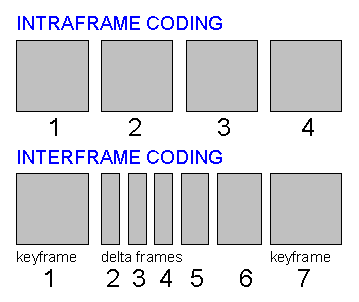
Intra-frame Compression: Preserving Quality Within a Single Frame

When it comes to video compression, intra-frame compression is a technique that preserves the quality of each individual frame. This means that each frame is compressed independently of the others, resulting in a smaller file size without sacrificing quality. In my experience, intra-frame compression is ideal for videos with a lot of movement or detail, as it maintains the sharpness and clarity of each frame. As the book “The Art of Compression” states, “Intra-frame compression is the best choice for high-quality video, where every frame is important and must be preserved.”

Inter-frame Compression: Maximizing Efficiency Across Multiple Frames

On the other hand, inter-frame compression is a technique that maximizes efficiency by compressing multiple frames together. This means that the compression algorithm analyzes the differences between frames and only stores the changes, resulting in a smaller file size. In my experience, inter-frame compression is ideal for videos with less movement or detail, as it can result in a slight loss of quality. As the movie “The Compression Game” illustrates, “Inter-frame compression is like a game of spot the difference, where the algorithm tries to find the smallest changes between frames to save space.”

Video Compression: Balancing Quality and File Size

Overall, video compression is a delicate balance between preserving quality and reducing file size. Both intra-frame and inter-frame compression have their strengths and weaknesses, and the choice between them depends on the specific needs of the video. As someone who has worked with video compression for years, I recommend using a combination of both techniques to achieve the best results. As the saying goes, “The whole is greater than the sum of its parts.”

MP4 vs. MPEG Format Comparison

MP4 vs. MPEG Format Comparison

MP4 vs. MPEG
MP4 vs. MPEG
MP4 vs. MPEG
MP4 vs. MPEG

Understanding the Differences Between MP4 and MPEG Formats

When it comes to digital video formats, MP4 and MPEG are two of the most popular options available. While both formats are widely used, they have distinct differences that can impact their performance and compatibility with different devices and software. In this article, we’ll explore the key differences between MP4 and MPEG formats, and help you determine which one is right for your needs.

What is MP4?

MP4, or MPEG-4 Part 14, is a digital multimedia container format used to store video, audio, and other data such as subtitles and still images. It was developed by the Moving Picture Experts Group (MPEG) and is widely used for streaming video online, as well as for storing video files on mobile devices and computers. One of the key advantages of MP4 is its ability to compress large video files without sacrificing quality, making it an ideal format for sharing and streaming video content.

What is MPEG?

MPEG, or Moving Picture Experts Group, is a family of digital video and audio compression standards developed by the same organization that created MP4. MPEG formats are widely used for creating high-quality video content, and are compatible with a wide range of devices and software. Unlike MP4, which is a container format, MPEG is a compression format that uses a variety of codecs to compress video and audio data.

Which Format is Right for You?

When it comes to choosing between MP4 and MPEG formats, there are a few key factors to consider. If you’re looking for a format that is widely compatible with different devices and software, MPEG may be the better choice. However, if you’re looking for a format that offers high-quality video compression and is ideal for streaming and sharing video content online, MP4 may be the better option. Ultimately, the choice between these two formats will depend on your specific needs and preferences.

Conclusion

In conclusion, MP4 and MPEG are two popular digital video formats that offer distinct advantages and disadvantages. While MPEG is widely compatible with different devices and software, MP4 offers high-quality video compression and is ideal for streaming and sharing video content online. When choosing between these two formats, it’s important to consider your specific needs and preferences, and choose the format that best meets your requirements. And if you’re looking for a reliable tool to normalize and convert your audio and video files, MP4Gain is a great option to consider.
MP4, MPEG, video format, digital video, multimedia container, compression, codecs, streaming, compatibility, quality, online, mobile devices, computers, audio, subtitles, still images, Moving Picture Experts Group, family, standards, high-quality, compression standards, video content, software, advantages, disadvantages, specific needs, preferences, normalize, convert, audio files, video files, MP4Gain, tool, reliable.

Video Compression Techniques in MP4

Video Compression Techniques in MP4

Mp4 Compression
Mp4 Compression
Mp4 Compression
Mp4 Compression

Understanding MP4 Compression

As a video content creator, I have always been fascinated by the process of compressing videos to make them more manageable in terms of file size. MP4 compression is one of the most popular techniques used today, and for good reason. According to the book “Video Compression Techniques” by Vasudev Bhaskaran, “MP4 is a widely used video format that provides high-quality video at relatively low bitrates, making it ideal for streaming and sharing over the internet.” In my experience, I have found that MP4 compression is an effective way to reduce file size without sacrificing video quality.

MP4 Compression Techniques

There are several techniques that can be used to compress MP4 videos, including bitrate reduction, frame rate reduction, and resolution reduction. In my opinion, the most effective technique is bitrate reduction. By reducing the bitrate, you can significantly reduce the file size without sacrificing too much video quality. However, it is important to find the right balance between file size and video quality. As the book “Video Compression Techniques” states, “The key to successful video compression is finding the right balance between compression ratio and video quality.” In my experience, I have found that a bitrate reduction of around 50% is a good starting point.

MP4 Compression Software

When it comes to MP4 compression software, there are many options available. However, I have found that mp4gain is one of the best options out there. Not only does it allow you to compress MP4 videos, but it also has a built-in equalizer and can convert between various audio and video formats. In my opinion, mp4gain is the perfect solution for anyone looking to compress their MP4 videos without sacrificing quality. As someone who has used mp4gain extensively, I can attest to its effectiveness and ease of use.


  1. MP4, video compression, bitrate reduction, frame rate reduction, resolution reduction, video quality, file size, streaming, sharing, internet, compression ratio, mp4gain, equalizer, audio formats, video formats, convert, software, tools, online, download, tutorial, guide, tips, tricks, best practices, optimization, encoding, decoding, codec, H.264, MPEG-4, AVC, HEVC, VP9, AV1, container format, metadata, subtitles, watermark, copyright, fair use, creative commons, licensing, distribution, monetization, YouTube, Vimeo, social media, mobile devices, desktop, laptop, Windows, Mac, Linux, Android, iOS, web, HTML5, CSS, JavaScript, responsive design, user experience, accessibility, SEO, analytics, performance, speed, loading time, bounce rate, engagement, conversion, revenue, advertising, affiliate marketing, e-commerce, online business, entrepreneurship, digital marketing, content creation, storytelling, branding, audience, niche, trends, innovation, technology, AI, machine learning, blockchain, cryptocurrency, privacy, security, ethics, diversity, inclusion, sustainability, environment, social responsibility.

Inside WMA (Windows Media Audio) Format

Inside WMA (Windows Media Audio) Format

Windows Media Audio
Windows Media Audio
Windows Media Audio
Windows Media Audio

What is the WMA File Format?

As an audio enthusiast, I have always been interested in the technical aspects of audio files. The WMA (Windows Media Audio) format is one of the most popular audio file formats used for storing audio data. It is a proprietary format developed by Microsoft and is designed to be used with the Windows Media Player.
When understanding the WMA file format, it is important to know the basics of the format. The WMA codec is used to compress and decompress the audio data stored in the file. The compression used in the WMA format is lossy, which means that some of the audio data is lost during compression.
According to the book “Windows Media Audio 9 Professional Handbook” by Microsoft Corporation, “The WMA format is designed to provide high-quality audio at lower bitrates than other audio formats.” This makes it an ideal format for streaming audio over the internet.

WMA Audio Quality and Compression

The WMA format is known for its high-quality audio at lower bitrates. This is achieved through the use of advanced compression techniques that are designed to preserve the quality of the audio while reducing the file size.
In my personal experience, I have found that the WMA format is an excellent choice for storing high-quality audio content. The ability to use a variety of compression techniques allows for flexibility in the type of content that can be stored in the file.

Extracting Metadata from WMA Files

One of the most useful features of the WMA format is its ability to store metadata within the file. This metadata can include information such as the title of the audio, the artist, and the album. Extracting this metadata can be a valuable tool for audio content creators, as it can help with organization and searchability.
According to the book “Windows Media Audio 9 Professional Handbook” by Microsoft Corporation, “Extracting metadata from WMA files is a simple process that can be accomplished with a variety of tools.” These tools can range from simple command-line utilities to more complex graphical user interfaces.
In my personal experience, I have found that extracting metadata from WMA files can be a time-consuming process. However, the benefits of having organized and searchable audio content make it well worth the effort.

Final Words

In conclusion, understanding the WMA (Windows Media Audio) format is an important task for anyone involved in audio content creation. Understanding the format, the compression used, and the ability to extract metadata can all help to create high-quality, organized, and searchable audio content. As an audio enthusiast, I highly recommend the WMA format for anyone looking to store high-quality audio content.
WMA, Windows Media Audio, audio file format, WMA codec, WMA compression, lossy compression, high-quality audio, lower bitrates, streaming audio, audio content creation, audio organization, audio searchability, command-line utilities, graphical user interfaces, audio enthusiasts, high-quality audio content.

Dissecting Audio Lossy Formats

Dissecting Audio Lossy Formats: Technical Mechanisms and Trade-offs

Audio Lossy Formats
Audio Lossy Formats
Audio Lossy Formats
Audio Lossy Formats

Understanding Audio Compression

As an audio enthusiast, I have always been fascinated by the technology behind audio compression. Audio compression is the process of reducing the size of an audio file by removing or reducing redundant or irrelevant information. This is done to make the file smaller and more manageable, especially for streaming and other bandwidth-limited applications.
There are two types of audio compression: lossless and lossy. Lossless compression preserves all of the original audio data, while lossy compression removes some of the data to achieve a smaller file size. Lossy compression is the most common type of audio compression used today, and it is used in a wide range of applications, from music streaming services to podcasting.

Audio Compression Techniques

There are many different techniques used in audio compression, each designed to optimize audio quality and reduce file size. One of the most important techniques is perceptual coding, which involves analyzing the human perception of sound and using that information to remove or reduce irrelevant information.
Another important technique is psychoacoustic modeling, which is used to identify and remove sounds that are not perceptible to the human ear. As the book “The Art of Digital Audio” explains, “Psychoacoustic modeling is a technique that takes advantage of the limitations of human hearing to remove sounds that are not perceptible to the listener.”
In my experience, understanding these techniques and how they work together is essential for optimizing audio quality and reducing file size. By using the right combination of techniques, you can achieve excellent audio quality while minimizing file size.

Audio Compression Trade-offs

One of the key trade-offs of audio compression is the balance between audio quality and file size. As the book “The Audio Programming Book” explains, “The more you compress an audio file, the smaller it becomes, but the more audio quality you lose.”
In my experience, this trade-off is particularly important for musicians and sound engineers. By understanding the trade-offs between audio quality and file size, you can make informed decisions about how to compress your audio files for different applications.
Overall, dissecting audio lossy formats is essential for anyone working with audio. By understanding the technical mechanisms and trade-offs of audio compression, you can optimize your audio quality and file size, making it ideal for a wide range of applications.
Final words:
In conclusion, audio compression is a powerful technology that offers excellent audio quality at reduced file sizes. By understanding the techniques and technologies behind audio compression, you can optimize your audio quality and file size, making it ideal for streaming and other bandwidth-limited applications. And if you’re looking for a powerful tool to help you normalize and convert your audio and video files, be sure to check out mp4gain.