Enhancing Video Quality: Bitrate and Codec


Free Download Mp4Gain
picture

Enhancing Video Quality: Bitrate and Codec

Enhancing Video Quality: Bitrate and Codec


When it comes to video quality, there are two main factors that you need to consider: bitrate and codec.

Bitrate

Bitrate is the amount of data that is used to encode a video file. A higher bitrate will result in a higher quality video, but it will also result in a larger file size.

The ideal bitrate for a video will depend on a number of factors, including the resolution of the video, the frame rate, and the type of content. For example, a high-resolution video with a high frame rate will require a higher bitrate than a low-resolution video with a low frame rate.

If you are concerned about file size, you can try reducing the bitrate of your video. However, keep in mind that this will also reduce the quality of the video.

Codec

A codec is a type of software that is used to encode and decode video files. There are many different codecs available, and each one has its own strengths and weaknesses.

Some of the most popular codecs include:

H.264: This is a widely used codec that offers good quality and compatibility.
MPEG-4: This is another popular codec that is known for its good quality.
VP9: This is a newer codec that offers better quality than H.264 and MPEG-4, but it is not as widely supported.
When choosing a codec, you need to consider the following factors:

The quality of the video that you want to create
The compatibility of the codec with your devices and software
The file size of the video that you want to create

Conclusion

Bitrate and codec are two important factors that you need to consider when enhancing video quality. By understanding these factors, you can create high-quality videos that are also small in file size.

Here are some additional tips for enhancing video quality:

Use a high-quality camera
Shoot in good lighting conditions
Edit your videos carefully
Optimize your videos for the web
By following these tips, you can create videos that are both high-quality and visually appealing.


Free Download Mp4Gain
picture


Mp4Gain Main Window
picture


Mp4Gain Features
picture


Free Download Mp4Gain
picture

Latest Video Codec Trends

Latest Video Codec Trends

Video Codec
Video Codec
Video Codec
Video Codec

Video Codecs: What They Are and Why They Matter

Video codecs are essential in video compression and playback. They are algorithms that encode and decode digital video data, compressing it for efficient storage and transmission. Without video codecs, it would be impossible to store or stream high-quality video content.

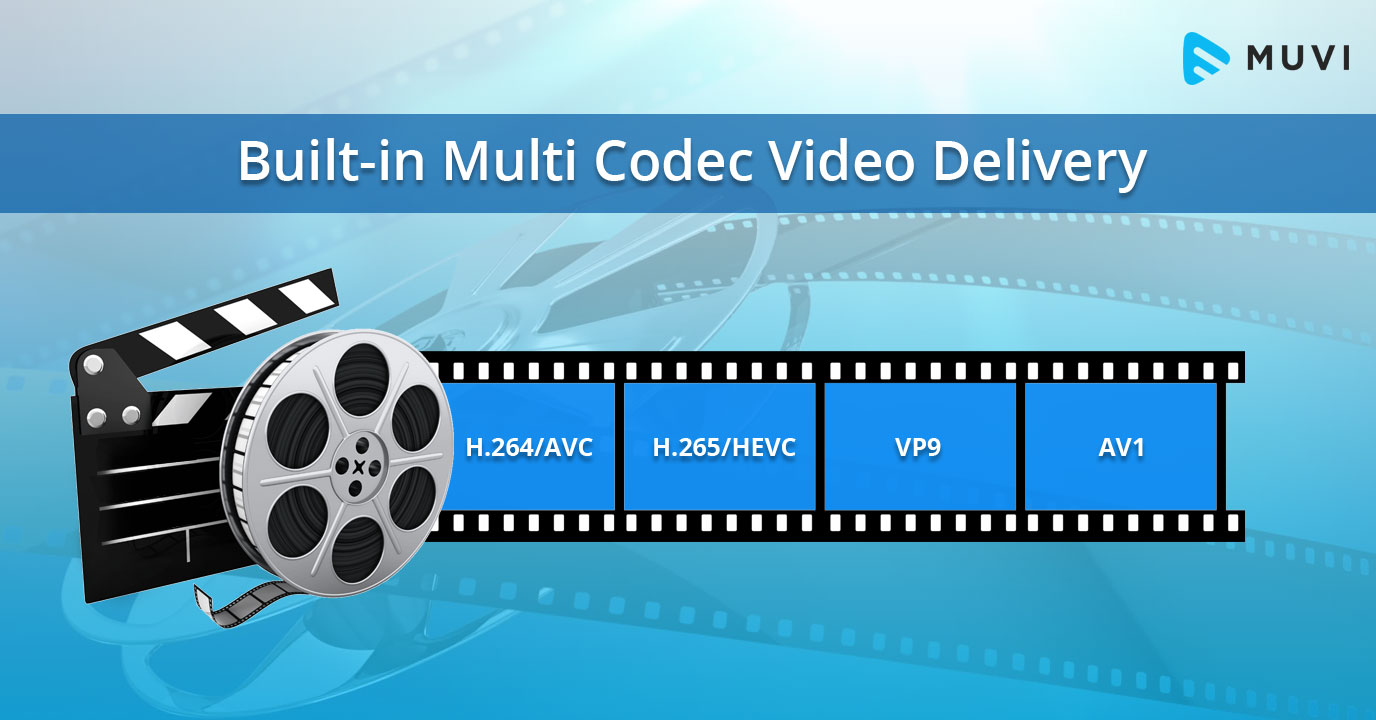
The most popular video codecs today are H.265, VP9, and AV1. H.265, also known as HEVC (High-Efficiency Video Coding), is a codec that offers the same quality as its predecessor (H.264) at half the bitrate. VP9, developed by Google, is an open-source codec that offers better compression efficiency than H.264. Finally, AV1 is a royalty-free codec developed by the Alliance for Open Media, offering even better compression efficiency than VP9.

As video content continues to evolve, so too do video codecs. It’s essential to stay up-to-date with the latest codec trends to ensure your video content is of the highest quality.

Quote: “Video is a powerful tool that can change the world. When you compress video, you’re taking that power and making it more accessible to everyone.” – Kevin Systrom

Latest Video Formats: What You Need to Know

Video formats determine how video data is stored and transmitted. They are also essential in determining playback quality and compatibility. With the advent of 4K and HDR content, new video formats have emerged to meet the demands of high-quality video content.

The most popular video formats today are MP4, AVI, and WMV. MP4 is the most widely used video format, supporting both high-quality video and audio. AVI is an older format but still widely used, while WMV is a proprietary format developed by Microsoft.

Newer video formats like MKV and WEBM offer better compression efficiency and support for 4K and HDR content. MKV, in particular, is an open-source format that offers support for multiple video, audio, and subtitle streams. WEBM, developed by Google, is a royalty-free format that supports high-quality video with a small file size.

Keeping up-to-date with the latest video formats is crucial for ensuring compatibility with modern devices and delivering high-quality video content.

Quote: “Video technology is driving the evolution of the internet.” – Bob Iger

How to Optimize Your Video Content

Optimizing your video content involves choosing the right codec and format for your needs, as well as ensuring your content is of the highest quality. This includes proper encoding settings, resolution, and aspect ratio.

When choosing a codec, consider factors like compression efficiency, compatibility, and licensing costs. For example, H.265 may offer the best compression efficiency, but licensing costs may be prohibitive for some businesses. Similarly, choosing the right format involves considering factors like playback quality, compatibility, and support for modern features like 4K and HDR.

Finally, ensuring your content is of the highest quality involves proper encoding settings, resolution, and aspect ratio. It’s essential to balance quality with file size, ensuring your content is optimized for both playback and streaming.

Quote: “Quality is not an act, it’s a habit.” – Aristotle

Final Words

Video codecs and formats are essential in delivering high-quality video content. Staying up-to-date with the latest trends is crucial for ensuring compatibility with modern devices and delivering the best possible viewing experience.

Codecs and Their Importance in Video Production

Codecs and Their Importance in Video Production

Video Codecs
Video Codecs
Video Codecs
Video Codecs


“A codec is a way of encoding and decoding video or audio data so that it can be transmitted, stored and played back efficiently,” says John Watkinson in his book The Art of Digital Video. In essence, a video codec is a software or hardware that compresses and decompresses video data. This process helps to reduce the size of video files, which makes them easier to store, transmit and stream over the internet.

The Function of Video Codecs

“Codecs are used to compress video data to reduce the amount of data that needs to be stored or transmitted,” explains Brian Nadel in his article on Techradar. He adds that codecs “also help to maintain the quality of the video by minimizing any loss of data during compression.” This is done by removing redundant information and compressing the remaining data without affecting the quality of the video.

The Different Types of Video Codecs

“There are two main types of codecs: lossy and lossless,” notes Larry Jordan in his article on Digital Media Net. Lossy codecs, such as H.264 and MPEG-4, compress video data by permanently discarding some of the information in the video. While lossy codecs result in smaller file sizes, they may also compromise the quality of the video. On the other hand, lossless codecs, such as Apple ProRes and Avid DNxHD, preserve all the information in the video, resulting in higher quality videos but larger file sizes.

Choosing the Right Video Codec

“When choosing a video codec, you must consider the final use of the video,” advises Richard Harrington in his book Video Made on a Mac. For instance, if you are creating a video for the internet, you may want to use a codec that results in a small file size without compromising the quality of the video. On the other hand, if you are producing a video for broadcast, you may want to use a lossless codec that maintains the quality of the video but results in a larger file size.

The Advantages of Video Codecs

“Video codecs are essential in modern video production because they help to compress video data, reducing storage space requirements and making video transmission over the internet much faster and smoother,” states Jeff Strong in his article on Lifewire. By compressing video data, codecs also make it possible to store and transmit high-quality videos without consuming excessive amounts of bandwidth.

The Disadvantages of Video Codecs

“Video codecs may also result in a loss of data, which can affect the quality of the video,” cautions Chris Stevens in his article on Adorama. Furthermore, some codecs may not be compatible with certain software or hardware, which can result in compatibility issues when editing or playing back videos. It is therefore essential to choose the right codec that meets your specific needs and requirements.

Final Words

In conclusion, video codecs play an essential role in modern video production, enabling efficient storage, transmission, and playback of video data. By understanding the different types of codecs and their respective advantages and disadvantages, you can choose the right codec for your specific needs and ensure that your videos are of the highest quality while being optimized for storage and transmission.

Compression formats and codecs for audio and video.

From mp3 format to H.265 and VP9 codecs, these are the most widely used audio and video compression formats.

codecs

The videos we watch on YouTube, the music we listen to through Spotify and iTunes, the photos taken with the digital camera. The multimedia content that we process daily is the result of a compression process that allows you to enjoy them without major headaches. Due to the weight of the files, the need arose to reduce their size so that they take up less disk space and can be exchanged faster on the network.

Over the years, two different compression techniques have been developed: one involving loss of information and one involving loss of information. This has led to the emergence of various codecs and formats, such as MPEG, MP3, MPEG-H and many others.

codecs

Without loss and without loss

Media compression can occur in two ways: lossy (translated with “lossless”) and lossless (translated with “lossless”). In the first case, encoding audio and video files involves loss of some information that is considered “useless” or non-essential. The files obtained through this process will have a lower quality than the original files, but the human eye or ear should not notice major differences. In an mp3 file, for example, the ultrasound is removed; In the case of a Jpeg file, groups of adjacent pixels and the like can be chromatically grouped into larger blocks and lose a certain amount of detail depending on the amount of compression performed.

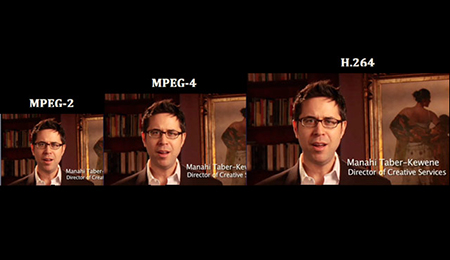
Comparison of MPEG formats

Losses without compression ensure that no loss of information is lost in the coding process. This is possible by using certain algorithms that eliminate redundant information by replacing it with some sort of “placeholder”. For example, the LLE (Run Length Encoding) algorithm identifies the usual repetition in the bitstream files and replaces them with a single symbol and the number of repetitions.

Video compression formats

DivX, Xvid. They belong to one of the first generations of the era of online multimedia content. In essence, these are two “twin” codecs: DivX was born as the proprietary format of the homonymous software house; XviD as a free and open source alternative with similar, if not identical, functionalities. They achieved great success and widespread popularity thanks to their ability to compress long clips (even full-length movies) into small files while maintaining a good quality level.

Comparing formats to the Internet.

– Google code. Google is increasingly engaged in the multimedia sector and is increasingly committed to investing in technologies that can minimize the impact on users’ bandwidth consumption. An example of this is the set of codecs and video compression formats developed in recent years. The latest addition is the VP9 codec, which is compliant with the 4K standard and is capable of guaranteeing a high reproduction quality associated with small files.

H.264. Among the most widely used video compression formats to create and distribute movies and videos of all sizes and resolutions, the H.264 codec (also known as MPEG-4 Part 10 AVC) is also known to be one of the Blue Disks-ray encoding standards . It is capable of guaranteeing excellent video quality at low bitrate levels (ie smaller files) and is widely used by web video streaming services (Vimeo, iTunes) and video playback software (Adobe Flashplayer and Microsoft Silverlight)

H.265. The inheritance of the H.264 codec (officially released only in April 2013) theoretically guarantees a double compression compared to its predecessor: therefore, for the same video quality, a video file compressed with the H.265 codec will weigh approximately half of that movie compressed with the H.264 codec. It is compatible with the 8K standard, which guarantees viewing videos with a resolution up to 8,192×4,320 pixels

All about installing audio and video codecs

Nowadays, with the massification of computer tools and the expansion of the Internet, almost all computer users use their equipment not only for simple office tasks, but also for fun and personal enjoyment, so multimedia tasks are They have become a more than common activity on any home PC.
While most users know that to play a video, listen to a song and view an image, it is not enough to play the file, but also the system must have the necessary codecs for it, the truth is that a large percentage of Users are completely unaware of what codecs are and what they are used for.

It should be noted that the term codec comes from an abbreviation of the set of words encoder and decoder, and as the name implies, they consist of a software specification that allows compressing and decompressing files.

What are codecs? What are codecs for?

In general, the different existing codecs are currently used to compress video, audio and image files, in order to make them smaller than their original source, to allow them to be easier to handle and Work on a computer.

Therefore, when trying to play for example a video file in an AVI container, which has been encoded with the Xvid codec, it will be necessary to have the same codec on the computer, since otherwise the reproduction will be impossible.

It is worth mentioning that codecs are also commonly used to compress data streams and signals, that is, to stream Internet radio and television, or allow a quality videoconference.

Most of the multimedia files contain video, audio and references data for the synchronization of both, so it must be necessary to apply the appropriate codecs to play a movie on our PC.

Compression of audio and video files

When using codecs to compress a multimedia file, in general a result will be obtained with some loss of quality, since in order to reduce the size of the original source, a loss of information will occur during the process.

However, there are also some types of codecs that do not report losses, such as FLAC and MSU, that allow the reproduction of a lossless audio or video file when the file is re-encoded.

However, in general codecs that compress with some loss of information are used, since the fundamental function of the use of codecs is to significantly reduce the size of the files to facilitate their manipulation.

Usually, when a video file is transformed with codecs, an automatic process is carried out that causes the codec to cut some of the information regarding the original image or sound, and then readjust it to a smaller space, and Finally codify it.

Most used audio and video codecs

In order to reproduce a file that has been compressed with some codec, it is essential that our system has the necessary codecs for decompression, for which codec packages can be installed, which generally contain the most used types of codecs. The most recommended codec packages are the ELISOFT Codec Pack and the K-Lite Codec Pack.

Although there are many codecs to reduce the size of multimedia files, the truth is that at present some are usually the most popular, as is the case of mp3 for audio and mp4 for video.

Next we tell you which ones with the audio and video codecs most used by users.

Most used audio codecs

Currently, audio codecs have been widely disseminated, as they are used by users to compress for example full music albums, so that they take up less space.

Keep in mind that a common audio disc can occupy up to 700 Mb, that is, a complete CD, while albums transformed to MP3 give rise to a huge storage capacity, allowing you to save between 7 and 8 discs on a single CD , because an MP3 compressed disk usually occupies between 80 and 90 Mb. depending on the bitrate rate at which they were worked.

At present, the most popular audio codecs are the MP3 format, the Ogg Vorbis, which is characterized by being a codec belonging to free software, and the AC3 that is usually used in DVD compressions as it is a multichannel codec (5.1).

Due to its great popularity obtained in recent years thanks to its massive dissemination on the Internet, especially in sites that allow the purchase and download of audio files, the leading audio compression format is undoubtedly the MP3.

What is a codec? Audio and video compression


Check our codecs and containers guide to not confuse you anymore. Learn what formats suit you.

Has it happened to you that you download a video file and then you can’t use it on your player? Or that you finally finish editing your video clip and it takes years to upload to the Internet? You might think it’s a problem with your file. You are not in error, only that the question is more specific: it is the codec and container you are using.

Perhaps they are somewhat strange terms, but they are gaining more and more publicity due to the growing online video and audiovisual production community. So if you plan to start your career as a youtuber, take into account the information, because if you end up with a final video with a weight of 1 GB it will not be fun to wait for it to upload…

In this guide we will explain what each of these elements consists of and how they work. We will talk about both: video and audio.

What is a codec?

Those who are dedicated to video editing know very well that storage space can be a problem. It is better to have the material you record in its original format, but most of the time this implies a considerable amount of GB of space. For example, if you record an hour of content with a high-definition camera you may need … up to 410 GB! This is complicated to keep it, much more if you want to transmit to other media. It is here that the subject gets interesting.

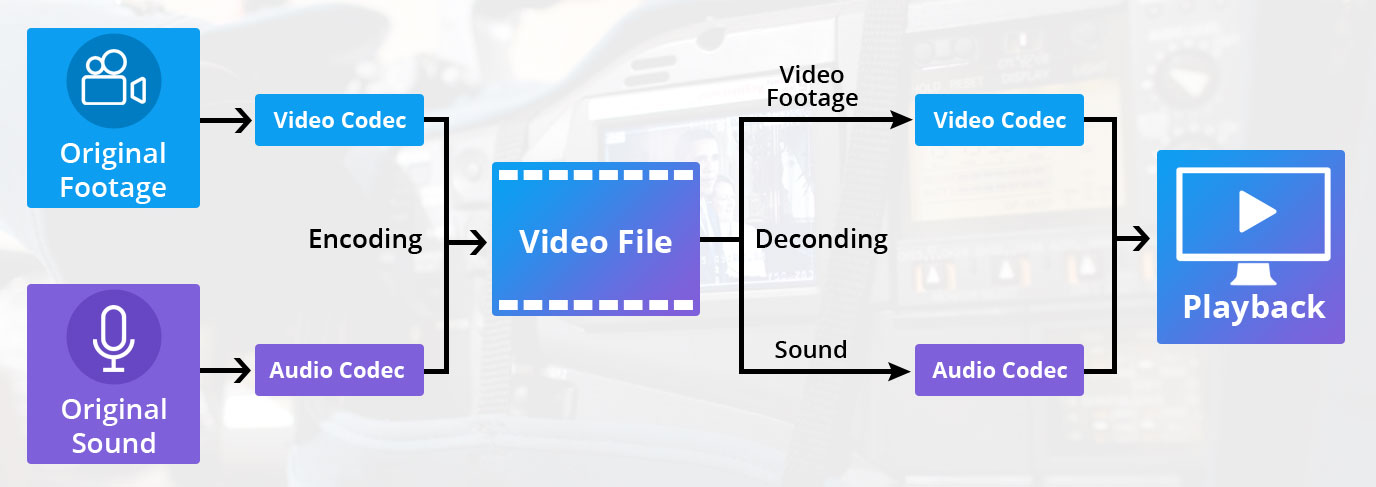
The term codec refers to the process of compression and decompression of video or audio. It is a tool that encodes the video through algorithms and converts it into information. This way you can decrease the file size.

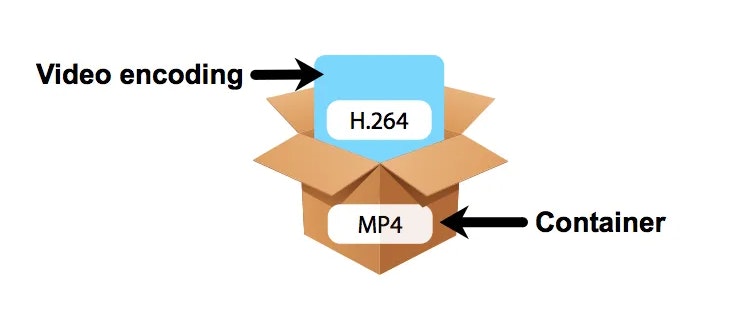
The choice of codec depends on different factors. You should take into account mainly the means of reproduction for the final product. However, coding is not enough for reproduction, it is also necessary to “package” the information to be able to present it. We are talking about containers.

What are those containers?

Suppose you just finished editing a video. The final file contains both images and audio, so you need a way to display it just as you prepared it. This “package” is basically what many refer to when they talk about the format of a file. Then, a container can accept different codecs, while players can use certain containers. For example, the VLC player accepts almost all containers.

Lossless and lossless codecs (lossy and lossless)

There are different types of compression, as we will see later. However, all of them can be divided into two categories: with or without loss. Loss of what? Quality. For example, in the case of audio files, it is not the same to listen to a song in FLAC (Free Lossless Audio Codec) format to one in MP3 (MPEG Audio Layer III). The first is coded in such a way that almost no information is lost at the time of compression, that is, fidelity is maintained.

The same goes for the video. When you want to save storage space, files with loss are compressed, that is, lossy. This makes them much easier to manage. However, it is inevitable to deal with the loss of data and, therefore, fidelity of the image or audio. On the other hand, when you want to maintain the highest possible quality and you have no problem of space, compressors are used without loss or lossless. Again, it all depends on the purpose of your file.