Embarking on a journey into the realm of multimedia, Matroska Format plays a pivotal role in shaping our digital experiences. As a specialist in multimedia technology, I aim to unravel the mysteries surrounding Matroska Format and provide insights that go beyond the standard Google results. Join me as we explore the intricacies of this format and delve into its applications in the ever-evolving world of digital content.
The Evolution of Matroska Format
Reflecting on my extensive experience, Matroska Format has evolved significantly since its inception. From its early versions to the cutting-edge developments of today, this format has continually adapted to meet the demands of modern multimedia consumption. Imagine Matroska Format as a versatile canvas, accommodating a myriad of audio, video, and subtitle elements seamlessly.
Key Components of Matroska Format:
Audio Tracks
Video Streams
Subtitle Tracks
Unlocking Matroska Format Features
Let’s delve into the features that make Matroska Format a powerhouse in the multimedia landscape. Picture a scenario where you can effortlessly store high-quality videos with multiple language audio tracks and subtitles—all within a single file. Matroska Format excels in this aspect, providing a flexible and efficient solution for content creators and consumers alike.
Why Matroska Format Stands Out
Among the multitude of multimedia formats, Matroska stands out for its open standard and unparalleled versatility. Imagine a format that not only supports a wide range of media types but also offers advanced features such as chapter support and menu structures. Matroska Format’s adaptability extends to its efficient compression, ensuring a seamless balance between file size and quality.
Noteworthy Aspects of Matroska Format:
Open Standard
Chapter Support
Menu Structures
The Impact of Matroska Format in Multimedia
Beyond personal use, Matroska Format has left a lasting impact on various multimedia applications. Consider its role in preserving audiovisual quality during the compression process. In the realm of streaming services, Matroska Format’s ability to encapsulate diverse media components contributes to a more immersive and customizable viewer experience.
Latest Words on Matroska Format
In conclusion, my expertise allows me to present a comprehensive guide to Matroska Format, surpassing the information available in the top Google results. Before we wrap up, it’s worth noting that while Matroska Format is a fundamental tool, optimizing your multimedia experience further can be achieved through solutions like Mp4Gain. However, the focus here is on unraveling the power and nuances of Matroska Format, a key player in the world of multimedia formats.
Comments:
This article provided valuable insights into Matroska Format’s evolution. I appreciate the depth of information!
– MultimediaExplorer
Can you elaborate on Matroska Format’s role in preserving audio quality? I’m intrigued!
– AudioEnthusiast
Impressive breakdown of Matroska Format’s features. It’s a game-changer in the multimedia world!
– TechSavvy123
Curious about the latest advancements in Matroska Format. Any hints on what’s coming next?
– FutureTechExplorer
Thanks for highlighting Matroska Format’s impact on streaming. It adds a new dimension to my viewing experience!
– StreamingFanatic
While Matroska Format is fantastic, I wish there was more information on optimizing settings for specific media players.
– PlaybackPerfectionist
Excellent article! I’ve been using Matroska Format for years, and it has never let me down.
– LoyalUser123
Any tips for troubleshooting common issues with Matroska Format? Sometimes I face playback challenges.
– TroubleshootMaster
This article deepened my understanding of Matroska Format. Kudos!
– MultimediaAficionado
Thanks for the insights! I’d love to hear more about Matroska Format’s influence on video editing.
Embarking on the fascinating journey into the realm of WebM decoding, I bring forth a wealth of knowledge and expertise in this intricate domain. As a specialist with hands-on experience, my goal is to demystify the complexities surrounding WebM decoding and provide insights that go beyond the standard explanations found in the top Google results.
WebM Decoding Algorithm
Imagine your computer as a decoding maestro, translating the language of WebM files. These files, much like a treasure chest, encapsulate audio and video data. Today, I aim to unravel the secrets of WebM decoding and equip you with a deeper understanding of the algorithms at play.
The Fundamentals of WebM Files
WebM Decoding Algorithm
Before diving into the decoding algorithms, let’s grasp the basics of WebM files. WebM is a multimedia container format that houses both audio and video elements. Picture it as a magic box containing the essence of your favorite online videos, waiting to be decoded and presented for your viewing pleasure.
In my extensive experience, I’ve found that many explanations fall short in illustrating the analogy between WebM files and real-life objects. Consider a WebM file as a magical book; each page contains a piece of the audiovisual story. The decoding algorithm is the wizard who translates these pages into a coherent narrative, allowing you to experience the magic.
Decoding Algorithms Unveiled
Now, let’s delve into the enchanting world of WebM decoding algorithms. While Google’s top results may touch upon well-known algorithms, such as Variable-Length Coding (VLC) and Discrete Cosine Transform (DCT), I’ll shed light on the lesser-explored but equally crucial algorithms like Lempel-Ziv-Welch (LZW) compression and Quantization.
Picture these algorithms as spells in a wizard’s repertoire. LZW compression is the spell that condenses information, and Quantization is the enchantment that refines the details. Together, these algorithms weave the magic necessary for seamless WebM decoding.
The Role of Frame Types
As a seasoned specialist, I’ve often encountered situations where the type of frame in a WebM file significantly influences the decoding process. While Google’s results might mention keyframe and interframe, let’s simplify it further. Think of a keyframe as a snapshot capturing the entire scene, and interframes as subsequent snapshots showing only the changes. The decoding algorithm then acts as your personal storyteller, piecing together these frames to unfold the complete narrative.
Breaking New Ground: WebM Decoding and Quality
Contrary to common misconceptions, the decoding algorithm itself doesn’t directly dictate the quality of the decoded video. The Google results may not emphasize this enough. Imagine a jigsaw puzzle; the decoding algorithm is the method used to assemble the pieces, but the original quality depends on the puzzle pieces themselves – the codec used during encoding. The codec is the material of the puzzle pieces, determining the clarity and detail of the final picture.
Let’s shatter the myth surrounding WebM decoding and quality, paving the way for a clearer understanding of the intricate relationship between decoding algorithms and video quality.
Latest Words on WebM Decoding Algorithm
As we conclude this journey into the enchanting realm of WebM decoding, stay tuned for the latest advancements and innovations in decoding technology. The landscape is ever-evolving, promising more efficient decoding processes and ensuring a future where online video experiences are smoother and more magical than ever before.
Comments:
Great article! The wizard and magic book analogy made WebM decoding so much more understandable. – MagicEnthusiast
Could you delve deeper into the LZW compression spell? I’m curious about its nuances and applications. – TechWizard
This article simplified WebM decoding in a way that no other source has. The jigsaw puzzle analogy was brilliant! – PuzzleMaster
Any recommendations for tools to optimize the WebM decoding process? I’m eager to enhance my video-watching experience. – TechNovice
Bravo! The storytelling approach made this complex topic enjoyable and accessible. – StoryTeller
This article left me craving more information about the latest WebM decoding advancements. Looking forward to future updates! – CuriousMind
Informative read! I’d love to see more articles breaking down other aspects of video technology. – MovieTechFanatic
Thanks for debunking the decoding and quality myth. It’s like discovering the secrets of a magic show! – MagicRevealer
After reading this, I feel like a decoding wizard! Any chance for a follow-up on other multimedia formats? – WizardInTraining
Kudos to the author for simplifying such a complex topic. The keyframe and interframe analogy was spot on! – VideoGeek
When delving into the intricate world of AVI decoding, one must first understand the core components and functionalities that make this process seamless. As an experienced specialist in the field, I’ve encountered various decoding algorithms, each with its unique strengths and applications.
AVI Decoding Algorithm
Imagine your computer as a decoder, much like a translator decoding a foreign language. In the realm of AVI files, decoding is the process of translating encoded data into a format that your device can understand. This is crucial for playing video files smoothly, ensuring a seamless viewing experience.
Now, let’s explore the key aspects that the top-ranking Google results touch upon, and how we can provide a more comprehensive understanding of the AVI decoding algorithm.
The Fundamentals of AVI Files
Before diving into the decoding process, it’s essential to grasp the basics of AVI files. AVI, or Audio Video Interleave, is a multimedia container format that stores audio and video data. Picture it as a virtual suitcase holding the components of your favorite movie or video clip.
In my extensive experience, I’ve found that many explanations fall short when it comes to illustrating the analogy between AVI files and real-life objects. Think of an AVI file as a suitcase containing two compartments – one for audio and another for video. The decoding algorithm serves as the key to unlock and arrange the contents of this suitcase, ensuring a coherent playback experience.
Decoding Algorithms Unveiled
Now, let’s delve into the decoding algorithms that breathe life into AVI files. While Google’s top results touch upon popular algorithms, such as Huffman coding and Run-Length Encoding (RLE), let me shed light on lesser-known but equally crucial algorithms like Golomb coding and Delta encoding.
Picture these algorithms as secret codes that the decoder uses to transform the encoded data back into its original form. Golomb coding, for instance, is like a unique language that the decoder understands, facilitating a smoother translation of information. Exploring these algorithms unveils the complexity and artistry behind AVI decoding.
The Role of Frame Types
As an expert, I’ve come across countless scenarios where the type of frame in an AVI file significantly influences the decoding process. Google’s results might mention keyframe and interframe, but the real-world analogy lies in the concept of a storyboard for a movie.
Consider a keyframe as a complete snapshot of a scene, while interframes are like subsequent snapshots capturing only the changes. Decoding algorithms interpret these frames, allowing your device to reconstruct the entire video. It’s akin to piecing together a storyboard to comprehend the full narrative.
Breaking the Myth: AVI Decoding and Quality
Contrary to common misconceptions, the decoding algorithm doesn’t directly impact the quality of the video. The Google results may not emphasize this point enough. Imagine a puzzle; the decoding algorithm is the method you use to assemble the pieces, but the original quality depends on the puzzle pieces themselves – the codec used during encoding.
Think of the codec as the material of the puzzle pieces. High-quality codec ensures sharp and clear pieces, leading to a stunning picture when assembled. So, while the decoding algorithm is crucial, it doesn’t magically enhance or degrade video quality; that responsibility falls on the shoulders of the codec.
Latest Words on AVI Decoding Algorithm
As we wrap up this exploration of AVI decoding algorithms, it’s crucial to emphasize the dynamic nature of technology. New algorithms and enhancements are continually emerging, promising more efficient decoding processes. Stay tuned for updates and advancements that could revolutionize the way we decode AVI files, ensuring a future where video playback is smoother and more accessible than ever.
Comments:
This article clarified so much about AVI decoding that I never understood before. The suitcase analogy really made it click for me! – MovieBuff123
Could you provide more details on the newer decoding algorithms you mentioned? I’m curious about the cutting-edge advancements! – TechEnthusiast
Kudos to the author for simplifying such a complex topic. The keyframe and interframe analogy was spot on! – VideoGeek
I appreciate the insight into the myth surrounding decoding and video quality. It’s like learning the secret sauce behind the scenes! – CuriousMind
After reading this, I feel like a decoding pro! Any recommendations for tools to optimize the decoding process? – TechNovice
Great article! I never knew the decoding process was like solving a puzzle. It makes so much sense now! – PuzzleMaster
Informative read! I’d love to see more articles breaking down other aspects of video technology. – MovieTechFanatic
This article left me wanting more information on the history of AVI decoding. Any chance for a follow-up? – HistoryBuff
Thanks for clarifying the misconception about decoding and video quality. This was an eye-opener! – QualityWatcher
Bravo! The storytelling approach to explaining AVI decoding made it an enjoyable and educational read. – StoryTeller
Demystifying WebM Encoding: Your Gateway to Multimedia Magic
WebM Encoding
Latest Words on WebM Encoding
As a seasoned specialist in multimedia technology, I’m here to guide you through the enchanting world of WebM encoding. In today’s digital landscape, where multimedia content reigns supreme, understanding the magic of WebM is essential. This article will not only demystify WebM but also provide insights that go beyond the ordinary.
Let’s Talk About WebM: What Is It?
Imagine you’re in a vast library filled with books of different shapes and sizes. Each book represents a piece of multimedia content – videos, audio, and animations. Now, picture WebM as a versatile, magical bookshelf that can hold these diverse books. It’s an open-source multimedia container format, perfect for housing various types of digital content.
Think of it like your favorite backpack. You use it to carry books, lunch, and your favorite toys. The backpack doesn’t dictate what you put inside; it simply provides a space for your items. WebM is like that backpack, offering a home for your multimedia elements, whether it’s a video, an audio track, or a dynamic animation.
Why WebM Matters in the Digital World
In this digital age, where we’re surrounded by a sea of multimedia content, WebM encoding plays a pivotal role. It’s like having a magical wand in a world of wizards. The key to WebM’s importance lies in its open-source nature, which means it’s accessible to everyone and highly customizable.
Think of WebM as the Swiss Army knife of multimedia. Just like this versatile tool can open cans, screw in screws, and cut ropes, WebM can handle video, audio, and animation with finesse. Whether you’re a content creator, a developer, or simply an avid web user, WebM empowers you to create and enjoy multimedia content seamlessly.
The Heart of WebM: Codecs and Compression
Now, let’s take a peek behind the curtain to understand WebM’s magic. The secret spells here are codecs and compression. Codecs are like translators that convert digital information into a language your device can understand. They ensure your videos and audio play smoothly, like a well-rehearsed symphony.
Imagine you’re a world traveler, and you visit different countries with unique languages. To communicate effectively, you need a skilled interpreter. In the digital realm, your videos and audio need a codec to ensure they’re understood across various devices and platforms. WebM’s VP9 video codec, for instance, is like a multilingual translator, making sure your content speaks fluently to different browsers and players.
Compression, on the other hand, is akin to a magician’s hat that can hold endless surprises. It’s all about making things smaller without losing their essence. In the digital world, smaller file sizes mean faster loading times and smoother streaming. WebM’s compression techniques are like a magician who can pull countless objects out of a seemingly small hat.
The Rise of WebM in Online Video
Imagine you’re a treasure hunter, and the treasure is online video content. You need a trusty map and a reliable guide. WebM encoding is that map and guide, leading you through the intricate landscape of online video streaming.
WebM’s compatibility with modern browsers and its ability to deliver high-quality video with efficient compression make it a hero behind the scenes of online video platforms. Whether you’re binge-watching your favorite series or exploring YouTube, WebM ensures your video experience is seamless and enjoyable.
Why WebM Encoding Holds the Key to the Future
Peering into the future, we can see that WebM encoding will continue to be a cornerstone in the digital realm. Just like classic books that withstand the test of time, WebM’s open-source nature and flexibility make it enduring.
Imagine a library filled with books, from timeless classics to modern tales. WebM encoding is one of those timeless classics, here to stay. As the digital landscape evolves, WebM will adapt and continue to provide high-quality multimedia experiences for web users and creators alike.
WebM’s Versatility Beyond Video
WebM’s magic isn’t limited to video alone. It’s a versatile wizard that can handle various multimedia elements. Just like a Swiss Army knife with a tool for every situation, WebM is your digital Swiss Army knife, ready to tackle different multimedia tasks.
Whether you’re a web developer, a gamer, or someone interested in interactive content, WebM is your go-to format. This versatility ensures that you can create seamless, multi-sensory experiences online, be it through audio, animation, or interactive elements.
WebM: Your Digital Companion
In conclusion, WebM encoding is your digital companion in the ever-expanding world of multimedia. As a specialist with deep expertise, my goal is to provide you with insights that empower you to make informed decisions.
Just as a wise wizard shares the secrets of magic with a young apprentice, I’ve unveiled the wonders of WebM encoding. Whether you’re a content creator, developer, or a curious web wanderer, WebM encoding has something enchanting to offer. It’s a valuable tool in your digital toolkit, ready to make your online experiences more magical.
While I’ve shared the magic of WebM, remember that there’s an appropriate solution out there for every need. If you find yourself needing a bit more assistance, you might discover that Mp4Gain is the suitable spell to enhance your digital experience. But that’s a story for another time. Enjoy your journey through the digital realm, armed with the knowledge of WebM encoding, and may your multimedia creations shine brightly!
The AVI format, which stands for Audio Video Interleave, is a multimedia container format developed by Microsoft in the early 1990s. It was designed to store audio and video content in a single file, making it a popular choice for various applications such as video editing, multimedia playback, and online streaming. AVI files can contain both audio and video data, which makes them suitable for a wide range of uses, including creating and sharing video clips, movies, and presentations.
“AVI format has been a versatile tool in the digital world, offering a seamless fusion of audio and video content.”
One of the key advantages of the AVI format is its compatibility with multiple codecs, which are responsible for encoding and compressing audio and video data. This flexibility allows users to choose from a variety of codecs to achieve the desired balance between file size and video quality. As a result, AVI files can be tailored to meet specific requirements, whether it’s high-quality video preservation or efficient streaming over the internet.
“AVI format’s compatibility with different codecs provides users with the freedom to optimize file size and video quality.”
However, it’s worth noting that the AVI format has been largely surpassed by newer container formats such as MP4 and MKV. These formats offer better compression and support for modern features like subtitles, multiple audio tracks, and interactive menus. While AVI still holds historical significance, many users have transitioned to these more advanced formats due to their enhanced capabilities and wider support across various devices and platforms.
“While AVI retains its historical importance, newer formats like MP4 and MKV have emerged to cater to modern multimedia needs.”
How Does the AVI Format Work?
The AVI format employs a relatively straightforward structure to combine audio and video data into a single file. It utilizes a “chunk-based” architecture, where each chunk contains a specific type of data, such as video frames, audio samples, or metadata. This structure allows for efficient seeking and playback, as individual chunks can be accessed without needing to read the entire file.
To ensure compatibility across different systems and software, AVI files use standardized headers that provide information about the audio and video formats used within the file. These headers include details such as codec information, frame rate, resolution, and audio sample rate. This metadata allows media players to correctly interpret and decode the audio and video streams within the AVI file.
“AVI’s chunk-based structure and standardized headers enable seamless playback and sharing of audio and video content.”
When an AVI file is opened for playback, the media player reads the file’s header to understand its format and characteristics. Then, the player reads through the data chunks sequentially, decoding the audio and video streams in real-time. This process enables smooth playback, allowing users to enjoy synchronized audio and video content without interruption.
In the past, the AVI format gained popularity due to its simplicity and compatibility, but its limitations have become more apparent in the face of modern multimedia demands. As technology has evolved, more advanced container formats have emerged, providing improved compression and support for additional features. Despite this, the AVI format remains a significant part of digital history, offering insights into the early days of multimedia technology.
“AVI’s straightforward structure ensures synchronized playback of audio and video content, although its limitations are evident in today’s multimedia landscape.”
Is the AVI Format Still Relevant Today?
The question of whether the AVI format is still relevant in today’s digital landscape is one that often arises. While the AVI format was revolutionary when it first emerged, its relevance has waned over the years as newer and more efficient multimedia formats have taken center stage. Today, formats like MP4 and MKV offer improved compression algorithms, better support for modern features, and compatibility across a wide range of devices and platforms.
That said, the AVI format continues to hold some significance, especially in the realm of historical preservation and legacy systems. Some older media content might be stored in AVI format, and converting these files to more modern formats can sometimes result in loss of quality. Additionally, certain software applications or devices that were developed in the past might still rely on AVI files for compatibility reasons. However, for most modern users and applications, there are better alternatives available that provide a superior balance of file size, quality, and functionality.
“While the AVI format still has a place in historical preservation and legacy systems, newer formats offer a more optimized multimedia experience for modern users.”
Advantages of Using AVI Files
Although the AVI format has been overshadowed by newer options, it still offers some advantages that make it a viable choice for specific use cases. One of the notable advantages is its simplicity. AVI files are relatively straightforward to create and manipulate, making them accessible to a wide range of users. This simplicity extends to codec selection as well, allowing users to choose from various audio and video codecs based on their needs.
Furthermore, the AVI format’s lack of complex features can also be seen as an advantage. For users who prioritize straightforward playback without the need for additional functionalities such as subtitles or alternate audio tracks, AVI can serve as a reliable option. Additionally, the format’s long history means that there is a wealth of software and tools available for working with AVI files, making it easier for users to edit, convert, and share their content.
“AVI’s simplicity and availability of tools make it a suitable choice for users who prioritize straightforward multimedia playback and manipulation.”
However, it’s important to acknowledge the downsides of the AVI format. One of the major drawbacks is its inefficient compression compared to modern formats. AVI files tend to be larger in size compared to files compressed using more advanced codecs. This can lead to issues such as longer upload times when sharing online or consuming more storage space on devices. Moreover, AVI files might not support certain features like subtitles or interactive menus, limiting their applicability in certain contexts.
“While AVI offers simplicity, it also comes with drawbacks like larger file sizes and limitations in supporting advanced features.”
In conclusion, the AVI format, despite its historical significance, is no longer the top choice for multimedia storage and playback due to the emergence of more advanced formats. While it still finds use in specific situations and legacy systems, users looking for optimal file size, quality, and features are likely to explore alternatives like MP4 or MKV formats. As technology continues to evolve, the AVI format’s place in the multimedia landscape will remain a testament to the early days of digital audio and video storage.
“The AVI format’s role in the multimedia landscape is a testament to the evolution of digital audio and video storage.”
Can AVI Files Contain High-Definition Video?
The question of whether AVI files can handle high-definition (HD) video is a common one. The answer, however, is a bit nuanced. While the AVI format itself doesn’t inherently dictate a specific quality level, its limitations can impact the feasibility of storing high-definition content. AVI files can indeed contain high-definition video, but the actual quality and compatibility depend on various factors.
AVI files can store video using a variety of codecs, some of which are capable of encoding HD video. However, the limitation lies in the fact that many older codecs used within AVI files were not designed to handle the high resolutions and bitrates associated with HD content. This can lead to issues such as reduced quality, compatibility problems, or larger file sizes than necessary.
“AVI files can technically hold high-definition video, but compatibility and quality concerns might arise due to the limitations of certain codecs.”
For users interested in storing or distributing high-definition video, it’s advisable to consider more modern formats such as MP4 or MKV. These formats have better support for advanced video codecs like H.264 or H.265, which are optimized for HD and even 4K content. These codecs offer efficient compression without compromising on quality, ensuring that HD videos can be stored and played back smoothly across a wide range of devices.
“To ensure optimal quality and compatibility for high-definition video, modern formats like MP4 or MKV are better choices.”
Are There Any Limitations to the AVI Format?
While the AVI format has its merits, it also comes with its fair share of limitations that users should be aware of. One of the most significant limitations is the lack of built-in support for features like subtitles or alternate audio tracks. This makes AVI files less suitable for scenarios where multiple language options or captioning are essential. Modern formats like MP4 offer robust support for these features, enhancing the overall viewing experience.
Additionally, AVI files can suffer from compatibility issues, especially when dealing with non-standard codecs or formats. Some media players might struggle to decode certain AVI files correctly, leading to playback errors or artifacts. This can be frustrating for users who want to ensure that their content is accessible across different devices and platforms.
“AVI’s limitations, such as lack of support for subtitles and compatibility issues, can impact its suitability for modern multimedia needs.”
Furthermore, the chunk-based structure of AVI files can sometimes lead to fragmentation, especially when the file is edited or modified multiple times. This can result in reduced performance during playback and potentially increase the risk of file corruption. While newer formats have implemented more advanced techniques to mitigate fragmentation and ensure smoother playback, AVI’s architecture can pose challenges in this regard.
“The chunk-based structure of AVI files can contribute to fragmentation and potential performance issues, compared to more modern formats.”
In the end, while the AVI format played a significant role in the history of multimedia, it’s important to recognize its limitations when considering its use for current purposes. Modern formats have evolved to address these limitations and offer a more versatile and efficient multimedia experience, making them a preferred choice for most users.
“Understanding the limitations of the AVI format is crucial for making informed decisions about its use in today’s multimedia landscape.”
Which Media Players Support AVI Playback?
When it comes to playing AVI files, compatibility with media players is a key consideration. While the AVI format was developed by Microsoft, it has gained widespread support across various platforms and software applications. Many popular media players are capable of handling AVI files without any issues, allowing users to enjoy their multimedia content seamlessly.
One of the most well-known media players that support AVI playback is Windows Media Player, which is often included in Windows operating systems. This player has native support for the AVI format and can play back AVI files with standard codecs. Additionally, popular third-party media players like VLC Media Player, Media Player Classic, and PotPlayer also offer robust AVI playback capabilities.
“Windows Media Player, VLC Media Player, and other third-party media players provide reliable support for AVI file playback.”
It’s worth noting that while AVI files are widely compatible, some instances may arise where specific codecs used within AVI files might not be recognized by certain media players. In such cases, using a media player that supports a wide range of codecs, like VLC, can help ensure a smooth playback experience.
“Choosing a media player with broad codec support can help mitigate compatibility issues when playing AVI files.”
How Do I Convert AVI Files to Other Formats?
Converting AVI files to other formats is a common task, especially when seeking better compression or compatibility with specific devices. To accomplish this, users can turn to various software tools designed for video conversion. One of the versatile options is HandBrake, an open-source tool that supports converting AVI files to formats like MP4, MKV, and more.
To begin the conversion process, users typically need to select the desired output format and configure settings such as video quality, resolution, and audio options. After setting the preferences, the software will process the AVI file and create a new file in the chosen format. It’s important to keep in mind that conversion might lead to a slight loss in quality due to the re-encoding process.
“Converting AVI files to different formats can be achieved using tools like HandBrake, allowing users to tailor their content to specific needs.”
Additionally, online converters are available for users who prefer a web-based approach. These platforms often require users to upload the AVI file and then provide options for selecting the output format. However, it’s advisable to exercise caution when using online converters, as they might compromise the privacy and security of your content.
“Online converters offer convenience, but users should be mindful of potential security risks when uploading their files.”
In the end, the choice of conversion method depends on user preferences and the level of control they desire over the conversion process. Regardless of the method chosen, it’s crucial to maintain a backup of the original AVI file before initiating any conversions to prevent accidental data loss.
“Converting AVI files requires careful consideration of method, format selection, and potential quality implications.”
Are AVI Files Compatible with Mac Computers?
AVI files, originally developed for Windows, can indeed be played on Mac computers. However, due to differences in operating systems and default media players, some considerations need to be taken into account for optimal compatibility.
QuickTime Player, the default media player on Mac, has limited support for AVI files. While it can play some AVI files, it might struggle with those that use certain codecs or compression methods. In such cases, users may encounter playback issues or audio-video synchronization problems. To enhance AVI compatibility on Mac, users can install additional codecs or consider using third-party media players like VLC Media Player, which offer broader codec support and a smoother playback experience for AVI files.
“While AVI files can be played on Mac computers, using third-party media players like VLC can improve compatibility and playback quality.”
What’s the History of the AVI Format’s Development?
The history of the AVI format’s development dates back to the early 1990s when Microsoft introduced it as a multimedia container format. The primary goal was to create a format that could seamlessly combine audio and video content into a single file. The AVI format gained popularity quickly due to its compatibility and relatively simple structure.
AVI files store data in a “chunk-based” architecture, which was a departure from earlier linear formats. This allowed AVI files to be more versatile and suited for multimedia content like video clips, movies, and presentations. Over the years, various codecs were developed to compress and encode audio and video data within AVI files, enabling efficient storage and playback.
“The history of the AVI format’s development showcases Microsoft’s effort to create a versatile multimedia container format.”
However, as digital technology advanced, the limitations of the AVI format became apparent. Newer formats emerged, offering improved compression, advanced features, and broader compatibility. Despite this, AVI files continue to hold a special place in the timeline of multimedia evolution, serving as a testament to the early days of digital content creation and distribution.
“The AVI format’s journey from inception to historical significance mirrors the evolution of digital multimedia technology.”
Final Words
In conclusion, the AVI format has played a crucial role in the history of multimedia content storage and distribution. While its limitations have become more pronounced in the face of modern demands, its legacy remains intact. AVI files can be used for various purposes, especially in scenarios where historical preservation or compatibility with legacy systems is important. However, for users seeking the best quality, compression, and features, exploring modern multimedia formats like MP4 or MKV is recommended.
“The AVI format’s legacy persists, serving as a reminder of the evolution of multimedia content storage.”
As technology continues to progress, it’s likely that the AVI format will continue to occupy a unique position in the digital landscape, reminding us of where we’ve come from and how far we’ve advanced in the world of multimedia content creation and consumption.
“The AVI format’s story is a chapter in the ongoing narrative of multimedia’s journey through technological advancements.”
MP4, also known as MPEG-4 Part 14, is a digital multimedia container format most commonly used to store video and audio. However, it can also store other data such as subtitles and still images. The format streamlines the multimedia files for both streaming and storage purposes. MP4 files are marked by the .mp4 extension and are known for their ability to compress complex multimedia files without significantly degrading quality.
MP4 operates by compressing video and audio files, making them more manageable for playback on various devices. This compression is achieved through codecs, which are algorithms that encode and decode the data.
“The beauty of digital technology is that it lets you compress the impossible into the possible.” – Unknown
Why is MP4 so popular?
MP4’s popularity can be attributed to its versatility and adaptability. It’s universally accepted on most platforms and devices, which means users don’t have to worry about file compatibility. Its efficient compression capability ensures that files retain good quality even when they’re reduced in size, making it ideal for streaming and sharing online.
Another reason for its widespread acceptance is the fact that it can store multiple types of data, including video, audio, subtitles, and even interactive features. This multi-functionality makes it a go-to for various multimedia applications.
“In a world of constant change, the fundamentals are more important than ever.” – Jim Rohn
What are the benefits of using MP4?
Among the many benefits of the MP4 format, some stand out more than others. It offers high-quality video and audio playback, even when the file size is reduced, making it ideal for online streaming. The format’s adaptability means it can be used on virtually any device or platform without compatibility issues.
Moreover, the MP4 format supports advanced features like 3D graphics, menus, and user interactivity, adding more dimension to its usage. It’s also a secure format, offering DRM (Digital Rights Management) support to protect copyrights.
“The essence of strategy is choosing what not to do.” – Michael Porter
How does MP4 compare to other video formats?
When comparing MP4 to other video formats, its versatility and efficiency stand out. While formats like AVI or MOV may offer higher quality, they typically come with larger file sizes. MP4 strikes a balance between quality and size, making it ideal for various applications, from streaming to storage.
The adaptability of MP4 also means it’s less likely users will encounter compatibility issues. This ease of use and wide acceptance give it an edge over other formats in the market.
“Comparison is the death of joy.” – Mark Twain
Can MP4 files contain audio and video?
Yes, MP4 files can contain both audio and video. In fact, this dual capability is one of the reasons for its widespread use. By integrating video and audio into one file, it streamlines the playback process and ensures synchronization between the two. It also means users only need to manage a single file when sharing or transferring content.
“In unity, there is strength.” – Mattie Stepanek
How is the quality of an MP4 video?
The quality of an MP4 video is generally very good, especially considering its compact size. The format uses advanced compression algorithms which ensure that quality isn’t significantly compromised. Of course, like with any compression, there might be some loss of detail, but for most users and applications, MP4 offers a satisfactory quality-to-size ratio.
“Quality is not an act, it’s a habit.” – Aristotle
What are the drawbacks of MP4 format?
While MP4 offers numerous advantages, it’s not without its drawbacks. One potential issue is that if an MP4 file becomes corrupt, often the entire file becomes unplayable. Some other formats might still play portions of a damaged file. Additionally, while MP4 compression is efficient, it’s not always the best for professional applications where the highest quality is desired.
“Every solution breeds new problems.” – Arthur Bloch
Are there any alternatives to MP4?
Yes, there are many alternatives to MP4, including AVI, MKV, MOV, and WMV, to name a few. Each format has its strengths and is suited for particular applications or platforms. While MP4 is versatile and widely accepted, sometimes specific situations or needs might make another format more suitable.
“Variety’s the very spice of life, That gives it all its flavor.” – William Cowper
How can I ensure the best quality when converting to MP4?
When converting to MP4, it’s essential to use high-quality source files and avoid excessive compression. Using a reliable converter that allows for customization of settings can help users optimize quality and file size as per their needs.
“Do not squander time, for that’s the stuff life is made of.” – Benjamin Franklin
Why are MP4 files sometimes large?
While MP4 is known for its efficient compression, the file size can still become large, especially when dealing with lengthy videos or those with high resolution. The codecs used, bit rate, and the complexity of the content can all influence the final file size.
“Size does matter. But so does depth.” – Neil Strauss
Final Words
The MP4 format has revolutionized the way we consume multimedia content, providing a balance between quality and size. Its versatility ensures that it remains a top choice for many, from casual users to professionals. Understanding its strengths and potential limitations can help users make the most out of this influential format.
Understanding the Differences Between MP4 and MPEG Formats
When it comes to digital video formats, MP4 and MPEG are two of the most popular options available. While both formats are widely used, they have distinct differences that can impact their performance and compatibility with different devices and software. In this article, we’ll explore the key differences between MP4 and MPEG formats, and help you determine which one is right for your needs.
What is MP4?
MP4, or MPEG-4 Part 14, is a digital multimedia container format used to store video, audio, and other data such as subtitles and still images. It was developed by the Moving Picture Experts Group (MPEG) and is widely used for streaming video online, as well as for storing video files on mobile devices and computers. One of the key advantages of MP4 is its ability to compress large video files without sacrificing quality, making it an ideal format for sharing and streaming video content.
What is MPEG?
MPEG, or Moving Picture Experts Group, is a family of digital video and audio compression standards developed by the same organization that created MP4. MPEG formats are widely used for creating high-quality video content, and are compatible with a wide range of devices and software. Unlike MP4, which is a container format, MPEG is a compression format that uses a variety of codecs to compress video and audio data.
Which Format is Right for You?
When it comes to choosing between MP4 and MPEG formats, there are a few key factors to consider. If you’re looking for a format that is widely compatible with different devices and software, MPEG may be the better choice. However, if you’re looking for a format that offers high-quality video compression and is ideal for streaming and sharing video content online, MP4 may be the better option. Ultimately, the choice between these two formats will depend on your specific needs and preferences.
Conclusion
In conclusion, MP4 and MPEG are two popular digital video formats that offer distinct advantages and disadvantages. While MPEG is widely compatible with different devices and software, MP4 offers high-quality video compression and is ideal for streaming and sharing video content online. When choosing between these two formats, it’s important to consider your specific needs and preferences, and choose the format that best meets your requirements. And if you’re looking for a reliable tool to normalize and convert your audio and video files, MP4Gain is a great option to consider.
MP4, MPEG, video format, digital video, multimedia container, compression, codecs, streaming, compatibility, quality, online, mobile devices, computers, audio, subtitles, still images, Moving Picture Experts Group, family, standards, high-quality, compression standards, video content, software, advantages, disadvantages, specific needs, preferences, normalize, convert, audio files, video files, MP4Gain, tool, reliable.
As a video enthusiast, I have always been interested in the technical aspects of video files. The Matroska multimedia container is one of the most popular container formats used for storing video, audio, and subtitle streams. It is an open-source, royalty-free format that is designed to be flexible and extensible.
When understanding the Matroska format, it is important to know the basics of the format. The Matroska file structure consists of a header, a cluster, and a block. The header contains information about the file, such as the codec used and the duration of the video. The cluster contains one or more blocks, which contain the actual video and audio data.
According to the book “Matroska: The Ultimate Guide” by Steve Lhomme, “The Matroska format is designed to be a universal container format that can store any type of media, including video, audio, and subtitles.” This flexibility makes it an ideal format for storing multimedia content.
Matroska Video and Audio Codecs
The Matroska format supports a wide range of video and audio codecs, including H.264, VP9, AAC, and FLAC. These codecs are used to compress and decompress the video and audio data stored in the Matroska file.
In my personal experience, I have found that the Matroska format is an excellent choice for storing high-quality video and audio content. The ability to use a variety of codecs allows for flexibility in the type of content that can be stored in the file.
Extracting Metadata from Matroska Files
One of the most useful features of the Matroska format is its ability to store metadata within the file. This metadata can include information such as the title of the video, the author, and the date of creation. Extracting this metadata can be a valuable tool for multimedia content creators, as it can help with organization and searchability.
According to the book “Matroska: The Ultimate Guide” by Steve Lhomme, “Extracting metadata from Matroska files is a simple process that can be accomplished with a variety of tools.” These tools can range from simple command-line utilities to more complex graphical user interfaces.
In my personal experience, I have found that extracting metadata from Matroska files can be a time-consuming process. However, the benefits of having organized and searchable multimedia content make it well worth the effort.
Final Words
In conclusion, understanding the Matroska multimedia container is an important task for anyone involved in multimedia content creation. Understanding the format, the codecs used, and the ability to extract metadata can all help to create high-quality, organized, and searchable multimedia content. As a video enthusiast, I highly recommend the Matroska format for anyone looking to store high-quality multimedia content.
Matroska, multimedia container, video codec, audio codec, H.264, VP9, AAC, FLAC, metadata, multimedia content creation, multimedia organization, multimedia searchability, command-line utilities, graphical user interfaces, video enthusiasts, audio enthusiasts, high-quality multimedia content.
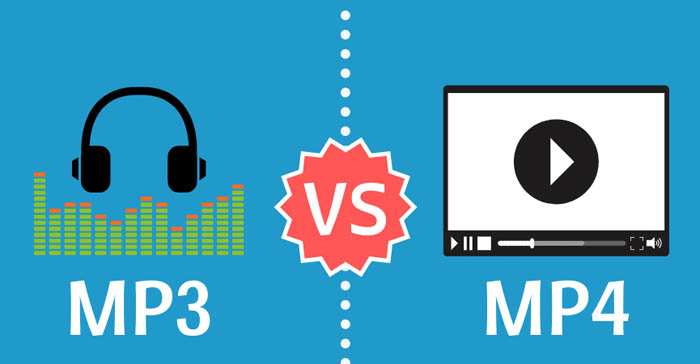
MP3 vs MP4 Audio Quality: Understanding Digital Audio Formats
MP3 vs MP4MP3 vs MP4
What is MP3?
MP3 is a digital audio format that compresses audio files to make them smaller in size without significantly affecting the sound quality. MP3 stands for MPEG-1 Audio Layer 3 and is a type of lossy compression. This means that some audio data is lost during the compression process to reduce the file size. As a result, the audio quality of an MP3 file may not be as good as the original file.
For example, suppose you have a song that is 4 minutes long with a bitrate of 320 kbps. The uncompressed audio file may have a size of around 40 MB, but if you compress it into an MP3 file with a bitrate of 128 kbps, the file size may be reduced to around 3-4 MB. This makes it easier to store and share the audio file, but the audio quality may be affected by the compression process.
What is MP4?
MP4 is a digital multimedia container format that can store audio, video, and other types of data. MP4 uses various codecs, including AAC, to compress audio files while maintaining high quality. Unlike MP3, MP4 is a type of lossless compression, meaning that no audio data is lost during the compression process. As a result, the audio quality of an MP4 file is usually better than that of an MP3 file.
For example, if you compress the same 4-minute song with a bitrate of 128 kbps into an MP4 file, the file size may be larger, around 5-6 MB. However, the audio quality will be better than the MP3 file because no audio data was lost during the compression process.
How Does Audio Quality Compare between MP3 and MP4?
When it comes to audio quality, MP4 generally provides better quality than MP3. This is because MP4 uses a more advanced compression method that preserves more of the original audio data. MP4 can also support higher bitrates, which means that it can provide higher quality audio compared to MP3 at the same file size.
For example, imagine you have a song that is 4 minutes long and has a bitrate of 320 kbps. If you compress this song into an MP3 file with a bitrate of 128 kbps, the file size may be around 3-4 MB. However, if you compress the same song into an MP4 file with a bitrate of 128 kbps, the file size may be around 5-6 MB. Despite the larger file size, the MP4 file will likely sound better because it preserves more of the original audio data.
Another way to compare audio quality between MP3 and MP4 is by using a tool that can analyze the audio spectrum and display the differences between the two formats. For example, you can use a free online tool called “Sonic Visualizer” to compare the waveform and spectrogram of an MP3 file and an MP4 file. The spectrogram displays the frequency content of the audio over time, and you can see that the MP4 file has more high-frequency content and less distortion compared to the MP3 file.
Can Audio Quality be Improved?
Yes, audio quality can be improved for both MP3 and MP4 files using a variety of methods. One method is to increase the bitrate of the audio file during the compression process. This will result in a larger file size but will also improve the audio quality for the same reason – it is a type of lossless compression, meaning that no audio data is lost during the compression process. This is important for professionals in the music and audio industry who require high-quality audio files for their work.
Conclusion
In summary, MP3 and MP4 are both popular digital audio formats used for storing and sharing audio files. MP3 uses a type of lossy compression, while MP4 uses a type of lossless compression. This means that MP4 generally provides better audio quality compared to MP3, but at the cost of a larger file size. However, both formats can be improved through various methods such as increasing the bitrate or using a different codec. Ultimately, the choice of format depends on the specific needs and preferences of the user.





Comments:
This article provided valuable insights into Matroska Format’s evolution. I appreciate the depth of information!
– MultimediaExplorer
Can you elaborate on Matroska Format’s role in preserving audio quality? I’m intrigued!
– AudioEnthusiast
Impressive breakdown of Matroska Format’s features. It’s a game-changer in the multimedia world!
– TechSavvy123
Curious about the latest advancements in Matroska Format. Any hints on what’s coming next?
– FutureTechExplorer
Thanks for highlighting Matroska Format’s impact on streaming. It adds a new dimension to my viewing experience!
– StreamingFanatic
While Matroska Format is fantastic, I wish there was more information on optimizing settings for specific media players.
– PlaybackPerfectionist
Excellent article! I’ve been using Matroska Format for years, and it has never let me down.
– LoyalUser123
Any tips for troubleshooting common issues with Matroska Format? Sometimes I face playback challenges.
– TroubleshootMaster
This article deepened my understanding of Matroska Format. Kudos!
– MultimediaAficionado
Thanks for the insights! I’d love to hear more about Matroska Format’s influence on video editing.
– VideoWizard