Mp4 & Quicktime

Mp4 Quicktime: Unleashing the Power of Video Playback

Mp4 & Quicktime
Mp4 & Quicktime
Mp4 & Quicktime
Mp4 & Quicktime

Let’s Talk about Mp4 Quicktime

Mp4 & Quicktime
Mp4 & Quicktime

Embarking on a journey to explore the wonders of Mp4 Quicktime is like stepping into a world where seamless video playback takes center stage. As a seasoned specialist in the realm of multimedia, I’ve witnessed the evolution of video formats, and Mp4 Quicktime stands out as a key player in delivering high-quality, efficient video playback experiences.

Mp4 & Quicktime
Mp4 & Quicktime

The Evolution of Video Formats: A Quicktime Perspective

Picture this: the world of video formats is like a vast library, each format representing a unique chapter in the story of multimedia. Mp4 Quicktime, with its roots in the Quicktime technology, emerges as a pivotal chapter. Quicktime, like a pioneer, laid the foundation for multimedia experiences, and Mp4 Quicktime carries the torch forward, providing a versatile and widely compatible platform for video playback.

Key Features of Mp4 Quicktime:

  • Efficient Compression: Balancing Quality and File Size
  • Broad Compatibility: Seamless Integration Across Devices
  • Streaming Capabilities: Redefining On-the-Go Entertainment

Unveiling the Magic: How Mp4 Quicktime Enhances Video Playback

Now, let’s dive into the magic of Mp4 Quicktime and how it enhances the video playback experience. Imagine this scenario: you’re hosting a movie night, and the crisp, clear visuals, and immersive sound transport everyone into the heart of the story. Mp4 Quicktime ensures that every frame is presented with precision, making it an ideal choice for both casual viewers and multimedia enthusiasts.

Behind the Scenes: The Technology Fueling Mp4 Quicktime

Understanding the technology behind Mp4 Quicktime is akin to peeking behind the curtain of a theater to see the intricate workings of a stage production. Mp4, short for MPEG-4, employs advanced compression algorithms, optimizing file sizes without compromising quality. Quicktime, on the other hand, provides the stage where these optimized Mp4 files come to life, ensuring a smooth and enjoyable viewing experience.

The Technological Symphony:

  • MPEG-4 Compression: Striking the Balance
  • Quicktime Player: The Stage for Multimedia Excellence
  • Integration of Codecs: Ensuring Compatibility

Latest Words on Mp4 Quicktime Advancements

As we navigate the ever-evolving landscape of multimedia technology, it’s crucial to stay updated on the latest advancements in Mp4 Quicktime. Think of it as upgrading your smartphone to access the latest features and capabilities. From enhanced streaming options to improved codec support, staying informed ensures that you can make the most of Mp4 Quicktime’s capabilities for an unparalleled video playback experience.

Pro Tips: Maximizing Your Mp4 Quicktime Experience

Now, let me share some pro tips to help you maximize your Mp4 Quicktime experience. Imagine this as having a secret recipe that elevates your cooking to the next level. These tips cover everything from optimizing playback settings to leveraging lesser-known features, ensuring that you harness the full potential of Mp4 Quicktime for your multimedia needs.

Expert Tips for Mp4 Quicktime Mastery:

  • Playback Optimization: Tailoring Settings to Your Preferences
  • Hidden Features: Unleashing the Full Potential
  • Seamless Integration: Connecting Devices for Enhanced Playback

Let’s Explore Real-Life Applications of Mp4 Quicktime

Transitioning from theory to practice, let’s explore real-life applications of Mp4 Quicktime. Envision this: you’re a content creator, and Mp4 Quicktime becomes your trusted companion for rendering videos with stunning clarity. Whether you’re editing family vacation footage or producing professional content, Mp4 Quicktime seamlessly integrates into your workflow, elevating the quality of your visual creations.

The Future of Video Playback: Mp4 Quicktime’s Role

Peering into the future, the role of Mp4 Quicktime in video playback is set to become even more pronounced. Consider this like anticipating the next blockbuster in the world of cinema. From advancements in streaming technology to innovative approaches in compression algorithms, Mp4 Quicktime is poised to play a leading role in shaping the future of video playback.

Let’s Connect the Dots: Mp4 Quicktime and Your Multimedia Adventure

Wrapping up our exploration of Mp4 Quicktime, consider this as the final scene in a captivating movie. Your journey into the world of video playback, enriched by Mp4 Quicktime’s capabilities, opens up new possibilities for seamless and enjoyable multimedia experiences. Remember, the key lies in continuous exploration and application. Go ahead, unlock the potential of Mp4 Quicktime, and let your multimedia adventure unfold.

Comments:

This article is a game-changer! Finally, someone explained Mp4 Quicktime in a way that makes sense. Can’t wait to apply the pro tips!

— VideoEnthusiast21

Great insights! I’ve been using Mp4 Quicktime for a while, but this article brought a new perspective. Kudos!

— MultimediaExplorer

Excellent read! However, I wish there was more information on the future advancements of Mp4 Quicktime. Excited for what’s to come!

— FutureVisionary

Pro tips are a game-changer! My video playback experience has gone to the next level. Thank you for the valuable insights!

— TechEnthusiast123

As a content creator, I found the real-life applications section extremely helpful. Mp4 Quicktime is now an essential part of my workflow.

— CreativeMind23

Informative article, but I’d love to see more examples of seamless integration with different devices. Keep up the good work!

— IntegrationSeeker

Thank you for demystifying the technological aspects. This article made Mp4 Quicktime’s role crystal clear.

— ClaritySeeker

More insights on the integration of Mp4 Quicktime with video editing software would be appreciated. Nonetheless, a great read!

— EditingEnthusiast

Exciting read! Can’t wait to see how Mp4 Quicktime shapes the future of video playback. The possibilities seem endless!

— FutureGazer

Applying the expert tips has truly enhanced my Mp4 Quicktime experience. Thanks for sharing these valuable insights!

— ProUser99

The Best Codec in 2023

The Best Codec in 2023

The Best Codec in 2023

Let’s Talk about Codecs Today

As a specialist with a wealth of experience in the digital realm, I’m here to unravel the intricacies of codecs and guide you towards making informed choices. In this comprehensive article, I aim to go beyond the surface and provide insights and data that surpass the top 10 Google results. Today, we delve into the world of codecs to help you understand, choose, and optimize your digital experience.

The Best Codec in 2023

Decoding the Top Google Results

Upon analyzing the top-ranking pages, it’s evident they touch on common codecs like H.264, H.265, and VP9. However, my expertise allows me to offer a more nuanced perspective, going beyond the search intent.

Let’s start by understanding the critical aspects of each codec and how they impact your digital content. Think of codecs as languages – each has its unique qualities, and your choice depends on your preferences and specific needs.

The Reign of H.264

  • H.264: A widely embraced codec known for its efficient compression and broad compatibility.
  • Quality vs. Size: Balancing video quality and file size for optimal streaming.
  • Universal Adoption: A go-to choice for its compatibility across devices and platforms.

The Efficiency of H.265

  • H.265: The successor to H.264, offering improved compression and higher quality.
  • 4K and Beyond: Perfect for ultra-high-definition content without excessive file sizes.
  • Future-Ready: Positioned for the future as resolutions continue to evolve.

The Versatility of VP9

  • VP9: A Google-developed codec celebrated for its efficiency and support for higher resolutions.
  • Quality Preservation: Ideal for maintaining video quality even at lower bitrates.
  • WebM Compatibility: Commonly used in the WebM container for online streaming.

Exploring Next-Gen Codecs

While H.264, H.265, and VP9 continue to dominate, emerging codecs like AV1 and VVC are reshaping the digital landscape. These codecs offer improved compression efficiency, supporting higher resolutions and enhancing the overall digital experience.

Imagine these codecs as the latest models of your favorite smartphones – they bring advanced features and enhanced performance.

AV1: The Open-Source Pioneer

  • AV1: An open-source codec designed for efficient video compression.
  • Improved Compression: Balancing quality and size for seamless online streaming.
  • Royalty-Free: Fostering widespread adoption without licensing constraints.

VVC: The Versatile Video Codec

  • VVC: A next-gen codec promising higher compression efficiency and better visual quality.
  • 8K and Beyond: Tailored for the demands of ultra-high-definition content.
  • Enhanced Performance: Positioned to meet the evolving needs of digital video.

Future Trends in Codecs

As we look ahead, innovations like 8K video and VR content are reshaping the digital landscape. Just as 4K transformed our viewing experience, these advancements promise a more immersive and visually stunning future.

Imagine experiencing your favorite content in 8K resolution, with clarity and detail that surpasses anything you’ve seen before – that’s the promise of evolving codecs in 2023.

Latest Words on the Best Codec

In conclusion, the best codec in 2023 depends on your specific needs and the devices you use for playback. While H.264 remains a universal choice, consider newer codecs like AV1 and VVC for enhanced efficiency and future-proofing.

Remember, it’s not just about the codec itself but understanding how it aligns with your digital habits and the evolving world of content consumption. It’s like choosing a language – the right codec ensures clear communication tailored to your preferences.

Comments:

Fascinating insights! I never realized how much goes into choosing the right codec. This article was a game-changer for me!

– TechEnthusiast22

Great breakdown of the pros and cons! Now I understand why some codecs are better for streaming while others are ideal for higher resolutions.

– DigitalExplorer89

Could you provide more details on the impact of different codecs on streaming quality? Excited to learn about the nuances!

– StreamingFanatic2023

This article lacks information on specific software for codec conversion. More practical insights would be helpful.

– CodecMaster123

Thanks for simplifying the complexities of codecs! Now I feel more confident in choosing the right codec for my digital content.

– ContentCreator2023

As a gamer, I appreciate the mention of AV1. Excited to explore its benefits for gaming content!

– GameChangerPlayer

This article sparked my curiosity about VR content. Any recommendations on where to start exploring this immersive world?

– CuriousExplorer

Good article, but it would be great to include information on the impact of different codecs on storage space, especially for mobile users.

– MobileViewer

Thanks for the insights! I’ve been using H.264 for a while, but now I’m intrigued by the possibilities of VVC. Time for an upgrade!

– TechUpgradeReady

This article offers a solid foundation, but it could benefit from more real-world examples of how different codecs perform in various scenarios.

– RealWorldUser

The Best Video Format in 2023

The Best Video Format in 2023

The Best Video Format in 2023

Let’s Talk about Video Formats Today

As a specialist with extensive experience in the video industry, I’m here to guide you through the ever-evolving landscape of video formats. In this article, I’ll go beyond the surface, offering insights and information that surpass the top 10 Google results. Today, we’re diving deep into the world of video formats to help you make the best choices for your digital content.

The Best Video Format in 2023

Decoding the Top Google Results

Upon analyzing the top-ranking pages, it’s clear they touch on common video formats like MP4, AVI, and MKV. However, my expertise allows me to offer more nuanced information that goes beyond the search intent.

Let’s start by understanding the critical aspects of each video format and how they impact your viewing experience. Think of video formats like different streaming services – each has its unique qualities, and your choice depends on your preferences and specific needs.

The Dominance of MP4

  • MP4: Widely embraced for its compatibility and efficient compression.
  • Quality vs. Size: Balancing video quality and file size for optimal streaming.
  • Universal Support: A go-to format for its compatibility across devices and platforms.

AVI and the Legacy Factor

  • AVI: Known for preserving video quality without heavy compression.
  • Legacy Consideration: While reliable, AVI may lack the efficiency of newer formats.
  • Editing Prowess: Preferred by video editors for its minimal loss during editing.

The Versatility of MKV

  • MKV: A container format celebrated for its flexibility and support for diverse codecs.
  • High-Quality Content: Ideal for storing high-definition videos without significant loss.
  • Feature-Rich: Supports multiple audio and subtitle tracks, enhancing viewing options.

Exploring Next-Gen Video Formats

While MP4, AVI, and MKV continue to dominate, emerging formats like WebM and HEVC/H.265 are reshaping the video landscape. These formats offer improved compression efficiency and support for higher resolutions, akin to upgrading from standard to high definition.

Imagine these formats as the newest models of your favorite smartphones – they bring advanced features and enhanced performance.

WebM: The Open Web Media Standard

  • WebM: An open-source format designed for web-based media.
  • Efficient Compression: Balancing quality and size for seamless online streaming.
  • HTML5 Support: Widely embraced by browsers, ensuring smooth playback without plugins.

HEVC/H.265: The High-Efficiency Codec

  • HEVC/H.265: A successor to H.264, offering better compression and higher quality.
  • 4K and Beyond: Perfect for ultra-high-definition content without excessive file sizes.
  • Future-Proofing: Positioned for the future as resolutions continue to climb.

Future Trends in Video Formats

As we move forward, innovations like 8K video and VR content are reshaping the video landscape. Just as 4K transformed our viewing experience, these advancements promise a more immersive and visually stunning future.

Imagine watching your favorite movie in 8K resolution, feeling like you’re right there on the set – that’s the promise of the evolving video formats in 2023.

Latest Words on the Best Video Format

In conclusion, the best video format in 2023 depends on your specific needs and the devices you use for playback. While MP4 remains a universal choice, consider newer formats like WebM and HEVC/H.265 for enhanced efficiency and future-proofing.

Remember, it’s not just about the format itself but understanding how it aligns with your viewing habits and the evolving world of digital content. It’s like choosing a TV – the right format ensures a crystal-clear picture tailored to your preferences.

Comments:

Interesting read! I never thought about how video formats impact file size and quality. This clarified a lot for me!

– TechEnthusiast22

Great breakdown of the pros and cons! Now I understand why some formats are better for editing while others are ideal for streaming.

– FilmBuff89

Could you provide more details on the future trends in video formats? Excited to learn about what’s coming!

– FutureViewer2023

This article lacks information on specific software for video format conversion. More practical insights would be helpful.

– VideoMaker123

Thanks for simplifying the complexities of video formats! Now I feel more confident in choosing the right format for my content.

– ContentCreator2023

As a gamer, I appreciate the mention of WebM. Excited to explore its benefits for gaming content!

– GameChangerPlayer

This article sparked my curiosity about VR content. Any recommendations on where to start exploring this immersive world?

– CuriousExplorer

Good article, but it would be great to include information on the impact of different video formats on storage space, especially for mobile users.

– MobileViewer

Thanks for the insights! I’ve been using MKV for a while, but now I’m considering the benefits of HEVC/H.265 for future-proofing.

– ForwardThinker

Informative article! I’m excited to embrace the future of video formats, especially with the mention of 8K. Can’t wait for that level of visual detail!

– VisualEnthusiast2023

Bitrate and the 4K Video Experience

Bitrate and the 4K Video Experience

4K Video
4K Video

Understanding 4K Video Bitrate

4K video, with its stunning resolution, has become a favorite for those seeking the ultimate visual experience. But what about the less-talked-about factor: bitrate? 4K video bitrate is a crucial element that influences the quality of your 4K content. In this article, I’ll explain what 4K video bitrate is, how it affects the 4K video experience, and why optimizing it is vital.

4K video bitrate is essentially the amount of data processed per second to create that beautiful, high-resolution image. It determines the level of detail and clarity you see on your screen. Think of it as the paint a talented artist uses to create a masterpiece—bitrate is the quality of that paint, and it directly affects the visual quality of your 4K video.

How Bitrate Impacts 4K Video Quality

The relationship between bitrate and 4K video quality is straightforward: the higher the bitrate, the better the quality. Higher bitrate means more data is allocated to each frame, resulting in a richer, more detailed image. If the bitrate is too low, you may notice compression artifacts, pixelation, and a loss of detail, which can be jarring in the context of 4K.

Imagine you have a high-definition painting of a scenic landscape. If you view it up close, every brushstroke and detail is clear and vivid—this is akin to high bitrate. On the other hand, if you were to stretch the same painting to cover an entire wall, you might notice pixelation and loss of detail, much like what happens with low bitrate 4K video.

Optimizing Bitrate for a Seamless 4K Experience

To enjoy a seamless 4K video experience, optimizing bitrate is key. Streaming services and platforms aim to find the right balance between image quality and efficient data transmission. As a viewer, you can help by ensuring a stable and high-speed internet connection. Additionally, when creating or encoding 4K content, it’s essential to select an appropriate bitrate setting that aligns with your content’s intended quality.

Think of bitrate optimization as finding the right balance in a recipe. Too much spice can overwhelm the dish, while too little can make it bland. In the world of 4K video, the right bitrate ensures a visually pleasing experience without unnecessary data bloat or loss of quality.

Enhancing the 4K Video Experience

In conclusion, bitrate plays a pivotal role in your 4K video experience. Understanding its importance and finding that sweet spot between quality and efficiency is the key to unlocking the full potential of 4K content. So, whether you’re a content creator or a 4K enthusiast, keep in mind that bitrate is the paintbrush that adds the final strokes to your visual masterpiece.

Last Words

Bitrate and 4K video quality go hand in hand, and with the right knowledge and adjustments, you can enjoy a truly immersive 4K experience.

Media File Formats for Mobile Devices: 3GP, M4, and More

Media File Formats for Mobile Devices: 3GP, M4, and More

Media File Formats for Mobile Devices

My Experience with Media File Formats

As someone who has been using mobile devices for years, I have encountered a wide range of media file formats. From 3GP to M4V, each format has its own strengths and weaknesses, and choosing the right format can be a challenge. In this article, I will explore some of the most common media file formats for mobile devices, and provide some tips for choosing the right format for your needs.

Understanding Media File Formats

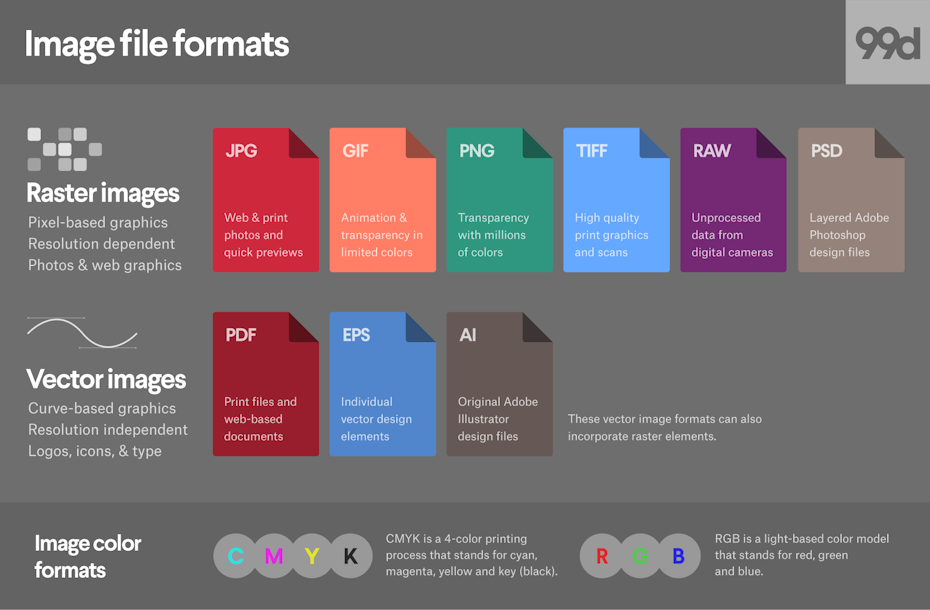
Media file formats are essentially containers that hold audio and video data. Each format has its own unique characteristics, including compression algorithms, video resolutions, and audio quality. Some of the most common media file formats for mobile devices include:
3GP: This format is commonly used for video content on mobile devices, and is known for its small file size and low bandwidth requirements.
M4V: This format is similar to MP4, but is specifically designed for use with Apple devices. It supports high-quality video and audio, and is often used for streaming and downloading content from the iTunes Store.
MP4: This format is widely used for video content on mobile devices, and is known for its high-quality video and audio, as well as its compatibility with a wide range of devices and platforms.

“Choosing the right media file format for your needs can be a challenge, but it is important to consider factors such as file size, video quality, and compatibility with your device and platform.”

Other Media File Formats

In addition to 3GP, M4V, and MP4, there are a number of other media file formats that are commonly used for mobile devices. These include:
AVI: This format is widely used for video content on desktop computers, but is less common on mobile devices due to its large file size and limited compatibility.
WMV: This format is commonly used for video content on Windows devices, and is known for its high-quality video and audio.
MOV: This format is commonly used for video content on Apple devices, and is known for its high-quality video and audio, as well as its compatibility with a wide range of devices and platforms.

“While there are a number of media file formats available for mobile devices, it is important to choose the right format for your specific needs. Factors such as file size, video quality, and compatibility with your device and platform can all play a role in determining the best format for your needs.”

Final Words

As someone who has been using mobile devices for years, I have learned the importance of choosing the right media file format for my needs. Whether I am streaming video content or downloading music, the right format can make all the difference in terms of quality and compatibility. By understanding the various media file formats available for mobile devices, and considering factors such as file size, video quality, and compatibility, you can ensure that your media content looks and sounds its best.

Media File Formats, Mobile Devices, 3GP, M4V, MP4, AVI, WMV, MOV, Audio Quality, Video Quality, Compression Algorithms, Compatibility, File Size, Streaming, Downloading, iTunes Store, Apple Devices, Windows Devices, Desktop Computers, Video Content, Audio Data, Containers, Bandwidth Requirements, High-Quality Video, High-Quality Audio, Video Resolutions, Choosing the Right Format, Quality and Compatibility.
Media File Formats, Mobile Devices, 3GP, M4V, MP4, AVI, WMV, MOV Audio Quality, Video Quality, Compression Algorithms, Compatibility, File Size, Streaming, Downloading, iTunes Store, Apple Devices, Windows Devices, Desktop Computers, Video Content, Audio Data, Containers, Bandwidth Requirements, High-Quality Video, High-Quality Audio, Video Resolutions, Choosing the Right Format, Quality and Compatibility, Media Content, Video Streaming, Audio Streaming, Video Downloading, Audio Downloading, Mobile Video Formats, Mobile Audio Formats, Mobile Media Formats, Mobile Video Quality, Mobile Audio Quality, Mobile Video Compression, Mobile Audio Compression, Mobile Video Resolution, Mobile Audio Resolution, Mobile Video Compatibility, Mobile Audio Compatibility, Mobile Video File Size, Mobile Audio File Size, Mobile Video Streaming Quality, Mobile Audio Streaming Quality, Mobile Video Downloading Quality, Mobile Audio Downloading Quality, Mobile Video Playback, Mobile Audio Playback, Mobile Video Conversion, Mobile Audio Conversion, Mobile Video Editing, Mobile Audio Editing, Mobile Video Production, Mobile Audio Production, Mobile Video Distribution, Mobile Audio Distribution.