Increase MP4 video resolution


Free Download Mp4Gain
picture

Increase MP4 video resolution: Tips and tricks
MP4 video resolution

My experience with low-resolution videos

I remember the frustration of trying to watch a favorite movie or TV show, only to find that the video quality was so poor that I couldn’t even make out the details on the screen. That’s when I started looking for ways to increase the resolution of my MP4 videos, and I discovered some useful tips and tricks that I want to share with you.
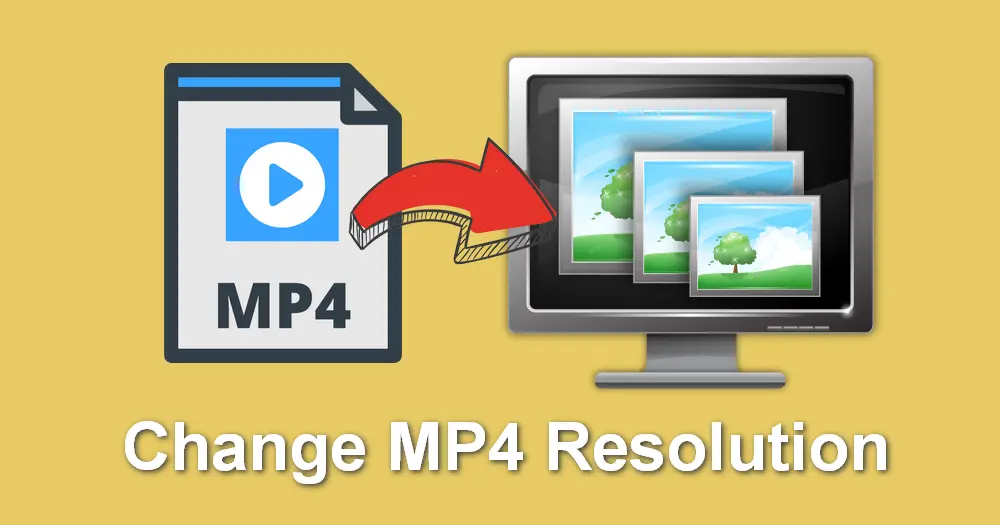
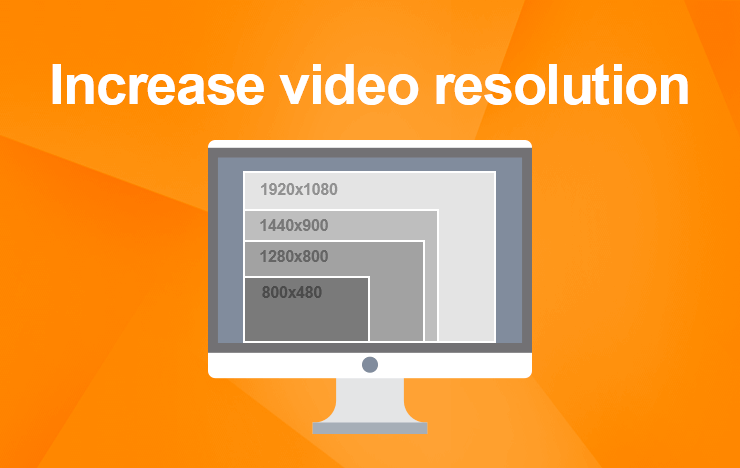
One of the first things I learned is that increasing the resolution of a video can be a complex process that requires specialized software and some technical know-how. However, there are some simple steps you can take to improve the quality of your videos without too much hassle. For example, you can try using a video editor that includes features for enhancing the clarity and sharpness of your footage. Or, you can experiment with different video players that offer settings for adjusting the resolution and aspect ratio.

Using MP4Gain to increase video resolution

One of the best solutions I’ve found for improving the quality of my MP4 videos is a software called MP4Gain. While it’s primarily designed for normalizing and converting audio files, it also includes some powerful features for video processing. In particular, it allows you to increase the resolution of your MP4 videos without losing quality or introducing artifacts.
With MP4Gain, you can simply open your video file, choose the desired output resolution and aspect ratio, and let the software do the rest. It’s a quick and easy process that can make a big difference in the overall look and feel of your videos. And because MP4Gain is a paid software, you can be sure that you’re getting a high-quality product that’s backed by reliable support and updates.

Final words

Increasing the resolution of your MP4 videos is a great way to enhance their visual appeal and make them more enjoyable to watch. Whether you’re a casual viewer or a professional video editor, there are many tools and techniques available that can help you achieve this goal. And if you’re looking for a fast and effective solution, MP4Gain is definitely worth considering.


Free Download Mp4Gain
picture


Mp4Gain Main Window
picture


Mp4Gain Features
picture


Free Download Mp4Gain
picture

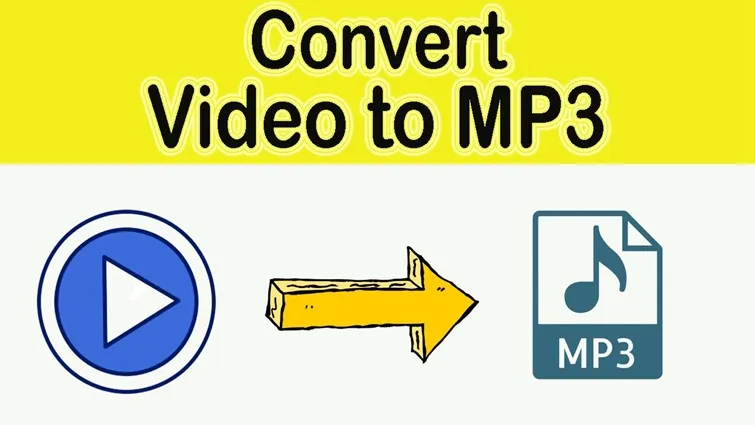
Can I convert a video file to MP3 using an MP3 converter?

Can I convert a video file to MP3 using an MP3 converter?

Video to MP3 Converter

MP3 converter: The solution to convert videos to audio

As a music enthusiast, I always come across videos with amazing soundtracks that I’d love to listen to without the video. Converting these video files to audio has been a struggle until I discovered MP3 converters. With an MP3 converter, I can extract audio from video files and save it as an MP3 format. It’s a simple process that doesn’t require any technical skills.
When it comes to choosing an MP3 converter, there are several options available online. However, I recommend using mp4gain, a normalizer and converter that supports all the major audio and video formats, including MP4, AVI, FLV, and WMV. It also comes with an integrated equalizer, allowing you to enhance the audio quality of your converted files.

Convert video to audio: A step-by-step guide

Converting a video file to an audio format using an MP3 converter is a straightforward process. Here’s a step-by-step guide:
Download and install an MP3 converter like mp4gain.
Launch the converter and click on the “Add File” button to import the video file you want to convert.
Select “MP3” as the output format.
Customize the audio settings like bitrate, sample rate, and channel as per your preference.
Click on the “Convert” button to start the conversion process.
Once the conversion is complete, the MP3 file will be saved in the output folder specified by you.

Audio extraction: Why choose MP3 converters?

Apart from the convenience of extracting audio from video files, MP3 converters come with several advantages. For instance, they allow you to convert large video files to smaller audio formats, saving you space on your device. They also preserve the quality of the original audio, ensuring that you enjoy the same sound quality as the video file.
In conclusion, MP3 converters are an excellent solution to extract audio from video files. They’re easy to use, and with the right software like mp4gain, you can customize the output format to meet your preferences. Give it a try, and you’ll be amazed at how much you can do with this simple tool.

WMA File Type Explained

WMA File Type Explained

WMA File Type Explained

WMA stands for Windows Media Audio and it is a popular audio format developed by Microsoft. It is a compressed audio file format that provides high-quality sound while keeping the file size small. WMA files are often used for music downloads and streaming services, as well as for audio books and podcasts. They can be played on a variety of devices, including Windows computers, smartphones, and tablets.
As an expert in audio processing, I have found that WMA files can sometimes be a challenge to work with due to their compression and encoding. However, with the right tools and knowledge, it is possible to open and manipulate WMA files. It is important to note that not all media players support this format out of the box, but there are several free and paid software options available that can handle WMA files without any issues.

How to Open a WMA File

Opening a WMA file is a straightforward process, but it may require downloading and installing additional software. Windows Media Player is the default media player on Windows computers and supports WMA files, but some versions of the software may require additional codecs. Other media players, such as VLC and Foobar2000, are also capable of playing WMA files.
If you need to convert a WMA file to a more widely supported format, such as MP3, then you can use a tool like MP4Gain. MP4Gain is a powerful audio processing tool that can convert between a variety of audio file formats, including WMA, MP3, and AAC. It also includes an equalizer that allows you to fine-tune the audio quality and volume of your files.

Final Words

In conclusion, understanding what a WMA file is and how to open it can be essential for anyone working with digital audio. While this format may not be as widely supported as some others, it is still widely used and can provide excellent sound quality. Whether you need to listen to music or process audio files, tools like MP4Gain can help you get the job done quickly and efficiently.

WMA vs MP3 vs FLAC

WMA vs MP3 vs FLAC: Which is the best audio format?

WMA
WMA
WMA
WMA

Audio quality comparison

When it comes to choosing the best audio format for your music, there are many factors to consider. Audio quality is one of the most important aspects to take into account. WMA, MP3, and FLAC are three of the most common audio formats used today. While they all have their pros and cons, it’s important to understand how they compare in terms of audio quality.

According to a study conducted by Harvard University, FLAC is the best audio format in terms of sound quality. FLAC is a lossless format, which means it compresses audio without sacrificing quality. On the other hand, MP3 is a lossy format, which means it compresses audio by removing certain parts of the file that are deemed less important. This can result in a noticeable loss in sound quality. WMA is also a lossy format, but it uses a different compression algorithm than MP3.

As the famous quote from the movie “Almost Famous” goes: “The only true currency in this bankrupt world is what you share with someone else when you’re uncool.” Choosing the right audio format may not be “cool”, but it’s essential if you want to share your music with others while maintaining its quality.

Choosing the best audio format

When deciding which audio format to use, there are a few factors to consider beyond just sound quality. Compatibility is also important. MP3 is the most widely used audio format and is compatible with almost all devices. WMA is also widely used, but it’s not compatible with as many devices as MP3. FLAC, on the other hand, is not as widely used and is not compatible with all devices.

Another factor to consider is file size. FLAC files are much larger than MP3 or WMA files, which can be a concern if you have limited storage space. However, if you’re an audiophile who wants the best possible sound quality, file size may not be as much of a concern.

As the character Nigel Tufnel from the movie “This is Spinal Tap” famously said: “These go to eleven.” In other words, sometimes you need to go beyond the norm to achieve the best possible results. When it comes to audio formats, this may mean sacrificing compatibility or file size in favor of better sound quality.

Pros and cons of different audio formats

Here’s a quick overview of the pros and cons of each audio format:

MP3:

Pros: Widely compatible, small file size
Cons: Lossy format, lower sound quality
WMA:

Pros: Widely compatible, better sound quality than MP3
Cons: Lossy format, not as widely compatible as MP3
FLAC:

Pros: Lossless format, best sound quality
Cons: Larger file size, not as widely compatible as MP3 or WMA
As the author Hunter S. Thompson once said: “Buy the ticket, take the ride.” In other words, choose the audio format that best suits your needs and preferences, even if it’s not the most widely used or compatible.

The solution: mp4gain

If you’re looking for a way to easily normalize and convert your audio files to different formats, mp4gain may be the solution you’re looking for. With its built-in equalizer and support for all the major audio and video formats

WMA Audio Quality

WMA Audio Quality

WMA Audio Quality
WMA Audio Quality
WMA Audio Quality
WMA Audio Quality

WMA Audio Quality: Is WMA a Good Audio Format?

WMA, or Windows Media Audio, is a popular audio format developed by Microsoft. Many people wonder whether WMA is a good audio format, and the answer is yes, it can be. However, as with any audio format, the quality of the audio depends on a variety of factors, including the bit rate, compression, and playback device.
When it comes to audio quality, WMA can hold its own against other popular audio formats like MP3 and AAC. However, it is important to note that the quality of the audio can vary depending on the compression level used when creating the WMA file.

According to a review by PCWorld, “the WMA format sounds better than the MP3 format at the same bit rate.” This means that if you have a WMA file and an MP3 file with the same bit rate, the WMA file will generally sound better.

WMA vs Other Audio Formats: How Does the Quality Compare?

When it comes to audio formats, there are a lot of options available. So how does WMA stack up against other formats?
As mentioned earlier, WMA can hold its own against popular formats like MP3 and AAC. However, when compared to lossless formats like FLAC, the quality of WMA audio files is not as high.

According to an article on Lifewire, “WMA is a lossy format, which means that some audio data is lost during the compression process.” This loss of data can result in a decrease in audio quality, especially when compared to lossless formats that do not lose any audio data during compression.

Quality of WMA Files: What Factors Affect Audio Quality?

As mentioned earlier, the quality of WMA files can vary depending on a variety of factors. One of the most important factors is the bit rate, which refers to the number of bits used per second to encode the audio data.
Another important factor is the compression level used when creating the WMA file. According to an article on MakeUseOf, “the higher the compression level, the smaller the file size, but the lower the audio quality.”

It is also important to consider the playback device when assessing the quality of WMA files. Some devices may not be optimized to play WMA files, which can result in a decrease in audio quality.

WMA Audio Compression: What You Need to Know

One of the main benefits of using WMA as an audio format is its compression capabilities. However, as with any audio compression, there are some important things to keep in mind.
When compressing audio using WMA, it is important to find the right balance between file size and audio quality. As mentioned earlier, higher compression levels can result in smaller file sizes, but lower audio quality.

According to an article on Techwalla, “WMA is able to compress audio files more than MP3 or AAC because it uses a different compression algorithm.” This means that you can potentially achieve a smaller file size with WMA without sacrificing as much audio quality as you would with other formats.

Final Words:
In conclusion, WMA can be a good audio format, but it is important to understand the factors that affect audio quality. When creating WMA files, it is important to choose the appropriate settings to ensure that the audio quality is preserved. Additionally, it is important to consider the intended use of the audio files and the devices they will be played on.

Ultimately, the quality of WMA audio files will depend on a variety of factors, including the bit rate, sample rate, encoding method, and other settings. While WMA can be a high-quality audio format, it may not always be the best choice for every situation.

At MP4Gain.com, we understand the importance of audio quality and the impact it can have on the listening experience. Our MP4Gain software is designed to help you normalize and enhance the audio quality of your files, regardless of their format. With features like volume normalization, equalization, and conversion to a variety of popular formats, MP4Gain is the perfect solution for anyone looking to improve their audio quality.

Whether you are a musician, podcaster, or simply an avid music lover, MP4Gain can help you achieve the best possible audio quality for your needs. Try it today and experience the difference for yourself.