The Impact of Frame Rate on Digital Video Quality
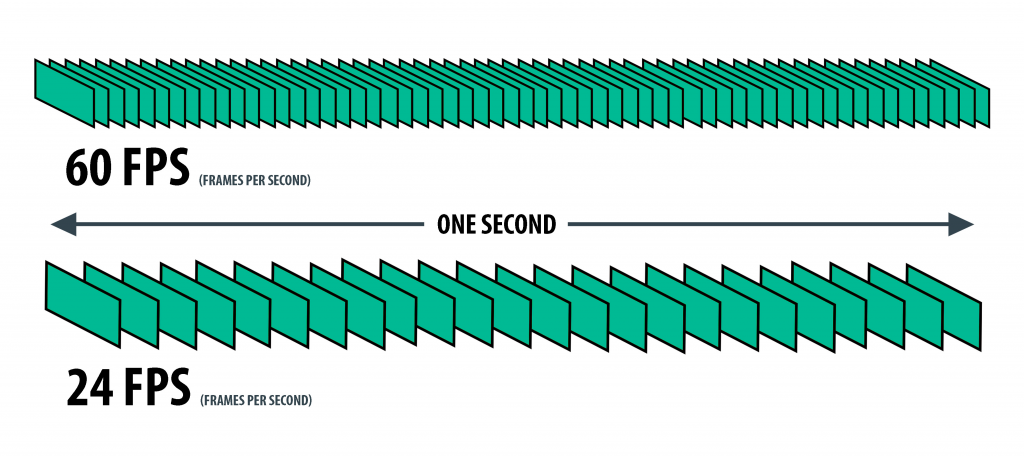
Digital video has become an essential part of our daily lives, from entertainment to communication, education to advertising. One of the key factors that determine the quality of digital video is the frame rate. The frame rate refers to the number of individual frames or images displayed per second, and it plays a critical role in defining the video’s smoothness, clarity, and overall visual appeal.
In this article, we’ll explore the impact of frame rate on digital video quality, discussing the technical aspects, and providing examples and studies that demonstrate the importance of selecting the right frame rate for your digital video.
The Technical Aspects of Frame Rate
To understand the impact of frame rate on digital video quality, it’s essential to know the technical aspects behind it. The frame rate is measured in frames per second (FPS), and it represents the number of individual frames or images displayed on the screen within one second. The higher the frame rate, the smoother the video appears, while a lower frame rate can make the video seem choppy and jerky.
In digital video, the most common frame rates are 24 FPS, 25 FPS, 30 FPS, 50 FPS, and 60 FPS. The choice of frame rate depends on the type of video being produced, the platform it will be displayed on, and the desired visual effect.
For example, movies are typically shot at 24 FPS, which creates a cinematic effect with a slight blurring of motion, while television programs are usually shot at 30 FPS, providing a more realistic look. However, higher frame rates, such as 50 FPS and 60 FPS, are becoming more common due to the increased use of high-speed cameras and the availability of faster internet speeds.
The Impact of Frame Rate on Digital Video Quality
The frame rate has a significant impact on digital video quality, affecting the overall visual appeal, smoothness, and clarity. The following are the main ways in which frame rate affects digital video quality:
Smoothness
A higher frame rate results in a smoother video, as the additional frames help to create the illusion of motion. For example, a video with a frame rate of 60 FPS will appear smoother than the same video with a frame rate of 30 FPS. This is particularly noticeable in fast-paced action scenes or when panning across a landscape. A higher frame rate helps to reduce motion blur, making the video appear more realistic and sharper.
Clarity
A higher frame rate also improves the clarity of digital video by reducing image tearing and stuttering. Image tearing occurs when the video’s horizontal lines are misaligned, resulting in a visible seam between two parts of the image. Stuttering, on the other hand, occurs when the video’s motion appears jerky or irregular. A higher frame rate helps to reduce both of these issues, resulting in a clearer, more consistent video.
Visual Appeal
Finally, the frame rate can also impact the overall visual appeal of digital video. A higher frame rate provides a more immersive and realistic experience, while a lower frame rate can create a more stylized or artistic effect. For example, a video shot at 24 FPS may have a more cinematic feel, while a video shot at 60 FPS may appear more like real-life footage.
Choosing the Right Frame Rate
Choosing the right frame rate depends on several factors, including the type of video being produced, the platform it will be displayed on, and the desired visual effect. For example, a video intended for television broadcast will typically use a frame rate of 30 FPS, while a video intended for social media or online