Unlocking the Potential of DivX Codec for MPEG-4 Part 2


Free Download Mp4Gain
picture

Unlocking the Potential of DivX Codec for MPEG-4 Part 2


Unlocking the Potential of DivX Codec for MPEG-4 Part 2

Unlocking the Potential of DivX Codec for MPEG-4 Part 2

Let’s delve into the DivX Codec for MPEG-4 Part 2

As an expert in digital media technologies, I’m thrilled to explore the capabilities of the DivX codec within the MPEG-4 Part 2 standard. This codec, renowned for its efficiency and quality, has reshaped the landscape of digital video compression. By understanding its intricacies, we can harness its power to optimize video distribution, enhance streaming experiences, and streamline multimedia workflows.

Understanding DivX Codec

Unlocking the potential of DivX begins with a comprehensive understanding of its functionality. Developed as an extension of the MPEG-4 Part 2 standard, DivX employs advanced compression techniques to reduce the size of video files while preserving visual quality. Its adaptive bitrate technology ensures smooth playback across a variety of devices and network conditions, making it a versatile choice for both streaming and offline viewing.

Efficient Compression

At the heart of DivX’s success lies its efficient compression algorithms. By analyzing and removing redundant information from video streams, DivX achieves significant file size reduction without compromising visual fidelity. This compression efficiency is particularly valuable in scenarios where bandwidth or storage space is limited, such as online streaming platforms or portable media devices.

Enhanced Visual Quality

Despite its impressive compression capabilities, DivX maintains a high level of visual quality. Through advanced encoding techniques and support for features like variable bitrate encoding and motion estimation, DivX ensures that videos retain clarity and detail, even at lower file sizes. This makes it an ideal choice for distributing high-definition content without sacrificing viewing experience.

Adaptive Bitrate Technology

One of DivX’s standout features is its adaptive bitrate technology, which dynamically adjusts video quality based on available bandwidth and device capabilities. This ensures smooth playback and minimizes buffering, even in challenging network conditions. Whether streaming over a congested Wi-Fi network or watching on a mobile device with limited data connectivity, users can enjoy uninterrupted viewing experiences.

Integration with MPEG-4 Part 2

DivX’s compatibility with the MPEG-4 Part 2 standard is another key aspect of its appeal. As an extension of this widely adopted standard, DivX ensures interoperability with a broad range of multimedia devices and software platforms. Whether creating content for streaming services, digital downloads, or physical media, users can rely on DivX to deliver consistent performance and compatibility.

Interoperability

By adhering to the MPEG-4 Part 2 standard, DivX ensures interoperability with a diverse ecosystem of devices and software applications. This means that videos encoded with DivX can be played back on a wide range of devices, including smartphones, tablets, smart TVs, gaming consoles, and more. This broad compatibility simplifies content distribution and ensures a seamless viewing experience for audiences worldwide.

Advanced Features

In addition to its core compression capabilities, DivX offers a range of advanced features to enhance the video encoding process. These include support for multiple audio tracks, subtitles, chapter markers, and custom encoding profiles, allowing users to tailor their encoding settings to specific content and use cases. Whether creating professional-quality video content or sharing personal memories, DivX provides the tools needed to achieve outstanding results.

Optimized Streaming

For streaming platforms and online content providers, DivX offers optimizations specifically designed to enhance the streaming experience. These include support for adaptive streaming protocols, such as HLS and MPEG-DASH, as well as integration with content delivery networks (CDNs) for efficient content distribution. By leveraging these capabilities, streaming services can deliver high-quality video to audiences worldwide while minimizing buffering and latency.

Latest words on DivX Codec for MPEG-4 Part 2

In conclusion, the DivX codec for MPEG-4 Part 2 represents a cornerstone of modern digital video compression. Its combination of efficient compression, enhanced visual quality, and broad compatibility makes it an indispensable tool for content creators, distributors, and consumers alike. By leveraging DivX’s capabilities, users can optimize video distribution, enhance streaming experiences, and unlock new possibilities in digital media. Whether you’re a filmmaker, a streaming platform, or an avid viewer, DivX offers the tools needed to take your video content to the next level.

Comments:

Wow, I never knew DivX had so many advanced features! This article was really informative.

Could you explain more about how DivX integrates with streaming platforms?

As a content creator, I’m excited to explore the possibilities of using DivX for video encoding.

This article convinced me to give DivX a try for my next video project. Thanks for the detailed explanation!

Does DivX offer any tools for optimizing video encoding for mobile devices?

I’ve been using DivX for years, and it’s been a game-changer for my video distribution workflow.

Great article! I appreciate the focus on practical applications and real-world examples.

More articles like this, please! DivX is such a powerful tool, and there’s still so much to learn.

As a streaming platform owner, I’m always looking for ways to optimize video delivery. DivX seems like a promising solution.

Could you provide some tips for optimizing video encoding settings with DivX?

This article provided valuable insights into the benefits of using DivX for video compression. Well done!


Free Download Mp4Gain
picture


Mp4Gain Main Window
picture


Mp4Gain Features
picture


Free Download Mp4Gain
picture

H.266/VVC: Entropy Coding for Enhanced Compression Efficiency

H.266/VVC: Entropy Coding for Enhanced Compression Efficiency

H.266/VVC: Entropy Coding for Enhanced Compression Efficiency

H.266/VVC: Entropy Coding for Enhanced Compression Efficiency

Let’s talk about H.266/VVC

When it comes to video compression technology, **H.266/VVC** stands out as a groundbreaking advancement. As a specialist in multimedia compression, I’ve witnessed firsthand the transformative impact of this cutting-edge standard. H.266/VVC, short for High Efficiency Video Coding, represents the next frontier in video compression, promising unparalleled efficiency and quality. In this article, I’ll delve deep into the intricacies of H.266/VVC, exploring its key features, benefits, and implications for the future of digital video.

Understanding H.266/VVC

**H.266/VVC** builds upon its predecessor, H.265/HEVC, with significant improvements in compression efficiency. At its core lies entropy coding, a key technique for reducing redundancy in video data. By employing advanced algorithms and predictive models, H.266/VVC achieves higher compression ratios without sacrificing visual quality. Imagine being able to stream 4K or even 8K video content with minimal bandwidth requirements – that’s the promise of H.266/VVC.

The Role of Entropy Coding

Entropy coding lies at the heart of **H.266/VVC**, enabling more efficient representation of video data. By encoding information in a more compact form, entropy coding reduces the bitrate required for transmission or storage. Think of it as compressing a file to take up less space on your hard drive – except in this case, we’re compressing video frames to reduce bandwidth consumption. With H.266/VVC, content creators can deliver high-resolution video streams to viewers around the world, even in bandwidth-constrained environments.

  • Improved compression efficiency
  • Enhanced visual quality
  • Reduced bandwidth requirements
  • Support for higher resolutions

Key Features of H.266/VVC

H.266/VVC introduces several innovative features that set it apart from previous standards. One notable enhancement is the use of block-based motion compensation, which reduces temporal redundancy in video sequences. Additionally, H.266/VVC incorporates sophisticated tools for intra-frame prediction, enabling more accurate representation of spatial detail. Combined with advanced entropy coding techniques, these features result in significant gains in compression efficiency and visual quality.

  • Block-based motion compensation
  • Intra-frame prediction
  • Adaptive quantization
  • Transform coding

Latest words on H.266/VVC

In conclusion, **H.266/VVC** represents a major milestone in the evolution of video compression technology. With its enhanced compression efficiency and support for higher resolutions, H.266/VVC is poised to revolutionize the way we consume and distribute digital video content. Whether you’re a content creator, streaming service provider, or consumer, H.266/VVC offers tangible benefits that promise to shape the future of multimedia experiences.

Comments:

This article provides a comprehensive overview of H.266/VVC and its potential impact on the future of video streaming. As a video enthusiast, I’m excited to see how this new standard will improve the quality of online video content.

I’ve been following the development of H.266/VVC for some time now, and it’s fascinating to see how far video compression technology has come. This article does an excellent job of explaining the key concepts in a clear and concise manner.

As a professional videographer, I’m always looking for ways to optimize video quality while minimizing file size. H.266/VVC seems like a promising solution, and I appreciate the insights provided in this article.

Video compression technology has come a long way since the early days of MPEG-2. H.266/VVC represents the latest evolution in this field, offering improved efficiency and quality for digital video content.

It’s amazing to think about the technological innovations that have led to the development of H.266/VVC. This article sheds light on the intricacies of video compression and its implications for the future of multimedia.

H.266/VVC has the potential to revolutionize the way we consume video content, from streaming services to virtual reality experiences. This article provides valuable insights into the benefits of this new compression standard.

As someone who works in the video streaming industry, I’m excited to see how H.266/VVC will improve the efficiency and quality of online video delivery. This article offers a thorough examination of the subject, covering both technical details and practical applications.

It’s incredible to think about the amount of data that can be compressed and transmitted using H.266/VVC. This article does a great job of explaining the technical aspects of video compression in a way that’s easy to understand.

H.266/VVC is a game-changer for the video industry, offering unprecedented levels of compression efficiency and visual quality. This article provides valuable insights into the potential impact of this new standard on the future of digital video.

As a consumer of online video content, I’m always looking for ways to improve the quality of my streaming experience. H.266/VVC seems like a promising solution, and I’m eager to see how it will be implemented by streaming platforms.

Analysis of Variable Frame Rate in H.264 Video Compression

Analysis of Variable Frame Rate in H.264 Video Compression

Analysis of Variable Frame Rate in H.264 Video Compression

Analysis of Variable Frame Rate in H.264 Video Compression

Let’s talk about Variable Frame Rate in H.264 Video Compression

As a specialist with years of experience in video compression technologies, I’m here to delve deep into the intricacies of Variable Frame Rate (VFR) within the context of H.264 video compression. Understanding VFR is crucial for anyone working with video content, as it directly impacts the quality, file size, and playback smoothness of compressed videos. So, let’s dive into the fascinating world of VFR and uncover its significance in H.264 compression.

Understanding Variable Frame Rate

Variable Frame Rate (VFR) is a video compression technique that allows for varying the number of frames per second (fps) throughout a video sequence. Unlike Constant Frame Rate (CFR), where each frame is displayed for an equal duration, VFR dynamically adjusts frame rates based on the complexity of the content. This adaptive approach optimizes compression efficiency by allocating more frames to scenes with high motion or detail and fewer frames to static or less demanding sequences.

VFR adapts frame rates based on scene complexity.
Unlike CFR, VFR allows for varying frame durations.
It optimizes compression efficiency by allocating frames dynamically.
In practical terms, imagine watching a video of a scenic landscape where the frames remain static for several seconds, followed by a fast-paced action sequence. With VFR, fewer frames are allocated to the static scenes, reducing file size without sacrificing quality, while more frames are dedicated to the action scenes, ensuring smooth playback and preserving detail.

Benefits of Variable Frame Rate in H.264 Compression

VFR offers several advantages within the realm of H.264 compression, making it a preferred choice for various applications, including streaming, video production, and content distribution.

Enhanced Compression Efficiency: By dynamically adjusting frame rates, VFR optimizes compression efficiency, resulting in smaller file sizes while maintaining visual quality. This is particularly beneficial for streaming platforms where bandwidth and storage considerations are paramount.

Improved Playback Smoothness: In scenarios with varying scene complexity, such as mixed static and dynamic content, VFR ensures smoother playback by allocating more frames to demanding sequences and fewer frames to static scenes. This results in a seamless viewing experience for the audience.

Preservation of Visual Quality: Despite the variability in frame rates, VFR maintains visual quality by intelligently allocating frames where they are most needed. This ensures that critical details are preserved, even in high-motion scenes, without significant degradation.

Flexibility in Content Creation: For video producers and content creators, VFR offers greater flexibility in capturing and editing footage. It allows for the preservation of the original frame rates during recording, enabling creative control over the pacing and visual aesthetics of the final product.

Challenges and Considerations

While VFR provides significant benefits, it also introduces certain challenges and considerations that need to be addressed:

Compatibility Issues: Not all playback devices and platforms fully support VFR-encoded content, leading to potential compatibility issues. Ensuring broad compatibility may require additional transcoding or optimization steps.

Editing Complexity: Working with VFR footage can be more complex during the editing process, as varying frame rates may necessitate adjustments in editing software settings and workflows. Editors must carefully manage frame rate inconsistencies to maintain coherence and visual consistency.

Quality Fluctuations: In some cases, aggressive frame rate variations can lead to perceptible quality fluctuations, especially during scene transitions or rapid changes in motion. Balancing compression efficiency with visual quality is essential to mitigate these issues.

Streaming Considerations: While VFR can reduce bandwidth requirements for streaming, it may also pose challenges for adaptive bitrate streaming systems, which rely on consistent frame rates for efficient encoding and delivery.

Latest words on Variable Frame Rate in H.264 Compression

In conclusion, Variable Frame Rate (VFR) plays a crucial role in H.264 video compression, offering enhanced compression efficiency, improved playback smoothness, and flexibility in content creation. However, it’s essential to consider compatibility issues, editing complexity, and quality fluctuations when utilizing VFR in production workflows. By understanding these nuances and leveraging VFR effectively, content creators can optimize their compression strategies and deliver high-quality video experiences to audiences worldwide.

Comments:

This article provided valuable insights into VFR and its impact on video compression. As a video editor, I appreciate the detailed explanation of the benefits and challenges associated with VFR.

I found this article very informative. I was struggling to understand the concept of VFR, but now I feel much more confident in applying it to my video production projects. Thank you!

Great article! However, I would love to see more discussion on how VFR impacts streaming platforms and the steps content creators can take to ensure compatibility across devices.

As someone who is new to video compression, I found this article to be extremely helpful in demystifying the concept of VFR. The examples provided made it easy to understand the benefits and challenges associated with VFR in H.264 compression.

This article was a great introduction to VFR and its application in H.264 compression. I’m excited to explore how I can leverage VFR to optimize my video production workflows and deliver high-quality content to my audience.

While the article provided a good overview of VFR, I was hoping for more in-depth discussion on the technical aspects of how VFR affects compression efficiency and playback quality. Nonetheless, it was a valuable read.

Thank you for shedding light on the importance of VFR in video compression. As a content creator, understanding VFR will undoubtedly help me improve the quality and efficiency of my video production process.

This article was a game-changer for me! I had heard about VFR before but never fully understood its significance until now. The real-life examples and practical insights provided in this article made all the difference.

As someone who is passionate about video production, I found this article to be incredibly insightful. The author’s expertise and clear explanations made complex concepts like VFR easy to grasp. Looking forward to more content like this!

I stumbled upon this article while researching video compression techniques, and I’m so glad I did! The information presented here was comprehensive yet easy to understand, making it a valuable resource for anyone interested in the subject.

This article provided a solid overview of VFR and its implications for video compression. However, I would have liked to see more discussion on real-world examples of how VFR is being used in different industries.

As a videographer, I found this article to be incredibly helpful in expanding my understanding of VFR and its role in video compression. The practical tips and insights shared here will undoubtedly inform my future projects.

Great article! I’ve been searching for resources to help me better understand VFR, and this article exceeded my expectations. The explanations were clear, concise, and accompanied by relevant examples, making it easy to grasp the key concepts.

How to Choose the Right Video Format to Get the Best Quality

How to Choose the Right Video Format to Get the Best Quality

How to Choose the Right Video Format to Get the Best Quality

In the world of digital media, video content has become a powerful means of communication. Whether you’re creating content for your website, social media, or professional projects, one critical decision you’ll face is choosing the right video format to ensure the best quality. Let’s delve into this topic and explore the factors that can help you make an informed choice.

Understanding Video Format Basics

Video format refers to the specific way in which your video file is encoded and stored. It determines the quality, file size, and compatibility of your video across various devices and platforms. The choice of video format can significantly impact the viewing experience. As film director Christopher Nolan once said, “Every film should have its own world, a logic, and feel to it that expands beyond the exact image that the audience is seeing.” In a similar vein, the video format you choose should align with the world you want to create for your audience.

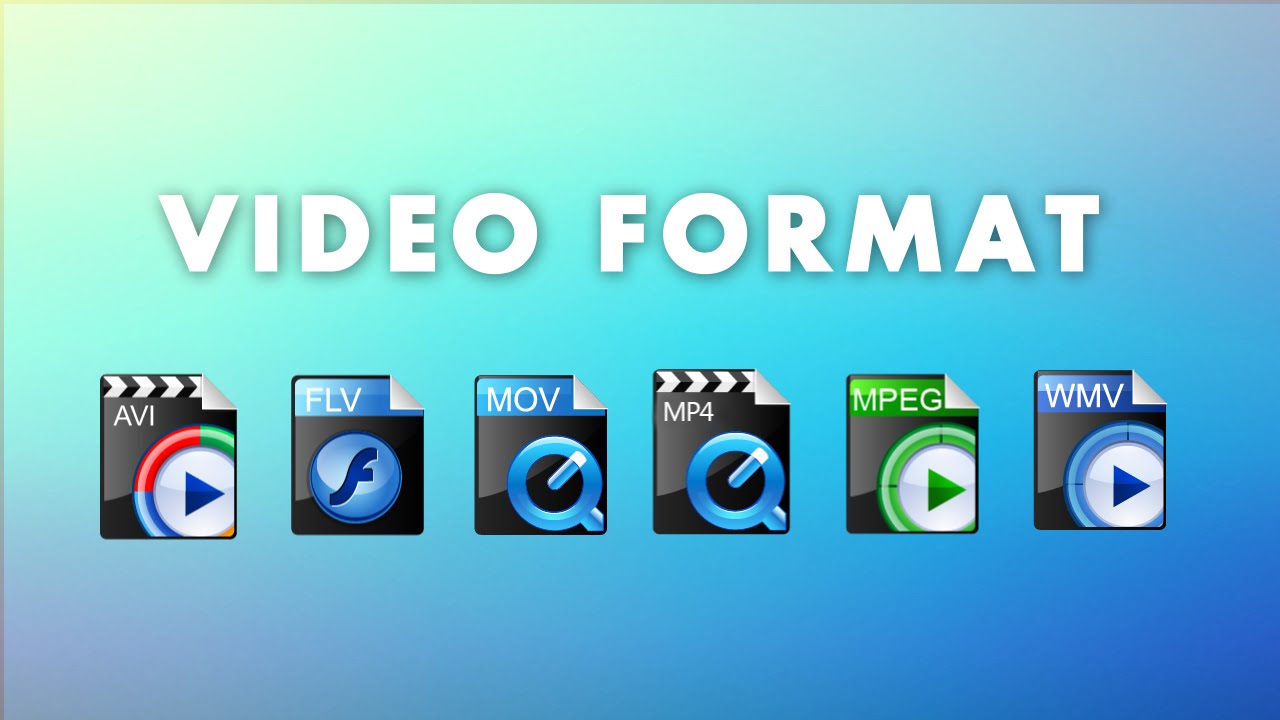
When considering video formats, you’ll often come across terms like MP4, AVI, MKV, MOV, and more. Each format has its strengths and weaknesses. For instance, MP4 is widely used for its compatibility with various devices and excellent compression, making it suitable for online streaming. On the other hand, MOV, developed by Apple, is known for its high-quality playback and is preferred by professionals.

Selecting the Right Resolution

Resolution is a crucial factor in video quality. It determines the number of pixels that make up each frame of your video. A higher resolution generally leads to crisper and more detailed visuals. However, the choice of resolution should align with your target audience and distribution platform. As filmmaker Stanley Kubrick once noted, “If it can be written or thought, it can be filmed.” In the context of video format selection, this means you should have a clear vision of your content’s purpose and how you want it to be perceived.

Common video resolutions include Full HD (1920×1080), Ultra HD (4K, 3840×2160), and even higher resolutions for specialized purposes. If your content is primarily intended for YouTube or social media, Full HD is a practical choice, as it balances quality and file size. However, for cinematic experiences or professional presentations, Ultra HD or even higher resolutions might be preferred to capture every detail.

Choosing the Right Codec

The codec, short for compressor-decompressor, plays a crucial role in video format selection. It determines how the video data is compressed and decompressed during playback. A well-chosen codec can optimize both quality and file size. As director Quentin Tarantino once said, “I didn’t go to film school; I went to films.” Similarly, understanding codecs and their impact can be more valuable than formal education when it comes to video production.

Common video codecs include H.264, H.265 (HEVC), VP9, and AV1. H.264 is widely supported and offers excellent compression, making it a go-to choice for online video. H.265 provides better quality at lower bitrates but may require more processing power. VP9 and AV1 are open-source codecs gaining popularity for their efficiency and quality. The choice of codec should align with your intended distribution platform and audience’s devices.

Final Words

Choosing the right video format is a critical decision in video production. It determines the quality of your content and its compatibility with various devices and platforms. To quote renowned filmmaker George Lucas, “Special effects are just a tool, a means of telling a story.” Similarly, the video format is a tool for conveying your story to the audience. By understanding the basics of video format, resolution, and codec, you can make informed choices that enhance your content’s quality and impact.

In summary, remember that your choice of video format should align with your content’s purpose, target audience, and distribution platform. It’s a powerful tool to create your unique storytelling world and make your videos stand out.

Why Video Encoding Profiles Matter

Why Video Encoding Profiles Matter

Why Video Encoding Profiles Matter

In the world of video encoding, understanding the different profiles and their significance is crucial. These profiles determine the available encoding tools and greatly impact the quality and compatibility of your video output. By delving into the intricacies of video encoding profiles, you can optimize your video files for various playback devices and ensure an optimal viewing experience.

The Basics: Profiles and Levels Explained

To comprehend video encoding profiles, it’s essential to grasp the distinction between profiles and levels. Profiles define the encoding tools at your disposal, while levels establish the maximum resolutions, frame rates, and bitrates that can be achieved during the encoding process.

For H.264 encoding, three primary profiles exist: Baseline, Main, and High. Baseline is the most compatible profile, but it sacrifices quality. Main strikes a balance between quality and compatibility. High profile delivers superior quality but may encounter compatibility issues on certain devices.

Each profile also encompasses multiple levels. Higher levels support greater resolutions, frame rates, and bitrates. However, higher levels necessitate more processing power for decoding purposes.

Selecting the Ideal Profile and Level

Choosing the appropriate profile and level for your video encoding depends on several factors:

Target Devices: Consider the devices on which your encoded video will be played. If broad compatibility is your goal, the Baseline profile is a safe bet. However, if you’re targeting high-end devices, the High profile may deliver the best results.

Desired Quality: Determine the desired quality level for your video. If you prioritize excellent quality, the High profile is an attractive option. For a balance between quality and compatibility, the Main profile is a solid choice.

Processing Power: Evaluate the processing capabilities of the playback devices. Lower-level profiles may be necessary for devices with limited processing power to ensure smooth playback.

To illustrate these considerations, let’s explore some examples:

For smartphone playback, selecting the Baseline profile and Level 3 is suitable, offering compatibility and efficient performance.
If your video is destined for a 4K TV, opt for the Main profile and Level 5 to achieve high-quality visuals while maintaining compatibility.
Encoding videos for Blu-ray Discs necessitates the High profile and Level 6, enabling exceptional quality for an immersive viewing experience.

Mastering Video Encoding Profiles and Levels

Understanding video encoding profiles and levels is paramount for optimizing video files. By selecting the appropriate profile and level, you can ensure compatibility with target devices while meeting your desired quality standards. Remember to consider the target devices, prioritize quality, and assess processing power to make informed decisions during the encoding process.

In conclusion, video encoding profiles and levels may appear complex at first, but with a solid grasp of these concepts, you can confidently navigate the intricacies of video encoding and produce high-quality videos that cater to various playback devices.

These final words emphasize the importance of mastering video encoding profiles and levels, providing users with a comprehensive overview of the topic and inspiring confidence in their video encoding endeavors.