Spotify Audio Quality


Free Download Mp4Gain
picture

Spotify Audio Quality

Spotify Audio Quality


Spotify Audio Quality

What is Spotify?

Spotify is a music streaming app that lets you listen to all your favorite songs and artists. You can choose from millions of songs and create your own playlists!

What is Audio Quality?

Audio quality refers to how good the sound is when you listen to music. When you listen to music, you want it to sound clear and not fuzzy or scratchy.

How Does Spotify Audio Quality Work?

Spotify has different levels of audio quality that you can choose from. The better the quality, the clearer the music will sound.

What Are the Different Levels of Spotify Audio Quality?

Spotify has three different levels of audio quality:

  • Normal quality: This is the lowest quality level. The sound is compressed so that it takes up less space on your device, but it may not sound as clear as the other levels.
  • High quality: This is the middle level of quality. The sound is less compressed than normal quality, so it sounds clearer and better.
  • Very high quality: This is the highest quality level. The sound is not compressed at all, so it sounds the clearest and best.

How Do You Change Spotify Audio Quality?

You can change the audio quality on Spotify by going into the settings of the app. From there, you can choose which level of quality you want to use.

Why Does Spotify Audio Quality Matter?

Spotify audio quality matters because you want your music to sound the best it can. If the quality is not good, the music may sound fuzzy or scratchy, and you won’t be able to enjoy it as much.

Conclusion

In summary, Spotify audio quality is all about how good the music sounds when you listen to it. You can choose from different levels of quality depending on how clear you want the sound to be. It’s important to have good audio quality so that you can enjoy your music to the fullest!

And remember, if you want to make your music sound even better, you can use a tool called mp4gain to enhance the audio quality of your songs.

The Beginning of Spotify

In 2006, Spotify was founded in Stockholm, Sweden by Daniel Ek and Martin Lorentzon. The two had a vision to create a platform where people could access music legally and easily. They saw a gap in the market as piracy was rampant and music streaming services were few and far between.

Music Streaming Services

At the time, music streaming services like Napster, Pandora, and Last.fm were already available in the US, but they were not yet available in Europe. Napster had been shut down by a court order, and Pandora and Last.fm were only available in the US. This created an opportunity for Spotify to become the leading music streaming service in Europe.

The Launch of Spotify

After two years of development, Spotify launched in October 2008 in Sweden. The service quickly gained popularity in Sweden and became available in other European countries, such as Norway, Finland, the UK, France, and Spain. In 2011, Spotify launched in the US after securing deals with major record labels.

Spotify’s Features and Growth

Spotify’s Features

Spotify’s features include access to millions of songs, playlists, and podcasts. It also allows users to create and share their playlists, follow their favorite artists, and discover new music. Spotify also offers a premium subscription service that removes ads and allows offline playback.

Growth and Expansion

Spotify’s growth has been impressive over the years. In 2015, it reached 75 million users, and by 2020, it had over 320 million monthly active users. Spotify has expanded its services to over 90 countries, making it one of the most widely available music streaming services in the world.

Spotify’s Audio Quality

Audio Quality Options

Spotify offers three audio quality options: normal, high, and very high. The normal quality is 96 kbps, high quality is 160 kbps, and very high quality is 320 kbps. The audio quality of a song on Spotify depends on the user’s subscription level and their internet speed.

Competition and Comparison

Spotify’s audio quality has been compared to other music streaming services, such as Apple Music, Tidal, and Amazon Music. Each service has its own audio quality options and prices. Some audiophiles argue that Spotify’s audio quality is not as good as other services, but the average listener may not notice the difference.

Improvements in Audio Quality

In recent years, Spotify has made efforts to improve its audio quality. In 2021, it announced the rollout of a new audio quality feature called “HiFi.” This feature will allow users to listen to high-quality, lossless audio. Spotify has not yet announced when this feature will be available or how much it will cost.

Overall, Spotify has come a long way since its inception, and its audio quality is just one of the many features that have evolved over time.


Free Download Mp4Gain
picture


Mp4Gain Main Window
picture


Mp4Gain Features
picture


Free Download Mp4Gain
picture

How to Optimize MP3 Quality

How to Optimize MP3 Quality

How to Optimize MP3 Quality

MP3 is one of the most popular digital audio formats worldwide. Its widespread use is due to its small file size, which makes it easy to store and share music. However, this compression also reduces the quality of the audio file. To get the most out of your MP3s, you need to optimize them for the best possible quality. Here is a comprehensive guide on how to optimize your MP3 quality.

How to Optimize MP3 Quality

Understanding MP3 Compression

MP3 is a lossy audio compression format that reduces the file size of an audio track by discarding some of the audio data. This process is called compression. The amount of data discarded depends on the compression rate used when the MP3 was created. Higher compression rates result in smaller file sizes but also reduce the quality of the audio. The compression rate is measured in kilobits per second (kbps). A higher kbps rate means better sound quality but larger file sizes.

Choosing the Right Bitrate

The most important factor that affects the quality of an MP3 file is the bitrate. The bitrate determines the amount of data that is used to represent one second of audio. The higher the bitrate, the more data is used to represent the audio, resulting in better sound quality. However, higher bitrates also mean larger file sizes.

The recommended bitrate for MP3 files is 320 kbps. This provides excellent sound quality, but the file size is relatively large. If you’re short on storage space or want to upload your music to a streaming service, you may need to use a lower bitrate.

For most listeners, a bitrate of 128 kbps is sufficient for casual listening. This produces a relatively small file size and decent sound quality. However, if you have a good set of headphones or speakers, you may want to use a higher bitrate to get the most out of your music.

Using Variable Bitrate Encoding

Variable Bitrate (VBR) encoding is an MP3 encoding method that uses a different bitrate for different parts of the audio file. This allows the encoder to use a higher bitrate for complex parts of the music and a lower bitrate for simpler parts, resulting in a better overall sound quality.

VBR encoding produces smaller file sizes than constant bitrate encoding while maintaining similar sound quality. This makes it a good option if you want to save space without sacrificing too much sound quality.

Avoiding Transcoding

Transcoding is the process of converting an audio file from one format to another. For example, converting a WAV file to an MP3. Transcoding can reduce the quality of the audio file, especially if you’re converting from a lossy format like MP3 to another format. Each time you transcode an audio file, you lose some of the audio data, resulting in a lower quality sound. Therefore, it’s best to avoid transcoding MP3 files whenever possible.

Normalization

Normalization is a process that adjusts the volume of an audio file to a standard level. It ensures that all tracks have the same perceived loudness, making it easier to listen to music without constantly adjusting the volume. Normalization can also help prevent distortion, which can occur when the volume is too high.

There are many software tools available that can normalize MP3 files, including MP4Gain. However, it’s important to note that normalization can sometimes reduce the dynamic range of the music, resulting in a less natural sound.

Conclusion

Optimizing MP3 quality requires a careful balance between file size and audio fidelity. By following the tips and techniques discussed in this article, you can enhance the sound quality of your MP3 files without significantly increasing their size.

To summarize, start by selecting a high-quality source file, such as a CD or a lossless audio format. When converting to MP3, choose a high bitrate and use a variable bitrate setting for maximum efficiency. Use a low-pass filter to remove high-frequency noise, and avoid using equalization unless necessary. Lastly, consider using software like MP4Gain to further enhance the volume and overall sound quality of your MP3 files.

By taking these steps, you can create MP3 files that sound great and take up less space on your device or online storage. Whether you’re a music enthusiast, a podcast creator, or just someone looking to optimize their audio collection, these tips will help you achieve the best possible sound quality for your MP3 files.

Digital Audio File Formats: Everything You Need to Know

Digital Audio File Formats: Everything You Need to Know

Digital Audio File Formats

Digital audio file formats have become ubiquitous in the modern era of music and sound. They allow for easy storage, distribution, and manipulation of audio data. However, with so many different formats available, it can be challenging to know which one to use for a particular purpose. This article aims to provide a comprehensive guide to digital audio file formats, explaining what they are, how they work, and which ones are best suited for different use cases.

Digital Audio File Formats

What Are Digital Audio File Formats?

Digital audio file formats are a type of computer file that contains digital audio data. They are used to store, distribute, and manipulate audio data in a variety of contexts, such as music production, broadcasting, and online streaming. Audio data is typically recorded and stored in an analog format, such as magnetic tape or vinyl records. Digital audio file formats allow this data to be converted into a digital format, which can be stored and manipulated using computers and digital audio software.

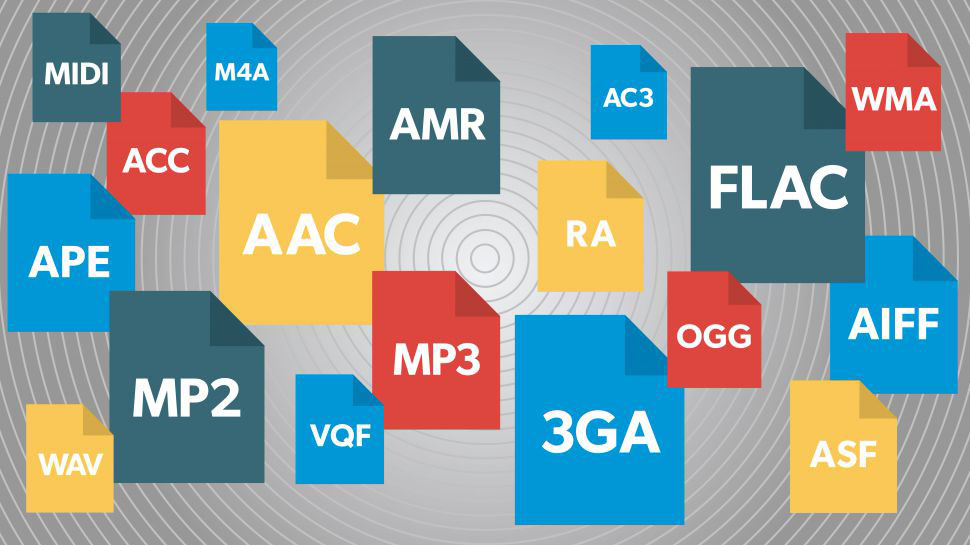
There are many different digital audio file formats available, each with its own characteristics and intended uses. Some of the most common formats include:

  • MP3
  • WAV
  • AIFF
  • FLAC
  • ALAC
  • AAC

How Do Digital Audio File Formats Work?

Digital audio file formats work by converting analog audio data into a digital format. This involves sampling the audio data at regular intervals and converting each sample into a binary code that can be stored on a computer. The most common way of doing this is to use pulse-code modulation (PCM), which involves measuring the amplitude of the audio signal at regular intervals and converting it into a binary code.

Once the audio data has been converted into a digital format, it can be stored on a computer in a digital audio file format. Different formats use different encoding schemes to compress the audio data and reduce the file size. Some formats, such as MP3, use lossy compression, which means that some of the audio data is lost during the compression process. Other formats, such as FLAC, use lossless compression, which means that all of the audio data is retained during compression.

Which Digital Audio File Format Should You Use?

The choice of digital audio file format depends on a variety of factors, such as the intended use of the audio data, the desired sound quality, and the available storage space. Some of the most common use cases and the recommended file formats for each are:

Music Production

When producing music, it is essential to use a high-quality, uncompressed audio format to ensure that the final mix sounds as good as possible. The recommended format for music production is WAV or AIFF, which are both uncompressed, lossless formats that retain all of the audio data.

Online Streaming

For online streaming, it is important to use a format that can be streamed easily over the internet without using too much bandwidth. The recommended format for online streaming is MP3, which uses lossy compression to reduce the file size while retaining a high level of sound quality.

High-Resolution Audio

For high-resolution audio, it is important to use a format that can retain all of the audio data without introducing any compression artifacts. The recommended formats for high-resolution audio are FLAC and ALAC, which are both lossless, uncompressed formats.

Streaming Audio Formats

Streaming audio formats have become increasingly popular in recent years, with the rise of music streaming services such as Spotify, Apple Music, and Tidal. These services use various audio formats to stream music over the internet.

MP3

MP3 is one of the most popular audio formats for streaming music due to its small file size and good quality. MP3 is a lossy format, which means that it compresses the audio data by discarding some of the information that is deemed less important to the listener. The resulting file size is much smaller than a lossless format such as WAV or FLAC, but there is a tradeoff in audio quality. Most streaming services use MP3 as the default format for streaming music due to its widespread compatibility and low bandwidth requirements.

AAC

AAC stands for Advanced Audio Coding, and it is a lossy audio codec that is widely used for music streaming and downloading. AAC is the default audio codec for Apple devices and is used by popular music streaming services such as Spotify, Tidal, and YouTube. AAC is similar to MP3 in terms of file size and quality, but it is more efficient in its compression algorithm, resulting in better sound quality at the same bitrate. AAC is also capable of supporting higher bitrates than MP3, making it a popular choice for high-quality streaming.

FLAC

FLAC is a lossless, uncompressed audio format that is popular among audiophiles and music enthusiasts due to its high-quality sound and ability to retain all of the original audio data. While FLAC files are much larger than lossy formats such as MP3 and AAC, they offer superior sound quality that is comparable to the original studio recording. FLAC is not commonly used for streaming due to its large file size, but it is popular for downloading high-quality music files.

ALAC

ALAC stands for Apple Lossless Audio Codec, and it is a lossless audio format that is similar to FLAC but is optimized for use with Apple devices. ALAC is compatible with most Apple devices and can be used with iTunes to download and stream high-quality music. ALAC is not as widely supported as FLAC, but it is a popular choice for Apple users who want to retain the original sound quality of their music files.

Conclusion

Digital audio file formats have come a long way since the early days of digital music, with new formats and technologies continually being developed to improve sound quality and file size. Each format has its advantages and disadvantages, and the choice of format will depend on the intended use of the audio file. For streaming music over the internet, lossy formats such as MP3 and AAC are the most commonly used due to their small file size and widespread compatibility. For high-quality audio, lossless formats such as FLAC and ALAC are recommended to retain all of the original audio data without introducing compression artifacts. Ultimately, the choice of format will depend on the listener’s preferences and the intended use of the audio file.

When it comes to adjusting the volume of your digital audio files, one useful tool is mp4gain. Mp4gain is a software tool that allows you to normalize the volume of your audio files to a consistent level, eliminating the need to adjust the volume manually. This can be particularly useful when dealing with files from different sources that may have different volume levels. Mp4gain is easy to use and can help to improve the listening experience of your digital music collection.

MP4 vs. DivX: Which Video Format is More Efficient?

MP4 vs. DivX: Which Video Format is More Efficient?

MP4 vs. DivX
MP4 vs. DivX

MP4 vs. DivX Introduction

MP4 vs. DivX
MP4 vs. DivX

Video content is everywhere in our lives today, from streaming platforms like Netflix and YouTube to social media and personal video collections. With so much video content out there, it’s important to have an efficient and high-quality video format to ensure a seamless viewing experience.

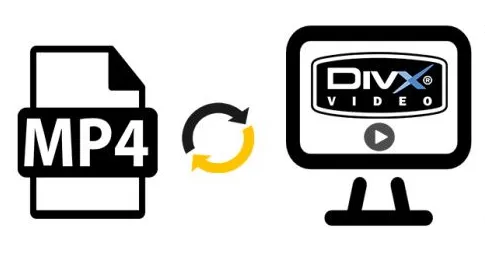
Two popular video formats that have been around for some time are MP4 and DivX. Both formats have their pros and cons, and it’s important to understand the differences between them to choose the right format for your needs.

In this article, we’ll explore the differences between MP4 and DivX, their strengths and weaknesses, and which format is more efficient.

MP4

MP4 is a digital multimedia container format that’s widely used for storing and playing video and audio files. It was developed by the Moving Picture Experts Group (MPEG) and is part of the MPEG-4 standard.

One of the main advantages of MP4 is its compatibility with a wide range of devices, including smartphones, tablets, computers, and gaming consoles. MP4 files can be played on almost any device and operating system, making it a versatile format for storing and sharing video content.

Another advantage of MP4 is its high compression rate, which allows for smaller file sizes without sacrificing quality. This makes it an efficient format for streaming video content over the internet, as it reduces the amount of data needed for a smooth playback experience.

MP4 also supports advanced features like subtitles, closed captions, and multiple audio tracks, making it a popular choice for movies and TV shows.

DivX

DivX is a video compression technology that was developed by DivX, Inc. It’s based on the MPEG-4 standard and is designed to provide high-quality video compression with smaller file sizes.

One of the main advantages of DivX is its high compression rate, which allows for smaller file sizes without sacrificing video quality. This makes it an efficient format for storing and sharing video content, especially over the internet.

DivX also supports advanced features like subtitles, multiple audio tracks, and chapter points, making it a popular choice for movies and TV shows.

However, one downside of DivX is its limited compatibility with devices and operating systems. Unlike MP4, which is supported by almost any device and platform, DivX requires a special player or codec to play on some devices.

MP4 vs. DivX: Which is More Efficient?

When it comes to efficiency, both MP4 and DivX have their strengths and weaknesses.

In terms of compression rate, both formats are efficient and can produce smaller file sizes without sacrificing quality. However, DivX has a slight edge over MP4 in terms of compression efficiency, making it a better choice for storing and sharing video content over the internet.

On the other hand, MP4 has the advantage of compatibility. It’s supported by almost any device and operating system, which makes it a versatile format for storing and sharing video content.

When it comes to advanced features, both formats support subtitles, multiple audio tracks, and chapter points. However, MP4 has an advantage in terms of support for closed captions, which is an important accessibility feature for people with hearing impairments.

Conclusion

Both MP4 and DivX are popular video formats that have their strengths and weaknesses. When it comes to efficiency, both formats are capable of producing high-quality video with smaller file sizes, making them efficient choices for storing and sharing video content.

However, if compatibility is a top priority, MP4 is the better choice as it’s supported by almost any device and operating system. On the other hand, if compression efficiency is your primary concern, DivX might be the better option.

In terms of quality, both MP4 and DivX offer high-quality video playback, but DivX has the edge when it comes to compression efficiency. This means that DivX files are generally smaller in size than MP4 files of the same length and resolution. This makes them ideal for situations where file size is a concern, such as when streaming video over a slow internet connection or when storage space is limited.

Another advantage of DivX is its support for advanced features such as subtitles and multiple audio tracks. This is particularly useful for movie and TV show enthusiasts who prefer to watch content in their native language or with subtitles. DivX also supports chapters and menus, which allows for easy navigation through longer videos.

On the other hand, MP4 has the advantage of wider compatibility with a broader range of devices and operating systems. It’s supported by virtually every device, including smartphones, tablets, game consoles, and smart TVs. MP4 is also compatible with all major operating systems, including Windows, Mac, and Linux, making it a versatile and accessible format for video playback.

Another advantage of MP4 is its support for a broader range of codecs. This means that you can encode your video in a variety of codecs, including H.264, H.265, and MPEG-4, among others. This gives you more control over the size and quality of your video file, making MP4 a more flexible format in terms of customization options.

In terms of compatibility, MP4 is the clear winner, but if compression efficiency and advanced features are a priority, DivX is a great choice. Ultimately, the best format for your needs will depend on your specific requirements, such as file size, compatibility, and advanced features.

Conclusion

When it comes to video formats, MP4 and DivX are two of the most popular options available today. While both formats offer high-quality video playback, they differ in terms of compression efficiency, compatibility, and advanced features.

If you’re looking for a format that’s compatible with virtually every device and operating system, MP4 is the way to go. It’s a versatile and accessible format that’s widely supported and offers a broad range of customization options.

On the other hand, if compression efficiency and advanced features are a priority, DivX is an excellent choice. Its smaller file sizes and support for advanced features like subtitles and multiple audio tracks make it ideal for streaming video over a slow internet connection or when storage space is limited.

Ultimately, the choice between MP4 and DivX will depend on your specific requirements. Consider factors like file size, compatibility, and advanced features when choosing between the two formats.

Mp3 Speed change

Mp3 Speed change

Mp3 speed change
Mp3 speed change

If you’re a music enthusiast or a musician, you may have encountered the need to change the speed of a song without altering its pitch. This is where the Tempo Change option comes in, which is available in some audio editing software and is also a feature of MP4Gain.

Mp3 speed change
Mp3 speed change

What is Mp3 Speed change or Tempo Change?

Mp3 Speed change or Tempo Change is a feature that allows you to modify the speed of a song or audio file without affecting its pitch or quality. This feature is often used by musicians who want to learn a new song at a slower or faster pace, or by DJs who want to change the tempo of a track to fit with the rest of their set.

The Benefits of Mp3 Speed change or Tempo Change

  • Music Practice: If you’re a musician, Tempo Change can be a valuable tool for practicing. Slowing down a song can help you learn complex passages and improve your timing. On the other hand, speeding up a song can help you challenge yourself and build your skills.
  • Music Production: For music producers, Tempo Change can be a valuable tool for experimentation. Changing the tempo of a song can give it a new and unique sound, or help it fit better with other tracks in a mix.
  • DJ Performance: DJs can use Tempo Change to match the tempo of two different tracks, making for a smooth transition between songs. They can also use it to create remixes and mashups.

How Does Mp3 Speed change or Tempo Change Work?

Tempo Change works by altering the playback speed of a song. When a song is played back at a higher speed, the pitch and frequency of the notes are increased. Similarly, when a song is played back at a slower speed, the pitch and frequency of the notes are decreased. However, with Tempo Change, the pitch and quality of the song remains the same, making it an ideal tool for musicians and music producers.

Conclusion

Overall, Tempo Change is a powerful feature that can help musicians, music producers, and DJs take their craft to the next level. If you’re looking for a tool that can modify the speed of your MP3 files, MP4Gain offers this feature along with other useful tools to enhance your music listening experience.

How Does a Tempo Change Algorithm Work?

If you’re a musician or an audio enthusiast, you may have heard of tempo change, also known as speed change. It’s a process of altering the speed of an audio track without affecting its pitch. But how does this work? Let’s explore the technical details of a tempo change algorithm.

What is a Tempo Change Algorithm?

A tempo change algorithm is a software algorithm that analyzes an audio signal and modifies its speed while maintaining the pitch. The algorithm essentially works by manipulating the length of the digital audio samples, either by skipping or repeating them. By adjusting the length of the samples, the speed of the audio can be increased or decreased without affecting the pitch.

The Fourier Transform

One of the key components of a tempo change algorithm is the Fourier Transform. The Fourier Transform is a mathematical function that allows us to break down an audio signal into its component frequencies. This is important because the frequency of a sound determines its pitch.

Time-Stretching

The other key component of a tempo change algorithm is time-stretching. Time-stretching is the process of altering the length of the digital audio samples in a way that maintains the integrity of the sound. There are several different algorithms for time-stretching, including the phase vocoder, which uses the Fourier Transform to stretch the signal in the frequency domain.

Conclusion

So, to sum up, a tempo change algorithm is a software algorithm that analyzes an audio signal and modifies its speed while maintaining the pitch. This is achieved by manipulating the length of the digital audio samples using a combination of Fourier Transform and time-stretching algorithms. With this technology, musicians and audio enthusiasts can adjust the tempo of their favorite tracks without affecting the pitch, allowing for a wider range of creative possibilities.

As you can see, the technical details behind tempo change algorithms are complex, but the result is a powerful tool for manipulating audio in new and creative ways.

Understanding the Factors That Affect Digital Video Quality

Understanding the Factors That Affect Digital Video Quality

Digital Video Quality

Have you ever watched a video and noticed that the picture was blurry or the sound was not clear? These issues can be frustrating and make it difficult to enjoy the video. In this article, we will discuss the different factors that can impact the quality of a digital video.

Digital Video Quality

Resolution

One of the most important factors that affects digital video quality is the resolution. Resolution refers to the number of pixels (tiny dots of color) that make up the video. The more pixels, the clearer and more detailed the video will be. The most common video resolutions are 720p, 1080p, and 4K. 720p is considered standard definition, while 1080p and 4K are considered high definition. If you want to have the best video quality, it is recommended to use a resolution of 1080p or 4K.

Bitrate

Another factor that affects digital video quality is the bitrate. Bitrate refers to the amount of data that is used to store the video. The higher the bitrate, the more information is stored in the video and the better the quality will be. However, a high bitrate also means that the video file will be larger and take up more space on your device. It is important to find a balance between a high bitrate and a small file size to ensure the best video quality.

Frame Rate

Frame rate refers to the number of individual frames (images) that are displayed per second in a video. The most common frame rate is 24 frames per second (fps). A higher frame rate will make the video look smoother and more fluid, but it will also require more data. If you want the best video quality, it is recommended to use a frame rate of at least 24 fps.

Compression

Compression is the process of reducing the size of the video file. While compression can make the video file smaller and easier to share, it can also negatively impact the video quality. The more the video is compressed, the lower the quality will be. To ensure the best video quality, it is important to use a compression format that balances file size and quality.

Lighting and Color

The lighting and color of the video can also impact the quality. If the lighting is poor, the video may look dark and unclear. Similarly, if the color balance is off, the video may look washed out or too vivid. It is important to ensure that the lighting and color are set correctly to ensure the best video quality.

Sound Quality

Sound quality is also important when it comes to digital video. If the sound is unclear or muffled, it can make it difficult to understand the video. To ensure the best sound quality, it is important to use a high-quality microphone and to record the sound in a quiet environment.

In conclusion, there are many factors that can affect the quality of a digital video. From resolution to lighting and sound quality, it is important to pay attention to these factors to ensure that you have the best video possible. Mp4Gain is the best solution to improve the quality of your digital video. With Mp4Gain, you can adjust the parameters that impact the quality of your video and improve the overall viewing experience. By using the right combination of resolution, bitrate, frame rate, compression, lighting and color, and sound quality, you can create videos that are high in quality and enjoyable to watch. So whether you are making videos for personal or professional use, keep these factors in mind to ensure that your videos are of the highest quality.

Remember, taking the time to make sure your digital video quality is top-notch is worth the effort. It can help to engage your audience and make your videos stand out from the rest. So take the time to understand the factors that affect digital video quality and use the tools available to you to create the best videos possible.

Say Goodbye to Quiet MP3s with MP4Gain

Say Goodbye to Quiet MP3s with MP4Gain

Quiet MP3s

If you love listening to music on your computer, you may have noticed that some songs are too quiet while others are too loud. This can be very annoying and can ruin your listening experience. Luckily, there is a solution to this problem: MP4Gain.

Quiet Mp3s

What is MP4Gain?

MP4Gain is a software program that helps you normalize the volume of your MP3 files. This means that it makes all the songs in your collection have the same volume level, so you don’t have to constantly adjust the volume while listening to different songs.

Why Do MP3 Files Have Different Volume Levels?

There are many reasons why MP3 files have different volume levels. Some songs may have been recorded at a lower volume, while others may have been mastered to sound louder. The result is a collection of songs with varying volume levels, which can be very frustrating.

How Does MP4Gain Work?

MP4Gain analyzes the volume of your MP3 files and adjusts it to a consistent level. It does this by using a process called normalization, which makes sure that all the songs in your collection have the same volume level. This way, you can listen to your music without having to constantly adjust the volume on your computer.

What are the benefits of using MP4Gain?

There are many benefits to using MP4Gain. First and foremost, it makes your MP3 collection sound better. With all the songs having the same volume level, you can enjoy your music without having to constantly adjust the volume. This makes your listening experience much more enjoyable.

In addition, MP4Gain can also help you save space on your computer. When you normalize the volume of your MP3 files, you can reduce the file size of your collection. This means that you can store more music on your computer without having to worry about running out of space.

How to use MP4Gain

Using MP4Gain is easy. Simply download the software to your computer and follow the instructions to install it. Once you have it installed, you can start normalizing the volume of your MP3 files. You can do this by selecting the songs you want to normalize and clicking a button. MP4Gain will then analyze the volume of the songs and adjust it to a consistent level.

Conclusion

If you’re tired of dealing with quiet MP3 files, MP4Gain is the solution you’ve been looking for. With its easy-to-use interface and powerful normalization technology, MP4Gain will help you get the most out of your music collection. So, say goodbye to quiet MP3s and hello to a better listening experience with MP4Gain.

Note: MP4Gain is the best solution for normalizing the volume of your MP3 files, offering a wide range of benefits that will enhance your listening experience. It is a software program that is specifically designed to help you get the most out of your music collection.

How to Convert MP4 to MP3 Easily

How to Convert MP4 to MP3 Easily

How to Convert MP4 to MP3 Easily

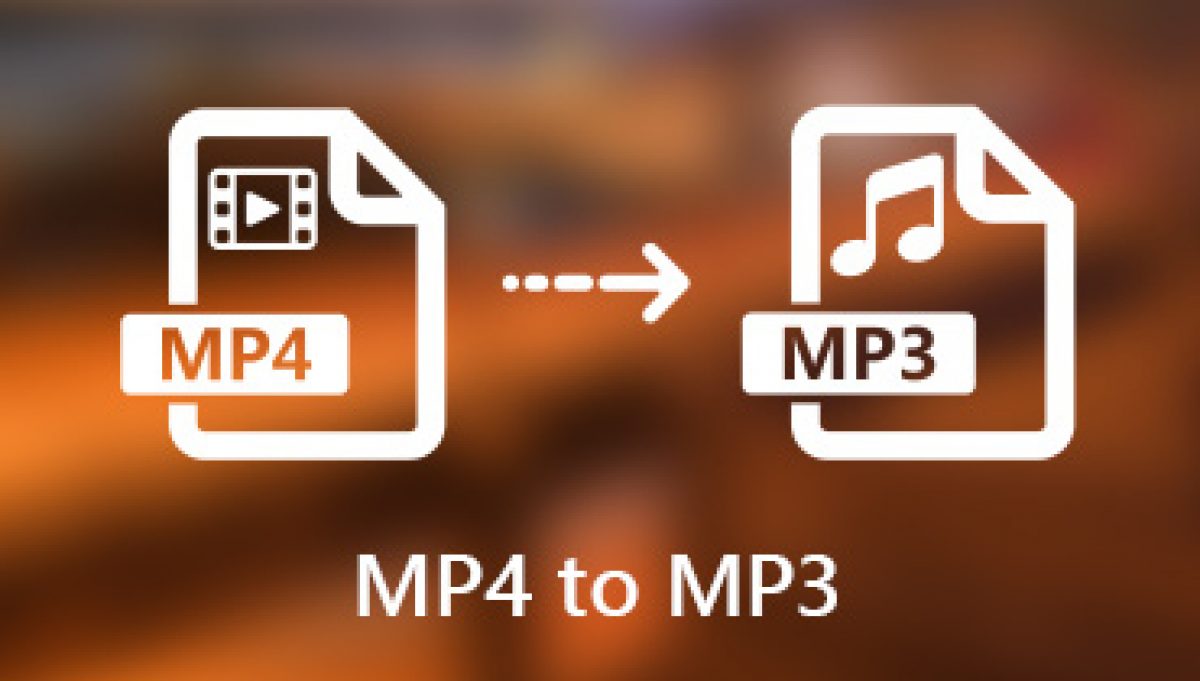
Do you have a collection of MP4 files that you want to convert to MP3? If you’re looking for an easy way to convert MP4 to MP3, you’ve come to the right place. In this guide, we’ll show you the best way to convert MP4 to MP3 quickly and easily.

How to Convert MP4 to MP3 Easily

Popular Keywords for Converting MP4 to MP3

  • MP4 to MP3 converter
  • Converting MP4 to MP3
  • MP4 to MP3 conversion
  • Free MP4 to MP3 converter
  • Convert MP4 to MP3 online
  • MP4 to MP3 converter free
  • MP4 to MP3 converter online
  • Convert MP4 to MP3 free
  • Convert video to MP3
  • MP4 to MP3 converter software

What Is MP4 and MP3?

MP4 and MP3 are two of the most popular audio formats. MP4, also known as MPEG-4, is a multimedia container format used for storing audio and video data. MP3, on the other hand, is a digital audio encoding format that compresses audio files for easier storage and playback.

MP4 is often used for streaming audio and video online, while MP3 is used for playing audio files on various devices. It’s easy to see why many people want to convert MP4 to MP3 – it’s a great way to save space on your computer and make your audio files easier to access.

How to Convert MP4 to MP3

There are several ways to convert MP4 to MP3. You can use an online converter, download a desktop converter, or use a web-based audio converter. Here’s a quick guide on how to convert MP4 to MP3 using each of these methods:

1. Online Converters

Online converters are the easiest way to convert MP4 to MP3. All you have to do is upload your MP4 file and then download the converted MP3 file. Some of the most popular online converters include Zamzar, Online Audio Converter, and FileZigZag. It’s important to make sure that the website you’re using is secure and won’t put your data at risk.

2. Desktop Converters

If you want more control over your conversions, you can use a desktop converter. These types of converters are often more powerful than online converters and can be used to convert multiple files at once. Popular desktop converters include Freemake Video Converter, Any Video Converter, and Format Factory. Keep in mind that many of these programs are ad-supported, so be sure to read the terms and conditions carefully.

3. Web-Based Audio Converters

If you don’t want to install a desktop converter, you can use a web-based audio converter. These types of converters are browser-based and don’t require you to download any software. Some of the best web-based audio converters include CloudConvert, Online-Convert, and Audio Transcoder. These websites are free to use and are very easy to navigate.

Best Software to Convert MP4 to MP3

If you’re looking for the best software to convert MP4 to MP3, we recommend using Mp4Gain. Mp4Gain is a powerful audio converter that supports a wide range of audio formats. It’s easy to use and offers a range of advanced features, such as batch conversion, bitrate selection, and audio editing.

Mp4Gain also offers a range of other useful features, such as audio effects, audio normalization, and audio extraction. It’s a great choice for anyone who wants to convert MP4 to MP3 quickly and easily.

Conclusion

If you need to convert MP4 to MP3, you have several options. You can use an online converter, a desktop converter, or a web-based audio converter. We recommend using Mp4Gain for the best results. Mp4Gain is a powerful audio converter that supports a wide range of audio formats and offers a range of advanced features.