Audio Codecs: From PCM to Opus

What are the Main Differences Between PCM and Opus Audio Codecs?
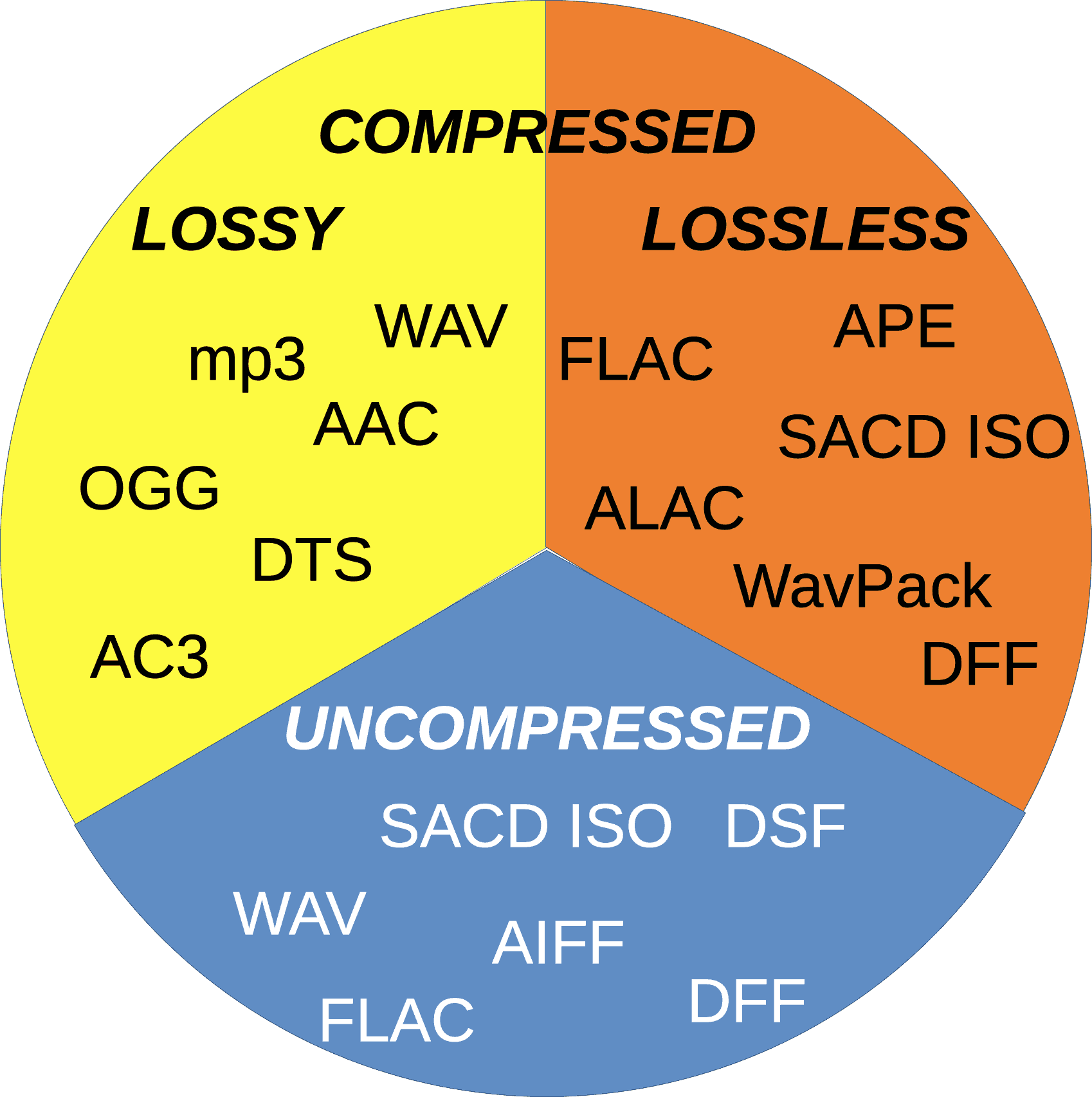
PCM (Pulse Code Modulation) has been a long-standing standard for digital audio representation, where analog audio signals are sampled and quantized at regular intervals. PCM provides accurate sound reproduction, making it a popular choice for various applications like music production and high-fidelity audio playback.
On the other hand, Opus is a more modern and efficient audio codec designed to deliver high-quality audio at lower bitrates. Unlike PCM, Opus uses a combination of lossy and lossless compression techniques, dynamically adapting its compression algorithm based on the audio content. This adaptive approach allows Opus to achieve better audio quality at lower bitrates, making it suitable for real-time communication and online streaming.
While PCM remains a robust and reliable standard, Opus has revolutionized the audio codec landscape with its versatility and ability to optimize audio quality for varying network conditions.
“Opus, the innovative audio codec, has truly changed the game by offering impressive audio quality even at lower bitrates. This adaptability sets it apart from traditional PCM, making it an excellent choice for modern communication and streaming applications.” – Audio Codec Evolution: From PCM to Opus
How Does Opus Ensure Low Latency in Real-Time Communication?
One of the defining features of the Opus codec is its low latency performance, making it ideal for real-time communication applications like voice calls and video conferencing. Low latency is crucial in such scenarios to ensure smooth, uninterrupted communication and minimize delays during conversations.
Opus achieves low latency through a combination of techniques:
Frame Size Optimization: Opus allows developers to customize the frame size, which directly impacts latency. By using smaller frame sizes, Opus can achieve lower latency, ensuring rapid transmission of audio data.
Variable Bitrate (VBR): Opus uses VBR encoding, where it dynamically allocates bits based on the complexity of the audio content. This ensures that critical audio elements are transmitted with higher fidelity while optimizing overall latency.
Packet Loss Concealment: Opus employs efficient packet loss concealment algorithms, reducing the impact of lost data during transmission. This enhances the overall audio experience during network fluctuations.
“Opus, with its low latency capabilities, brings real-time communication to new heights, allowing for natural and fluid conversations even in challenging network conditions.” – Opus: The Low Latency Audio Codec for Seamless Communication
What Makes Opus Stand Out Among Other Audio Codecs?
Opus has gained widespread recognition for its outstanding performance and versatility in the audio codec landscape. Its unique features set it apart from other codecs, making it a top choice for various applications.
One of Opus’ remarkable strengths is its adaptability to varying network conditions. By dynamically adjusting its bitrate based on available bandwidth and network stability, Opus ensures consistent audio quality even in challenging environments. This adaptability makes it ideal for internet-based applications, including VoIP calls, online gaming, and video streaming.
Furthermore, Opus supports a wide range of bitrates, from low bitrates suitable for speech communication to high bitrates for music streaming. This flexibility allows developers to tailor the codec’s performance to their specific use cases, ensuring optimal audio quality across different scenarios.
“Opus shines among audio codecs with its unparalleled adaptability and exceptional performance, making it a favorite choice for developers seeking high-quality audio experiences in a variety of real-time applications.” – Opus Audio Codec: Unraveling the Magic of Versatility
How Does Opus Adapt to Varying Network Conditions?
Opus is designed to adapt seamlessly to varying network conditions, ensuring consistent audio quality even in challenging environments. Its ability to dynamically adjust the bitrate is a key factor in this adaptability.
When network conditions are stable and there is ample bandwidth available, Opus can deliver higher audio quality by utilizing a higher bitrate. On the other hand, if network conditions become congested or bandwidth becomes limited, Opus can quickly reduce the bitrate to maintain a smooth audio stream.
Opus achieves this bitrate adaptability through its use of variable bitrate (VBR) encoding. By allocating bits more efficiently based on the complexity of the audio content, Opus can maintain a balance between audio quality and overall file size. This adaptability makes Opus an excellent choice for internet-based applications, where network conditions can vary widely.
“Opus’s ability to adapt its bitrate ensures a consistent and high-quality audio experience, making it the go-to choice for developers seeking reliability in ever-changing network conditions.” – Opus Audio Codec: Adapting to Network Variability
What Are the Different Bitrates Supported by Opus?
Opus provides excellent flexibility when it comes to bitrate selection, allowing developers to tailor the audio quality to their specific needs. Opus supports a wide range of bitrates, ranging from as low as 6 kbps for low-bandwidth scenarios, up to 510 kbps for high-fidelity music streaming.
For applications focused on real-time communication, lower bitrates are typically sufficient. Bitrates around 32-64 kbps provide clear, intelligible speech without excessive bandwidth consumption. On the other hand, music streaming platforms may benefit from higher bitrates in the range of 128-256 kbps, delivering superior audio fidelity.
“Opus’s extensive range of supported bitrates empowers developers to optimize their applications for various scenarios, ensuring an optimal balance between audio quality and bandwidth usage.” – Opus Audio Codec: Tailoring Bitrates for Diverse Needs
Is Opus an Open-Source Audio Codec?
Opus is indeed an open-source audio codec, which means it is freely available for developers to use, modify, and distribute without any licensing restrictions. This open-source nature has contributed to Opus’ widespread adoption and integration into numerous applications and platforms.
Being open-source also fosters a collaborative community of developers working together to improve and refine the codec continually. This ensures that Opus remains cutting-edge, with regular updates and enhancements driven by the collective expertise of the community.
“Opus’s open-source nature empowers developers with the freedom to innovate and create innovative audio experiences without the constraints of licensing fees or proprietary restrictions.” – Opus Audio Codec: The Power of Open-Source Innovation
How Does Opus Compare to Other Popular Audio Codecs?
When comparing Opus to other popular audio codecs like MP3, AAC, and Vorbis, several key differences stand out.
Firstly, Opus consistently provides better audio quality at similar bitrates compared to older codecs like MP3 and AAC. Its hybrid approach of combining both lossy and lossless compression techniques allows it to achieve better sound reproduction and reduced artifacts.
Secondly, Opus excels in real-time communication applications with its low latency and excellent error resilience. This makes it a preferred choice for applications like VoIP calls and online gaming, where smooth and natural conversations are essential.
Furthermore, Opus supports a wider range of bitrates than Vorbis, offering more flexibility to developers to fine-tune the codec’s performance for various use cases.
“Opus stands tall among other popular codecs, setting new standards for audio quality, low latency, and adaptability, making it the codec of choice for modern communication and streaming applications.” – Opus Audio Codec: A Cut Above the Rest
What Are the Best Applications for Using Opus Audio Codec?
Opus finds its best applications in scenarios that demand high-quality audio, low latency, and efficient bandwidth usage. Some of the top use cases for Opus include:
Real-Time Communication: Opus’s low latency and excellent audio quality make it perfect for applications like voice and video calls, enabling smooth and natural conversations.
Online Gaming: Opus enhances the gaming experience with clear in-game communication, allowing players to coordinate seamlessly.
Music Streaming: With support for higher bitrates, Opus delivers top-notch audio quality, making it an excellent choice for music streaming platforms.
Live Audio Streaming: Opus’s adaptability ensures uninterrupted audio streaming even in fluctuating network conditions.
Podcasting and Broadcasting: Opus’s high-quality audio reproduction makes it an ideal choice for podcasters and broadcasters seeking professional-grade sound.
“Opus proves to be a versatile and reliable audio codec, serving as the foundation for enhanced audio experiences in a wide array of applications across various industries.” – Opus Audio Codec: Powering Audio Excellence
Final Words
Opus, the evolutionary audio codec, has transformed the way we experience digital audio. From the traditional PCM to the cutting-edge Opus, the journey of audio codecs has been marked by innovation and adaptability. Opus’s ability to deliver exceptional audio quality, low latency, and adapt to varying network conditions has made it a preferred choice for modern real-time communication, gaming, and streaming applications.
As technology continues to evolve, Opus remains at the forefront of audio compression, setting new standards for audio experiences on the internet. With its open-source nature and collaborative community, Opus continues to grow and improve, promising an exciting future for audio codecs and the way we interact with sound in the digital realm.