
Video Volume Leveling

Let’s talk about Video Volume Leveling
Video volume leveling is like having a magic remote that keeps the volume steady throughout a video. Think about watching a movie where the dialogue is whispered and the explosions are deafening. Annoying, right? Volume leveling smooths out those inconsistencies, so you don’t have to constantly fiddle with the remote. From my experience editing countless videos, I can tell you it’s a game-changer for improving the viewing experience. I once worked on a documentary where the interview audio was all over the place. Volume leveling saved the day, making it much easier to listen to.
Understanding Video Volume and Dynamics
Video volume, in my experience, is like the flow of water in a pipe. Sometimes it’s a trickle (quiet scenes), other times it’s a gush (loud scenes). Volume dynamics refer to these variations in loudness. Just like controlling the water flow with a valve, volume leveling controls the audio dynamics, making the loudness more consistent.
Why is Video Volume Leveling Important?
Volume leveling is crucial for creating professional-sounding videos. Here’s why I believe it’s so important:
-
Improved Viewing Experience:
No more jarring jumps in volume! It’s like smoothing out a bumpy road for a more comfortable ride.
-
Enhanced Audio Clarity:
When the volume is consistent, it’s easier to hear quiet dialogue and details. Imagine listening to a story where the storyteller speaks at the same volume throughout – much clearer!
-
Professionalism:
Volume leveling is a hallmark of professional video production. It shows you care about your audience’s experience.
-
Accessibility:
Consistent volume is especially helpful for viewers with hearing impairments.
How Video Volume Leveling Works
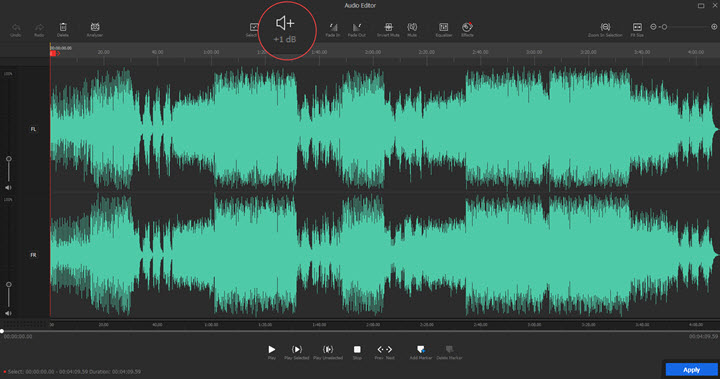
Volume leveling analyzes the audio in a video and adjusts the gain (loudness) of different sections to create a more consistent overall level. Think of it like adjusting the individual knobs on a sound mixer to balance all the instruments. Quiet parts are boosted, and loud parts are reduced.
Different Methods of Video Volume Leveling
There are several approaches to video volume leveling, each with its pros and cons:
-
Normalization:
Normalization boosts the overall volume to a target level without affecting the dynamics. It’s like turning up the main volume knob on a stereo.
-
Compression:
Compression reduces the dynamic range, making the loud parts quieter and the quiet parts louder. Think of it like squeezing a balloon – the overall volume is reduced, but it becomes more uniform.
-
Limiting:
Limiting prevents the audio from exceeding a certain threshold, preventing clipping and distortion. It’s like a safety valve on a pressure cooker.
Choosing the Right Video Volume Leveling Technique
From my experience, the best technique depends on the specific video. Normalization is good for boosting overall loudness. Compression is useful for taming wide dynamic ranges. Limiting prevents distortion. Often, a combination of techniques works best.
Common Challenges in Video Volume Leveling
Even with the best techniques, I’ve encountered some challenges:
-
Over-Compression:
Too much compression can make the audio sound flat and lifeless, like a deflated balloon.
-
Distortion:
Incorrect settings can lead to audio distortion, like a fuzzy radio signal.
-
Breathing:
Compression can sometimes create an audible “breathing” effect, which is an undesirable change in background noise levels.
Tips for Effective Video Volume Leveling
Over time, I’ve picked up some tips to get the best results:
-
Subtlety is Key:
Aim for natural-sounding volume adjustments. Avoid drastic changes that are noticeable to the ear.
-
Monitor with Headphones:
Headphones help you hear subtle details and identify any unwanted artifacts.
-
Experiment with Settings:
Don’t be afraid to try different settings to find what works best for your video.
Advanced Techniques in Video Volume Leveling
For more control, I often use advanced techniques like multiband compression and dynamic equalization. These techniques allow for more precise adjustments to specific frequency ranges.
The Future of Video Volume Leveling
The future of video volume leveling is exciting! I see more AI-powered tools emerging, automating the process and making it even easier to achieve professional-sounding results. Imagine a world where videos automatically adjust their volume to suit your listening environment – that’s the future I’m excited about!
Latest words on Video Volume Leveling
Video volume leveling is more than just a technical process; it’s about enhancing the emotional impact and overall enjoyment of your videos. By understanding the principles and techniques involved, you can create videos that truly captivate your audience. MP4Gain may be a suitable solution for your video volume leveling needs.
FAQ about Video Volume Leveling
What is video volume leveling?
Video volume leveling is the process of adjusting audio levels to create a consistent volume throughout a video.
Why is video volume leveling important?
It improves the viewing experience by eliminating jarring volume fluctuations and enhancing audio clarity.
How does video volume leveling work?
It analyzes the audio and adjusts the gain of different sections to achieve a consistent overall volume.
What are the different methods of video volume leveling?
Common methods include normalization, compression, and limiting.
What is audio normalization?
Normalization boosts the overall volume to a target level without significantly affecting the dynamic range.
What is audio compression?
Compression reduces the dynamic range by making loud parts quieter and quiet parts louder.
What is audio limiting?
Limiting prevents the audio from exceeding a certain threshold, preventing clipping and distortion.
What are some common challenges in video volume leveling?
Challenges can include over-compression, distortion, and breathing artifacts.
What are some tips for effective video volume leveling?
Tips include using subtle adjustments, monitoring with headphones, and experimenting with settings.
What is the future of video volume leveling?
The future may involve more AI-powered tools and automated processes.




Comments:
Great article! This explains why some of my videos sound so much better than others. Thanks! – VideoEnthusiast
I’ve been struggling with uneven audio in my videos. This is a lifesaver! – SoundStruggler
Super helpful tips! I’ll definitely be using these in my next project. – FutureFilmmaker
I’m still a little confused about the difference between normalization and compression. Maybe you could elaborate on that? – AudioNewbie
This is the best explanation of video volume leveling I’ve found online. Thanks for sharing your expertise! – GratefulLearner
I create videos for social media, and consistent volume is so important. This article was really helpful. Thanks! – SocialMediaPro
Awesome explanation. I finally understand why some videos are so jarring to listen to. – HappyViewer
I’m a musician, and I’m starting to make music videos. This will definitely come in handy! – MusicVideoMaker
I use mp4gain.com all the time for this, its great info tho! – mp4gainFan
Good stuff, but maybe add some visuals next time? – VisualLearner