FLAC vs. OGG: Comparing Open Source Audio Formats
Introduction
FLAC and OGG are two popular open source audio formats. They are both lossless, which means that they can perfectly reproduce the original audio signal. However, there are some key differences between the two formats.
FLAC
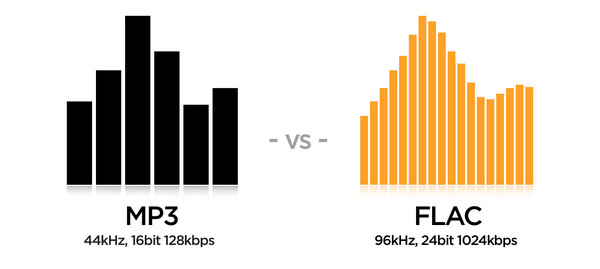
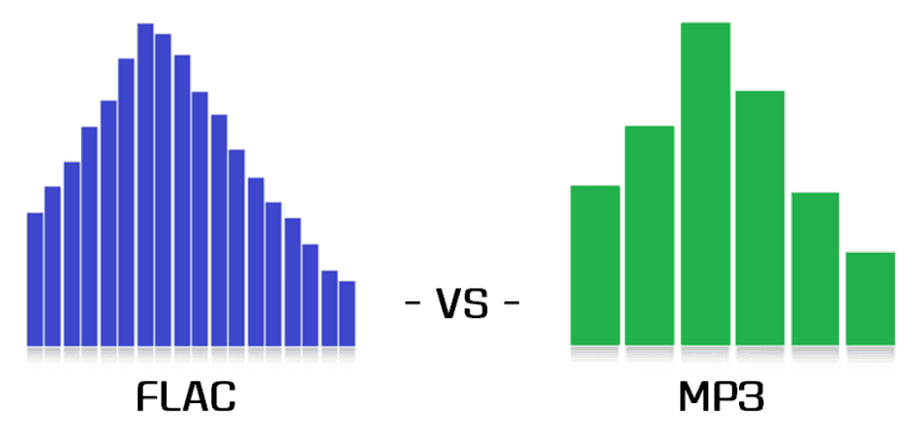
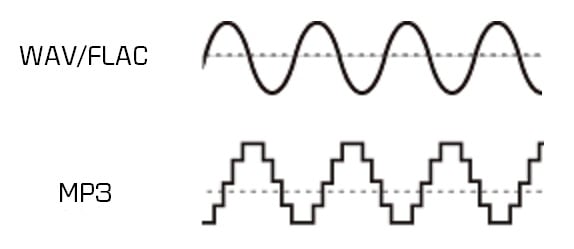
FLAC stands for Free Lossless Audio Codec. It is a lossless audio format that was developed by the Xiph.Org Foundation. FLAC files are typically smaller than WAV files, but they retain the same audio quality. FLAC is a popular format for audiophiles and music lovers who want to store their music in the highest possible quality.
OGG
OGG is a container format that can store a variety of audio and video codecs, including Vorbis, Theora, and Speex. Vorbis is a lossy audio codec that was developed by the Xiph.Org Foundation. Ogg Vorbis files are typically smaller than FLAC files, but they do not offer the same level of audio quality. Ogg Vorbis is a popular format for streaming audio and for distributing music online.
Comparison
The following table compares the key features of FLAC and OGG:
| Feature | FLAC | OGG |
|---|---|---|
| Audio quality | Lossless | Lossy |
| File size | Larger | Smaller |
| Compatibility | Widely compatible | Not as widely compatible |
| Licensing | Free and open source | Free and open source |
Which Format is Right for You?
The best format for you depends on your needs and preferences. If you want the highest possible audio quality, then FLAC is the best option. If you are looking for a smaller file size and compatibility with a wider range of devices, then OGG is a better choice.
Conclusion
FLAC and OGG are both great options for storing and playing audio files. FLAC offers the highest possible audio quality, while OGG offers a smaller file size and compatibility with a wider range of devices. The best format for you depends on your needs and preferences.
Frequently Asked Questions
What is the difference between FLAC and OGG?
FLAC and OGG are both audio formats, but they are different in a few ways. FLAC is lossless, which means that it can perfectly reproduce the original audio signal. OGG is lossy, which means that some of the original audio data is discarded in order to reduce the file size.
Which format is better, FLAC or OGG?
FLAC and OGG are both great formats, but they have different strengths and weaknesses. FLAC offers the highest possible audio quality, while OGG offers a smaller file size and compatibility with a wider range of devices. The best format for you depends on your needs and preferences.
What are some of the benefits of using FLAC or OGG?
There are a number of benefits to using FLAC or OGG, including:
- Smaller file sizes: FLAC and OGG files are typically much smaller than WAV files, which makes them easier to store and transfer.
- Higher quality: FLAC and OGG files offer higher quality audio than MP3 files.
- Compatibility: FLAC and OGG files are compatible with a wide range of devices, including computers, smartphones, and portable music players.
What are some of the drawbacks of using FLAC or OGG?
There are a few drawbacks to using FLAC or OGG, including:
- Larger file sizes: FLAC and OGG files are typically larger than MP3 files, which can take up more storage space on your device.
- Not as widely supported: FLAC and OGG files are not as widely supported as MP3 files, which means that you may not be able to play them on all devices.
Conclusion
FLAC and OGG are both great options for storing and playing audio files. They offer a number of benefits, including smaller file sizes, higher quality audio, and compatibility with a wide range of devices. However, they also have a few drawbacks, including larger file sizes and not being as widely supported as MP3 files. The best format for you depends on your needs and preferences.