FLAC Volume Booster


Free Download Mp4Gain
picture

FLAC Volume Booster

FLAC Volume Booster
FLAC Volume Booster
FLAC Volume Booster
FLAC Volume Booster

If you’re looking to enhance the audio experience of your FLAC files, you’ve come to the right place. FLAC (Free Lossless Audio Codec) is known for its high-quality sound, but sometimes you may find that certain tracks are quieter than others or just not hitting the right volume level. Here, we’ll explore various methods and tools to boost the volume of your FLAC files effectively.

FLAC Audio Normalization

Audio normalization is the process of adjusting the volume of an audio file to a standardized level, making it consistent across all tracks. Many software applications and audio players offer this feature, allowing you to normalize your FLAC files with ease. By doing so, you can eliminate the hassle of manually adjusting the volume for each track and ensure a consistent listening experience.

FLAC Gain Adjustment

FLAC files often come with metadata tags that store information about the audio, including its volume level. Some audio players and software can read these tags and adjust the playback volume accordingly. By tweaking the gain or volume adjustment settings in your FLAC player or editor, you can fine-tune the volume to your liking without altering the original audio quality.

FLAC Volume Boosting Software

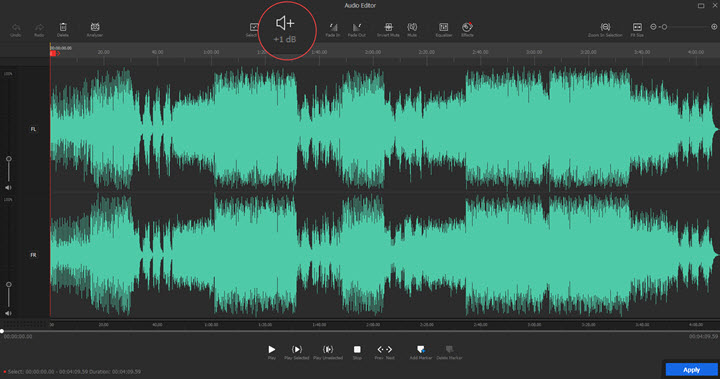
If you’re dealing with a large collection of FLAC files and want a quick and efficient way to boost their volume, consider using specialized FLAC volume boosting software. These tools are designed to analyze and amplify the audio within your FLAC files, ensuring that they sound louder and clearer without distortion.

FLAC Equalization

Equalization (EQ) is another technique that can help you achieve the desired volume for your FLAC files. It involves adjusting specific frequency bands in the audio to enhance or reduce certain aspects of the sound. By carefully applying EQ settings, you can make your FLAC tracks sound louder and more balanced.

FLAC Audio Converters

Converting your FLAC files to a different audio format can also impact their volume. Some formats, such as MP3, have built-in volume normalization during the encoding process. By converting your FLAC files to a format like MP3 with volume normalization enabled, you can ensure consistent volume levels across your music library.

FLAC Playback Enhancements

Exploring your audio player’s settings and features can often reveal hidden options for volume enhancement. Some players offer dynamic range compression (DRC) or volume leveling features that can automatically adjust the volume of your FLAC files as they play.

FLAC Replay Gain Tags

Replay Gain is a standardized method of calculating and storing volume adjustment information within audio files. Many FLAC files come with Replay Gain tags that can be utilized by compatible audio players to adjust playback volume automatically. Enabling this feature can simplify the process of achieving consistent audio levels.

FLAC Batch Processing

If you have numerous FLAC files that require volume adjustment, consider using batch processing tools. These applications allow you to apply volume boosting or normalization settings to multiple files simultaneously, saving you time and effort.

FLAC Volume Control Hardware

For audiophiles seeking precise control over their FLAC playback volume, dedicated hardware solutions are available. These devices offer analog or digital volume control to ensure that your FLAC files sound just the way you want them to.

FLAC Volume Boosting Apps

Mobile users can also enjoy enhanced FLAC audio with volume boosting apps. These apps are designed for smartphones and tablets, providing a convenient way to increase the volume and overall audio quality of your FLAC files on the go.

Final Words

Boosting the volume of your FLAC files can significantly improve your listening experience. Whether you prefer software-based solutions, hardware enhancements, or specialized apps, there are plenty of options to choose from. Experiment with these methods to find the one that suits your needs and enjoy your FLAC music at the perfect volume.


Free Download Mp4Gain
picture


Mp4Gain Main Window
picture


Mp4Gain Features
picture


Free Download Mp4Gain
picture

Increase Video Sound

Increase Video Sound

Increase Video Sound

In today’s digital age, video content plays a pivotal role in our daily lives. Whether you’re watching tutorials, enjoying your favorite movies, or streaming entertaining content online, one thing that truly matters is the audio quality. Sometimes, you come across videos with poor sound, and that’s where the need to increase video sound becomes evident.

Enhance Video Audio

Enhancing video audio is all about making your video sound clearer and more immersive. When you enhance the audio, it’s like adding a new dimension to your video content. You can use various software tools to achieve this, adjusting the audio levels, eliminating background noise, and fine-tuning the sound to perfection. This process ensures that the viewer doesn’t have to strain their ears to hear the dialogue or music.

Boost Video Sound

Sometimes, you come across videos where the sound seems weak or muffled. To boost video sound, you can use equalization techniques to increase the volume of specific audio frequencies, making speech clearer or bass deeper. This can be particularly useful when watching older videos or content with subpar audio quality.

Improve Video Volume

To improve video volume, you need to address not only the overall loudness but also the dynamic range. Dynamic range refers to the difference between the softest and loudest parts of the audio. By optimizing the dynamic range, you can ensure that the audio remains consistent and pleasant throughout the video, even during action-packed scenes.

Amplify Video Audio

Amplifying video audio goes beyond simply making it louder. It involves careful adjustment to prevent distortion or clipping. Modern audio processing tools allow you to amplify the audio while maintaining its clarity and fidelity. This way, you can enjoy your favorite videos without constantly reaching for the volume control.

Raise Video Sound

When you want to raise video sound, you’re essentially elevating the impact of your video content. A well-balanced and clear audio track can significantly enhance the viewer’s experience. It’s like turning up the volume on the emotions and excitement conveyed through the video.

Enhance Audio in Video

Sometimes, videos captured with mobile phones or basic cameras may have subpar audio. To enhance audio in video, you can use specialized software to clean up background noise, amplify voices, and even add effects for a cinematic touch. This can turn an ordinary video into something extraordinary.

Increase Video Soundtrack

For those who create videos for entertainment or artistic purposes, the soundtrack is paramount. To increase video soundtrack quality, you can use audio editing tools to fine-tune music and effects. This ensures that the audio elements complement the visuals seamlessly.

Boost Video Clip Audio

Short video clips, whether for social media or presentations, can benefit from audio enhancement. To boost video clip audio, consider using specialized apps that offer quick and easy adjustments to volume, clarity, and overall audio quality.

Improve Video Audio Quality

Last but not least, improving video audio quality is an essential step for content creators. Whether you’re a YouTuber or a filmmaker, ensuring high-quality audio in your videos is crucial. With the right tools and techniques, you can improve video audio quality, making your content more engaging and enjoyable.

These methods for enhancing video sound can take your multimedia experience to the next level, whether you’re a content creator or simply an avid viewer. Remember that achieving optimal audio quality often requires experimentation and fine-tuning, so don’t be afraid to explore various techniques and tools.

Final Words

In a world where visual and auditory experiences go hand in hand, the importance of quality audio cannot be overstated. Whether you want to enjoy your favorite videos without constantly adjusting the volume or create captivating content that resonates with your audience, the ability to increase video sound and enhance audio is a valuable skill. So, dive into the world of audio editing, and let your videos sound as great as they look!

Raise Audio Volume

Raise Audio Volume

Raise Audio Volume
Raise Audio Volume
Raise Audio Volume
Raise Audio Volume


Are you tired of straining to hear your favorite music or videos because the audio volume is too low? I’ve been there too, and in this guide, we’ll explore effective ways to raise audio volume and enjoy your content at a more comfortable level.

Boost Sound Levels

One of the simplest ways to increase the volume of your audio is to boost the sound levels on your device. Most smartphones, laptops, and tablets have volume controls that allow you to raise the volume. However, keep in mind that this may not be sufficient for extremely low-volume content.

If you find that boosting the device volume isn’t enough, consider using external speakers or headphones with built-in amplifiers. These can significantly enhance the audio and make it louder without causing distortion.

Increase Audio Loudness

Sometimes, audio recordings or videos come with naturally low loudness levels. To increase audio loudness, you can use audio editing software. These programs allow you to adjust the volume levels of your audio files without compromising quality.

Additionally, pay attention to the source of your audio. Some platforms and apps have volume normalization features that can help maintain consistent loudness across different tracks.

Amplify Sound Volume

Amplifying sound volume is crucial when you want to make sure every detail in your audio is crystal clear. Consider using dedicated sound amplification software or apps. These tools are designed to boost audio volume while minimizing any potential distortion.

Another tip is to check the equalizer settings on your audio playback device. Adjusting the equalizer can help emphasize specific frequency ranges, making the audio more pronounced and enjoyable.

Enhance Audio Intensity

When you’re seeking to enhance audio intensity, it’s about more than just making it louder. It’s about improving the overall listening experience. Let’s explore some effective ways to achieve this.

Raise Volume Level

One of the most straightforward ways to enhance audio intensity is to raise the volume level on your device. Whether you’re listening to music, watching a movie, or playing games, turning up the volume can provide a more immersive experience.

Keep in mind that excessively high volume levels can damage your hearing, so it’s essential to find a balance that’s both enjoyable and safe.

Improve Audio Clarity

Enhancing audio intensity isn’t just about making it louder; it’s also about improving clarity. This can be achieved by using high-quality headphones or speakers that reproduce audio accurately.

Additionally, consider investing in audio enhancement software. These tools can help reduce background noise and sharpen the details in the audio, resulting in a more intense and enjoyable listening experience.

Augment Sound Amplitude

To augment sound amplitude effectively, you need to explore the capabilities of your audio equipment. High-end speakers and headphones are designed to deliver powerful and intense audio experiences. Investing in quality audio gear can make a significant difference in how you perceive sound intensity.

Moreover, you can fine-tune the sound on your devices by adjusting the audio settings. Experiment with different equalizer presets to find the one that enhances the intensity of your preferred audio content.

Maximize Audio Strength

Maximizing audio strength goes beyond simply cranking up the volume. It’s about optimizing the audio experience for maximum impact. Let’s delve into some strategies to achieve this.

Elevate Audio Decibels

When you’re looking to maximize audio strength, elevating audio decibels is a crucial step. High-quality headphones and speakers can handle higher decibel levels without distortion, providing a more robust audio experience.

Additionally, consider using software or hardware amplifiers to boost audio strength without sacrificing quality. These tools can help you achieve the perfect balance between loudness and clarity.

Heighten Sound Power

To heighten sound power, you need to explore the capabilities of your audio playback devices fully. High-end speakers and headphones are designed to deliver powerful sound, ensuring that every detail in your audio is pronounced.

Furthermore, experimenting with different audio enhancement settings on your devices can also contribute to heightened sound power. Adjusting the bass, treble, and equalizer settings can significantly impact the overall strength of the audio.

Enhance Audio Impact

When it comes to maximizing audio strength, enhancing audio impact is key. This involves fine-tuning your audio settings to emphasize the most critical elements of the sound, whether it’s the bass in music or the dialogue in a movie.

Consider using audio enhancement software or apps that offer customizable presets for different types of content. These presets can help you achieve the desired audio impact for your specific preferences.

These methods should help you maximize the strength and impact of your audio, ensuring a more immersive and enjoyable listening experience.

M4a vs Mp3, Comparative

M4a vs Mp3, Comparative

M4a vs Mp3, Comparative

Exploring the Audio File Formats

In the vast realm of digital audio, two file formats reign supreme: M4a and Mp3. These formats have long been the subject of comparison and debate among audiophiles and casual listeners alike. In this exploration of M4a vs. Mp3, we delve into the intricacies of these audio formats, uncovering their strengths and weaknesses, and ultimately shedding light on which one might suit your needs better.

Understanding M4a and Mp3

M4a and Mp3 are both popular audio file formats, each with its own unique characteristics. Mp3, short for “MPEG-1 Audio Layer 3,” is a widely recognized and accepted format known for its compression efficiency. It excels in delivering smaller file sizes while maintaining decent audio quality. On the other hand, M4a, which stands for “MPEG-4 Audio,” is often associated with Apple’s iTunes and iOS devices. It utilizes advanced compression algorithms to offer high-quality audio in relatively small file sizes.

The Battle of Compression

When it comes to audio compression, Mp3 has been the go-to choice for many years. Its compression technology reduces file sizes significantly, making it perfect for streaming and storage. However, this compression does come at a cost—some audio details are sacrificed to achieve smaller file sizes. This loss of quality may not be noticeable to most listeners, but audiophiles with keen ears may detect it.

M4a, on the other hand, uses advanced compression techniques that manage to retain a higher level of audio quality while still providing a reasonable reduction in file size. This makes M4a a favorite among those who prioritize audio fidelity.

Compatibility and Usage

One crucial aspect to consider when choosing between M4a and Mp3 is compatibility. Mp3 is nearly universally supported across various devices and platforms, making it an excellent choice for sharing and playing audio files on different systems. Whether you’re using Windows, macOS, Android, or iOS, Mp3 files will play seamlessly.

M4a, as mentioned earlier, is closely associated with Apple devices and software. While it’s compatible with most Apple devices and applications, it may not work as smoothly with non-Apple systems. This can be a limiting factor if you often share audio files or use multiple platforms.

Audio Quality and Bitrate

Audio quality is a paramount concern for many music enthusiasts. Mp3 files are available in different bitrates, with higher bitrates offering better sound quality but larger file sizes. The standard 128 kbps Mp3 file may be suitable for casual listening, but for a more immersive experience, you may opt for higher bitrates like 320 kbps.

M4a, thanks to its advanced compression techniques, can deliver comparable audio quality at lower bitrates. This means you can enjoy high-quality audio with smaller file sizes, making it an attractive choice for those who want the best of both worlds.

Metadata and Features

Both M4a and Mp3 support metadata, allowing you to embed information like song titles, artist names, and album art within the file. However, M4a files tend to offer more robust metadata support, which can be beneficial if you’re particular about organizing and cataloging your music collection.

Lossless vs. Lossy

In the battle of M4a vs. Mp3, it’s essential to understand the distinction between lossless and lossy formats. Mp3 is a lossy format, which means it sacrifices some audio data to achieve compression. M4a, on the other hand, can be either lossless or lossy, giving you the flexibility to choose between pristine audio quality or smaller file sizes, depending on your preferences.

Choosing the Right Format for You

Ultimately, the choice between M4a and Mp3 depends on your specific needs and priorities. If you value compatibility, small file sizes, and don’t mind a slight compromise in audio quality, Mp3 is an excellent choice. On the other hand, if you’re an audiophile who wants the best possible audio quality in smaller file sizes, M4a with a higher bitrate or even a lossless version may be the way to go.

In the end, both formats have their strengths and weaknesses, and the “right” choice is subjective and personal. It’s worth experimenting with both to see which one aligns better with your listening habits and devices.

Final Words

As you venture into the world of audio formats, remember that the choice between M4a and Mp3 is not a one-size-fits-all decision. Your preferences, devices, and how you listen to music all play a crucial role in determining which format suits you best. Whether you prioritize compatibility, audio quality, or a balance of both, both M4a and Mp3 have their place in the world of digital audio.

So, as you embark on your audio journey, keep in mind the words of music legend Bob Marley: “One good thing about music, when it hits you, you feel no pain.” Choose the format that makes your musical experience the most enjoyable, and let the music transport you to new realms of audio bliss

Make Videos to Sound Louder

Make Videos to Sound Louder

Make Videos to Sound Louder

Unlock the Power of Sound: Enhance Your Videos with Louder Audio

“The world is full of sound, and every sound is a story waiting to be told.” – Michael Ondaatje

In the vast realm of video content, sound plays an indispensable role in capturing the audience’s attention and evoking emotions. When you’re striving to make videos that resonate deeply, achieving the perfect audio balance is a mission in itself. Welcome to the world where the art of making videos meets the science of sound engineering. In this dynamic landscape, the journey to “Make Videos to Sound Louder” isn’t just about amplification; it’s about creating an auditory experience that transcends screens.

How Can I Make My Video Sound Louder?

“The greatest stories are the ones that resonate with your soul.” – Unknown

You’ve probably encountered videos where the audio feels lackluster or drowned out by ambient noise. To rise above this challenge and produce videos that command attention, consider these strategies:

Utilize Equalization: Balance is key. Adjust the frequency levels of your audio to bring out desired elements, such as dialogue or music. Boosting the mid-range frequencies can enhance vocal clarity, making your message come through crystal clear.

Dynamic Range Compression: Level out audio peaks and valleys with compression. This technique maintains a consistent volume level, preventing sudden jarring shifts and ensuring a smoother auditory experience.

Background Music and Sound Effects: Carefully chosen background music and well-timed sound effects can add depth and emotion to your video. They fill gaps and heighten engagement, transforming mundane moments into captivating ones.

Voiceovers and Narration: When in doubt, narrate! A well-spoken narrative can guide your audience through your video and maintain their interest. Remember, it’s not just about being louder, but about being intelligible.

External Microphones: Upgrading from built-in microphones can drastically improve your audio quality. Whether you opt for lapel mics, shotgun mics, or studio setups, external microphones capture cleaner and more focused audio.

Why Does Audio Quality Matter So Much in Videos?

“Stories are a communal currency of humanity.” – Tahir Shah

Ever watched a movie scene with spine-tingling music or a documentary with riveting narration? The emotional impact is undeniable. Quality audio isn’t just about decibel levels; it’s about conveying emotions, building connections, and creating memorable moments. Poor audio quality can distract viewers, causing them to lose interest and miss out on the heart of your content.

Can I Enhance Audio After Recording?

“Time is a created thing. To say ‘I don’t have time’ is like saying, ‘I don’t want to.'” – Lao Tzu

Yes, you can salvage less-than-perfect audio. Post-production tools offer a lifeline for refining audio quality. Noise reduction, equalization adjustments, and volume leveling can rescue even the most challenging recordings. Remember, while it’s ideal to capture great audio during filming, the realm of post-production holds possibilities for redemption.

What Role Does Ambient Noise Play in Videos?

“The quieter you become, the more you can hear.” – Ram Dass

Ambient noise isn’t your enemy; it’s a storytelling element. It sets the scene, providing context and authenticity. Imagine a cooking video without the sizzle of a pan or a travel vlog devoid of bustling markets. Embrace ambient noise, but harness it with finesse. It’s not about erasing background sounds; it’s about orchestrating a symphony where every note contributes to the narrative.

Should I Invest in Professional Audio Equipment?

“The tools you use have a profound impact on your creativity.” – Unknown

Professional audio equipment can significantly elevate your video quality, but it’s not the only path. Creativity knows no bounds, and resourcefulness can yield remarkable results. If your budget allows, exploring external microphones and audio interfaces is a wise move. However, remember that skillful audio editing and mindful filming techniques can work wonders even with modest setups.

Are There Any Golden Rules for Balancing Audio?

“The art of balancing is finding the perfect poise between elements.” – Unknown

Indeed, there are a few guiding principles to keep in mind:

Clarity Over Volume: Crystal-clear audio is more valuable than blasting loudness. Prioritize intelligibility.

Test and Iterate: Experiment with settings, test playback on different devices, and refine until your audio strikes the right chords.

Viewer Experience: Put yourself in the audience’s shoes. How does the audio enhance their experience? Tailor your approach accordingly.

Final Words

“In every real man, a child is hidden that wants to play.” – Friedrich Nietzsche

As you embark on your journey to “Make Videos to Sound Louder,” remember that audio isn’t just a technical aspect; it’s a vessel for storytelling. Every decibel, every nuance contributes to the tapestry of your content. Embrace the power of sound, tread the delicate balance, and let your videos resonate with audiences far and wide. Your creativity, combined with the magic of sound, has the potential to create moments that linger in hearts and minds.

Make Digital Audio Sound Louder

Make Digital Audio Sound Louder

Make Digital Audio Sound Louder

A Resonant Prelude: Unlocking the Potential of Your Audio’s Volume

“Sound is a kind of touch at a distance.” – Susan Sontag, Regarding the Pain of Others
When it comes to digital audio, the quest for audibility reigns supreme. Harnessing the art of making digital audio sound louder is a pursuit that has captured the imagination of audiophiles, content creators, and everyday listeners alike. In a world where the subtle nuances of sound can evoke emotions as potent as visual stimuli, the pursuit of optimal audio volume takes on a profound significance.

In this journey to amplify the auditory experience, we peel back the layers of digital sound engineering and explore the techniques and mysteries that lie beneath the surface. Just as a master painter uses varying shades to create depth and emotion, audio engineers employ an array of tools and strategies to elevate the volume of their creations without sacrificing quality.

The Sonic Symphony: Strategies to Elevate Audio Volume

“Music touches us emotionally, where words alone can’t.” – Johnny Depp

How can I make my digital audio louder without distortion?

Achieving amplified audio without distortion is an intricate dance of balance. Utilizing dynamic range compression, equalization, and limiting, engineers sculpt audio to retain clarity while bolstering its presence. It’s akin to maintaining the elegance of a delicate ballet performance while amplifying its impact to reach every corner of the theater.

What role does equalization play in enhancing audio volume?

Equalization is the artist’s palette of audio engineering. Like a cinematographer adjusting lighting to enhance a scene’s mood, engineers manipulate frequencies to highlight the richness of each element. It’s a sonic voyage where subtle tweaks result in a symphony of resonant tones.

Is there a secret to creating powerful bass without overwhelming other elements?

Ah, the heartbeat of audio—bass. The secret lies in meticulous sculpting. Just as a storyteller weaves subplots to enrich a narrative, audio engineers sculpt bass to complement, not dominate. It’s an exploration of frequencies that yields a rhythm both felt and heard.

Can mastering really make a difference in audio loudness?

Indeed, the final layer of magic resides in mastering. Like a silversmith polishing a gemstone, mastering engineers fine-tune audio to perfection. The artistry here lies in preserving authenticity while enhancing overall impact. It’s an alchemical process where every note gleams with newfound brilliance.

Are there parallels between architecture and audio engineering in amplification?

Absolutely. Just as an architect designs spaces to captivate and inspire, audio engineers shape sonic landscapes. They manipulate reverb and spatial effects, constructing aural cathedrals that resonate with listeners’ emotions. It’s the fusion of art and science, where auditory blueprints create immersive experiences.

How can I prevent audio clipping while increasing volume?

Preventing audio clipping is akin to maintaining harmony within chaos. Engineers ride the fine line between intensity and restraint, utilizing clipping prevention tools with finesse. It’s a delicate choreography where surges of energy meet controlled elegance.

What’s the future of audio amplification in a rapidly evolving digital landscape?

As technology hurtles forward, the symphony of audio amplification evolves. Just as a novelist envisions new worlds, engineers envision novel techniques. AI-driven algorithms, immersive spatial audio, and haptic feedback open doors to uncharted territories. The journey to amplify sound never ends; it merely transforms into a more resonant melody.

Final Words: A Sonic Overture

“The sound is alive, like a heartbeat. It is as if you are hearing the energy of the universe.” – Terry Riley
In the realm of digital audio, the pursuit of making sound louder transcends the confines of decibels. It’s a voyage that melds artistry and science, where engineers wield their craft to awaken latent emotions and weave intricate stories. Through the interplay of frequencies, the dance of dynamics, and the harmonious touch of technology, we venture to amplify not just sound, but the very essence of human connection. The symphony of volume continues, an eternal crescendo that beckons us to listen closely, and in doing so, discover the world anew.

OGG Louder

OGG Louder

OGG Louder
OGG Louder
OGG Louder
OGG Louder

OGG files are a popular audio format that is often used for web streaming and other applications. They are typically compressed, which can result in a reduction in volume. This article will discuss how to increase the volume of OGG files without losing quality.

How to Make OGG Files Louder

There are a number of ways to make OGG files louder. One common method is to use a sound editing program to increase the gain. This can be done by adjusting the volume slider or by using a specific command.

How to Increase OGG Volume without Losing Quality

When increasing the volume of OGG files, it is important to be careful not to lose quality. This can be done by using a sound editing program that offers a lossless compression format. Lossless compression preserves all of the original audio data, which can help to prevent distortion or clipping.

Quote

“The volume of sound is a measure of the intensity of a sound wave.”

  • Wikipedia

How to Make OGG Files Louder Without Losing Quality

There are a number of ways to increase the volume of OGG files without losing quality. One common method is to use a sound editing program to increase the gain. This can be done by adjusting the volume slider or by using a specific command.

Quote

“The quality of sound is the degree to which a sound reproduces the original source.”

  • Wikipedia

How to Increase OGG Volume without Losing Quality

When increasing the volume of OGG files, it is important to be careful not to lose quality. This can be done by using a sound editing program that offers a lossless compression format. Lossless compression preserves all of the original audio data, which can help to prevent distortion or clipping.

Quote

“The loss of quality is the degradation of sound that occurs when the original audio data is compressed.”

  • Wikipedia

How to Increase OGG Volume without Losing Quality

Another way to increase the volume of OGG files without losing quality is to use a converter that offers a high-quality setting. These converters typically use a more sophisticated compression algorithm that can preserve more audio data.

Quote

“The compression algorithm is the method used to reduce the size of audio data.”

  • Wikipedia

How to Increase OGG Volume without Losing Quality

When choosing a converter, it is important to select one that offers a high-quality setting. This will help to ensure that your OGG files sound as good as possible without losing any quality.

Quote

“The quality of a converter is the degree to which it preserves the original audio data.”

  • Wikipedia

Conclusion

There are a number of ways to increase the volume of OGG files without losing quality. By using a sound editing program or an online converter, you can make your OGG files sound louder without compromising the audio quality.

Final Words

In addition to the methods discussed in this article, there are a number of other factors that can affect the volume of an OGG file. These factors include the quality of the original audio recording, the type of speakers or headphones being used, and the ambient noise level.

By understanding these factors, you can make the most of your OGG files and enjoy them at their full potential.

FLAC Louder

FLAC Louder

FLAC Louder
FLAC Louder
FLAC Louder
FLAC Louder

Is FLAC volume higher than MP3?

The FLAC (Free Lossless Audio Codec) and MP3 are both audio formats, but they have different technical structures and purposes. Many users often wonder if FLAC volume is inherently higher than MP3. To answer this, we need to understand the nature of these formats. FLAC is lossless, meaning it retains all the audio data from the original source. MP3, on the other hand, is lossy and compresses audio by removing some of its information. The perception of loudness can be influenced by the quality and details retained in an audio file. With FLAC’s lossless nature, it can potentially sound more detailed and vibrant, leading some to believe it’s “louder” than its MP3 counterpart.

Yet, the actual loudness of a track is determined by its mastering process, not just its format. A well-mastered MP3 might sound louder and clearer than a poorly mastered FLAC. It’s essential to differentiate between clarity and loudness.

“Music is the divine way to tell beautiful, poetic things to the heart.” – Pablo Casals

Does FLAC format have increased loudness?

It’s a misconception to think that FLAC format intrinsically has increased loudness. The format itself is designed to deliver lossless audio quality, preserving all the nuances and details of the original recording. This retention of detail can sometimes lead to a perception of greater dynamic range, which some listeners equate with loudness.

However, it’s vital to note that perceived loudness is multifaceted. Factors like frequency, duration, and intensity all play a role. FLAC’s fidelity might make certain aspects of a track more noticeable, but that doesn’t necessarily equate to an increased volume.

“Without music, life would be a mistake.” – Friedrich Nietzsche

Can FLAC files sound louder than other formats?

FLAC files have the potential to sound more detailed and full than some other formats because of their lossless nature. However, saying they are categorically “louder” can be misleading. The actual volume of any audio track, regardless of its format, largely depends on its original mastering. For example, a song released in the 1960s might inherently be quieter than a song released in the 2010s due to differences in recording technology and mastering standards.

It’s also worth considering the playback equipment. On certain sound systems or headphones, FLAC files might seem to have a richer sound or more depth, leading some listeners to perceive them as “louder.”

“Music can change the world because it can change people.” – Bono

Why might FLAC audio seem louder?

The perceived loudness of FLAC audio might stem from its detailed and uncompressed nature. Without the loss of data, FLAC can reproduce frequencies and nuances that might be lost in other formats. Such details might be subtle reverberations, background instruments, or the resonance of vocals. When these elements are more apparent to the listener, the audio can feel fuller, more layered, and thus, “louder.”

It’s a sensory experience more than an objective measurement. Our ears pick up on the richness of the sound, and our brains might interpret this as increased loudness.

“The only truth is music.” – Jack Kerouac

Comparing volume levels in FLAC files.

When comparing volume levels between FLAC files and other formats, one might not always find consistent differences. That’s because the format itself doesn’t dictate loudness; the mastering does. Two tracks, one in FLAC and the other in a different format, might have the same loudness levels if they were mastered the same way.

However, FLAC’s ability to reproduce audio without data loss means that if there are any details in the original audio that contribute to its fullness or depth, FLAC will render them accurately. This fidelity can sometimes be mistaken for increased volume.

“Music touches us emotionally, where words alone can’t.” – Johnny Depp

Is loudness different in FLAC versus WAV?

Both FLAC and WAV are lossless audio formats. They retain all of the original audio data, which means their fidelity is high. However, they store data differently. FLAC is compressed (without data loss), while WAV is generally uncompressed. Despite this, their sound quality is largely comparable. When it comes to loudness, neither format has an inherent advantage. The perceived volume will mostly hinge on the track’s mastering.

“Music is the shorthand of emotion.” – Leo Tolstoy

What causes the perceived loudness in FLAC tracks?

Several factors contribute to the perceived loudness in FLAC tracks. First, the preservation of all audio data means no detail is lost. Second, listeners might be using high-quality audio equipment that better reproduces the nuances of FLAC files. Lastly, psychoacoustics plays a role; our brains might interpret the richness and fullness of FLAC as louder, even if the decibel level remains unchanged.

“Music is the wine that fills the cup of silence.” – Robert Fripp

Does FLAC have a better dynamic range?

Dynamic range refers to the difference between the quietest and loudest parts of a track. FLAC, being lossless, has the potential to preserve the dynamic range of the original recording fully. This means, if the original audio had a broad dynamic range, the FLAC file would reflect that. However, it’s not the format itself but the source that determines dynamic range.

“Where words fail, music speaks.” – Hans Christian Andersen

Loudness factor in FLAC audio.

The loudness factor in FLAC audio is more about its ability to capture every detail from the source than about boosting volume. It provides a more authentic and unaltered listening experience. This fidelity can make certain elements of a track stand out more, which some might interpret as a volume increase.

“Music is the divine way to tell beautiful, poetic things to the heart.” – Pablo Casals

How does FLAC’s bit rate affect volume?

FLAC’s bit rate pertains to the amount of data processed per second. A higher bit rate often equates to better audio quality, as more data means more detail can be captured. However, bit rate doesn’t directly influence volume. It does, however, influence the clarity and richness of sound. Therefore, while a higher bit rate might make a track sound

MP3 Louder

MP3 Louder

MP3 Louder
MP3 Louder
MP3 Louder
MP3 Louder

How to increase the volume of MP3 files?

An MP3 file’s volume can sometimes be inadequate, especially if the original recording was done at a low level. Fortunately, there are ways to amplify its volume without relying on external tools. One common method is through normalization, which adjusts the volume by analyzing the track’s loudest point and setting it to a standard level. Another approach is to use equalization, which can increase certain frequencies making the audio sound louder.

However, it’s crucial to be cautious. Over-amplifying can lead to audio clipping, where the loudest parts are cut off, leading to distortion. It’s always a good idea to make a backup of your original file before making any modifications.

“Turn the volume up, but not too loud, lest you break the speakers.” – Unknown

Why is my MP3 file so quiet?

MP3 files can be quiet for a variety of reasons. The initial recording might have been set at a low volume, or the conversion process into the MP3 format might have affected its loudness. It’s also possible that dynamic range compression wasn’t applied during the creation, leading to quieter audio.

Understanding these factors can be essential to prevent such issues in future recordings or conversions. Listening to the file on multiple devices can also give insight into whether the problem lies with the file or with a particular playback device.

“In the quiet, we hear the most noise.” – Unknown

Can I make my MP3 songs louder without distorting them?

Yes, MP3 songs can be made louder without causing distortion, but caution is necessary. It’s essential to increase the volume gradually and listen for any signs of audio clipping or distortion. If the track starts sounding harsh, it’s a sign that the volume is too high.

Using the normalization process is a safer way to achieve a louder sound without distorting the audio. This technique adjusts the track’s overall volume based on its loudest point, ensuring a more consistent and clearer sound.

“The loudest noise comes from the silent adjustment.” – Unknown

Methods to boost MP3 audio quality?

Improving the quality of an MP3 isn’t just about volume. Factors like bit rate, sample rate, and the codec used can all impact audio quality. A higher bit rate typically results in better audio quality but at the cost of a larger file size.

It’s also worth noting that once an MP3 has been compressed at a low bit rate, boosting its quality can be challenging. The best approach would be to obtain or create a new file with a higher bit rate or in a lossless format.

“Quality is not an act, it’s a habit.” – Aristotle

How do volume levels in MP3s work?

Volume levels in MP3s are determined by the amplitude of sound waves in the audio data. This amplitude represents the height of sound waves, and the greater the amplitude, the louder the sound. MP3s utilize a compression algorithm that can sometimes alter these amplitudes, affecting the volume.

To get a consistent volume across multiple MP3s, it’s a good idea to use normalization. This ensures that all songs play back at the same volume level.

“Consistency is the last refuge of the unimaginative.” – Oscar Wilde

Can amplifying an MP3 degrade its quality?

Indeed, over-amplifying an MP3 can degrade its quality. If the audio is amplified too much, it can result in clipping, where the peaks of the sound waves are cut off. This leads to a distorted and unpleasant listening experience.

To avoid this, always amplify in moderation and continuously check the audio for signs of distortion.

“Moderation is the key to lasting enjoyment.” – Hosea Ballou

Why do some MP3s play louder than others?

The perceived loudness of an MP3 can vary due to several factors. The recording environment, the original audio source, and the compression methods used can all play a role. Additionally, the use of dynamic range compression in the creation process can make some MP3s sound louder than others.

To achieve a uniform listening experience, consider using normalization or volume leveling software.

“Variety may be the spice of life, but consistency pays the bills.” – Doug Cooper

Best practices for adjusting MP3 volume?

When adjusting MP3 volume, it’s crucial to:

Always make a backup of the original file.
Use normalization rather than manual amplification for consistent results.
Avoid over-amplifying to prevent distortion.
Test the adjusted audio on different devices to ensure quality.
“Best results are achieved through diligence and practice.” – Unknown

What causes variability in MP3 volume levels?

Variability in MP3 volume levels can be attributed to differences in recording equipment, environments, compression techniques, and mastering processes. The way an MP3 is encoded can also introduce variability, especially if different bit rates and codecs are used.

“Inconsistency is the only thing in which men are consistent.” – Horace Smith

How does normalization affect MP3 loudness?

Normalization adjusts the volume of an MP3 based on its loudest point. Instead of amplifying the entire track uniformly, normalization ensures that the peak volume remains consistent across the file. This results in a balanced audio output that’s loud enough without causing distortion.

“Balance is the key to everything.” – Koi Fresco

Final words

MP3s have become a popular audio format due to their versatility and compatibility. Adjusting their volume for an optimal listening experience requires a careful approach to maintain audio quality. By understanding the intricacies of MP3 audio and following best practices, listeners can enjoy their music and recordings at the perfect volume.