
Container Formats vs. Codecs in MP4
Let’s talk about Container Formats vs. Codecs in MP4
When you play a video file on your device, you’re interacting with two crucial elements: the container format and the codec. Understanding the difference between these can seem tricky, but let me explain it in the simplest way possible using my years of experience in multimedia. Think of a container format as a lunchbox and codecs as the methods used to cook the food inside. A lunchbox (container) organizes the contents—whether it’s a sandwich, chips, or a drink—while the cooking process (codec) determines how that food was prepared. Without the right lunchbox, your meal might spill, and without proper cooking, the food won’t taste right.
What are Container Formats in MP4?
Container formats are the structures that bundle audio, video, and other data into a single file. The MP4 container is one of the most versatile formats. I like to compare it to a multi-purpose backpack that can hold schoolbooks, a water bottle, and even a laptop. It’s efficient, compact, and widely compatible with various devices and platforms.
- MP4 holds multiple types of media: video, audio, subtitles, and metadata like title and artist information.
- It doesn’t dictate how the data is compressed; that’s the codec’s job.
- MP4 supports advanced features like chapters, menus, and 3D graphics integration.
MP4’s popularity comes from its adaptability. Whether you’re streaming movies or saving family videos, it works seamlessly across most devices.
What are Codecs in MP4?
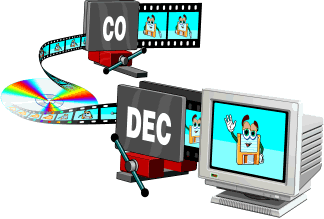
Codecs handle the compression and decompression of video and audio data within the MP4 container. Imagine you’re vacuum-sealing clothes to fit into a suitcase—codecs shrink the data without losing its quality, or at least try to. They determine the efficiency and quality of playback.
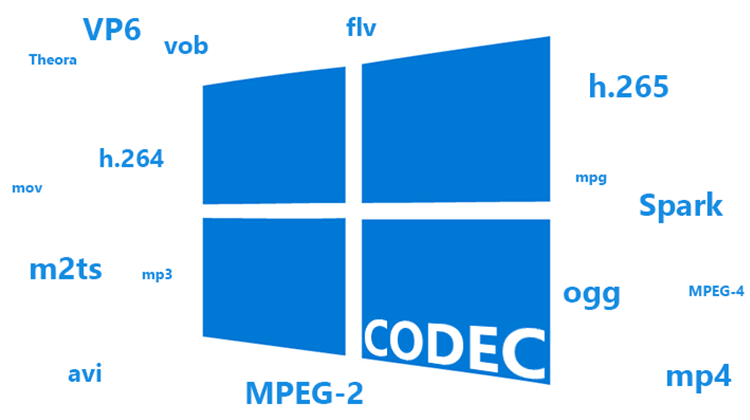
- H.264 (AVC): Commonly used for high-quality video at manageable file sizes.
- H.265 (HEVC): Offers better compression than H.264, saving even more space.
- AAC: A preferred audio codec for MP4, known for its clear sound and efficient compression.
If you’ve ever watched a video that lagged or sounded choppy, the codec may not have been supported by your device, even if the container was MP4.
How Do Container Formats and Codecs Work Together?
The container and codec are partners, but they have distinct jobs. I like to think of them as a pen and ink. The container (pen) holds the ink and gives it a usable shape, while the codec (ink) determines the flow and quality. A high-quality pen with the wrong ink will still result in a poor writing experience.
MP4, as a container, doesn’t care whether the video was compressed using H.264 or H.265. However, your playback device must support the codec used. This is why older TVs might struggle with HEVC even if the file is in MP4 format.
Why MP4 is the King of Compatibility
MP4’s universal compatibility sets it apart from many other container formats. I’ve worked with dozens of formats over the years, but MP4 consistently performs well on smartphones, gaming consoles, and even outdated DVD players.
- Supports most modern codecs, ensuring high-quality playback.
- Works across platforms like Windows, macOS, Android, and iOS.
- Excellent for streaming because of its efficient compression.
Imagine trying to fit a square peg into a round hole—using a less compatible format often results in playback issues. MP4 eliminates these headaches.
When Should You Use MP4 Over Other Formats?
While MP4 excels in most scenarios, there are cases where you might consider alternatives like MKV or AVI. Here’s when MP4 is the clear winner:
- Streaming videos: MP4 ensures smooth delivery and small file sizes.
- Sharing across devices: Its compatibility is unmatched.
- Archiving personal videos: The balance of quality and storage efficiency is ideal.
Think of MP4 as a universal charger—it works almost everywhere, saving you the hassle of carrying multiple adapters.
Understanding the Limitations of MP4
While MP4 is fantastic, it’s not without flaws. One major limitation is its inability to handle multiple audio tracks or subtitles as flexibly as formats like MKV. I’ve often had to switch to MKV for projects involving complex audio setups.
However, for most everyday uses, MP4’s simplicity outweighs its limitations.
Latest Words on Container Formats vs. Codecs in MP4
Container formats and codecs are the backbone of digital media. Understanding their roles can save you from countless playback issues. MP4 remains the go-to choice for most users because of its versatility and compatibility. However, the codec you pair with it is just as important.
For all your multimedia needs, Mp4Gain provides an excellent solution to optimize your audio and video files, ensuring compatibility and quality.
What is the difference between container formats and codecs in MP4?
Container formats like MP4 organize different types of media, such as audio, video, and subtitles, into one file. Codecs, on the other hand, handle the compression and decompression of the media data inside the container.
Why is MP4 such a popular container format?
MP4 is widely compatible across devices and platforms, supports various codecs, and efficiently handles media compression for streaming and storage, making it one of the most versatile formats.
What codecs are commonly used with MP4?
The most common codecs used with MP4 are H.264 (AVC) and H.265 (HEVC) for video, and AAC for audio, providing a balance of quality and efficient compression.
Can MP4 handle multiple audio tracks and subtitles?
Yes, MP4 can include multiple audio tracks and subtitles, but it may not be as flexible as other formats like MKV for managing these features.
What happens if a device doesn’t support the codec inside an MP4 file?
If the codec isn’t supported by a device, the MP4 file won’t play correctly. You may encounter issues like no video, no audio, or complete playback failure.
Is MP4 the best format for streaming?
Yes, MP4 is ideal for streaming due to its efficient compression and widespread compatibility, ensuring smooth playback across various platforms.
What is the role of metadata in an MP4 file?
Metadata in MP4 files provides additional information such as title, artist, album, and other details that enhance media organization and searchability.
Can MP4 files include advanced features like chapters?
Yes, MP4 supports advanced features such as chapters, which allow users to navigate through sections of a video more easily.
Are there better alternatives to MP4 for certain use cases?
For complex audio setups or high-quality media with minimal compression, MKV may be a better choice than MP4 due to its flexibility in handling multiple tracks and lossless formats.
How can I optimize my MP4 files for better compatibility?
Using popular codecs like H.264 for video and AAC for audio ensures broader compatibility. Tools like Mp4Gain can help you optimize media files for seamless playback across devices.





Comments:
Wow, this explained so much I didn’t understand before. I always thought MP4 was just one thing, but now I see how codecs fit into it.
This is so helpful! But I’m still confused about how to pick the best codec for my videos. Could you dive deeper into that?