320 kbps audio bit rate, ideal for streaming.

The triumphant march of the MPEG-1 Layer 3 audio recording format (colloquially called MP3) is explained by the fact that a simple and effective method of compressing an audio file was proposed, allowing to store up to 12 hours of quality music acceptable on a standard CD-ROM disc.

Simply put, the MPEG-1 Layer 3 algorithm is based on the so-called “psychoacoustic” compression method, when frequencies and loudness levels that are not perceptible to the ear are excluded from the sounds in the spectrum. The spectrum “cleaned” in this way is divided into separate blocks (frames) of the same duration and compressed according to specified requirements. When played back, the signal is formed from a sequence of decoded frames.
The compression ratio depends on the parameters of the audio stream, which must be output after decoding the file.
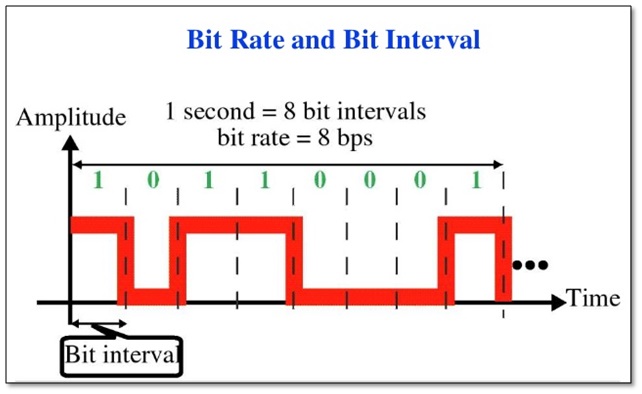
The main parameter that determines the sound quality and the degree of compression is the so-called (what is) bit rate, the bandwidth measured in bits per second.
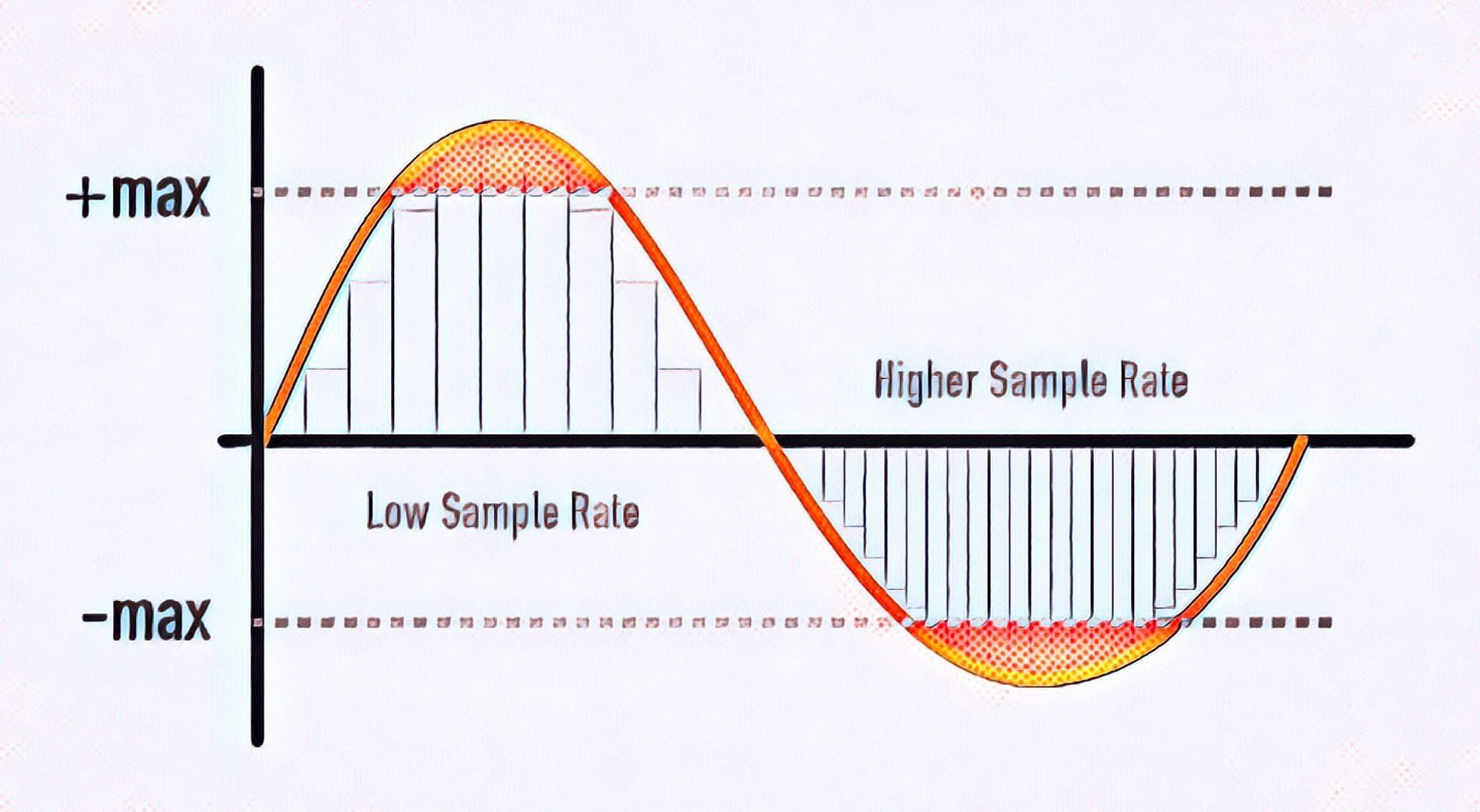
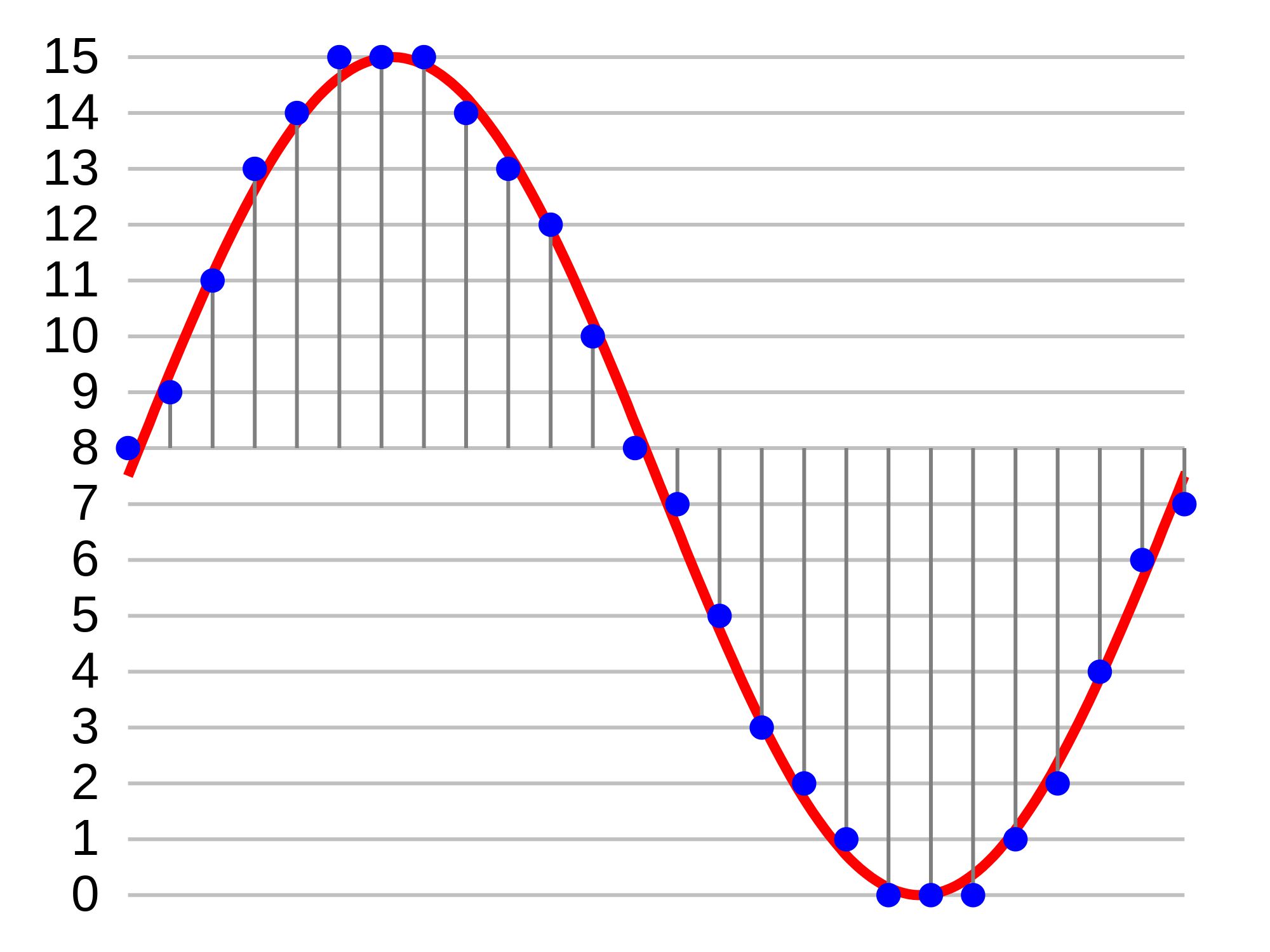
The higher the number, the better the sound quality and the lower the compression ratio. Since almost all MP3 files are recorded in stereo with a 44 kHz encoding rate and 16-bit depth, the determining factors for clear sound are: the source of the recording, the codec used, and the selected bit rate. .
The word codec is formed by combining the words encoder + decoder. This is a software module that allows you to encode or decode audio or video files according to your own algorithm.
The average value of the stream of 256 kbps provides a compression ratio of approximately 6: 1, for other values, the compression ratio changes proportionally. So, with 256Kbps stream, you can record music from six regular audio CDs to one CD, and with 128Kbps stream, you can record from twelve regular music discs.
There is a never-ending controversy between amateurs and professionals about the bit rate that provides good sound quality that matches the playback quality of an audio CD.
Some consider the level of 128 Kbps sufficient, others are satisfied only with the maximum value of the transmission: 320 Kbps. In all probability, both are right: the only difference is what is recorded and under what conditions it is played.
The bit rate at which digitized audio was encoded is usually indicated on the CD cover. For example, the entire Beatles collection can be purchased on three 128Kbps discs or six 256Kbps discs.
It is clear that in the second case the purchase price will be twice as expensive, but the quality is also better.
If the music is played in a home car, the 192Kbps transmission will provide sufficient sound quality, the best that you still won’t hear due to the strange noise. For listening on a computer or standalone player (MP3 player), a 256 Kbps stream is accepted.
But if the signal is sent unchanged to an external device and output to high-quality speakers, the maximum possible stream is desirable: 320 Kbps. Based on the above considerations, a stream of 256 Kbps can be considered universal: with a good recording quality, it will provide adequate playback in most cases.