Which is better, MP3, FLAC or WAV?

The right audio file format can do more with less
Starting with MP3, M4A, and AAC, etc., when you process audio or video in your program, you will find many audio file formats. In this article, we’ll take an in-depth look at the different types of formats and when to use them in an audio or video file.
First, let’s answer some frequently asked questions:
What is the best audio format for sound quality?
Lossless formats like FLAC, WAV and AIFF are the best formats for audio files, these types of audio files are considered “high resolution” because the quality is better than a CD, but these files take up a lot of space.
Which audio file format is best to use on the web?
From a browser compatibility point of view, MP3 and MP4 are the most suitable formats to use on web pages. Modern browsers, including IE9, support this format, and some also support other formats, such as OGG, WebM, AAC, and WAV.
What are the most popular audio formats?
MP3 files are the most widely used format, and the popularity of MP3 in recent decades has led to the rise of many MP3-compatible players on the market, which continues to this day. MP3 offers a variety of different bit rates to balance quality and file size, and efficient size makes it a standard format for exchanging audio files over the Internet.
How to convert audio files from one format to another?
To convert formats manually, use a program like VLC Media Player to convert between popular audio file formats.
To programmatically convert files, Filestack provides an audio file transcoding API that makes converting audio files easy and convenient.
audio file format
MP3
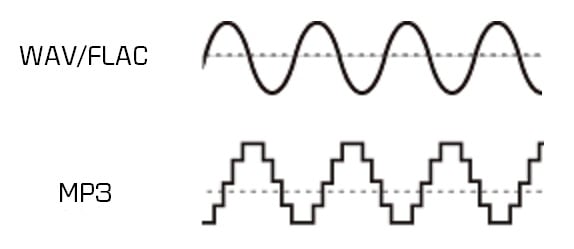
MP3 is the most common audio file format and has lossy compression, which means that its quality will decrease with further editing. But compared to other audio file formats, the file size of MP3 is still relatively large.
MP3 files can be encoded at a constant or variable bit rate. Constant bit rate ensures the same quality throughout the audio file, but results in a larger file; Reduces quality when near silent, which reduces overall file size. Most smartphones and music players use the MP3 format.