
What is a loudness normalizer or an audio volume normalizer?
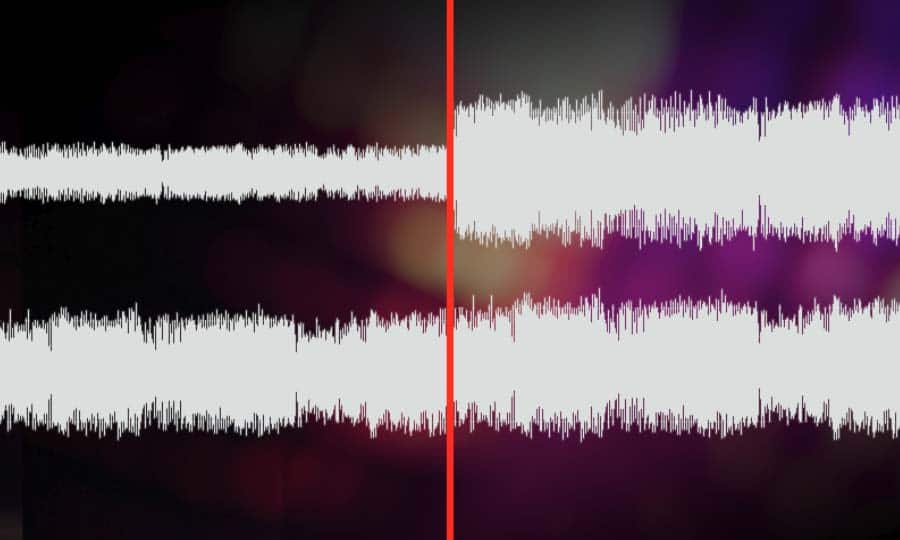
A volume normalizer is used to make sure that audio files play at the best possible volume without clipping and also that all audio files play at a similar volume.
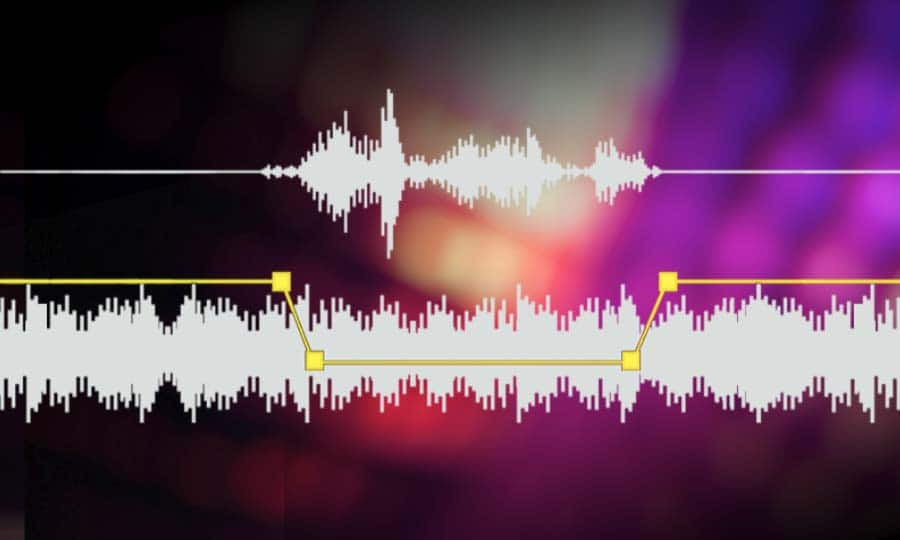
A volume normalizer analyzes an audio file and then adjusts it to sound at a specific volume level. This is often done with audio files that are uploaded to file sharing sites, so that all users can listen to the audio at a similar volume.
It is quite common to find volume differences in the files that are downloaded from the internet, since these have been created from a wav but different sampling and bit frequencies have been used to create them.
A volume normalizer can analyze an audio file and then apply gain or attenuation to adjust the volume of the file to a specified level. This is useful if you want to ensure that all audio files played on your website or in your application sound at a similar volume.
Because it’s frustrating to have a collection of audio or even video files and find that when you play them they play at different volumes.
For this reason, it is necessary to use a volume normalizer, with which you can make sure that all audio and video files are heard at a similar volume.
It is important to ask yourself if the bit rate is important for the quality of an audio or video file, the same for the sample rate.
The answer is no, not always.
Bit rate and sample rate refer to the amount of information that can be stored in an audio or video file.
The higher the bit rate, the higher the quality of the audio or video file.
However, sometimes a low-quality video or audio file can sound better than a high-quality file.
This is because the bit rate and sample rate are not always indicative of the quality of the audio or video file.
There are many factors that can affect the quality of an audio or video file, such as the encoder used to encode the file, the quality of the microphone used to record the file, the quality of the equipment used to play the file, etc.
In summary, the bit rate and the sample rate are not always indicative of the quality of the audio or video file.


